Best popper for topwater smallmouth
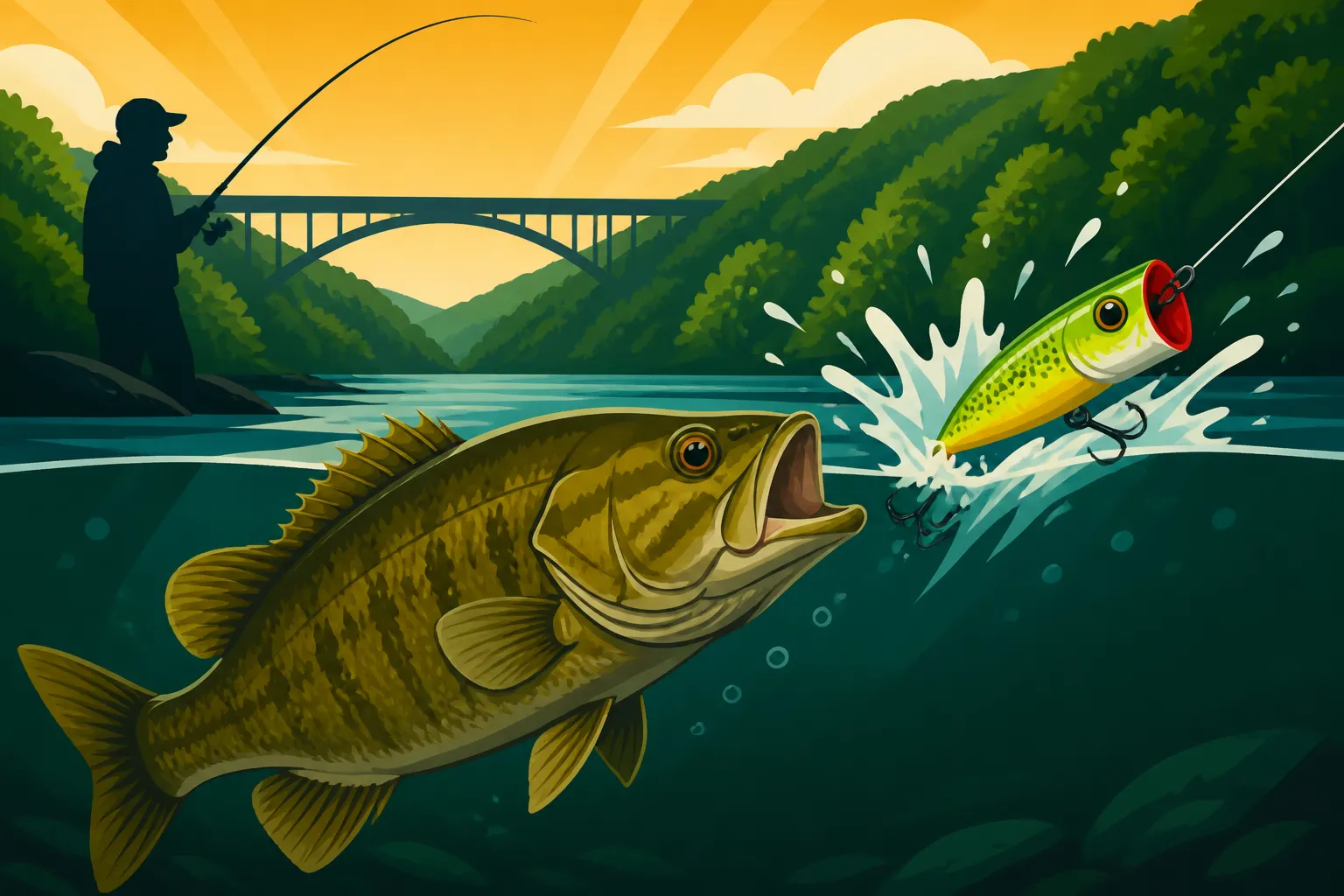
There's nothing quite like the explosive strike of a smallmouth bass exploding on a topwater lure, especially on a warm West Virginia morning. But if you've ever cast a popper only to have fish ignore it, or felt overwhelmed by the sheer variety of options out there, you're not alone. This guide will walk you through everything you need to know about selecting and effectively using the best popper to trigger those exhilarating topwater bites from smallmouth bass in our beautiful Mountain State rivers and lakes.
The Undeniable Appeal of Popper Fishing for Smallmouth Bass
For many anglers, topwater fishing isn't just a technique; it's an addiction. The visual thrill of seeing a fish crash through the surface to attack your lure is unparalleled. When it comes to smallmouth bass, especially in the clear, rocky rivers of West Virginia, poppers are often the key to unlocking this incredible experience. They mimic a struggling baitfish, a frog, or even a large insect that has fallen into the water, presenting an irresistible, easy meal that demands an aggressive response.
Why Smallmouth Love Topwater Action
Smallmouth bass are incredibly opportunistic predators. Their diet consists of crawfish, baitfish like shad and minnows, and a variety of insects. When something hits the surface with a splash, it triggers an innate predatory instinct in them. Unlike largemouth that often lurk in heavy cover, smallmouth in rivers like the New River or Greenbrier are constantly on the move, ambushing prey from current breaks, submerged rock piles, and eddies. A well-presented popper is a beacon in this environment, drawing them up from deeper water with its commotion and tempting them to strike with a quick, tantalizing profile. It's often during the low light of dawn or dusk, or on overcast days, that you'll find smallmouth particularly keyed into the surface bite. This is a crucial aspect of Best Time of Day to Catch Walleye in West Virginia and other species, as light conditions dictate fish behavior.
The sheer aggression of a smallmouth strike on a popper is something etched into an angler's memory forever. It's not just a bite; it's a commitment, a violent explosion that can startle even the most seasoned fisher. This intense feedback makes popper fishing incredibly rewarding, especially after a long day of subtler presentations. The anticipation of that strike keeps you focused, scanning the water for any ripple or shadow that might betray a lurking bronzeback.
Validating the Topwater Frustration
Let's be real, sometimes topwater fishing can feel frustrating. You see other anglers catching fish on poppers, or you watch a fishing show and every cast is a blow-up, but when you try it, you just get follows, swirls, or nothing at all. This isn't because you're doing something wrong necessarily, but often because the choice of popper, the retrieve, or even the subtle nuances of the presentation aren't quite matching what the smallmouth are looking for that day. Our West Virginia rivers can be finicky; clear water and varying current speeds mean fish can be easily spooked or simply uninterested if the offering isn't perfect. This guide aims to demystify those factors, helping you choose the right tools and techniques to turn those frustrations into unforgettable topwater triumphs. Understanding the nuances of How to Catch Smallmouth Bass in West Virginia Rivers is critical for success, and poppers are a big part of that.
Deciphering Popper Styles: What Makes a Topwater Lure Pop?
Not all poppers are created equal. They come in a variety of shapes, sizes, and designs, each intended to create a specific kind of surface disturbance. Understanding these differences is key to matching the hatch, so to speak, of the surface world to what the smallmouth are feeding on, or simply what mood they are in.
The Anatomy of a Popper: Cup Face vs. Chugger vs. Pencil Poppers
At its core, a popper is designed to displace water. The most common feature is a concave or "cup" face at the front of the lure. When you twitch your rod tip, this cup catches the water and creates a "pop" or "chug" sound, along with a spray of water.
- Cup-Faced Poppers: These are your classic poppers. They feature a distinct, deep concave face that's excellent for creating a loud, splashy "pop." Think of them as the noisy attention-getters. They move a lot of water and create a noticeable disturbance, which is fantastic for calling fish from a distance, or when fishing in choppy water or low light. Lures like the Heddon Super Spook or Rebel Pop-R are iconic examples, though the Super Spook is more of a walk-the-dog lure, the Pop-R is a true cup-faced popper. They sit with their nose slightly out of the water, ready to make a commotion. When you want to really make some noise on a big river, a cup-faced popper is your friend.
- Chugger Poppers: Chuggers have a slightly different face design, often a more rounded or less aggressive cup. They create more of a "chugging" or "gurgling" sound than a sharp "pop." This subtle disturbance can be extremely effective when smallmouth are less aggressive or when the water is calmer and clearer. They push water forward, creating a wake that can entice wary fish. These are great for a more finesse topwater presentation, perhaps in smaller creeks or when fish are pressured.
- Pencil Poppers (and "Walk-the-Dog" Lures): While technically not always "poppers" in the classic sense, pencil poppers and their cousins, "walk-the-dog" style baits, are important to discuss as they occupy a similar topwater niche. Pencil poppers are elongated, slender lures that sit vertically in the water. They are designed to be retrieved with a specific rod action that makes them "walk" side-to-side across the surface. This "walk-the-dog" action mimics a baitfish struggling or a snake swimming. They create a subtler, gliding disturbance rather than a splash. While not strictly "poppers," some have slightly cupped faces that allow for a blend of walking and popping. They can be incredibly deadly for smallmouth, especially when fish are chasing baitfish. For techniques like this, anglers often look for specific Best Topwater Lure for Dawn Smallmouth Fishing options that excel at these nuanced retrieves.
Size and Color Considerations
Just like any other lure, size and color matter. For West Virginia smallmouth, you'll generally find success with poppers in the 2 to 4-inch range.
- Size:
- Smaller Poppers (2-3 inches): These are fantastic for pressured fish, smaller rivers, or when smallmouth are feeding on smaller baitfish or insects. They create less splash and a more delicate presentation. Don't underestimate tiny poppers; they can draw huge strikes from surprisingly large fish. Consider these for streams where you might also be Fly Fishing for Trout in West Virginia with smaller dry flies.
- Larger Poppers (3-4+ inches): When targeting bigger smallmouth, in larger rivers with more current like the main stem of the New River, or when you want to call fish from deeper water, a larger popper can be more effective. They create a bigger profile and a louder disturbance, which can be exactly what a trophy bronzeback is looking for.
- Color:
- Natural Colors: White, bone, chrome, and shad patterns are always good starting points, especially in clear water. These imitate common baitfish.
- Bright Colors: Chartreuse, firetiger, or bright orange can be excellent choices in stained or slightly murky water, or on overcast days when fish need a little more help spotting the lure.
- Dark Colors (Silhouettes): Black or dark brown can be surprisingly effective, especially at dawn, dusk, or night. These colors create a strong silhouette against the lighter sky, making them easy for fish to see from below. This is a common tactic for Night Fishing Techniques for West Virginia Lakes.
A good rule of thumb is to start with natural colors and adjust based on water clarity and light conditions. Sometimes, a completely wild, non-natural color will trigger a strike simply because it's so different. Don't be afraid to experiment!
Choosing the Right Popper for West Virginia's Diverse Waters
West Virginia offers a fantastic array of smallmouth fisheries, from the sprawling New River to smaller, wadeable creeks. Each water body presents unique challenges and opportunities, and choosing the right popper often depends on these specific conditions.
Water Clarity and Depth
Our state's rivers can range from crystal clear to quite stained, depending on recent rainfall and river bottom composition.
- Clear Water Conditions: In clear rivers like sections of the South Branch of the Potomac or parts of the Greenbrier, smallmouth can be exceptionally wary. For these conditions, opt for smaller, more subtle poppers that create less splash, or consider chugger-style lures that offer a softer presentation. Natural colors like white, bone, or translucent patterns tend to work best. You want to imitate something natural and not alarm the fish. A longer, lighter fluorocarbon leader for clear river water can also help with stealth.
- Stained or Murky Water: After a good rain, many rivers will have a slight stain. This can actually be a good thing for topwater fishing, as it makes the fish less spooky and more willing to chase. In these conditions, don't shy away from larger, louder cup-faced poppers that create more commotion. Brighter colors like chartreuse or firetiger, or even a bold black, can help fish locate your lure. The added disturbance can cut through the diminished visibility and draw aggressive strikes. This is similar to how Best Lure Color for Muddy Water Bass Fishing strategies apply to other bass species.
- Shallow vs. Deep Water: Poppers are inherently shallow-water lures, as they operate on the surface. However, their ability to call fish up from depth varies. Louder, splashier poppers can bring fish up from several feet down, especially if they are actively feeding. In very shallow riffles or rock gardens (less than 3 feet), almost any popper will work, but a more subtle presentation might be less likely to spook fish in ultra-shallow water.
Current and Structure
West Virginia's rivers are defined by their currents and abundant rock structure, which are prime smallmouth habitats.
- Fishing in Current: When casting into moving water, you'll want a popper that can maintain its action without getting washed out too quickly. Larger, more robust poppers with a pronounced cup face can handle current better, allowing you to impart the desired action. Cast upstream and let the current bring the lure down naturally, or target eddies and current seams where fish lie in wait, ready to ambush prey. The critical point is to work the lure so it looks like a struggling creature, not a leaf being swept downstream.
- Targeting Structure: Smallmouth love structure – rock piles, boulders, submerged timber, current breaks, bridge pilings. Casting your popper precisely to these ambush points is paramount. Focus on the "seams" where fast water meets slow water, behind large rocks, or along undercut banks. These are prime feeding zones. A popper that allows for precise casting and can sit and "pop" in a small strike zone is ideal. This is where a good Best Fishing Rods for West Virginia Rivers comes into play, offering the accuracy and power needed.
| Popper Type | Ideal Water Clarity | Ideal Current | Best for Smallmouth Mood | Common Size Range (inches) | Primary Action/Sound |
|---|---|---|---|---|---|
| Cup-Faced Popper | Stained to Clear | Moderate to Fast | Aggressive, Active | 2.5 – 4 | Loud Pop, Splash, Gurgle |
| Chugger Popper | Clear to Slightly Stained | Slow to Moderate | Neutral to Aggressive | 2 – 3.5 | Soft Chug, Gurgle, Subtle |
| Pencil Popper/Walker | Clear | Slow to Moderate | Neutral, Baitfish Focused | 3 – 5 | Walk-the-Dog, Glide |
Time of Day and Seasonality
Smallmouth topwater activity isn't constant; it changes with the sun and seasons.
- Dawn and Dusk: These are prime topwater times. The low light offers an advantage to predators, and baitfish are often moving more actively. Any popper can work, but darker colors might create a better silhouette. The cool air and water temperatures of early morning often make smallmouth eager to feed.
- Overcast Days: A cloudy day can extend the topwater bite throughout the day, as the subdued light conditions mimic dawn and dusk.
- Sunny Midday: Topwater can still work on bright, sunny days, especially if there's chop on the water or if you're targeting shaded areas. However, fish might be deeper and require more persuasion. Consider a smaller, more subtle popper during these times to avoid spooking them.
- Spring and Fall: The cooler water temperatures of spring and fall often mean very aggressive smallmouth. Post-spawn in spring, smallmouth are hungry and willing to chase. In fall, they are bulking up for winter. These are excellent times for strong topwater action. During these seasons, don't hesitate to use louder poppers to call fish from a distance.
- Summer: While summer can be hot, early morning and late evening topwater can be phenomenal. Look for smallmouth in deeper pools, current breaks, or around shaded structure. They'll come up if the offering is right.
When preparing for your trip, consider checking out the West Virginia Fishing Seasons by Month to get a better understanding of overall fish activity.
Mastering the Popper Retrieve for Maximum Strikes
Having the best popper in your tackle box is only half the battle; knowing how to work it effectively is where the magic happens. The retrieve is less about speed and more about cadence, sound, and pause. Smallmouth are curious, but also wary, so mimicking a struggling, vulnerable creature is key.
The Classic Pop and Pause
This is the bread and butter of popper fishing, and it's incredibly effective for West Virginia smallmouth.
- Cast Accurately: Place your popper precisely to your target structure – a rock, an eddy, an undercut bank. Let it sit for a few seconds as the ripples dissipate. This "dead stick" moment often triggers a strike from a curious fish that thinks a bug or small creature just fell into the water.
- First Pop: Give your rod tip a sharp, downward twitch. This should make the popper create a distinct "pop" and splash. How hard you twitch depends on the lure and the desired sound. Experiment to see what the fish prefer.
- The Pause: After the pop, let the lure sit again. This pause is crucial. It gives the fish time to locate the lure, decide to strike, and often, it's during this pause that the smallmouth will commit. The length of the pause can vary from 2-3 seconds to 10-15 seconds, depending on fish activity. On the New River Smallmouth Bass Fishing, you might find longer pauses are more effective.
- Repeat and Vary: Continue this pop-and-pause retrieve, varying the cadence and the length of your pauses. Sometimes a quick succession of pops followed by a long pause is the ticket. Other times, a single pop and a short pause will do the trick. The key is to be unpredictable and react to how the fish are responding.
This retrieve creates the illusion of an injured or disoriented creature struggling on the surface, an easy target for an opportunistic smallmouth.
Subtle Chugs and Gurgles
Not every fish wants an explosive pop. Sometimes, a more subtle approach is needed, especially in clear, calm water or when fish are less aggressive.
- Softer Twitches: Instead of a sharp downward snap, try a gentle, upward twitch of the rod tip. This will create a softer "chug" or "gurgle" sound with less splash.
- Steady Retrieve with Occasional Twitches: For chugger-style poppers, a slow, steady retrieve with an occasional, gentle twitch can be very effective. This makes the lure push water and create a continuous, subtle disturbance, mimicking a small baitfish swimming along the surface.
- Walking the Dog (with Poppers): Some poppers, particularly those with a more elongated body, can be made to "walk the dog" with a rhythmic side-to-side sashay. This is achieved by combining slack-line twitches with reeling. It creates a subtle, gliding action that can be incredibly enticing. While often associated with specific walk-the-dog lures, some poppers can do a respectable imitation, adding another layer to your presentation. This technique is often discussed in more detail for general Topwater Fishing for Smallmouth Bass in West Virginia.
Cadence and Sound: Reading the Fish
The most important aspect of popper fishing is observing and adapting.
- Vary Your Cadence: If you're not getting bites, change it up. Try a fast, aggressive series of pops, then switch to a slow, methodical pop-and-long-pause. The fish will tell you what they prefer.
- Listen to the Sound: Different poppers make different sounds. Some create a deep "kerplunk," others a sharp "spit," and some a subtle "gurgle." Experiment with different lures until you find the sound that triggers a response. Often, on a clear morning on the Greenbrier River, a soft "chug" might be more effective than a loud "pop."
- Watch for Follows and Swirls: Even if a fish doesn't commit, a follow or a swirl near your lure is valuable information. It tells you they are interested. This might be the signal to change your cadence, lengthen your pause, or even switch to a slightly smaller or different colored popper to seal the deal. Remember to check out stores like Bass Pro Shops or online retailers such as Amazon for a wide selection of poppers to experiment with. You'll want a good Best Tackle Bag for Bank Fishing or boat to hold all your options.
Essential Gear for Popper Fishing in West Virginia
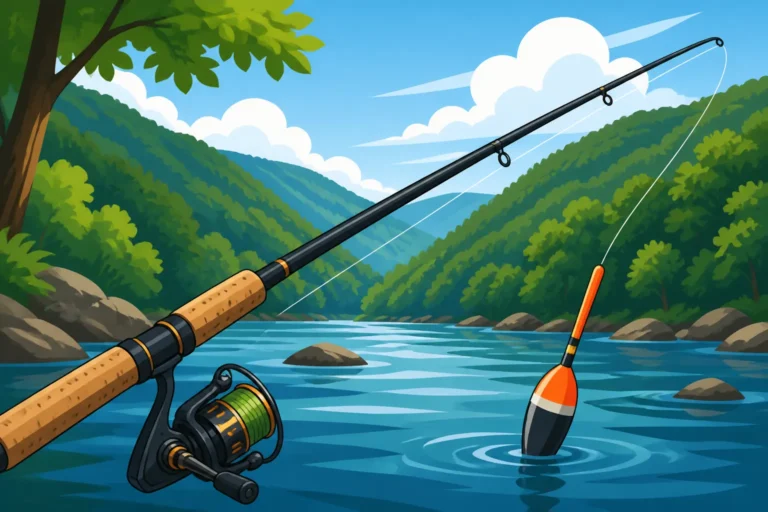
While the popper itself is the star, having the right rod, reel, and line will significantly enhance your topwater experience and increase your hook-up ratio. You want gear that allows for accurate casting, precise lure manipulation, and the ability to handle an explosive strike.
Rod and Reel Setup
The right rod and reel combo can make all the difference in presenting your popper effectively and fighting a strong smallmouth in current.
- Rod Selection:
- Length: A medium-heavy spinning rod or baitcasting rod in the 6'6" to 7'6" range is generally ideal. Longer rods (7'+) can help with casting distance and mending line in current, while shorter rods offer more accuracy for tight casts to structure. For specific smallmouth fishing, consider a Best Rod Length for New River Smallmouth Bass which offers versatility.
- Action: A fast or extra-fast action rod is preferred. This means the rod bends mostly in the tip section, providing the sensitivity needed to feel subtle takes and the quick power to impart sharp twitches to your popper. It also allows for fast hooksets, which are crucial when a fish blows up on your lure.
- Power: A medium-light to medium power rod is usually sufficient for most smallmouth popper fishing. It provides enough backbone to cast poppers and fight fish, while still being light enough for accurate casting and feeling those topwater bumps.
- Reel Selection:
- Spinning Reel: A 2500-3000 series spinning reel is a great all-around choice. It allows for effortless casting of lighter poppers and is generally easier for beginners. Pair it with a Best Spinning Rods for Smallmouth Bass for a balanced setup.
- Baitcasting Reel: For anglers who prefer baitcasting, a reel with a moderate gear ratio (around 6.4:1 to 7.1:1) is versatile. The slightly higher gear ratio can help pick up slack quickly after a strike or when working the lure through current.
Line and Leader Choices
Your line choice is critical for both presentation and fighting fish.
- Main Line:
- Braided Line: Many topwater enthusiasts swear by braided line (10-20 lb test). Its lack of stretch provides excellent sensitivity, allowing you to feel every subtle movement of your popper and every slight bump. It also transmits your rod twitches directly to the lure, enhancing the popping action. Plus, its strength and abrasion resistance are great for fishing around rocky West Virginia rivers.
- Monofilament Line: Monofilament (8-12 lb test) has some stretch, which can be forgiving on aggressive topwater strikes, preventing hooks from tearing out. It also floats, which is beneficial for keeping your popper on the surface.
- Leader: Regardless of your main line choice, attaching a fluorocarbon leader (8-12 lb test) is often a good idea, especially in clear water. Fluorocarbon is nearly invisible underwater, making your presentation more natural and less likely to spook wary smallmouth. It also offers good abrasion resistance against rocks and sharp objects. A length of 2-4 feet for your leader is a good starting point. This is where topics like Best Fluorocarbon Leader for Clear River Water are important for detailed guidance.
Essential Accessories
Don't forget the small things that can make your popper fishing trip more successful and enjoyable.
- Polarized Sunglasses: These are a game-changer for topwater fishing. They cut glare on the water, allowing you to see your lure's action, watch for follows, and even spot lurking fish near structure.
- Long-Nose Pliers or Hemostats: Smallmouth have surprisingly tough mouths, and hooks can be deeply set during aggressive strikes. A good pair of pliers makes unhooking safer for both you and the fish.
- Landing Net: For larger smallmouth, a rubberized landing net is ideal. It's gentler on the fish's slime coat and helps prevent hooks from getting tangled, making for a quick and clean release. Consider one with a wider mouth for those unexpected trophy catches. Having a net ready is always a good idea when dealing with strong fish like those mentioned in Muskie Fishing in West Virginia or other large species.
Practical Tips for Popper Success in West Virginia
Now that you're armed with the knowledge of popper types and retrieves, let's look at some practical tips specifically tailored for fishing our incredible West Virginia smallmouth waters.
Focus on Key Smallmouth Habitats
Smallmouth bass are creatures of current and structure. The more you understand their preferred lies, the more effectively you can present your popper.
- Current Seams and Eddies: These are goldmines. Smallmouth will position themselves in the slower water of an eddy or on the slack-water side of a current seam, waiting for food to be swept by. Cast your popper into the faster current upstream of these spots and let it drift into the target zone before you begin your retrieve. The struggling action of the popper as it hits the seam can be irresistible.
- Rock Piles and Boulders: Any significant rock structure in the river creates a current break and ambush point. Cast your popper right up against these rocks, allowing it to sit for a moment before imparting action. Often, the strike will come almost immediately. These are common features you'll encounter when exploring Best Kayak Fishing Spots in West Virginia or Best Shore Fishing Spots in West Virginia.
- Undercut Banks and Overhanging Vegetation: These areas provide shade and cover, especially during brighter parts of the day. Fish will hold here, waiting for insects or small baitfish to fall into the water. Precise casts into these tight spots can lead to explosive strikes.
- Tailraces and Dam Areas: Below dams, the turbulent water and increased oxygen can concentrate baitfish and, consequently, smallmouth. Poppers can be incredibly effective here, as the commotion cuts through the noise of the rushing water.
Early Morning and Late Evening are Prime Times
We've touched on this, but it bears repeating: low light conditions are your best friend for popper fishing.
- Sun Protection and Stealth: At dawn and dusk, the light is subdued, making fish less wary of your presence. However, always approach your fishing spots with stealth. Cast long shadows, avoid loud noises, and move slowly. Consider wearing drab clothing that blends into the background.
- Observe the Water: Before making your first cast, take a moment to observe the water. Look for signs of activity: baitfish flickering on the surface, rising insects, or even smallmouth busting on bait. These observations will give you clues about where to cast and what type of retrieve might be most effective. If you see active feeding, a splashy popper might be best. If it's subtle rises, a chugger might be better.
Don't Be Afraid to Experiment
Consistency is good, but adaptability is better. Smallmouth can be moody, and what worked yesterday might not work today.
- Change Popper Styles: If one style isn't producing, switch to another. Go from a loud cup-faced popper to a subtle chugger, or try a pencil popper if fish seem to be chasing baitfish.
- Vary Your Colors: Keep a range of colors handy. Start with naturals, but if that's not working, try something bright or a dark silhouette. Sometimes a slight change is all it takes to trigger a bite.
- Adjust Your Retrieve: This is perhaps the most important variable. Try different cadences, pause lengths, and rod twitches. Go from a fast, aggressive retrieve to a slow, deliberate one. The smallmouth will tell you what they want.
- Move Around: If a spot isn't producing after a few casts with varied presentations, move to another. Smallmouth are often schooled up, and sometimes you just need to find the active fish. Covering water, especially from a kayak or small boat, is often key when exploring spots like New River Gorge Fishing Guide or Best Fishing Rivers in West Virginia.
Topwater popper fishing for smallmouth bass in West Virginia is an exhilarating experience that every angler should try. By understanding the different types of poppers, mastering various retrieves, and adapting your approach to the diverse conditions of our beautiful rivers, you'll be well on your way to enjoying those unforgettable, explosive strikes. Tight lines!
Disclaimer
This article is for general informational purposes only and does not constitute professional advice. Laws, prices and regulations vary by location and change over time. Consult a qualified professional for guidance on your specific situation.