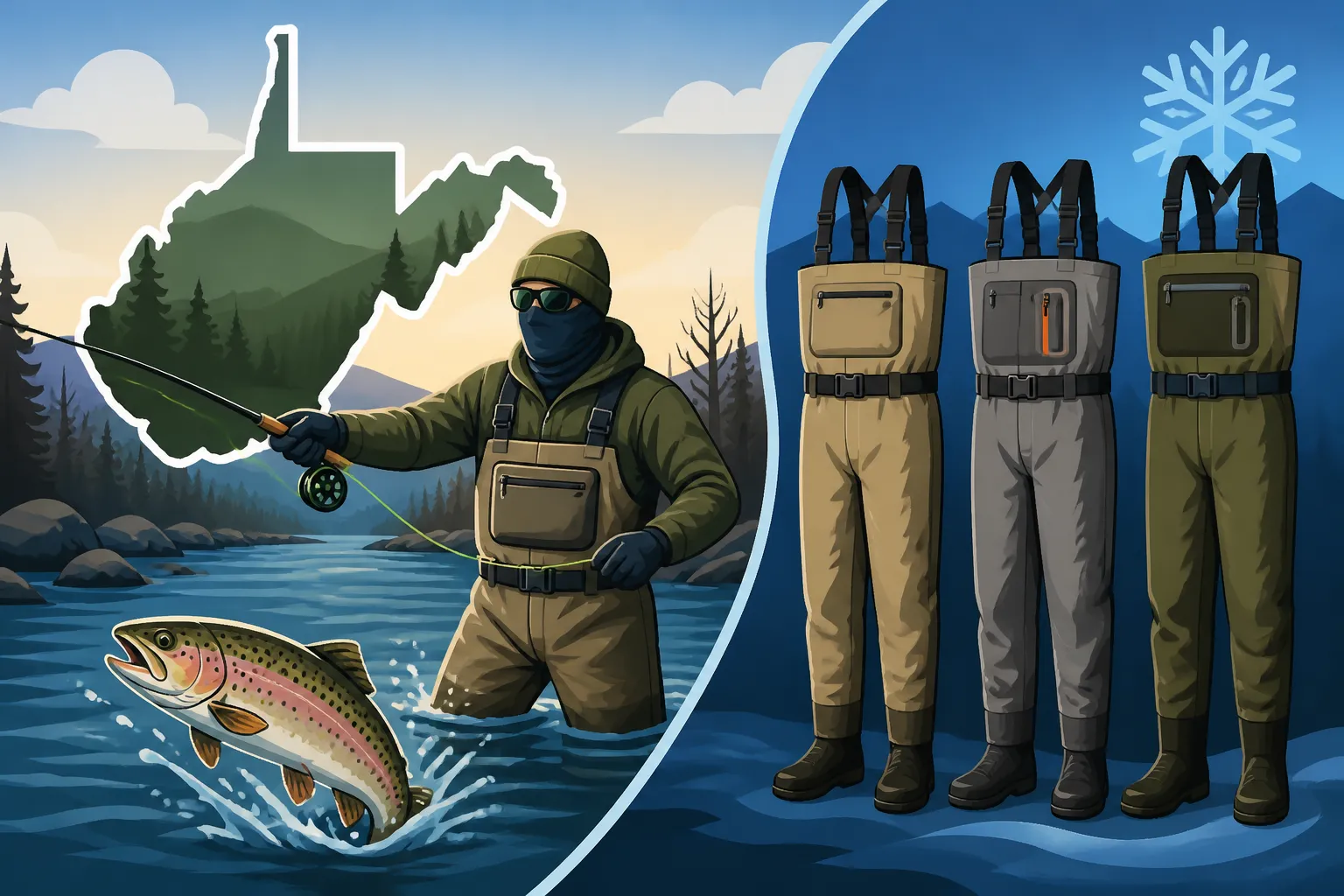
Best chest waders for cold water trout fishing
There's nothing quite like the crisp air of a West Virginia morning, the mist rising from a cold mountain stream, and the promise of a feisty trout on the line. But let's be honest, those beautiful, clear waters often come with teeth-chattering temperatures that can quickly turn an epic fishing trip into a miserable ordeal if you're not properly equipped. If you've ever felt the icy seep of water through inadequate gear, or had your feet go numb an hour into wading, then you know the frustration. This comprehensive guide is all about helping you find the absolute best chest waders to keep you warm, dry, and comfortable, ensuring you can focus on the fishing, not the freezing, in West Virginia's cold waters.
The Indispensable Role of Cold Water Waders in West Virginia
Fishing in West Virginia means embracing a variety of water conditions, many of which involve seriously cold temperatures for much of the year. From the high-elevation streams of the Monongahela National Forest, where brook trout thrive in icy flows, to the powerful tailwaters below our dams that release frigid deep-lake water, being adequately insulated is not just about comfort—it's about safety. Hypothermia is a real concern when you're wading in water that could be in the 30s or 40s for hours on end.
Protecting Against the Chill of Mountain Streams and Tailwaters
West Virginia's geography presents unique challenges for anglers. Our stunning mountain streams, often fed by snowmelt and cold springs, rarely warm up significantly, even in the summer, and can be downright Arctic from fall through spring. Think about fishing the upper Elk River in early spring, or exploring some of the wild trout waters in remote areas; you’re stepping into water that demands serious thermal protection. Similarly, tailwater fisheries, like those below Sutton Dam or Bluestone Dam, release consistent, cold water from the bottom of deep reservoirs, creating year-round cold-water habitats. These conditions are fantastic for trout, but they're unforgiving for unprepared anglers.
Without proper waders, your body expends an enormous amount of energy trying to stay warm, leading to fatigue, reduced concentration, and ultimately, cutting your fishing day short. Beyond just the immediate cold, inadequate waders can lead to prolonged discomfort that can ruin your overall experience. Imagine getting to that perfect riffle or deep pool, only to find yourself shivering uncontrollably. You miss bites, fumble with your gear, and simply can't enjoy the serenity of the moment. Investing in the right cold-water chest waders means you can stand confidently in those frigid flows, casting and waiting for the bite, knowing that you're protected. It extends your viable fishing season into the colder months and allows you to chase those trophy fish when they are often most active.
Extending Your Fishing Season into Cooler Months
One of the greatest benefits of having quality cold-water waders is the ability to fish comfortably almost year-round. While many fair-weather anglers pack away their rods when the leaves turn, those with proper gear know that some of the best fishing, especially for species like trout and even muskie, occurs in the cooler parts of the year. Fall brings vibrant colors and aggressive fish, while winter can offer incredible solitude and unique challenges for those willing to brave the elements. Even early spring, when Spring Trout Fishing Techniques for West Virginia Streams are in full swing and trout stocking begins, the water temperatures can be bracingly cold.
Good waders act as your personal climate control system, allowing you to endure these conditions. They shield you from the biting wind that often accompanies cold water, and they keep your core temperature stable. This means more days on the water, more opportunities to hone your skills, and frankly, more fish caught. If you're passionate about Fly Fishing for Trout in West Virginia or simply love the quiet contemplation of a winter fishing trip, suitable waders are non-negotiable. They are an investment in your passion and in your ability to experience the full spectrum of West Virginia's incredible angling opportunities.
Key Features to Prioritize in Cold Water Chest Waders
When you're looking for waders specifically for cold water fishing in West Virginia, you're not just buying a waterproof shell. You're looking for a piece of essential outdoor gear that combines waterproofing with serious thermal protection and durability. Understanding the key features will help you navigate the options available and pick a pair that will serve you well for many seasons.
Material Matters: Neoprene vs. Breathable Waders with Insulation
The primary decision you'll face is between neoprene waders and breathable waders, often paired with insulating layers. Both have their merits, but for cold water, their characteristics are crucial to consider.
Neoprene waders are inherently insulating due to the material's closed-cell foam structure, which traps air and creates a thermal barrier. They are generally thicker and less flexible than breathable waders but offer superior warmth even when submerged. Many West Virginia anglers swear by them for icy conditions, especially for duck hunting or stationary fishing where maximum warmth is needed. However, they can be sweaty on warmer days or during strenuous activity, as they don't allow moisture to escape.
Breathable waders, on the other hand, are made from multi-layered fabrics like Gore-Tex or similar proprietary materials that allow perspiration to escape while still preventing water from entering. This breathability is a huge advantage if you do a lot of walking to your fishing spots or if the air temperature is mild but the water is frigid. For cold water, breathable waders are almost always paired with insulating layers underneath, such as fleece pants or thermal underwear. The key is that you control the insulation, adding or removing layers as conditions change. This versatility makes them a popular choice for many, especially if you plan to fish across different seasons.
| Feature | Neoprene Waders | Breathable Waders (with insulation) |
|---|---|---|
| Primary Advantage | Excellent inherent warmth | Versatile, breathable, customizable warmth |
| Insulation | Built-in (material itself) | Layered underneath (user adds/removes) |
| Comfort in Cold | High warmth, good for stationary fishing | Good warmth with proper layering, better for active fishing |
| Comfort in Mild/Warm | Can be hot and sweaty | Comfortable, allows moisture vapor escape |
| Flexibility | Less flexible, bulkier | More flexible, lighter |
| Durability | Very durable, puncture resistant (thicker models) | Durable, but lighter fabrics can be susceptible to snags |
| Common Use | Very cold conditions, hunting, ice fishing | All-season fishing with layering, active wading |
Insulation and Layering Systems
If you opt for breathable waders, your layering system becomes paramount. Don't skimp on quality base layers! Moisture-wicking materials like merino wool or synthetic fleece are ideal for trapping heat close to your body while moving sweat away. Cotton is a no-go, as it holds moisture and loses its insulating properties when wet, defeating the purpose of your waders. Consider a full set of thermal underwear, and possibly a thicker fleece pant over that, especially if you're targeting West Virginia's Conservation Stamp, Explained waters known for their consistent cold.
Some breathable waders come with integrated insulation, usually a removable fleece liner, which can be a good compromise. However, many seasoned anglers prefer to use uninsulated breathable waders and manage their warmth purely through their layering choices. This gives you the most flexibility to adapt to changing conditions throughout the day or across different fishing trips. When selecting layers, think about how much movement you'll be doing. A sedentary angler might need thicker insulation than someone actively hiking between different sections of a river.
Bootfoot vs. Stockingfoot: Which is Right for Icy Waters?
This is another critical decision that directly impacts warmth and comfort, especially in cold water.
Bootfoot waders have waterproof boots permanently attached to the wader legs. The main advantage for cold water is that they are generally warmer. The integrated boot often has more insulation, and there's no gap between the wader and boot where cold can seep in. They are incredibly convenient; just step in, pull them up, and you're ready to go. They're excellent for winter conditions, ice fishing, or situations where you're often getting in and out of the water quickly. The downside is they can be bulky, offer less ankle support than traditional wading boots, and if the boot size is off, you can't easily swap them out. They're also harder to pack.
Stockingfoot waders have neoprene "socks" at the bottom, and you wear separate wading boots over them. This system offers superior ankle support and comfort, especially if you're covering a lot of ground over uneven terrain, which is common when accessing remote sections of Best Trout Streams in West Virginia. The separate boots allow for a customizable fit and specialized sole types (felt for slick rocks, rubber for mixed terrain). For cold water, you'll want to ensure your wading boots are generously sized to accommodate thick neoprene booties and warm wading socks, preventing your feet from getting constricted and cold. This system, while requiring an extra step, is favored by many serious Fly Fishing for Trout in West Virginia enthusiasts for its comfort and versatility. If you're exploring wild waters that require a bit of a hike, stockingfoot waders with supportive boots will be your best friend. Make sure you check out Best wading boots with felt vs rubber soles to pick the right ones for your typical West Virginia fishing adventures.
Durability and Fit for West Virginia Adventures
Beyond just warmth, your waders need to stand up to the rugged nature of West Virginia's fishing environments. Snags from fallen trees, abrasive rocks, and thorny bushes are common hazards, so durability is key. Furthermore, a proper fit ensures both comfort and safety.
Construction and Reinforcements for Rugged Terrain
Look for waders made with robust, multi-layer fabrics, especially in high-wear areas like the knees and seat. Some manufacturers reinforce these sections with extra layers or more abrasion-resistant materials. Seam construction is also vital; taped seams are standard, but look for double-taped or sonic-welded seams for maximum durability and leak prevention. Leaky waders are an angler's worst nightmare, especially in cold water. When you're scrambling down a bank to get to a prime spot on the New River or picking your way through slippery rocks in a small mountain stream, you need gear that won't fail you.
Consider the thickness of the material. While thicker might mean warmer, it can also mean less flexibility. Neoprene waders come in different millimeter thicknesses (e.g., 3mm, 5mm). For very cold West Virginia waters, 5mm neoprene is a solid choice. For breathable waders, a higher denier fabric often indicates greater durability. Reputable brands like Orvis, Simms, Patagonia, and even Bass Pro Shops' in-house brands offer excellent construction designed to withstand demanding conditions. Always read reviews to see how waders hold up in real-world scenarios.
Ensuring a Proper Fit for Comfort and Safety
A properly fitting wader is crucial. Too tight, and it restricts movement and compresses insulating layers, reducing warmth. Too loose, and it bunches up, creates drag in the water, and can pose a tripping hazard. Waders should allow a full range of motion, especially bending at the knees and hips, without pulling or straining.
Key fit considerations:
- Chest and Torso: Should be comfortable with your chosen layers underneath, allowing you to breathe easily and cast without restriction. Adjustable suspenders are standard, allowing you to customize the height.
- Leg Length: Waders typically come in various sizes (e.g., Small, Medium, Large) and sometimes in short/regular/tall options. The legs should be long enough that they don't pull tight when you lift your knee high, but not so long that they bunch excessively, which can create wear points.
- Boot/Stockingfoot Size: If opting for stockingfoot, ensure the neoprene booties fit snugly but not too tightly. Your separate wading boots should be a size or two larger than your street shoe size to accommodate the wader sock and warm socks. For bootfoot waders, ensure the integrated boot fits well with your preferred socks. If your feet are too compressed, they will get cold quickly.
Always try on waders with the layers you plan to wear underneath. Walk around, squat, and simulate casting movements. Remember, a comfortable fit means you'll be able to fish longer and safer, especially in cold water where every degree of warmth counts. If you're ordering online from places like Amazon, pay close attention to sizing charts and customer reviews regarding fit.
Wader Care and Maintenance for Longevity
Investing in a good pair of cold-water waders is like investing in a reliable fishing boat or your favorite rod and reel combo – it requires care to ensure it lasts. West Virginia's varied terrain, from muddy banks to rocky riverbeds, can be tough on gear, so proper maintenance is key to preventing leaks and extending the life of your waders.
Cleaning and Drying to Prevent Mildew and Damage
After every trip, especially when you've been wading in muddy or silty waters, it's important to clean your waders. A simple rinse with fresh water, both inside and out, is usually sufficient. Pay attention to the boot area if you have bootfoot waders, or your wading boots if you have stockingfoot, as mud and debris can get trapped in the treads and crevices. Use a soft brush for stubborn dirt, but avoid harsh chemicals or abrasive scrubbing, which can damage the waterproof membranes or fabric coatings.
Proper drying is perhaps the most critical step. Hang your waders upside down first to allow any residual water inside to drain out. Then, turn them right side out and hang them in a well-ventilated area, out of direct sunlight. Sunlight and excessive heat can degrade fabrics and seam tape over time. Ensure they are completely dry before storing them. Even a small amount of moisture can lead to mildew, which not only smells terrible but can also damage the fabric and lead to leaks. Never store damp waders in a bag or confined space. This practice is just as important for your Best Gear for West Virginia Trout Fishing as it is for any other fishing gear.
Patching and Repairing Common Leaks and Punctures
It's almost an inevitable part of owning waders: eventually, you'll get a leak. Whether it's a small pinhole from a thorn or a larger tear from a snagged branch, don't despair! Most waders are repairable. Carrying a small field repair kit is a smart move, especially on multi-day trips. Many wader manufacturers, like Simms or Orvis, also offer repair services, or you can find reputable third-party repair shops.
For small punctures in breathable waders, a dab of Aquaseal or similar urethane-based adhesive is often all you need. For larger tears, you might use a patch kit (often supplied with new waders) which typically includes fabric patches and adhesive. For neoprene waders, neoprene cement is the go-to for repairs. The key is to find the leak first. You can do this by turning the waders inside out, spraying them with rubbing alcohol (it darkens the fabric where moisture is present), or even filling them with a small amount of water and looking for drips. Promptly repairing small leaks prevents them from becoming larger, more problematic issues down the line. It's a skill every serious West Virginia angler should have, allowing you to quickly get back to fishing the Best Kayak Fishing Spots in West Virginia or your favorite trout stream.
Making the Right Choice for Your West Virginia Angling Style
Choosing the best chest waders for cold water trout fishing in West Virginia ultimately comes down to balancing your personal fishing style, the specific conditions you face, and your budget. There's no single "perfect" wader for everyone, but by considering these factors, you can make an informed decision that enhances your time on the water.
Matching Waders to Your Fishing Environment and Activity Level
Are you primarily a stationary angler, standing in slow-moving, icy tailwaters targeting big trout? Or are you an active angler, hiking miles along freestone streams like the Cranberry River, Shavers Fork Brook Trout Fishing, or the Williams River, often clambering over rocks and through dense brush?
For the stationary angler in truly frigid conditions, especially during late fall or winter, thick 5mm bootfoot neoprene waders might be your best bet for maximum warmth and ease of use. Their inherent insulation is hard to beat, and the integrated boots mean less fuss.
If you're covering a lot of ground, need superior mobility, and value the ability to adjust your layers, then a durable pair of breathable stockingfoot waders, paired with high-quality thermal base layers and sturdy wading boots, will likely serve you better. This setup provides comfort for hiking, excellent ankle support on uneven terrain, and the versatility to fish from early spring through late fall. Think about the amount of bushwhacking you might do to get to those remote High-elevation trout streams in the Monongahela National Forest; a more durable, flexible breathable wader will be less cumbersome.
Budget Considerations and Where to Buy
Waders can range significantly in price, from budget-friendly options to high-end models built for professional guides. Generally, you get what you pay for in terms of durability, breathability, and features. However, a higher price doesn't always guarantee the "best" wader for your specific needs.
If you're on a tighter budget, look for solid mid-range neoprene waders or breathable waders from reputable brands that focus on essential features without too many bells and whistles. Often, store brands from retailers like Bass Pro Shops or Cabela's can offer good value. Keep an eye out for sales, especially during the off-season.
For those willing to invest more, premium breathable waders from companies like Simms, Patagonia, or Orvis offer advanced fabrics, superior construction, and often better warranties. These waders are designed for long-term heavy use and offer the best in comfort and performance. You can find a vast selection online from retailers like Amazon or directly from manufacturer websites, which allows for easy comparison shopping and access to customer reviews. Don't forget to check local fly shops in West Virginia; they often carry quality brands and offer invaluable expert advice tailored to local conditions.
Consider your personal comfort threshold for cold, how often you plan to use your waders, and the typical conditions you fish. A thoughtful investment in the right pair of chest waders will pay dividends in comfort, safety, and countless memorable days chasing trout across the beautiful, cold waters of West Virginia.
Disclaimer
This article is for general informational purposes only and does not constitute professional advice. Laws, prices and regulations vary by location and change over time. Consult a qualified professional for guidance on your specific situation.