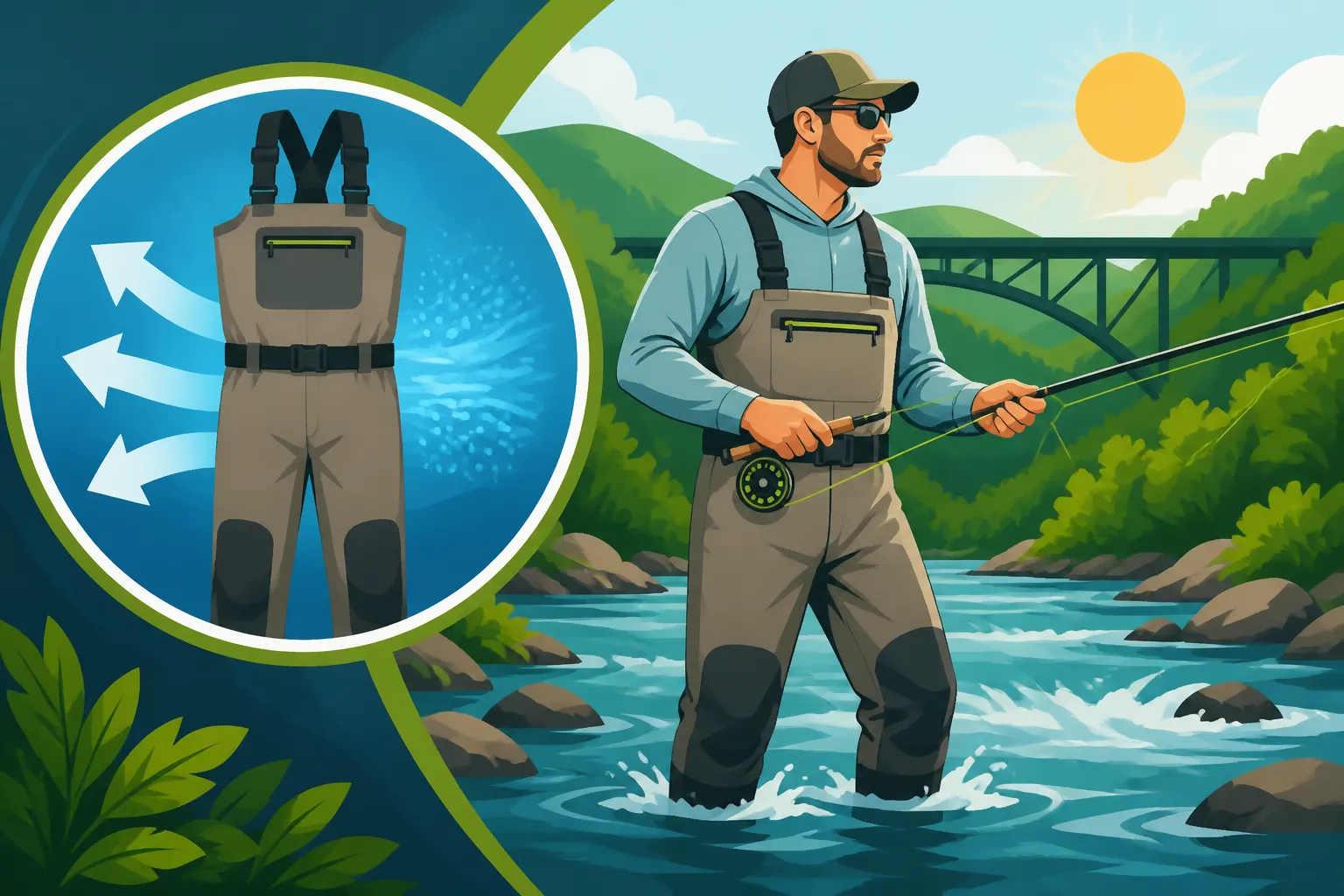
Best breathable waders for summer fishing
There’s nothing quite like the beauty of a West Virginia summer day, whether you're casting lines on the New River or wading a cool mountain trout stream. But let's be honest, those warm temperatures, coupled with our signature humidity, can turn a great fishing trip into a sweaty, uncomfortable ordeal if you're not wearing the right gear. Many of us have suffered through heavy, traditional waders that feel like a sauna suit in July. This guide is all about escaping that misery and finding the best breathable waders designed to keep you cool, dry, and comfortable, making those long days on the water truly enjoyable.
The Sweat Trap: Why Breathable Waders Are Essential for Summer Fishing in West Virginia
Picture this: you've geared up, walked a half-mile to your favorite bend on the Cranberry, and before you even make your first cast, your legs are already clammy and sticking to the inside of your waders. It's a scenario far too familiar to anglers who haven't yet discovered the magic of modern breathable waders, especially when West Virginia's summer heat kicks in.
The Misery of Traditional Waders in Summer Heat
Years ago, our options for waders were pretty limited. We had heavy rubber, stiff PVC, or maybe some insulated neoprene for colder weather. While these materials certainly kept the water out, they were notoriously terrible at letting moisture out from the inside. Your body naturally perspires, especially when you're hiking, casting, and actively fishing. In non-breathable waders, that sweat has nowhere to go. It condenses on the inside, leaving you feeling just as wet and uncomfortable as if the waders were leaking, even when they're perfectly sealed.
This clammy feeling isn't just unpleasant; it can be distracting, taking your focus away from the subtle tug on your line or the beautiful scenery around you. Nobody wants to cut a fishing trip short because they're soaked from the inside out and feel like they’re boiling. It's a common frustration, and one that modern wader technology has thankfully addressed head-on.
How Breathable Fabrics Revolutionize Warm-Weather Angling
Enter the era of breathable fabrics. These aren't just fancy marketing terms; they represent a significant leap forward in outdoor gear. The science behind them involves microscopic pores in the fabric that are large enough to allow water vapor (sweat) to escape, but small enough to prevent liquid water from entering. Think of it like a one-way street for moisture. This innovative design means that as you sweat, the moisture is wicked away from your skin and passed through the fabric, evaporating on the outside.
This simple yet profound difference means you stay significantly drier and cooler. Instead of a swampy interior, you experience a much more comfortable microclimate inside your waders. For those long days exploring Best Fishing Rivers in West Virginia or Best Trout Streams in West Virginia, this makes all the difference in the world, allowing you to focus on the fishing, not your discomfort.
Beyond Comfort: Why Staying Cool and Dry Matters
Beyond the obvious comfort factor, there are practical benefits to choosing breathable waders for summer fishing. First, staying dry helps regulate your body temperature more effectively. When your skin is constantly wet, even if it's sweat, it can lead to chafing and skin irritation, which is the last thing you want miles from the trailhead. Second, proper temperature regulation helps prevent heat exhaustion, a serious concern during hot, humid West Virginia summers, especially if you're exerting yourself Wading Techniques for West Virginia Trout Streams.
Third, modern breathable waders are often much lighter and more flexible than their traditional counterparts. This reduced bulk and increased freedom of movement can actually improve your fishing experience. You’ll find it easier to hike to remote spots, navigate uneven terrain, and make those crucial casts without feeling restricted. It truly is a game changer for extending your time on the water comfortably.
What Makes Waders Truly "Breathable" for West Virginia's Summer
When you start looking at breathable waders, you’ll encounter a lot of technical jargon. Don't let it intimidate you! The core concept is straightforward, but understanding the different approaches manufacturers take can help you choose the best pair for your specific needs, especially given West Virginia's unique fishing environments.
Understanding Fabric Technology: Layers and Micropores
At the heart of breathable waders is a membrane technology that acts as a barrier. Most high-performance breathable fabrics are constructed in layers. There's an outer durable face fabric, often nylon, that provides abrasion resistance and a degree of water repellency. Underneath that is the magical breathable membrane, which has those tiny pores we talked about earlier. Finally, there's often an inner liner that protects the membrane and adds to comfort.
The micropores in the membrane are the unsung heroes. They're scientifically engineered to be smaller than a droplet of liquid water, preventing rain or stream water from seeping in. However, they're significantly larger than water vapor molecules (which is what sweat turns into when it evaporates from your skin). This difference in size is what allows sweat to escape while keeping the river out, creating that desirable dry interior. Different brands use proprietary membranes, but the underlying principle remains the same across the board.
Material Choices: From Gore-Tex to Proprietary Blends
When it comes to breathable waders, you'll primarily see two categories of materials:
- Gore-Tex: This is the gold standard that many other brands try to emulate. Gore-Tex is a specific type of expanded polytetrafluoroethylene (ePTFE) membrane. It's renowned for its exceptional breathability and waterproofness, often offering a superior balance of both. Waders featuring Gore-Tex tend to be at the higher end of the price spectrum, but many anglers swear by their performance and durability. You'll often find them praised for their ability to handle tough conditions, from bushwhacking along the Elk River to navigating slick rocks in the Cranberry.
- Proprietary Blends: Many excellent wader manufacturers, like Simms (with Toray fabric) or Redington, develop their own breathable membranes and multi-layer fabrics. These often perform very well and can offer a more budget-friendly alternative to Gore-Tex. They might use polyurethane (PU) based membranes or other chemical compositions to achieve similar breathable, waterproof characteristics. It's worth researching specific brand technologies, as many have innovated to create highly effective and durable materials that compete directly with Gore-Tex. For example, some brands focus on specific layers to maximize durability in high-wear areas while keeping overall weight down, which is perfect for anglers who might be Best Kayak Fishing Spots in West Virginia or constantly on the move.
The key is to look for reputable brands and read reviews to gauge real-world performance. A good proprietary blend can often offer 90% of the performance of Gore-Tex at a fraction of the cost, making it a smart choice for many West Virginia anglers.
Design Elements That Enhance Airflow and Comfort
Beyond the fabric itself, several design features contribute to how breathable and comfortable a pair of waders feels, especially in the heat:
- Minimalist Construction: Summer waders often forgo heavy insulation or excessive layers, focusing on a streamlined design. This reduces overall bulk and allows for better airflow around your body.
- Anatomical Fit: A good fit is crucial. Waders that are too baggy can trap air and moisture, while those that are too tight can restrict movement and circulation. Look for waders with articulated knees and a thoughtful cut that allows for comfortable movement without excess material.
- Adjustable Suspenders and Belts: These might seem minor, but well-designed, easily adjustable suspenders and a wading belt can significantly improve comfort. They ensure the waders stay in place, prevent water from entering if you take an accidental dip, and help distribute weight, reducing fatigue over a long day. Some waders even feature suspenders that can convert to waist-high, offering maximum versatility for those truly sweltering days when you just need to cool off a bit.
- Integrated Gravel Guards: While not directly related to breathability, integrated gravel guards keep debris out of your Best Wading Boots for Rocky Streams, preventing discomfort and potential damage to your bootie, which indirectly contributes to your overall comfort and willingness to stay on the water longer.
A well-designed pair of breathable waders considers the angler's entire experience, not just preventing leaks.
Choosing the Right Pair: Key Factors for Summer Breathable Waders
Selecting the perfect pair of breathable waders involves balancing comfort, durability, and features against your typical fishing conditions and personal preferences. West Virginia's diverse waters, from wide rivers to narrow mountain streams, demand a versatile piece of gear.
Fit and Mobility: Your Freedom on the River
Fit is paramount when it comes to waders. An ill-fitting pair will be uncomfortable, restrict your movement, and can even contribute to premature wear. When trying on waders, consider these aspects:
- Torso Length: Ensure the waders aren't too short, causing the suspenders to dig into your shoulders, or too long, leading to excessive baggy material. Your crotch should feel comfortable without being restrictive when you lift your knee to step over an obstacle or climb a bank.
- Leg Room: You need enough room in the legs to layer clothing underneath if needed, even in summer for chilly mornings, but not so much that the fabric bunches excessively or creates drag in the water. Articulated knees are a huge plus for bending and kneeling.
- Foot Size (Booties): Most breathable waders come with integrated neoprene booties. These need to be the correct size for your foot, snug but not tight, to prevent rubbing and cold spots. Remember that you'll be wearing thick wading socks inside them, so account for that extra volume.
- Mobility Test: Don't just stand there! Mimic actual fishing movements: squat, kneel, lift your legs, and swing your arms. Can you comfortably reach down to adjust your fly or tie a knot? Can you scramble up an incline without feeling restricted? Think about hiking through the woods to Dry Fork Fishing Access Points or wading against the current on the Greenbrier.
A good fit means you'll almost forget you're wearing them, allowing you to concentrate fully on fishing. Remember that wader sizing often differs from regular clothing, so always check the manufacturer's size chart. Brands like Simms and Orvis often have extensive sizing options to help you dial in the perfect fit.
Durability vs. Weight: Finding the Right Balance for WV Terrain
This is often the trade-off. Generally, more durable waders tend to be a bit heavier, while ultra-light options might sacrifice some ruggedness. For West Virginia fishing, where you might encounter sharp rocks, thorny bushes, or rough river bottoms, striking the right balance is key.
- Material Denier: This refers to the thickness of the fabric's fibers. Higher denier fabrics (e.g., 500D or 1000D nylon) are more resistant to punctures and abrasions. Many manufacturers use a heavier denier in high-wear areas like the knees, seat, and lower legs, while using lighter fabric elsewhere for breathability and comfort. This zoned approach is excellent for versatility.
- Seam Construction: Inspect the seams. Double-taped or sonic-welded seams are superior for both waterproofing and durability. Fewer seams also generally mean fewer potential points of failure.
- Reinforced Knees and Seat: These areas take a beating, especially if you're kneeling to release fish or sitting on river rocks. Extra layers of fabric or abrasion-resistant patches in these zones are highly desirable.
- Intended Use: If you're primarily fishing from a boat or kayak on a lake like Summersville, you might prioritize lighter weight. But if you're regularly bushwhacking into remote mountain streams for native brook trout, durability should rank higher. Consider where and how often you'll be using your waders.
Many breathable waders from reputable brands offer an impressive blend of lightweight comfort and surprising toughness. It’s worth checking out reviews and product descriptions on sites like Bass Pro Shops or Amazon to see how specific models stand up to real-world use.
Essential Features for Warm-Weather Success
While breathability is the core, several other features can enhance your summer fishing experience:
- Pockets: Thoughtfully designed pockets are a must. A waterproof internal pocket for your phone or car keys is essential. External pockets, especially fleece-lined handwarmer pockets (even in summer, for those early mornings), are a nice bonus. A large, pass-through chest pocket can be great for storing a fly box or small tackle.
- Accessory Attachments: D-rings, tool docks, and tippet spool holders are incredibly useful for keeping your essential tools and accessories organized and easily accessible. Best Gear for West Virginia Trout Fishing often includes small tools that need a secure spot.
- Convertible Suspenders: As mentioned earlier, suspenders that allow you to roll down the upper portion of the waders to convert them into waist-highs are fantastic for hot days or when you don't need full chest protection. This provides instant relief and ventilation without having to take your waders off entirely.
- Integrated Belt Loops and Wading Belt: A sturdy wading belt is non-negotiable for safety and comfort. It helps prevent water from entering if you fall and provides back support. Ensure the waders have robust belt loops to keep it in place.
Here’s a quick comparison of general wader features:
| Feature | Benefit for Summer Fishing in WV | Ideal for… |
|---|---|---|
| High Breathability | Prevents internal sweat build-up, keeps you cool and dry. | All summer fishing, especially hiking to remote spots. |
| Lightweight Construction | Reduces fatigue, easier to pack for trips. | Anglers covering long distances or fishing in hot weather. |
| Reinforced Knees/Seat | Protects against punctures and abrasion from rocks and brush. | Anglers frequently kneeling or navigating rough terrain. |
| Articulated Knees | Improves mobility and comfort, reduces fabric strain. | Active anglers who move, squat, or climb a lot. |
| Convertible Suspenders | Allows waders to be worn waist-high, increasing ventilation. | Hot days when chest-high protection isn't continuously needed. |
| Waterproof Chest Pocket | Safely stores phone, keys, or wallet from splashes and submersions. | Everyone who carries valuables on the water. |
| Accessory D-rings | Provides attachment points for tools, nets, or zingers. | Organizing gear for quick access. |
| Properly Sized Booties | Prevents chafing, cold spots, and uncomfortable rubbing with wading boots. | Ensuring comfort and preventing foot issues on long days. |
Making Your Summer Waders Last: Care and Maintenance Tips
Investing in a good pair of breathable waders is like investing in a good Best Fishing Rods for West Virginia Rivers – you want it to last. Proper care and maintenance are crucial, especially for the breathable membranes which can degrade if neglected. This is true for all waders, but perhaps even more so for those used frequently in the warmer, more humid conditions of a West Virginia summer.
Cleaning and Drying for Longevity
The two most important rules for wader care are regular cleaning and proper drying.
- Rinsing After Each Use: Even if they don't look dirty, always rinse your waders with fresh water after each trip. This removes dirt, grit, algae, and any other microscopic debris that can clog the pores of the breathable membrane or degrade the fabric. Pay special attention to the neoprene booties and gravel guards.
- Spot Cleaning: For stubborn dirt or stains, use a mild, non-detergent soap (like a dedicated wader wash or even baby shampoo) and a soft brush or sponge. Gently scrub the affected area, then rinse thoroughly. Avoid harsh chemicals, bleach, or fabric softeners, as these can damage the waterproof/breathable coating and taped seams.
- Thorough Drying: This is where many anglers go wrong. It’s absolutely critical to dry your waders completely, inside and out, after every use.
- Inside Out First: Turn your waders inside out first. The inside often gets the most direct contact with sweat and needs to dry out fully to prevent mildew and unpleasant odors. Hang them in a well-ventilated area, out of direct sunlight. A fan can significantly speed up this process.
- Right Side Out Second: Once the inside is bone dry, turn them right side out and continue drying. Pay attention to any pockets or hidden areas where moisture can linger.
- Avoid Heat: Never put your waders in a dryer or near a direct heat source. High heat can delaminate the seams, melt the waterproof tape, and destroy the breathable membrane. Air drying is the only way to go.
Neglecting to dry your waders properly is the fastest way to shorten their lifespan and make them smell like a forgotten gym bag, which certainly won't enhance your next trip to Summersville Lake Fishing Guide or the South Branch.
Repairing Minor Leaks and Punctures
Even the most durable waders can get a pinhole leak from a thorn bush or a sharp rock. The good news is that most minor leaks are easily repairable. Don't let a small drip ruin your day or lead you to prematurely discard a good pair of waders!
- Finding the Leak: This is often the trickiest part.
- Spray Bottle Method: Turn your waders inside out. Lightly spray the suspected leaky area with rubbing alcohol, which darkens the fabric slightly when wet. Look for any dark spots that indicate a leak.
- Water Fill Method: Plug the booties with old plastic bags or bottles, then hang the waders and slowly fill them with water (don't overfill, just enough to put pressure on the lower sections). Watch for drips on the outside. You can do this in sections.
- Visual Inspection: Sometimes, a tear or puncture is obvious. Check high-wear areas like seams, knees, and the seat.
- Repair Kits: Most wader manufacturers and outdoor retailers like Bass Pro Shops sell wader repair kits. These typically include seam grip or Aquaseal, a flexible waterproof adhesive, and sometimes fabric patches.
- Applying the Repair: Once you’ve located the leak, clean the area thoroughly. Apply a small dab of the adhesive over the pinhole or tear, spreading it slightly beyond the damaged area. Allow it to cure fully according to the product instructions, which usually takes several hours. For larger tears, a fabric patch applied with adhesive will provide a more robust repair. Remember, a little patience goes a long way here; rushing the cure time can lead to a failed repair.
Being able to patch your own waders can save you money and keep you on the water, whether you're fly fishing for Brook Trout: West Virginia's Native and State Fish or chasing smallmouth.
Proper Storage for Off-Season Protection
When the fishing season winds down or you simply won't be using your waders for an extended period, proper storage is essential to maintain their integrity.
- Clean and Dry: Ensure your waders are absolutely spotless and bone dry before storing them. Any residual moisture or dirt can lead to mildew, odors, or membrane degradation.
- Hang, Don't Fold: Hang your waders full length in a cool, dry, dark place. Use a sturdy hanger that supports the waders at the waist or shoulders. Avoid folding them or stuffing them into a bag, as this can create permanent creases that compromise the fabric and seams over time.
- Avoid Extreme Temperatures: Don't store waders in an uninsulated attic or shed where temperatures fluctuate wildly or reach extremes. This can accelerate material breakdown.
- Keep Away from Chemicals: Store them away from harsh chemicals, solvents, or petroleum products, which can degrade the waterproof membranes and glues.
By following these simple care steps, your breathable waders will serve you well for many West Virginia fishing seasons to come, keeping you comfortable even on the warmest days. This attention to detail ensures your investment pays off in continued performance and enjoyment on the water.
Disclaimer
This article is for general informational purposes only and does not constitute professional advice. Laws, prices and regulations vary by location and change over time. Consult a qualified professional for guidance on your specific situation.