Best sauger jig for the Ohio River in winter
Winter fishing on the Ohio River for sauger can be one of the most rewarding, yet challenging, experiences for any angler. When the air turns crisp and the water temperatures plummet, these elusive fish move to deeper, more predictable haunts, making traditional casting methods less effective. This guide is dedicated to helping you unravel the mystery of cold-water sauger, focusing specifically on how to choose and present the best jigs to entice a bite, ensuring your winter outings are met with success rather than frustration.
Understanding Winter Sauger Behavior on the Ohio River
Fishing for sauger in the depths of winter along the Ohio River isn't just about dropping a line; it's about understanding the subtle dance of nature. As temperatures drop, sauger, like many cold-blooded fish, become less active. Their metabolism slows down significantly, meaning they won't be chasing down fast-moving bait like they might in warmer months. This shift in behavior dictates everything about how we approach them, from location to lure selection and presentation.
Sauger Habits in Frigid Water
When the Ohio River water dips into the 30s and low 40s Fahrenheit, sauger tend to school up tightly. They'll gravitate towards predictable, stable environments where they can conserve energy and find what little food is available. Think deep main channel breaks, current seams where slower water meets faster, and significant underwater structure like rock piles, humps, or even submerged timber that offers a current break. You’ll often find them congregating in the scour holes below dams or in deeper pools created by bridge pilings. These areas provide both shelter from the strongest currents and access to baitfish that are also seeking refuge. Unlike their walleye cousins, sauger often prefer slightly murkier water, which the Ohio River can frequently offer, especially after winter rains or snowmelt. They are opportunistic feeders, but their strikes become more subdued, often feeling like a mere tick or added weight rather than an aggressive hit. For a broader understanding of where these fish thrive, take a look at our Sauger Identification and Habits guide.
Why Jigs Dominate Winter Sauger Fishing
Given their lethargic nature and preferred deep-water haunts, jigs become an indispensable tool for winter sauger. Here's why they excel:
- Direct Presentation: Jigs allow you to get directly to the fish, minimizing the time your bait spends in unproductive water. This is crucial when sauger are tightly schooled and hugging the bottom in specific locations. You can drop a jig right into their strike zone and keep it there with minimal effort, which is essential for maximizing your chances.
- Subtle Action: A jig, especially when paired with a soft plastic or hair, can be fished with a very subtle action that mimics a slow, injured, or dying baitfish. This is exactly what a cold, sluggish sauger is looking for – an easy meal that doesn't require much energy to pursue. A slight twitch or a gentle lift and fall is often all it takes to trigger a strike.
- Bottom Contact: Sauger are primarily bottom dwellers, especially in winter. Jigs are designed to be fished on or very near the bottom, allowing you to effectively target where these fish are holding. The ability to feel the bottom composition – whether it's gravel, rock, or mud – also provides crucial information about where sauger might be ambushing prey.
Key Characteristics of an Effective Winter Sauger Jig
Choosing the right jig for winter sauger on the Ohio River isn't a one-size-fits-all scenario, but there are some critical characteristics that will drastically increase your success rate. From the heft of the jig head to the flash of its paint, every detail plays a role in appealing to a lethargic sauger.
Weight and Depth Considerations
The weight of your jig is paramount, perhaps even more so than color or style. The Ohio River, even in winter, can have significant current, and you need a jig that can get to the bottom quickly and stay there without being swept away.
- Optimal Weight Range: For most winter applications on the Ohio River, jigs ranging from 1/4 ounce to 1/2 ounce are your bread and butter. In lighter currents and depths up to 20 feet, a 1/4 ounce jig might suffice. However, if you're battling stronger currents, fishing deeper pockets (20-40+ feet), or need to maintain consistent bottom contact while drifting, you'll want to bump up to 3/8 ounce or even 1/2 ounce. Sometimes, in very heavy current or extreme depths, a 3/4 ounce jig might be necessary, but this is less common for finesse sauger jigging. The goal is always to use the lightest jig possible that still allows you to feel the bottom and detect subtle bites. Too heavy, and you lose feel; too light, and you never reach the fish.
- Feeling the Bottom: It cannot be stressed enough how important it is to feel your jig making contact with the bottom. This isn't just about preventing snags; it's how you transmit the subtle information of the riverbed back to your hands. Bouncing, dragging, or lightly ticking the bottom creates puffs of sediment and vibrations that mimic feeding baitfish, drawing the sauger's attention. Experimenting with different weights in various sections of the river is key. You might use a 1/4 ounce jig in a calm eddy but need a 1/2 ounce on the main channel break line.
Color, Profile, and Material for Low Visibility
Winter on the Ohio River often means stained or murky water, and sauger themselves thrive in these conditions. This impacts your jig's visual appeal.
- Color Choices: While natural colors like black, brown, and olive can work on clearer days, brighter and contrasting colors often shine in stained winter water. Chartreuse, orange, pink, and firetiger are phenomenal sauger colors, especially when combined with a dark back like black or purple. A jig head painted bright chartreuse paired with a motor oil or pumpkinseed soft plastic can provide a subtle yet visible contrast. Don't be afraid to experiment with combinations that stand out in low light, as sauger rely heavily on lateral line vibration and scent, but visual cues still play a role.
- Profile Matters: In cold water, sauger are looking for an easy meal. Long, slender profiles that mimic common baitfish like shiners, emerald shiners, or gizzard shad are often most effective. Think of soft plastics like small paddle tail swimbaits, minnow-style plastics, or finesse worms. The goal is to present something that looks vulnerable and easy to swallow. Avoid overly bulky profiles unless you're specifically trying to generate a lot of displacement for aggressive fish, which is rare in winter.
- Hook Quality: Sauger have surprisingly tough, bony mouths, and their strikes can be light. A sharp, strong hook is non-negotiable. Many premium jig heads come with excellent hooks, but if you're buying cheaper bulk jigs, consider upgrading your hooks or sharpening them rigorously. A dull hook will result in missed bites and lost fish.
Top Sauger Jig Styles and Their Applications
With a solid understanding of sauger behavior and essential jig characteristics, let's dive into the specific types of jigs that consistently produce on the Ohio River during winter. Each style has its nuances and best applications.
Lead Head Jigs with Soft Plastics: The Workhorse
This is arguably the most versatile and effective setup for winter sauger. The combination of a weighted lead head and a flexible soft plastic bait offers endless customization.
- Grub Tails: Small (2-4 inch) curly tail grubs are classic. The subtle curl of the tail provides enticing action with minimal movement, perfect for sluggish sauger. Brands like Kalin's Sizmic Grubs or Mister Twister Curly Tail Grubs in chartreuse, white, or smoke are perennial favorites. You can find a huge selection of these soft plastics and jig heads on Amazon, making it easy to stock up for your next trip.
- Minnow/Paddle Tail Swimbaits: These plastics, like the Berkley Gulp! Minnow or the Keitech Swing Impact, offer a more realistic baitfish profile with a gentle thumping action from the paddle tail. They're excellent for horizontal presentations or when fish are slightly more active. Rig them straight on a plain lead head jig.
- Tube Jigs: While often associated with smallmouth bass, small (2.5-3.5 inch) tube jigs can be incredibly effective for sauger. Their hollow, tentacled body collapses easily, making them a great choice for light bites. Internal jig heads are common for tubes, offering a more streamlined profile.
- Applications: These setups are best for vertical jigging directly over known sauger schools, slow-drifting along current seams, or subtly dragging the bottom. The key is to impart minimal action, letting the current or gentle rod tip twitches do most of the work.
Blade Baits: For Vibration and Flash
Blade baits are a unique category that offer a different presentation altogether, relying on vibration and flash rather than subtle action.
- Design and Action: Blade baits are typically made of metal with a lead weight molded into the bottom. When retrieved or lifted, they vibrate intensely, mimicking a frantic baitfish. They also have a distinctive darting and falling action on the pause. Popular options include the Heddon Sonar or the Cicada style baits.
- When to Use Them: These are particularly effective when sauger are a little more active, perhaps during a mild spell or on an overcast day when a bit more aggression is possible. They're also great for searching large areas quickly, as their vibration can call in fish from a wider radius. For understanding other techniques like this, you might explore Jigging for Crappie in West Virginia Lakes as blade baits are also very effective for them.
- Presentation: Typically fished with a lift-and-drop technique. A sharp, short lift of the rod tip followed by a controlled fall on a semi-slack line allows the bait to vibrate and then flutter down. Pay close attention on the fall, as many strikes occur as the blade bait descends.
Hair Jigs: Finesse and Natural Movement
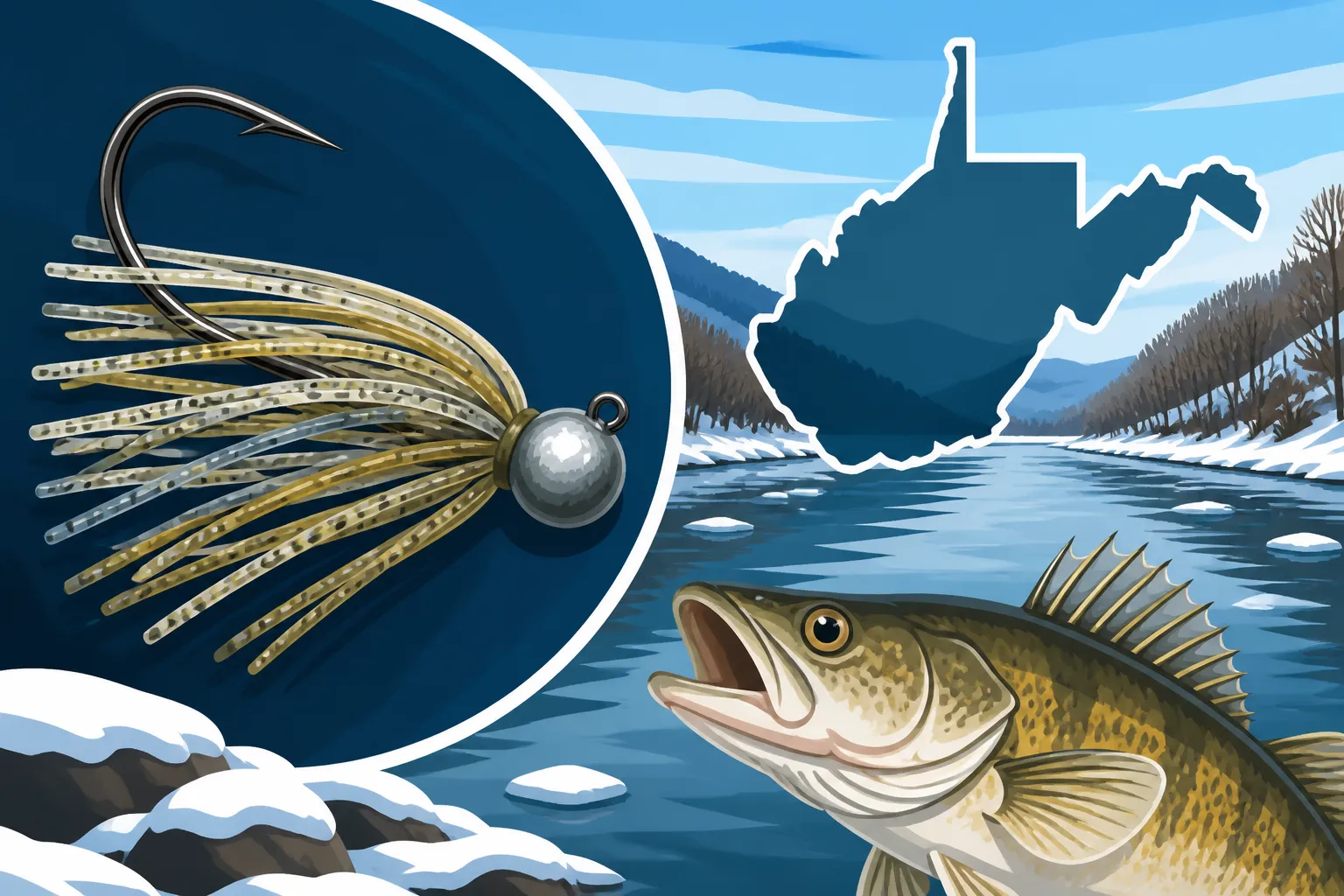
Hair jigs, often made from deer hair (bucktail) or marabou feathers, are the epitome of finesse fishing for sauger in cold water. Their natural materials create an incredibly lifelike pulsing and breathing action that no soft plastic can truly replicate.
- Subtle Appeal: The delicate fibers of a hair jig expand and contract with the slightest water movement, even when held almost stationary. This subtle, living movement is often irresistible to finicky, cold-water sauger.
- Materials: Marabou jigs offer a very soft, fluid movement, ideal for exceptionally slow presentations. Bucktail jigs are a bit stiffer but offer more durability and a slightly more aggressive profile that still breathes well.
- Applications: Hair jigs are fantastic for dead-sticking or extremely slow lifts and falls. They're perfect for those days when sauger are completely shut down and refuse everything else. Often, a sauger will simply "suck in" a hair jig without any perceptible strike. These jigs usually come in classic colors like white, black, brown, and olive, but chartreuse is also a common and effective choice. Look for quality hand-tied jigs from reputable makers.
Jigging Spoons: Deep Water Vertical Attack
Jigging spoons are another metal option, designed for a purely vertical presentation, especially in deeper water.
- Design: These are typically solid metal, often lead or zinc, shaped to flutter and fall erratically when jigged. They might be painted, have reflective tape, or be bare metal.
- When to Use: Ideal for when you've pinpointed a tight school of sauger on your fish finder in a deep hole or below a dam. Their weight allows them to get down fast, and their flash can trigger reaction strikes.
- Presentation: Drop the spoon to the bottom, then lift it sharply 1-3 feet and let it flutter back down on a semi-slack line. Like blade baits, many strikes occur on the fall. The flash and vibration can be very effective in calling fish in.
| Jig Type | Common Weight Range (oz) | Best Conditions | Key Advantages |
|---|---|---|---|
| Lead Head + Grub | 1/4 – 1/2 | Versatile, medium-slow current, searching | Subtle action, endless color/size combos, easy to fish |
| Lead Head + Swimbait | 1/4 – 1/2 | Moderate current, slightly more active fish, realism | Realistic profile, natural thumping action, good for horizontal presentations |
| Tube Jig | 1/8 – 3/8 | Finesse, light bites, vertical presentations | Collapsible body for light bites, streamlined, unique flutter |
| Blade Bait | 1/4 – 3/4 | Searching, active fish, moderate to heavy current | Strong vibration, flash, covers water quickly |
| Hair Jig | 1/8 – 3/8 | Finicky fish, slow presentation, very cold water | Extremely natural breathing action, highly subtle |
| Jigging Spoon | 1/4 – 1 | Deep water, vertical jigging over schools | Fast drop, strong flash, triggers reaction strikes |
Mastering Jig Presentation on the Ohio River
Having the best jig in your tackle box is only half the battle. Knowing how to present it effectively to winter sauger on the Ohio River is where true angling skill comes into play. It's often a game of subtlety, patience, and precise boat control.
Vertical Jigging Techniques
Vertical jigging is the cornerstone of winter sauger fishing. It allows you to keep your bait directly in the strike zone for extended periods, maximizing your chances with lethargic fish.
- Precise Placement: The goal is to drop your jig straight down, directly under your boat, into the specific areas where you've marked sauger. A good fish finder is invaluable here; it allows you to see the bottom contour, identify structure, and even mark individual fish or schools. Our guide on Best Fish Finders for West Virginia Lakes provides useful information that can be adapted for river use as well.
- Subtle Movements: Once your jig hits the bottom, engage your reel and create a very slight tension in your line. Then, impart minimal action: a gentle lift of 2-6 inches, followed by a controlled fall. Allow the jig to settle back to the bottom, letting the rod tip act as a spring. The pause between lifts is critical; sometimes a sauger will take the bait when it's completely still on the bottom. Remember, you're trying to coax a bite from a fish that doesn't want to expend much energy.
- Feeling the Bite: Winter sauger bites are notoriously subtle. It might feel like a slight "tick," a spongy weight, or simply a lack of bottom contact when you expect it. Often, you'll just feel your line go slack or a slight increase in pressure. When in doubt, set the hook! Use a sensitive rod with a fast tip to help detect these faint takes. You might also find tips in our Best Fishing Rods for West Virginia Rivers guide.
Drifting and Bottom Bouncing
Sometimes, the current is too strong for perfect vertical jigging, or you want to cover a broader area. This is where drifting and bottom bouncing come into play.
- Controlling Your Drift: If fishing from a boat, you'll often want to use your trolling motor (or even anchor if you've found a honey hole) to control your speed, keeping it just slightly slower than the current. This allows your jig to "walk" the bottom naturally. For those in smaller craft, understanding Best Kayak for the New River can offer insights into managing your vessel in river currents, which applies directly to the Ohio.
- Bottom Contact is Key: As you drift, your jig should be lightly ticking or bouncing the bottom. This creates those seductive puffs of sediment and keeps your bait where the sauger are. Let out enough line to maintain this contact, but not so much that you can't feel the jig or detect a strike.
- Line Management: A braided main line with a fluorocarbon leader is a fantastic combination for this technique. Braid offers incredible sensitivity for detecting light bites, while fluorocarbon (like the lines discussed in Best Fluorocarbon Line for Clear River Water) is nearly invisible underwater and more abrasion resistant for rubbing against rocks and shells. A good length for your leader on the Ohio can be anywhere from 2 to 6 feet, depending on water clarity and snags.
Reading the River and Fish Finder Use
Success on the Ohio River in winter hinges on your ability to interpret the environment and utilize modern technology.
- Spotting Structure: Pay close attention to current breaks, eddy lines, and the contours of the river bottom. Sauger will seek out any feature that offers a break from the main current and a place to ambush prey. Look for subtle changes in current speed, foam lines, or even areas where boats are congregating (though always be courteous and give other anglers space!).
- The Power of Sonar: A high-quality fish finder is your best friend. It allows you to quickly locate deep holes, submerged rock piles, and most importantly, the fish themselves. Look for arches or schools of fish holding tight to the bottom, especially in those deeper areas. Sometimes you can even see your jig on the screen as you drop it, allowing for incredibly precise presentations directly to a fish. Our Best Fish Finders for West Virginia Lakes article has excellent information applicable to rivers. Knowing where they are is half the battle, especially when they're not moving much.
- Time of Day and Conditions: While sauger can be caught throughout the day, low light conditions, such as dawn, dusk, and overcast days, often provide the best bite. The Best Time of Day to Catch Walleye in West Virginia can offer similar insights, as walleye and sauger often share similar preferences. Also, keep an eye on barometric pressure; stable or rising pressure often leads to a better bite.
Winter sauger fishing on the Ohio River can be an incredibly rewarding experience. By understanding their cold-water habits, selecting the right jigs, and mastering subtle presentation techniques, you'll be well on your way to filling your cooler with these delicious and hard-fighting fish. Just remember to bundle up, stay safe, and respect the power of the river. For a broader perspective on all things angling in the state, be sure to check out our West Virginia Fishing Seasons by Month guide to plan your adventures year-round.
Disclaimer
Fishing conditions and regulations in West Virginia can change. Always consult the latest West Virginia Division of Natural Resources (WVDNR) fishing regulations summary before heading out. This guide is for informational purposes only and does not supersede official regulations. Stay safe on the water and practice responsible angling.