Bank Fishing Techniques for West Virginia Lakes
There’s a common misconception that to really get into West Virginia fishing, you absolutely need a boat. And while a boat certainly opens up a lot of water, it's just not true that you're out of luck if you're a landlubber. Many anglers feel frustrated by limited access, gazing longingly at productive waters just out of casting range. But fear not! This guide is specifically for you, the dedicated bank angler, aiming to demystify how to effectively fish West Virginia's beautiful lakes without ever stepping foot in a vessel.
Understanding West Virginia Lakes for Bank Fishing Success
When you're fishing from the bank, you're inherently limited to what's within casting distance. This means understanding the unique characteristics of West Virginia's lakes, and how they interact with the shoreline, is absolutely crucial. Our Mountain State boasts a variety of impoundments, from large flood control reservoirs to smaller state park lakes, each presenting different opportunities and challenges for the bank fisherman.
Shoreline Features and Fish Habitat
Not all shorelines are created equal when it comes to attracting fish. The best bank fishing spots usually mimic the features that attract fish in deeper water: structure, cover, and access to food. Look for areas where the bottom drops off quickly near the bank – these "breaks" allow fish to move into deeper, safer water quickly while still having access to shallow feeding grounds. Points that jut out into the lake are also fantastic, as they act like underwater highways for cruising fish, concentrating them in predictable areas. Think about how the landscape above water translates below. A steep bank on land often means a steep drop-off underwater, perfect for bass and walleye. A gradual, grassy slope might hold panfish and baitfish, which in turn attract predators.
You also want to seek out natural or man-made cover. This includes fallen trees (known as "laydowns"), submerged brush piles, rock formations, docks, and even culverts or bridge pilings. Fish use these structures for ambush points, shelter from predators, and protection from strong currents or bright sunlight. For example, a submerged log near a deep bank can be a hotspot for largemouth bass, especially during warmer months. Understanding these features can transform a seemingly random cast into a targeted presentation. Don't be afraid to walk the bank and observe; look for irregularities, changes in bottom composition, or signs of baitfish activity.
Common Fish Species Found Near the Bank
West Virginia's lakes are teeming with diverse fish species, and many of them are perfectly catchable from shore. You'll often find a healthy mix of warmwater and coldwater species, depending on the lake and time of year.
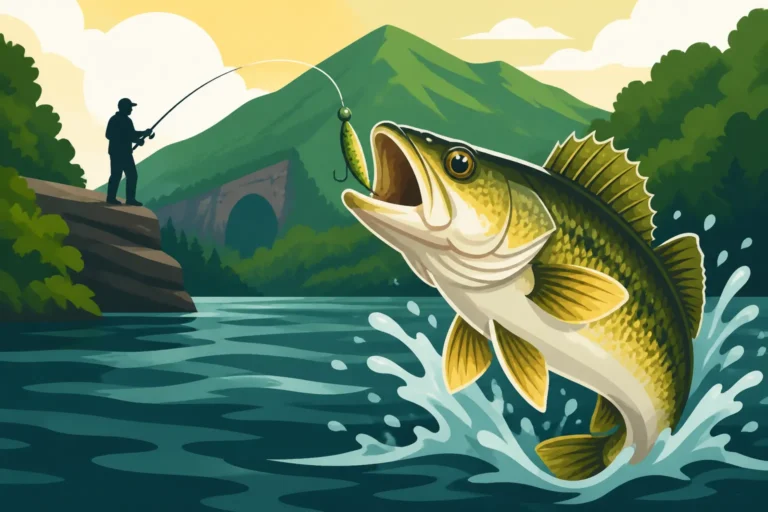
- Largemouth Bass: These are a bank angler's dream, frequently holding tight to cover along the shoreline, especially in areas with aquatic vegetation, fallen timber, or docks. Lakes like Bluestone Lake and Plum Orchard Lake offer excellent opportunities for bank-bound bass anglers.
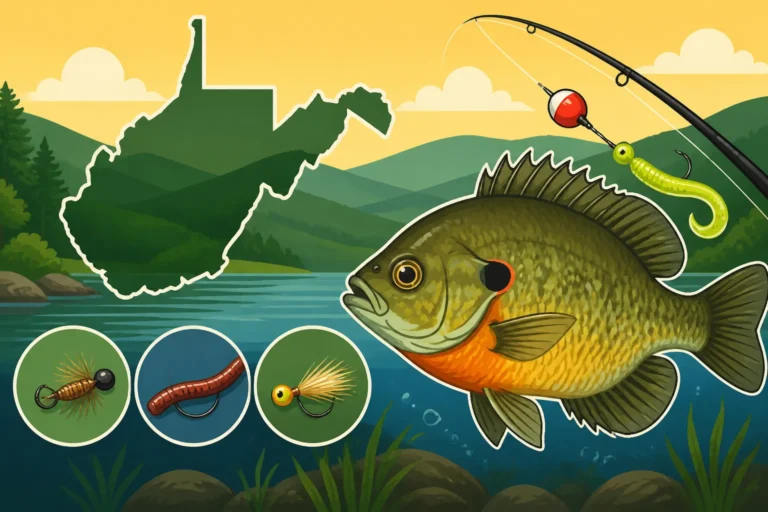
- Panfish (Bluegill, Crappie, Perch): Bluegill and other sunfish are abundant near shore, particularly in weedy areas or around submerged brush. Crappie, especially black crappie, will often move into shallower water, especially during their spring spawn, making them very accessible from the bank. Beech Fork Lake is known for its crappie.
- Catfish (Channel, Flathead): Catfish are bottom dwellers that frequently cruise the banks, especially after dark. They're often found in deeper pockets, around submerged logs, or near current breaks, making them a prime target for those willing to fish into the evening.
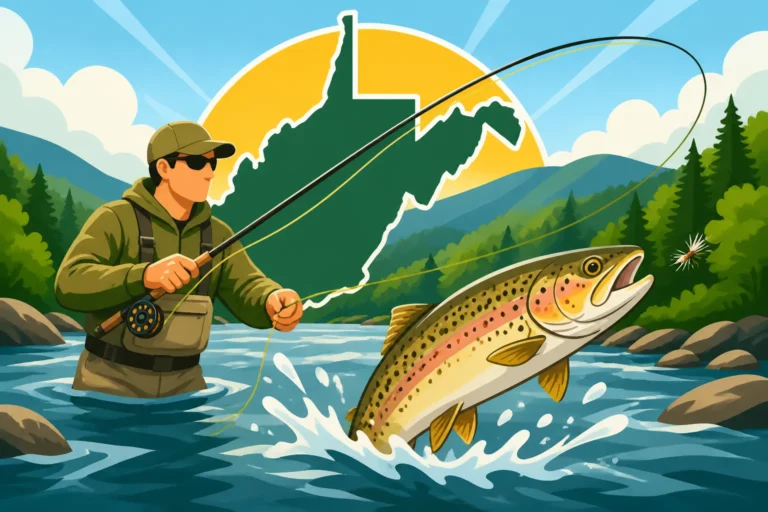
- Trout (Rainbow, Brown, Brook): Many state park lakes and smaller impoundments are regularly stocked with trout, particularly in the spring and fall. These fish often stick close to the stocking points initially, and then can be found cruising the cooler waters of the shoreline. To learn more about where and when these stockings occur, check out the article on West Virginia Trout Season and Stocking Rules.
- Walleye: While often associated with deeper, open water, walleye will move shallower, especially at dawn, dusk, or during their spring spawn, making them catchable from prime bank locations like points or rocky shorelines. Tygart Lake is a popular spot for walleye.
Knowing which species are most likely to be present near the bank will help you select the right gear and techniques for a successful outing.
Essential Gear for Successful Bank Fishing
One of the great things about bank fishing is that you don't need a huge investment in specialized equipment. However, having the right tools for the job can dramatically increase your chances of success and overall enjoyment. Think of it as building a compact, portable fishing station that you can carry to your favorite shoreline spots.
Rods, Reels, and Lines for Shore Casting
For bank fishing, versatility is key. You'll want a rod that offers good casting distance but still has enough sensitivity to detect subtle bites and enough backbone to handle a decent-sized fish.
- Rods: A medium-action spinning rod, typically 6 to 7.5 feet long, is an excellent all-around choice. A longer rod (7 feet or more) provides better casting distance, which is invaluable when you're trying to reach those deeper drop-offs or submerged structures further from shore. A shorter rod offers more control for pitching baits into tight cover. If you're a beginner, a good quality medium-action spinning combo can be found easily online, perhaps from Amazon, offering great value for money. For specific recommendations, take a look at our guide on the Best Rod and Reel Combo for Beginners.
- Reels: A spinning reel in the 2500-3000 size range balances line capacity with smooth operation, handling everything from panfish to decent bass. Make sure it has a smooth drag system, which is critical for fighting fish effectively and preventing line breaks.
- Lines: Choosing the right line can make a big difference.
- Monofilament (Mono): This is a good choice for beginners due to its stretch (forgiveness) and buoyancy (helpful for topwater lures or bobber fishing). A 6-10 lb test is usually sufficient.
- Fluorocarbon: Less visible underwater and offers good sensitivity, but it's denser, making it sink. Great for bottom contact presentations like jigs or Carolina rigs.
- Braided Line: Extremely strong for its diameter, very sensitive, and casts a mile. However, it's very visible. Many anglers use braided main line (10-20 lb) with a fluorocarbon leader (6-10 lb) for a blend of strength, castability, and stealth.
Terminal Tackle and Baits
This is where your tackle box earns its keep. Having a well-stocked selection of hooks, weights, floats, and baits will allow you to adapt to different conditions and target species.
- Hooks: A variety of hook sizes is essential. Sizes 4-8 are good for panfish, 1/0-3/0 for bass, and larger octopus or circle hooks for catfish. Look for snelled hooks for convenience or carry a selection of bait-holder and worm hooks.
- Weights: Split shots, bullet weights (for Texas rigs), and slip sinkers (for Carolina rigs or bottom fishing) are staples. Carry a range from 1/8 oz to 1/2 oz to account for current, wind, and casting distance.
- Floats/Bobbers: Slip bobbers are incredibly versatile, allowing you to present bait at any depth. Fixed bobbers are good for shallow water or suspending live bait just off the bottom.
- Lures: A small selection of versatile lures can cover many situations.
- Spinners & Spoons: Great for trout, panfish, and even aggressive bass. Think small Rooster Tails or Kastmasters.
- Soft Plastics: Worms, creature baits, and swimbaits rigged Texas-style (weedless) or on a jig head are deadly for bass.
- Jigs: Small marabou jigs or plastic grub jigs are excellent for crappie and panfish. Larger bucktail jigs can attract bass or walleye.
- Crankbaits: Medium-diving crankbaits can cover water and entice bass when they're actively feeding.
- Baits: Don't forget the classics! Live worms (nightcrawlers, red wigglers), minnows, and crickets are universally effective. For catfish, stink baits, chicken livers, or cut bait are irresistible. PowerBait, especially the scented doughs and artificial worms, is a trout fishing staple, readily available at most tackle shops or on Amazon.
Comfort and Safety Items
Bank fishing isn't just about catching fish; it's about enjoying your time outdoors. A few comfort and safety items can make a huge difference.
- Chair or Bucket: A portable folding chair or a 5-gallon bucket (which doubles as storage or a livewell) can be a godsend during a long day of waiting for bites.
- Cooler: Keep your drinks and snacks cold, and if you plan to keep fish, it's essential for maintaining freshness.
- Tackle Bag or Backpack: A well-organized bag keeps your gear accessible and easy to transport.
- Sun Protection: Hat, sunglasses (polarized ones help cut glare and spot fish), and sunscreen are non-negotiable.
- Rain Gear: West Virginia weather can change quickly. A lightweight rain jacket and pants can save your day. For more on staying dry, check out our guide on the Best Rain Gear for West Virginia Anglers.
- First-Aid Kit: Small cuts from hooks or minor scrapes are common. A basic first-aid kit should always be in your bag.
- Pliers/Forceps: Essential for removing hooks safely from fish and for cutting line. A multi-tool with pliers is a great item to keep handy.
Mastering Bank Fishing Techniques
Successfully fishing from the bank requires a thoughtful approach, focusing on how to maximize your limited casting range and make the most of the water available to you. It's about precision, patience, and adapting to what the fish are telling you.
Still Fishing with Bobbers and Bottom Rigs
Still fishing is often the first technique many anglers learn, and for good reason—it's incredibly effective and relaxing, especially when targeting panfish, trout, or catfish.
- Bobber Fishing: This involves suspending your bait at a set depth using a bobber. It’s perfect for exploring the water column, especially when fish are suspended or feeding closer to the surface. For panfish or stocked trout, a small live worm, crickets, or PowerBait below a slip bobber set to a depth of 2-6 feet can be incredibly effective. Cast it out, let it sit, and watch for that bobber to dip! When fishing deeper water from the bank, a slip bobber allows you to cast further without tangles, as the line freely slides through the bobber until it hits a small knot (bobber stopper) set to your desired depth.
- Bottom Fishing: When targeting catfish, walleye, or larger trout, getting your bait right on the lakebed is often the key. A simple bottom rig consists of a sinker (like an egg sinker or pyramid sinker) that slides freely on your main line, tied to a swivel, with a leader (12-24 inches) and a hook. This allows the fish to pick up the bait without feeling the weight of the sinker. Bait with cut bait, nightcrawlers, or commercial stink baits. Cast your rig out, let it settle, and then reel up the slack until your line is taut. Watch your rod tip for any subtle taps or bends. This technique is particularly effective in deeper sections of the lake or near channels.
Casting and Retrieving Lures
Active lure fishing from the bank can be incredibly productive for predatory species like bass, walleye, and even aggressive trout. It allows you to cover more water and mimic prey in motion.
- Fan Casting: Since you can't move around as freely as in a boat, "fan casting" is essential. This means casting to different angles along the shoreline, like the spokes of a fan, to thoroughly cover the water in front of you. Start by casting straight out, then gradually move your casting angle to the left, then the right, covering every possible piece of water. Vary your retrieve speed and lure type until you find what triggers a strike.
- Working Lures Effectively: The key to lure fishing is making your presentation look natural and enticing.
- Spinners and Spoons: These are often "cast and retrieve" lures. A steady retrieve often works well, but experiment with slight pauses or changes in speed. For trout, smaller spinners like Panther Martins or Roostertails can be deadly, especially in freshly stocked areas.
- Soft Plastics: When fishing plastic worms or creature baits for bass, Texas-rigging them (weedless) allows you to cast into heavy cover without snagging. Use a slow retrieve, dragging it along the bottom, pausing occasionally, or slowly hopping it over structure. Feel for a subtle "tick" on your line, which often indicates a bite. For more on catching bass, our guide on Largemouth Bass Fishing in West Virginia offers deep insights.
- Jigs: Small jigs with grubs or soft plastic bodies are excellent for crappie and panfish. Cast them out, let them sink to the desired depth, and then retrieve with a series of small hops and pauses. For deeper water, vertically jigging near structure can also be effective if you can cast over it.
Reading the Water and Maximizing Your Casting Range
Being a successful bank angler means becoming a master at observation and precision. Every cast counts.
- Identify Fish-Holding Structure: Before you even cast, study the water. Look for visible cover like docks, fallen trees, rock piles, or weed lines. Pay attention to changes in water color that might indicate depth changes or different bottom compositions. Look for ripples that could mean a submerged object or even fish feeding. Sometimes, subtle signs like a bird diving or a twitch of aquatic grass can reveal where fish are holding.
- Long Casts and Accurate Placement: Practice making long, accurate casts. The further you can cast, the more water you can cover. Aim to cast beyond your target structure and retrieve your lure through it, or gently place a bait just to the edge of visible cover. Overhanging trees, sharp bends in the shoreline, or areas where tributaries enter the lake can be prime spots. Don't be afraid to cast parallel to the bank; many fish cruise these shallow edges, especially during low light conditions. The ability to reach spots that other anglers might miss, or that are just out of range for a shorter cast, can be a game-changer.
Targeting Specific Species from the Bank
Different fish have different habits, preferred habitats, and dietary preferences. Tailoring your approach to the species you're after is key to filling your stringer or simply enjoying a good fight. Here’s how you can target some popular West Virginia lake species from the bank.
Trout Tactics for Stocked Waters
West Virginia's stocked trout program is fantastic, making trout fishing incredibly accessible from the banks of many lakes and ponds. These lakes are typically stocked with rainbow trout, and sometimes brown or brook trout.
- Prime Locations: Look for areas where the trout are freshly stocked, which often means access points like boat ramps, piers, or designated fishing areas. Trout tend to congregate in cooler, deeper sections of the lake, especially near springs or where cold feeder creeks enter. You can find detailed stocking schedules on the West Virginia DNR website or hotline. Our West Virginia Trout Stocking Hotline and Schedule post has more information.
- Baits and Lures:
- PowerBait: This is almost synonymous with stocked trout fishing. Mold it onto a small treble or single hook (size 10-14) in a ball, often floating it off the bottom with a small split shot or egg sinker a foot or two above the hook. Popular colors include chartreuse, rainbow, and white.
- Worms: Live nightcrawlers or red wigglers fished under a bobber or on a light bottom rig are universally effective.
- Small Spinners: Cast and retrieve small (1/16 oz to 1/8 oz) inline spinners like Mepps, Panther Martins, or Rooster Tails. Vary your retrieve speed; trout often strike on the pause or as the lure flutters down.
- Corn & Marshmallows: Believe it or not, these inexpensive baits can work wonders for stocked trout!
- Technique: Patience is key. Cast out, let your bait settle, and wait. If you're not getting bites after 15-20 minutes, try adjusting your depth with a bobber or moving to a new spot along the bank. Early morning and late evening are often the best times.
Bass from the Bank: Largemouth and Smallmouth
Both largemouth and smallmouth bass offer exciting opportunities for bank anglers, often requiring a more active approach with lures.
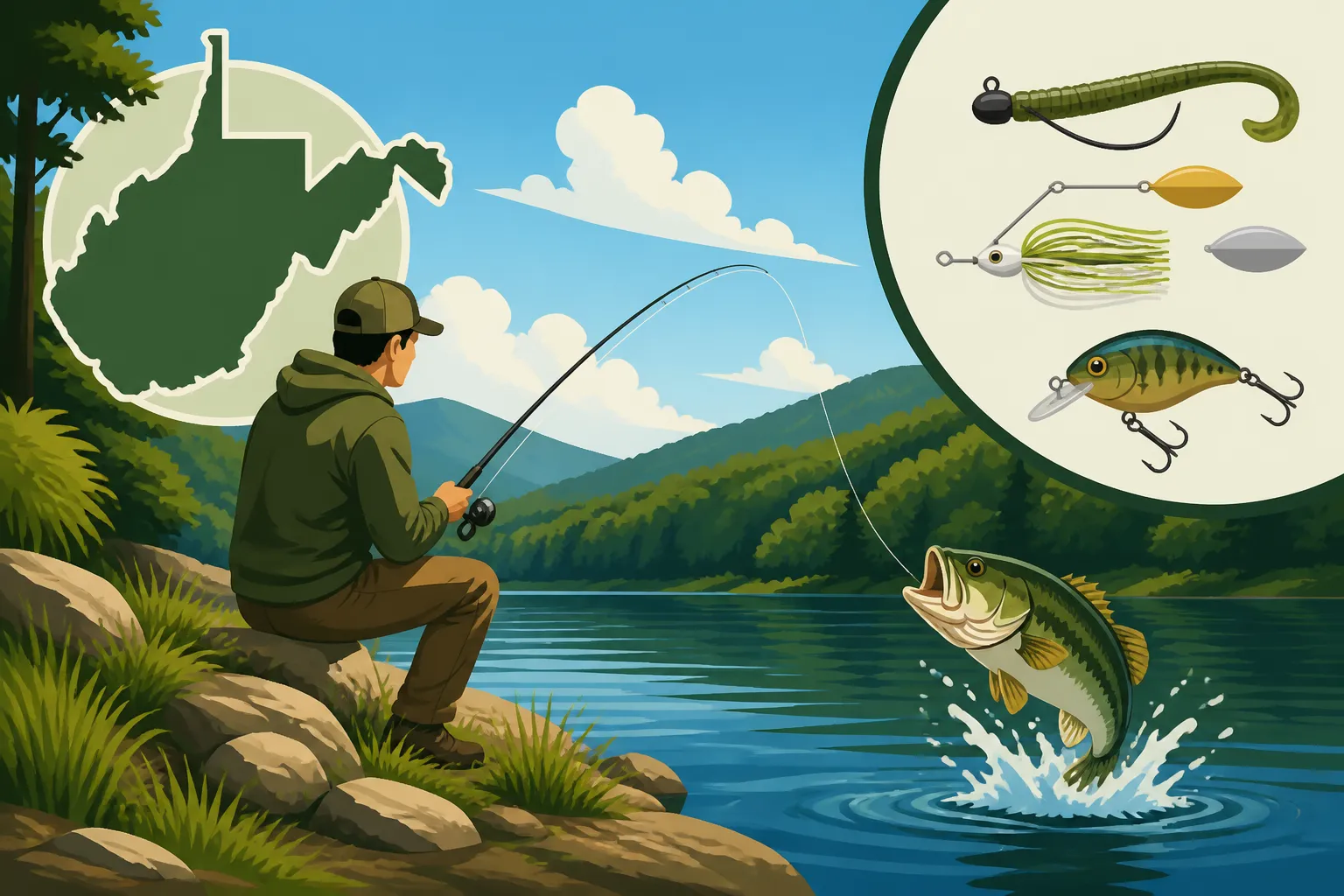
- Largemouth Bass: These fish love cover. Target areas with lily pads, weed lines, fallen trees, docks, or rocky banks. They'll often ambush prey from these spots.
- Lures: Soft plastics rigged weedless (Texas rig or wacky rig) are perfect for pitching into heavy cover without snagging. Crankbaits that dive to the depth of nearby cover can be very effective. Topwater lures (poppers, walking baits) can be thrilling during low light conditions or over shallow, weedy flats.
- Technique: Cast your lure as close to the cover as possible. For soft plastics, work them slowly, mimicking a crawfish or worm. For crankbaits, use a steady retrieve with occasional pauses or twitches. If you're fishing near a dock, cast parallel to the structure.
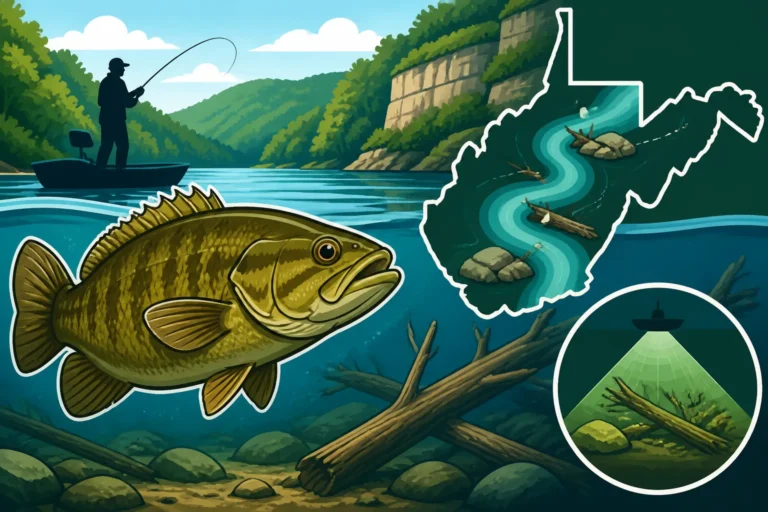
- Smallmouth Bass: While often associated with rivers, many West Virginia lakes with rocky shorelines and clear water also hold smallmouth. Look for rocky points, riprap banks, and areas with chunk rock.
- Lures: Small crankbaits, tube jigs, spinnerbaits, and crawfish-imitating soft plastics are excellent choices.
- Technique: Smallmouth are often more aggressive than largemouth. Cast to rocky structure and retrieve with erratic movements, imitating a fleeing baitfish or crawfish. They often hold deeper than largemouth, so lures that get down quickly can be beneficial.
Panfish and Catfish: Accessible and Rewarding
Panfish and catfish are two of the most approachable species for bank anglers, making them perfect for beginners or a relaxing day by the water.
- Panfish (Bluegill, Crappie, Yellow Perch): These fish are abundant and eager biters, making them ideal for family outings.
- Locations: Look for areas with submerged vegetation, brush piles, or shallow coves, especially during spring and early summer. Piers and docks are also prime panfish magnets.
- Baits & Lures: Small live baits like worms, crickets, or minnows fished under a bobber are unbeatable. Tiny jigs (1/32 oz – 1/8 oz) with small plastic grubs or marabou bodies also work wonders. For more on these accessible species, read our guide on Panfish Fishing in West Virginia.
- Technique: Keep it simple! A bobber with a worm or a small jig retrieved slowly is all you need. If you're targeting crappie, a small minnow under a slip bobber set to different depths until you find the fish can be very effective.
- Catfish (Channel, Flathead): West Virginia lakes offer fantastic catfishing, especially in the larger impoundments.
- Locations: Deeper channels, the base of dams, submerged timber, or anywhere there’s a good drop-off. Catfish are often most active at night or during low light conditions, so don't be afraid to extend your fishing into the evening.
- Baits: Catfish are not picky. Chicken livers, cut bait (like shad or bluegill), nightcrawlers, and commercially prepared stink baits are all excellent choices. For flatheads, live bluegill or large minnows are often preferred.
- Technique: Use a sturdy bottom rig with enough weight to hold your bait in place. Cast it out and let it sit. Catfish often take the bait slowly, so avoid setting the hook too quickly; let them really commit. A heavy rod and reel combo is recommended for these powerful fish. If you plan to go after these strong fighters, you'll find more useful information in Catfish Fishing in West Virginia.
Seasonal Considerations for Bank Anglers
Just like in a boat, the time of year dramatically influences fish behavior, and therefore, your bank fishing strategy. Understanding these seasonal shifts will help you predict where fish might be and what they're willing to bite.
Spring: The Spawn and Aggressive Bites
Spring is arguably the best time of year for bank anglers in West Virginia. As water temperatures rise, fish become active and move into shallower waters to feed and spawn, making them highly accessible from shore.
- Trout: Many lakes and ponds are heavily stocked with trout in early spring, leading to excellent fishing right after the stockings. These fish often stick close to the banks.
- Bass: Both largemouth and smallmouth bass will move into spawning flats and shallow coves. They become very aggressive, protecting their nests, making them susceptible to a variety of lures, especially soft plastics and jigs pitched into visible cover.
- Crappie and Panfish: Crappie will move into extremely shallow water, often near submerged brush or downed trees, to spawn. They are very catchable on small minnows or jigs under a bobber. Bluegill follow suit, setting up nests in shallow, sandy, or gravelly areas.
- Walleye: While often spawning in rivers, walleye will stage near rocky points and shallow humps in lakes before and after their spawn, making them briefly accessible from the bank with jigs or crankbaits, particularly at dawn and dusk.
- Strategy: Focus on shallow, sun-warmed coves and areas with emerging vegetation. Fish actively with lures, but don't overlook live bait for trout and panfish. This is a great time to be out there, as many species are in their most aggressive feeding and spawning patterns.
Summer: Deeper Water and Low Light Bites
Summer in West Virginia can be a bit more challenging for bank anglers, especially during the heat of the day. Fish tend to retreat to deeper, cooler water or seek dense cover.
- Trout: Unless you're on a cold tailwater section below a dam or in a high-elevation stream, trout fishing in lakes slows down considerably. They will seek out deeper, cooler thermoclines and become lethargic.
- Bass: Largemouth will relate to deeper cover like submerged timber, offshore humps, or shady areas under docks. Smallmouth will often be on deep rock piles or points. Early morning, late evening, and night fishing become prime times as bass move shallower to feed. Topwater baits at dawn and dusk can be fantastic.
- Panfish: Bluegill and other sunfish will still be present in shallower, weedy areas, but often deeper within the cover. Crappie will typically suspend over deeper water, making them harder to reach from the bank.
- Catfish: Summer nights are prime for catfish! They are highly active after dark, cruising the shallower flats and channels. Focus on deeper holes, submerged logs, or areas with current.
- Strategy: Fish during the cooler parts of the day – early morning, late evening, or even at night. Focus your efforts on deep drop-offs that are accessible from the bank, or areas with dense shade. Use baits that can get down deep, like heavy jigs or Carolina rigs. Consider going out when the sun is low on the horizon, as fish are more likely to come shallower to feed. For an in-depth look at seasonal patterns, check out our guide on the Best Time of Year to Fish in West Virginia.
Fall: Feeding Frenzy and Cooler Waters
Fall is another fantastic season for bank fishing as water temperatures cool, and many fish begin an aggressive feeding spree in preparation for winter.
- Trout: Fall stockings bring renewed trout fishing opportunities to many lakes. Fish them similarly to spring stockings.
- Bass: Both largemouth and smallmouth bass become very active, chasing baitfish in schools. They will often be found shallower as the water cools, particularly on points, flats, and around submerged structures.
- Crappie: Crappie can become quite active in the fall, often schooling up. While they might still be deeper, they are more willing to chase lures. Try small jigs or minnows.
- Walleye: Fall is a prime time for walleye in many lakes. They'll often move shallower in search of baitfish, especially during low light. Crankbaits and jigs fished on rocky points can be very effective.
- Strategy: Mimic baitfish. Use spinnerbaits, crankbaits, and swimbaits to cover water. Fish actively and look for signs of baitfish schools, which often indicate predators are nearby. Focus on transition areas where deep water meets shallow flats.
Winter: Ice Fishing (Where Available) and Slow Bites
Winter bank fishing in West Virginia can be tough, as many lakes either freeze over or become extremely cold. For open water, fishing is generally slow.
- Ice Fishing: Where safe ice forms (usually smaller, shallower lakes in northern West Virginia), ice fishing is a popular activity. This is an entirely different discipline and offers unique bank-like access to the whole lake. Check out Ice Fishing in West Virginia for more details.
- Open Water Bank Fishing: For lakes that don't completely freeze, fish activity is minimal. Fish will congregate in the deepest available holes, typically near the bottom, and their metabolism will slow considerably.
- Strategy: Slow down your presentation dramatically. Use live bait (worms, minnows) or very small, slowly retrieved jigs. Focus on the deepest accessible holes from the bank. Catfish can still be caught on the bottom in deeper water, but bites will be light. Look for sunny days that might warm up shallow banks momentarily.
Safety and Etiquette for Bank Anglers
A great day of bank fishing isn't just about catching fish; it's also about staying safe and being a responsible, considerate angler. West Virginia's natural beauty is something we all share, and preserving it starts with good practices on the bank.
Navigating Shorelines and Public Access
It's crucial to know where you're allowed to fish from the bank. Not all shorelines are public property, and trespassing is never okay.
- Public Lands and Access Points: Focus on fishing within state parks, wildlife management areas (WMAs), national forests, and designated public access points. These areas are designed for public use and often have maintained trails or parking. The West Virginia Division of Natural Resources (WVDNR) website is a fantastic resource for finding public access maps. For example, many of our state parks, like Watoga State Park, offer fantastic bank fishing opportunities. Our West Virginia State Park Fishing Guide has more specific information.
- Private Property: Always respect private property signs. If you're unsure, it's best to assume it's private and seek permission before venturing onto someone's land. A simple "No Trespassing" sign means exactly that.
- Dam Areas: Be extremely cautious around dams and spillways. These areas can have sudden changes in water levels and strong, dangerous currents. Always obey all posted warning signs and stay behind designated safety barriers.
- Terrain Awareness: West Virginia's lakes often have rugged, steep terrain. Wear appropriate footwear with good traction. Be mindful of loose rocks, slippery mud, and steep drops. A wading staff can be helpful even if you're not entering the water, for stability on uneven ground.
Respecting Fellow Anglers and the Environment
Part of enjoying the outdoors is sharing it responsibly. Good etiquette ensures everyone has a pleasant experience.
- Give Space: If you arrive at a popular bank fishing spot and someone else is already there, give them plenty of space. Casting over someone else's line or crowding their fishing area is poor etiquette. A good rule of thumb is to maintain at least a rod's length of distance, or more if possible.
- Noise Levels: While it's great to enjoy the sounds of nature, be mindful of excessive noise. Loud conversations, blaring music, or splashing can disturb both fish and fellow anglers.
- Leave No Trace: This is perhaps the most important rule. Pack out everything you pack in, and then some. This includes all trash, fishing line scraps, bait containers, and food wrappers. Nothing ruins a beautiful fishing spot faster than litter. Consider carrying a small trash bag with you.
- Fish Handling: Practice responsible catch and release, especially for fish you don't intend to keep or those that are protected. Handle fish gently, minimize their time out of water, and use wet hands or a wet net to protect their slime coat. If you are keeping fish, know and obey all West Virginia Bag and Possession Limits by Species.
- Know the Regulations: Ignorance is no excuse when it comes to fishing regulations. Always carry a copy of the current West Virginia fishing regulations, either physically or digitally. Know the size limits, creel limits, and special regulations for the specific lake you're fishing. Penalties for Fishing Without a License in West Virginia: Penalties can be steep.
| Species Targeted | Best Baits/Lures | Recommended Rig | Ideal Depth (Approx.) | Prime Time for Bank Fishing |
|---|---|---|---|---|
| Rainbow Trout | PowerBait, Worms, Small Spinners | Bobber Rig (Slip/Fixed), Light Bottom Rig | 2-8 feet | Spring, Fall (post-stocking) |
| Largemouth Bass | Soft Plastics (Worms, Jigs), Crankbaits, Topwater | Texas Rig, Jig Head, Carolina Rig | 3-15 feet | Spring, Summer (low light), Fall |
| Smallmouth Bass | Small Crankbaits, Tube Jigs, Spinnerbaits | Jig Head, Carolina Rig | 5-20 feet | Spring, Fall, Summer (low light) |
| Crappie | Minnows, Small Jigs, Worms | Bobber Rig (Slip/Fixed) | 2-10 feet | Spring (spawn), Fall |
| Bluegill | Worms, Crickets, Small Jigs | Bobber Rig (Fixed), Tiny Jig Head | 1-5 feet | Spring, Summer |
| Channel Catfish | Chicken Liver, Cut Bait, Stink Bait | Bottom Rig (Slip Sinker) | 5-30+ feet | Summer (esp. night), Fall |
Disclaimer
Fishing regulations, stocking schedules, and lake conditions in West Virginia can change. Always consult the latest West Virginia Division of Natural Resources (WVDNR) regulations guide before heading out. The information provided here is for general guidance and educational purposes only. Always prioritize safety and environmental stewardship while enjoying your time on the water.