How to fish a wooly bugger for trout
Fly fishing for trout can feel like an intimidating endeavor, especially when you're just starting out or moving beyond the dry fly purist mentality. Many anglers, myself included, have stood streamside, scratching their heads as trout ignore perfectly presented dries or nymphs. That's where the trusty Wooly Bugger comes into play. This guide will walk you through everything you need to know about effectively fishing a Wooly Bugger for trout in West Virginia's diverse waters, turning those frustrating days into memorable catches.
The Enduring Appeal of the Wooly Bugger for West Virginia Trout
When you talk about a fly that's truly a "Swiss Army Knife" in the fly box, the Wooly Bugger is often the first one that comes to mind. It's a fly that defies simple categorization, mimicking so many different food sources that trout just can't resist. For West Virginia anglers, where our streams and lakes hold everything from stocked rainbows to wily native brook trout, having a reliable pattern like the Wooly Bugger is absolutely essential.
Why the Wooly Bugger Just Works
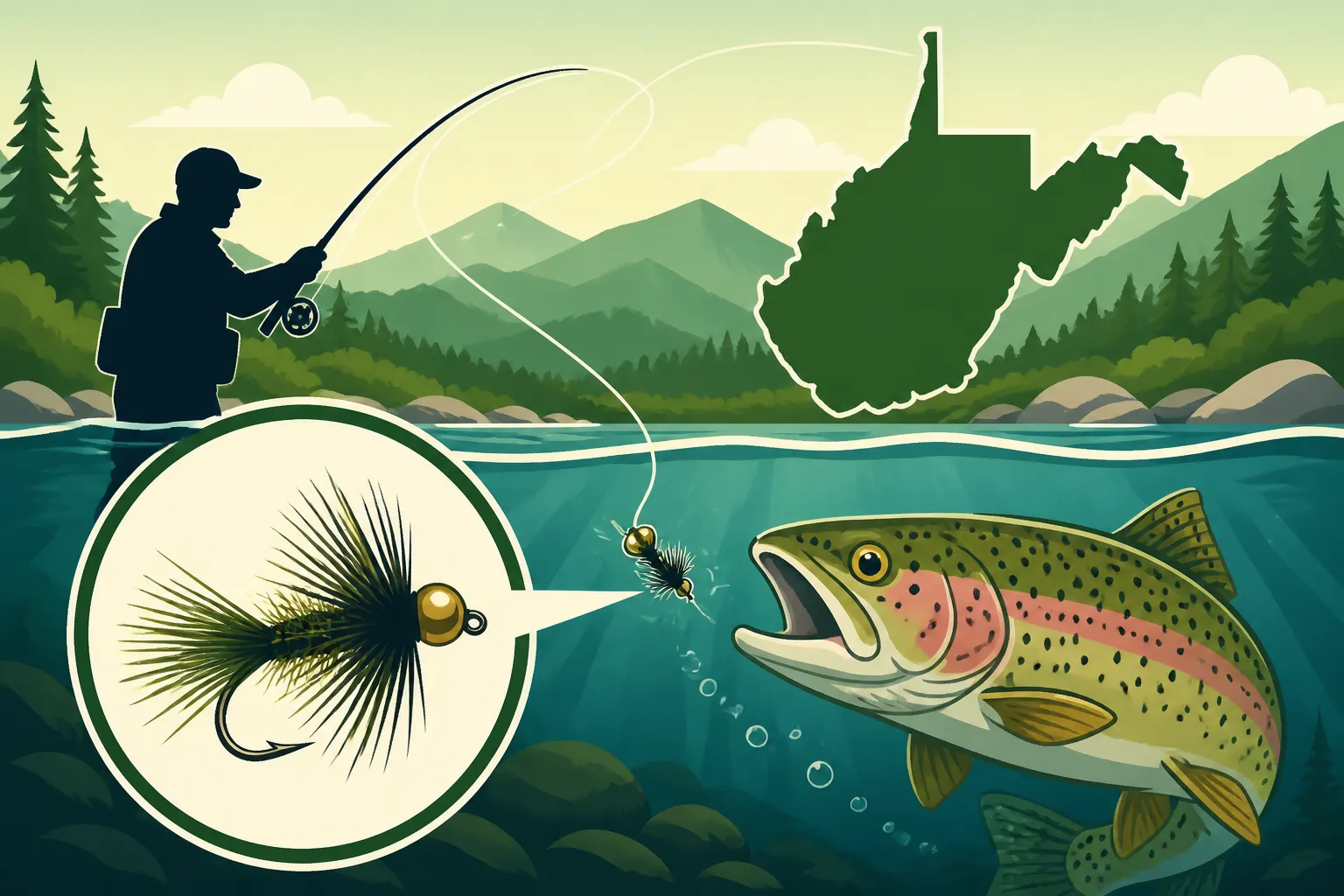
The sheer genius of the Wooly Bugger lies in its incredible versatility. It's not trying to be one specific insect; instead, it imitates a whole buffet of things trout love to eat. Think about it: a leech wiggling through the water, a sculpin minnow darting for cover, a crayfish scurrying along the bottom, or even a large nymph dislodged by the current. The Bugger's marabou tail pulsates with every strip and pause, creating a lifelike movement that triggers an aggressive predatory response in trout. Its chenille body gives it bulk and texture, while the hackle wrapped around the body adds more movement and a buggy profile.
This adaptability makes it a go-to pattern in so many different scenarios. Whether you're casting into the deep pools of the Cranberry River, swinging through the runs of the Elk River, or stripping it in a stocked pond at Watoga State Park, the Wooly Bugger is almost always a good choice. It performs well in everything from crystal clear mountain streams to slightly off-color tailwaters, making it indispensable for fishing in West Virginia, where water conditions can change rapidly. The movement it creates, even in slow currents, is often enough to entice a strike when other patterns fail to get noticed.
Choosing the Right Bugger: Colors, Sizes, and Materials
Selecting the "right" Wooly Bugger might seem daunting given the endless variations available, but it boils down to understanding what the trout are likely feeding on and what conditions you're facing. Generally, having a small assortment of key colors and sizes will cover most situations you'll encounter in West Virginia.
Colors:
- Black: A universal choice. It's excellent in low light, stained water, or when imitating leeches or dark minnows. Always have a few black buggers on hand.
- Olive: Another classic, mimicking various aquatic insects, baitfish, and even some crawfish. Works well in a wide range of water conditions and is often productive in natural-looking streams.
- Brown: Great for imitating sculpins or crawfish, especially in rivers with rocky bottoms where these prey items are common. Consider this a top choice for places like the New River, even though it's primarily a smallmouth bass river, the trout often key on similar forage.
- White/Natural: Excellent for imitating small baitfish, particularly in clearer water or when targeting aggressive trout that are chasing schools of minnows.
- Purple: An increasingly popular " attractor" color. It stands out and can provoke strikes from curious or aggressive trout, even if it doesn't perfectly match a natural food source. Often works well when nothing else does.
Sizes:
Wooly Buggers typically range from size #6 down to #12.
- Larger sizes (#6, #8): Best for bigger fish, more aggressive presentations, or when targeting waters with larger baitfish and crayfish. Think of casting these in deeper pools or faster runs.
- Medium sizes (#10): A great all-around choice. If you could only have one size, a #10 would be a good bet, as it's versatile enough for many West Virginia trout streams.
- Smaller sizes (#12): Ideal for smaller streams, finicky trout, or when fish are keying on smaller nymphs or leeches. They offer a more subtle presentation in clear, low water.
Materials:
The basic Wooly Bugger recipe includes a marabou tail, a chenille body, and a palmered hackle. However, variations add extra appeal:
- Beadheads: A bead (brass or tungsten) at the head helps the fly sink faster and adds a "jigging" action. Tungsten beads sink quicker and are great for getting down to deeper holding lies. Many anglers prefer beadheads for a more active, subsurface presentation.
- Coneheads: Similar to beadheads but create a slightly larger, more aggressive profile and push more water. Good for bigger flies and attracting attention.
- Flash: Some buggers incorporate a few strands of flashabou in the tail to mimic the reflective scales of baitfish. Use sparingly; too much flash can sometimes deter wary trout.
Essential Gear for Fishing Wooly Buggers in West Virginia
Before you even think about casting, it's crucial to have the right tools for the job. While you don't need the most expensive equipment, having a balanced setup designed for streamer fishing will significantly improve your success and enjoyment. Remember, you're often casting a slightly heavier, wind-resistant fly, and you'll be actively stripping line, so your gear needs to be up to the task. You can find a wide array of options for all these essentials on platforms like Amazon.
Rod, Reel, and Line Setup
Your choice of rod, reel, and line forms the core of your streamer fishing setup. It needs to be robust enough to handle the flies and potential larger trout, yet sensitive enough to detect subtle takes.
- Fly Rod: For most West Virginia trout fishing with Wooly Buggers, a 5-weight or 6-weight fly rod is your best friend. A 9-foot length is standard and provides good line control and casting distance.
- 5-weight: Offers a nice balance between casting larger streamers and still enjoying the fight of smaller trout. It's a versatile choice for most streams and smaller rivers.
- 6-weight: Provides more backbone for casting larger, heavier buggers, especially those with beadheads or coneheads, and handling bigger fish. If you plan to fish larger rivers or target bigger holdover trout consistently, a 6-weight can be a real advantage. Look for a medium-fast or fast-action rod, as these will have the power to turn over heavier flies and cut through wind.
- Fly Reel: A matching reel that balances your rod is important. For trout, a simple disc drag system is usually sufficient. You won't be fighting huge, long-running fish that require an incredibly sophisticated drag, but a smooth drag is always a plus. The key is to have enough backing on your reel, typically 50-100 yards, just in case you hook into a truly large fish that decides to make a run for it.
- Fly Line: This is where things get a little more specialized.
- Weight-Forward Floating Line: This is your starting point and the most versatile option. It allows for good presentations and can be used with a variety of leader setups. Many anglers begin with this and add a poly leader or sinking tip as needed.
- Sinking Tip Line: If you're consistently fishing deeper water, faster currents, or targeting larger fish holding near the bottom, a sinking tip line is incredibly effective. These lines have a short section (5-15 feet) at the end that sinks, while the rest of the line floats. This gets your bugger down quickly and keeps it in the strike zone. There are different sink rates available, so choose one appropriate for the depth and speed of the water you're fishing.
- Full Sinking Line: Less common for general trout fishing with buggers, but can be useful in very deep lakes or large reservoirs when you need to get the fly down quickly and keep it there throughout the retrieve.
- Leader and Tippet: A standard 7.5-foot or 9-foot tapered leader is a good starting point. For fishing Wooly Buggers, you'll want a heavier butt section to help turn over the fly.
- Tippet: Start with 3X or 4X tippet. This provides enough strength for the flies and fish you'll encounter. If the water is exceptionally clear and the trout are spooky, you might drop down to 5X, but anything lighter can risk break-offs, especially when a large trout aggressively strikes a streamer. Fluorocarbon tippet is often preferred for streamers because it sinks faster than monofilament and is nearly invisible underwater, which can be an advantage in clear streams. For deeper diving presentations, consider a shorter, heavier leader, perhaps 4-6 feet of straight 0X or 1X fluorocarbon tied directly to your fly line, to get the fly down even faster.
Must-Have Accessories for Bugger Fishing
Beyond the core rod and reel setup, a few key accessories will make your West Virginia trout fishing experience more comfortable, efficient, and ethical.
- Waders and Wading Boots: West Virginia's trout streams often require wading to access prime fishing spots and present your fly effectively. Good quality breathable waders will keep you dry and comfortable year-round. Pair them with sturdy wading boots. When choosing boots, consider the stream bottoms you'll encounter. Felt soles offer excellent grip on slippery, algae-covered rocks, common in many limestone or freestone streams. Rubber soles are better for muddy banks, trails, and if you plan to walk through vegetation, as they prevent the spread of invasive species. Many anglers have a preference for one or the other, or use studded rubber soles for extra grip. Read our guide on Best Waders for West Virginia Trout Streams for more detailed recommendations.
- Landing Net: A net is crucial, especially if you plan on practicing catch-and-release, which is common in many West Virginia wild trout waters and special regulation areas. A rubber or silicone mesh net is preferred as it minimizes damage to the fish's protective slime coat and fins. Make sure the net is large enough to comfortably scoop a decent-sized trout without bending or harming it. You can find more information in our article on the Best Landing Net for Trout.
- Fly Boxes: While any fly box will hold buggers, a dedicated streamer box with ample room for larger patterns is a good investment. Look for one with deep compartments or slit foam to keep your buggers from getting crushed or tangled.
- Stripping Basket (Optional): If you're fishing stillwaters, large lakes like Summersville Lake, or wide, open rivers with minimal current, a stripping basket can be incredibly helpful. It keeps your stripped fly line from tangling around your feet, snags on the bank, or floating away in the current, allowing for smoother, faster retrieves and longer casts. While not essential for every stream, it's a great tool for specific situations.
- Hemostats or Pliers: Essential for safely and quickly removing hooks from a trout's mouth, minimizing stress to the fish.
- Nippers and Knot Tools: For quickly trimming tippet and tying knots on the water.
- Polarized Sunglasses: Not just for eye protection, polarized lenses cut glare on the water, allowing you to see deeper into the stream, spot fish, and identify underwater structure where trout might be holding.
- Wading Staff: Especially important if you're navigating swift currents or uneven, rocky bottoms. A good wading staff provides stability and confidence, helping prevent falls. Our guide on the Best Wading Staff for Fast Current can offer more insights.
Mastering the Retrieve: Techniques for West Virginia Waters
The beauty of fishing a Wooly Bugger is that there's no single "right" way to retrieve it. Trout often have different preferences based on their mood, the water conditions, and what they're keying on. The key is to experiment and observe how the fish react, adapting your retrieve until you find what triggers a strike. Think of yourself as telling a story with your fly, mimicking different prey behaviors.
The Basic Strip and Pause (Rivers & Streams)
This is arguably the most common and effective method for fishing Wooly Buggers in rivers and streams, especially when trout are actively feeding or you're trying to cover a lot of water. It mimics a fleeing baitfish or a struggling leech, triggering a predatory instinct.
Start by casting your Wooly Bugger slightly upstream and across the current. The goal is to allow the fly to sink for a few seconds before you begin your retrieve, getting it down to where the trout are holding. The depth it needs to reach will vary depending on the water. In shallower riffles, a quick strip might be enough; in deep pools, you'll want to let it sink longer.
Once it's had a moment to sink, begin your retrieve with short, erratic strips of your fly line using your non-dominant hand. Imagine trying to make the marabou tail pulsate and "swim." Vary the length of your strips (6 inches to 2 feet) and the speed. Don't be afraid to pause your retrieve for a second or two. Often, a trout will strike during this pause, as the fly appears to be wounded or struggling, making it an easy target. This "strip and pause" cadence is vital, as it adds realism to the fly's movement.
Focus on reading the water and identifying potential holding lies: undercut banks, large rocks, log jams, current seams, and deep pockets. Cast your bugger to these areas, allowing it to swing slightly as you retrieve. Many strikes are incredibly subtle—just a slight bump or a feeling of added weight. Keep a tight line and watch your line for any hesitation or unnatural movement, which could indicate a take. Setting the hook with a strip-strike (pulling the line horizontally with your stripping hand) is often more effective than lifting the rod, as it covers more ground and helps prevent breaking off if you miss. You'll find this method particularly effective in the middle sections of many West Virginia rivers where trout often hold in varied structure.
Swinging the Bugger (Classic Streamer Approach)
The swinging technique is a more traditional streamer approach that leverages the current to impart action on your Wooly Bugger. It's especially effective in wider rivers and tailwaters, like parts of the Elk River below the Sutton Dam or sections of the Tygart River.
To execute a swing, cast your Wooly Bugger down and across the current, typically at a 45-degree angle. As the fly lands and begins to drift, immediately make any necessary mends (a flip of the line upstream) to allow the fly to sink and drift naturally without the line pulling it too quickly. The goal is for the fly to swing through the water column in an arc, presented broadside to the trout.
As the fly swings, keep a tight line but allow the current to do most of the work, making the marabou tail undulate enticingly. Don't strip the line much, if at all, during the main part of the swing. Instead, guide the fly as it moves across the river. The "magic moment" often occurs at the very end of the swing, as the fly hangs in the current directly downstream from you before beginning to lift. This "hang down" can be a powerful trigger for aggressive trout, so be prepared for a strike as the fly pauses and then starts to rise. This technique is fantastic for covering broad sections of water and is a staple when fishing for larger, predatory trout. This is also a fantastic technique to use if you are fishing in higher, slightly off-color water conditions, as trout will be less wary and more likely to aggressively pursue a larger fly. For more insights into how water conditions affect fishing, consider reading Best techniques for high water conditions.
Fishing Stillwaters and Lakes (Ponds & Reservoirs)
Fishing a Wooly Bugger in stillwaters—lakes, ponds, and larger reservoirs—requires a slightly different approach than river fishing, as there's no current to help impart action. You become the current, and varying your retrieve is key to success. This is where a stripping basket, if you have one, can really shine.
- Fan Casting: Since there's no current to guide your drift, you'll want to "fan cast" to cover the water effectively. This means making a series of casts in a fan-like pattern, starting close, then moving left, then right, progressively covering new water with each cast. This ensures you're exploring different areas and depths from your position on the bank or boat.
- Longer, Slower Retrieves: In stillwaters, prey items often move more slowly. Experiment with longer, slower strips, punctuated by longer pauses. A 3-5 foot strip followed by a 5-10 second pause can be incredibly effective, mimicking a leech slowly swimming or a baitfish grazing. Sometimes, a series of very short, subtle strips followed by a long pause is all it takes.
- Counting Down: Since you're often fishing deeper water, "counting down" is a crucial technique. After your cast, let your Wooly Bugger sink for a specific count (e.g., 5 seconds, 10 seconds, 20 seconds) before you start your retrieve. This allows you to systematically explore different depths until you find where the fish are holding. Once you find a productive depth, try to replicate that count on subsequent casts. Using a sinking tip or full sinking line will greatly aid in this.
- Targeting Structure: In lakes, trout will relate to structure just as they do in rivers. Look for submerged logs, rock piles, drop-offs, weed beds, and points. Cast your bugger near these features and allow it to sink before retrieving, making sure your fly is presented right in the strike zone. Stillwaters like Plum Orchard Lake or Beech Fork Lake, often stocked with trout, are perfect venues for this technique.
Where and When to Deploy Your Wooly Bugger in West Virginia
Knowing how to fish a Wooly Bugger is only part of the equation; knowing where and when to present it will dramatically increase your success. West Virginia offers a vast array of waters, each with its own characteristics, and the Bugger's versatility makes it effective in many of them.
Prime Habitats for Buggers in Rivers and Streams
When you're walking a West Virginia trout stream, always keep an eye out for areas that offer trout cover, food, and current breaks. These are classic holding lies, and they're prime targets for a well-presented Wooly Bugger.
- Undercut Banks and Log Jams: These are absolute goldmines. Trout love to hide under banks or within the tangle of submerged logs, feeling secure from predators and waiting for food to drift by. Cast your bugger as close as possible to these structures, letting it sink and then stripping it out, mimicking prey fleeing cover.
- Deep Pools: Every trout stream has its deep pools, which offer trout refuge from strong currents and predators, especially during warmer months. These are ideal places to let a beadhead or conehead bugger sink all the way to the bottom before starting a slow, methodical retrieve. The longer you can keep the fly in the strike zone at depth, the better your chances.
- Current Seams: Where fast water meets slow water, a "seam" is created. Trout often sit in the slower water, expending minimal energy, while waiting for food to be swept by in the faster current. Cast your bugger into the faster current upstream of the seam and let it drift into the slower water, then begin your retrieve. This mimics a struggling baitfish being swept into an ambush point.
- Pocket Water: In smaller, freestone mountain streams, you'll often encounter "pocket water"—small, turbulent pools behind rocks or other obstructions. These pockets are often mini-holding lies. A small, weighted bugger dropped into these pockets and allowed to sink, then stripped out quickly, can trigger aggressive strikes from hidden trout.
- Riffles and Runs: While dry flies often get the attention in riffles, a weighted bugger stripped through the deeper parts of a riffle or run can pick up trout that are actively feeding on nymphs or baitfish dislodged by the current. It's a great way to probe areas that might be overlooked by other anglers.
The Wooly Bugger excels when you're targeting larger trout or those particularly aggressive fish that prefer a meal they can chase. Whether you're fishing the legendary sections of the Cranberry River or exploring lesser-known tributaries, understanding these prime habitats is key. If you're looking for detailed information on various trout streams, our guide to Best Trout Streams in West Virginia can offer excellent starting points.
Lakes, Ponds, and Tailwaters: Year-Round Opportunities
The Wooly Bugger's effectiveness isn't limited to freestone streams; it's a stellar choice for a variety of other West Virginia waters, often providing year-round opportunities.
- Stocked Trout Ponds: Many West Virginia State Parks and public access areas have ponds that are regularly stocked with rainbow trout. These fish are often eager to chase a Wooly Bugger, especially right after stocking or when they're acclimating to their new environment. Ponds like the one at Pipestem State Park or Watoga State Park are excellent places to try slower, deeper retrieves with a bugger.
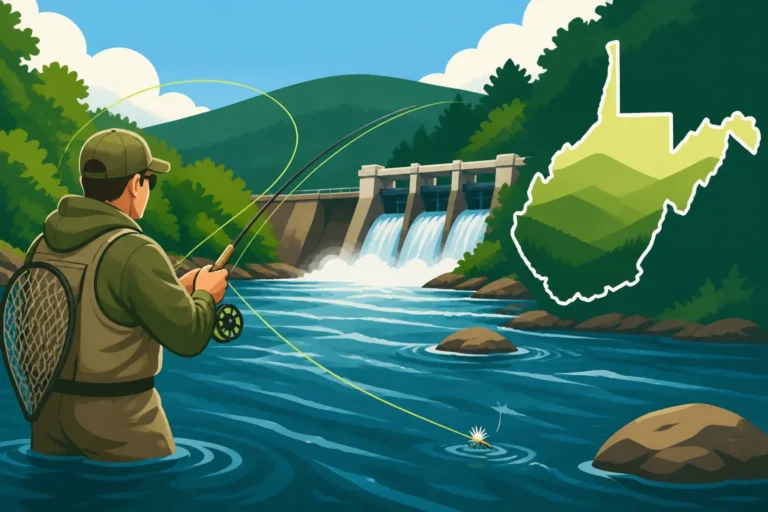
- Tailwaters: Rivers below large dams, known as tailwaters, often have consistent cold water temperatures that create fantastic trout fisheries. The Elk River below Sutton Lake is a prime example. These waters can have strong currents and deeper pools, making the Wooly Bugger a top choice for getting down to where the trout are holding. Here, swinging techniques and the strip-and-pause retrieve are both incredibly effective. For more on these unique fisheries, check out How to fish a tailwater in West Virginia.
- Deeper Sections of Larger Lakes and Reservoirs: Even in large bodies of water that aren't primarily trout fisheries, deeper sections of lakes like Cheat Lake or Tygart Lake can hold trout, especially during the colder months when surface temperatures drop. Using a sinking line and counting down your bugger can help you locate these fish. Trout often patrol drop-offs, submerged humps, and points, all excellent places to target with a Bugger.
- Small Impoundments: Many smaller, local impoundments and farm ponds across West Virginia, while not always boasting "trophy" trout, often have healthy populations of eager rainbows and brook trout, particularly after stocking. These can be fantastic places to experiment with different bugger colors and retrieves without the pressure of a larger, more popular stream.
Weather and Water Conditions
Understanding how weather and water conditions influence trout behavior is crucial for successful bugger fishing. The Wooly Bugger often shines when other methods struggle.
- Overcast Days: Trout, especially larger ones, tend to be more active and less spooky on overcast or rainy days. The subdued light allows them to move more freely and makes them more likely to chase a streamer. These conditions are prime for an aggressive bugger retrieve.
- Slightly Off-Color or Stained Water: When streams are running a bit high and cloudy from recent rain, visibility for trout is reduced. This is a perfect scenario for a larger, darker Wooly Bugger (black or dark olive). The fly's profile and movement are still visible, but its specific details are obscured, making it less likely to spook wary fish. The contrast of a dark bugger in murky water can be irresistible.
- Higher Water Levels: Increased water levels can dislodge a lot of natural forage—crayfish, sculpins, nymphs—making trout more inclined to feed aggressively on subsurface prey. This is when a weighted bugger, fished deep and swung through runs, can be incredibly productive. It's an excellent technique to try after a good rain has swelled the rivers.
- Cold Water Conditions: During the colder months of late fall, winter, and early spring, trout are often less likely to rise for dry flies, as insect hatches are sparse. However, they still need to feed, and they'll often hold in deeper, slower water, conserving energy. A slowly stripped or swung Wooly Bugger, mimicking a sluggish baitfish or leech, can be deadly in these conditions. This is often the best time to target larger, holdover trout in places like the Shavers Fork or Cranberry River, especially in regulated West Virginia catch and release rules for trout sections. Remember that the West Virginia Trout Season and Stocking Rules will dictate when certain waters are open or regularly stocked.
Disclaimer
This article is for general informational purposes only and does not constitute professional advice. Laws, prices and regulations vary by location and change over time. Consult a qualified professional for guidance on your specific situation.