Best Baits for Smallmouth Bass on the New River
There's nothing quite like the New River in West Virginia. It's an ancient, untamed beast, carving its way through rock and forest, and for those of us who love to chase smallmouth bass, it's a constant challenge and an incredible reward. Many anglers get out on its waters, cast their favorite lures, and scratch their heads when the fish just aren't biting, wondering if they're using the right bait or if the fish are even there. This guide is going to dive deep into the very best baits for smallmouth bass on the New River, breaking down what works, when it works, and why.
The Elusive New River Smallmouth: What Makes Them Tick?
Chasing smallmouth bass on the New River isn't just about throwing a lure and hoping for the best. These are smart, opportunistic predators, and their behavior is heavily influenced by the unique characteristics of this ancient waterway. Understanding what drives them – their diet, their habitat preferences, and how they react to changing conditions – is the first step to choosing the right bait and putting more fish in your net. It's a puzzle, and every piece you fit together improves your chances.
Understanding Their Habitat and Forage
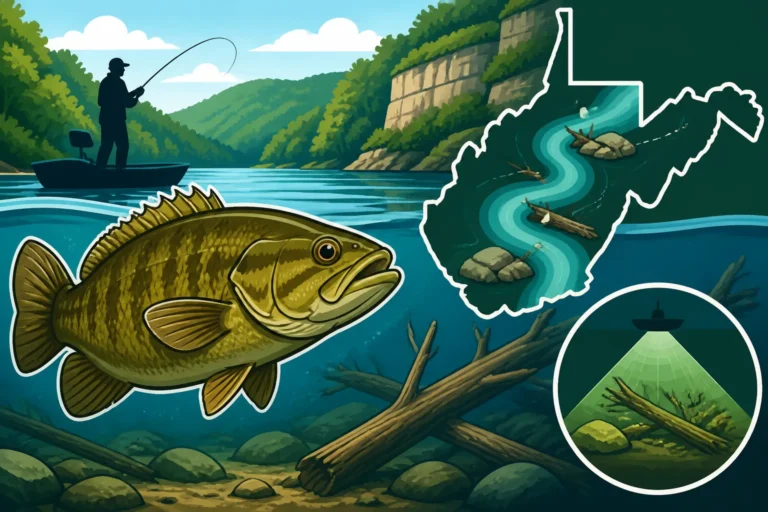
The New River is primarily a rocky river, full of ledges, boulders, rapids, and eddies. Smallmouth bass thrive in this environment, using the structure for ambush points and protection from the strong currents. They aren't hanging out in open, featureless stretches very often. Instead, you'll find them tucked behind a large boulder, at the edge of a current seam, or lurking in the deeper pockets formed by scour. Their diet is incredibly varied, but the stars of the show are typically crawfish, hellgrammites, and various baitfish like darters and minnows. This is crucial intel, because when we choose a bait, we're essentially trying to imitate one of these primary food sources. If you want to dive deeper into their behavior, check out our guide on Smallmouth Bass Habits on the New River.
Think about a hot summer day. The water might be lower and clearer, and those crawfish are scuttling along the bottom, making them easy targets. A smallmouth will be keyed in on that. Or perhaps after a big rain, when the river is up and a bit stained, baitfish might be disoriented, making them an easier meal to chase down. The smallmouth will adapt their feeding strategy, and so should we. Their instincts are finely tuned to their environment, and the more we can mimic what they expect to eat, the better our results.
The Impact of Water Conditions
Water temperature, clarity, and flow are monumental factors when fishing the New River. Smallmouth are cold-blooded creatures, meaning their metabolism and activity levels are directly tied to water temperature. In colder water, they're sluggish, conserving energy, and less likely to chase down a fast-moving bait. They'll want something slow, easy to catch, and probably right on the bottom. Conversely, in warmer water, they become much more aggressive, willing to chase and strike at faster, more erratic presentations.
River flow and clarity also play a huge role. When the river is high and muddy, visibility is low, and fish rely more on vibration and scent. Loud, thumping crankbaits or scented soft plastics become much more effective. If the water is low and clear, however, smallmouth can be incredibly spooky. They'll have a much better view of your line, your boat, and any unnatural movements. In these conditions, finesse presentations, natural colors, and longer casts are absolutely essential. Ignoring these factors is a sure way to go home empty-handed, so always check the river conditions before you head out.
Top Artificial Lures for New River Bronzebacks
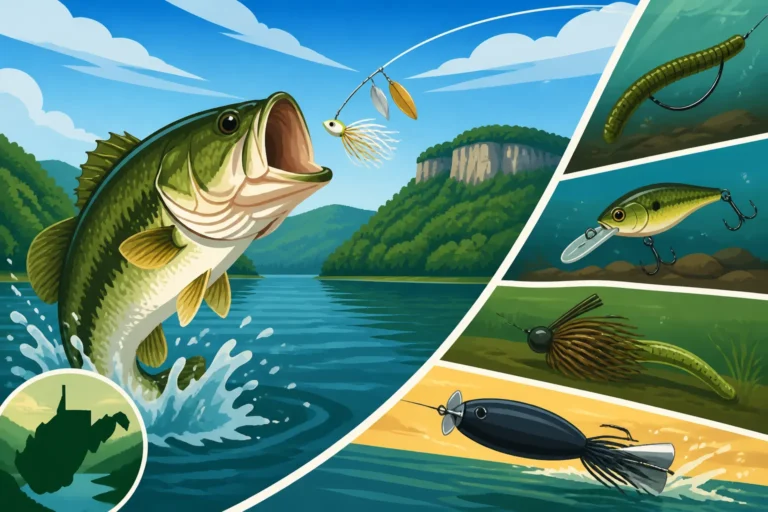
Artificial lures offer incredible versatility and allow anglers to cover a lot of water quickly, appealing to the smallmouth's predatory instincts. The key is to select lures that effectively imitate the New River's primary forage and can handle the challenging rocky environment. From hard-thumping crankbaits to subtle soft plastics, each category has its time and place, and knowing when to deploy them can make all the difference between a slow day and a banner one.
Hard Baits: Crankbaits and Jerkbaits
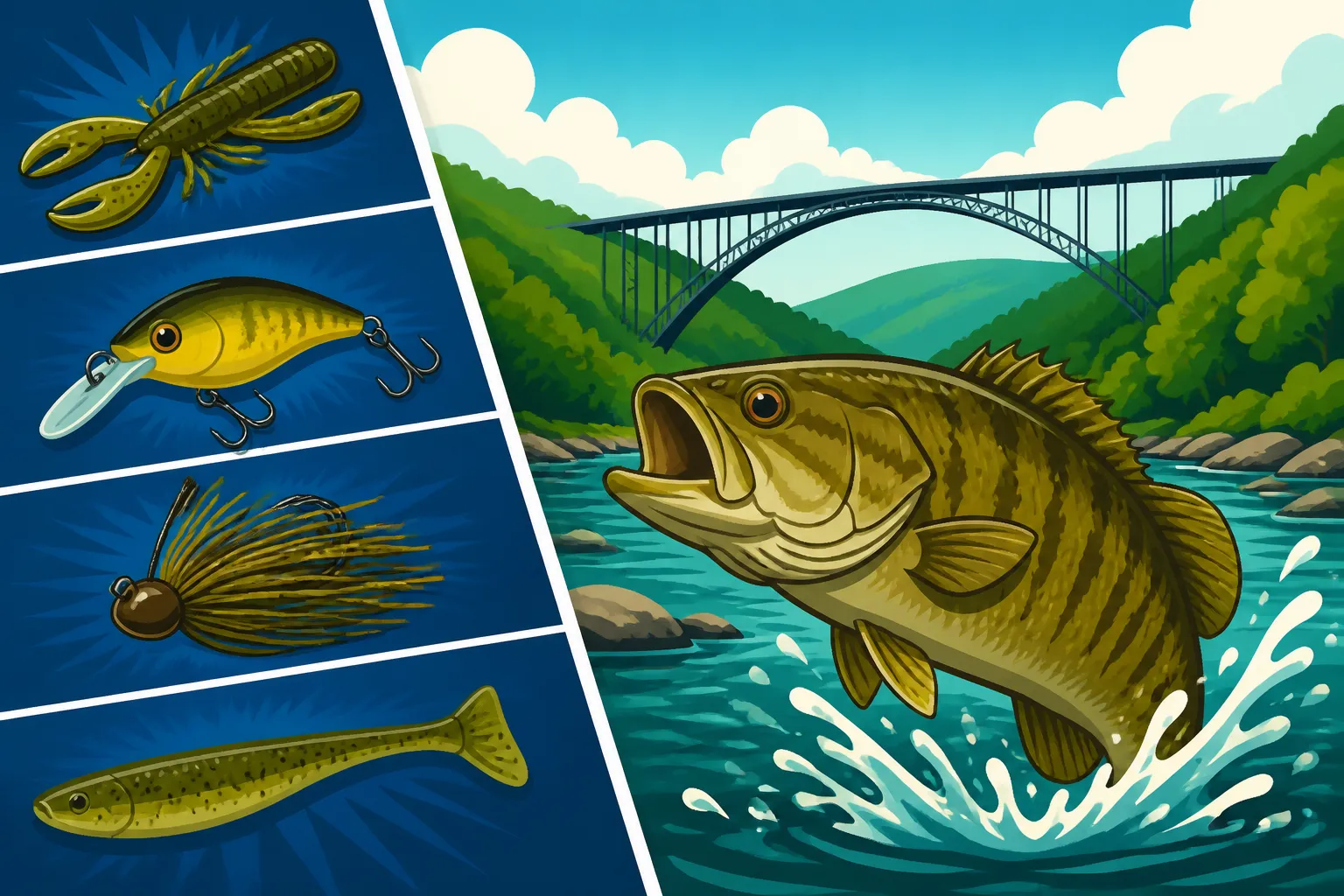
Crankbaits are phenomenal for covering water and triggering reaction strikes, especially when fish are actively feeding or in slightly stained water. The New River's rocky bottom means you need durable crankbaits that can deflect off rocks without getting hung up constantly. Square bill crankbaits are absolute legends here because their bill design helps them "kick" off structure, creating an erratic action that smallmouth can't resist. Look for natural crawfish colors like oranges, browns, and greens, or baitfish patterns like chartreuse and silver. On a recent trip, my buddy was burning a small, crawfish-patterned square bill over a rocky flat, and the fish were absolutely slamming it. It was like they couldn't stand it invading their territory. If you're wondering which ones to grab, our guide on Best Crankbaits for West Virginia Smallmouth Bass has some great recommendations.
Jerkbaits, on the other hand, shine when the water is clearer or colder, or when smallmouth are a bit more lethargic. Their darting, suspending action perfectly mimics a wounded baitfish, and the pauses can be absolutely deadly. The key with jerkbaits is the "rip, rip, pause" cadence. You give it a couple of sharp twitches, and then you let it sit perfectly still, often for several seconds. It's during that pause that the fish usually strike, often with a subtle "thump" that can be hard to detect. You need to watch your line intently. These baits are fantastic when you're targeting specific eddies or current breaks where fish are holding. Many anglers find quality jerkbaits on Amazon, especially during off-season sales.
Soft Plastics: Jigs, Tubes, and Senkos
Soft plastics are perhaps the most versatile category of smallmouth baits, offering a wide array of options for various conditions and presentations. Jigs, paired with various plastic trailers, are a classic for a reason. A football head jig or a stand-up jig with a crawfish-imitating trailer is deadly when dragged or hopped along the bottom, mimicking their favorite meal. The natural movement of the soft plastic appendages, even on a slight pause, can be enough to entice a strike from a wary smallmouth. Darker colors like green pumpkin, brown, or black are often best in the clear New River waters.
Tube baits are another cornerstone of New River smallmouth fishing. Their hollow body and tentacled skirt create a subtle, spiraling descent that looks incredibly natural, especially when imitating a dying crawfish or sculpin. Rigged with an internal jig head, they're incredibly weedless and snag-resistant, making them ideal for probing rocky pockets and current seams. A slow drag-and-pause retrieve is usually all it takes. Senkos, while often associated with largemouth, can also be incredibly effective for smallmouth, particularly when they're pressured or suspended. The subtle shimmy on the fall of a weightless Senko is often irresistible. For tips on specific colors and techniques, check out Best Tube Jig Color for Smallmouth Bass.
Topwater Temptations: Poppers and Walkers
There’s arguably no more exciting way to catch a smallmouth than on a topwater lure. The explosive strike on the surface is pure adrenaline. Topwater baits like poppers and walk-the-dog style baits (like a Heddon Super Spook or a Zara Spook) truly shine during low light conditions – dawn, dusk, or on overcast days – and particularly when the water is warmer in late spring, summer, and early fall. The New River’s smallmouth are incredibly aggressive when they commit to a surface strike, and the chaos created by these lures often elicits a violent reaction.
Poppers, with their cupped faces, create a "bloop" and splash that mimics a struggling baitfish or a bug falling into the water. A steady "pop, pause, pop, pop, pause" retrieve is often the ticket. Walkers, on the other hand, require a specific rod tip action to make them glide back and forth across the surface in a mesmerizing "walk-the-dog" pattern. This mimics a fleeing baitfish and can draw strikes from surprisingly far away. Targeting calm eddies or slower current seams adjacent to fast water is usually where topwater thrives. If you want to know more about when to throw these, our article on Best Topwater Lure for Dawn Smallmouth Fishing can give you an edge. The visual spectacle alone makes these baits a must-have in your tackle box, and a good selection can easily be found on Amazon.
Spinnerbaits and Buzzbaits for Active Fish
When smallmouth are aggressive and the water might have a bit of stain, spinnerbaits and buzzbaits are hard to beat for covering water and triggering strikes. Spinnerbaits, with their flashing blades and vibrating skirts, create a lot of commotion and are excellent for "power fishing" areas quickly. They imitate baitfish incredibly well, especially when retrieved at varying speeds or bumped off structure. Tandem willow leaf blades or Colorado blades in silver, gold, or copper are common, with skirt colors matching local baitfish or crawfish.
Buzzbaits are exclusively topwater lures, similar to poppers but designed for speed and noise. The propeller blade on a buzzbait churns water on the surface, creating a distinct "buzzing" sound that can call fish from a distance. These are perfect for shallow flats, over submerged grass (if you find any rare patches on the New River), or along rocky banks early in the morning or late in the evening. The key is to keep them moving fast enough so the prop keeps spinning on the surface. They’re fantastic search baits, helping you locate active fish quickly. Learning How to Fish a Spinnerbait for New River Smallmouth will definitely up your game.
The Power of Natural Baits
While artificial lures offer challenge and satisfaction, sometimes nothing beats the real thing. Natural baits tap into the smallmouth's most fundamental instincts: hunger and opportunity. On tough days, or when targeting particularly wary fish, live bait can be the ultimate equalizer. The scent, natural movement, and taste are simply impossible for any artificial lure to fully replicate, often leading to more committed strikes.
Live Crawfish: The Ultimate Delicacy
If there's one bait that's universally recognized as the absolute king for smallmouth bass on the New River, it's the live crawfish. Smallmouth bass absolutely gorge on crawfish; they are a primary food source for these river dwellers, and they spend a significant portion of their lives hunting them in the rocky bottom. The natural movement, the scent, and the texture of a real crawfish are simply irresistible. Using live crawfish is often the difference between a few bites and a fantastic day of fishing.
You can rig a live crawfish in a few ways: either hook it through the tail (being careful not to hit the intestine) or through the carapace. A small, stout hook (like a Kahle hook or an Octopus hook) with a split shot or a very light sliding sinker is all you need. Cast it out into current seams, behind boulders, or into deeper pools, and let it drift naturally along the bottom. The smallmouth will often pick it up and run with it before you even feel a distinct bite. Just make sure to use legal methods for collecting or purchasing your crawfish. They are the epitome of "what lures imitate the crawfish smallmouth eat."
Minnows, Hellgrammites, and Worms
While crawfish are king, other natural baits can be incredibly effective too. Live minnows, especially those found in the New River's ecosystem, are excellent baitfish imitations. Shiners, chubs, or dace, rigged under a bobber or fished on a simple bottom rig, can draw strikes from smallmouth looking for an easy meal. This method is particularly good in slower pools or eddies where minnows naturally congregate.
Hellgrammites, the larval stage of dobsonflies, are another super-effective bait, especially in rocky, flowing rivers like the New. These tough, creepy-crawlies are a natural part of the smallmouth's diet. Rig them carefully through the collar on a small hook and let them drift naturally. Their vigorous wiggling action drives smallmouth wild. Lastly, good old nightcrawlers can also catch smallmouth, especially after a rain when they've been washed into the river. While perhaps not as targeted as crawfish or hellgrammites, a wiggling worm can still be a reliable option, especially for less aggressive fish. Remember, when using any live bait, ensuring it's fresh and lively is paramount to its effectiveness. A good source for live bait is often your local tackle shop, but sometimes you can even catch your own if regulations permit.
Seasonal Strategies: Matching Baits to the Calendar
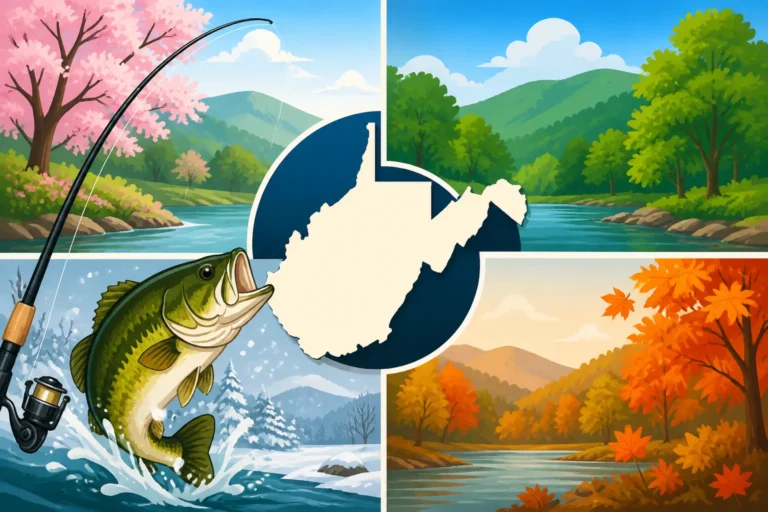
The New River's moods change dramatically throughout the year, and so do the smallmouth's feeding habits. What works wonders in the spring might get you nothing but blank stares in the summer. Adapting your bait choices and presentation to the season is not just a good idea; it's absolutely essential for consistent success. This isn't just about water temperature, but also about the fish's metabolic rate, their spawning cycles, and the availability of their natural forage.
Spring: Pre-Spawn and Early Feeding Frenzy
Spring on the New River is a magical time. As water temperatures begin to rise from their winter lows, usually hitting the 45-55°F range, smallmouth bass start to shake off their winter lethargy and become incredibly active. This is the pre-spawn period, and fish are looking to bulk up for the upcoming spawning season. They'll move out of their deep wintering holes and start positioning themselves in transition areas – shallower flats, rocky points, and creek mouths where they can ambush prey. This is a prime time for power fishing.
Aggressive baits like crankbaits (especially square bills in crawfish patterns), spinnerbaits, and even larger jerkbaits can be incredibly effective. The fish are hungry and willing to chase. If you want to know more about the ideal conditions, check out Best Water Temperature for Smallmouth Bass Fishing. As the water warms further (into the 60s), fish will move onto their beds to spawn. During this time, they become very protective. A slow-moving jig or a tube bait bounced near a bed can elicit a strike not because they're hungry, but because they're trying to remove an intruder. However, many anglers prefer to leave spawning fish undisturbed to ensure healthy populations.
Summer: Low Water and Warm Temperatures
Summer fishing on the New River can be both incredibly rewarding and incredibly frustrating. The water is typically warmer, and often lower and clearer. While this means active fish, it also means they can be spookier and more selective. Smallmouth will often hold in or near the faster, more oxygenated riffles and rapids, or in the deeper, cooler pools with abundant current breaks and shade. Early mornings and late evenings are often the most productive times.
During summer, finesse presentations often take center stage. Small, natural-colored tubes, grubs, and soft plastic creature baits fished on light jig heads are very effective. Topwater lures can be explosive at dawn and dusk. Also, the natural forage like crawfish is highly active, making live crawfish or excellent artificial crawfish imitations paramount. Think about how to present your bait subtly; long casts and light line are your friends. Consider a kayak for stealthy access, and look at guides like Best Kayak for the New River to pick the right vessel.
Fall: Feeding Up for Winter
As the days shorten and water temperatures begin to drop in the fall (typically from the 60s down into the 50s), smallmouth bass enter another crucial feeding period. Just like in spring, they're trying to pack on calories for the lean winter months ahead. This can be one of the best times of the year for catching trophy-sized smallmouth on the New River. Fish often move into shallower areas to chase baitfish before retreating to deeper holes as winter approaches.
Crankbaits, especially those with tighter wobbles and deeper diving capabilities, become highly effective as smallmouth chase baitfish that are also moving to their wintering grounds. Jerkbaits are also deadly, especially on sunny days when you can implement longer pauses. Don't overlook larger tubes or jigs, which can imitate the larger crawfish and baitfish that smallmouth are targeting for a hearty meal. Understanding Best Lure Retrieve Speed for Smallmouth in Fall is critical to success during this period. Often, a slower, more deliberate retrieve is needed to entice fish that are becoming more lethargic in the cooling water.
Winter: Slow and Deep Presentations
Winter fishing on the New River is not for the faint of heart, but it can produce some truly giant smallmouth for those willing to brave the cold. Water temperatures will be at their lowest, often in the 30s and low 40s. Smallmouth will be very lethargic, conserving energy in deep pools, slow eddies, and other areas that offer a break from the main current. They won't chase fast-moving baits, but they will eat if a meal is presented directly to them in a slow, appealing manner.
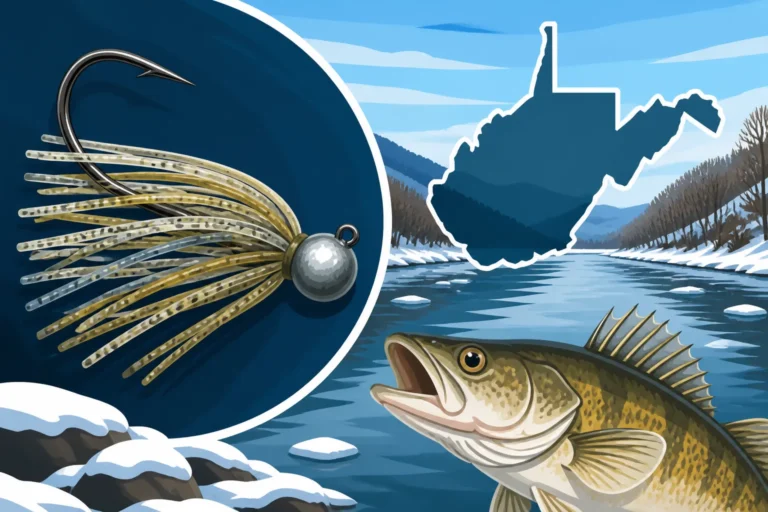
Jigs, particularly hair jigs or small football jigs with plastic trailers, are the undisputed champions of winter smallmouth fishing. Blade baits, like Silver Buddies, can also be very effective when vertically jigged. The key is to fish these baits extremely slowly, keeping them on or very near the bottom. Think subtle lifts and drops, with long pauses. You'll often feel just a slight "mush" or added weight on your line instead of a distinct strike. This is a time for patience, persistence, and careful presentation. Our guide on Best Hair Jig Technique for Winter Smallmouth is a must-read if you plan to hit the river in the colder months.
Mastering the Presentation: Beyond Just the Bait
Having the right bait is only half the battle on the New River. The other, equally critical half, is knowing how to present that bait effectively. Smallmouth bass are incredibly perceptive, especially in clear river water, and the way your lure moves, its depth, and how it interacts with the current can make or break your day. It’s not just what you throw, but how you throw it and where it lands that truly counts.
Reading the Water and Current
The New River is a dynamic system, with constantly changing currents, depths, and structures. Learning to "read the water" is a skill that takes time, but it's invaluable. Look for current seams, which are the lines where fast water meets slow water. Smallmouth love to sit in the slower water, waiting for food to drift by in the faster current, making these perfect ambush points. Boulders, submerged logs (laydowns), and rock ledges create eddies and slack water, providing refuge from the current and prime holding spots for fish. Pay attention to changes in water color or texture, which can indicate deeper pockets or changes in bottom composition.
When you've identified a promising spot, consider how the current will carry your bait. For jigs and soft plastics, you want a natural, uninhibited drift that allows the bait to tumble and bounce along the bottom without getting swept away too quickly. This often means casting slightly upstream and across, letting the current do the work. For crankbaits and spinnerbaits, you'll be working against or across the current to create the desired action, deflecting off rocks as much as possible. A slow, methodical retrieve is often better in colder water, while faster, more erratic retrieves can trigger strikes in warmer, more active conditions. Our guide on How to Catch Smallmouth Bass in West Virginia Rivers provides further insights into these techniques.
Tackle and Line Choices for Optimal Performance
Your choice of rod, reel, and line is just as important as your bait. For most New River smallmouth fishing, a medium-light to medium power spinning rod, around 6'6" to 7' in length, is a versatile choice. This allows for long casts with lighter lures, but still has enough backbone to handle a strong fighting smallmouth in current. For heavier presentations or larger lures like muskie-sized bucktails if you're trying for a multi-species day (though we're focused on smallmouth here!), a medium-heavy baitcasting setup might be preferred. If you want some specifics, check out Best Spinning Rods for Smallmouth Bass.
Line choice is critical. In the clear waters of the New River, fluorocarbon line is often preferred for its low visibility and sensitivity. You can use it as your main line, or as a fluorocarbon leader tied to a braided main line. Braid offers incredible sensitivity and casting distance, making it easier to detect those subtle winter bites. A 6-10 lb test fluorocarbon or monofilament main line is typical for finesse applications, while 10-15 lb braid with a fluorocarbon leader is a popular choice for versatility. Always check your knots and leaders frequently for abrasion from the rocky bottom; nothing is worse than losing a big fish to a frayed line. You can find some great options for all your fishing needs on Amazon.
Essential Gear for New River Smallmouth Success
Beyond just baits, having the right supporting gear can significantly enhance your experience and success on the New River. The river itself presents unique challenges, from its rocky bottom to its varying currents, and being properly equipped ensures safety, comfort, and efficiency.
Rod, Reel, and Line for Varying Baits
As discussed, a versatile rod and reel setup is key. For those starting out or looking for an all-around setup, a 7-foot, medium-power fast-action spinning rod paired with a 2500-3000 size spinning reel spooled with 10-pound braided line and a 6-8 pound fluorocarbon leader is a fantastic choice. This setup handles most artificial baits – from light jigs and tubes to medium crankbaits and topwaters – with ease. It offers enough sensitivity for detecting light bites and enough power to steer a strong smallmouth away from snags in the current.
If you're leaning more towards heavier presentations or specifically targeting larger fish with bigger jerkbaits or spinnerbaits, a medium-heavy baitcasting setup might be more appropriate. A 6'10" to 7'4" medium-heavy, fast-action baitcasting rod paired with a quality baitcaster reel and 12-15 pound fluorocarbon or braid with a short, heavy mono leader is excellent. The choice truly depends on your preferred fishing style and the specific baits you intend to throw most often. Don't cheap out on your rod and reel; reliable gear found on Amazon makes a huge difference in performance and durability on such a demanding river.
Kayak and Wading Gear Considerations
The New River is a prime destination for both kayak fishing and wading, and having the right gear for your chosen method is crucial. For kayak anglers, a stable, maneuverable fishing kayak is essential for navigating currents and accessing prime spots. Features like comfortable seating, ample storage, and perhaps even a pedal drive system can greatly enhance your experience. A good anchor system is non-negotiable for holding your position in current, and always wear a PFD (Personal Flotation Device) – the New River can be unforgiving. Our article on Best Kayak for the New River can help you choose the right model.
For wade anglers, high-quality waders and sturdy wading boots with good grip are paramount. The New River's rocky, slippery bottom demands excellent traction. Consider felt soles or rubber soles with studs for maximum grip. A wading staff is not just a suggestion; it's a safety tool that can prevent falls in swift currents. Dress in layers, be mindful of changing weather, and always let someone know where you're going and when you expect to be back. The river is stunning, but respecting its power is key to a safe and enjoyable trip.
| Bait Type | Best Conditions | Pros | Cons |
|---|---|---|---|
| Live Crawfish | All conditions, especially tough bites, clear water | Irresistible natural scent & movement, high hook-up rate | Can be hard to find/keep, prone to snags, less active fishing |
| Crankbaits | Active fish, stained water, covering water | Great for triggering reaction strikes, deflects off structure | Can snag easily in heavy rock, color/depth matching important |
| Jerkbaits | Clear/cold water, lethargic fish, specific targets | Mimics wounded baitfish, deadly on the pause, subtle presentation | Requires specific retrieve, less effective in murky water |
| Soft Plastics | All conditions, versatile, finesse fishing | Highly imitative, natural action, customizable, good for snaggy areas | Can tear easily, requires more feel for bites, often slower fishing |
| Topwater Lures | Low light, warmer water, aggressive fish | Exciting strikes, good for covering flats, draws fish from distance | Less effective in cold/muddy water, can be ignored by lethargic fish |
| Spinnerbaits | Active fish, stained water, covering water | Creates vibration/flash, weedless, good for searching | Less subtle, can be ignored by wary fish, less effective in cold water |
Disclaimer
Please be aware that fishing regulations, including license requirements, season dates, and bag limits, can change. Always consult the latest West Virginia Division of Natural Resources (WVDNR) regulations before heading out on the water. This guide is for informational purposes only and should not be considered a substitute for official WVDNR publications. Always prioritize safety, especially when navigating rivers, and practice ethical catch-and-release practices when appropriate.