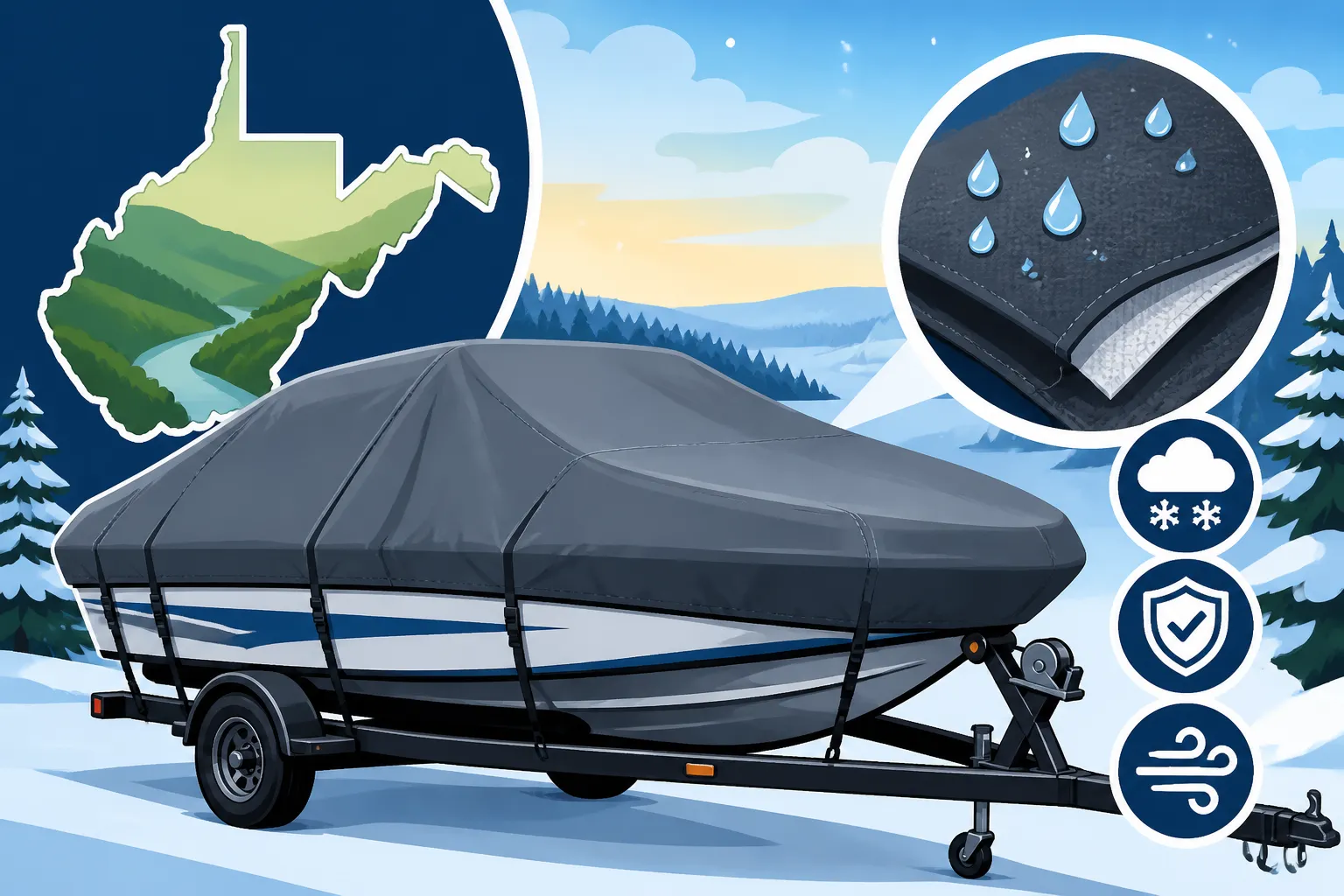
Best boat cover for winter storage
Leaving your beloved boat exposed to the brutal realities of a West Virginia winter without proper protection is a recipe for disaster. From relentless snow and ice to strong winds and constant freeze-thaw cycles, our mountain state's cold season can wreak havoc on gel coats, upholstery, electronics, and even structural components. This comprehensive guide is here to walk you through everything you need to know about selecting, installing, and maintaining the best boat cover for winter storage, ensuring your vessel emerges from the cold ready for spring adventures on our beautiful lakes and rivers.
The Crucial Role of a Boat Cover in West Virginia Winters
When the leaves turn and the chill sets in, many West Virginia anglers start thinking about putting their boats away for the season. But "putting it away" means more than just parking it in the driveway or a storage lot. The investment you've made in your boat deserves robust protection against the specific challenges our Appalachian winters throw at it. A high-quality boat cover isn't just an accessory; it's an essential piece of winterization gear.
Protecting Against the Elements: Snow, Ice, and UV Rays
Think about a typical West Virginia winter day: heavy, wet snow piling up, followed by freezing rain that coats everything in a thick layer of ice, and then perhaps a sunny but frigid day where the UV rays, though weaker, can still degrade materials. An inadequate cover simply won't cut it. Snow accumulation can become incredibly heavy, sagging weaker covers and potentially causing damage to your boat's interior if it pools or leaks. Ice can bond to surfaces, and its expansion and contraction can stress seams and fittings. Even in winter, persistent UV exposure can slowly fade gel coats, crack vinyl, and break down fishing lines left on reels. A good cover acts as a shield, preventing these elements from directly contacting your boat.
Consider the scenario where your boat is stored outside near trees. Without a proper cover, fallen branches, twigs, and even pine needles can scratch surfaces, clog drains, and introduce moisture into nooks and crannies. Over time, this debris can lead to mildew, mold, and unsightly stains. A tough, durable cover is your first line of defense against these everyday winter hazards.
Guarding Against Pests and Unwanted Visitors
It's not just the weather you need to worry about. As temperatures drop, all sorts of critters — mice, squirrels, insects, and even birds — look for warm, sheltered places to spend the winter. Your boat, with its cozy compartments, wiring, and upholstery, can look like a five-star hotel to these unwelcome guests. They can chew through electrical wires, nest in your cushions, or leave behind droppings that are a nightmare to clean and can cause permanent damage. A secure boat cover, especially one that fits snugly and is properly tied down, creates a physical barrier that makes it much harder for pests to infiltrate.
Imagine discovering in spring that mice have chewed through your expensive wiring harness or built a nest in your tackle box. This isn't just an inconvenience; it can be a costly repair that delays your first fishing trip of the season. A well-chosen cover minimizes entry points, giving you peace of mind that your boat isn't becoming a winter haven for rodents. You'll also find that it helps keep dust and dirt out, significantly reducing the amount of cleaning required when it's time to de-winterize.
Deciphering Boat Cover Types: Custom-Fit, Semi-Custom, and Universal for Your WV Vessel
Choosing the right boat cover isn't just about picking a color; it's about understanding the different types available and how well they'll perform for your specific boat and storage conditions. Each type offers a different level of fit, protection, and, of course, price point. In West Virginia, where winter conditions can range from mild to extremely harsh, the fit of your cover can make all the difference.
Custom-Fit: The Gold Standard for Ultimate Protection
A custom-fit boat cover is, as the name suggests, tailor-made specifically for your boat's make, model, and year. These covers are typically designed to hug every contour, from the bow to the stern, including any unique features like fishing towers, trolling motors, or swim platforms. This precise fit provides superior protection because there's minimal excess fabric to flap in the wind, pool water, or allow snow to accumulate. The snugness also means fewer entry points for pests and airborne debris.
Think of it like a perfectly tailored suit for your boat. The material is often heavier duty, and the construction includes reinforced stress points, marine-grade stitching, and often integrated venting systems that prevent moisture buildup while still keeping the elements out. While they are generally the most expensive option, a custom-fit cover is an investment that can significantly extend the life and preserve the resale value of your boat, especially if you plan to store it outdoors for multiple West Virginia winters. For serious anglers who want the best protection for their Best Fishing Lakes in West Virginia or Best Fishing Rivers in West Virginia boat, a custom cover is often the way to go.
Semi-Custom and Universal: Practical Alternatives
Not every boat owner needs or can afford a custom-fit cover, and that's perfectly okay! Semi-custom and universal covers offer practical alternatives that can still provide excellent winter protection when selected wisely.
-
Semi-Custom Covers: These covers are designed to fit a range of boat styles and sizes within specific parameters. For example, you might find a semi-custom cover designed for "V-hull runabouts with an outboard motor, 18-20 feet long." While not as precise as a custom fit, they offer a much better fit than a generic universal cover. They usually come with an elastic hem and tie-down straps to cinch them down securely. Many anglers find these to be a fantastic middle-ground, offering good protection without the premium price tag of a fully custom option. You can often find a good selection of semi-custom covers at marine retailers like Bass Pro Shops.
-
Universal Covers: These are the most budget-friendly option and are designed to fit the broadest range of boat shapes and sizes. They are typically rectangular or square and rely heavily on elastic hems and strapping systems to conform to your boat. While they are great for short-term indoor storage or as a dust cover, using a universal cover for outdoor winter storage in West Virginia requires extra vigilance. They are more prone to wind flapping, water pooling, and snow accumulation if not properly supported and tied down. If you opt for a universal cover, investing in a robust support system (poles and frames) underneath the cover is absolutely critical to prevent damage from pooling water or heavy snow. This extra effort ensures that even a universal cover can offer decent protection.
| Cover Type | Fit Precision | Protection Level (WV Winter) | Price Point | Key Advantage | Key Disadvantage |
|---|---|---|---|---|---|
| Custom-Fit | Exact Match | Excellent | Highest | Superior Fit, Maximum Protection | Highest Cost, Longer Lead Time |
| Semi-Custom | Good to Very Good | Very Good | Medium | Good Balance of Price & Protection | May not fit unique accessories perfectly |
| Universal | Loose / General | Adequate (with support) | Lowest | Most Affordable, Widely Available | Prone to pooling, flapping; requires more effort |
Essential Features for a Top-Tier Winter Boat Cover: Protection Against the Elements
Once you've decided on the type of cover that best suits your boat and budget, it's time to dig into the features that truly make a difference in West Virginia's winter conditions. A cover isn't just a sheet of fabric; it's a carefully engineered shield. Ignoring these details can lead to premature cover failure or, worse, damage to your boat.
Material Matters: Durability and Weather Resistance
The material of your boat cover is arguably the most critical factor. For winter storage, you need something that can withstand heavy snow loads, shed water effectively, and resist tearing from strong winds. Look for marine-grade fabrics specifically designed for outdoor use.
- Polyester vs. Acrylic: Heavy-duty polyester fabrics (often coated for water resistance) are a popular choice due to their strength, tear resistance, and relatively lower cost. They can stand up well to abrasion and UV rays. Acrylic materials, like those from Sunbrella, are known for their exceptional breathability, UV resistance, and fade resistance. While typically more expensive, they can last for many years and are excellent at preventing mildew. For West Virginia, where you might get a lot of wet snow and then warmer, damp days, a breathable material that still repels water is a huge plus to combat mold.
- Waterproof vs. Water-Resistant: Understand the difference. A "waterproof" cover will have a coating or lamination that completely blocks water. While this sounds ideal, truly waterproof covers can sometimes trap moisture underneath if not properly ventilated, leading to condensation and mildew. "Water-resistant" covers, on the other hand, repel most water but allow some vapor to escape, which can be beneficial for breathability. Many high-quality winter covers strike a balance, offering excellent water repellency while incorporating features for ventilation. Always check the material thickness (often measured in denier for polyester) and the manufacturer's warranty. You might find a wide range of options on sites like Amazon, but always prioritize quality for winter storage.
The goal is to prevent moisture from penetrating the cover and sitting on your boat, which can lead to staining, corrosion, and the dreaded mildew. Imagine pulling your cover off in spring only to find a fuzzy green growth on your seats. A proper material choice helps avoid this nightmare.
Beyond the Fabric: Vents, Straps, and Support
Even the best material needs proper supporting features to perform optimally during winter.
- Venting Systems: Absolutely crucial for West Virginia's variable winter weather. Adequate vents allow air to circulate, preventing moisture buildup underneath the cover that can lead to mold, mildew, and corrosion of metal components. Look for covers with strategically placed vents, often reinforced to prevent tearing and designed to keep rain and snow out while letting air flow through. This is particularly important if your boat is stored for months, like from November through April, when you might be thinking about West Virginia Fishing Season Dates and Closures.
- Reinforced Tie-Down Straps and Hem: Strong, adjustable straps are non-negotiable. They should be robust enough to withstand strong winds without tearing the fabric or coming loose. Reinforced D-rings or loops are key attachment points. A strong elastic or shock cord sewn into the hem helps create a snug fit around the boat. In areas with high winds, like some of our open lake shores, inadequate tie-downs will see your cover flapping violently, potentially tearing or even blowing off entirely, leaving your boat vulnerable. Make sure the straps can be cinched tight and securely attached to your trailer or ground anchors.
- Support Systems (Poles and Frames): This cannot be stressed enough, especially for semi-custom and universal covers. Without support, snow and rain will pool in depressions, creating heavy pockets that can stretch, tear, or even collapse your cover. Over time, this constant weight can also cause structural damage to your boat's interior components. A good support system creates a "tent" effect, allowing water and snow to shed off the cover naturally. These systems can range from simple adjustable poles to more elaborate frame kits. Companies like Attwood often offer versatile support poles that can adapt to different boat sizes.
When setting up your cover, think about potential pooling points. Anywhere the cover sags is a place where water and snow will collect. Investing in a few extra support poles can save you a lot of headache and expense down the road.
Maximizing Your Boat Cover's Life: Installation, Care, and Storage Best Practices
Getting the best boat cover is only half the battle. To ensure it performs its job effectively through the harsh West Virginia winter and lasts for many seasons, proper installation, ongoing care, and smart off-season storage are absolutely vital. Skipping these steps can lead to premature wear and tear, and ultimately, a compromised cover that no longer protects your boat.
Proper Installation for Optimal Winter Protection
Putting on a boat cover isn't just throwing a tarp over your boat. A methodical approach ensures maximum protection and durability.
- Clean Your Boat First: Before you even think about putting on the cover, give your boat a thorough cleaning. Remove all debris, leaves, bird droppings, and any moisture. Trapping dirt and moisture under the cover creates a perfect environment for mildew and can abrade your boat's finish. Think about it: you wouldn't put a blanket over a muddy couch, so don't put a cover over a dirty boat!
- Install Support System: As mentioned, this is critical, especially for semi-custom and universal covers. Use poles, frames, or even inverted buckets and plywood to create high points and prevent water or snow from pooling. The goal is to create an incline so precipitation naturally sheds off. Pay particular attention to flatter areas like bow and stern platforms. Many boats benefit from a central spine system running bow to stern, with additional vertical supports.
- Position the Cover Evenly: Unfold the cover and drape it over your boat, ensuring it's centered and covers all necessary areas, including the outboard motor if it's designed to do so. A common mistake is to have one side too short, leaving parts of the hull exposed.
- Secure All Tie-Downs: Start by securing the front (bow) and back (stern) straps, then work your way along the sides. Cinch the straps down firmly, but don't over-tighten them to the point of stressing the fabric. The goal is a snug fit that won't flap in the wind. If your boat is on a trailer, use the trailer frame as anchor points. If stored on blocks, consider ground anchors. For boats frequently moved, checking on West Virginia Boat Registration Requirements and ensuring your trailer is road-ready is important even during winter.
A correctly installed cover will shed water and snow, remain secure in high winds, and allow for proper air circulation. It might take a bit of effort the first time, but it's well worth it.
Ongoing Care and Maintenance Through the Cold Season
Your boat cover isn't a "set it and forget it" item, especially in West Virginia. Regular checks throughout the winter are essential.
- Snow and Ice Removal: This is paramount. Heavy snow and ice can accumulate quickly. While a good cover and support system are designed to shed precipitation, extreme snowfall can still test its limits. Periodically, gently brush or sweep accumulated snow off the cover, working from the center outwards. Avoid using sharp objects that could puncture the fabric. Never try to chip ice off aggressively. If possible, wait for it to melt naturally. Heavy snow loads can put immense stress on your cover and boat, so proactive removal is key.
- Check Tie-Downs: Strong winds, common in our region, can loosen straps over time. Regularly check all tie-downs to ensure they are still snug and secure. Re-tighten any that have come loose. A loose cover is a flapping cover, and flapping creates friction, which is the enemy of fabric longevity. This also prevents potential damage if your boat is near others, for example, in a boat storage yard.
- Inspect for Damage: Look for any small tears, abrasions, or holes. Small issues can quickly become big problems in harsh weather. Many marine supply stores, or even online sources like Amazon, sell repair kits for boat cover fabrics that can provide a temporary fix until professional repairs can be made in the spring. Addressing these minor issues promptly prevents water intrusion and further damage.
Off-Season Storage for Longevity
When spring finally arrives and it's time to get your boat ready for fishing – maybe for Spring Trout Fishing Techniques for West Virginia Streams – proper storage of your boat cover is just as important as its winter use.
- Clean the Cover Thoroughly: Before folding it away, clean both sides of your boat cover. Use a mild soap specifically designed for marine fabrics and a soft brush. Rinse it completely to remove all soap residue. This prevents dirt, mildew, and stains from setting in during storage. If you used your cover for a full winter, it will likely be quite dirty.
- Ensure It's Completely Dry: This is the most crucial step. Folding and storing a damp or wet cover is a guaranteed way to encourage mildew growth, which can ruin the fabric and make it smell terrible. Hang it out in the sun to air dry thoroughly, or lay it flat in a garage until every speck of moisture is gone.
- Fold Neatly and Store in a Breathable Bag: Neatly fold or roll your clean, dry cover. This prevents creases that can weaken the fabric over time. Store it in a breathable storage bag, not a sealed plastic one. A breathable bag allows any residual moisture to escape and prevents trapping humidity, which again, is an invitation for mildew. Keep it in a cool, dry place, away from direct sunlight, and out of reach of rodents. This careful approach will mean your cover is in prime condition when you need it again next fall. Consider options like a West Virginia combination hunting and fishing license options for maximizing your outdoor recreation.
By following these guidelines, your boat cover will provide reliable protection for many West Virginia winters, safeguarding your investment and ensuring more time on the water chasing Smallmouth Bass Fishing in West Virginia or Trout Fishing in West Virginia for years to come.
Disclaimer
This article is for general informational purposes only and does not constitute professional advice. Laws, prices and regulations vary by location and change over time. Consult a qualified professional for guidance on your specific situation.