Best bilge pump for a small fishing boat
There's nothing quite like launching your small fishing boat onto a peaceful West Virginia lake or river, the morning mist still clinging to the water. But that serenity can quickly turn into a headache, or even a dangerous situation, if your boat starts taking on water. Whether it's persistent rain, a rogue wake from a passing cruiser, or a slow leak you haven't quite pinpointed, water accumulating in your bilge is a real problem. Constantly bailing by hand is exhausting, inefficient, and often inadequate. This guide is dedicated to helping you understand why a reliable bilge pump isn't just a luxury but a necessity for your small fishing boat, and how to choose and maintain the best one to keep you safe and dry on the water.
Why a Bilge Pump is Non-Negotiable for Small Fishing Boats in West Virginia
You might think, "It's just a small boat, I'll be fine." But the truth is, small boats, especially those venturing out onto larger impoundments like Summersville Lake or the sprawling Ohio River, are often more susceptible to issues related to water ingress than their larger counterparts. When you're focused on landing that trophy muskie or finding the perfect crappie spot, the last thing you want to worry about is a steadily rising water level around your feet.
The Unexpected Ingress: Where Water Comes From
Water has a sneaky way of finding its way into your boat, even on seemingly calm days. It's not always a gaping hole that sends you scrambling; often, it's a slow, insidious accumulation. Think about those beautiful, yet sometimes rainy, spring days when you're out chasing trout. Every drop of rain that falls into your boat contributes. Splashes from waves, whether from your own wake as you head to a new spot or from another boat passing by, can add up quickly, especially if you're in a low-profile john boat or a small utility vessel.
Then there are the less obvious culprits. If you have a livewell, you're constantly circulating fresh water, and sometimes those systems aren't perfectly sealed, leading to drips into the bilge. A poorly secured cooler might spill its contents, or even just the condensation from a humid day can create a surprising amount of liquid. And, of course, the ever-present possibility of a small leak – a loose drain plug, a minor crack in the hull, or a seam that's seen better days – means water could be seeping in without you even realizing it until it's too late. Small boats often have less freeboard, meaning less distance from the waterline to the top of the boat, making them inherently more vulnerable to these subtle additions of water that can quickly become a significant volume.
Safety First: Preventing Dangerous Situations
Beyond the annoyance of wet feet and soggy gear, a significant amount of water in your boat poses a serious safety risk. Even a few inches of water can drastically affect a small boat's stability. Imagine standing up to cast, and the boat unexpectedly lurches due to sloshing water underneath the floorboards – it's a recipe for an overboard situation. On windy days, or when dealing with currents on rivers like the New or Kanawha, that extra weight and movement can make your boat much harder to control.
In extreme cases, too much water can lead to swamping, where the boat fills up, or even capsizing. This is particularly dangerous if you're alone, in cold water, or far from shore. Preventing this isn't just about avoiding a bad day of fishing; it's about ensuring you, and anyone else on board, make it back to dry land safely. A reliable bilge pump acts as your boat's silent guardian, constantly working to keep the boat light and stable. Having one installed provides immense peace of mind, allowing you to focus on the fishing, rather than constantly checking the bilge. Knowing that a pump is automatically handling incoming water, especially on an unattended boat, is a huge relief. Remember, even if you wear a Life Jacket Requirements for West Virginia Boaters, preventing a capsize is always the best course of action.
Protecting Your Gear and Boat's Longevity
Water in the bilge isn't just a safety issue; it's also a destroyer of property. Modern fishing boats are packed with electronics – fish finders, GPS units, trolling motor batteries, and even USB charging ports for your phone. Prolonged exposure to moisture, even if not directly submerged, can corrode wiring, damage sensitive circuits, and shorten the lifespan of these expensive components. Your tackle boxes, if not completely waterproof, can rust hooks, dull blades, and ruin soft plastics.
Beyond your personal gear, the boat itself suffers. Constant moisture in the bilge creates a perfect breeding ground for mold and mildew, leading to unpleasant odors and deteriorating materials. Wooden components, even if treated, can rot over time. Metal fasteners can corrode, weakening the boat's structure. A dry bilge is a happy bilge, and a happy bilge means a longer life for your boat and all the valuable equipment you've invested in. Regular use of a bilge pump helps maintain the structural integrity and cleanliness of your vessel, keeping it ready for countless more trips to Best Fishing Lakes in West Virginia or your favorite river spot.
Understanding Bilge Pump Types and Features for Anglers
When you start looking for a bilge pump, you'll quickly realize there are more options than just "on" and "off." Knowing the different types and features will help you pick one that's genuinely suited for your small fishing boat and the conditions you encounter in West Virginia's diverse waterways.
Submersible vs. Diaphragm Pumps: What's the Difference?
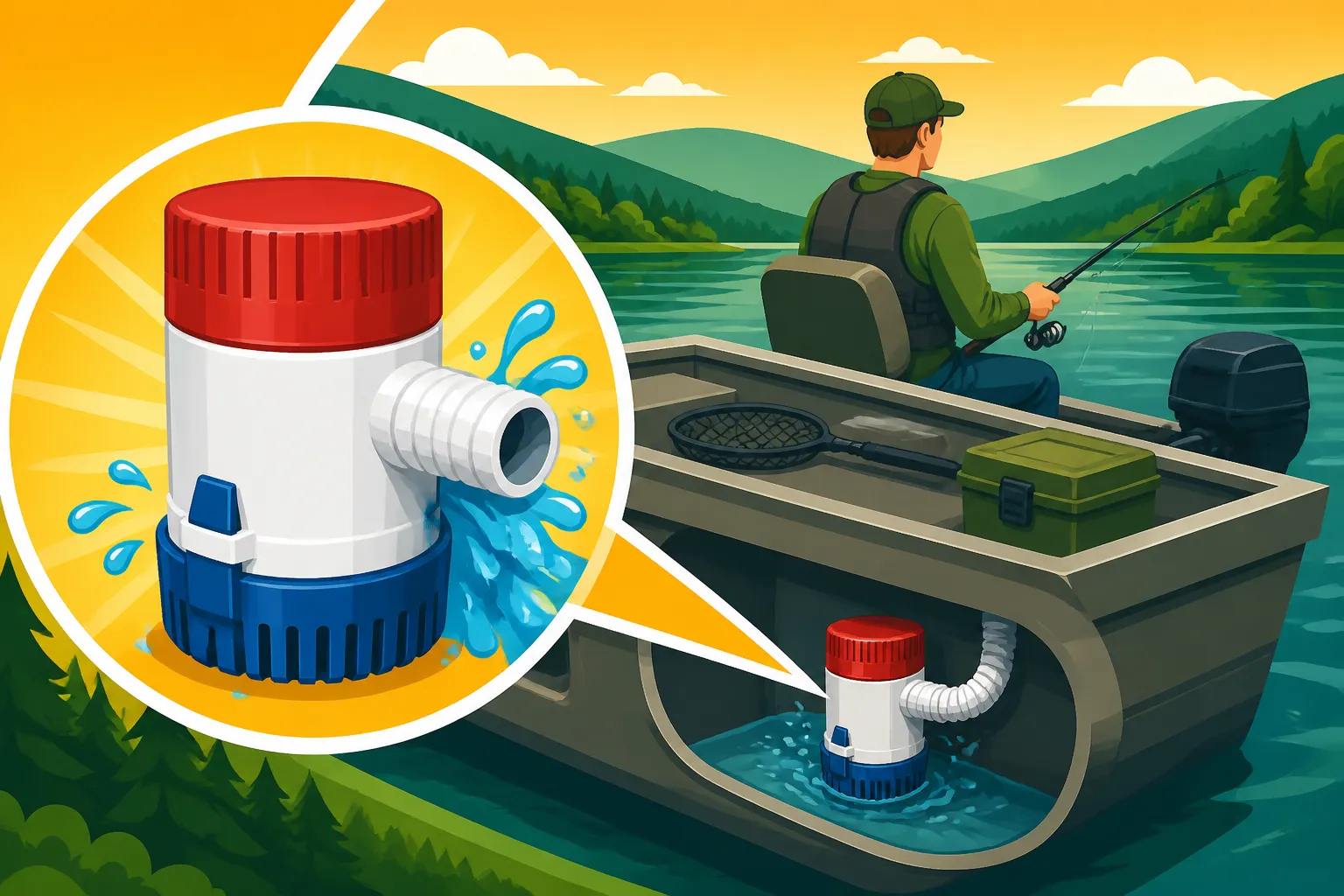
The two primary types of bilge pumps you'll come across are submersible and diaphragm pumps. For most small fishing boats, submersible pumps are the go-to choice, and for good reason. These pumps are designed to operate while fully submerged in the water they are pumping out. They're typically compact, easy to install, and incredibly effective at moving large volumes of water quickly. Their design is straightforward: a motor drives an impeller that pushes water out through a hose. They're generally reliable and require minimal fuss, making them ideal for the primary role of keeping your bilge dry.
Diaphragm pumps, on the other hand, operate differently. They use a flexible diaphragm that moves back and forth to create suction and push water. Unlike submersible pumps, they are "self-priming," meaning they can be mounted above the water level and still draw water up. While excellent for moving water through longer hoses or lifting it higher, and often preferred for completely drying out a bilge due to their ability to pump down to very low water levels, they are typically more complex, have a lower flow rate than comparable submersible pumps, and are often more expensive. For the average small fishing boat's main bilge pumping needs, a submersible pump is usually the more practical and cost-effective solution. A diaphragm pump might be considered a specialized secondary pump for exceptionally dry bilges, but it's rarely the primary choice.
Flow Rate (GPH) and How Much You Really Need
One of the most crucial specifications for any bilge pump is its flow rate, measured in Gallons Per Hour (GPH). This number tells you how much water the pump can move in an hour under ideal conditions. You might see pumps rated from 360 GPH all the way up to thousands. For small fishing boats, you generally won't need anything in the extreme high end, but you definitely don't want to undersize.
Factors to consider when choosing your GPH:
- Boat Size: Smaller boats, while having less bilge volume, can become overwhelmed more quickly. A sudden influx of water can compromise stability faster.
- Potential Water Ingress: How much water do you reasonably expect to take on? If you're often in choppy conditions on larger lakes or rivers with significant boat traffic, or anticipate a persistent rain, you'll want a higher GPH.
- Safety Margin: It's always better to have a pump that can handle more water than you expect. A 500 GPH or 750 GPH pump is a very common and effective choice for many small fishing boats. If you run a slightly larger john boat or a small V-hull that might encounter rougher water, stepping up to a 1000 GPH pump could be a wise investment. Remember, the GPH rating is usually for zero head (no vertical lift), and performance will decrease slightly with hose length and elevation. Don't cheap out here; your safety is worth the investment.
Automatic vs. Manual Operation: The Hands-Off Approach
This is a really important feature to consider. Bilge pumps can be activated manually, automatically, or sometimes both.
- Manual pumps require you to flip a switch to turn them on. This gives you direct control, which is great for emptying a livewell or managing water when you're actively on board. However, they're useless if you're not there, or if an emergency happens too quickly for you to react.
- Automatic pumps incorporate a float switch or an electronic sensor that detects when water reaches a certain level in the bilge and turns the pump on automatically. This is an absolutely essential feature for any boat that might be left unattended – whether it's tied up at a dock, on a mooring, or even just sitting on a trailer exposed to rain. An automatic pump ensures that your boat stays dry even when you're not around, preventing sinking at the dock or during heavy downpours. It's like having an invisible crew member constantly bailing for you. Many modern pumps come with an integrated float switch, making installation simpler.
Many anglers opt for a combination system, where the pump has an automatic float switch but also a manual override switch at the helm. This gives you the best of both worlds: peace of mind knowing the pump will activate automatically, and the ability to manually run it to dry out the bilge completely after a particularly wet day or to test its function. When considering your boat's electrical system, ensure you understand basic West Virginia Boating Laws for Anglers and how to properly fuse and wire your accessories.
| Pump Type | Activation | Advantages | Disadvantages | Ideal Use Case |
|---|---|---|---|---|
| Submersible | Manual/Auto | High flow, compact, reliable, cost-effective | Needs to be fully submerged to operate | Primary bilge pump for quick water removal in most small fishing boats |
| Diaphragm | Manual/Auto | Self-priming, can run dry, very low water removal | Lower flow, more complex, often pricier | Secondary pump for very dry bilges or specific applications requiring lift |
| Manual Switch | On-demand | Direct control, good for specific tasks | Requires active monitoring, not for unattended boats | Back-up, livewell drainage, or occasional bailing while on board |
| Auto Switch | Water level activated | Hands-off operation, crucial for safety and unattended boats | Can drain battery if leaky, requires functioning float switch | Primary safety feature for continuous bilge monitoring, especially when docked |
Installation and Maintenance Tips for West Virginia Anglers
Getting the right bilge pump is only half the battle; proper installation and consistent maintenance are what truly ensure it works when you need it most. Think of it as caring for your fishing reels – a little TLC goes a long way in preventing frustrating breakdowns.
Choosing the Right Location and Mounting
The effectiveness of your bilge pump largely depends on where it's placed. The golden rule is to mount it at the absolute lowest point of your boat's bilge, where water naturally collects. This ensures the pump can remove as much water as possible. Sounds obvious, right? But sometimes boat layouts or existing structures can make finding that perfect spot a bit tricky. Take your time, perhaps even put a little water in the bilge to see where it pools.
Once you've identified the lowest point, secure the pump firmly. Most pumps come with a mounting bracket or holes for screws. Use marine-grade stainless steel screws to prevent corrosion, and ensure the pump is mounted level if it uses an internal float switch, or that an external float switch is positioned correctly beside it. You want the pump to be stable, so it doesn't shift with boat movement, which could affect its operation or damage the wiring. Also, consider accessibility. While it should be at the lowest point, you still need to be able to reach it for inspection and cleaning. A pump buried under layers of gear or behind inaccessible compartments will likely be neglected.
Wiring It Up Safely and Reliably
Wiring a bilge pump correctly is paramount. This isn't the place for shoddy connections or household wiring. Water and electricity are a dangerous mix, and a poorly wired pump can lead to electrical shorts, fire, or battery drain.
- Marine-Grade Wiring: Always use marine-grade, multi-strand wire. It's designed to resist corrosion and vibration, which is crucial in a boat environment.
- Proper Fusing: Every bilge pump, whether automatic or manual, must be connected through a properly sized fuse. This fuse protects your wiring and battery in case of a short circuit. The pump's instructions will specify the correct amperage.
- Direct to Battery (with Fuse): For an automatic bilge pump, it's often recommended to wire it directly to your boat's battery (with the inline fuse), bypassing the main power switch. This ensures the pump can operate even when all other boat systems are turned off, which is vital for an unattended boat. A manual override switch would then be wired into your helm's switch panel.
- Waterproof Connections: Use heat-shrink butt connectors or other waterproof electrical connectors for all wire splices. Exposed connections will corrode quickly in the bilge environment.
If you're unsure about wiring, it's always best to consult a professional marine electrician. It's a small investment for your safety and the longevity of your boat. For those looking to upgrade their electrical system, considering a durable deep cycle marine battery available at Bass Pro Shops can ensure your pump has reliable power.
Keeping Your Bilge Pump in Top Shape
Just like your outboard motor or your prized rods, your bilge pump needs regular attention to perform optimally. Neglecting it can lead to failure precisely when you need it most.
- Regular Checks: Make it a habit to check your bilge pump's operation before or after every trip. If you have a manual switch, activate it and listen for the motor. If you have an automatic float switch, you can often lift the float manually to ensure the pump kicks on.
- Cleaning the Impeller and Strainer: Debris is the enemy of a bilge pump. Leaves, fishing line, hair, dirt, and other small items can clog the pump's intake strainer or wrap around the impeller, preventing it from moving water effectively. Many pumps have an easy-to-remove base that allows you to clean the strainer and inspect the impeller for blockages.
- Testing the Float Switch: For automatic pumps, the float switch can get stuck, become encrusted with grime, or simply fail over time. Regularly test it by pouring a small amount of water into the bilge to see if it activates the pump.
- Hose Inspection: Check the discharge hose for kinks, cracks, or leaks. A leaky hose will just pump water back into your bilge, defeating the purpose. Ensure the thru-hull fitting where the water exits the boat is clear.
- Winterization: If you winterize your boat, ensure the pump and hose are completely drained to prevent freezing and cracking. A little air compressor can help blow out any remaining water from the hose.
A well-maintained bilge pump is a reliable partner on the water, ensuring you stay dry and safe. Just imagine the peace of mind knowing your boat is in good hands, especially if you're exploring the more remote sections of the Greenbrier River Fishing Guide or navigating the expansive Ohio River Fishing Guide for West Virginia Anglers.
Top Considerations When Buying a Bilge Pump for Your Small West Virginia Fishing Boat
With so many options out there, choosing the "best" bilge pump can feel overwhelming. But by focusing on a few key factors specific to fishing in West Virginia, you can narrow down your choices and make a confident decision.
Durability and Materials: Surviving the Elements
West Virginia's fishing environments can be tough on gear. From humid summer days to chilly, damp spring mornings, and the occasional rocky river bottom, your bilge pump needs to be built to last. The materials used in its construction are critical.
- Corrosion Resistance: Look for pumps with housings made from robust, high-impact plastics that resist corrosion. While most West Virginia fishing is in freshwater, good corrosion resistance still matters for the internal components and wiring, which are constantly exposed to moisture. Stainless steel motor shafts are a big plus for longevity.
- Robust Casing: The pump needs to withstand bumps and vibrations common in small boats, especially if you're trailering often or running through choppy water. A flimsy casing won't stand the test of time. Some pumps offer a completely sealed motor for added protection against water intrusion.
- Seals and Gaskets: Pay attention to the quality of the seals and gaskets. These prevent water from reaching the motor's internal workings, which is essential for a long life.
Investing in a well-constructed pump, even if it costs a little more upfront, will save you headaches and potential safety issues down the road. Consider brands known for marine durability, as they often use superior materials designed for continuous exposure to harsh marine environments.
Power Consumption and Battery Life
For small fishing boats, battery capacity can be a limiting factor. Many small boats run off a single starting battery, or perhaps a dedicated trolling motor battery. You don't want your bilge pump, while essential, to inadvertently drain your battery and leave you stranded.
- Efficiency Ratings: While all bilge pumps draw power, some are more efficient than others. Look for pumps that provide their amp draw rating. A lower amp draw means your battery will last longer, which is especially important if your automatic bilge pump is frequently activated while the boat is docked or anchored.
- Intermittent vs. Continuous Use: Remember that an automatic pump usually runs only when needed, meaning its cumulative power draw over time might be less than you think, assuming your bilge isn't constantly filling with water. However, if you have a persistent leak, even an efficient pump can eventually deplete your battery.
- Battery Monitoring: Consider pairing your bilge pump with a battery monitor, especially if you're leaving your boat unattended for extended periods. This allows you to keep an eye on your battery's health and ensure your pump has enough juice to do its job. For longer trips or for those with multiple electronics like a Best Fish Finders for West Virginia Lakes, having a dedicated house battery can also be a game-changer.
Reputable Brands and Where to Buy
When it comes to essential safety equipment, sticking with well-known and reputable brands is always a smart move. These companies have a track record of quality, reliability, and often better customer support if an issue arises.
Some of the most respected names in bilge pumps include Rule, Johnson Pump, and Attwood. These brands have been around for years, producing reliable pumps that boaters trust. They offer a range of GPH options and feature sets, so you can find one that perfectly matches your boat's needs and your budget.
As for where to buy, you have several excellent options:
- Marine Supply Stores: Local marine shops often have knowledgeable staff who can help you pick the right pump and even offer installation advice.
- Outdoor Retailers: Larger outdoor sporting goods stores like Bass Pro Shops carry a good selection of marine equipment, including bilge pumps from top brands. Their staff can often provide useful insights based on local fishing conditions.
- Online Retailers: Websites like Amazon offer an enormous selection, often at competitive prices, with detailed product reviews from other boaters. Just be sure to double-check the specifications and ensure you're buying from a reputable seller. Ordering online can be convenient, especially if you're looking for a specific model or need it delivered directly to your door.
No matter where you purchase, always keep your receipt and check for warranty information. A good warranty provides extra peace of mind that you're investing in a product the manufacturer stands behind. When equipping your small fishing boat, every piece of gear, from your Best Tackle for West Virginia Smallmouth Bass to your bilge pump, plays a role in a successful and enjoyable day on the water.
Disclaimer
This article is for general informational purposes only and does not constitute professional advice. Laws, prices and regulations vary by location and change over time. Consult a qualified professional for guidance on your specific situation.