Best Fly Boxes for Trout Streams
Every fly angler knows that feeling: you're standing knee-deep in a pristine West Virginia trout stream, a hatch is coming off, and you reach for that perfect fly, only to find it crushed, dislodged, or worse, lost somewhere in a jumbled mess of hooks and feathers. It's frustrating, inefficient, and can absolutely ruin a perfect moment on the water. This guide is all about helping you conquer that chaos by exploring the best fly boxes for West Virginia trout streams, ensuring your precious flies are protected, organized, and ready for action when you need them most.
Why a Good Fly Box Matters Beyond Just Storage
It might seem like a simple accessory, but a fly box is much more than just a place to stash your flies. For serious anglers who spend their time chasing brookies in the high country or casting to browns on the larger tailwaters of our beautiful state, the right fly box is a critical piece of gear that impacts everything from fly preservation to on-stream efficiency. Skimping on this seemingly small item can lead to big headaches down the line.
Protection and Preservation of Your Flies
Think about the delicate nature of a well-tied dry fly or a meticulously weighted nymph. A bent hook, crushed hackle, or flattened wing can render a fly ineffective, turning a potential catch into a missed opportunity. A quality fly box provides a secure, individual home for each fly, shielding it from the bumps, jostles, and general wear and tear that come with a day of fishing. It’s like a tiny, specialized vault for your most valuable ammunition. Without proper protection, those hours spent at the vise or the money invested in high-quality patterns can literally be wasted before they even hit the water. This is especially true for delicate dry flies that rely on perfect form to float correctly and entice picky trout.
Efficiency and On-Stream Performance
Picture this: the trout are rising steadily to a tiny Trico hatch on the Greenbrier River, and you know exactly which micro-pattern you need. With a well-organized fly box, you can quickly locate, select, and tie on that fly, capitalizing on the short window of opportunity. Conversely, fumbling through a disorganized pile of flies, trying to untangle snelled leaders or identify patterns in dim light, means crucial seconds (or even minutes) lost. In fly fishing, efficiency directly translates to more time fishing and less time messing with gear. When you're standing in a slippery stream bed, battling current and trying to avoid spooking fish, the last thing you need is a frustrating search party for a size 20 midge.
The Frustration of Disorganization
We’ve all been there. You’re trying to find that one specific pattern – maybe a Sulphur dun that worked wonders yesterday on the Elk River, or a small stonefly nymph for the Cranberry River – and it’s buried under a pile of streamers and woolly buggers. Or perhaps you reach for a fly and pull out five others tangled in its hook, resulting in a flurry of curses and wasted time. This kind of disorganization isn't just annoying; it breaks your focus, steals valuable fishing time, and can frankly just be demoralizing. A good fly box is an investment in your mental well-being on the water, allowing you to maintain a calm, focused approach to your fishing.
Types of Fly Boxes: Matching Your Fishing Style
Just like there isn't one perfect fly for every situation, there isn't one perfect fly box for every angler or every type of fly. The best choice often depends on the specific flies you carry, the conditions you fish in, and your personal preferences for organization and access. Understanding the different types available will help you pick the right tools for your West Virginia adventures.
Slit Foam Boxes: Secure and Versatile
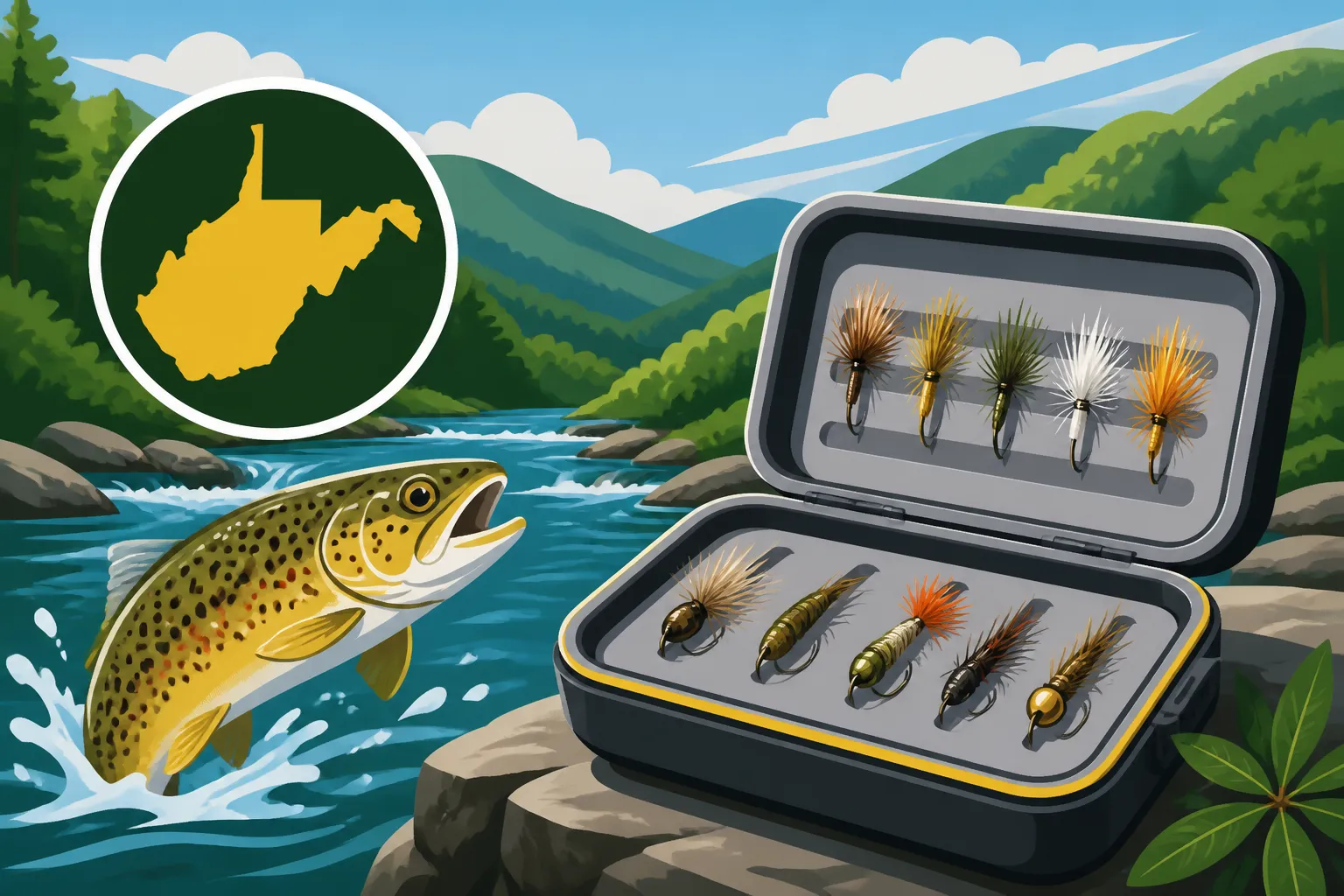
Slit foam fly boxes are probably the most common type you'll encounter, and for good reason. They feature rows of high-density foam with small slits cut into them, allowing you to easily insert the hook bend and secure the fly in place. This design keeps individual flies separated and protected, preventing tangles and crushed hackle. They come in various sizes and foam configurations, from dense micro-slits for tiny midges to wider slits for larger nymphs and dries. They are incredibly versatile for storing a wide range of patterns, making them a popular choice for anglers targeting West Virginia Trout Season and Stocking Rules. Many anglers will have several slit foam boxes, each dedicated to a specific category of flies, such as dry flies, nymphs, or emergers. You can often find a wide array of these at retailers like Bass Pro Shops, perfectly suited for different fly sizes.
For instance, if you're hitting a small mountain stream in the Monongahela National Forest, a compact slit foam box filled with various parachute Adams, Elk Hair Caddis, and small attractor dries would be ideal. The foam securely holds the flies, even if the box gets jostled during a hike, ensuring they're pristine when you need them.
Magnetic Boxes: Gentle Giants for Delicate Flies
Magnetic fly boxes are a less common but highly specialized option, particularly favored by anglers who fish very small, delicate flies like midges, tiny dries, or emergers. Instead of foam, these boxes often have a flat, smooth surface embedded with magnets. The magnetic force holds the flies gently but firmly in place, primarily by their hook shanks. The big advantage here is that there's no foam to compress or potentially snag delicate hackle or tail fibers, making them excellent for preserving the perfect form of tiny patterns. However, they aren't ideal for large, heavy flies or for situations where the box might be subjected to extreme shaking, as flies can occasionally dislodge.
Consider a scenario where you're fishing a highly technical tailwater like the upper Elk River, known for its challenging midge hatches. A magnetic box might be your best friend, holding your size 24 and 26 midge patterns perfectly intact, ready for a presentation where every fiber counts. For larger flies or general use, they might not be the primary choice, but for specialty situations, they shine.
Compartment Boxes: For Big Bugs and Assortments
Compartment fly boxes feature individual plastic compartments with separate lids, rather than foam or magnets. These are fantastic for larger, bulkier flies like streamers, bass bugs, poppers, or even large stonefly nymphs that don't fit well into foam slits without crushing. They also work exceptionally well for storing a variety of small items, such as split shot, strike indicators, or extra leaders and tippet spools. While they don't offer the individual security of foam for every single fly, they excel at preventing larger, more robust patterns from tangling with each other or getting mashed.
If you're heading to the New River Gorge chasing aggressive smallmouth bass with big streamers or tackling muskie in the Little Kanawha River with massive articulated patterns, a compartment box is practically a necessity. You can keep your various Woolly Buggers, Clouser Minnows, or even mouse patterns neatly separated and ready to go, preventing their large hooks from fouling each other. You can often find durable, larger compartment boxes on Amazon with multiple adjustable dividers, perfect for this kind of application.
Waterproof Boxes: Essential for Wet Wading
For many West Virginia anglers, especially those who prefer to wet wade during warmer months, a truly waterproof fly box is an absolute game-changer. These boxes feature a rubber gasket seal around the perimeter and a strong, secure latching mechanism designed to keep water out, even if the box is submerged. There's nothing worse than opening your fly box after a tumble in the creek to find all your dry flies soggy and ruined. Waterproofing ensures your flies stay dry and in perfect condition, no matter what surprises the river throws at you.
Whether you're rock hopping across the South Branch Potomac or wading the fast currents of the Cheat River, a waterproof box provides peace of mind. It’s not just about protecting your flies from a full submersion; it also protects them from incessant rain, splashes from wading, or condensation build-up inside your pack. This is an essential feature for anglers who spend significant time in adverse conditions or simply want to safeguard their investment in quality flies.
| Fly Box Type | Best Use Cases | Pros | Cons |
|---|---|---|---|
| Slit Foam | General purpose, wide range of flies (dries, nymphs) | Securely holds individual flies, prevents crushing, versatile sizes | Foam can wear out, harder to remove very tiny flies |
| Magnetic | Tiny flies (midges, small emergers) | Gentle on delicate materials, no foam compression | Not for large/heavy flies, flies can dislodge if shaken hard |
| Compartment | Large streamers, bass bugs, multiple small items | Prevents tangles of bulky flies, good for accessories, customizable | Flies can shift within compartments, less individual protection |
| Waterproof | All-weather fishing, wet wading, kayaking | Keeps flies dry in rain or submersion, protects against condensation | Can be bulkier, latches may require more effort to open/close |
Key Features to Look for in a Quality Fly Box
Choosing a fly box isn't just about the type of internal storage. There are several other crucial features that contribute to its overall functionality, durability, and how well it will serve you on the diverse waters of West Virginia. Paying attention to these details can make a significant difference in your on-stream experience.
Durability and Construction Materials
Fly fishing often involves rugged environments – rocky banks, slippery streambeds, dense brush, and sometimes even accidental drops. A flimsy fly box made from brittle plastic simply won't hold up. Look for boxes constructed from high-quality, impact-resistant materials like tough ABS plastic, polycarbonate, or even aluminum. These materials ensure your box can withstand the inevitable bumps and scrapes of an active fishing day without cracking or breaking, keeping your flies secure inside. You want something that feels solid in your hand, not something that feels like it might shatter if you drop it on a boulder.
For instance, if you're bushwhacking through dense rhododendron thickets to reach a remote High-elevation trout streams in the Monongahela National Forest, your gear is going to take a beating. A robust, well-made fly box is vital to ensure your flies survive the journey just as well as you do. Brands like Umpqua, Tacky, and Fishpond are known for their durable constructions that stand up to real-world abuse.
Closure Mechanisms and Waterproofing
The closure mechanism is paramount for both security and waterproofing. Simple snap closures can be convenient but might not always provide a tight seal. Look for boxes with robust, positive-locking latches that provide a firm closure and inspire confidence. If waterproofing is a priority, ensure the box explicitly states it's waterproof and features a visible rubber or silicone gasket around the entire perimeter of the lid. A poorly sealed box is just an invitation for damp flies and rusted hooks, especially when fishing conditions can change from sunny to a sudden downpour in the blink of an eye in West Virginia's mountains.
Imagine being caught in one of West Virginia's famous afternoon thunderstorms while fishing the Elk River Trout Fishing. A truly waterproof box with a solid closure will be your best friend, keeping your precious dry flies in perfect condition while everything else gets soaked. Without this feature, you might find your delicate dries are waterlogged and unusable just when the post-rain hatch begins.
Size, Capacity, and Portability
The ideal size and capacity of your fly box depend heavily on how many flies you typically carry and how you transport them. Do you prefer a slim, minimalist box that slips easily into a vest pocket for a quick afternoon outing? Or do you need a larger, high-capacity box that can hold hundreds of flies for an extended trip or to serve as a 'master' collection? Consider your vest pockets, pack space, and personal preferences. A box that's too bulky might hinder your movement, while one that's too small might force you to leave essential patterns behind. Many anglers carry a selection of different sized boxes – a few smaller ones for "daily drivers" and a larger one for less-frequently used patterns or as a resupply depot.
If you're doing a lot of hiking into remote areas like the Cranberry River for Fly Fishing for Trout in West Virginia, a slimmer, more portable box that doesn't add unnecessary bulk to your pack or vest might be preferred. Conversely, a day-long float trip on the New River might allow for a larger, higher-capacity box to ensure you have every possible streamer and nymph you could need for diverse conditions.
Internal Organization Systems
Beyond just the foam or compartments, consider the overall internal organization. Are the slits spaced appropriately for your typical fly sizes? Are there different foam densities or compartment sizes to accommodate varying fly types? Some boxes feature clear lids or transparent sections, allowing you to quickly survey your flies without opening the box, which is a great time-saver. Color-coded foam or removable inserts can also aid in categorizing flies. The easier it is to see and select your flies, the more efficient you'll be on the water.
A well-designed internal system means you can separate your Fly Patterns for West Virginia Trout Streams by type – maybe dries on one side, nymphs on the other, or even by size. This thoughtful layout prevents patterns from getting mixed up and makes finding that exact sulfur emerger or caddis pupa a breeze.
Maintaining and Organizing Your Fly Boxes for Success
Even the best fly boxes won't do their job effectively if they're not properly maintained and organized. A little attention to detail off the water can save you a lot of grief when you're on it, ensuring your flies are always in prime condition and easily accessible for your next West Virginia fishing adventure.
Regular Cleaning and Inspection
After a few trips, your fly boxes can accumulate all sorts of debris: small bits of leaves, grit, stray tippet clippings, and even moisture. It's a good habit to periodically empty your boxes, give them a quick wipe down with a damp cloth, and let them air dry completely. This prevents grime buildup and, more importantly, helps prevent rust on your fly hooks. While you're at it, inspect the foam for wear and tear, check the integrity of the latches, and ensure the waterproofing gasket is still intact and flexible. Replacing a worn gasket or a faulty latch before your next trip is far better than discovering the problem when your flies are getting soaked in a sudden downpour.
Think about a hot summer day when you're fishing the West Virginia trout stocking schedule for January waters that are often cooler. Condensation can build up inside your box, leading to rusty hooks if not properly aired out. A quick inspection after each outing can catch this before it becomes a problem, preserving your valuable fly patterns.
Seasonal Organization Strategies
For many anglers, fly boxes evolve with the seasons. You'll likely use different patterns in the spring when trout are keying on emerging insects than you will in the summer with terrestrial patterns, or in the fall with larger streamers. Consider organizing your boxes by season or by target species. You might have a "Spring Nymph Box," a "Summer Dry Fly Box," or even a "Muskie Streamer Box." This approach allows you to quickly grab the relevant boxes for your planned outing without sifting through dozens of irrelevant patterns. It simplifies packing and ensures you're always carrying the most appropriate ammunition.
For example, when preparing for Spring Trout Fishing Techniques for West Virginia Streams, you'll want boxes dominated by various nymph patterns, caddis, and Quill Gordons. Come summer, your boxes might shift to include more terrestrials like hoppers and ants, along with light cahills for those evening hatches. Organizing this way saves time and mental energy.
Pre-Trip Stocking and Inventory
Before every significant fishing trip, especially if you're venturing to a new river or an extended stay, take the time to do a fly box inventory. Check which patterns are low, which ones are bent or dull, and what might be missing that you'll need for the specific conditions you expect. Restock as necessary. This also means making sure you have enough variety in sizes and colors for your target species and anticipated hatches. Nothing is more frustrating than being on a remote stream, finding the fish are keying on a specific size of fly, and realizing you only have one left – or none at all! This pre-trip ritual ensures you hit the water fully prepared.
This is especially critical when planning a trip to a challenging destination like the Cranberry River Fly Fishing section, where presentation and fly choice are often paramount. Knowing you have a full complement of midge patterns, BWO imitations, and attractor nymphs in various sizes will significantly boost your confidence and chances of success. It's a good time to visit a local fly shop or check out the selections available on Amazon for those specific patterns you're running low on.
Choosing the Right Box for Specific West Virginia Trout Scenarios
West Virginia offers an incredible diversity of trout fishing opportunities, from tiny, brush-choked mountain brooks to broad, powerful tailwaters. The "best" fly box often depends on the specific type of water you're fishing and the methods you'll be employing. Thinking about your typical fishing scenarios will guide you to the most effective choice.
Small Stream Walk-Wading in the Monongahela National Forest
When you're hiking into a secluded brook trout stream in the depths of the Monongahela National Forest, portability and durability are king. You're likely to be crawling through thickets, scrambling over rocks, and making short, precise casts. For these scenarios, a slim, robust, and often waterproof fly box is ideal. It should fit easily into a vest pocket or a small pack without adding bulk. You won't need hundreds of flies; a selection of 20-50 essential patterns – small dry flies like Parachute Adams or Elk Hair Caddis, a few classic nymphs like Hare's Ear or Pheasant Tail, and maybe a small streamer – is usually plenty. A quality slit foam box often fits the bill perfectly here, keeping delicate dries from getting crushed during your journey.
Imagine navigating the tight quarters of a stream like Shavers Fork for native brook trout. A compact box with a secure latch that can take a beating and keep your Best flies for Shavers Fork brook trout pristine is invaluable. Overly large or cumbersome boxes will simply get in the way of your stealthy approach.
Larger River Fly Fishing on the Elk or Cranberry Rivers
For bigger water, like the famed tailwaters of the Elk River or the pristine catch-and-release sections of the Cranberry River, you might need a greater variety of flies to match diverse hatches and conditions. These rivers can demand everything from tiny midges and Baetis imitations to larger stoneflies and streamers. Here, you might carry multiple fly boxes or one larger, higher-capacity box. A waterproof design is still a huge advantage, especially when wading deeper or dealing with unpredictable weather. Many anglers will utilize one larger "primary" box for the bulk of their patterns and a smaller "working" box for the handful of flies they expect to use most on a given day, easily swapping between the two.
If you're spending a full day on the Elk River Trout Fishing, you'll encounter different water types and potentially multiple hatches. Having a comprehensive selection of nymph patterns, emergers, and dries, all neatly organized in a larger slit foam or even a multi-panel flip-style box, ensures you're prepared for whatever the trout are feeding on. This is where a larger capacity box purchased from a fly shop or online via Amazon can be a real asset.
Specialty Boxes for Specific Hatches or Techniques
Sometimes, a general-purpose fly box just doesn't cut it. For highly specialized situations, a dedicated "specialty box" can be incredibly useful. This could be a tiny magnetic box solely for micro-midges, a large compartment box for oversized streamers used in Muskie Fishing in West Virginia, or a dedicated box for specific Euro nymphing patterns. These boxes are designed for efficiency when you're focusing on one particular technique or species. They prevent clutter in your main boxes and allow for quick access to very specific patterns, often when time is of the essence.
Consider fishing during a prolific Trico hatch on a large, open river, where visibility is key, and the flies are minuscule. A small, clear-lidded magnetic box filled exclusively with size 22-28 Trico spinners and emergers allows you to quickly identify and select the exact pattern without fumbling, giving you the edge during those brief, intense feeding windows. Or, if you're focused on Best streamer patterns for West Virginia brown trout, a compartment box that keeps them from tangling and makes them easily accessible is a better choice than trying to cram them into foam.
Disclaimer
This article is for general informational purposes only and does not constitute professional advice. Laws, prices and regulations vary by location and change over time. Consult a qualified professional for guidance on your specific situation.