Are There Blue Catfish in West Virginia?
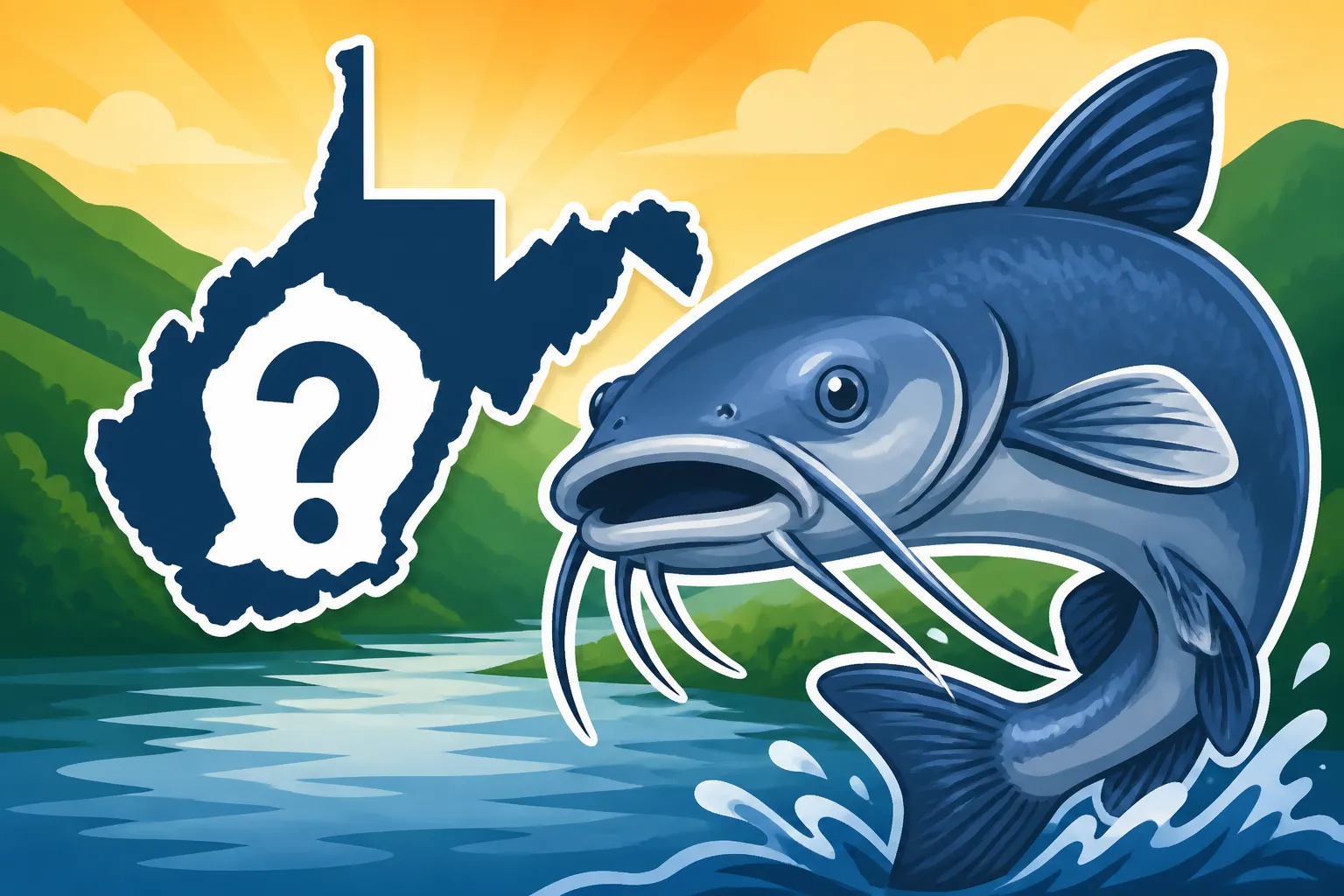
It's a question many West Virginia anglers ponder when they pull in a big, whiskered beast: are blue catfish, those legendary giants of the deep south, swimming in our Mountain State waters? There's a lot of talk and even more confusion, especially with how similar some of our native catfish can look. This guide is here to clear the air, explore where blue catfish might be found, help you tell them apart from our more common species, and offer some insights into how to target the amazing catfish we do have.
The Truth About Blue Catfish in West Virginia
Let's cut to the chase: are blue catfish a widespread species throughout West Virginia's rivers and lakes? Generally, no, they are not. Unlike their common cousins, the channel catfish, or the powerful flathead catfish that absolutely thrive here, true blue catfish are not considered an established, reproducing population across the vast majority of West Virginia's interior waters. This might be a surprise to some, especially if you've heard whispers or seen photos of large catfish. However, the situation isn't entirely black and white, and there are specific areas where you might encounter them.
The distinction is important, not just for identifying your catch, but also for understanding our local fisheries management. Wildlife agencies focus their efforts on species that are naturally abundant or intentionally stocked. When it comes to blues, their presence in West Virginia is much more nuanced than a simple "yes" or "no." It often boils down to connectivity with other river systems where they are well-established.
Where They Are Found: Boundary Waters and Migrations
While not native or extensively stocked within West Virginia's main stem rivers, blue catfish do make an appearance in specific areas, primarily our boundary waters. The most notable example is the Ohio River. The Ohio River forms a significant portion of West Virginia's western border, and it's a known habitat for blue catfish, especially in its lower stretches. These fish are strong swimmers and can travel considerable distances, moving up and down the river system.
This means that anglers fishing the Ohio River from the West Virginia side, particularly in the larger pool sections, have a legitimate chance of encountering blue catfish that have migrated from downstream areas where they are more prevalent. These fish are part of the larger Ohio River ecosystem, which includes shared fisheries with neighboring states like Ohio and Kentucky. It's a testament to the interconnectedness of our waterways; what happens downstream can certainly influence what you find upstream. Always check Ohio River Fishing Rules for West Virginia Anglers to understand specific regulations for this shared resource.
It's also worth noting that occasional, isolated reports might surface from other larger river systems that connect to the Ohio, or even rare, individual stockings that didn't lead to established populations. But for the most part, if you're targeting blue catfish in West Virginia, the Ohio River is going to be your most likely (and really, only consistent) bet.
Why the Confusion? Distinguishing from Channel and Flathead Catfish
So, if they're not widely established, why the frequent question and confusion? The main reason is that our other prominent catfish species, the channel catfish and the flathead catfish, can grow quite large and, to an untrained eye, share some visual similarities with blue catfish. It's easy to mistake a particularly robust channel cat for a blue, especially when the light is poor or you're just excited about a big catch!
Channel catfish, for instance, are incredibly abundant throughout West Virginia. They're often silvery-gray to olive green, with distinct spots on their sides (though these can fade on larger, older fish). They have a deeply forked tail, which is a key characteristic. These fish can reach impressive sizes, with the state record being a truly massive specimen. Imagine reeling in a 20-pound channel cat – it’s a powerful fight, and it might just make you wonder if you’ve stumbled upon something else!
Flathead catfish, on the other hand, are distinctly different in appearance but are also powerful, large fish. They have a broader, flatter head, a mottled brown and yellow coloration, and a square or slightly rounded tail, not forked. They're ambush predators that prefer live bait and often hide in submerged timber or deep holes. Both species provide incredible sport and put up a fantastic fight, often leading anglers to assume any giant catfish must be a blue. Understanding these differences is key to proper identification and appreciating the diversity of our local catfish populations. You can learn more about Flathead Catfish in the Ohio River if you're interested in targeting these unique predators.
Identifying West Virginia's Catfish Species
Proper identification is not just for bragging rights; it's also crucial for adhering to regulations and understanding the ecology of our waters. While blue catfish are rare in most of West Virginia, being able to tell them apart from their more common cousins, the channel and flathead catfish, is an essential skill for any serious angler. There are a few key features that differentiate these species.
For anyone who wants a more detailed guide to distinguishing between species, take a look at Catfish Species Identification Guide for West Virginia. It’s easy to grab a laminated copy of a fish ID chart off Amazon to keep in your tackle box – it's a small investment that can prevent a lot of confusion.
Channel Catfish Characteristics
Channel catfish are by far the most widespread and recognizable catfish in West Virginia. They are often the first catfish species an angler encounters.
- Coloration: Typically range from olive-brown to silvery-gray, often with distinct dark spots on their sides. These spots can be more pronounced on younger fish and tend to fade or disappear on older, larger specimens.
- Body Shape: They have a relatively slender, torpedo-shaped body.
- Head: Their head is somewhat rounded, and not overly large in proportion to their body.
- Tail: The most distinctive feature is their deeply forked tail, which looks almost like a "V" cut into it. This is a primary differentiator from flatheads and blues.
- Anal Fin: They possess a moderately long anal fin (the fin on the underside near the tail) with 24-29 rays, and the leading edge is typically convex (curved outwards).
- Size: While they don't reach the extreme sizes of true blue catfish, channel cats can grow quite large in West Virginia, often into the 10-20 pound range, with larger individuals possible. The West Virginia state record is a testament to their potential. West Virginia state record channel catfish weight showcases just how big these can get.
You'll find channel catfish in just about any major river and many lakes and ponds across the state, from the Kanawha to the South Branch of the Potomac. They are adaptable fish, comfortable in both clearer, flowing water and murkier, slower stretches. Read more about their behaviors in Channel Catfish Habits in West Virginia Rivers.
Flathead Catfish Characteristics
Flathead catfish are the true titans of West Virginia's rivers, known for their size, power, and distinct predatory nature. They are often found in the same waters as channel catfish but prefer different habitats and diets.
- Coloration: Vary from yellow to brown, often mottled with darker browns and olive patches, providing excellent camouflage against timber and rocky bottoms.
- Body Shape: They have a robust, stocky body, especially in larger specimens.
- Head: Their most defining feature is their broad, flattened head, which gives them their name. Their lower jaw protrudes beyond the upper jaw.
- Tail: Unlike the channel cat, the flathead has a square or only very slightly notched tail fin. It's never deeply forked.
- Anal Fin: Their anal fin is notably short, with 14-17 rays, and its leading edge is straight or slightly rounded.
- Eyes: Their eyes are relatively small.
- Size: Flatheads can grow to immense sizes, often exceeding 40-50 pounds, with the West Virginia state record being a truly monstrous fish. West Virginia state record flathead catfish weight gives an idea of what's possible. They are formidable opponents on the line.
Flatheads are typically found in larger rivers and reservoirs, favoring deep holes, log jams, and areas with heavy cover where they can ambush prey. They are primarily piscivorous (fish-eating) and prefer live bait.
Blue Catfish Key Identifiers
Now, for the elusive blue catfish. While rare, knowing how to identify them is crucial for those fishing the Ohio River or if an anomaly turns up elsewhere.
- Coloration: As their name suggests, blue catfish typically have a slate blue to gray coloration on their back and sides, fading to a white belly. They generally lack the distinct spots seen on channel catfish.
- Body Shape: They have a fairly streamlined body, similar to a channel catfish, but often more robust and less slender, especially in larger individuals.
- Head: Their head is somewhat flattened but not as broad as a flathead's, and their upper jaw protrudes slightly beyond the lower jaw, which is the opposite of a flathead.
- Tail: Like the channel catfish, blue catfish have a distinctly forked tail. However, the fork is often less deep and more rounded than that of a channel catfish. This is a subtle but important difference.
- Anal Fin: This is one of the most reliable identification features. Blue catfish have a very long, straight-edged anal fin with 30-36 rays (sometimes even more). The leading edge of this fin is straight or slightly concave (curved inwards), never convex like a channel catfish. This long, straight-edged fin is your best visual clue.
- Size: Blue catfish are known to be the largest North American catfish species, capable of growing over 100 pounds in their primary ranges. While West Virginia's isolated populations wouldn't typically reach these giants, even a 20-30 pound blue cat would be a significant catch and visually distinct.
Here's a quick comparison table to help you distinguish between the three main catfish species you might encounter in West Virginia:
| Feature | Channel Catfish | Flathead Catfish | Blue Catfish (Rare in WV) |
|---|---|---|---|
| Coloration | Olive-brown to silvery-gray, often spotted (spots fade with age) | Mottled yellow-brown to dark brown | Slate blue to gray, white belly, no spots |
| Head Shape | Rounded | Broad and flattened | Moderately flattened, slightly rounded |
| Tail Fin | Deeply forked | Square or slightly rounded/notched | Moderately forked, often less deep than channel |
| Anal Fin Rays | 24-29, convex leading edge | 14-17, straight or slightly rounded leading edge | 30-36 (or more), straight or slightly concave leading edge |
| Jaw Protrusion | Upper and lower jaws relatively equal or upper slightly longer | Lower jaw protrudes beyond upper jaw | Upper jaw protrudes slightly beyond lower jaw |
| Preferred Prey | Omnivorous (cut bait, stink baits, worms, insects) | Primarily live fish | Omnivorous (cut bait, fish, mussels, crayfish) |
| Typical Habitat | Rivers, lakes, ponds; varied structure | Deep holes, log jams, heavy cover in rivers/reservoirs | Large river channels, deep pools |
This table should really help you out when you’re on the water trying to figure out exactly what you’ve caught. Remember, a good Catfish Species Identification Guide for West Virginia can be invaluable.
Fishing for Catfish in West Virginia
While the focus of this article is blue catfish, the reality is that West Virginia offers incredible fishing for channel and flathead catfish. These species are abundant, widely distributed, and provide fantastic angling opportunities. Whether you're a seasoned catfisherman or just starting out, there's a rewarding experience waiting for you.
When considering what gear to use, think robust. Catfish are powerful, and their habitats can be rough on tackle. You'll want a strong rod and reel combo, durable line, and sturdy hooks. Many anglers find great deals on reliable catfish gear on Amazon, from heavy-duty baitcasting reels to specialized circle hooks.
For a deeper dive into the world of whisker fishing, consider exploring Catfish Fishing in West Virginia, a comprehensive guide to targeting these fantastic fish.
Best Baits and Rigs for Channel Cats
Channel catfish are often described as opportunistic feeders, meaning they'll eat a wide variety of things. This makes them a fantastic target for anglers who enjoy experimenting with different baits.
- Bait Selection:
- Cut Bait: Shad, bluegill, or other oily fish cut into chunks are excellent. The scent trail they release is irresistible to hungry channel cats.
- Stink Baits/Prepared Baits: Many anglers swear by commercially prepared "stink baits" or dip baits. These have strong odors designed to attract catfish from a distance. You can find a huge variety of these, often with glowing reviews, on Amazon.
- Live/Dead Minnows or Worms: Classic baits like nightcrawlers, redworms, or even small minnows can be very effective, especially for smaller to medium-sized channel cats.
- Other Oddities: Don't be afraid to try chicken livers, hot dogs, or even shrimp. Channel cats aren't picky! What channel catfish eat in West Virginia lakes covers more details.
- Rigging:
- Bottom Rig (Carolina Rig): This is a go-to. A weight (sinker) slides freely on your main line, followed by a swivel, then a leader (12-24 inches of stronger line), and finally your hook. This setup allows the fish to pick up the bait without feeling the weight immediately.
- Three-Way Swivel Rig: Excellent for current, it uses a three-way swivel with one eye for your main line, one for a leader to your hook, and one for a leader to a sinker. This keeps your bait suspended just off the bottom.
- Slip Bobber Rig: If you're fishing over submerged vegetation or want to keep your bait at a specific depth, a slip bobber rig is perfect. The bobber slides up the line and stops at a preset depth, allowing your bait to hang freely.
When fishing for channel cats, focus on areas with moderate current, around drop-offs, submerged structure, or the edges of weed beds. They are often active both day and night, but low light conditions (dawn, dusk, or night) can be particularly productive. If you're hitting the water in summer, check out Best bait for channel catfish in summer for some hot tips.
Targeting Flatheads in Their Lairs
Flathead catfish are a different beast entirely. They are ambush predators with a strong preference for live bait, and they love to hide in heavy cover. Targeting them requires a bit more patience and specialized tactics.
- Bait Selection:
- Live Bait: This is almost exclusively what flatheads prefer. Bluegill, sunfish, carp, or suckers (check local regulations for baitfish restrictions) are excellent choices. The key is to use healthy, active bait that will attract attention.
- Size Matters: Don't be afraid to use surprisingly large bait. A 6-8 inch bluegill is not too big for a hungry flathead.
- Rigging:
- Heavy Bottom Rig: Similar to the Carolina rig for channel cats, but everything needs to be beefed up significantly. Think 30-50 pound test main line, stout leader, and large, strong circle hooks (5/0 to 8/0).
- No-Roll Sinker: If you're fishing in current, a no-roll sinker or a pyramid sinker will help keep your bait in place.
- Positioning: Flatheads love to hide in tight spots. Cast your bait as close as possible to submerged timber, rock piles, bridge pilings, or deep holes.
- Technique:
- Patience is Key: Flatheads aren't often cruising like channel cats. They wait for prey to come to them. Be prepared to wait, sometimes for extended periods.
- Night Fishing: Flatheads are predominantly nocturnal hunters. Night fishing is often the most productive time to target them, especially during the warmer months. You can find durable headlamps and other night fishing essentials on Amazon to make your trips safer and more successful. Best bait for flathead catfish at night offers specific advice for after-dark angling.
- Feel for the Bite: Flathead bites can be subtle at first, often just a gentle tug or increase in pressure. Let them run with the bait for a bit before setting the hook, especially with circle hooks which are designed to hook themselves.
When targeting flatheads, focus your efforts on the largest rivers and reservoirs in West Virginia, particularly the Ohio River, Kanawha River, and others with deep water and plenty of heavy cover. These fish are powerful, so hold on tight!
Responsible Catfishing and Conservation
As anglers, we have a responsibility to not only enjoy our time on the water but also to protect the resources that make it all possible. This means understanding and adhering to regulations, practicing ethical angling, and being mindful of the ecosystem.
For the most up-to-date information, always consult the official West Virginia fishing regulations. You can often find a current summary on the West Virginia DNR website, or pick up a physical copy at bait shops. It's a good idea to have this handy, perhaps even purchasing a waterproof version from Amazon for easy access while you're fishing.
Understanding Regulations for Catfish
West Virginia has specific regulations for various fish species, including catfish. These regulations cover:
- Size Limits: Minimum or maximum lengths for fish you can keep.
- Daily Creel Limits: The number of fish of a certain species you can keep in one day.
- Possession Limits: The total number of fish you can have in your possession, which is typically tied to the daily creel limit.
- Bait Restrictions: Rules regarding what can and cannot be used as bait, especially live bait (e.g., limitations on using game fish as bait).
- Tackle Restrictions: Rules on the number of rods you can use, or types of tackle.
These regulations are put in place to ensure sustainable fish populations for future generations. Ignoring them can lead to fines and other penalties. Remember, ignorance of the law is not an excuse. Familiarize yourself with West Virginia Fishing Regulations Explained before heading out.
When it comes to blue catfish specifically in the Ohio River, remember that those fish are part of a shared fishery. While West Virginia's regulations apply to our side of the river, it's always wise to be aware of any unique rules that might apply to boundary waters, as these can sometimes involve reciprocal agreements with neighboring states.
Protecting Our Native Fish
Conservation goes beyond just following the rules; it's about being a good steward of the environment.
- Catch and Release: For trophy-sized catfish, especially flatheads which can take many years to reach large sizes, consider practicing catch and release. A quick photo and careful release can help ensure these magnificent fish continue to thrive and provide future angling opportunities. Make sure to use proper handling techniques to minimize stress on the fish.
- Don't Move Fish: Never transport live fish from one body of water to another. This can introduce invasive species or diseases that can devastate local fish populations. This is particularly important when considering species like blue catfish – introducing them into waters where they are not established could have unintended ecological consequences.
- Leave No Trace: Always pack out everything you pack in. Dispose of fishing line, bait containers, and any other trash properly. Litter not only detracts from the beauty of our wild spaces but can also harm wildlife.
- Report Concerns: If you observe suspicious activities, such as illegal fishing, pollution, or the introduction of non-native species, report it to the West Virginia Division of Natural Resources. Your vigilance helps protect our precious natural resources.
By being informed, responsible, and respectful, we can all contribute to healthy, vibrant fisheries in West Virginia for years to come. The Mountain State truly offers some incredible catfishing, and knowing what you're catching and how to protect it makes the experience even richer.
Disclaimer
This article is for general informational purposes only and does not constitute professional advice. Laws, prices and regulations vary by location and change over time. Consult a qualified professional for guidance on your specific situation.