What a rock bass is and where they live
Many anglers, especially those new to West Virginia's incredible waterways, might cast their lines all day and catch a fish they can't quite identify. It's often small, feisty, and puts up a surprising fight, leaving you wondering, "What was that?" More often than not, you've just met a rock bass. This guide will shine a light on this frequently overlooked yet incredibly fun species, helping you understand its unique characteristics and, most importantly, where in our beautiful Mountain State you can expect to find them lurking.
Understanding the Rock Bass: More Than Just a "Sunfish"
When you first pull a rock bass out of the water, your first thought might be "Is this a bluegill?" or even "Is it a tiny bass?" It's a common mistake, and for good reason! Rock bass are part of the sunfish family, just like bluegill and crappie, but they have some distinct traits that set them apart. They’re often overshadowed by their larger, more famous cousins, the smallmouth and largemouth bass, but these little fighters deserve their own spotlight.
Distinguishing Features and Appearance
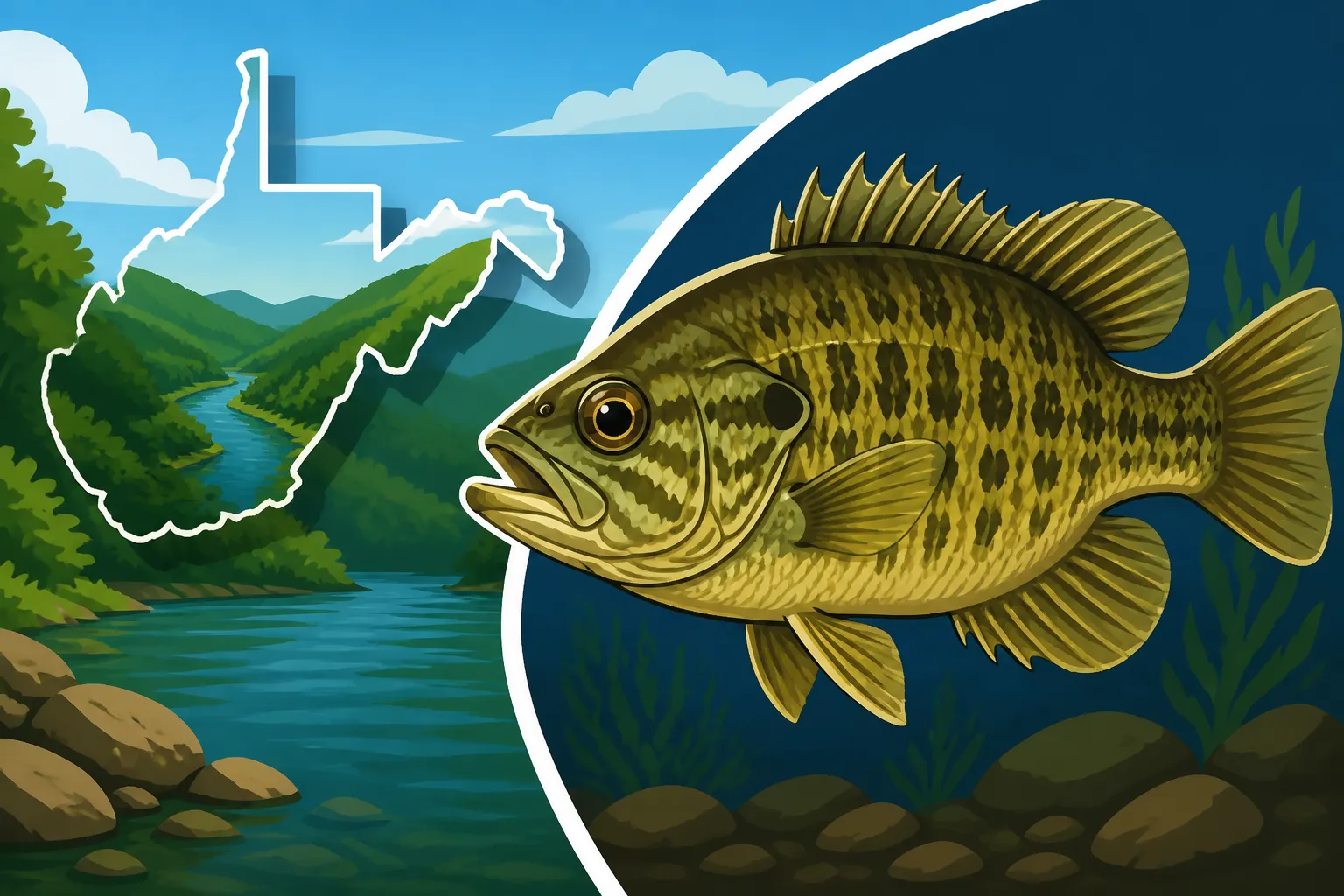
Rock bass (scientific name: Ambloplites rupestris) are compact, robust fish that pack a punch for their size. Typically, they grow to be about 6 to 10 inches long, though you'll occasionally hook into a larger one. Their bodies are deep and compressed, similar to a bluegill, but with a more elongated profile. The color can vary quite a bit depending on the water clarity and bottom composition of their habitat, ranging from olive green to brassy brown, often with dark, irregular blotches or rows of spots that create a mottled, camouflaged appearance.
One of their most defining features, and how they get their nickname "redeye," is their large, often ruby-red or orange-red eye. It's truly striking and once you've seen it, it's hard to forget. They also have a larger mouth than most other sunfish, extending back to at least the middle of the eye, which helps them ambush and consume small prey. If you look closely at their gill covers, you might also notice a dark spot on the operculum, a trait shared by some other sunfish, but their overall robust build and prominent red eye usually give them away.
Rock Bass vs. Other Panfish
It’s easy to confuse a rock bass with other common West Virginia fish, especially panfish, which are small, edible freshwater fish typically caught for sport and food. However, a few key distinctions can help you tell them apart.
Bluegill, for instance, tend to be flatter and rounder, with a smaller mouth and a distinct black "ear flap" on their gill cover, though this can sometimes be subtle. Crappie have very deep, thin bodies and a distinctive silvery color with dark speckles or vertical bars. Their dorsal fin spines are also a reliable identifier: black crappie typically have 7 or 8 dorsal spines, while white crappie have 5 or 6. Rock bass, on the other hand, usually have 10-12 stout dorsal spines.
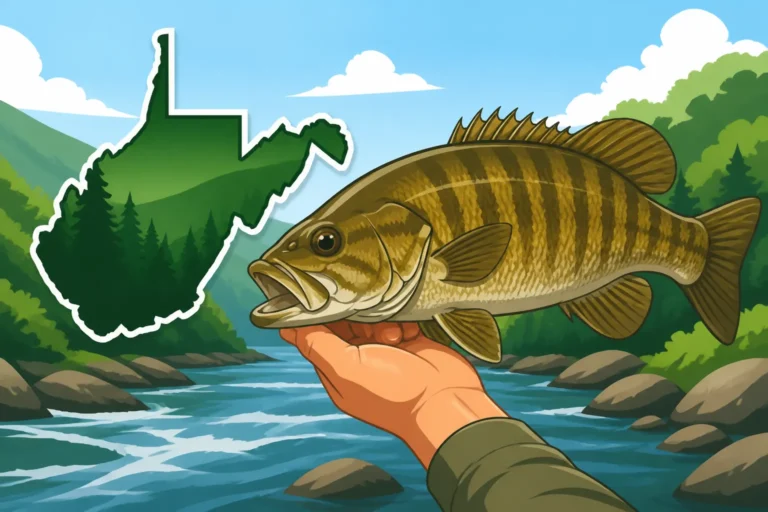
Sometimes, a young rock bass can even be mistaken for a smallmouth bass, especially if you're pulling them from a rocky river. Both species love rocky habitats and can have similar coloration. However, smallmouth bass have a more torpedo-shaped body, a less prominent red eye, and a mouth that generally doesn't extend past the back of the eye. Also, a smallmouth's dorsal fin is distinctly separated into spiny and soft-rayed sections, whereas the rock bass's dorsal fin appears more continuous. Understanding these differences can really enhance your fishing experience and help you better appreciate each species you encounter. For more on distinguishing between different bass, check out our guide on Largemouth Bass vs Smallmouth Bass Identification.
Here's a quick comparison table to help clear up the common confusion:
| Feature | Rock Bass | Bluegill | Crappie (Black/White) | Smallmouth Bass |
|---|---|---|---|---|
| Body Shape | Robust, deep, compressed | Rounder, flatter, pan-shaped | Very deep, thin, disk-like | Torpedo-shaped, elongated |
| Eye Color | Distinctive ruby-red or orange-red | Usually dark, not prominently colored | Dark | Dark, not distinctly red |
| Mouth Size | Relatively large, extends past middle of eye | Small, doesn't extend to middle of eye | Medium, extends to middle of eye | Medium, extends to middle of eye (usually) |
| Dorsal Spines | 10-12 stout spines | 10-11 spines | Black: 7-8; White: 5-6 | 9-11 spines (distinctly separated from soft rays) |
| Coloration | Olive/brassy with dark mottling/spots | Olive/dark blue with vertical bars (often faint) | Silvery with dark speckles (black) or bars (white) | Brown/green with dark vertical bars |
| Habitat Focus | Rocky rivers, streams, clear lakes | Weedy areas, docks, varied lakes/ponds | Brush piles, submerged timber, open water | Rocky rivers, clear lakes, current |
Life Cycle and Typical Behavior
Rock bass are relatively long-lived for a panfish, often reaching 5-7 years of age, and sometimes even older in optimal conditions. They spawn in late spring to early summer when water temperatures reach around 65-70°F. Males build saucer-shaped nests, often in rocky depressions or near submerged logs, and guard the eggs and fry aggressively. This makes them fairly resilient, as they're dedicated parents in the fish world.
They are opportunistic feeders, preying on a variety of aquatic insects, crayfish, and smaller fish. Their larger mouth allows them to take surprisingly big baits or lures for their size. You'll find them most active during the day, especially around dawn and dusk, but they can be caught throughout the day if the conditions are right. Because they prefer structure, they're not usually cruising open water. Instead, they'll be tucked away, waiting for an unsuspecting meal to swim by. This ambush predator behavior is key to understanding where to target them.
Where to Find Rock Bass in West Virginia's Waters
West Virginia, with its abundant clear, rocky rivers and streams, is a perfect playground for rock bass. They thrive in environments where they can hide among the rocks, dart out for a meal, and escape predators. You won't typically find them in muddy, slow-moving waters or heavily vegetated ponds. Think clean, flowing water with plenty of cover.
Preferred Habitats
Rock bass are true to their name – they love rocks. Their ideal habitat consists of clear, cool to moderately warm water with plenty of rocky substrate, gravel bottoms, and submerged boulders. You’ll often find them lurking around:
- Riffles and Runs: Where the current breaks over rocks, creating oxygenated water and dislodging insect larvae.
- Deep Pools with Rock Piles: These offer refuge and ambush points.
- Current Breaks: Behind large boulders, log jams, or bridge pilings where they can rest out of the main current but still ambush food.
- Rocky Shorelines: Along the edges of lakes or wider rivers where there are broken rocks, rip-rap, or natural rock outcrops.
- Undercut Banks: Especially if they have a rocky bottom.
They are not particularly picky, but a combination of clear water and rocky structure is almost always the recipe for finding them. If you're targeting smallmouth bass in a river, you're almost certainly fishing in prime rock bass territory, and you'll likely catch a few as bycatch – a welcome bonus!
Key Rivers and Streams for Rock Bass
West Virginia boasts an impressive network of rivers and streams that are absolutely teeming with rock bass. These fish are pretty widespread throughout the state, especially in the western drainages of the Appalachian Mountains.
Some of the absolute best spots include:
- The Greenbrier River: This river is renowned for its smallmouth bass, but it's also a fantastic rock bass fishery. The clear, flowing water and abundant rocky structure along its length create perfect conditions. Greenbrier River Smallmouth Bass Fishing will give you an idea of the kind of water they share.
- The New River: One of the oldest rivers in the world, the New River's rocky bottom and diverse structure make it a prime habitat. Anglers targeting smallmouth bass here often catch numerous rock bass. Check out New River Smallmouth Bass Fishing for more details on this iconic waterway.
- The Elk River: Particularly the middle and lower sections, which offer a mix of rocky runs and pools that rock bass adore.
- The Cheat River: The Cheat, especially its main stem and larger tributaries, has plenty of rocky stretches where these fish thrive. Cheat River Fishing Guide can point you to some great spots.
- The South Branch Potomac River: While famous for its trophy trout and smallmouth, the rocky sections and clean water also hold healthy populations of rock bass. If you're exploring South Branch Potomac Smallmouth Fishing, keep an eye out for those red-eyed fighters!
- Tributaries of the Ohio River: Many smaller creeks and streams feeding into the Ohio River on the West Virginia side, especially those with good flow and rocky beds, will have a solid rock bass presence.
When fishing these areas, look for stretches with visible rock, current seams, and areas where the stream bed transitions from gravel to larger stones. These are all high-percentage spots for finding rock bass.
Lake and Pond Presence
While rivers and streams are their preferred abode, rock bass can also be found in many of West Virginia's clearer lakes and larger ponds, particularly those with rocky shorelines, rip-rap, or extensive submerged rock formations. They aren't typically found in silty farm ponds or lakes with soft, muddy bottoms.
Lakes like Summersville Lake, for example, with its incredibly clear water and numerous rocky cliffs and points, can hold good numbers of rock bass. Summersville Lake Fishing Guide highlights the clear, rocky structure that also appeals to smallmouth and walleye, but makes for excellent rock bass habitat. Tygart Lake, while known for walleye, also has rocky sections that will hold them. Tygart Lake Fishing Guide also details conditions favorable to rock bass.
If you're fishing a lake, focus your efforts around:
- Rocky Points and Bluffs: Areas where the shoreline drops off quickly into rocky depths.
- Rip-Rap: Man-made rock structures along dams, bridges, or causeways.
- Submerged Humps and Rock Piles: Use your fish finder or a topo map to locate these underwater features.
- Docks and Piers with Rocky Bottoms: These provide shade and cover, especially if there are rocks underneath.
Essentially, anywhere you find a strong association with clean water and rocky cover, you're likely to encounter this engaging little fish. They might not be the biggest catch of the day, but they certainly provide plenty of fun.
Why Rock Bass are a Delightful Catch for West Virginia Anglers
Don't let their smaller stature fool you; rock bass are a fantastic species to target. They offer a unique blend of accessibility, fighting spirit, and even culinary appeal that makes them a favorite among many West Virginia anglers, from seasoned veterans to excited youngsters.
Accessibility and Fun for All Ages
One of the best things about rock bass is how willing they are to bite. They're not particularly shy, making them an excellent target for beginners, children, or anyone just looking to bend a rod. You don't need fancy, expensive gear to catch them. A simple spinning rod and reel combo, often available on Amazon for a reasonable price, is all you need. Ultralight or light action rods are perfect, as they make even a 6-inch rock bass feel like a much larger fish, adding to the thrill.
Small lures like tiny crankbaits, spinnerbaits, plastic grubs on a light jig head, or even simple worms under a bobber are all highly effective. They readily strike at a variety of presentations, making them a great confidence builder for new anglers. Imagine taking a child to a clear, rocky stream, teaching them how to cast a small worm, and seeing their face light up as they reel in a feisty "redeye." It's pure fishing joy, and an experience many lifelong anglers in West Virginia started with. For more on getting started, check out Best Rod and Reel Combo for Beginners.
Culinary Qualities
While not as renowned as trout or walleye, rock bass are surprisingly good table fare. Their white, flaky meat has a mild, sweet flavor, very similar to other panfish like bluegill. They're excellent fried whole, or filleted if you catch enough larger ones. Just like any fish caught from our waters, always be aware of local consumption advisories, which you can usually find through the West Virginia Department of Natural Resources. However, from clean, clear waters, a mess of rock bass can make for a delicious meal after a fun day on the river. Many anglers prefer to keep a few for the pan, especially the larger ones, and practice catch-and-release for the rest.
Conservation and Management
Rock bass are generally abundant and widely distributed throughout West Virginia, so they aren't considered a species of conservation concern. The West Virginia Division of Natural Resources (WVDNR) manages them as part of the broader panfish category, with generous daily and possession limits to encourage recreational angling. This means you can typically catch a good number of them for a meal without worrying about impacting the population.
However, responsible angling practices are always important. While durable, if you plan to release rock bass, handle them gently with wet hands, minimize their time out of the water, and use appropriate hooks (like circle hooks for bait fishing) to reduce harm. This helps ensure that these delightful little fighters continue to thrive in West Virginia's beautiful rivers and lakes for generations of anglers to enjoy. When you're out there, remember to always consult the current West Virginia Fishing Regulations Explained to stay informed about any specific rules for the waters you're fishing.
So, the next time you're out exploring the scenic waterways of West Virginia, keep an eye out for that distinctive red eye. The rock bass might just become your new favorite target, offering endless fun and a tasty reward for your efforts.
Disclaimer
This article is for general informational purposes only and does not constitute professional advice. Laws, prices and regulations vary by location and change over time. Consult a qualified professional for guidance on your specific situation.