Native trout species found in West Virginia
For many of us who cherish the wild places of West Virginia, there's a special kind of reverence for what's truly native to our beautiful mountains and streams. When it comes to trout, it can sometimes feel a little confusing, with so many different species swimming around. This guide aims to clear up that confusion, diving deep into the one truly native trout species that calls West Virginia home, and helping you understand what makes it so special, where to find it, and how to protect it for future generations.
The Undisputed King: West Virginia's Native Brook Trout
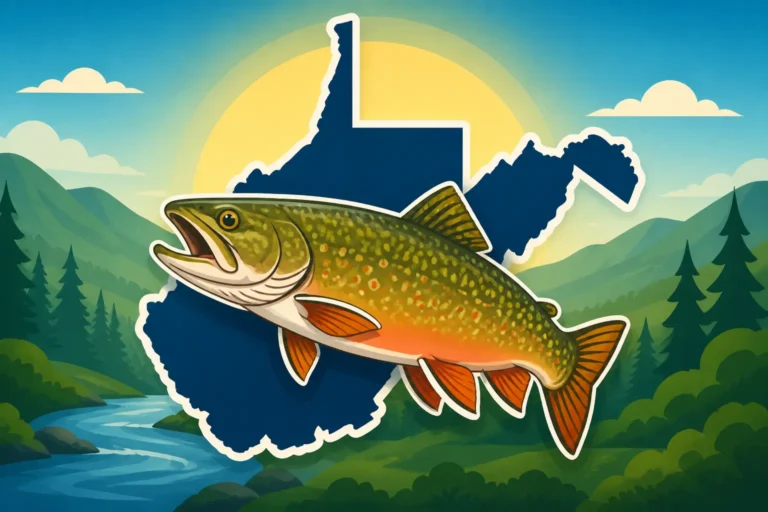
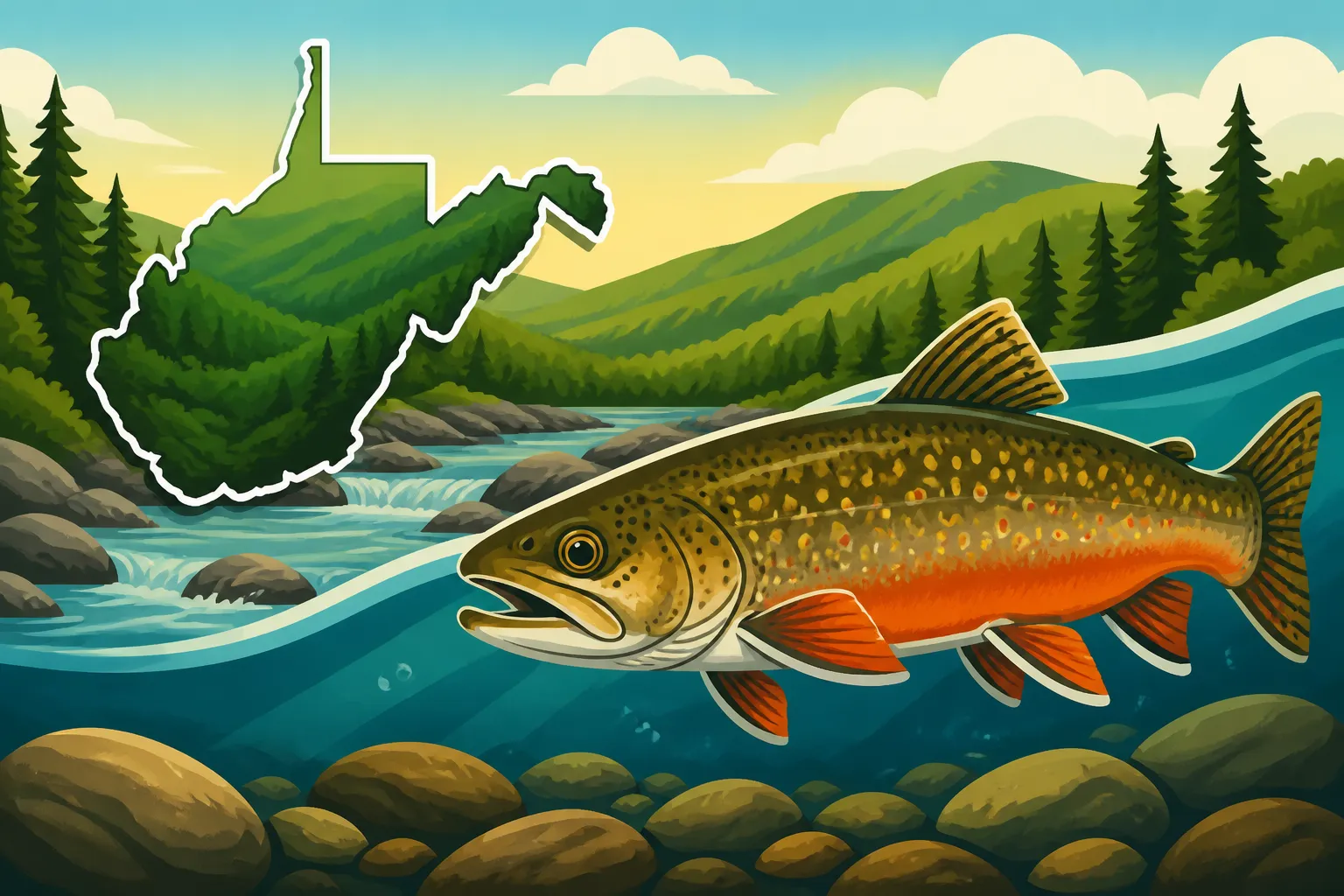
Let's get straight to it: when we talk about native trout species in West Virginia, there's really only one true, undisputed champion – the Brook Trout. This isn't just any fish; it's a living relic, a vibrant splash of color that perfectly embodies the pristine, cold mountain streams it inhabits. For generations, these little beauties have finned their way through our headwater streams, surviving and thriving long before any other trout species were ever introduced. They are West Virginia's state fish, and for good reason—they represent the wild heart of our Appalachian wilderness.
Catching a native brook trout, often affectionately called a "brookie," is more than just landing a fish; it's an experience that transports you back to a simpler time. These fish typically aren't giants; a ten-inch native brook trout is a true trophy in most West Virginia streams. What they lack in size, they more than make up for in stunning coloration and the sheer joy of knowing you've found a truly wild, self-sustaining population. The journey to these remote, crystal-clear streams, often involving a hike through dense forest, is as much a part of the reward as the fish itself. It's a connection to the raw, untamed beauty of our state that's hard to replicate.
Identifying the Mountain Jewel: How to Spot a Native Brookie
Native brook trout are simply breathtaking. Their coloring is distinct and easily identifiable once you know what to look for, setting them apart from the more commonly stocked rainbow and brown trout. They have a dark, olive-green to black marbled pattern on their backs and upper flanks, often referred to as "worm-like" markings or "vermiculations." This pattern, which is usually quite pronounced, helps them blend seamlessly with the rocky, mossy streambeds they call home.
Perhaps their most iconic features are the vibrant spots along their sides. They sport pale, yellowish spots scattered over their olive body, but crucially, they also have brilliant red or orange spots, often encircled with a halo of blue. These red-and-blue haloed spots are a dead giveaway for a brook trout. Their lower fins – the pectoral, pelvic, and anal fins – are typically a deep orange or red, famously tipped with a stark white leading edge, often followed by a black stripe. This "white-tipped fin" is another key identifier. When you hold a brook trout in your hand, you'll notice their belly can range from white to a warm, peachy orange, especially vibrant during spawning season. Compare this to the pink lateral stripe of a rainbow or the larger, dark spots of a brown trout, and you'll quickly learn to tell the difference. For more detailed identification tips, check out our Trout Species Identification Guide for West Virginia.
Where the Wild Things Are: Prime Brook Trout Habitat
Native brook trout demand specific conditions to thrive, which is why their presence is often an indicator of excellent water quality and healthy ecosystems. They require cold, clean, highly oxygenated water, making them primarily inhabitants of headwater streams, spring-fed creeks, and high-elevation tributaries that flow through forested areas. These streams are typically small, with plenty of natural cover like fallen trees, undercut banks, and large rocks, which provide refuge from predators and strong currents.
You'll often find these pristine habitats nestled within the Monongahela National Forest, where the dense canopy helps keep water temperatures consistently cool, even in the height of summer. Streams like those found in the Shavers Fork drainage or tributaries feeding into the Cranberry River are classic examples of prime brook trout territory. The higher the elevation and the denser the forest, generally the better the chances of encountering a truly wild population. These spots are often a bit off the beaten path, requiring a hike, but the reward of connecting with these ancient fish in their natural environment is absolutely worth the effort. Learn more about specific locations in Where brook trout still live wild in West Virginia.
Understanding the Brook Trout's Delicate Ecosystem
While brook trout are incredibly resilient, they are also sensitive barometers of environmental health. Their existence depends on a delicate balance of specific conditions, and they face challenges that require our understanding and active participation in conservation. Recognizing these factors is key to ensuring these native beauties continue to grace our streams for generations to come.
Their reliance on cold water means they are particularly vulnerable to climate change and localized warming from deforestation or altered stream flows. When stream temperatures rise even a few degrees above their comfort zone, brook trout become stressed, making them more susceptible to disease and reducing their ability to reproduce. This makes protecting the forest canopy along stream banks incredibly important, as it provides crucial shade.
Threats to Native Brook Trout Populations
The biggest threats to West Virginia's native brook trout populations are a combination of habitat degradation, water quality issues, and competition from non-native species. Historical logging practices and mining operations dramatically altered many stream systems, leading to increased sedimentation and acidity, both detrimental to brook trout. Even today, development and runoff from roads or agriculture can impact water quality, introducing pollutants or sediment that choke spawning beds and harm aquatic insects, which are a primary food source for trout.
Another significant challenge comes from the introduction of non-native trout species, particularly brown and rainbow trout. While these species provide fantastic fishing opportunities in many waters, they can outcompete native brook trout for food and space, and even hybridize with them in some cases, diluting the native gene pool. How to tell a brook trout from a rainbow trout or How to tell a brown trout from a rainbow trout can help you distinguish them. When these non-native species are stocked directly into prime brook trout habitat, it can have devastating effects on the wild populations. It's why many dedicated native brook trout streams have special regulations, like "catch and release only" or limitations on bait use, to minimize impact.
Protecting Our Pristine Waters: Conservation Efforts
Conservation efforts for native brook trout are ongoing and vital. The West Virginia Division of Natural Resources (WVDNR), along with various conservation groups, works tirelessly to identify, restore, and protect these critical habitats. This includes stream restoration projects that improve water quality, stabilize banks, and reintroduce natural stream features like log jams and rock structures that provide cover and diverse flows. Land acquisition and easements also play a role in protecting riparian zones and preventing further development that could harm streams.
As anglers, we have a huge role to play. Practicing strict catch and release in native brook trout waters is paramount, using barbless hooks and minimizing handling time to reduce stress on the fish. Supporting organizations that work on stream restoration and advocating for responsible land use are also crucial. Being informed about West Virginia Fishing Regulations Explained and abiding by specific rules for wild trout streams ensures we're all doing our part. The future of these beautiful, native fish lies in a collective commitment to their protection.
The Joy of Pursuing West Virginia's Native Trout
There's a unique satisfaction that comes from pursuing native brook trout. It's not about the size of the fish or the ease of the catch; it's about the adventure, the challenge, and the deep connection to the wild landscape. Many anglers consider it the purest form of fishing in West Virginia, a true test of skill, patience, and appreciation for nature. The places you find these fish are often some of the most serene and beautiful corners of the state, away from the crowds and noise.
This kind of fishing often means wading through dense rhododendron thickets, scrambling over mossy boulders, and navigating slippery streambeds. It’s an immersive experience that demands your full attention, rewarding you with moments of quiet reflection and exhilarating strikes. The vibrant colors of a native brook trout, caught in the dappled sunlight of a pristine mountain stream, create memories that last a lifetime. It’s a testament to the enduring wildness of West Virginia.
Gear Up for a Backcountry Adventure
When you're heading into the backcountry for native brook trout, portability and stealth are key. You'll want to keep your gear light and efficient. A lightweight spinning rod, perhaps an ultralight setup around 5-6 feet in length, paired with a small reel and light line (2-4 lb test), is perfect for casting small spinners or jigs in tight quarters. Many purists, myself included, prefer fly fishing for native brookies. A short, lightweight fly rod, like a 2- or 3-weight, is ideal for delicate presentations with small dry flies or nymphs. Check out Best Gear for West Virginia Trout Fishing for more ideas.
Your tackle selection should also be minimal. For spin fishing, small inline spinners (like Panther Martins or Mepps), tiny spoons, or micro jigs (1/32 to 1/16 oz) are incredibly effective. When fly fishing, classic patterns like a Royal Wulff, Adams, or Elk Hair Caddis in sizes 14-18 are usually all you need for dry flies. Small pheasant tail or hare's ear nymphs work wonders subsurface. Don't forget a small pair of nippers, forceps for easy hook removal, and a comfortable vest or sling pack to carry essentials. You can find a fantastic selection of these specialized items on sites like Amazon, making it easy to gather what you need for your next adventure. A pair of sturdy wading boots with good grip for navigating slippery rocks is also a must.
Ethical Angling: Practicing Catch and Release for Native Trout
For native brook trout, catch and release isn't just a suggestion; it's a moral imperative. These populations are often fragile, and every fish caught and safely released contributes to their continued survival. When you hook a brook trout, fight it quickly and bring it to hand as gently as possible. Avoid dragging it onto rocks or dry land. Instead, keep the fish submerged in the water as much as you can.
Use barbless hooks, or pinch down the barbs on your regular hooks with a pair of pliers. This makes hook removal quick and easy, minimizing damage to the fish's mouth. When handling the fish, wet your hands thoroughly before touching it to protect its delicate slime coat, which acts as a barrier against disease. Gently remove the hook with forceps or pliers, and if the fish seems sluggish, hold it upright in the current, facing upstream, until it swims away on its own. Releasing a vibrant, healthy brook trout back into its cold mountain home is one of the most rewarding aspects of this type of fishing. These practices are crucial for the sustainability of these precious fish, as detailed in West Virginia Catch and Release Rules for Trout.
Other Trout Species: Native vs. Naturalized in West Virginia
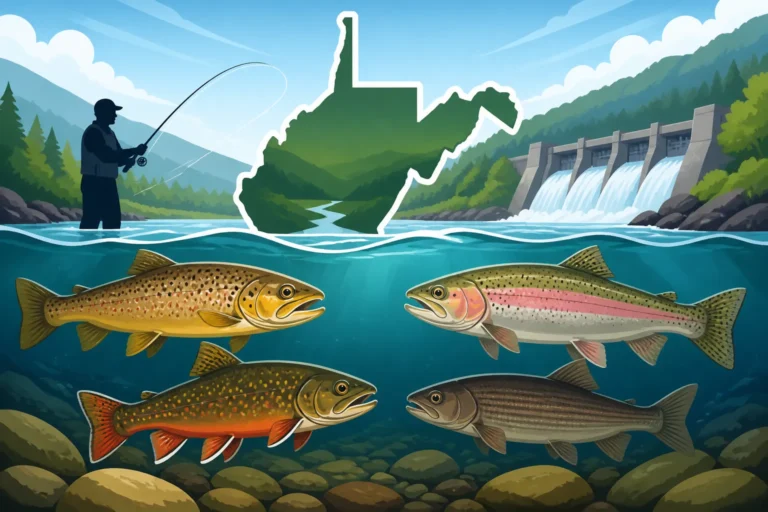
While the brook trout is West Virginia's sole native trout species, it's important to understand that other trout species – namely rainbow trout and brown trout – are widely present throughout the state. These are non-native, introduced species that have been stocked for decades to enhance recreational fishing opportunities. In many instances, particularly in larger rivers and some colder tailwater sections, these introduced species have established self-sustaining, "naturalized" populations. This means they are reproducing on their own, even though they aren't indigenous to our waters.
The presence of rainbow and brown trout, whether stocked or naturalized, adds incredible diversity to West Virginia's fishing scene. However, it's crucial for anglers seeking native brook trout to be able to distinguish them, not only for identification but also to understand the unique conservation needs of each. While you might encounter a beautiful, wild brown trout in a larger stream, its lineage doesn't trace back through millennia of Appalachian evolution in the same way the brook trout's does. This distinction helps us appreciate the true "mountain jewel" for its unique heritage.
Distinguishing Native Brook Trout from Stocked Species
Being able to tell the difference between a native brook trout and a stocked rainbow or brown trout is a skill every angler in West Virginia should cultivate. It helps you appreciate the fish you catch and understand which waters hold truly wild populations. While we've covered the distinct markings of a brook trout, here's a quick comparison to make it even clearer:
| Feature | Native Brook Trout | Rainbow Trout | Brown Trout |
|---|---|---|---|
| Coloration | Dark olive-green/black vermiculations (worm-like) | Silvery to olive-green back, white belly | Golden brown to yellowish-brown back, often darker spots |
| Spots | Pale yellow spots; red/orange spots with blue halos | Small black spots over back and tail, distinct pink or red lateral stripe | Large dark spots (black/brown) often with pale halos; some red/orange spots |
| Tail Fin | Square or slightly forked, often marbled | Moderately forked, heavily spotted with radiating spots | Square or slightly forked, usually unspotted or lightly spotted |
| Lower Fins | Red/orange with distinctive white leading edge, often followed by a black stripe | Typically pale or yellowish, no white leading edge | Yellowish-orange, no white leading edge |
| Body Shape | More robust, torpedo-shaped in larger specimens | Generally sleek, stream-lined | More robust, deeper body, especially in larger fish |
| Native To WV | YES – The only true native trout species | NO – Introduced from Pacific drainages | NO – Introduced from Europe |
This table provides a quick reference, but remember, the best way to learn is by spending time on the water. Each fish has its own subtle variations, but these key features will guide you in identifying whether you've landed a true West Virginia native, or one of our fantastic introduced species. Enjoy the quest, and tight lines!
Disclaimer
This article is for general informational purposes only and does not constitute professional advice. Laws, prices and regulations vary by location and change over time. Consult a qualified professional for guidance on your specific situation.