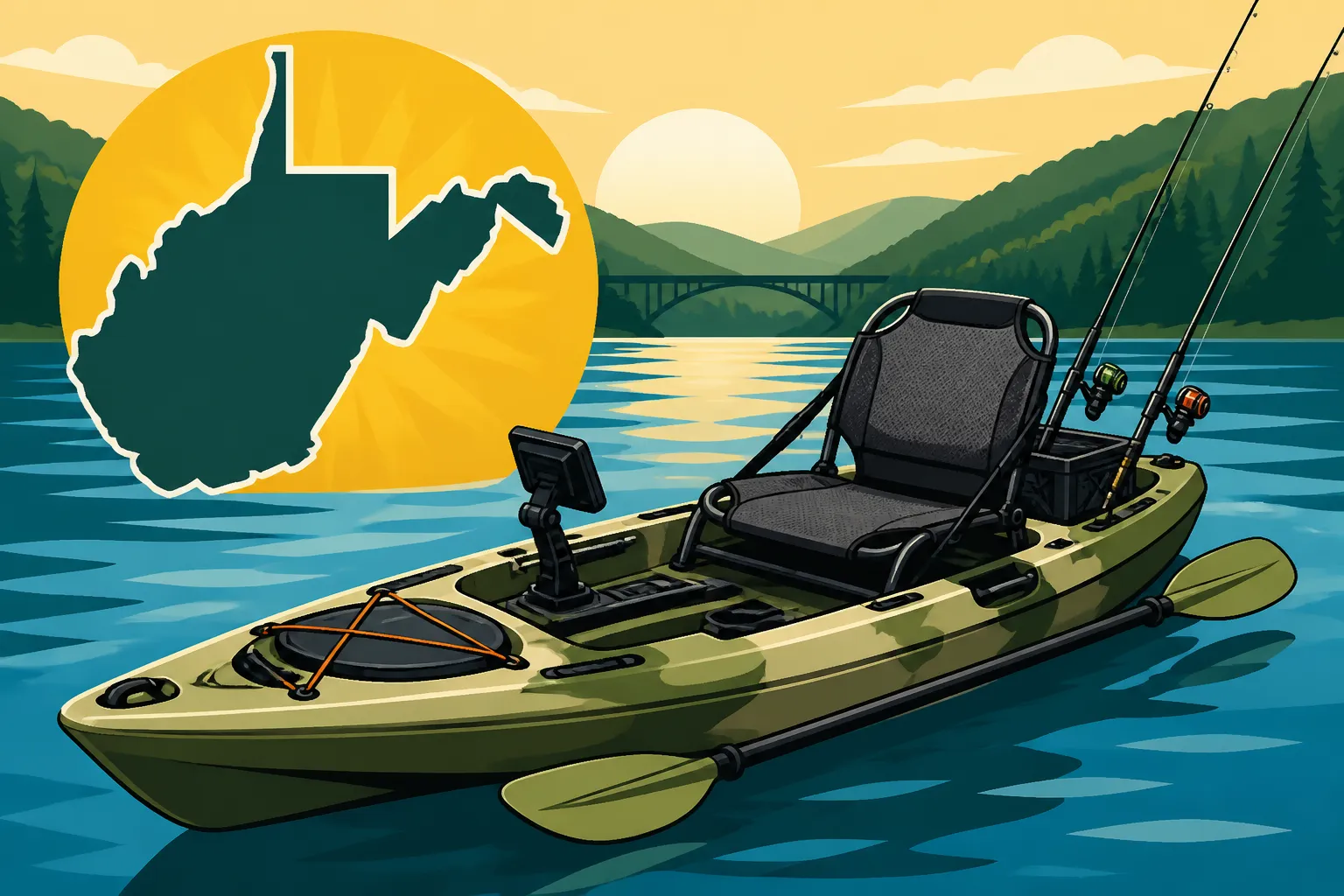
Best sit-on-top kayak for lake fishing
Finding the perfect fishing kayak for West Virginia's stunning lakes can feel like trying to catch a phantom muskie – you know it's out there, but pinpointing the right one amidst all the options is tricky. Many anglers struggle with choosing a kayak that offers both the stability for casting and fighting fish, plus the comfort for a full day on the water. This guide is here to cut through the confusion and help you discover the ideal sit-on-top kayak that will make your West Virginia lake fishing adventures truly unforgettable.
Why a Sit-on-Top Kayak is Ideal for West Virginia Lake Fishing
When you picture fishing on a sprawling lake like Summersville or the tranquil coves of Stonewall Jackson, you likely imagine comfort, stability, and ease of access to your gear. That's exactly where sit-on-top kayaks shine, especially compared to their sit-inside counterparts. They offer a unique blend of features that cater directly to the needs of lake anglers in our beautiful Mountain State.
Unbeatable Stability and Confidence
One of the biggest advantages of a sit-on-top kayak for lake fishing is its inherent stability. You're sitting on the deck, not down inside a cockpit, which often translates to a wider, more forgiving hull design. This extra stability is a game-changer when you're casting aggressively for smallmouth bass, standing up to stretch your legs, or even landing a hefty catfish. It builds confidence, allowing you to focus on the fishing rather than constantly worrying about tipping over, especially in the choppier waters that can sometimes pop up on larger West Virginia lakes. It also makes getting in and out of the kayak much easier, whether you're launching from a shore or a dock, which is a huge plus for anglers of all mobility levels.
Open Deck for Gear and Accessibility
Imagine trying to stuff a large tackle box, a cooler, and a couple of rod cases into the confined space of a sit-inside kayak's cockpit. It's a logistical nightmare! Sit-on-top kayaks, by design, offer an open, accessible deck with plenty of space for all your fishing essentials. Many models come equipped with large stern tanks, bungee systems, and even dedicated dry storage hatches, making it incredibly easy to organize and access your gear throughout the day. This open layout is fantastic for rigging up new baits, managing a fish finder, or simply keeping your water bottle within arm's reach. For those who like to bring along extra rods or a small cooler for lunch, the generous deck space is simply indispensable. You won't feel cramped, and everything you need for a successful day of fishing on a West Virginia lake will be readily available.
Self-Draining and Easy Entry/Exit
Let's face it, getting wet is part of fishing, especially from a kayak. But with a sit-on-top, any water that splashes onto the deck, whether from paddle strokes, fish thrashing, or even a sudden rain shower, simply drains away through "scupper holes" in the hull. This self-draining feature means you're not sitting in a puddle all day, keeping you drier and more comfortable. This is particularly valuable on those long summer days on Cheat Lake or Bluestone Lake. Furthermore, the ease of entry and exit is a significant benefit. If you decide to take a quick swim to cool off, or if you accidentally take a spill, re-entering a sit-on-top kayak from the water is far simpler and less daunting than trying to wet-re-enter a sit-inside model. This can be a real comfort for newer paddlers or anyone fishing alone.
Key Features to Look for in a Lake Fishing Sit-on-Top Kayak
Choosing the right sit-on-top kayak involves looking beyond just the price tag. The features built into the kayak are what truly dictate your comfort, efficiency, and overall enjoyment on West Virginia's diverse lakes. Investing a little time in understanding these features will pay dividends on the water.
Stability and Hull Design
When it comes to lake fishing, especially on larger, open bodies of water like Tygart Lake or the wide expanses of the Ohio River, stability is paramount. You'll often be dealing with boat wakes, wind chop, and the need to stand or shift your weight while casting. Look for kayaks with a wider beam (width) and a flatter hull design. These characteristics increase the initial stability, making the kayak feel solid and less prone to rocking. Some kayaks feature a "tunnel hull" or pontoon-style design, which creates an incredibly stable platform, almost like a small boat. This allows you to stand up and sight fish for bass or just stretch your legs, greatly enhancing comfort over a long day. While extreme stability might mean a slightly slower paddle, for lake fishing, the trade-off is almost always worth it for the added confidence and versatility.
Comfort Features for Long Days
A day of fishing can easily stretch from dawn until dusk, and if your kayak isn't comfortable, that dream day can quickly turn into a pain in the back. The seat is arguably the most crucial comfort feature. Look for adjustable, elevated seating systems with good back support. Many higher-end fishing kayaks come with stadium-style seats that are breathable, offer excellent lumbar support, and can be adjusted for height and recline. This elevated position not only makes casting easier but also reduces fatigue. Footpegs or adjustable foot braces are also essential for maintaining good posture and providing leverage when paddling. Don't underestimate the importance of these small details; they make a world of difference over several hours on the water. Best Kayak for Lake Fishing in West Virginia often highlights models with superior seating.
Storage and Rigging Options
Anglers, by nature, carry a lot of gear. From multiple rod and reel setups to tackle boxes, coolers, cameras, and safety equipment, storage is key. A good lake fishing sit-on-top will offer ample storage.
Consider:
- Bow and Stern Tankwells: Large open areas, usually with bungee cords, perfect for dry bags, coolers, or crates.
- Dry Hatches: Watertight compartments for valuables like phones, wallets, and keys.
- Rod Holders: Both flush-mount (for storage) and adjustable (for trolling) are highly desirable.
- Gear Tracks (or Accessory Rails): These are channels along the kayak's sides that allow you to easily mount accessories like fish finders, GPS units, camera mounts, or additional rod holders without drilling. Brands like Hobie and Old Town often feature robust gear tracks.
The more built-in and customizable storage options, the better your fishing experience will be. You want everything to have its place and be easily accessible when you need it.
Propulsion Methods
While traditional paddle power is always an option, West Virginia's larger lakes can involve covering significant distances, and battling wind or current can be exhausting.
Consider these alternatives:
- Pedal Drives: Systems like those from Hobie (MirageDrive) or Old Town (PDL Drive) allow you to propel the kayak using your legs, leaving your hands free for fishing. This is a game-changer for trolling, holding position against current, or covering long distances without fatigue.
- Motor Mounts: Some kayaks are designed with dedicated transom mounts for electric trolling motors. This is another excellent option for extending your range, especially on lakes where gas motors are restricted or if you simply prefer a quieter approach. You might want to check out Best Trolling Motor for a Fishing Kayak for compatible models.
While pedal and motor options add to the kayak's cost and weight, they drastically enhance the fishing experience on expansive lakes, allowing you to cover more water and fish more effectively.
Durability and Construction Materials
Your kayak will likely encounter rocky shorelines, car tops, and the occasional bumps and scrapes. The material it's made from plays a huge role in its longevity and maintenance.
Most recreational kayaks are made from polyethylene, a robust and relatively inexpensive plastic. It's incredibly durable and can withstand a lot of abuse, making it ideal for the often rugged conditions of West Virginia's rivers and lakes. However, it can be heavy and may warp if stored improperly in extreme heat.
Some higher-end models might use thermoformed ABS, which is lighter and stiffer than polyethylene, offering better performance and often a sleeker finish, but it comes at a higher price point.
Regardless of the material, look for quality construction, solid fittings, and secure hatches. A well-built kayak is an investment that will provide years of reliable service.
Top Considerations When Choosing Your Lake Fishing Sit-on-Top
Selecting the absolute "best" sit-on-top kayak isn't a one-size-fits-all situation. Your ideal choice will depend heavily on your personal fishing style, where you plan to fish, and your budget. Thinking through these factors before you buy will save you a lot of buyer's remorse later.
Budget and Value
Let's be real, price matters. Kayaks can range from a few hundred dollars to several thousand, and it’s important to find a balance between features and what you’re willing to spend. Don't just look at the upfront cost; consider the long-term value. A slightly more expensive kayak with better features and durability might save you money in replacements or upgrades down the road.
Entry-Level Options: These are typically shorter, simpler sit-on-tops, often found at big box stores or online retailers like Amazon. They're great for casual paddling and occasional fishing on calm days on smaller ponds or protected coves. They'll get you on the water, but might lack advanced fishing features or all-day comfort.
Mid-Range Options: Stepping up, you'll find kayaks with more robust seating, improved hull designs for better stability and tracking, and more built-in rod holders and storage. Many come "angler ready" with gear tracks for easy customization. This is often the sweet spot for many dedicated lake anglers.
High-End/Specialized Options: These are often pedal-drive kayaks or models specifically designed for extreme stability and extensive rigging. They offer premium comfort, speed, and hands-free fishing. If you're serious about covering large areas, standing to fish, or long-distance trolling on big lakes, these are worth the investment. Think about what your absolute must-have features are versus what would be nice to have, and prioritize accordingly.
Transportation and Storage
A common oversight for new kayak buyers is how they'll get their vessel to the water and where they'll keep it.
- Weight: Fishing kayaks, especially stable sit-on-tops with lots of features, can be surprisingly heavy. Can you comfortably lift it onto your car's roof rack by yourself, or will you need assistance? A lightweight kayak might be easier to manage, but could sacrifice some stability.
- Length: Shorter kayaks (under 12 feet) are generally easier to transport and store in a garage or shed. Longer kayaks (12-14+ feet) track better, are often faster, and have more storage, but require more space and a longer vehicle.
- Vehicle Type: Do you have a truck, a trailer, or a car with a roof rack? Consider rollers, cradles, and other accessories that can make loading and unloading easier. Companies like Thule and Yakima offer great solutions for various vehicle types. If you're constantly struggling to load your kayak, you'll fish less.
Type of Lake Fishing You'll Do
West Virginia boasts an incredible variety of lakes, each offering different fishing experiences. Your choice of kayak should align with your primary fishing targets and methods.
For Largemouth Bass and Panfish in Coves: If you're mostly targeting largemouth bass around submerged timber or pitching jigs to docks, or dabbling for bluegill and crappie in calmer coves, a more maneuverable, shorter kayak (10-12 feet) with good stability will serve you well. You'll be making shorter casts and often holding position in tighter spaces. Best Largemouth Bass Fishing in West Virginia often involves targeting these calmer areas.
For Smallmouth, Walleye, or Hybrid Stripers on Open Water: If your passion lies in chasing smallmouth bass on rocky points, trolling for walleye in the main lake basin, or pursuing hard-fighting hybrid stripers on Summersville Lake, then a longer, faster kayak (12-14+ feet) with better tracking is a strong contender. If you plan to troll, a pedal-drive system or a motor-ready kayak will be invaluable for maintaining speed and direction. For these situations, a Best Fish Finders for West Virginia Lakes would also be a crucial addition.
Kayak Comparison Table
To give you a clearer picture, here's a general comparison of common sit-on-top kayak types you might encounter:
| Feature/Type | Recreational Sit-on-Top (Basic) | Fishing-Specific Sit-on-Top (Paddle) | Pedal-Drive Fishing Kayak |
|---|---|---|---|
| Typical Length | 9-11 feet | 11-13 feet | 12-14+ feet |
| Width (Beam) | Moderate (28-32 inches) | Wide (32-36+ inches) | Very Wide (34-40+ inches) |
| Stability | Good, but less forgiving | Excellent for standing | Superior, extremely stable |
| Speed/Tracking | Moderate, can weathercock | Good, often tracks well | Very Good, efficient |
| Primary Propulsion | Paddle | Paddle | Pedal drive (hands-free) |
| Storage | Basic tankwell, small hatch | Ample tankwells, multiple hatches | Extensive, dedicated boxes |
| Rod Holders | 0-2 flush mount | 2-4 flush, often track-ready | Multiple, often customizable |
| Comfort (Seat) | Basic molded seat | Adjustable, elevated stadium seat | Premium, highly adjustable |
| Typical Use | Calm ponds, short trips | Versatile lake/river, general fishing | Large lakes, trolling, hands-free |
This table provides a general overview, and specific models from brands like Perception, Feelfree, and Wilderness Systems will have their own unique characteristics within these categories. You can often find a wide selection of these kayaks at retailers like Bass Pro Shops, or research different models online at places like Amazon, comparing their detailed specifications to match your needs.
Specific West Virginia Lake Conditions
Finally, consider the unique conditions of the West Virginia lakes you frequent most.
- Wind: Large, open lakes like Summersville Lake or Bluestone Lake can get very windy, creating choppy conditions. A more stable, longer kayak with good tracking will handle these conditions better and prevent you from being blown around.
- Shore Access: If you often launch from undeveloped shorelines with rocky or shallow entry points, a more durable polyethylene kayak will hold up better to scrapes and bumps.
- Motor Restrictions: Some smaller lakes or sections of lakes may have horsepower limits or be entirely electric-only. If you plan to use a motor, ensure your chosen lake allows it and your kayak can accommodate it. For instance, West Virginia Boating Laws for Anglers would be essential reading if you're considering a motor.
Essential Accessories for Your West Virginia Lake Fishing Kayak
Once you've chosen your sit-on-top kayak, the journey isn't over! A few key accessories will not only enhance your fishing experience but also ensure your safety and comfort on West Virginia's beautiful waters. Think of these as the tackle in your tackle box – indispensable tools for success.
Safety Gear You Can't Forget
Safety should always be your top priority, especially when heading out on larger lakes where conditions can change quickly.
- Personal Flotation Device (PFD): This is non-negotiable. Always wear a properly fitted PFD (life jacket). Look for one designed for paddling, offering unrestricted arm movement and good ventilation. There are specific fishing PFDs with extra pockets for small tackle, making them incredibly practical. Remember to check Life Jacket Requirements for West Virginia Boaters for specific regulations, particularly concerning children.
- Paddle Leash: An overlooked but crucial item. Losing your paddle on a windy lake can quickly turn a fun day into a dangerous situation. A leash keeps your paddle attached to your kayak, even if you drop it or it gets knocked out of your hands while fighting a fish.
- Sound-Producing Device: A whistle or horn is required on many waters and is vital for alerting other boaters to your presence, especially in fog or low light conditions.
- Navigation Lights: If you plan to be on the water around dawn, dusk, or at night (perhaps for some serious catfish action), you'll need proper navigation lights. A 360-degree white light is usually sufficient for kayaks and small vessels.
- First-Aid Kit: A small, waterproof kit with essentials for cuts, scrapes, and minor emergencies is always a good idea.
- Anchor and Rope: For holding position in currents or wind, or just to stay put over a productive fishing spot, a small kayak anchor (grapple or drag chain) with adequate rope is invaluable. Consider an anchor trolley system for easy deployment and retrieval.
Comfort and Convenience Upgrades
These accessories aren't just luxuries; they significantly improve your day on the water, allowing you to focus more on fishing and less on discomfort.
- Quality Paddle: While your kayak might come with a basic paddle, upgrading to a lightweight, appropriately sized paddle can reduce fatigue dramatically over a long day. Look for carbon fiber or fiberglass options for lighter weight.
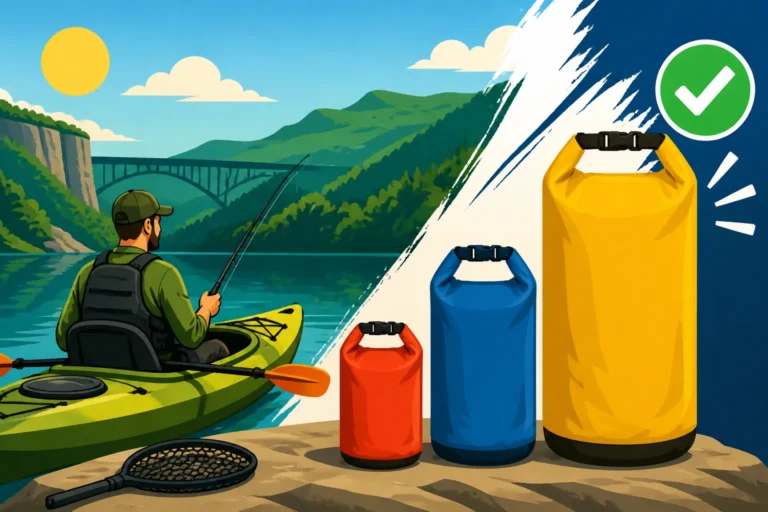
- Dry Bags or Waterproof Boxes: Keep your electronics, snacks, and extra clothing dry. Even if your kayak has dry hatches, an extra layer of protection is always wise.
- Cooler: A small cooler, perhaps designed to fit perfectly in your kayak's tankwell, is essential for keeping drinks, snacks, and any keepers chilled. Many anglers prefer soft-sided coolers that can be easily strapped down. Best Cooler for a Fishing Boat offers great ideas for keeping your catch fresh.
- Rod Leashes: Just like a paddle leash, a rod leash can prevent a valuable rod and reel from going overboard during a spirited fight or an unexpected capsize.
- Fish Finder: For serious lake anglers, a fish finder can transform your success rate. Portable options with small transducers are perfect for kayaks, helping you locate structure, baitfish, and your target species. They are particularly useful for Walleye Fishing in West Virginia or tracking down deep-water bass.
Fishing-Specific Enhancements
These are the items that truly turn your sit-on-top kayak into a formidable fishing machine.
- Additional Rod Holders: Beyond the flush-mounts, adjustable rod holders (like those from RAM Mounts or Scotty) allow you to position rods for trolling or keep them at the ready for quick deployment.
- Tackle Management System: A specialized kayak crate or tackle bag designed to fit securely in your stern tankwell can keep all your lures, tools, and terminal tackle organized and easily accessible. This prevents those frustrating moments of rummaging around when the bite is on. Brands like YakAttack offer fantastic modular systems. You can find excellent options for specific species, such as for Best Tackle for West Virginia Smallmouth Bass or Best Tackle for Panfish.
- Camera Mounts: If you like to document your catches, a camera mount (GoPro or similar) can attach to your gear tracks or other mounting points, capturing all the action hands-free.
- Measuring Board or Scale: For catch-and-release anglers who want to know the size of their trophy, or for those adhering to strict bag limits, a reliable measuring board and/or a digital scale are invaluable tools to keep aboard.
By thoughtfully outfitting your sit-on-top kayak with these accessories, you'll not only be safer and more comfortable but also significantly more effective in your pursuit of West Virginia's magnificent lake fish.
Disclaimer
This article is for general informational purposes only and does not constitute professional advice. Laws, prices and regulations vary by location and change over time. Consult a qualified professional for guidance on your specific situation.