Redbreast Sunfish in West Virginia Rivers
For many anglers exploring the diverse waterways of West Virginia, the focus often gravitates towards popular game fish like smallmouth bass or trout. However, overlooking the spirited redbreast sunfish means missing out on incredible light-tackle action and the joy of connecting with a truly feisty native. This guide is here to shed light on the often-underappreciated redbreast sunfish, helping you identify them, understand their habits, pinpoint their favorite West Virginia river haunts, and master the techniques to bring these colorful little fighters to your net.
Identifying the Redbreast Sunfish
One of the most satisfying parts of fishing, especially for panfish, is learning to correctly identify the various species you encounter. West Virginia's waters are home to several types of sunfish, and while they might seem similar at first glance, the redbreast sunfish has some distinct characteristics that, once you know them, make identification a breeze. Knowing what you’ve caught not only adds to your knowledge but also helps you understand their behavior and habitat better.
Key Physical Characteristics
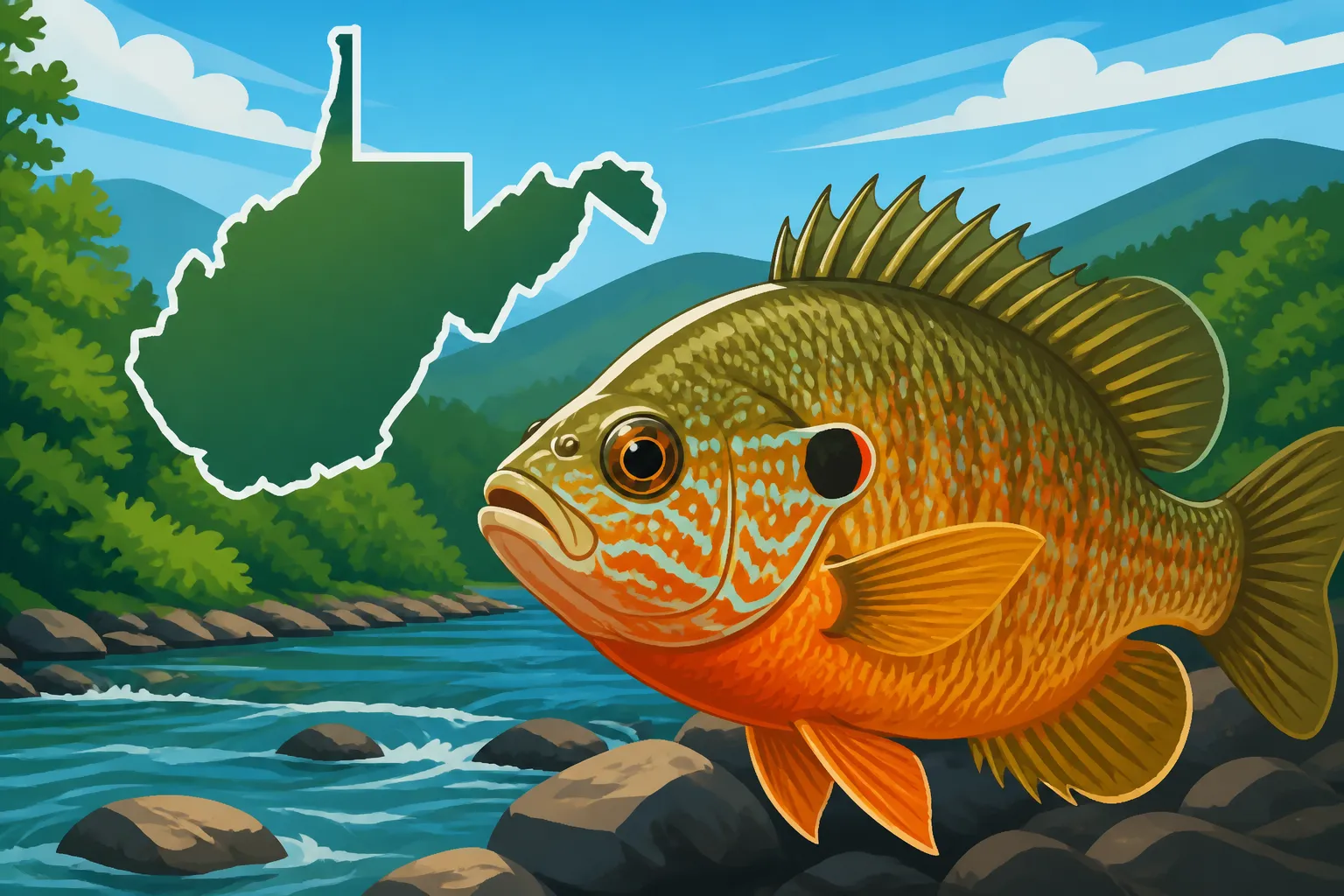
The redbreast sunfish ( Lepomis auritus) truly lives up to its name with its vibrant coloring. The most striking feature, and often the first thing you'll notice, is the prominent, elongated opercular flap. This is the "ear flap" located on the gill cover, and on a redbreast, it's typically long and slender, lacking any kind of colorful fringe or spot that you might see on other sunfish. It's often solid black, extending a good distance past the posterior edge of the gill cover, especially in mature males.
Beyond the "ear," look at the body coloration. As the name suggests, they display a beautiful orange to reddish hue on their belly and breast, which can intensify significantly during spawning season, particularly in males. The sides of the fish are usually olive-brown to bluish-green, often adorned with faint vertical bars or spots. Their dorsal, caudal (tail), and anal fins are usually dusky or olive, sometimes with a faint orange or reddish tint, complementing their vibrant underside. They also tend to have a relatively small mouth compared to some of their more aggressive sunfish cousins, which is a subtle but important detail for anglers planning their bait choices.
Distinguishing Redbreast from Other Sunfish Species
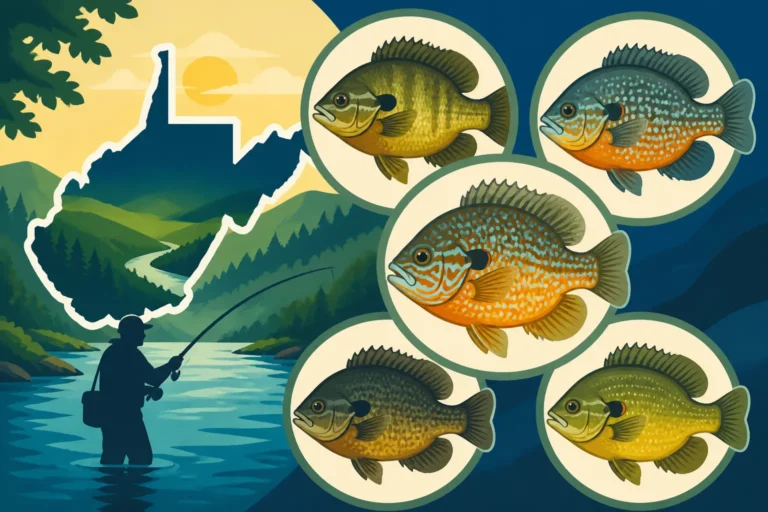
It's easy to confuse a redbreast with a bluegill or even a green sunfish, especially when they're young or in drabber coloration. However, a few key distinctions will help you sort them out quickly. Bluegills, for instance, have a much shorter, broader opercular flap that is entirely black, often with a distinct purplish-blue iridescent sheen on the gill plate itself. Their body tends to be flatter and rounder, and while they can have some orange on their breast, it rarely reaches the same intensity or widespread coverage as a redbreast, and their vertical bars are usually much more pronounced.
Green sunfish, on the other hand, are often identified by their larger mouth, extending back to the pupil of the eye, and a shorter, dark opercular flap usually edged in white or orange. Their body is generally darker, with more prominent iridescent green or blue spots on their sides. The key giveaway for the redbreast is that long, plain black opercular flap and the unmistakable, vibrant red or orange breast. If you're looking for more general panfish identification tips, check out Sunfish Species Identification Guide for West Virginia for a broader overview of the various species you might encounter.
Where to Find Redbreast Sunfish in West Virginia
Knowing what a redbreast sunfish looks like is one thing, but knowing where to actually go to catch them is the real challenge. Unlike some panfish that thrive in almost any still water, redbreast sunfish have some particular preferences that make certain West Virginia rivers their ideal homes. If you head to the right kind of water, your chances of finding these eager biters skyrocket.
Preferred Habitats and River Types
Redbreast sunfish are primarily river-dwelling fish, a characteristic that immediately sets them apart from the typical lake-loving bluegill. They thrive in clear to moderately turbid streams and small to medium-sized rivers with a good current. You'll find them gravitating towards areas with rocky bottoms, gravel, and sand, especially where there's some woody debris, submerged logs, or overhanging vegetation providing cover from predators and current.
Unlike species that prefer silty, slow-moving waters, redbreasts appreciate a bit of flow. They aren't usually found in the fastest rapids, but they’ll hold in the calmer sections adjacent to current, like eddies behind boulders, current breaks caused by fallen trees, or the slower water along riverbanks where the current isn’t too strong. Deeper pools and runs with structure are prime real estate for them, offering both refuge and ambush points for food. Think about those beautiful, clear Appalachian streams where smallmouth bass also thrive – often, the redbreast will be right there with them, just a bit closer to the slower edges.
Notable West Virginia Rivers for Redbreast
West Virginia is blessed with an abundance of rivers that perfectly fit the redbreast sunfish's habitat preferences. While you can find them in many river systems across the state, some stand out as particularly productive. Rivers like the New River, especially its upper and middle sections with their rocky substrates and varied flows, are excellent spots. The Greenbrier River, known for its clear water and scenic beauty, is another prime location where you can find healthy populations of redbreast sunfish mingling with smallmouth bass.
Other rivers such as the Cheat, Elk, and the various branches of the Potomac River system (like the South Branch Potomac River) also offer fantastic redbreast fishing opportunities. When planning your trip, consider areas that have good bank access or are suitable for Best Kayaks for West Virginia Fishing, as covering more water can significantly increase your success. Look for stretches with a mix of riffles, runs, and pools, and focus your efforts around any visible structure in the water.
Seasonal Movements and Concentrations
Like many fish species, the behavior and location of redbreast sunfish can change with the seasons, largely driven by water temperature and spawning cycles. In the spring, as water temperatures begin to rise, redbreasts will become more active and start to move into shallower, protected areas to spawn. This is a fantastic time to target them, as they are often more concentrated and aggressive. Look for them in sandy or gravelly pockets near the banks or around submerged roots and logs in relatively slow-moving water.
During the summer, they remain active, often holding in slightly deeper pools or seeking the shade and cover of overhanging trees and submerged structure to escape the intense sun and find cooler water. As fall approaches and water temperatures cool, they may move into deeper holes, but they will continue to feed actively until the water gets very cold. Unlike some species that become extremely lethargic in winter, redbreasts can still be caught on mild winter days in deeper, slower pools, although their feeding activity will certainly decrease. Understanding Best Time of Year to Fish in West Virginia for various species can further enhance your overall angling experience.
Life Cycle and Habits of Redbreast Sunfish
Understanding the life cycle and daily habits of the redbreast sunfish not only provides fascinating insights into their world but also directly translates into more successful fishing trips. Knowing when and how they reproduce, what they eat, and how fast they grow can help you predict their behavior and select the most effective strategies to catch them.
Spawning Behavior and Nesting
The spawning season for redbreast sunfish typically occurs in late spring to early summer, usually when water temperatures reach a consistent range, often between 68-75 degrees Fahrenheit. This period is marked by a burst of vibrant color in the male fish, with their redbreasts becoming even more intense as they prepare to attract mates. Males will construct nests, much like bluegills, by fanning out shallow depressions in gravel, sand, or firm mud bottoms, usually in shallow water that has a relatively slow current or is somewhat protected from the main flow.
These nests are often found in colonies, sometimes with nests of other sunfish species nearby. A single male will guard his nest aggressively, fanning the eggs to keep them clean and oxygenated and chasing away any perceived threats. Females will lay their eggs in multiple nests, and a male may tend to eggs from several females. The eggs hatch quickly, usually within a few days, and the fry remain in the nest under the male's protection for a short period before dispersing. This makes the spawning season a particularly good time to target them, as they are actively defending their territory and often striking at anything that comes too close.
Diet and Feeding Habits
Redbreast sunfish are opportunistic feeders with a varied diet, which is great news for anglers, as they aren't overly picky. Their primary food sources include aquatic insects like mayfly and caddisfly larvae, small crustaceans, and even terrestrial insects that fall into the water. They are also known to consume small fish, snails, and fish eggs, particularly during spawning season when they might prey on the eggs of other species or even their own.
Because of their relatively small mouths, they tend to favor smaller prey. They are active hunters, often foraging along the bottom, picking insects off submerged vegetation, or rising to the surface to snatch a fly. This versatile feeding habit means they can be caught using a wide range of baits and lures, from natural offerings to artificial flies and small spinners. Their willingness to strike makes them an excellent target for beginners and seasoned anglers alike who appreciate consistent action.
Growth Rates and Lifespan
The growth rate of redbreast sunfish can vary significantly depending on factors such as water quality, food availability, and population density. In ideal conditions with abundant food, they can grow relatively quickly. However, compared to larger game fish, they are generally slow-growing. A typical redbreast sunfish in West Virginia might reach a length of 6-8 inches, with larger individuals occasionally exceeding 10 inches, although fish over 9 inches are considered a good catch.
Their lifespan is generally around 5-7 years, though some individuals in very favorable conditions might live a bit longer. While they don't reach the trophy sizes of some other species, their spirited fight on light tackle more than makes up for their modest dimensions. Learning about their growth helps manage expectations and appreciate the fish you catch, regardless of size.
Fishing for Redbreast Sunfish in West Virginia
Now for the fun part – how do you actually catch these vibrant little fighters in West Virginia's rivers? Fishing for redbreast sunfish doesn't require complex gear or advanced techniques, which is part of their charm. They are incredibly accessible and provide rewarding action for anglers of all skill levels.
Best Tackle and Baits
When it comes to tackle, simplicity and lightness are key for redbreast sunfish. An ultralight spinning rod and reel combo, perhaps a 5-6 foot rod with a fast action, paired with a small spinning reel spooled with 2-4 pound monofilament or fluorocarbon line, is absolutely ideal. This setup allows for maximum feel and makes even a modest 6-inch redbreast feel like a trophy fish. You can find excellent budget-friendly ultralight combos on platforms like Amazon that are perfect for panfish. For those interested in starting out, a Best Rod and Reel Combo for Beginners designed for light tackle will serve you well for redbreasts.
As for bait, redbreasts aren't particularly fussy. Live baits are often irresistible. Small red worms, mealworms, crickets, grasshoppers, or even a tiny piece of nightcrawler fished under a small bobber are deadly. For artificial lures, think small! Tiny inline spinners, micro jigs (1/32 to 1/16 ounce) tipped with a small soft plastic grub, or even a tiny spoon can be incredibly effective. Fly anglers will have a blast with redbreasts, using small poppers, ant patterns, or wet flies that imitate aquatic insects. Make sure your tackle box includes some dedicated panfish offerings; explore Best Tackle for Panfish for specific recommendations.
Effective Techniques and Strategies
Because redbreast sunfish tend to hold near cover and current breaks, your presentation needs to be accurate. If fishing with a bobber, cast slightly upstream of your target area and let the current carry your bait naturally into the zone where you expect fish to be holding. Pay close attention to any subtle dips or twitches of the bobber, as these little guys can be light biters. If you're using lures, a slow, steady retrieve is usually best, especially for inline spinners. For jigs, a slow jigging motion along the bottom or near submerged structure can trigger strikes.
Wading is often one of the most effective ways to fish for redbreast sunfish in rivers, allowing you to quietly approach prime spots and make accurate casts into tight pockets. Look for current seams, eddies behind rocks, submerged logs, and the edges of weed beds. They'll also hold in deeper pools, so don't be afraid to fish your bait or lure deeper, near the bottom. Sometimes, if you catch one, there will be several more nearby, so work the area thoroughly. Understanding these tactics can make your trip much more productive.
Catch and Release vs. Harvest Guidelines
Redbreast sunfish are often caught in good numbers, and because they are delicious table fare, many anglers choose to harvest a few for a meal. West Virginia generally has very liberal regulations for panfish, but it's always critical to consult the West Virginia Fishing Regulations Explained before heading out. Typically, there are no size or creel limits for sunfish, allowing you to keep a reasonable number for personal consumption.
However, even with liberal regulations, practicing selective harvest is a responsible approach. Consider releasing the largest fish to ensure they can continue to spawn and contribute to the population's genetics. Smaller, younger fish are often better for eating anyway, as their flesh tends to be flakier and milder. If you're not planning to eat them, practicing careful catch and release, minimizing handling, and using barbless hooks can help ensure the fish survive to fight another day. It’s always good practice to handle all fish with care, regardless of whether you intend to keep them or not.
The Role of Redbreast Sunfish in the Ecosystem
While often celebrated for their angling appeal, redbreast sunfish play a quiet but vital role in the aquatic ecosystems of West Virginia's rivers. They are more than just a fun fish to catch; they are an integral part of the food web and an indicator of river health.
Food Source for Larger Game Fish
Redbreast sunfish, particularly the smaller and juvenile individuals, serve as a crucial forage base for larger predatory fish in West Virginia's rivers. Species like smallmouth bass, muskie, and even larger trout, where their ranges overlap, readily prey on redbreast sunfish. This makes them a vital link in the food chain, transferring energy from the insects and smaller organisms they consume to the apex predators.
This role as a forage fish can also influence the behavior and location of larger game fish. If you find a healthy population of redbreasts in a particular river section, it's often a good sign that larger game fish might also be in the vicinity, lurking nearby to ambush an unsuspecting sunfish. Understanding these predator-prey relationships is fundamental to becoming a more effective angler for all species. You can often see this dynamic in action when you fish the same water where you target Smallmouth Bass Fishing in West Virginia.
Indicator Species and River Health
The presence of a thriving redbreast sunfish population can also serve as a useful indicator of the overall health of a river system. Redbreasts prefer clear to moderately clear water with good oxygen levels and healthy aquatic insect populations – all characteristics of a relatively clean and stable environment. While they can tolerate some degree of disturbance, a sudden decline in their numbers or a noticeable absence in waters where they should be present could signal underlying environmental issues.
These fish are part of the larger Panfish Fishing in West Virginia group, and generally, healthy panfish populations often indicate a balanced ecosystem. By monitoring their populations and observing their condition, biologists can gain valuable insights into the ecological well-being of West Virginia's treasured waterways. Their role goes far beyond providing a fun tug on the line; they are small but significant guardians of the rivers we love to fish.
| Feature | Redbreast Sunfish | Bluegill | Green Sunfish |
|---|---|---|---|
| Opercular Flap | Long, slender, entirely black (no fringe) | Short, broad, entirely black (no fringe) | Short, thick, often white/orange-edged |
| Breast/Belly Color | Distinct orange to deep red | Yellow to orange, less intense/widespread | Yellow to white |
| Body Shape | More elongated, less disc-like | Very round and compressed (disc-like) | Stockier, less compressed |
| Mouth Size | Relatively small | Small | Large, extends to pupil of eye |
| Preferred Habitat | Flowing rivers, rocky/sandy bottoms, cover | Lakes, ponds, slow-moving rivers, vegetation | Lakes, ponds, slow rivers, tolerant of poor water |
| Common Size | 6-8 inches | 6-10 inches | 4-7 inches |
Disclaimer
This article is for general informational purposes only and does not constitute professional advice. Laws, prices and regulations vary by location and change over time. Consult a qualified professional for guidance on your specific situation.