Brown Trout Habits in West Virginia Streams
Ah, West Virginia brown trout! There's something undeniably captivating about these beautiful, wily fish that calls to so many of us. But if you've spent any time on our streams trying to outsmart them, you know it can be a real head-scratcher. They seem to vanish into thin air, ignore your perfect cast, or spook at the slightest shadow, leaving you wondering if you're even fishing the right water. This guide is all about peeling back the curtain on brown trout habits, helping you understand their world so you can increase your chances of a successful and rewarding day on the water.
The Elusive Nature of West Virginia Brown Trout
Let's be honest, chasing brown trout in West Virginia is often less about filling a creel and more about the thrill of the hunt. These fish have a reputation, and it's well-earned. They are not like some of their trout cousins who might be a bit more forgiving. Brown trout, especially the wild ones, embody a certain wildness and cunning that makes every encounter feel like a personal triumph.
Why Brown Trout Are So Prized by Anglers
There's a special kind of satisfaction that comes from coaxing a West Virginia brown trout to bite. Many anglers, myself included, will tell you that catching a single brown trout feels more rewarding than a dozen of some other species. It's because they are notoriously smart, incredibly spooky, and possess a keen awareness of their surroundings. You can walk a beautiful stretch of river, cast to what looks like perfect holding water, and come up empty, only to realize later that a trophy brown was undoubtedly watching your every move from beneath a log or an undercut bank, deciding you weren't worth the effort. It's frustrating, yes, but it builds character, doesn't it? And it certainly makes you respect the fish even more.
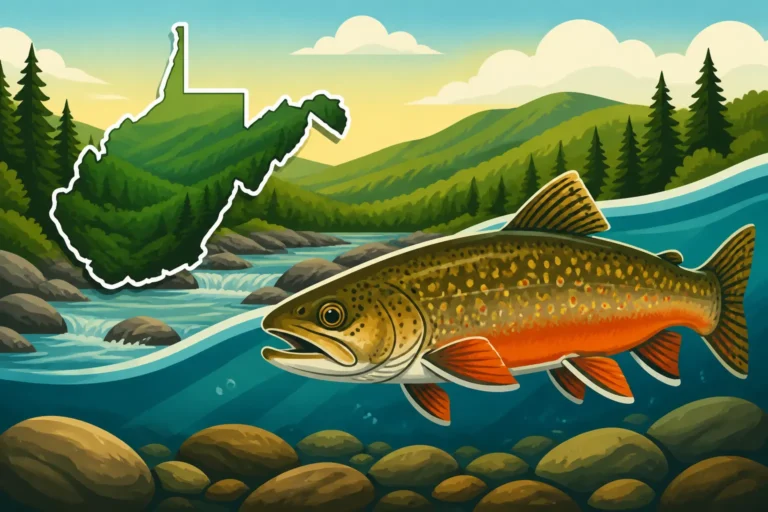
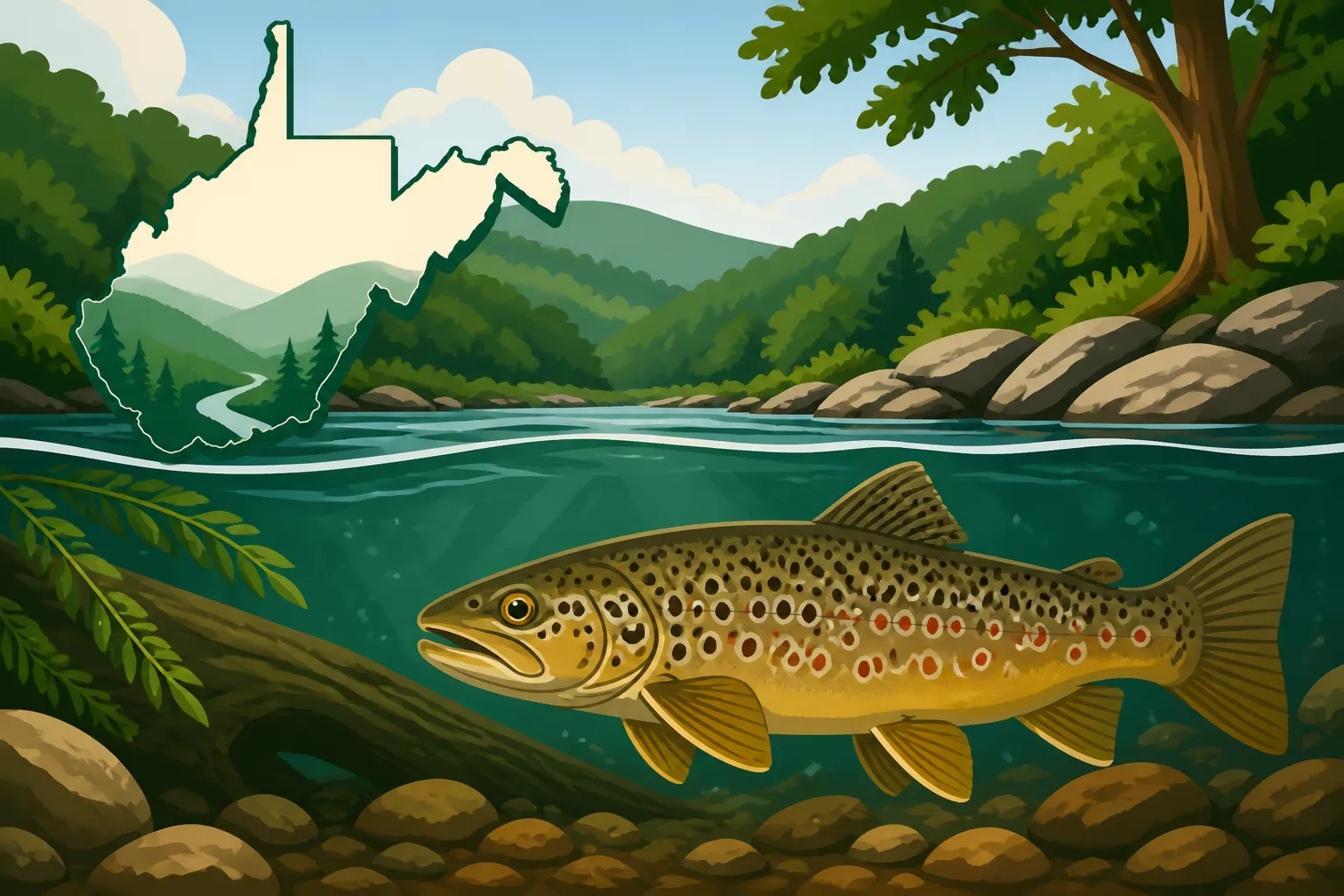
Beyond their cunning, brown trout are just stunning to look at. Their olive-brown backs, often dappled with dark spots surrounded by lighter halos, and the vibrant red spots along their flanks, make them truly a work of art. The colors seem to deepen and glow in the clear mountain streams, especially in the fall when they don their spawning attire. When you finally connect with one, whether it's a feisty 10-inch stream resident or a stout 20-inch behemoth from one of our larger rivers, their powerful runs and headshakes are unforgettable. They fight with a tenacity that belies their size, often diving for cover or thrashing violently, keeping you on your toes until the very last moment. That sheer challenge, combined with their striking beauty and formidable fighting spirit, is precisely why so many of us are utterly captivated by them.
The pursuit of brown trout is a testament to an angler's patience, skill, and ability to "read" the water. It’s not just about throwing a line; it’s about understanding the environment, anticipating their next move, and executing a presentation with precision and stealth. When all those elements come together, and you feel that tell-tale tug on your line, it’s an experience that really can't be replicated. It’s the kind of fishing that constantly teaches you, humbles you, and ultimately, pushes you to become a better angler. And honestly, that's what keeps us coming back for more, time and time again, to our beloved West Virginia streams.
Wild vs. Stocked Browns and Their Behavioral Differences
It's important to understand that not all brown trout in West Virginia streams are created equal, at least not in terms of their initial behavior. We have both wild, naturally reproducing populations and extensive stocking programs. The key difference lies in their upbringing, which profoundly impacts their survival instincts and how they interact with their environment and, of course, with us anglers.
Stocked brown trout, fresh from the hatchery, often exhibit a certain naivete. They've been raised in a relatively safe, food-rich environment, so they haven't had to develop the same wariness or predatory skills as their wild counterparts. When they're first introduced to a stream, they might be more concentrated in certain areas, less prone to spooking, and sometimes, more willing to strike at a wider variety of baits and lures. This isn't to say they're easy, but they tend to be a bit more predictable for a short period after stocking. However, given time, these stocked fish can "naturalize." They learn to find cover, avoid predators (including us), and adapt to a wild diet. These "holdover" fish, as they're often called, can become just as challenging and rewarding to catch as any wild brown.
Wild brown trout, on the other hand, are the epitome of stream-born survival. From the moment they hatch, they're navigating swift currents, evading kingfishers and otters, and competing for prime feeding lies. This constant struggle hones their instincts, making them incredibly aware of their surroundings. They know every rock, every undercut bank, and every subtle current seam in their territory. They're masters of camouflage and ambush, rarely exposing themselves unnecessarily. Their deep connection to their environment means they understand the nuances of water flow, how to use it to their advantage for feeding, and where to find maximum protection. Approaching a pool holding wild browns requires extreme stealth, delicate presentations, and often, a more nuanced understanding of insect hatches or baitfish movements. The reward, however, of landing one of these truly wild fish is unparalleled. You can learn more about how our state manages these populations in articles like West Virginia Fishing Regulations Explained and West Virginia Trout Stocking Hotline and Schedule.
Where Brown Trout Hide: Understanding Their Preferred Habitat
If you want to catch brown trout, you first need to think like a brown trout. And thinking like a brown trout means knowing where they live, eat, and feel safe. They are incredibly structure-oriented, always looking for a place to conserve energy, hide from predators, and ambush their next meal. Our West Virginia streams offer a multitude of such prime real estate, you just need to know how to spot it.
Key Structural Elements They Seek
When you're walking along a West Virginia trout stream, don't just look at the open water; focus on the edges and the features that break up the current. Brown trout absolutely love current breaks. These are spots where the force of the water is diminished, allowing them to hold in place without expending too much energy, while still having food swept to them by the faster flow. Think about the downstream side of a large boulder, a subtle eddy behind a fallen log, or the slower water along the inside bend of a river. These are not just convenient resting spots; they are strategic ambush points where a brown trout can wait patiently before darting out to snatch a passing nymph or minnow. Logjams, in particular, are brown trout magnets. The complex network of submerged branches and trunks provides an incredible amount of overhead cover and hiding places, making them feel secure from aerial predators and giving them numerous lanes to attack prey.
Undercut banks are another classic brown trout haunt, and they are incredibly common in many of our state's older, more established streams. These are banks where the current has eroded the soil beneath the surface, creating a literal cave under the bank. A brown trout can lie deep within this dark, protected space, completely out of sight from above, yet still able to peek out and grab food as it drifts by. They offer both shade and security, making them ideal thermal refuges during warmer months. Large boulders, whether solitary or in scattered groupings, also create excellent holding lies. The larger the boulder, the more significant the current break it creates, and often, the deeper the scour hole downstream, providing even more cover. Looking for these distinct features, and understanding how they interact with the flow of water, is fundamental to locating these elusive fish.
Beyond these individual structures, brown trout will often congregate in deeper pools, especially those with dark, broken bottoms or areas where multiple currents converge. These confluence points are natural funnels for food and offer a variety of current speeds and depths. Dark pockets of water, often associated with deep pools or heavy shade, also appeal to browns who prefer low light conditions, particularly the larger, more cautious individuals. Overhanging vegetation, such as rhododendron thickets or willow branches, casts crucial shade and offers additional concealment from above. These areas are especially productive during sunny days or when water temperatures begin to climb, providing a cooler, more comfortable sanctuary for the trout. A skilled angler, equipped with the right gear like good polarized sunglasses often available on Amazon, can sometimes spot these subtle hiding spots and make precise casts that result in a hook-up.
The Importance of Water Temperature and Oxygen
Brown trout are, first and foremost, coldwater fish. Their very existence in our streams is dictated by the availability of cool, oxygenated water. While they are more tolerant of warmer temperatures than some of their trout cousins, like brook trout, they still thrive within a relatively narrow range. Generally, brown trout prefer water temperatures between 50 and 65 degrees Fahrenheit. Once the water starts climbing above that, especially pushing into the low 70s, they become stressed, lethargic, and their feeding activity significantly diminishes. This means that during the peak of summer, you'll find them concentrated in specific thermal refuges: deep pools, areas with cold spring inflows, or shaded stretches where the sun's rays don't penetrate as much. Understanding these temperature preferences is absolutely crucial for finding them throughout the year.
Closely linked to water temperature is oxygen content. Colder water naturally holds more dissolved oxygen, which is vital for trout respiration. As water temperatures rise, oxygen levels decrease, further stressing the fish. This is why you'll often find brown trout congregating in riffles and runs even during warmer periods, as the churning water in these sections helps to aerate it, boosting oxygen levels. During summer low-flow conditions, finding areas with strong current or cold springs becomes even more critical. Conversely, in the dead of winter, when water temperatures are at their coldest and oxygen is abundant, they might retreat to slower, deeper pools where they can conserve energy and avoid the harshest currents. Recognizing these dynamics of temperature and oxygen is like having an X-ray vision into the stream, helping you pinpoint exactly where these intelligent fish are seeking comfort and sustenance.
The impact of seasonal changes on temperature and oxygen levels is perhaps the most significant factor in understanding brown trout distribution. In early spring, as snowmelt feeds the streams, temperatures are cool and stable, and fish can be found in a wider variety of habitats. As summer progresses, the thermal stratification becomes more pronounced, forcing fish to seek out those critical coldwater refuges. Then, in the fall, as air temperatures drop and stream flows increase, the water cools, and oxygen levels rebound, allowing brown trout to become more active and aggressive, moving into shallower feeding lies as they prepare for spawning. Understanding these seasonal shifts, which we delve into more in our guide on Best Time of Year to Fish in West Virginia, will dramatically improve your ability to locate and catch brown trout in West Virginia streams.
What's on the Menu: Brown Trout Feeding Habits
Brown trout are incredibly opportunistic eaters, which is one of the reasons they can thrive in such diverse environments across West Virginia. They aren't picky, but they are incredibly efficient, adapting their diet to whatever is most abundant and easiest to catch at any given time. Understanding their preferred cuisine is key to presenting the right offering at the right moment.
Diverse Diet of Invertebrates and Baitfish
At their core, brown trout are insectivores. Their diet is heavily reliant on aquatic insects through all stages of their life cycle – nymphs, larvae, pupae, and adult stages. This includes a vast array of species like caddisflies, mayflies, stoneflies, midges, and various aquatic worms. When these insects are hatching, brown trout will often key in on them almost exclusively, ignoring other food sources in favor of the easy meal. Terrestrial insects also play a huge role, especially during the warmer months. Grasshoppers, crickets, beetles, ants, and inchworms that fall from overhanging vegetation into the water become readily available snacks. A well-presented dry fly mimicking these insects can be absolutely deadly.
As brown trout grow larger, their diet often shifts to include more substantial protein sources, and this is where baitfish come into play. Smaller minnows like dace, sculpins, chubs, and even juvenile trout become prime targets for bigger browns looking to pack on weight. These fish are predatory, and a large brown trout will not hesitate to ambush a unsuspecting minnow. If you're targeting those truly trophy-sized browns, especially in our larger rivers, imitating these baitfish with streamers or small crankbaits can be highly effective. The key is to match the size and color of the prevalent baitfish in the specific water you are fishing.
Beyond insects and baitfish, crayfish and other crustaceans are another significant food source for brown trout in many West Virginia streams. Crayfish, with their high protein content, are like candy to larger browns. They'll often root around rocks and under cover to find them. Salamanders, frogs, and even small rodents that accidentally fall into the water are also fair game for opportunistic brown trout, particularly the truly large ones that have developed a taste for bigger meals. Having a range of flies or lures that imitate these various food sources is essential, and many anglers stock up on these versatile options on Amazon, ensuring they have something for every situation. You'll find a deeper dive into specific insect patterns in our guide on Fly Patterns for West Virginia Trout Streams.
Seasonal Foraging Patterns and Opportunism
Brown trout feeding habits are not static; they evolve with the seasons, largely dictated by water temperature, available food sources, and their own biological needs. In spring, after the lean months of winter, they are often ravenous, taking advantage of emerging insect hatches and increased water flows that dislodge food. As summer arrives, insect hatches might become less consistent, but terrestrial insects falling into the water, particularly during windy days, become a significant food source. During this time, they'll often hold in deeper, cooler water during the day, becoming more active feeders in the low light of dawn, dusk, or even throughout the night.
The fall is a particularly exciting time for brown trout anglers because the fish enter a pre-spawn feeding frenzy. Their metabolism is high, and they're looking to build up reserves for the arduous spawning process. This is when they become incredibly aggressive, often targeting larger baitfish or streamers, and aren't shy about chasing down a meal. This "strike zone" behavior, where they'll dart out from cover to grab something substantial, makes them incredibly fun to target. Understanding their aggression during this period is key to successful autumn fishing. You might find that larger, more aggressive fly patterns and lures work wonders.
Perhaps the most fascinating aspect of brown trout foraging, especially for the truly large specimens, is their nocturnal feeding habits. Many of the biggest brown trout in West Virginia streams are primarily nocturnal predators. Under the cloak of darkness, they feel safer to venture out of their deep hides and hunt for bigger meals like sculpins, large crayfish, or even small rodents. This is when they become less wary and more aggressive, making night fishing a thrilling, albeit challenging, endeavor for trophy hunters. Tactics that emphasize larger, darker flies or lures fished slowly along the bottom can be incredibly effective during these hours. If you're keen to try mimicking those larger prey items, our guide on Best Streamer Patterns for West Virginia Brown Trout offers some excellent advice.
Brown Trout Behavior Through the Seasons
The changing seasons in West Virginia bring dramatic shifts in stream conditions, and with those shifts come distinct changes in brown trout behavior. Adapting your strategy to these seasonal patterns is not just helpful; it's absolutely essential for consistent success. Each season presents unique challenges and opportunities when pursuing these magnificent fish.
Spring: Spawning Recovery and Voracious Feeding
As winter's grip loosens and the first signs of spring emerge, West Virginia's brown trout begin to recover from their fall spawning activities. This post-spawn period sees them relatively thin and hungry, looking to replenish their energy reserves. Water temperatures are typically cool and stable, often triggering the first significant aquatic insect hatches of the year, such as early caddis and stoneflies. This makes spring an excellent time to find browns actively feeding. They'll often be found in a wider range of habitats, from riffles to the heads of pools, willing to move for a meal.
As the water continues to warm, these fish become more active, and their metabolism picks up. You'll want to target areas where these emerging insects are concentrated, often in slower eddies downstream from riffles or along current seams where food is funneled. The fish are often less wary during this time compared to summer, but still require a thoughtful approach. Keep an eye on water levels, as spring can bring rain and snowmelt, causing higher, often murkier flows.
During periods of higher water, brown trout will often move closer to the banks, seeking refuge from the strong main current in slower eddies and backwaters. These areas can be surprisingly productive, as the higher water also dislodges terrestrial insects and other food items from the banks, washing them directly into these holding lies. Don't be afraid to probe these margins with your presentations. It's a time of renewed activity and often one of the best windows for consistent brown trout action before the summer doldrums set in. For a deeper dive into techniques for this productive season, check out our article on Spring Trout Fishing Techniques for West Virginia Streams.
Summer: Seeking Cool, Oxygenated Refuges
Summer in West Virginia can be a challenging time for trout anglers, as rising water temperatures put significant stress on brown trout. As streams warm, brown trout become much more lethargic and seek out crucial thermal refuges. This means they'll be concentrated in the deepest pools, under significant overhead cover like logjams and undercut banks, or near cold spring inflows that provide a constant source of cool, oxygenated water. Finding these specific holding areas is paramount, as the rest of the stream might be devoid of active fish. They will conserve energy, and often won't move far to feed.
During the warmest parts of the day, their feeding activity dramatically decreases. However, their predatory instincts kick in during low light conditions. Nocturnal feeding becomes a much more prominent behavior for larger browns, who feel safer venturing out when the sun is down. Also, don't overlook those evening terrestrial insect falls – grasshoppers, beetles, and cicadas dropping onto the water's surface can trigger aggressive strikes. Fishing at dawn, dusk, or even after dark can be incredibly productive for summer browns, especially for targeting trophy fish that are rarely seen during daylight hours.
Compounding the warm water challenge, summer often brings lower, clearer water conditions. This makes brown trout incredibly spooky. Every shadow, every misplaced step, and every splashy cast can send them darting for cover. Extreme stealth is required. This means long, light leaders, delicate presentations, and approaching your target from downstream whenever possible. Think quiet wading, subtle casts, and minimal disturbance. This is also a time when good polarized sunglasses are invaluable, allowing you to spot fish or subtle structure without spooking them. We cover similar careful tactics in Best Techniques for Low Clear Water Conditions which are highly applicable here.
Fall: Pre-Spawn Aggression and Spawning Rituals
For many brown trout enthusiasts in West Virginia, fall is the undisputed prime time. As stream temperatures begin to cool and daylight hours shorten, brown trout enter a period of intense activity driven by their upcoming spawning season. Their vibrant fall colors deepen, and they become incredibly aggressive, often throwing caution to the wind as they gorge themselves to build up energy reserves for reproduction. This pre-spawn aggression means they are willing to chase larger, more substantial meals, making them susceptible to streamers, large nymphs, and even bigger lures that imitate baitfish or crayfish.
As the season progresses into late fall, the focus shifts to their spawning rituals. Brown trout are redd-builders, meaning the females will create depressions in gravel beds to deposit their eggs, which the males then fertilize. These redds are typically found in shallower, well-oxygenated gravel runs, often at the tails of pools or in riffle sections. Observing this natural process can be fascinating, but it's crucial to practice ethical angling during this sensitive time. While the fish are aggressive, targeting spawning fish directly on redds can disrupt their reproductive cycle and harm future populations.
Instead, focus your efforts on the actively feeding fish in pools and runs adjacent to known spawning areas. Look for larger browns that might be waiting downstream of redds, picking off dislodged eggs or smaller fish. The fall bite can be truly spectacular, offering opportunities for some of the biggest and most beautiful browns of the year. It's a time of abundant food, comfortable water temperatures, and highly active fish. If you're looking for prime locations during this season, our guide to Best Fall Fishing Spots in West Virginia can point you in the right direction.
Winter: Slow Metabolism and Deep Water Holds
Winter fishing for brown trout in West Virginia streams presents its own unique set of challenges and rewards. As water temperatures drop into the 30s and low 40s, brown trout become far less active. Their metabolism slows significantly, and they prioritize energy conservation. This means they won't be found darting around in fast currents; instead, they will seek out the deepest, slowest pools in the stream. These deep-water holds provide stability in terms of temperature and current, allowing them to expend minimal energy while waiting for an easy meal to drift by.
During this season, patience becomes your most valuable asset. Fish are not going to aggressively chase down presentations. Instead, you need to offer small, subtle baits or flies presented directly into their holding lies. Think about tiny nymphs, midges, or small sculpin patterns drifted slowly along the bottom. The takes can be incredibly subtle, sometimes just a slight hesitation in your line, requiring keen attention to detect. Fishing with sensitive rods and lighter lines is often beneficial. Anglers might find a good selection of specialized winter tackle, including appropriate lines and small fly boxes, on Amazon to help with these delicate presentations.
While stream fishing in winter is all about subtle tactics, ice fishing for brown trout is also an option in some of West Virginia's impoundments and larger lakes when conditions allow. However, in streams, it’s primarily a game of targeting those deep, slow pools and presenting your offering as naturally and minimally as possible. The rewards can be substantial, as winter often holds some of the largest brown trout that are less pressured by fair-weather anglers. It's a peaceful time on the water, and connecting with a strong winter brown is a truly memorable experience. For those interested in hardwater pursuits, our Ice Fishing in West Virginia guide offers great starting points, though stream techniques differ.
Adapting Your Approach: Fishing Tactics Based on Brown Trout Habits
Knowing where brown trout live and what they eat is only half the battle. The other, arguably more crucial, half is knowing how to present your offering in a way that tempts these wary fish. Whether you're a fly angler or prefer spin fishing, understanding the nuances of presentation is what truly unlocks success.
Matching the Hatch and Understanding Subsurface Food
For the fly angler, "matching the hatch" is a mantra, and for good reason. When a specific insect species is emerging en masse, brown trout will often key in on that particular food source, becoming incredibly selective. Observing the water for rising fish and emerging insects is crucial. Look for shucks along the banks, specific patterns on the water's surface, or even collect a few specimens to identify. If fish are consistently rising, a well-matched dry fly presented with a delicate cast directly to a feeding lane can be irresistible.
However, it's vital to remember that the vast majority of a brown trout's diet comes from subsurface food. Nymphs, larvae, and pupae are available year-round, and trout are constantly feeding on them near the bottom or in the water column. This makes nymphing and streamer fishing incredibly effective methods, often more consistent than dry fly fishing, especially when no visible hatch is occurring. Euro nymphing, for example, allows for precise depth control and highly sensitive strike detection, making it a favorite technique for many serious brown trout anglers in West Virginia. Our detailed guide on Euro Nymphing West Virginia Trout Streams can help you get started with this highly effective method.
The key to subsurface presentations, whether with nymphs or streamers, is reading current seams and presenting your flies naturally. Trout position themselves in current breaks to conserve energy, waiting for food to be swept to them. Your fly needs to drift into their strike zone as if it's naturally dislodged food. This often means casting upstream and allowing the current to carry your offering downstream, controlling your line to prevent drag. Knowing when to use weighted nymphs to get deep quickly, or when to strip a streamer aggressively to imitate a fleeing baitfish, comes with practice and an understanding of how brown trout feed in different conditions. Anglers looking to expand their streamer game can find excellent patterns and techniques in Best Streamer Patterns for West Virginia Brown Trout.
Stealth, Presentation, and Water Reading for Spin Fishermen
Spin fishing for brown trout requires just as much, if not more, stealth and precision as fly fishing. There's a common misconception that spin fishing is less nuanced, but when it comes to wary brown trout, your approach needs to be incredibly refined. Always approach your target water from downstream, keeping a low profile and avoiding sudden movements that can cast a shadow or create vibrations that will immediately spook the fish. Quiet wading is essential, especially in low, clear water conditions.
When it comes to lures, smaller is often better for brown trout, especially in clear mountain streams. Small inline spinners (like Panther Martins or Mepps), tiny crankbaits, and finesse jigs mimicking baitfish or crayfish are highly effective. For example, if you're looking for a new set of small spinners, a quick search on Amazon will show you countless options. The retrieve is critical; it needs to be natural and enticing. Many anglers find success by casting slightly upstream and across, letting the lure swing naturally with the current, retrieving just fast enough to impart action without making it look unnatural. Experiment with different retrieve speeds and pauses to find what triggers a strike on any given day.
Reading the water is just as crucial for spin fishermen as it is for fly anglers. Cast to the visible and suspected cover – undercut banks, logjams, the downstream side of large boulders, and the deeper pockets of pools. Don't just cast blindly. Try to visualize where a brown trout might be holding and aim your cast to place the lure in their "strike zone." Often, the first cast into a promising spot is your best chance, so make it count. Focus on accuracy and a soft landing of your lure. Understanding how fish react to different conditions, like those discussed in Best Techniques for High Water Conditions, will help you adapt your retrieve and lure choice to maximize your chances. Having a versatile tackle box, readily stocked with various small lures and weights (many of which are available on Amazon), ensures you're prepared for whatever the stream throws at you.
Conservation and Respecting the Resource
As anglers who cherish West Virginia's beautiful streams and the brown trout that inhabit them, we have a responsibility to be good stewards of this precious resource. Catching a brown trout is a privilege, and ensuring healthy populations for future generations requires conscious effort and adherence to best practices.
Catch and Release Best Practices
For many brown trout anglers, especially those targeting larger or wild fish, catch and release is not just a suggestion; it's a deeply held principle. When you decide to release a fish, the goal is to maximize its chances of survival. The first and most critical rule is to minimize air exposure. A fish out of water cannot breathe, and prolonged exposure, especially on warm or windy days, can cause irreversible gill damage and stress. Try to unhook the fish while it's still in the water, or if you must lift it, do so quickly and gently.
Always wet your hands before handling a fish. Dry hands can remove the fish's protective slime coat, making it vulnerable to disease and infection. Use barbless hooks, or crimp down the barbs on your barbed hooks. This makes hook removal much quicker and causes less damage to the fish's mouth. A good quality, knotless rubber landing net is also invaluable. It cradles the fish gently, protects its fins and slime coat, and allows you to keep it submerged while you prepare for release. Many anglers find specific catch-and-release friendly nets conveniently available for purchase on Amazon.
Finally, understand when a fish is too stressed to be released safely. If a fish is bleeding heavily from the gills or deeply hooked, or if it has fought to exhaustion in warm water, its chances of survival are unfortunately low. In such cases, it might be more humane to keep the fish if regulations allow. Otherwise, hold the fish gently in the current, facing upstream, until it regains its strength and can swim away on its own. Never vigorously pump a fish or toss it back into the water. These practices, outlined in more detail in West Virginia Catch and Release Rules for Trout, are essential for preserving our trout populations.
Supporting Wild Trout Populations
West Virginia is home to some truly special wild brown trout fisheries, often found in remote, pristine mountain streams. These wild populations are a testament to the health of our ecosystems and represent a unique genetic resource. Recognizing their unique value means appreciating them not just as fish to catch, but as vital indicators of environmental quality. Unlike stocked fish, wild trout are entirely self-sustaining, and their continued existence relies heavily on clean water, healthy habitat, and responsible angling.
Supporting wild trout populations often means adhering to special regulations that are in place to protect them. Many wild trout waters in West Virginia are designated as catch-and-release only, or have artificial lures/flies only restrictions. These rules are designed to minimize mortality and ensure that these fragile populations can continue to thrive and reproduce naturally. Familiarize yourself with the regulations for any stream you plan to fish, especially if it's known for its wild trout. Our guide on Reading the West Virginia Fishing Regulations Summary is an excellent resource for this.
Beyond following regulations, anglers can contribute to habitat conservation efforts. Simple acts like picking up litter, reporting pollution, and being mindful of stream bank erosion can make a difference. Supporting organizations that work to protect and restore coldwater fisheries is also a powerful way to ensure that these incredible wild brown trout continue to grace our West Virginia streams for generations to come. The future of these wild, elusive fish truly depends on our collective respect and stewardship.
Brown Trout Seasonal Behavior and Angling Considerations
| Season | Water Temperature Range (Approx.) | Key Behavior | Optimal Fishing Conditions | Angling Considerations |
|---|---|---|---|---|
| Spring | 45-55°F | Post-spawn recovery, active feeding, insect hatches | Rising water levels, emerging insects | Target current seams, eddies; use nymphs, dries |
| Summer | 60-70°F+ | Seeking thermal refuges, reduced daytime activity, nocturnal feeding | Early morning, late evening, shaded areas, deep pools | Stealth, light leaders, small flies/lures, night fishing |
| Fall | 45-60°F | Pre-spawn aggression, heavy feeding, spawning rituals | Cooling water, stable flows, sunny days | Aggressive retrieves, larger streamers/lures; avoid redds |
| Winter | 35-45°F | Slow metabolism, deep water holds, minimal movement | Stable cold temperatures, low clear water | Subtle presentations, small nymphs/midges, patience, depth |
Disclaimer
This article is for general informational purposes only and does not constitute professional advice. Laws, prices and regulations vary by location and change over time. Consult a qualified professional for guidance on your specific situation.