Trolling Techniques for West Virginia Lake Walleye
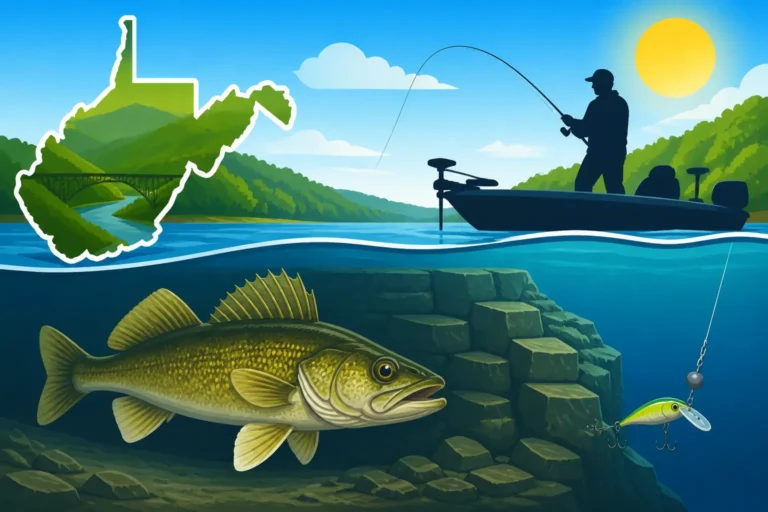
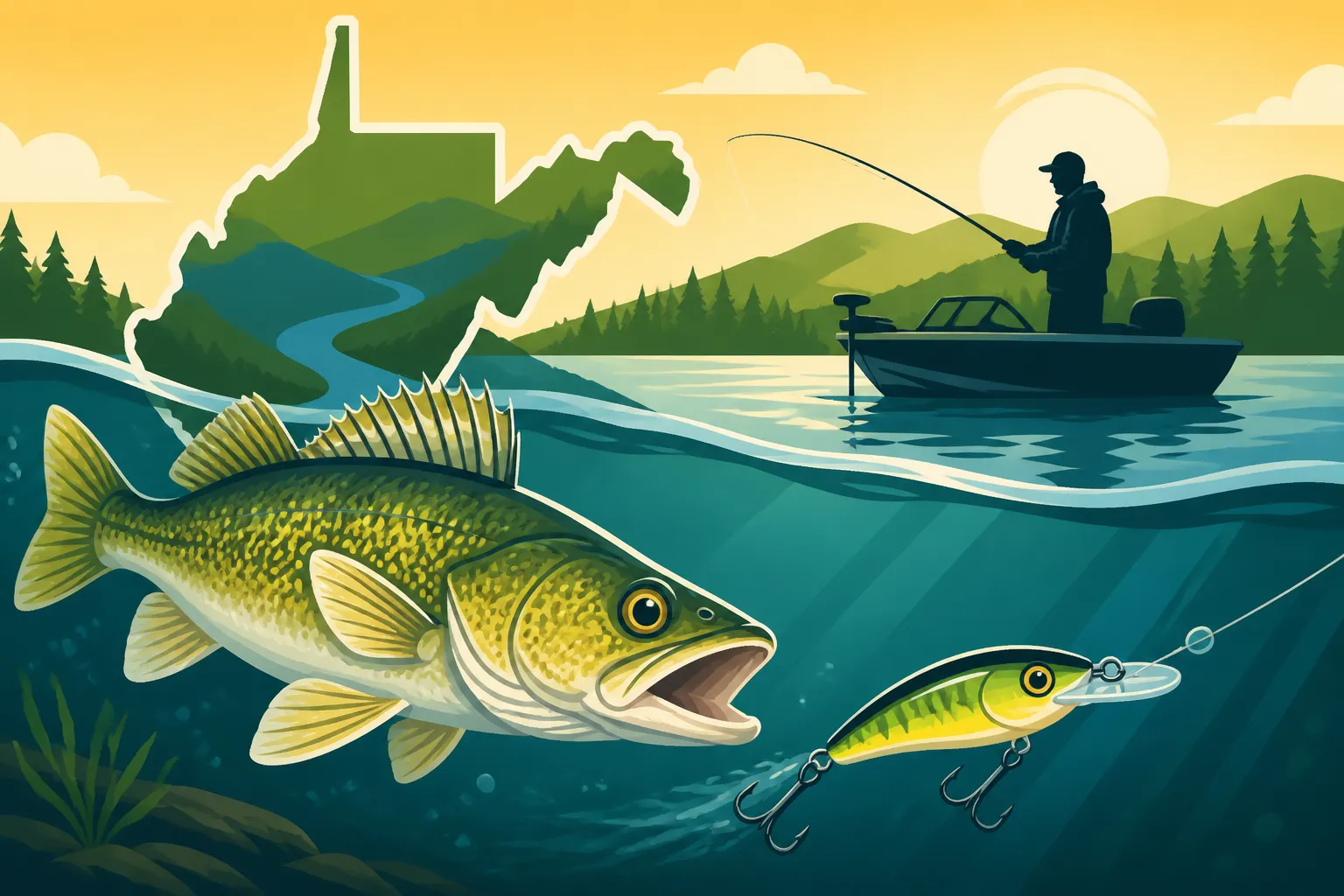
There's nothing quite as frustrating as heading out onto one of West Virginia's beautiful lakes, convinced you're going to land some delicious walleye, only to come back with an empty livewell. Trolling, while incredibly effective, can feel intimidating with all the talk of crankbaits, planer boards, and downriggers. This guide is here to demystify the art of trolling for walleye in West Virginia, helping you understand their behavior, master the techniques, and ultimately fill your cooler with those coveted golden-finned fish.
Understanding West Virginia Walleye Behavior and Habitat for Trolling
Before you even think about dropping a line, it's crucial to understand the elusive walleye. These fish are creatures of habit, heavily influenced by water temperature, light conditions, and the availability of their favorite meals. Knowing where they should be at any given time is the first step to successful trolling.
Seasonal Movements and Depths
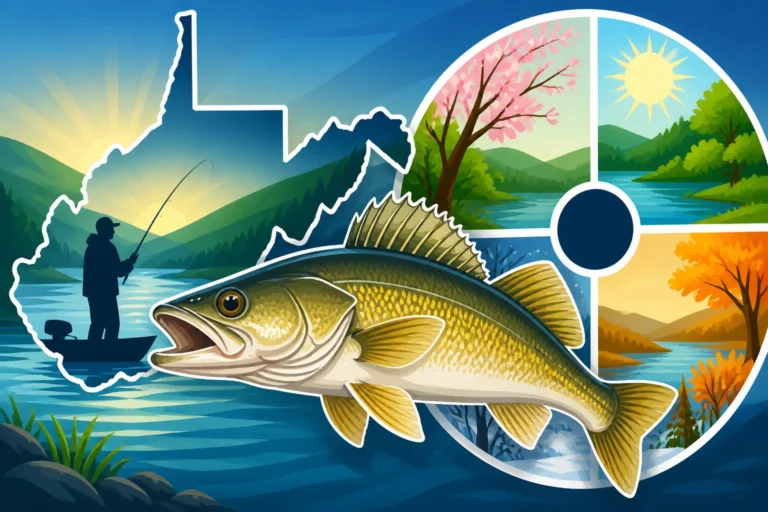
Walleye are highly migratory within lakes, moving from shallow to deep and back again with the changing seasons. Their depth preference is largely driven by water temperature and light penetration, as they have excellent low-light vision and prefer to avoid bright sunlight.
In spring, after the ice melts, walleye head to rocky shoals, points, and river mouths for spawning when water temperatures hit the mid-40s to low 50s Fahrenheit. This is when they're relatively shallow, often in 5 to 15 feet of water, making them accessible to shallow-diving crankbaits or even jigging. Post-spawn, they might move slightly deeper to recover but will remain relatively shallow, often chasing baitfish that are also moving into warmer waters.
As summer progresses and surface water warms significantly, walleye seek cooler, oxygen-rich water. This usually means dropping down to the thermocline – that invisible layer where warm surface water meets cooler deep water. They'll often be found near deep structure like humps, submerged islands, drop-offs, and main lake points in depths ranging from 20 to 40 feet, or even deeper in some of our larger reservoirs. This is prime time for deep-diving crankbaits, lead core, and downriggers. During the low-light hours of dawn, dusk, or overcast days, they might push shallower, offering opportunities for faster retrieves with medium-diving lures.
Fall sees walleye becoming very active again as water temperatures cool. They'll begin to move shallower, aggressively feeding to build up fat reserves for winter. Look for them on prominent points, along weed edges that are starting to die back, and near major baitfish schools. Depths can vary widely, from 10 to 30 feet, depending on baitfish location and lake specifics. This transition period often offers some of the best trolling action as walleye are less lethargic and more willing to chase.
Winter, especially through the ice or in open-water periods, walleye will often congregate in deep holes, along the edges of sharp drop-offs, or near subtle changes in bottom contour. Trolling is less common in severe winter, but if you have open water, targeting these deep areas with slow presentations is key. They'll be much less active, requiring slower speeds and more subtle lure actions.
Key Forage and How It Influences Trolling
Walleye are opportunistic predators, but they definitely have preferences. In many West Virginia lakes, their diet primarily consists of smaller baitfish like gizzard shad, alewives, yellow perch, and various minnows. Understanding what they're eating is paramount to choosing the right lures.
If your chosen lake, like the popular Summersville Lake Walleye Fishing destination, is known for a strong gizzard shad population, then you'll want to select crankbaits that mimic the size, shape, and flash of a shad. This often means lures with a silver, white, or subtle blue-back pattern. When walleye are gorging on schools of smaller baitfish, a tighter wobble and quicker retrieve can be more effective.
Conversely, if perch are the primary forage, a lure with a more yellow or green hue, and perhaps a slightly fatter profile, might be the ticket. The natural colors of these baitfish are often imitated in popular lure choices found on platforms like Amazon. Varying your lure selection to "match the hatch" is a technique borrowed from fly fishing but holds true for walleye trolling as well. Don't be afraid to experiment with different sizes and actions until you find what the walleye are keying in on that day.
Best Lakes for Trolling Walleye in West Virginia
West Virginia might be known for its stunning rivers, but we have some fantastic lakes that offer prime walleye trolling opportunities. When you're looking for where to cast your line, these spots often come up in conversation among seasoned anglers.
Tygart Lake, near Grafton, is one of the most consistent walleye producers in the state. Its deep, clear waters provide excellent habitat, and it's regularly stocked. Anglers often find success here by targeting deep humps and long points, especially during the summer and fall months. Understanding Tygart Lake Walleye Fishing Spots can significantly increase your chances.
Summersville Lake, a truly magnificent body of water in Nicholas County, also boasts a healthy walleye population. Its sheer cliffs and deep channels require a keen understanding of depth control. Trolling the main lake basin and around its numerous islands can be highly productive, particularly for larger fish.
Stonewall Jackson Lake, located near Weston, is another excellent choice. It's known for its standing timber and submerged structure, which provide perfect ambush points for walleye. Trolling here demands careful navigation to avoid snags, but the rewards can be substantial. For those who want a comprehensive overview of this fishery, reading a guide on Stonewall Jackson Lake Fishing is recommended.
Finally, Cheat Lake, near Morgantown, while popular for many species, also holds a good number of walleye. Its more developed shoreline and varied depths offer diverse trolling scenarios. Focus on the deeper sections and where the Cheat River flows into the lake. These lakes are consistently listed among the Best Fishing Lakes in West Virginia for walleye.
Essential Gear for Successful Walleye Trolling
Trolling isn't just about throwing a lure out the back of the boat; it's a systematic approach that requires specific tools to achieve consistent success. Having the right rods, reels, line, and electronics can make all the difference, especially when you're trying to present a lure accurately at a specific depth.
Rods, Reels, and Line Selection
The foundation of any trolling setup starts with your rod and reel. For walleye, you're generally looking for something that can handle the constant pull of a trolling lure, provide enough backbone to fight a decent fish, and be sensitive enough to detect subtle bites or snag.
A medium-light to medium power rod with a moderate action is often ideal. This action allows the rod to absorb the shock of a strike without tearing the hooks out of the walleye's mouth, which can be delicate. A longer rod, typically 7 to 9 feet, helps spread lines out, keeps lures running truer, and provides a better cushioning effect. Rod holders are essential here, as you'll likely be running multiple lines.
For reels, line counter reels are a game-changer for trolling. They allow you to precisely measure how much line you have out, which directly correlates to your lure's depth. This is absolutely critical for replicating successful patterns once you find them. You can find excellent line counter reels from brands like Daiwa and Okuma on Amazon, which offer reliable performance for their price point. Without a line counter, you're essentially guessing your depth, and guesswork doesn't catch walleye consistently.
When it comes to line selection, you have a few good options, each with its pros and cons:
- Monofilament: This is a good all-around choice. It has stretch, which acts as a shock absorber, helping prevent fish from tearing off. However, its stretch can make bite detection a bit more subtle, and it has more diameter for its strength, which can affect lure diving depth.
- Fluorocarbon: Known for its low visibility underwater and minimal stretch compared to mono, fluorocarbon can be a great leader material. As a main line, it sinks faster than mono, which can help lures reach deeper depths, but it's also more expensive.
- Braided Line: With almost no stretch, braid offers incredible sensitivity, allowing you to feel every subtle bump and tap. It also has a very thin diameter for its strength, allowing lures to run deeper on less line. The downside is its high visibility and lack of stretch, which means you need a softer rod or a fluorocarbon leader to absorb shock. Many anglers prefer to spool their line counter reels with braid and then attach a 10-20 foot fluorocarbon leader for stealth and some shock absorption.
Trolling Motors and Electronics
Modern trolling motors and sophisticated electronics have revolutionized walleye trolling, turning it from a simple boat-and-line operation into a high-tech pursuit. These tools give you unparalleled control and insight into the underwater world.
A bow-mount electric trolling motor is practically a necessity for precise boat control while trolling. Brands like Minn Kota and MotorGuide offer models with GPS anchoring (spot-lock) and autopilot features. Spot-lock allows you to hold your boat precisely over a piece of structure or a school of fish, even in wind or current, without using your main engine. Autopilot allows you to set a course and let the motor steer, freeing you up to manage lines and watch your electronics. This level of control is invaluable for making those subtle S-turns or following contour lines that can trigger strikes.
Electronics, specifically high-quality sonar (fish finders) with GPS, are your eyes underwater. A good unit will show you bottom contours, structure, baitfish schools, and even individual walleye. Features like side imaging and down imaging provide photorealistic views of what's beneath and to the sides of your boat, helping you pinpoint submerged trees, rock piles, and transitions that hold fish. Learning to interpret these readings is a skill in itself, but it's essential. Pay attention to the depth of bait balls, the thermocline, and any fish arches you see – these are all clues as to where the walleye are holding. Many anglers swear by brands like Humminbird and Lowrance, and you can find a wide range of options, including those designed for lake fishing, on Amazon to suit various budgets. For deeper dives into selection, consult a guide on Best Fish Finders for West Virginia Lakes.
Planer Boards and Downriggers: When and Why
Once you're running multiple lines, spreading them out and controlling their depth becomes a critical challenge. This is where planer boards and downriggers come into play.
Planer boards are essentially floats that pull your fishing lines out to the side of your boat, creating a much wider trolling spread. This is incredibly effective for covering more water and targeting fish that might be spooky of your boat's presence. There are two main types:
- Inline planer boards: These attach directly to your fishing line and run out to the side. When a fish hits, the board detaches or slides down the line, allowing you to fight the fish directly. These are often preferred for smaller boats or when targeting shallower depths.
- Mast systems with large planer boards: These use a mast mounted on your boat with release clips that attach to your lines. The main board pulls lines out, and when a fish strikes, the line pops out of the release clip, allowing you to fight the fish. These are great for running a very wide spread with many lines.
Planer boards are most effective when walleye are spread out or in shallower water, typically less than 30 feet, allowing you to cover vast flats or target specific breaks without driving directly over the fish.
Downriggers are specialized tools for presenting lures at precise, deep depths. They consist of a heavy cannonball weight, a cable, and a release clip. Your fishing line is clipped into the release, and the cannonball is lowered to a predetermined depth, dragging your lure with it. When a fish strikes, the line pulls free from the clip, and you fight the fish directly on your main line.
Downriggers are invaluable when walleye are holding deep, often 30 feet or more, and when you need to keep your lure in a very specific depth zone. This is especially true during the summer months when walleye retreat to the cooler, deeper sections of lakes like Tygart or Summersville. They allow you to fish above, at, or below the thermocline with extreme accuracy. While they require a bit more setup and investment, downriggers offer unmatched depth control for deepwater walleye.
Mastering Trolling Lures and Presentation Techniques
Choosing the right lure and presenting it effectively is where the art of walleye trolling truly shines. It's not just about what you tie on, but how you make it behave in the water.
Crankbaits: Types, Depths, and Colors
Crankbaits are arguably the most popular and versatile lures for trolling walleye. They come in an dizzying array of shapes, sizes, and colors, each designed to perform differently in the water column.
Types of crankbaits range from shallow-diving models that barely break the surface to deep-diving giants with massive bills that can reach 30 feet or more on a long cast or troll. Jointed crankbaits offer a wider, more erratic wiggle, while solid body cranks typically have a tighter, more consistent action. Lipless crankbaits, though less common for trolling, can be effective when ripped over shallower weed beds or structure.
The key to successful crankbait trolling is matching the lure depth to the fish depth. This is where your line counter reel and knowledge of the lure's diving curve become invaluable. Most crankbait manufacturers provide a general depth range for their lures, but factors like line type, trolling speed, and current will affect the actual running depth. Experimentation and precise record-keeping (or using apps/charts) will help you understand how deep your favorite lures run at various speeds and line lengths.
Color selection is often debated, but a few general principles apply. Natural colors like silver, white, perch, and shad patterns are excellent in clear water or when walleye are feeding on specific baitfish. Brighter, more aggressive colors like firetiger, chartreuse, and orange can be deadly in stained or murky water, during low light conditions (dawn, dusk, overcast days), or when trying to trigger a reaction strike. It's always a good idea to have a spread of both natural and flashy colors out until you identify a preference. Remember, Best Time of Day to Catch Walleye in West Virginia often coincides with low-light, where these brighter colors can really shine.
Spinner Rigs and Crawler Harnesses
When walleye are less aggressive or you want to offer a more natural presentation, spinner rigs and crawler harnesses are incredibly effective. These are especially popular in many Midwestern walleye fisheries and work just as well in West Virginia.
A spinner rig typically consists of a clevis that holds a blade, several beads, and one or two snelled hooks. The blade spins, creating flash and vibration, while the beads provide color and spacing. These are often fished with live bait, most commonly a nightcrawler or a large minnow. The blade size, shape, and color can be varied. Colorado blades offer a wider thumping action, while Willowleaf blades provide more flash with less drag.
Crawler harnesses are essentially spinner rigs specifically designed to present a whole or half nightcrawler. The hooks are spaced to allow the worm to stretch out naturally, creating an enticing swimming action. You can also use artificial worms, like Berkley Gulp! Nightcrawlers, which provide scent and durability, often available at local tackle shops or online at Amazon. These artificial options can be great when you're going through a lot of bait or if live bait is hard to come by.
When trolling with spinner rigs or crawler harnesses, speed and depth considerations are critical. These rigs are typically trolled slower than crankbaits, often between 0.8 and 1.5 mph, to allow the blades to spin effectively and the bait to present naturally. For depth, you'll need to use some form of weight: bottom bouncers for fishing near the bottom, snap weights for suspending at various depths, or even lead core line. The goal is to keep the rig just above or ticking the bottom where walleye are likely to be lurking.
Lead Core and Snap Weights for Depth Control
Achieving precise depth with different lures at varying speeds can be a challenge. Lead core line and snap weights are two excellent tools that give you more control over your presentation depth.
Lead core line is a specialized fishing line that has a lead core encased in a braided or nylon sheath. The lead makes the line heavy, causing it to sink without the need for additional weights directly on the line. Lead core is typically color-coded in 10-yard segments (e.g., green, blue, yellow, etc.), with each color representing a certain depth achieved at a given speed. For example, a common rule of thumb is that one color (10 yards) of lead core will get your lure down about 5 feet at a speed of 2 mph, though this varies greatly with lure type and water conditions.
To use lead core, you typically spool a portion of your reel with it (e.g., 5-10 colors) and then tie on a fluorocarbon or monofilament leader (often 10-20 feet) to which you attach your crankbait or spinner rig. By counting the colors you let out, you can estimate your lure's depth quite accurately. It's particularly effective for getting smaller crankbaits or spinner rigs down deep without heavy inline weights that can dampen lure action.
Snap weights offer incredible versatility for depth control. These are weights (usually 1/2 oz to 3 oz) with a special clip that allows them to be attached and detached from your main fishing line at any point. You simply let out your desired amount of line with your lure, attach the snap weight, and then let out more line. The amount of additional line you let out after the snap weight will determine how far back and how deep your lure runs.
Snap weights are fantastic for quickly adjusting depth without re-tying. If you're marking fish at 25 feet but your crankbait only dives to 15, adding a snap weight 50 feet in front of your lure and letting out more line can get it right into the strike zone. They're also great for switching between depths or experimenting with different lure presentations rapidly. Both lead core and snap weights can be found at any well-stocked tackle store or online, including through retailers like Amazon.
Advanced Trolling Strategies and Troubleshooting
Once you've got the basic gear and lure presentation down, it's time to refine your approach. Walleye are smart fish, and subtle adjustments can make a huge difference in your success rate.
Speed, Direction, and Boat Control
These three factors are incredibly interconnected and vital for consistent walleye trolling. Changing any one of them can dramatically alter your lure's action and depth, which in turn can trigger or deter a strike.
Optimal trolling speeds for walleye generally range from 1.5 to 2.5 mph, though this can vary significantly based on the lure type, water temperature, and fish mood. When walleye are aggressive, you might find success pushing slightly faster speeds, making your crankbaits wiggle more enticingly. During colder water periods, or when fish are sluggish, slowing down to 1.0-1.5 mph with spinner rigs or neutral-buoyancy crankbaits might be more effective. Always observe your rod tips; they should have a consistent wobble, indicating your lure is running true. If you're not getting bites, subtly change your speed by 0.1 or 0.2 mph increments until you find what they prefer.
S-turns are a fantastic way to add action to your lures without changing speed. By gently steering your boat in a serpentine pattern, the lures on the outside of the turn will speed up and rise slightly, while the lures on the inside will slow down and drop. This change in speed and depth can often trigger a reaction strike from a hesitant walleye. Many anglers find that a fish will hit right as the boat completes a turn, so pay extra attention during these maneuvers.
Wind and current effects cannot be overlooked. In our West Virginia lakes, particularly larger ones like Summersville Lake, wind can create significant surface chop and subsurface currents. Your trolling motor needs to work harder to maintain a consistent speed, and your lures might run differently. Trolling with the wind often means you need to increase your motor's thrust to maintain speed, while trolling into the wind might require less power. Downcurrent trolling can make lures run deeper and slower, while upcurrent can make them shallower and faster. Always monitor your GPS speed over ground (SOG) rather than just your motor's setting, especially in windy or current-prone conditions. Also, be mindful of Operating a Boat Near an Angler in West Virginia and give other boaters ample space.
Reading Your Electronics and Adjusting on the Fly
Your fish finder isn't just for locating fish; it's a dynamic tool that provides a real-time snapshot of the underwater environment. Learning to interpret this information and make quick adjustments is what separates good trollers from great ones.
Interpreting sonar readings involves more than just seeing fish arches. Look for bait balls—dense clusters of smaller fish—as walleye are almost always in close proximity to their food source. Identify the thermocline, which appears as a distinct band on your sonar where the water temperature changes rapidly. Walleye often suspend just above, in, or below this layer during summer. Pay attention to bottom transitions, submerged timber, rock piles, and humps – these are all classic walleye holding structures. If you see fish arches at a particular depth over a specific type of structure, adjust your lure depth and boat path to target that zone immediately.
Adjusting depth, speed, and lure color based on feedback is an ongoing process. If you're marking fish at 20 feet but your lures are running at 15 feet, it's time to add more line, use a snap weight, or switch to a deeper-diving crankbait. If fish are showing up but not biting, try increasing or decreasing your speed, or making an S-turn. If one color of lure consistently out-produces others, switch more lines to that successful color pattern. Sometimes, it's a subtle change like switching from a tight-wobbling crankbait to a wider-wobbling one that makes all the difference. This constant observation and adaptation are key to cracking the code on any given day.
Common Trolling Mistakes and How to Avoid Them
Even seasoned anglers can fall prey to simple trolling errors. Being aware of these common pitfalls can save you a lot of frustration and lead to more fish in the net.
One of the most frequent mistakes is not checking lines for weeds or debris. Trolling through weeds, even small ones, can foul your lure, rendering it completely ineffective. It's a good practice to periodically reel in your lines, especially after trolling through new areas or weed beds, to ensure your lure is clean and running properly. A weed-fouled lure will often cause your rod tip to stop vibrating or have an erratic action.
Another common error is incorrect depth presentation. If your lures are too high, walleye won't see them. If they're too low, they might be dragging on the bottom, picking up weeds, or getting snagged. This emphasizes the importance of line counter reels and understanding your lure's diving curve. Always use your electronics to confirm the depth of the fish and adjust your lures accordingly. Don't assume your lure is running at its advertised depth; test it out.
Finally, monotonous speed and direction can be a killer. Walleye are predators, and sometimes they need a trigger. Trolling in a perfectly straight line at a constant speed might be efficient, but it often lacks the erratic action that entices a strike. Incorporate S-turns, vary your speed slightly, or even give your rod a gentle sweep forward every now and then to impart a sudden dart to your lure. These subtle changes can make all the difference, waking up a finicky walleye and provoking a reaction bite.
Safety and Regulations for Trolling in West Virginia
Before you head out to troll for walleye, it's crucial to be aware of the safety precautions and adhere to West Virginia's fishing and boating regulations. Not only does this keep you safe, but it also ensures the sustainability of our fisheries.
Boating Safety Essentials
When you're out on the water, especially in a larger body of water like Summersville Lake, safety should always be your top priority. Trolling often involves multiple lines and gear, which can sometimes distract from basic safety protocols.
First and foremost, personal flotation devices (PFDs), or life jackets, are non-negotiable. Ensure everyone on board has a properly fitting, readily accessible PFD. Children under 13 must wear one at all times while underway on any vessel, as outlined in the Life Jacket Requirements for West Virginia Boaters. It's a good habit for adults to wear them too, especially when the water is cold or conditions are rough.
Beyond PFDs, your boat should be equipped with other essential safety gear:
- A fire extinguisher (marine rated).
- A sound-producing device (whistle, horn, or air horn) to signal in fog or emergencies.
- Navigation lights if you're operating between sunset and sunrise, or during periods of restricted visibility.
- A first-aid kit for minor injuries.
- An anchor with enough line for your typical fishing depths, especially useful if your trolling motor fails or you need to hold position quickly.
Finally, being aware of other anglers and boaters is crucial. West Virginia's lakes can get busy, especially on weekends. Maintain a safe distance from other vessels, especially those that appear to be anchored or drifting. Be mindful of your wake, and never cut off another troller's lines. Common courtesy goes a long way in ensuring everyone has an enjoyable and safe day on the water.
West Virginia Walleye Regulations
West Virginia has specific rules in place to manage its walleye populations, ensuring healthy fisheries for future generations. It is your responsibility as an angler to know and follow these regulations.
The most critical regulations to be aware of include daily creel limits, possession limits, and size restrictions. For example, the West Virginia Walleye Daily and Possession Limits clearly states how many walleye you can keep per day and how many you can have in your possession. There are often minimum size limits as well, designed to protect younger fish and allow them to reach reproductive age. These regulations can vary by body of water, so always consult the latest West Virginia Fishing Regulations Summary for the specific lake you are fishing.
Ignorance of the law is not an excuse. You can typically find a printed copy of the regulations where you purchase your fishing license, or you can access the most up-to-date version on the West Virginia Division of Natural Resources (WVDNR) website. It's a quick and easy read that could save you a significant fine. Make sure you also check the general West Virginia Fishing Regulations Explained to be fully informed.
Respecting the Resource and Fellow Anglers
Fishing is not just a sport; it's a connection to nature and a community. Respecting the resource and your fellow anglers helps ensure that connection remains strong for everyone.
If you're practicing catch and release, especially for larger, trophy-sized walleye, handle the fish carefully. Use a rubber-coated net to minimize slime removal, keep the fish in the water as much as possible, and use a dehooking tool to remove hooks quickly. Large female walleye are vital for spawning and sustaining the population, so releasing them to breed again is a fantastic practice. Even if you plan to keep fish, adhere strictly to the daily limits.
Minimize your environmental footprint. Always pack out everything you pack in, including fishing line, lure packaging, and any trash. Leave the shoreline and the water cleaner than you found it. Consider taking the time to learn about When Walleye Spawn in West Virginia to better understand their life cycle and periods of vulnerability.
Finally, show courtesy to other anglers. Don't blast loud music, don't crowd others, and always be willing to share a friendly nod or tip if appropriate. We're all out there to enjoy the beautiful West Virginia outdoors, and a little respect goes a long way in making everyone's experience better.
Walleye Trolling Lure Comparison Guide
To help you get started with selecting the right lures for different situations, here's a quick comparison of common trolling lure types. Remember, these are general guidelines, and experimentation is always key!
| Lure Type | Primary Depth Range | Ideal Trolling Speed | Key Features/Notes | Best Use Cases |
|---|---|---|---|---|
| Shallow Crankbait | 5-15 feet | 1.8 – 2.5 mph | Small bill, tight wobble, often buoyant. | Early spring, fall, low-light shallow flats |
| Medium Crankbait | 10-25 feet | 1.8 – 2.5 mph | Moderate bill, varied wobble, good for mid-depths. | Transition depths, general searching |
| Deep Crankbait | 20-40+ feet | 1.5 – 2.2 mph | Large bill, aggressive dive, often used with line counters. | Summer deep water, targeting thermocline |
| Spinner Rig / Harness | Variable (with weight) | 0.8 – 1.5 mph | Blade for flash, beads for color, snelled hooks for live bait. | Slow presentations, finicky fish, bottom contact |
| Lead Core Lures | Variable (by color) | 1.5 – 2.0 mph | Allows precise depth for smaller lures without heavy inline weights. | Deep, suspended fish, subtle presentations |
| Snap Weight Lures | Variable (with weight) | 1.5 – 2.5 mph | Versatile for quick depth changes, used with any lure. | Adjusting depth on the fly, hitting specific fish schools |
Disclaimer
Fishing regulations and conditions in West Virginia can change frequently. Always consult the latest West Virginia Division of Natural Resources (WVDNR) official regulations before heading out on the water. This guide is for informational purposes only and does not constitute legal advice or an exhaustive list of all rules. Safety should always be your top priority.