Best Time of Year to Fish in West Virginia
Have you ever found yourself standing on the banks of a beautiful West Virginia river, rod in hand, only to wonder if you’ve picked the absolute worst day of the year to be there? We've all been there – those frustrating days when the fish seem to have vanished, or you’re battling unexpected conditions. Fishing success isn't just about skill or the perfect lure; it's often about timing. This comprehensive guide will peel back the layers of West Virginia's diverse fishing opportunities, helping you understand the rhythms of our waters and pinpoint the absolute best times to chase your favorite species throughout the Mountain State.
Understanding West Virginia's Fishing Seasons
West Virginia is a state of stunning natural beauty, and its fishing opportunities ebb and flow dramatically with the changing seasons. Unlike places with more consistent climates, our state experiences four distinct seasons, each bringing its own unique set of challenges and rewards for anglers. What works in spring might be completely ineffective in summer, and the fish you target can vary wildly. Getting to grips with these overarching seasonal patterns is the first step to becoming a more consistently successful angler here in Almost Heaven.
The Rhythms of Nature: Temperature and Water Levels
The two biggest factors dictating fish activity throughout the year are water temperature and water levels. As winter gives way to spring, melting snow and spring rains often bring higher, sometimes muddier, water. This can stir up nutrients, trigger migrations, and signal to fish that it's time to feed and spawn. Think about how a rushing river after a heavy rain might push fish into calmer eddies, or how a gradually warming lake will bring bass into shallower areas. Then, as summer approaches, waters warm up significantly. This can make some species, like trout, retreat to colder depths or headwaters, while others, such as catfish and muskie, become incredibly active. Low, clear water in late summer or fall presents its own set of challenges, often requiring a more stealthy approach. Understanding this dynamic interplay of temperature and flow is crucial for predicting where fish will be and what they’ll be willing to bite on.
Key Seasonal Transitions
Beyond the broad strokes of spring, summer, fall, and winter, savvy anglers pay close attention to the subtle transitions within these seasons. Early spring, for example, can be drastically different from late spring. The former might see icy patches and sluggish fish, while the latter could be a frenzied feeding period leading up to the spawn. Similarly, the shift from summer into fall can be a golden window of opportunity as fish aggressively feed to build reserves for winter. These transition periods are often the most exciting, as fish behavior can change rapidly, offering brief but intense windows of opportunity. Knowing when these shifts are about to occur – whether it’s a cold front moving in or a prolonged period of warm weather – can give you a significant advantage in planning your trips. Many of these factors are covered in our detailed guide on West Virginia Fishing Seasons by Month.
Spring Fishing: Rebirth and Opportunity
Spring in West Virginia is a time of renewal, and for anglers, it signals the official start of prime fishing action. The snow melts, the trees begin to bud, and the rivers and lakes slowly come back to life. This season offers some of the most diverse and exciting opportunities, from robust trout stockings to aggressive pre-spawn bass, making it a favorite for many.
Early Spring Trout Stockings and Hot Spots
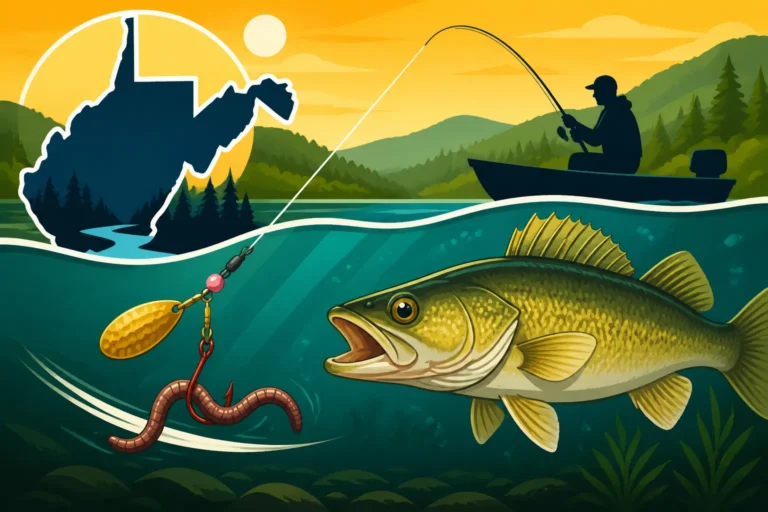
As soon as the ice melts and water temperatures begin to rise slightly above freezing, the West Virginia Division of Natural Resources (WVDNR) kicks into high gear with its extensive trout stocking program. This typically starts in late winter and ramps up significantly through March, April, and into May. These freshly stocked rainbow, golden rainbow, and brown trout are often eager to bite, providing fantastic action for anglers of all skill levels. Lakes, ponds, and streams across the state receive these infusions, turning once quiet waters into bustling fishing grounds. Popular spots like the Williams River, Cranberry River, and dozens of smaller impoundments become immediate targets. It’s a fantastic time for families and new anglers to experience quick success. If you're looking for specific locations and timing, keep an eye on the West Virginia Trout Stocking Hotline and Schedule. Bringing along a variety of baits, from PowerBait and corn to small spinners and worms, is a great strategy for these newly stocked fish.
Pre-Spawn Bass Behavior and Tactics
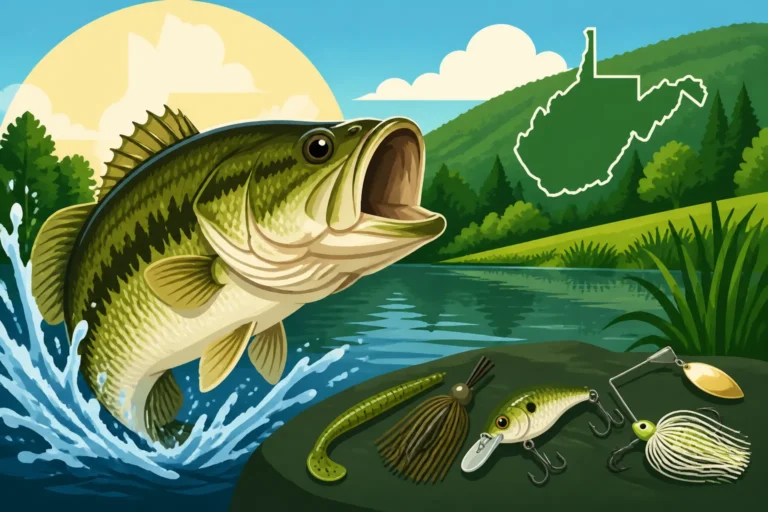
Spring is arguably the best time to target trophy bass in West Virginia, especially largemouth and smallmouth. As water temperatures climb into the 50s and 60s Fahrenheit, bass move from their deeper winter haunts into shallower staging areas, preparing for the spawn. This "pre-spawn" period is characterized by aggressive feeding as they pack on calories. Largemouth bass will be found around submerged timber, docks, and weed lines in lakes like Summersville Lake and Stonewall Jackson Lake. Smallmouth bass, on the other hand, will migrate up rivers, positioning themselves in eddies, current breaks, and rocky pockets in rivers like the New River and the South Branch Potomac. This is when crankbaits, jerkbaits, and spinnerbaits can be incredibly effective. As the water warms further and the spawn begins, bass become more territorial and less focused on feeding, making them a bit tougher to catch consistently. Understanding these phases is key to catching a true lunker. You can learn more about specific techniques in our guide on How to Catch Smallmouth Bass in West Virginia Rivers.
Panfish Awakening
Don't overlook panfish during the spring! Bluegill, crappie, and sunfish become incredibly active as the water warms, making them a fantastic target, especially for younger anglers or those looking for consistent action. Crappie, in particular, will school up in shallower water, often around brush piles, submerged trees, or dock pilings, making them relatively easy to locate and catch. Lakes like Burnsville Lake and Plum Orchard Lake are well-known for their crappie populations. Small jigs, minnows, or even tiny spinnerbaits can yield impressive numbers. Bluegill and other sunfish will also start to move into the shallows, feeding on insect larvae and becoming more aggressive. A simple setup with a bobber and a worm can provide hours of entertainment, making spring a wonderful time for casual fishing outings and introducing newcomers to the sport.
Summer Fishing: Warm Waters and Evening Bites
As the West Virginia summer settles in, the fishing landscape transforms once again. While the sweltering midday sun might send some species into hiding, summer still offers fantastic opportunities, especially for warm-water species, and often rewards those willing to fish during the cooler parts of the day or even into the night.
Navigating Warm Water Challenges
One of the biggest challenges in summer fishing is the increased water temperature. For cold-water species like trout, this often means they'll seek refuge in the coolest parts of streams—think deep pools, spring-fed tributaries, or tailwaters below dams where colder water is released. In many smaller, unshaded streams, trout fishing can become very difficult or even stressful for the fish, making catch-and-release success rates lower. For warm-water species, higher temperatures can reduce their oxygen levels, making them lethargic during the hottest parts of the day. This is why many experienced summer anglers shift their prime fishing hours to the early morning, late evening, and even after dark. Consider exploring our advice on Best Time of Day to Catch Walleye in West Virginia for insights into optimizing your summer fishing schedule.
Prime Times for Catfish and Muskie
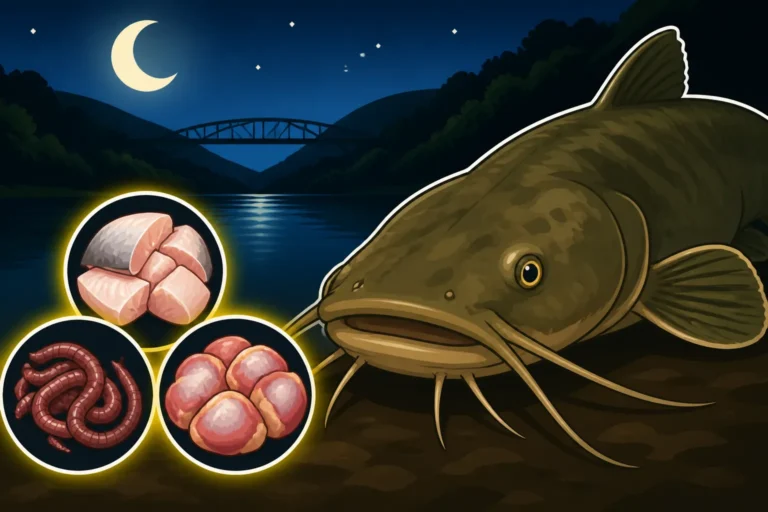
Summer is absolutely prime time for catfish in West Virginia. Channel catfish, flathead catfish, and even some blue catfish (especially in the Ohio River system) thrive in the warmer waters. They become incredibly active, often feeding aggressively around dusk and through the night. Rivers like the Kanawha River, Ohio River, and New River, as well as many of the state's larger reservoirs, hold excellent populations. Bottom fishing with cut bait, stink baits, or live bait like shad or bluegill can produce impressive results. A reliable rod and reel combo, along with durable tackle, can be found readily on Amazon to help you haul in those powerful cats.
Muskie also hit their stride in the summer months. These apex predators are incredibly active in the warm water, and their aggressive feeding habits can make for an exhilarating fight. They'll often be found near weed lines, submerged timber, or rocky points in lakes like Stonecoal Lake, Burnsville Lake, and Cheat Lake, as well as throughout larger rivers. Trolling large crankbaits, casting big bucktails, or even using live bait can entice a strike. Just be prepared for a battle! To really dig into targeting these giants, check out our dedicated guide on Muskie Fishing in West Virginia.
Smallmouth Bass in the Summer Current
While largemouth bass might slow down during the heat of the day in lakes, river smallmouth bass remain a fantastic target throughout the summer. They love the moving water and the consistent oxygen levels it provides. In rivers like the New River, Greenbrier River, and Cacapon River, smallmouth will often hold in current breaks, behind large rocks, in eddy lines, and around submerged structure, waiting to ambush prey. Topwater action can be phenomenal during low light hours, with poppers and walk-the-dog baits drawing explosive strikes. During the day, soft plastics, tubes, and small crankbaits fished in deeper pools or faster currents can be highly effective. The key is often to locate areas with good current and oxygenation. Finding the right bait and understanding where these fish hold are crucial tactics. You can explore more options for lures and tactics in Best Baits for Smallmouth Bass on the New River.
Fall Fishing: The Trophy Hunt
When the leaves turn vibrant shades of red and gold, and a crisp coolness returns to the air, West Virginia enters one of its most cherished fishing seasons: autumn. This is a magical time for anglers, often heralded as the "trophy season" because many fish species are in a frantic feeding mode, bulking up for the leaner winter months ahead.
Aggressive Feeding Before Winter
As water temperatures begin to drop from their summer highs but before they get too cold, many fish species experience a strong feeding binge. Their metabolism is still high, but they instinctively know that winter is coming, and food will become scarcer. This makes them incredibly aggressive and less selective about what they'll strike. You'll find bass, walleye, muskie, and even trout actively chasing baitfish, crawfish, and insects. This heightened activity level means that many of your favorite lures and techniques that might have been less effective in summer's heat can now produce explosive results. It’s a fantastic time for covering water with moving baits and targeting larger, more energetic fish.
Fall Walleye and Muskie Prowl
Fall is arguably the absolute best time to target trophy walleye and muskie in West Virginia. Walleye, known for their elusive nature, become much more concentrated and aggressive as they follow baitfish into shallower waters during low light conditions or congregate around structure in deeper areas during the day. Lakes like Tygart Lake, Stonewall Jackson Lake, and Summersville Lake are prime walleye destinations in the fall. Trolling crankbaits, jigging spoons, or casting swimbaits can be highly productive. Muskie, the apex predators of our waters, also go on a serious hunt. They're often found patrolling weed edges, rocky points, and current seams, eager to engulf large baits. The cooler temperatures mean they can fight harder for longer, making a fall muskie hookup an unforgettable experience. Be sure to have a sturdy net and proper release tools ready, as muskie are precious resources. For those passionate about this challenge, our guide to Muskie Fishing in West Virginia offers deeper insights.
Delayed Harvest Trout Fishing
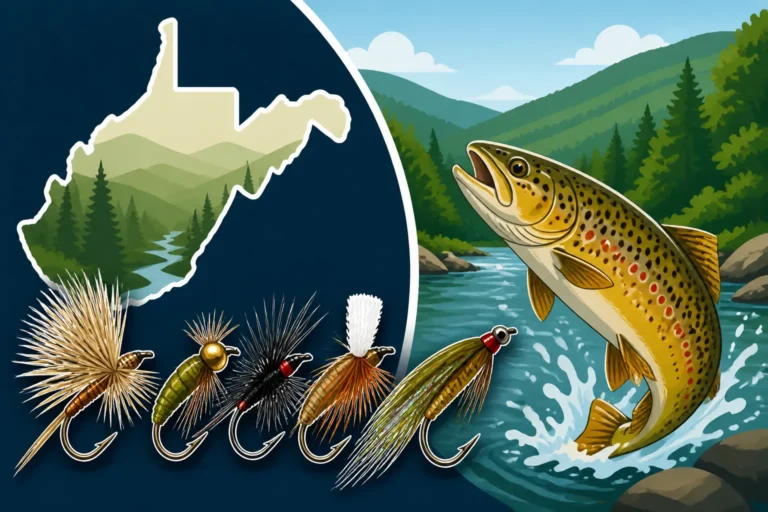
Beyond the stocked-out waters of spring, fall brings a special opportunity for trout anglers with the state's Delayed Harvest (DH) waters. These streams, such as the Cranberry River and Elk River, are stocked heavily in the fall and then managed under catch-and-release, artificial lures only regulations until early summer. This allows the fish to spread out, become acclimated, and grow, offering a truly exceptional trout fishing experience. The fall stockings, combined with the lack of harvest pressure, mean there are often abundant and larger trout available throughout the cooler months. Fly fishing with nymphs and streamers, or spinning with small inline spinners and jigs, can be incredibly effective. The vibrant fall foliage surrounding these pristine mountain streams only adds to the magic of the experience. It's a chance to enjoy fantastic trout fishing without the crowds of spring.
Winter Fishing: Ice and Niche Opportunities
While many anglers might put their gear away as the cold truly sets in, West Virginia's winter months still hold some unique and rewarding fishing opportunities, particularly for those willing to brave the chill or explore the niche world of ice fishing. It might not be for everyone, but for the dedicated, winter can yield some surprising catches.
Ice Fishing Adventures When Conditions Allow
When temperatures consistently drop below freezing, some of West Virginia’s shallower lakes and ponds, particularly in the northern and higher elevation regions, can develop safe ice for fishing. This opens up an entirely different world of angling. Lakes like Cheat Lake, Summersville Lake (certain coves), and numerous smaller public ponds can offer excellent ice fishing for crappie, bluegill, yellow perch, and even some bass and walleye. The key, of course, is safety: never venture onto ice less than four inches thick, and always go with a buddy. You’ll need specialized gear, like ice augers, tip-ups, and short jigging rods. It's a fantastic way to spend a quiet winter day, often with a hot thermos of coffee in hand, waiting for that subtle bite. For a comprehensive look into this unique pursuit, check out our guide on Ice Fishing in West Virginia. You'll find a lot of specialized ice fishing gear, from augers to shelters, on Amazon.
Cold Water Smallmouth and Sauger Strategies
Even when lakes freeze over, many of West Virginia's larger rivers, especially those with consistent flow like the New River and Ohio River, remain open and offer excellent cold-water fishing. Smallmouth bass, while less active, can still be caught by anglers employing slow, methodical techniques. They often congregate in deeper pools, current breaks, or around submerged timber, seeking refuge from the cold. Jigs, finesse worms, and blade baits fished slowly along the bottom can entice a strike. It’s a game of patience and subtle presentations, but the rewards can be hefty, often producing some of the biggest smallmouth of the year.
The Ohio River, in particular, becomes a hotspot for sauger in the winter. These close relatives of the walleye thrive in cold, turbid water and often gather in large schools below dams and in deeper river channels. Vertical jigging with minnows or small jigs is a popular and highly effective technique. It’s a great way to warm up with some consistent action even on the chilliest days. Understanding the nuances of winter river fishing can make you a more versatile and successful angler year-round.
Winter Trout Fishing on Open Waters
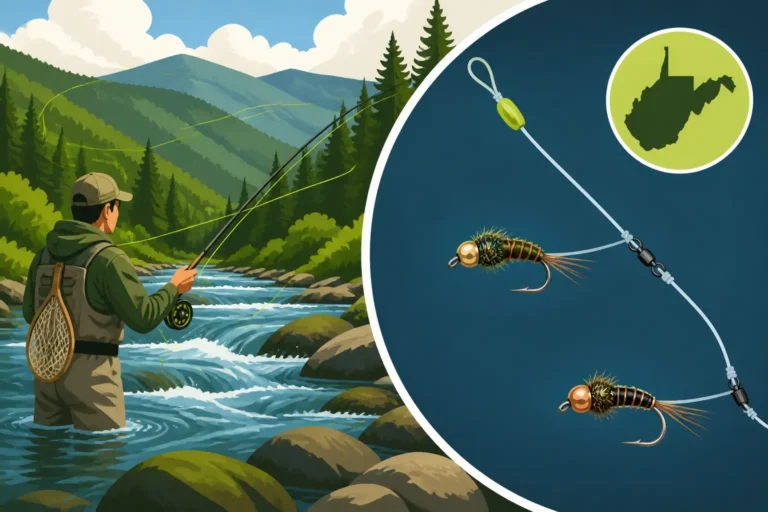
For trout anglers, winter might seem like an off-season, but it can still offer rewarding experiences, especially on the state's larger, flowing trout streams and tailwaters. The colder water temperatures in streams like the Elk River tailwater or sections of the Cranberry River keep trout active, though often more challenging to catch. Fly anglers often find success with nymphing techniques, presenting small, subsurface patterns that imitate the insect larvae trout feed on. For spin anglers, small jigs tipped with bait or tiny spinners fished slowly in deep pools can also produce. The key is to fish during the warmest parts of the day, usually midday, and to choose stretches of water that aren't iced over. The solitude of winter trout fishing, with snow-dusted banks and crisp air, is a unique experience.
Species-Specific Seasonal Breakdowns
To truly master fishing in West Virginia, it helps to narrow down the focus to individual species. While general seasonal patterns apply, each fish has its own preferences and peak activity windows. This table offers a quick overview, but remember that local conditions and year-to-year variations can always shift the exact "best" days.
| Species | Peak Season | Secondary Season | Key Behavior Notes |
|---|---|---|---|
| Rainbow Trout | Spring | Fall, Winter | Heavily stocked in spring; delayed harvest opportunities in fall/winter. Prefers cold water. |
| Golden Rainbow Trout | Spring | Fall | Stocked alongside rainbows, often targeted during special events like Gold Rush. |
| Brown Trout | Fall | Spring | Aggressive feeders in fall before spawning; good action during spring stockings. |
| Brook Trout | Spring, Fall | Summer (high elev.) | Native trout, best in high-elevation, cold streams. More active in cooler months. |
| Smallmouth Bass | Spring, Fall | Summer | Pre-spawn aggression in spring; heavy feeding in fall. Good summer river fishing. |
| Largemouth Bass | Spring, Fall | Summer | Pre-spawn action in spring; aggressive feeding in fall. Often goes deep in summer heat. |
| Muskie | Fall, Summer | Spring | Highly active in warm summer waters; aggressive feeding in fall. |
| Walleye | Fall | Spring, Winter | Peak feeding in fall; good spring spawning runs; ice fishing and cold-water jigging in winter. |
| Channel Catfish | Summer | Spring, Fall | Very active in warm summer waters; good pre-spawn bite in late spring. |
| Flathead Catfish | Summer | Fall | Solitary and nocturnal; most active in warm summer nights. |
| Crappie | Spring | Fall, Winter | Schools up in shallows for pre-spawn in spring; good ice fishing or deep water in winter. |
| Bluegill/Sunfish | Spring, Summer | Fall | Very active in shallows from late spring through early fall. |
| Sauger | Winter | Fall | Excellent winter fishing, especially on the Ohio River, congregating below dams. |
Trout: From Stocking to Holdovers
For many West Virginia anglers, trout fishing defines the spring. The sheer volume of fish stocked across the state makes spring the most accessible and exciting time. However, don't dismiss the other seasons. Fall brings the excellent opportunities of our Delayed Harvest streams, where trout have had time to grow and become wilder, offering a more challenging and rewarding experience. Even in winter, these same DH waters and tailwaters below dams can provide superb, albeit often colder, fishing. Summer trout fishing is generally limited to higher elevation streams or tailwaters where water temperatures remain cool enough for these cold-water loving fish. Always be mindful of water temperatures when targeting trout in summer to ensure their healthy release. Our extensive guide, Spring Trout Fishing Techniques for West Virginia Streams, delves even deeper into this.
Bass: Largemouth and Smallmouth Peaks
Both largemouth and smallmouth bass share a peak in spring during their pre-spawn phase, when they are aggressively feeding. This is often when you'll find the biggest bass willing to bite. As summer progresses, largemouth tend to seek deeper, cooler water or become more active during low-light conditions, while river smallmouth continue to thrive in oxygenated currents. Fall offers a second peak, a "second spring" for bass, as they feed heavily to prepare for winter. They become less selective and very active, making it a fantastic time to pursue them with a variety of lures. In the deepest parts of winter, bass fishing slows down significantly, becoming a finesse game in deep holes and slow currents.
Muskie, Walleye, and Catfish Hot Periods
Muskie are truly a fish of the warmer months and fall. They become highly active in the summer's heat, chasing large baitfish. However, their most famous "trophy season" is often in the fall, when they put on a feeding frenzy before winter. Walleye are also fantastic fall targets, as they congregate and feed heavily. They also offer good opportunities in spring during their spawning runs and can be caught through the ice or in cold river systems during winter. Catfish are synonymous with summer fishing; they thrive in warm waters and are incredibly active, especially at night. As temperatures cool in fall, they still provide good action, but often move to deeper areas. Winter catfish fishing is typically slow, though dedicated anglers can still find them in deep holes. Getting the right gear for these larger species is essential, and a quick look on Amazon will show you the robust rods, reels, and tackle you'll need.
Factors Influencing Your Fishing Success
Beyond the broad strokes of seasons and species-specific patterns, there are numerous other variables that can significantly impact your day on the water. Paying attention to these subtle (and not-so-subtle) cues can be the difference between a memorable day of fishing and a frustrating blank.
Weather Patterns and Barometric Pressure
The weather isn't just about whether you need a raincoat; it's a huge driver of fish behavior. Approaching cold fronts, warm fronts, and even just high or low pressure systems can all trigger or shut down a bite. Generally, stable weather patterns with consistent barometric pressure often lead to more predictable fishing. However, a falling barometric pressure (often indicating an approaching storm) can sometimes trigger a pre-front feeding frenzy, especially for bass and muskie, as fish feel the need to feed before conditions worsen. Conversely, a rapidly rising pressure after a storm can sometimes make fish more sluggish. Understanding these patterns, even just generally, can help you decide if it's a day for aggressive presentations or a more subtle approach.
Water Conditions: Clarity, Temperature, and Flow
We touched on temperature and flow earlier, but it's worth reiterating their importance. Water clarity is another critical factor. After heavy rains, rivers can become muddy and high, making sight fishing impossible and often pushing fish into calmer, clearer backwaters or eddies. Conversely, extremely low and clear water can make fish very spooky, requiring lighter lines and more stealthy approaches. Always check local river gauges and weather forecasts before heading out. Websites like the USGS National Water Information System can provide real-time data on river levels and flow for many West Virginia rivers. These conditions directly influence which lures and techniques will be most effective. For instance, in stained water, brighter colors or baits with more vibration might be key, while in clear water, natural colors and finesse presentations are often better.
Time of Day and Moon Phases
Even on the "best" day of the year, the "best" time of day can make a huge difference. Generally, dawn and dusk (the crepuscular hours) are prime feeding times for many species, as light levels are low, and many baitfish are active. This is especially true in summer when midday heat sends fish deeper or into shade. During the spring and fall, the middle of the day can also be highly productive as water temperatures are often optimal.
Moon phases are a more debated topic among anglers, but many swear by their influence, particularly around the new and full moons. Some believe the increased gravitational pull during these phases affects tidal movements (even in landlocked lakes, to a lesser degree) and can trigger feeding frenzies or make fish more active. While not a definitive rule, paying attention to moon phases can add another layer to your fishing strategy, especially for nocturnal feeders like catfish or for larger predators.
Planning Your West Virginia Fishing Trip
Now that you have a deeper understanding of the seasonal cycles and influencing factors, it’s time to put it all together and plan your next successful West Virginia fishing adventure. A little preparation goes a long way, transforming a potentially frustrating outing into a productive and enjoyable one.
Checking Forecasts and Stream Gauges
Before you even tie a fly or pick out a lure, your first step should always be to check the weather forecast and, if you're fishing a river, the stream gauges. Knowing if a cold front is coming, if heavy rain is expected, or if water levels are unusually high or low will fundamentally change your approach. The WVDNR provides a wealth of information, and local weather apps are indispensable. For detailed river conditions, sites like the USGS stream gauge network offer real-time data crucial for planning trips to rivers like the New River, which can fluctuate dramatically. Don't forget to review the West Virginia Fishing Regulations Explained each year, as rules can change. This simple step can save you a wasted trip and help you select the right spots and techniques.
Essential Gear for Every Season
Having the right gear for the season is paramount. You wouldn't wear shorts in January, and you shouldn't use a light summer spinning rod for winter muskie.
- Spring: Be prepared for unpredictable weather. Layers are key. Waders are almost a must for stream fishing. Have a mix of baits and lures for trout and pre-spawn bass. You might find a good selection of breathable waders on Amazon.
- Summer: Light, breathable clothing, plenty of water, sunscreen, and a good hat are crucial. Focus on gear for warm-water species, perhaps some heavier setups for catfish or muskie. Consider headlamps for night fishing.
- Fall: Again, layers are essential as temperatures can swing wildly. Bring a mix of aggressive lures for active fish and some finesse options for clearer, cooler waters.
- Winter: Warm, waterproof clothing, insulated boots, and gloves are non-negotiable. If ice fishing, specialized ice gear is needed. For open water, remember heavier line and slower presentation baits. For specifics on tackle, check out Best Tackle for West Virginia Smallmouth Bass.
Always make sure your fishing license is up to date! If you need to renew or purchase one, our guide on West Virginia Fishing License Guide for 2026 can walk you through the process.
Local Knowledge and Resources
While guides like this one provide a great foundation, nothing beats current, local knowledge. Pop into a local tackle shop in towns near your chosen fishing spot—places like Charleston, Fayetteville, or Morgantown often have excellent shops with knowledgeable staff. They can offer real-time reports on what's biting, what lures are working, and current water conditions. Joining local fishing forums or Facebook groups can also provide valuable insights and connect you with other passionate anglers. And don't forget the rich resources available through the WVDNR, which publishes stocking schedules, regulation summaries, and provides detailed information about various fishing spots. Our guides on Best Fishing Lakes in West Virginia and Best Fishing Rivers in West Virginia can help you find your next great spot. The more informed you are, the better your chances of having an incredible day on West Virginia's beautiful waters.
Disclaimer
Please be aware that fishing conditions and regulations can change. Always consult the latest West Virginia Division of Natural Resources fishing regulations before heading out. This guide is for informational purposes only and does not supersede official state regulations.