Best spring trout streams in West Virginia
Spring in West Virginia means one thing for many anglers: trout! But with so many incredible streams crisscrossing our beautiful mountains, it can feel overwhelming trying to figure out where to cast your line for the best spring trout action. You're probably dreaming of those crisp mornings and lively bites, but also wondering which streams are truly primed and ready for action as the ice melts and the water warms. This guide is here to cut through the confusion and highlight the top spring trout streams across the Mountain State, offering practical advice and specific locations to help you plan your next memorable fishing trip.
The Excitement of Spring Trout Fishing in West Virginia
There’s a special kind of magic that settles over West Virginia when spring arrives. The grey, muted tones of winter give way to vibrant greens, and the air hums with anticipation. For trout anglers, this season is a powerful draw, offering some of the best fishing opportunities of the year. The fish are waking up, actively feeding, and the state's extensive stocking program means there are plenty of feisty trout waiting. However, spring can also be unpredictable, with fluctuating water levels and temperatures, making stream selection and understanding fish behavior critical to success. Whether you're a seasoned fly angler or someone just starting out, there's a spring trout stream here calling your name.
Understanding West Virginia's Trout Stocking Program
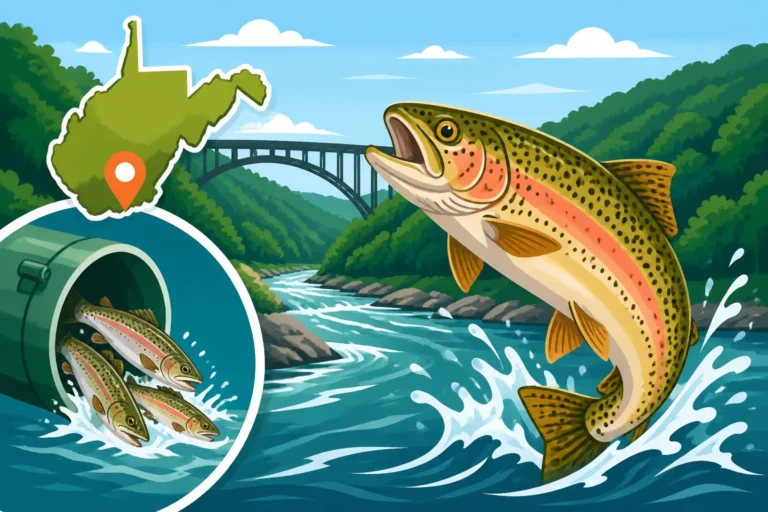
One of the biggest reasons for the fantastic spring trout fishing in West Virginia is the diligent stocking program run by the West Virginia Division of Natural Resources (WVDNR). As temperatures rise and stream flows stabilize, the DNR gets busy releasing thousands upon thousands of rainbow, golden rainbow, brown, and brook trout into designated waters. This effort ensures that even casual anglers have a great chance of success.
You'll find the most up-to-date information on stocking schedules by checking the official WVDNR website, or you can even call the West Virginia Trout Stocking Hotline and Schedule if you prefer a direct update. They work hard to spread the fish around, targeting a wide variety of streams, rivers, and even some smaller impoundments. This strategic stocking means that prime fishing locations aren't just limited to remote wilderness areas; many are surprisingly accessible. Don't forget to keep an eye out for special events like the annual Gold Rush Golden Rainbow Trout Event Rules, where they stock an impressive number of those stunning golden rainbow trout, creating a true treasure hunt for anglers!
Differentiating Wild, Stocked, and Special Regulation Waters
When planning your spring trout adventure, it's really helpful to understand the different types of trout waters available, as each offers a unique experience and often requires different tactics.
- Stocked Waters: These are the bread and butter for many spring anglers. They receive regular infusions of hatchery-raised trout, especially in the spring. These fish are generally less wary and more willing to strike at a variety of baits and lures, making them perfect for beginners or those looking for consistent action. Many popular creeks and rivers fall into this category, and they often have good public access.
- Wild Trout Waters: For the purist, wild trout streams offer a more challenging but incredibly rewarding experience. These waters sustain natural populations of trout, primarily native brook trout, but also wild rainbows and browns in some areas. The fish here are typically smaller, but their vibrant colors and the pristine, remote settings they inhabit make catching them feel like a true accomplishment. They are far more wary and require a stealthy approach and often specific fly patterns. For instance, streams like the headwaters of Shavers Fork are renowned for their native brook trout populations, and understanding the West Virginia brook trout special regulations on Shavers Fork is crucial if you plan to target them.
- Special Regulation Waters: These streams often combine elements of both stocked and wild fisheries but come with unique rules regarding tackle, creel limits, and sometimes even catch-and-release only policies. They are designed to enhance fishing quality or protect specific fish populations. Examples include sections of the Cranberry River or the Elk River tailwater. Always consult the current West Virginia Fishing Regulations Explained before heading out to these areas. Ignoring these rules can lead to hefty fines, and nobody wants that on their fishing trip!
Key Environmental Factors for Spring Trout Success
Spring can be a fickle beast, and understanding how environmental factors impact trout behavior is key to a successful outing. Don't just show up and expect fish to jump on your hook – trout are creatures of habit and sensitive to changes around them.
- Water Temperature: This is perhaps the most critical factor. As stream temperatures climb from the low 40s into the 50s and even low 60s, trout become more active and their metabolism increases. They'll move out of their winter holding patterns and begin feeding more aggressively. Too cold, and they'll be lethargic; too warm, and they'll seek cooler, deeper water and become stressed. A good stream thermometer is an invaluable tool.
- Water Level and Clarity: Spring often brings rain, which can lead to fluctuating water levels. High, muddy water can make fishing difficult, as trout struggle to see your bait and can feel less secure. Look for stable or slowly dropping water levels after a rain event, and ideally, water that has decent clarity – a "tea-stained" look is often perfect. If the water is raging and chocolate milk brown, it's probably best to wait a day or two, or seek out a smaller tributary that clears faster.
- Insect Hatches: As the water warms, insect activity kicks into high gear. Mayflies, caddisflies, and stoneflies all begin to emerge, offering a natural buffet for hungry trout. Observing what insects are active on the water can give you huge clues about what flies or even lures to present. Even if you're not a fly angler, understanding the hatch cycle can tell you when trout are actively looking up for food.
Premier Spring Trout Streams in the Monongahela National Forest
The Monongahela National Forest, or "the Mon" as locals affectionately call it, is a true gem for West Virginia trout fishing. Its vast expanse of public land is crisscrossed by countless cold, clear streams, many of which are heavily stocked or hold robust populations of wild and native trout. This region really shines in the spring, offering a diverse array of fishing experiences from roadside easy access to remote wilderness treks. If you're looking for an immersive trout fishing experience, this is where you want to focus your efforts.
Iconic Rivers: Cranberry, Williams, and Shavers Fork
When people think of West Virginia trout, these rivers often come to mind first, and for good reason. They are legendary.
- Cranberry River: The Cranberry is a crown jewel, especially its catch-and-release fly fishing only section. This area is managed for trophy-sized trout, and you'll find healthy populations of wild brown and rainbow trout, alongside stocked fish that quickly adapt to the wild environment. The scenery is breathtaking, and the challenge is real. Access to the upper sections is restricted to foot travel or shuttle bus during certain times, making it a true backcountry experience. If you're into specialized fly fishing techniques, this river is a must-visit, and delving into resources like Cranberry River Fly Fishing can give you an edge.
- Williams River: Flowing parallel to the Cranberry, the Williams offers a mix of roadside access and more secluded stretches. It's heavily stocked with rainbow and brown trout, making it a fantastic destination for bait and spin anglers, as well as fly fishers. The river fishes well from early spring, with good access points along Forest Road 86. Its consistent flows and varied habitat make it a reliable producer throughout the season. Expect plenty of company on opening day and during prime stocking periods, but don't let that deter you; there's plenty of water to go around.
- Shavers Fork: This stream holds special significance as one of West Virginia's best native brook trout fisheries. While sections are stocked, the upper reaches are a haven for these vibrant, small, indigenous trout. Fishing for brookies here is often a bushwhacking affair, requiring stealth and precision, but the reward of a wild, jewel-toned brook trout in your hand is unparalleled. Be sure to understand the specific regulations for this sensitive fishery, as highlighted in topics like Shavers Fork Brook Trout Fishing. The lower, more accessible sections also offer good fishing for stocked trout.
The Elk River Tailwater and Dry Fork
These two spots, while different in character, offer exceptional spring trout fishing opportunities and are worth adding to your itinerary.
- Elk River Tailwater: Below Sutton Dam, the Elk River transforms into a premier tailwater fishery, offering consistently cold water that allows trout to thrive even into the warmer months. This section is known for producing large rainbow and brown trout, with many fish growing to impressive sizes. It’s a popular destination for fly anglers, who often find success with nymphs and streamers. The dynamic nature of a tailwater fishery means that conditions can change with dam releases, so it pays to stay informed about How to fish a tailwater release schedule on the Elk River. This section provides a different challenge than freestone streams, often demanding specific techniques to tempt these larger, educated fish. To learn more about this specific fishery, check out resources like Elk River Trout Fishing.
- Dry Fork: Tucked away in the northern part of the Monongahela, Dry Fork offers a mix of wild and stocked trout fishing. It’s a beautiful, scenic stream that flows through rugged terrain, providing a more intimate fishing experience. You’ll find good populations of wild brook trout in its headwaters and healthy numbers of stocked rainbows and browns in the lower, more accessible stretches. Access points can be found along various forest roads, making it a good option for those looking to explore different areas. For detailed information on reaching this hidden gem, check out Dry Fork Fishing Access Points.
Exploring Other Accessible Spring Trout Waters Across West Virginia
While the Monongahela National Forest is an undisputed trout mecca, West Virginia has fantastic spring trout fishing spread across the state. Many other rivers, streams, and even smaller impoundments are meticulously managed and stocked, offering excellent opportunities closer to home or for those looking for less strenuous access.
Eastern Panhandle and Northern WV Streams
The Eastern Panhandle might be closer to major metropolitan areas, but it still offers some truly fantastic trout fishing, often with surprising solitude if you know where to look.
- South Branch Potomac River Tributaries: While the South Branch itself is famed for smallmouth, many of its colder tributaries receive regular trout stockings. Streams like Mill Creek, Opequon Creek, and Patterson Creek are popular choices. These streams are often easily accessible and fish well throughout the spring. They tend to clear quickly after rain, providing consistent fishing even during wet periods. Fishing these tributaries offers a different flavor than the larger mountain rivers, often involving smaller water and more precise casting.
- Cacapon River: Sections of the Cacapon River and its feeder streams are also stocked, particularly in Cacapon Resort State Park. The park lake, in particular, is a great family-friendly option. Further north, streams like Sleepy Creek, though smaller, can also hold good numbers of stocked trout. These waters provide excellent options for those residing in or visiting the easternmost parts of the state, offering a blend of natural beauty and convenience.
- Cheat River Tributaries: In northern West Virginia, the Cheat River system has several tributaries, like Shavers Fork (already mentioned) and smaller creeks, that offer diverse trout opportunities. The Cheat itself, particularly the Canyon section, can hold some trout, but its tributaries are generally more productive for targeted trout fishing.
Southern West Virginia Streams and State Park Lakes
Don't let the reputation of southern West Virginia as bass country fool you; there are some excellent trout fisheries here, especially in the spring.
- Clear Fork (Raleigh County): This is a popular and heavily stocked stream, easily accessible and offering consistent action for rainbow and brown trout. Its proximity to Beckley makes it a convenient option for many anglers in the region.
- Paint Creek (Fayette County): Flowing into the mighty New River, Paint Creek is another excellent choice for spring trout. Sections are regularly stocked, and it provides a beautiful backdrop for a day of fishing. While you might be near the famous New River Gorge Fishing Guide, Paint Creek offers a completely different, more tranquil experience focused on trout.
- State Park and Public Fishing Lakes: Many of West Virginia's state parks and public fishing areas boast small lakes and ponds that are heavily stocked with trout, making them ideal for families or those seeking easy access and high catch rates. Lakes at Pipestem Resort State Park, Babcock State Park, and Watoga State Park are prime examples. Places like Watoga State Park trout pond fishing offer a calm, accessible environment perfect for introducing new anglers to the sport. These lakes are especially good in early spring before water temperatures get too warm. If you’re planning a trip to one of these spots, a quick search on FishingBooker can sometimes reveal local guides or services that cater specifically to these family-friendly locations.
Essential Gear and Techniques for Spring Trout
Having the right gear and knowing a few key techniques can make all the difference between a frustrating day and a fantastic one on a West Virginia trout stream in the spring. You don't need to break the bank for top-tier equipment, but some basics are essential. When you're thinking about a multi-day trip or trying out new waters, especially with a guide, services like FishingBooker can help you coordinate.
Rods, Reels, and Waders: Your Basic Toolkit
Let's talk about the essentials you'll need to get started.
- Rods and Reels: For stocked streams, a lightweight spinning rod (6-7 feet, light to medium-light action) paired with a small spinning reel (1000-2500 size) spooled with 4-6 lb monofilament or fluorocarbon is perfect. This setup gives you enough sensitivity for light bites and enough backbone to handle a feisty rainbow. For wild trout streams, a similar spinning setup will work, or if you're venturing into fly fishing, a 3-5 weight fly rod is generally appropriate. You don't need anything overly specialized to start, but good quality makes a difference.
- Line: While monofilament is versatile, consider using a fluorocarbon leader for wary trout, as it's nearly invisible underwater. Braided line can be used as a main line on spinning reels, but always tie on a fluorocarbon or monofilament leader for better stealth.
- Waders and Boots: West Virginia streams can be chilly in spring, and wading is often necessary to access the best spots. Breathable chest waders are ideal, allowing you to stay dry and comfortable. Pair them with sturdy wading boots that offer good ankle support and grip on slippery rocks. Felt soles offer excellent traction but are prohibited in some states due to invasive species concerns; rubber soles with studs are a good all-around choice. For deep dives into selecting the right gear, check out guides like Best Waders for West Virginia Trout Streams. Don't forget a wading staff for stability in swift currents – it's a real ankle-saver!
- Landing Net: A rubberized landing net is a smart investment. It minimizes harm to the fish, crucial for catch-and-release, and helps you safely handle your catch for photos. For more on this, see Best Landing Net for Trout.
Baits, Lures, and Flies: What to Offer
Trout aren't always picky, but having a variety of offerings can increase your chances of success.
- Natural Baits: Live worms (nightcrawlers, red wigglers) are classic and highly effective, especially for freshly stocked trout. Corn kernels, cheese, and salmon eggs are also popular choices. And of course, the ever-popular PowerBait, in various colors and forms, is a staple for many trout anglers. For specific recommendations, check out Best bait for opening day trout in West Virginia. A simple bobber or a small split shot with a bare hook can be all you need.
- Spinning Lures: Small inline spinners (like Panther Martins, Mepps, or Rooster Tails) in sizes 0-2 are deadly for trout. Gold, silver, and bright colors work well in stained water, while more natural patterns excel in clear conditions. Small spoons and tiny crankbaits can also be very effective, especially for aggressive fish in larger runs. Experiment with retrieve speeds and depths.
- Fly Fishing: If you're a fly angler, spring offers a smorgasbord of options.
- Nymphs: Early season often means fish are feeding subsurface. Patterns like Hare's Ear, Pheasant Tail, Prince Nymph, and Squirmy Worms are consistently productive. Euro nymphing techniques are incredibly effective in many WV streams.
- Streamers: For larger trout or after a rain, streamers imitating baitfish (Woolly Buggers, Sculpzillas) can draw aggressive strikes.
- Dry Flies: As hatches become more consistent, dry flies mimicking caddis, mayflies, or even terrestrials (ants, beetles) can bring explosive surface action. For a detailed look at fly patterns, explore Fly Patterns for West Virginia Trout Streams.
Spring Fishing Tactics
Beyond the gear, how you fish can greatly impact your success.
- Reading the Water: Learn to identify holding water: deep pools, current seams, eddies behind rocks, and undercut banks. Trout will seek shelter from current and places where food is funneled to them.
- Stealth and Presentation: Especially on wild trout streams, approach the water carefully. Trout are easily spooked. Cast accurately and try to present your bait or fly naturally, letting it drift with the current.
- Focus on Structure: Fallen logs, large rocks, and changes in bottom contour all provide cover and ambush points for trout. Work these areas thoroughly.
- Time of Day: In early spring, later mornings and afternoons when the water has warmed slightly can be more productive. As the season progresses and days lengthen, early mornings and late evenings might be best, especially during active insect hatches.
Spring trout fishing in West Virginia is an experience that truly recharges the soul. With a bit of planning, the right gear, and an understanding of our incredible waterways, you're set for an unforgettable adventure.
Disclaimer
The information provided in this guide is for general informational purposes only and is subject to change. Always consult the official West Virginia Division of Natural Resources (WVDNR) regulations and guidelines before fishing, as rules regarding licenses, seasons, creel limits, and specific water body restrictions can change. Always prioritize safety while on the water.