West Virginia brook trout special regulations on Shavers Fork
Venturing out to fish in West Virginia can sometimes feel like you need a law degree just to understand the rules, especially when it comes to those special, pristine waters that hold our cherished native fish. For anglers dreaming of casting a line on Shavers Fork, where the elusive brook trout thrives, navigating the specific regulations is absolutely crucial not only for staying legal but also for protecting this incredible resource. This guide is here to untangle those complexities, making sure you understand every detail of the special rules for brook trout on Shavers Fork so you can enjoy your time on the water responsibly and successfully.
Understanding Shavers Fork's Unique Status
Shavers Fork isn't just any trout stream in West Virginia; it's a true gem, deeply rooted in the heart of the Monongahela National Forest. This river holds a special place for many anglers due to its wild character and the incredible fishing opportunities it provides, particularly for native brook trout. But with such a treasured fishery comes a greater responsibility, which is why the West Virginia Division of Natural Resources (WVDNR) has implemented very specific regulations to ensure its health and vitality for generations to come.
A Jewel in the Monongahela National Forest
Imagine winding through dense Appalachian forests, the air crisp and clean, the sounds of modern life fading into the rustle of leaves and the gentle murmur of flowing water. That's the experience awaiting you on Shavers Fork. Located within the vast and beautiful Monongahela National Forest, this stream embodies the wild spirit of West Virginia. Its headwaters begin high in the mountains, carving a path through remote wilderness, creating a habitat perfectly suited for native brook trout. This isn't your typical stocked trout stream; these fish are wild, wily, and a testament to the pristine environment they call home. The raw beauty and challenging fishing make it a destination for those seeking a true wilderness angling experience. The commitment to maintaining this pristine environment is reflected in every aspect of its management, including the rigorous fishing regulations.
The Importance of Native Brook Trout
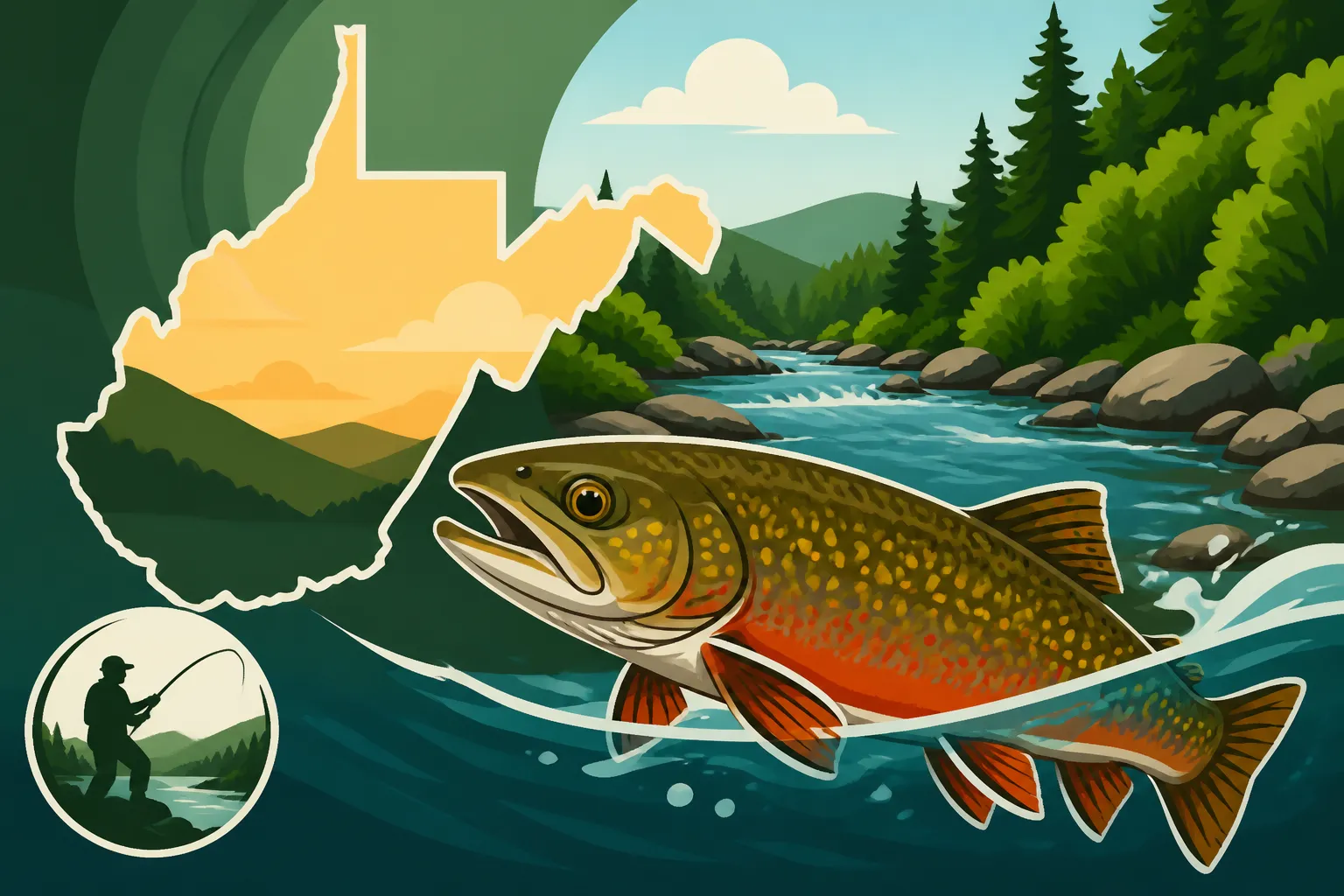
Our native brook trout, Salvelinus fontinalis, are more than just a fish; they are a living symbol of West Virginia's natural heritage. They are the only trout species native to our state, and their presence indicates a healthy, high-quality stream ecosystem. Shavers Fork is renowned for its strong population of these indigenous fish. Unlike their stocked cousins, wild brook trout are often smaller, but they possess a vibrant coloring and fighting spirit that makes catching one a truly rewarding experience. Protecting these native populations is paramount, as they face challenges from habitat degradation, climate change, and competition from non-native species. The special regulations on Shavers Fork are specifically designed to safeguard these precious fish, allowing them to thrive and reproduce naturally, ensuring that the genetic legacy of West Virginia's brook trout continues uninterrupted. If you're interested in learning more about these incredible fish, check out our guide on Brook Trout: West Virginia's Native and State Fish.
The Specifics of Brook Trout Regulations on Shavers Fork
Alright, let's get down to brass tacks. You're ready to hit Shavers Fork, but what exactly are the rules? It's important to remember that these aren't suggestions; they are legally binding regulations put in place for a very good reason. Disregarding them not only puts the fishery at risk but can also lead to significant penalties, as detailed in our guide on Fishing Without a License in West Virginia: Penalties. Shavers Fork, particularly its upper reaches, is managed as a "Catch and Release" or "Fly Fishing Only" water for certain sections, which means a different approach than your average fishing trip.
Catch and Possession Limits
This is where Shavers Fork truly distinguishes itself. For significant portions of Shavers Fork, specifically the "Shavers Fork Catch and Release" section, the rule is crystal clear: all fish must be immediately released unharmed. This means there is a zero (0) catch limit and a zero (0) possession limit. You cannot keep any trout you catch in this designated section. The aim here is maximum protection for the wild brook trout, allowing them to grow, spawn, and contribute to a robust, self-sustaining population. There are no size limits to worry about because every single fish, regardless of size, goes back into the water.
It’s crucial to know exactly which section of Shavers Fork falls under these strict catch and release rules. Typically, this applies to the upper mainstem and its tributaries, often marked by specific signage. Always consult the most current West Virginia Fishing Regulations Explained summary from the WVDNR, as boundaries and rules can occasionally be updated. This "Catch and Release" designation is a powerful conservation tool, and adhering to it is the cornerstone of responsible angling on Shavers Fork.
Gear Restrictions and Permitted Tackle
The methods you can use to fish on Shavers Fork are also tightly controlled, especially in the special regulation sections. The primary restriction is often fly fishing only with artificial flies and lures, which means no live bait, no scented baits, and no treble hooks. This restriction is designed to minimize harm to the fish, as artificial flies and lures typically result in fewer deep hook-ups compared to bait, which trout can swallow more easily.
Here's a breakdown of what that generally entails:
- Artificial Flies and Lures Only: This means traditional fly patterns, small spinners, and tiny spoons are often permitted. However, it's vital that these lures do not contain any added scents or flavors. Anything that could be construed as bait, or designed to imitate bait beyond its visual and mechanical action, is generally prohibited.
- Single, Barbless Hooks: This is a critical component of catch and release fishing. Barbless hooks inflict less damage to the fish's mouth and are much easier and quicker to remove, significantly increasing the fish's survival rate after release. If your hooks have barbs, you must pinch them down flat with a pair of pliers. This is a non-negotiable aspect of fishing these special regulation waters. You can often find barbless hooks for various fly patterns and lures on Amazon, or easily modify your existing hooks.
- No Live Bait or Scented Baits: This includes worms, minnows, corn, PowerBait, or any other natural or synthetic bait that has a scent designed to attract fish. The idea is to rely on the fish's predatory instincts rather than their sense of smell, further reducing the chance of them swallowing the hook.
These gear restrictions underscore the conservation ethic of Shavers Fork. They promote a more challenging, skill-based form of fishing that aligns with the delicate nature of the wild brook trout population. For specific guidance on what gear to bring, consider our extensive guide on Best Gear for West Virginia Trout Fishing.
Seasons and When to Fish
Unlike some other waters, the special regulation sections of Shavers Fork are generally open to fishing year-round. This means you can enjoy the beauty and challenge of fishing for brook trout even in the depths of winter, provided conditions allow for safe access. However, while the season may be open, the effectiveness and responsible timing of your fishing can vary greatly.
- Winter Fishing: While open, winter fishing presents unique challenges. Water temperatures are very low, and fish metabolism slows significantly. They are less active, and catching them requires patience and different tactics, often using smaller, subtler presentations.
- Spring and Fall: These are often considered prime times for brook trout fishing. Spring brings increased insect activity, and the fish become more active as temperatures rise. Fall offers cooler temperatures, stunning foliage, and often very aggressive fish as they prepare for winter.
- Summer Fishing: The biggest concern in summer is water temperature. Wild brook trout require cold, oxygen-rich water to survive. As stream temperatures rise, especially in prolonged hot, dry spells, brook trout can become stressed. Even catch and release fishing can be lethal if the water is too warm. A good rule of thumb is that if the water temperature exceeds 68°F (20°C), it's best to put your rods away and come back another day. Stressing fish in warm water, even for a quick release, can kill them. Be aware of the West Virginia Fishing Season Dates and Closures and any emergency closures related to high temperatures.
Always prioritize the well-being of the fish. If you arrive and the water seems too warm, or the fish appear sluggish or stressed, consider fishing elsewhere or postponing your trip.
Here's a quick summary of the regulations for the special management section of Shavers Fork:
| Regulation Type | Details for Shavers Fork (Special Section) |
|---|---|
| Species Targeted | Brook Trout (primarily) |
| Catch & Possession Limit | Zero (0) – All fish must be immediately released |
| Size Limit | None (due to catch and release) |
| Tackle Restrictions | Artificial flies and lures only |
| Hook Type | Single, barbless hooks only |
| Bait Restriction | No live bait or scented artificial baits |
| Season | Open year-round |
| License Required | Yes, a valid West Virginia fishing license and Conservation Stamp is required, along with a Trout Stamps and Trout Fishing Rules in West Virginia |
Note: Always consult the official West Virginia Fishing Regulations summary for the most up-to-date and specific details, including exact boundaries of special regulation sections.
Gear and Tactics for Regulated Waters
Fishing a special regulation stream like Shavers Fork demands not only adherence to the rules but also a thoughtful approach to your gear and techniques. It's a place where fly fishing truly shines, and where the focus shifts from catching dinner to the artistry and challenge of the pursuit.
Fly Fishing Essentials for Shavers Fork
Given the "artificial flies and lures only" and "single, barbless hooks" rules, fly fishing is the dominant and often most effective method on Shavers Fork. You don't need highly specialized, expensive gear, but having the right setup will significantly improve your experience.
- Rod and Reel: A lightweight fly rod, typically a 2-weight to 4-weight, between 6'6" and 8'6" in length, is ideal. These smaller rods allow for delicate presentations, which are often necessary when targeting spooky wild brook trout in smaller streams. A simple click-and-pawl reel or a small disc drag reel will suffice; it's mostly for holding line, as you'll be fighting most fish by hand-lining. You can find excellent starter fly rod combos for beginners on Amazon.
- Fly Line and Leader: A weight-forward floating fly line matched to your rod weight is standard. For leaders, a 7.5-foot to 9-foot tapered leader ending in 4x-6x tippet is usually perfect for presenting small flies naturally. Having a spool of extra tippet (4x, 5x, 6x) is essential for tying on new flies or extending your leader.
- Flies: Think small and subtle for brook trout.
- Dry Flies: Favorites include Parachute Adams, Elk Hair Caddis, stimulators, and various ant and beetle patterns. Sizes 14-20 are usually good.
- Nymphs: Pheasant Tail Nymphs, Hare's Ear Nymphs, prince nymphs, and small midge patterns (sizes 16-22) are highly effective, especially when dead-drifted.
- Streamers: Small woolly buggers (black, olive) in sizes 10-14 can also entice aggressive brook trout.
Remember, all hooks must be barbless or have the barb pinched down.
- Waders and Boots: Wading is often necessary to access prime fishing spots and present your fly effectively. Breathable chest waders are comfortable for most seasons, paired with sturdy wading boots that offer good ankle support and grip on slippery rocks. Felt soles are traditional for grip but are prohibited in some states due to invasive species concerns; rubber soles with cleats are a safer bet. For wading safety, a Best Wading Staff for Fast Current is highly recommended, especially in unfamiliar territory.
Responsible Angling Practices
Beyond simply following the rules, responsible angling on Shavers Fork involves a mindset of respect and conservation. These fish are wild, often easily spooked, and deserve the utmost care.
- Stealth and Observation: Approach the stream carefully. Wild brook trout are extremely wary. Move slowly, stay low, and observe the water before making your first cast. Look for current breaks, submerged logs, undercut banks, and deeper pools where fish might be holding. Often, the first cast into a spot is your best chance.
- "Leave No Trace": Pack out everything you pack in. This includes all trash, discarded fishing line, and any other litter. The Monongahela National Forest is a wilderness area; help keep it that way.
- Respect Private Property: While Shavers Fork runs through public land, always be mindful of adjacent private property if applicable and respect posted signs.
- Consider Fishing Pressure: If you arrive at a popular access point and find several other anglers already there, consider moving to a different section of the stream or exploring one of the many other nearby Best Trout Streams in West Virginia. Spreading out helps reduce pressure on specific spots and enhances the wilderness experience for everyone.
- Understand Water Conditions: Always be aware of the water levels and clarity. High, muddy water after a heavy rain can make fishing difficult and stress fish, while low, clear water demands even more stealth and finesse. Knowledge of Best Techniques for High Water Conditions or Best Techniques for Low Clear Water Conditions can be very beneficial.
Conservation and Best Practices
When you're fishing a special regulation water like Shavers Fork, particularly for a sensitive species like the native brook trout, conservation isn't just about following the law; it's about actively participating in the health of the ecosystem. The entire ethos of "Catch and Release" is built on the premise that we can enjoy the thrill of the catch while ensuring the fish survives to be caught another day, or more importantly, to reproduce.
Handling Trout with Care for Release
Every angler who fishes Shavers Fork needs to be a master of careful catch and release. Your actions during and immediately after landing a fish directly impact its survival rate.
- Minimize Fight Time: Bring the fish in quickly but gently. Prolonged fights exhaust fish, especially in warmer water, reducing their chances of recovery.
- Keep Fish in Water: This is the golden rule. Unless absolutely necessary for a quick photo, keep the fish submerged. Removing a fish from water, even for a few seconds, can cause severe stress, damage gills, and remove their protective slime layer, making them vulnerable to disease. If you must lift it for a photo, do so quickly, supporting its entire body, and get it back into the water immediately.
- Wet Your Hands: Always wet your hands thoroughly before touching a fish. Dry hands can rub off the protective slime coat, which acts as a barrier against parasites and infections.
- Use a Rubber Net: A fine-mesh, knotless rubber landing net is invaluable. It protects the fish's fins and slime coat much better than traditional knotted nylon nets, and hooks don't get tangled as easily. You can find a good selection of these on Amazon.
- Gentle Hook Removal: With barbless hooks, removal is usually quick and easy. Use forceps or needle-nose pliers to gently back the hook out. If the fish is deeply hooked (which is rare with artificial flies and barbless hooks), it's often better to cut the line as close to the hook as possible rather than tearing delicate internal organs trying to remove it.
- Revive the Fish: Hold the fish gently in the current, facing upstream, until it regains its strength and swims away on its own. Don't pump it back and forth; this can force water the wrong way over its gills. When it kicks strongly from your hand, it's ready to go. You can learn more about proper techniques in our guide on West Virginia Catch and Release Rules for Trout.
Protecting the Shavers Fork Ecosystem
Fishing is just one small part of experiencing Shavers Fork. Being an ambassador for its protection means thinking beyond the fish itself and considering the broader ecosystem.
- Stay on Trails and Designated Paths: While tempting to bushwhack, venturing off established paths can damage delicate riparian vegetation, erode stream banks, and disturb wildlife. Stick to marked trails and access points to minimize your impact.
- Prevent the Spread of Invasive Species: Always clean your waders, boots, and gear thoroughly between fishing different bodies of water. Invasive species like New Zealand mud snails or various plant species can hitchhike on your equipment and devastate new ecosystems. "Check, Clean, Dry" is a simple but effective motto.
- Educate Others: If you see someone unintentionally violating a regulation or mishandling a fish, kindly and respectfully offer guidance. Most anglers want to do the right thing but may simply be unaware. Sharing knowledge about Shavers Fork Brook Trout Fishing or general West Virginia Fishing Regulations Explained can make a big difference.
- Support Conservation Efforts: Consider joining local conservation groups or organizations dedicated to protecting coldwater fisheries in West Virginia. Your support, whether through membership, volunteering, or simply spreading awareness, contributes to the long-term health of places like Shavers Fork. These wild places and their native inhabitants are irreplaceable, and it's up to all of us to ensure they thrive.
Disclaimer
Please note that fishing regulations can change. While this guide provides comprehensive information based on current knowledge, it is essential to always consult the official West Virginia Division of Natural Resources (WVDNR) fishing regulations summary for the most accurate and up-to-date rules before you head out on the water. Following all state and local regulations is the responsibility of the angler.