Stonewall Jackson Lake bass fishing coves
Navigating a new lake, especially one as sprawling and feature-rich as Stonewall Jackson Lake, can feel like trying to find a needle in a haystack when you're looking for those prime bass fishing spots. Anglers often struggle with identifying the most productive coves amidst countless options, leading to wasted time and missed opportunities. This comprehensive guide is designed to cut through that frustration, directing you straight to the best bass fishing coves on Stonewall Jackson Lake and equipping you with the knowledge to fish them effectively.
Understanding Stonewall Jackson Lake's Unique Bass Habitat
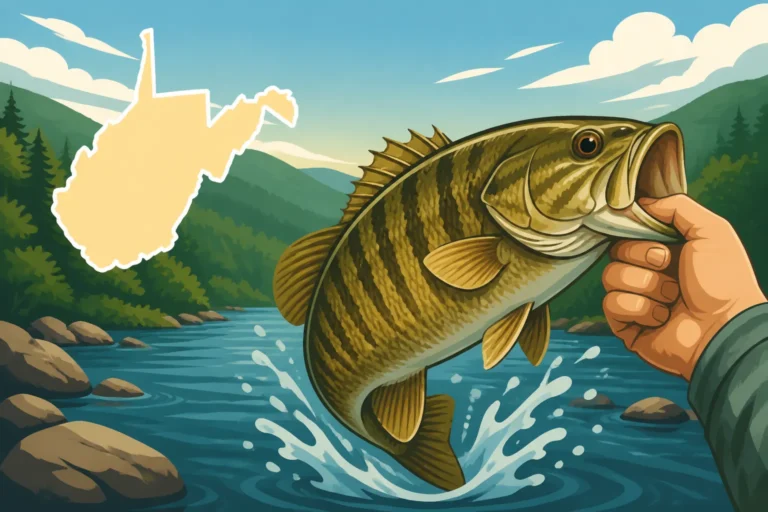
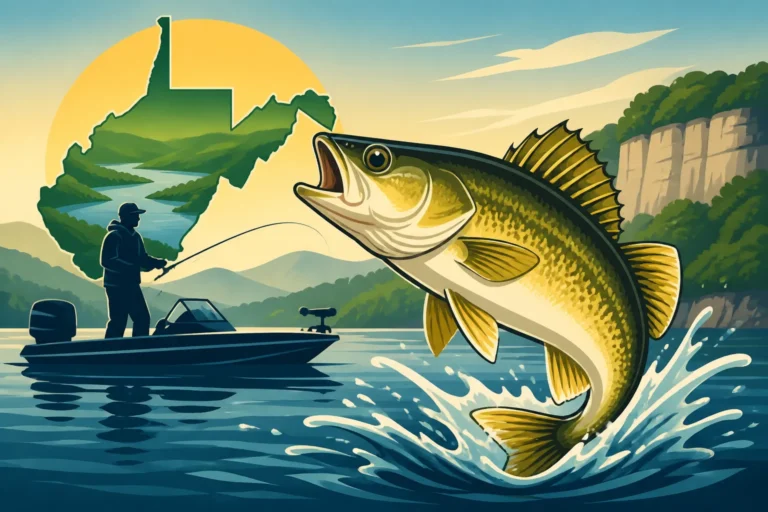
Stonewall Jackson Lake, nestled in the heart of West Virginia, is renowned for its excellent bass fishery. But what makes it so special for largemouth and even some smallmouth? It all comes down to its diverse underwater landscape and the way bass interact with it throughout the year.
The Lake's Layout and Structure
Stonewall Jackson Lake isn't just a big bowl of water; it's a reservoir formed by impounding the West Fork River, and that river influence is key. The lake features miles of irregular shoreline, countless coves, and deep channels that mirror the old riverbed. What really sets it apart, though, is the extensive amount of standing timber. When the lake was filled in the late 1980s, much of the forest was left intact, creating an underwater jungle of submerged trees and brush piles. These provide incredible cover, ambush points, and shade for bass, making them feel secure and offering them prime hunting grounds.
Think of these coves as miniature ecosystems within the larger lake. Each one can vary in depth, bottom composition, and the density of cover. Some are wide and shallow, perfect for spring spawning, while others are narrow and deep, offering refuge in the summer heat. The constant influx from the West Fork River fishing access also contributes to nutrient flow and slight current changes within the coves, which can concentrate baitfish and, in turn, bass. Understanding these nuances is the first step to unlocking their secrets.
Seasonal Bass Movements in the Coves
Bass are creatures of habit, but their habits are deeply tied to the seasons and water temperature. Knowing how they move and utilize the coves throughout the year is crucial for success.
In spring, as water temperatures begin to rise, bass will migrate from deeper main lake areas into the shallower coves. This is pre-spawn time, and they'll be looking for warmer water, protection from wind, and areas with suitable spawning substrate like gravel or hard bottoms. The backs of these coves, often with small feeder creeks, become hotspots. As the water warms further, they'll build nests and spawn, making them highly visible and often aggressive to anything encroaching on their territory.
Summer brings warmer surface temperatures, and bass will often move out of the very shallowest parts of the coves. They don't abandon the coves entirely, though. Instead, they'll relate to deeper cover within the coves – those submerged trees, brush piles, and points that offer shade and cooler water. During this time, they might move shallower during low-light conditions (dawn, dusk, or cloudy days) to feed before retreating to the depths.
As fall approaches and water temperatures cool again, bass become highly active feeders. They know winter is coming and they need to bulk up. They’ll often chase baitfish in the coves, pushing them against the banks. Look for schooling activity, especially in coves with good baitfish populations. The bass might be found near channel swings, points, and the edges of remaining green vegetation. This is a fantastic time for aggressive presentations, making it one of the Best Time of Year to Fish in West Virginia.
Top Bass Fishing Coves on Stonewall Jackson Lake
While every cove on Stonewall Jackson Lake holds potential, some consistently produce more bass due to their unique features and structure. Knowing where to start can save you a lot of searching.
Southern End: The West Fork River Arm Coves
The southern end of Stonewall Jackson Lake, where the West Fork River feeds in, is characterized by a more riverine feel. The coves here are often narrower, with steep banks and abundant standing timber. This area can be a goldmine for both Largemouth Bass Fishing in West Virginia and even a few roaming smallmouth.
Look for coves that have noticeable creek channels running through them. These channels act as highways for bass, especially during migration periods. Key features to target include:
- Submerged timber: This is paramount. Look for dense stands of trees, particularly those with deep water access nearby. Bass will hold tight to these, ambushing prey. Flipping and pitching jigs or Texas-rigged plastics into the heart of these snags can be incredibly effective.
- Rocky banks and points: While timber is king, don't overlook areas with rocky banks or points that extend into the coves. These can hold crawfish and other forage, attracting bass.
- Depth transitions: Pay attention to where shallow flats quickly drop off into deeper water. These transition zones are often ambush points where bass can hide in deeper water and dart up to feed.
Some of the smaller, unnamed coves branching off the main river arm can be fantastic, offering less pressure and undisturbed cover. You might need a smaller boat or even a kayak to really get back into some of these tighter spots.
Mid-Lake Region: Expansive Flats and Points
As you move towards the mid-section of the lake, the coves often become wider and are frequently associated with more expansive flats and prominent main lake points. These areas present a different set of challenges and opportunities.
Here, bass tend to relate to the edges of the flats, especially where they drop off into the main lake channel or deeper water within the cove. Points that extend out into the main lake are also key, as they funnel baitfish and provide current breaks.
- Deep brush piles: Many anglers and the West Virginia DNR have intentionally sunk brush piles in these areas. Look for them on your fish finder, especially on the edges of flats or along old creek channels. Bass will school up on these during summer and fall.
- Grass lines (if present): While not as prevalent as some southern lakes, any significant grass beds in the backs of these wider coves are magnets for bass, offering cover and oxygen.
- Humplike structures: Submerged humps or rises within these coves, even if subtle, can concentrate baitfish and bass. These often aren't visible on the surface, so rely on your electronics.
These mid-lake coves can be excellent for throwing reaction baits like crankbaits or spinnerbaits along the edges of the flats, especially when bass are actively feeding. You might find a good guide through a service like FishingBooker who knows these specific submerged structures well.
Northern End: Dam Area and Deeper Water Access
The coves closer to the dam on Stonewall Jackson Lake tend to be deeper and often have clearer water due to less river influence. While the main body of the lake here holds a lot of deep water, the coves still offer crucial sanctuary and feeding grounds.
- Steep, rocky banks: These coves often feature steeper banks that drop quickly into deep water. Smallmouth Bass Fishing in West Virginia can be good here, especially if there's rock or gravel mixed in with the timber. Smallmouth love rocky ledges and broken bottom.
- Deep timber lines: The standing timber here often extends deeper, providing cover for bass even at depths of 20-30 feet or more. Vertical jigging or dropping heavy Texas rigs can be effective.
- Secondary points: Look for points within the coves that extend towards the main lake. These are often high-percentage areas, acting as staging points for bass moving in and out of the deeper waters near the dam.
Fishing this area requires a bit more precision and often deeper presentations. Knowing the exact Stonewall Jackson Lake boat ramp locations nearest your chosen coves can save valuable time, especially if you plan to launch a larger bass boat.
Techniques and Tactics for Stonewall Jackson Coves
Once you've identified a promising cove, knowing how to approach it with the right techniques and presentations is paramount. Bass fishing here requires adaptability, given the varied structure and seasonal changes.
Spring Spawning and Post-Spawn Strategies
During the spring, when bass move into the coves to spawn, your focus should be on the shallower, protected areas. This period can be incredibly exciting.
- Sight Fishing: If the water clarity allows, sight fishing for bedding bass is an option. Pitch soft plastics like creature baits, tubes, or senkos onto or just past the bed. Let it sit, then twitch it. The key is to irritate the bass into striking. Remember, in West Virginia, you are allowed to target bedding bass, but please practice catch-and-release to protect the spawn.
- Flipping and Pitching: Even if you can't see the beds, bass will be guarding cover near potential spawning areas. Target submerged bushes, logs, and dock pilings with jigs or Texas-rigged plastics. The goal is to drop your bait quietly into tight cover.
- Shallow Crankbaits and Spinnerbaits: As bass move into pre-spawn or post-spawn feeding patterns, shallow-running crankbaits or spinnerbaits fished along the edges of flats and shallow points in the coves can trigger aggressive strikes. These baits cover water quickly, helping you locate active fish. For tips on a similar strategy, check out Best Techniques for Early Spring Trout – while for different species, the principle of targeting early season feeders in accessible water remains.
Summer and Fall Cover Fishing
As the seasons progress, bass adjust their positions, but the coves remain central to their lives. The key shifts from shallow spawning to deeper cover and active feeding.
- Deep Water Flipping and Pitching: Those massive stands of submerged timber that make Stonewall Jackson famous become crucial. Use heavy jigs or Texas-rigged worms (like a 10-inch Berkley Power Worm) with tungsten weights to penetrate the dense canopy. Let it fall slowly, feeling for subtle bites. This is a game of patience and precision.
- Deep Crankbaits and Carolina Rigs: In coves with more open water but still significant depth, deep-diving crankbaits can be highly effective for covering water and locating bass holding on channel edges or submerged humps. Carolina rigs, with their ability to present a soft plastic at a controlled depth above the bottom, are also excellent for dragging across subtle changes in depth or bottom composition.
- Topwater Action: Don't neglect topwater lures, especially during low-light hours or on cloudy days, even in summer. Bass will often come up from deeper cover to attack a walking bait or popper over shallow flats or near the mouths of coves. This is a thrilling way to catch fish! For more general tips on targeting bass, refer to our guide on Best Bass Fishing Techniques for Summersville Lake.
Best Lures and Baits for Stonewall Jackson Bass
Having the right arsenal of lures can make all the difference. Here’s a quick overview of what generally performs well in Stonewall Jackson Lake's coves:
| Lure Type | Best Season | Target Areas | Retrieval/Presentation |
|---|---|---|---|
| Jig (Football/Flipping) | Year-round (esp. Spring/Fall) | Submerged timber, brush piles, rocky points | Flipping/pitching into cover, dragging on bottom |
| Texas-Rigged Soft Plastics (Worms, Creatures) | Year-round (esp. Summer) | Dense cover, timber, weed lines | Slow retrieve, hopping, subtle twitches, punching |
| Spinnerbait | Spring, Fall (some Summer) | Shorelines, shallow flats, edges of cover | Steady retrieve, slow rolling, burning |
| Crankbait (Shallow/Deep) | Spring, Summer, Fall | Points, channel edges, flats, open water | Steady retrieve, varying speed, deflect off cover |
| Topwater (Popper, Walker) | Summer, Fall (low light) | Shallow flats, calm water, near cover | Walking the dog, popping, subtle twitches |
| Jerkbait | Spring, Fall | Clearer water, main lake points, cove mouths | Twitch-twitch-pause, erratic retrieve |
| Chatterbait | Spring, Fall | Shallow grass, wood, moderate cover | Steady retrieve, stop-and-go, bumping cover |
Remember, lure color can be crucial. In clearer water, natural baitfish patterns or greens and browns work well. In stained or darker water, opt for brighter colors like chartreuse or black and blue. You can find more specific advice on Best Crankbaits for West Virginia Smallmouth Bass which can often cross over for largemouth too. Always be mindful of West Virginia Bag and Possession Limits by Species for bass, as specific regulations apply.
Essential Gear for Navigating Stonewall Jackson Lake's Coves
Getting to these productive coves and effectively fishing them often requires the right equipment. Stonewall Jackson Lake is a big place, and preparedness is key.
Boat and Kayak Considerations
The choice of watercraft significantly impacts your ability to access and fish the various coves.
- Bass Boats: For covering large distances quickly and getting to a variety of coves, a traditional bass boat is ideal. Its shallow draft can get you into many parts of the coves, and powerful trolling motors are essential for maneuvering around timber. However, some of the very tight, timber-choked coves might be challenging to navigate.
- Jon Boats/Utility Boats: A smaller jon boat with a modest outboard and a good trolling motor can be a fantastic option. They are generally more maneuverable in tighter spaces and can get into shallower water without too much fuss. Just be mindful of stumps and submerged logs.
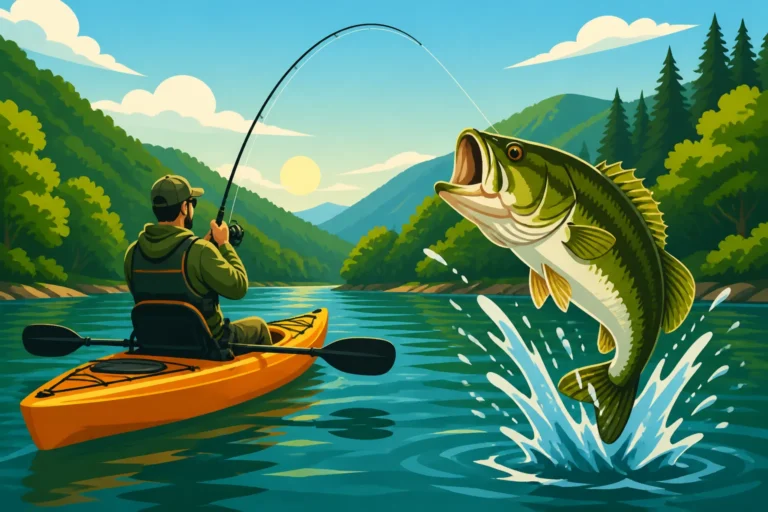
- Kayaks and Canoes: For those who want to really explore the untouched corners of the coves, a fishing kayak or canoe is hard to beat. They allow silent, stealthy approaches to highly pressured areas and can navigate through dense timber where larger boats can't go. Many anglers even prefer a Best Kayak for Lake Fishing in West Virginia to get into the skinny water. You can often find information on kayak-friendly access points through local outfitters or by checking listings on platforms like FishingBooker, which sometimes highlight guided trips in these areas.
Regardless of your vessel, always have a good anchor system, especially if you plan to fish windy points or current-affected areas. A shallow water anchor system can be invaluable for holding position silently in the coves.
Electronics and Navigation
In a lake with as much complex structure as Stonewall Jackson, your electronics are more than just a luxury; they're essential tools.
- Fish Finders with Side/Down Imaging: A quality fish finder is your eyes below the surface. Side imaging is particularly useful for scanning wide coves to locate hidden brush piles, old creek channels, and schools of baitfish. Down imaging helps you identify the type of cover and the fish holding directly beneath you. This is crucial for navigating the infamous submerged timber without constantly hitting unseen obstacles. Our guide on Best Fish Finders for West Virginia Lakes offers detailed recommendations.
- GPS and Mapping: Modern units often come with detailed lake maps preloaded, showing depth contours, old roadbeds, and even some submerged features. Use your GPS to mark waypoints for productive spots, navigate safely through timber, and return to specific areas. The coves can look very similar, so GPS is vital for keeping your bearings.
- Electric Trolling Motor: A powerful electric trolling motor, preferably with GPS spot-lock capabilities, is non-negotiable for effective cove fishing. It allows you to silently position your boat, hold against wind, and slowly work intricate cover without spooking fish.
Armed with these tools and a solid understanding of Stonewall Jackson Lake's unique character, you'll be well on your way to discovering the incredible bass fishing opportunities hidden within its numerous coves. Remember to consult the West Virginia Fishing Regulations Explained before heading out to ensure you're compliant with all local rules.
Disclaimer
Please note that fishing conditions, regulations, and fish populations can change. Always consult the latest West Virginia Division of Natural Resources fishing regulations before your trip. Exercise caution when boating and fishing, especially around submerged timber and unfamiliar waters. This guide is for informational purposes only and does not guarantee fishing success.