Best eating fish species from West Virginia lakes
There's nothing quite like the satisfaction of reeling in a beautiful fish from one of West Virginia's stunning lakes. You've battled it out, enjoyed the scenery, and now you're holding your prize. But then the age-old question pops into mind: "Is this fish good to eat?" It's a common dilemma, especially when you're looking to bring home some delicious table fare for dinner rather than just a memory. This guide is all about helping you confidently identify the best eating fish species from West Virginia lakes, ensuring your catch becomes a fantastic meal and not just another story.
What Makes a Fish "Good Eating"? Understanding the Factors
When we talk about what makes a fish "good eating," it's not just about whether it's edible. Most fish are. It's about flavor, texture, and how enjoyable it is to prepare and eat. Several factors influence how a fish tastes, and understanding these can help you appreciate your catch even more – and sometimes, even influence where and how you fish!
The Role of Water Quality and Diet
First and foremost, the environment a fish lives in plays a huge role in its flavor. Fish from clean, clear, cool waters often have a milder, sweeter taste than those from murky, warmer, or stagnant environments. West Virginia is blessed with a diverse range of lakes, from deep, clear reservoirs to shallower, warmer impoundments, and this directly impacts the fish. A fish's diet is another critical factor. What they've been eating can subtly, or sometimes not so subtly, influence their flesh. Fish that primarily feed on smaller baitfish or insects tend to have a cleaner, less "fishy" flavor compared to those that might forage on a wider variety of bottom-dwelling organisms. For example, a crappie that's been feasting on minnows in a deep, cool pocket of Summersville Lake will often taste different from one caught in a shallower, weedier pond where it might have a more varied diet.
Species-Specific Characteristics and Texture
Beyond environment and diet, each fish species has its own inherent characteristics that contribute to its eating quality. We're talking about things like the oil content in the flesh, its flakiness, firmness, and natural flavor profile. Some fish, like trout, are naturally fattier and have a distinct, rich taste, while others, like crappie, are known for their delicate, flaky, white meat. The size of the fish can also matter. Sometimes, smaller, younger fish of a particular species can be more tender and milder in flavor than older, larger specimens. For species like panfish, a platter of smaller, freshly caught fish can be an absolute delight. Conversely, some larger fish, like a big channel catfish, might offer thicker fillets that stand up better to grilling or smoking, provided they are cleaned meticulously.
Top Table Fare from West Virginia Lakes
Now, let's get down to the delicious details! West Virginia's lakes offer a fantastic variety of species that are renowned for their eating quality. When you're fishing one of our beautiful impoundments, these are the species that often bring the most smiles to the dinner table.
Crappie: The Panfish King
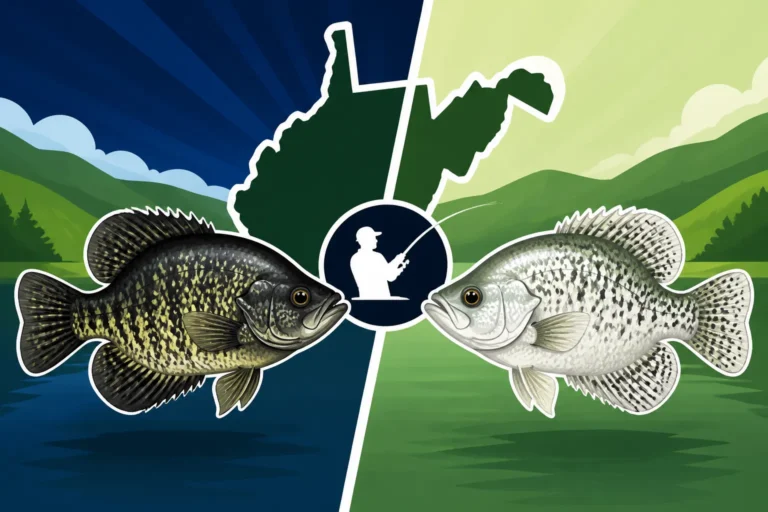
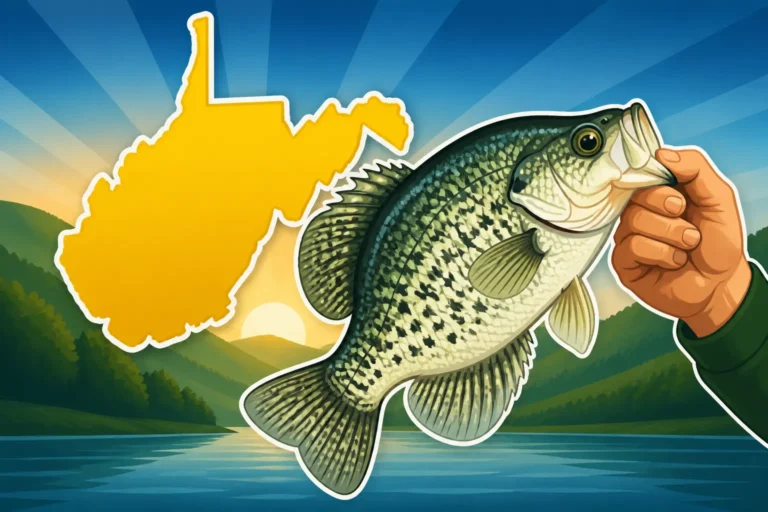
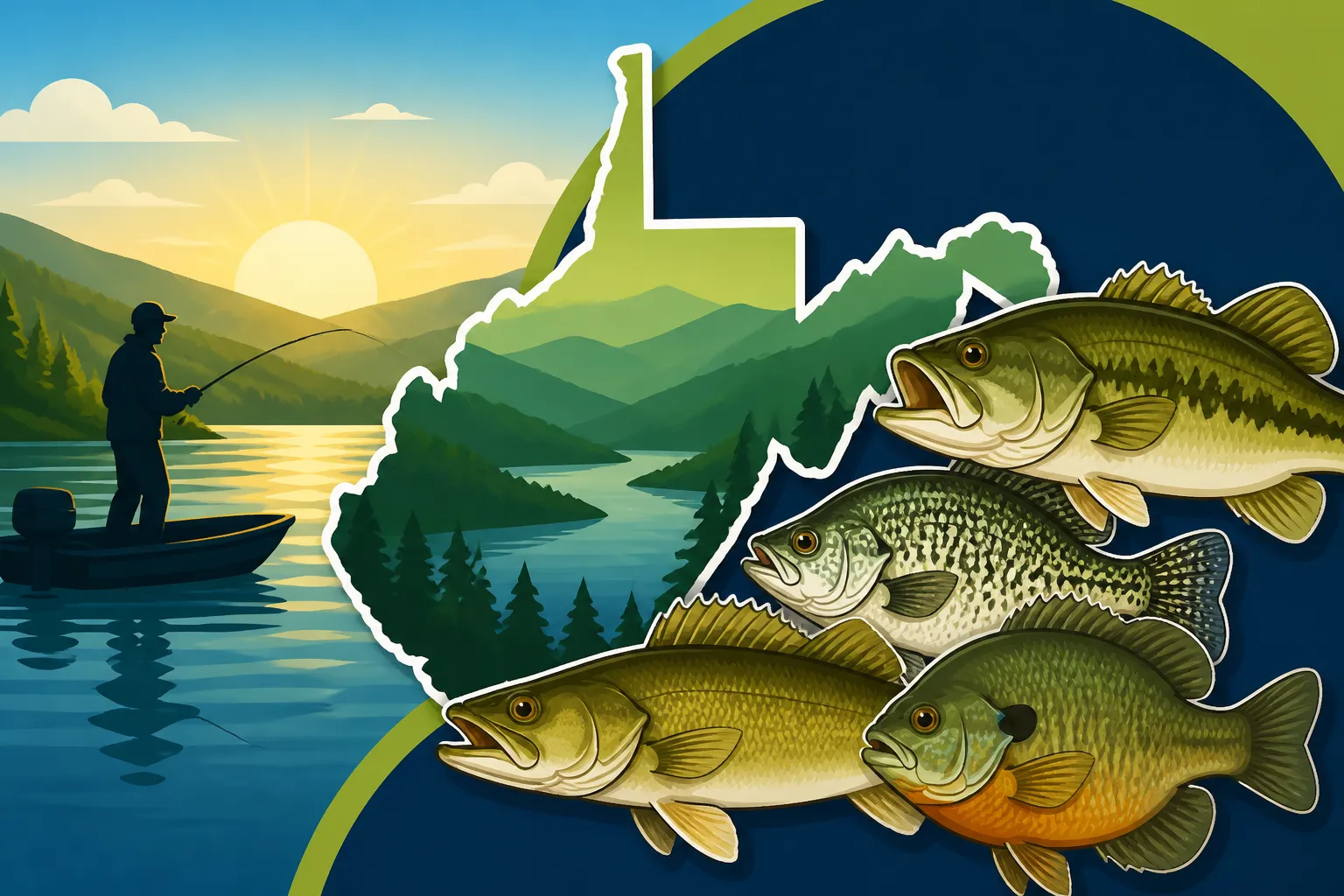
Crappie, both black and white, are hands down one of the most beloved eating fish in West Virginia lakes. If you've ever had a plate of fresh, fried crappie fillets, you know exactly what I'm talking about. Their meat is wonderfully white, delicate, and incredibly flaky, with a mild, sweet flavor that's hard to beat. They don't have a strong "fishy" taste, which makes them a favorite even among those who might be a bit pickier about seafood. You can find crappie in virtually every major lake across the state, often schooling around submerged timber, brush piles, or bridge pilings. Crappie Fishing in West Virginia will give you a great overview of where and how to target them.
Catching crappie is a blast, and they're generally abundant, making them a fantastic target for a family fishing trip where the goal is to bring home a meal. Imagine a cooler full of these beauties, ready for the frying pan! For preparation, simple pan-frying is classic. A light breading of cornmeal or seasoned flour, a quick dip in hot oil, and you've got a crispy, tender fillet that melts in your mouth. Many anglers swear by the "whole fish" fry for smaller crappie, where the entire cleaned fish (minus head and guts) is fried to a golden crisp. These delicious morsels are perfect for a summer evening cookout after a successful day on the water.
Walleye: The Coveted Delicacy
Walleye are often considered the creme de la creme of freshwater table fare, and for good reason. They are simply exquisite. The meat is firm, very white, and boasts a wonderfully mild, almost buttery flavor with very few bones to contend with. It's truly a premium fish, and catching a good walleye in West Virginia lakes like Tygart or Summersville Lake is a real accomplishment. Their elusive nature only adds to the satisfaction of enjoying one at dinner. Walleye Fishing in West Virginia can help you learn more about chasing these sought-after fish.
Because of their superior flavor and texture, walleye fillets are incredibly versatile. They hold up well to baking, broiling, pan-frying, and even grilling. Many chefs and home cooks choose lighter preparations to let the natural flavor shine through – a little lemon, butter, and herbs are often all you need. If you're looking for specialized gear for these fish, you might find some excellent fillet knives on Amazon that are perfect for getting clean cuts from a walleye. Just remember, these fish are often found in deeper, cooler water, and their regulations can sometimes be more restrictive, so always check the current West Virginia Bag and Possession Limits by Species before you head out.
Channel Catfish: The Versatile Bottom Dweller
While some might shy away from catfish, a properly cleaned and cooked channel catfish from a clean West Virginia lake is absolutely delicious. Their meat is firm, moist, and typically white to off-white, with a flavor that can range from mild to slightly stronger, depending on the water quality and their diet. The key here is "properly cleaned." Removing the darker red meat along the lateral line can significantly improve the flavor, reducing any "muddy" taste that some people associate with catfish. Lakes like Bluestone Lake and Burnsville Lake are well-known for their healthy channel catfish populations. If you want to learn more about targeting them, check out How to Catch Catfish in West Virginia Lakes.
Channel catfish are incredibly versatile in the kitchen. They stand up beautifully to frying, of course, but they're also fantastic grilled, baked, or even smoked. Because of their firm texture, they're a great candidate for fish tacos or in stews and gumbos. Don't be afraid to experiment with bolder seasonings, as the meat can handle it. Many anglers consider a good catfish fillet to be some of the best eating in the freshwater world, especially when prepared right. And let's be honest, they put up a fantastic fight, making the reward even sweeter!
Bluegill and Other Panfish: Small but Mighty Flavor
While they might not fill a platter with large fillets, a mess of bluegill, sunfish, or yellow perch from a West Virginia lake offers some incredibly tasty eating. These smaller panfish have sweet, white, flaky meat that, like crappie, rarely has a strong "fishy" taste. They are often the first fish kids catch, and they provide a wonderful opportunity for a shore lunch or dinner right after your outing. Panfish Fishing in West Virginia explores more about these delightful smaller species.
The challenge with panfish is their size; filleting them can be tedious if you're not practiced. Many anglers simply scale and gut smaller panfish and fry them whole, enjoying the crispy skin and tender meat right off the bone. Larger bluegill and perch can yield decent fillets that are perfect for quick frying. They're an excellent way to introduce new diners to the joy of eating fresh catch, as their mild flavor is universally appealing. Don't underestimate the humble bluegill; a pile of these little fried gems can rival any gourmet meal. You can find simple, effective panfish jigs and lures on Amazon to make your fishing trips even more productive.
| Fish Species | Flavor Profile | Texture | Common Preparations | Average Size for Eating |
|---|---|---|---|---|
| Crappie | Mild, sweet, delicate | Flaky, tender | Pan-fried, baked | 9-12 inches |
| Walleye | Mild, sweet, buttery | Firm, white | Baked, pan-fried, grilled | 16-24 inches |
| Channel Catfish | Mild to medium, versatile | Firm, moist | Fried, grilled, smoked | 14-24 inches (larger OK if cleaned well) |
| Bluegill/Perch | Sweet, mild, clean | Flaky, tender | Pan-fried (whole or fillet) | 6-10 inches |
Tips for Enhancing Your Catch's Flavor
You've caught some beautiful fish from a West Virginia lake, and you know they're great eating species. But the journey from the water to your plate is crucial for maximizing that delicious flavor. Here are some essential tips to ensure your meal is as good as it can be.
Immediate and Proper Handling
The moment a fish comes out of the water, its quality for eating begins to decline. This might sound a little dramatic, but it's the truth! The most important step you can take to preserve flavor is to dispatch your catch quickly and humanely, and then get it on ice immediately. This chills the fish rapidly, slowing down enzymatic processes that can lead to spoilage and off-flavors. A quality cooler, packed with plenty of ice, is just as important as your fishing rod. For larger fish like walleye or catfish, bleeding them out immediately after catching them can also significantly improve the meat's quality by draining blood that can impart a stronger, "fishier" taste. Just a quick slit behind the gills and into the cool water or an ice-filled bucket for a few minutes can make a world of difference. Investing in a good cooler, perhaps one you scout out on Amazon, is a game-changer for preserving your catch.
Cleaning and Filleting Techniques
Once you're off the water, proper cleaning is paramount. For crappie, walleye, and larger panfish, filleting is usually the preferred method. This removes all bones, skin, and typically any darker, stronger-tasting meat near the skin or lateral line. Use a sharp fillet knife – this isn't just about ease, it's about getting clean cuts that preserve the integrity of the flesh. Many experienced anglers have favorite knives, and if yours is getting dull, you might consider looking for a highly-rated option on Amazon. For channel catfish, skinning them before filleting is often easiest, and definitely take the time to trim off any red meat.
For smaller panfish like bluegill, many folks prefer to simply scale, gut, and remove the head, then cook them whole. There's an art to getting clean fillets efficiently, and a few online tutorials can show you the ropes if you're new to it. The goal is to get as much clean, pure meat as possible, free from scales, guts, or unnecessary strong-tasting bits. The cleaner the fillet, the better the final dish.
Storage and Cooking Preparation
After cleaning, if you're not going to cook your fish right away, proper storage is crucial. Fresh fillets can be stored in the refrigerator, loosely wrapped in parchment paper or paper towels and then placed in an airtight container, for a day or two. For longer storage, freezing is the way to go. The best method for freezing is often vacuum-sealing the fillets or submerging them in water in freezer bags (known as ice glazing) to prevent freezer burn. This helps maintain the texture and flavor for several months.
When it's time to cook, keep it simple, especially with such fresh, high-quality fish. As mentioned earlier, pan-frying, baking, broiling, or grilling are all excellent choices. A light seasoning of salt, pepper, garlic powder, and maybe some paprika or Old Bay can enhance the natural flavors without overpowering them. Remember, the goal is to celebrate the taste of the fresh fish you've worked hard to catch from West Virginia's beautiful lakes. Enjoy the fruits of your labor!
Species to Consider and Those to Release
While we've highlighted the top contenders for delicious eating, West Virginia's lakes host many other fish species. Some are also great table fare, while others are best enjoyed for sport and then carefully released back into the water to fight another day. It's all about making informed choices that support both your culinary desires and healthy fish populations.
Other Edible Species Worth Trying
West Virginia lakes are home to a variety of other fish that can make for a fine meal. Largemouth bass and smallmouth bass, for example, are common catches. While many anglers prefer to release larger bass, especially trophy smallmouth from places like the New River Gorge, smaller bass, particularly largemouth, can be quite good to eat. Their meat is white and flaky, though sometimes a bit firmer than crappie. Just like with catfish, making sure they're from clean water and properly filleted (removing any red meat) is key. You can find information on specific bass limits in West Virginia Black Bass Limits and the New River Slot Limit.
Hybrid striped bass are another popular game fish found in several West Virginia lakes, known for their powerful fights. Their firm, white, somewhat oily meat is excellent for grilling or baking, offering a richer flavor than some of the other white-fleshed fish. Yellow perch, often caught alongside bluegill, are another panfish that provides delicious, sweet, flaky fillets, similar to crappie. Don't overlook them if you're catching a bunch!
Embracing Catch and Release
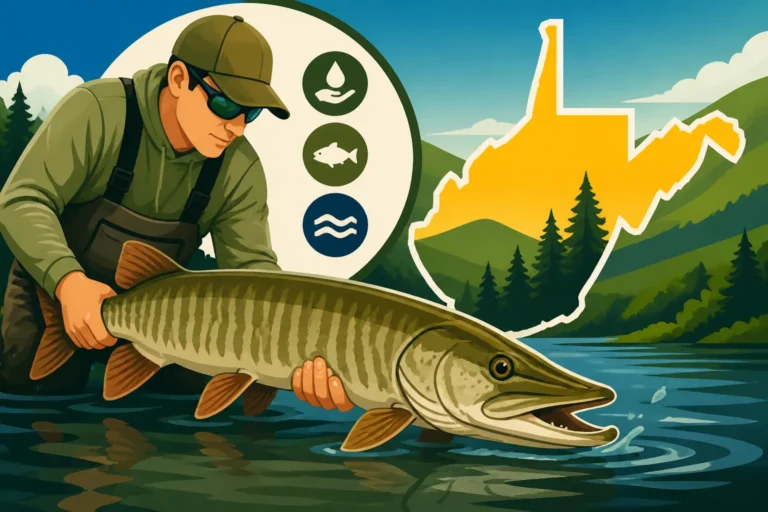
On the other hand, some fish are simply better left in the water, either for conservation reasons, their sporting value, or because their eating quality isn't typically as high. Muskie, for instance, are the fish of a thousand casts. While technically edible, their meat can be a bit tougher and is not generally considered top table fare. Plus, they're magnificent apex predators, and releasing them ensures they continue to grow and provide thrilling battles for other anglers. Many dedicated muskie anglers are strict about catch and release, often even equipping themselves with specialized release tools. Learn more about their impressive size in Muskie Growth Rate to Trophy Size.
Another aspect to consider is the age and size of a fish. While we might want to catch the biggest fish possible, sometimes a mid-sized fish offers the best eating quality. Very large, older fish can accumulate more contaminants over their lifetime, and their flesh can be tougher or have a stronger flavor. This is why paying attention to harvest limits, slot limits, and consumption advisories is important. Always check current regulations for the specific lake you are fishing, and remember that conservation is a critical part of enjoying West Virginia's abundant fishing resources. By being mindful of what you keep and what you release, you help ensure that future generations can also enjoy both the thrill of the catch and the delight of a fresh fish dinner.
Disclaimer
This article is for general informational purposes only and does not constitute professional advice. Laws, prices and regulations vary by location and change over time. Consult a qualified professional for guidance on your specific situation.