Fish species unique to the New River drainage
The New River isn't just any waterway; it's an ancient geological marvel, carving its way through the Appalachians, and its unique history has given rise to some truly special, often unseen, inhabitants. Many anglers know the thrill of landing a hefty smallmouth on the New, but few realize the incredible biodiversity lurking beneath the surface, including fish species found nowhere else on Earth. If you've ever wondered about the hidden treasures of this iconic river or how your angling practices might impact them, this guide is for you. We're going to dive deep into the fascinating world of the fish species that are truly unique to the New River drainage, understand what makes them so special, and explore how we can all help protect them for generations to come.
The New River's Ancient Legacy and Unique Ecosystem
When we talk about the New River, we're not just discussing a body of water; we're talking about a living testament to geological time, a river whose very existence predates the mountains it now carves through. This incredible age and unique north-flowing direction have set the stage for an aquatic ecosystem unlike almost any other, fostering species that have evolved in isolation for millions of years. It’s a place where the past is truly alive, and understanding this deep history helps us appreciate the rare gems that call it home.
A River Older Than Mountains: What Makes the New River Special?
Imagine a river so ancient that it was flowing before the Appalachian Mountains rose to their towering heights. That's the New River. It's considered one of the oldest rivers in North America, and some geologists even argue it's among the oldest in the world. Unlike most major rivers in the eastern United States, which flow south or east towards the Atlantic, the New River defiantly flows north, cutting across mountain ranges instead of following valleys. This geological anomaly is a massive part of its allure and its biological significance.
This pre-mountain formation allowed the New River's aquatic life to evolve continuously, largely cut off from the influences of other major drainages for eons. While glaciers advanced and retreated, reshaping much of the continent's hydrology, the New River persisted, providing a stable, isolated environment. This deep history means that fish species within its waters have had an uninterrupted period to adapt, specialize, and develop distinct genetic lineages without much mixing from other river systems. The river's course itself is a mosaic of habitats, from roaring whitewater rapids and deep, churning pools to slow, meandering stretches and countless pristine tributaries. Each of these micro-habitats offers niches for different forms of life, further contributing to the river's rich, unique biodiversity. When you're fishing along its banks, you're not just casting into water; you're casting into millions of years of natural history. New River Gorge Fishing Guide provides an excellent overview of the angling opportunities in this historic waterway.
How Isolation Fosters Uniqueness
The concept of "endemism" is key to understanding the New River's unique fish species. Endemic species are those found exclusively in a particular geographic area and nowhere else on Earth. The New River's geological isolation has acted like an enormous, slow-motion evolutionary laboratory, perfectly suited to fostering endemism. For millions of years, the towering Appalachian mountains and significant waterfalls acted as natural barriers, largely preventing fish from easily moving into or out of the New River drainage basin.
This physical separation meant that the fish populations within the New River system evolved independently. Without gene flow from outside populations, these species diversified and adapted specifically to the unique conditions of the New River. Over time, some populations diverged so significantly from their ancestral forms that they became entirely new species. Think of it like a remote island where unique plants and animals evolve because they can't leave and new species can't easily arrive. The New River, in essence, is a biological island within a continent. This isolation is why certain darters, which we'll discuss shortly, can be found here and only here. It's a truly humbling thought to realize that the vibrant, darting fish you might glimpse under a rock aren't just local species; they are global rarities, a product of geological forces and evolutionary timelines almost beyond our comprehension. This unparalleled uniqueness is precisely why safeguarding the New River's integrity is so vital.
Diving Deep: The New River's Endemic Fish Species
While the New River is famous for its robust populations of smallmouth bass and muskie, the true biological stars are often much smaller, more elusive, and critically endangered. These are the fish that genuinely represent the river's unique evolutionary journey, species that exist nowhere else in the world.
The Elusive Darters: New River's Tiny Treasures
When we talk about fish species truly unique to the New River drainage, the conversation almost immediately turns to darters. These are small, often beautifully colored, bottom-dwelling fish that are crucial indicators of aquatic ecosystem health. They don't get the same angler attention as a trophy smallmouth, but their ecological significance is immense. They are a testament to the New River's ancient lineage and its capacity for fostering rare biodiversity.
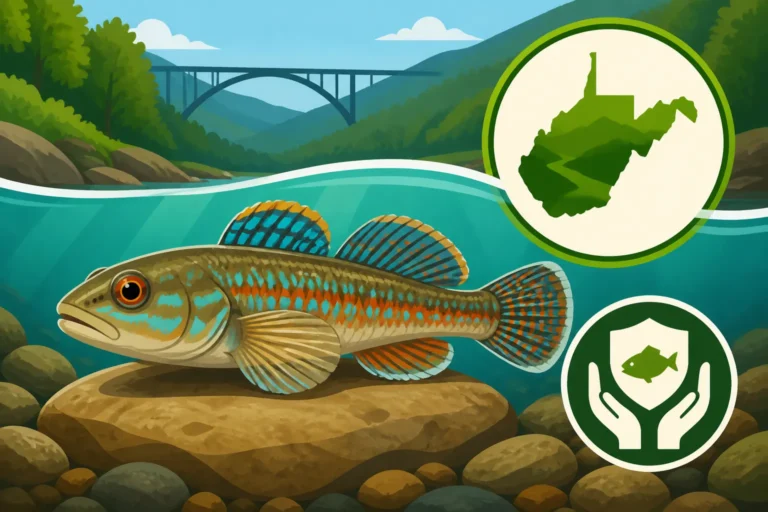
Perhaps the most famous of these is the Candy Darter (Etheostoma osburni). This absolutely stunning fish, often no more than a few inches long, lives up to its name with a vibrant, kaleidoscope-like coloration, especially during spawning season. Males can display brilliant oranges, blues, and reds, making them a true jewel of the freshwater world. Historically, and still predominantly, the Candy Darter is found in the upper New River drainage and a few adjacent tributaries in the upper Kanawha River system that were once part of the ancient New River. Its continued existence is precarious, and it is listed as a federally threatened species. Habitat degradation, primarily from sedimentation caused by land disturbances, and hybridization with the introduced variegate darter (a similar species brought into the drainage) pose significant threats. These are fragile creatures that require pristine, fast-flowing, rocky riffles to thrive, often in small, clear tributaries of the main river. Learning about these unique fish helps us understand why efforts to protect them are so important, as highlighted in topics like Are There Protected or Endangered Fish Species in West Virginia?.
Even rarer and more critically endangered is the Diamond Darter (Crystallaria cincotta). This elongated, somewhat translucent darter is a ghost of the river, almost perfectly camouflaged against the clean, gravelly bottoms of specific clear-water stretches. It's one of the rarest fish in North America, known from only a handful of locations within the New River and Elk River drainages. Its distinct body shape and preference for larger, deeper rivers with stable gravel and cobble substrates make it particularly vulnerable to any form of habitat alteration or sedimentation. The Diamond Darter is a critically endangered species, meaning it faces an extremely high risk of extinction in the wild. Its plight underscores the delicate balance of these ancient river ecosystems. For a deeper understanding of its specific protection status, you can read What the diamond darter is and why it is protected.
These darters are not targeted by anglers, but their presence is a clear sign of a healthy, functioning ecosystem. Their life cycles are tied intimately to the quality of the water and the integrity of the riverbed. Spotting one of these tiny wonders, even by chance, is a rare privilege and a powerful reminder of the hidden beauty beneath the surface of the New River.
Other Notable New River Specialists
While darters truly hold the spotlight for strict endemism within the New River, it’s worth noting that the river also harbors populations of other species that, while not exclusively endemic, are genetically distinct or highly adapted to this ancient waterway. The New River's long history means that even widespread species might have developed unique characteristics here due to prolonged isolation.
For instance, the New River Shiner (Notropis scabriceps) is another species that, while found in adjacent drainages, is considered a significant part of the New River's unique ichthyofauna. Its populations within the New River drainage are often genetically distinct and well-adapted to the specific conditions of this river system. These small minnows play a vital role in the food web, serving as forage for larger game fish like the New River's famed smallmouth bass. Their health is directly linked to water quality and habitat availability in the river's tributaries and mainstem.
Beyond these smaller species, even the more popular game fish of the New River, such as the New River Smallmouth Bass (Micropterus dolomieu), possess unique qualities. While smallmouth bass are found across a wide range, the New River's populations are legendary for their size, fighting spirit, and robust numbers. Anglers specifically seek out New River Smallmouth Bass Fishing opportunities here due to the exceptional quality of the fishery. Years of isolation and adaptation to the New River's powerful currents and unique forage base have likely contributed to these distinct characteristics, making them a truly special population within their species. Similar distinctions can be made for the New River Muskie Fishing, where the long, lean fish are perfectly suited to the river's powerful flows. These larger, more well-known species thrive in the diverse habitats that the endemic darters also call home, demonstrating the interconnectedness of the entire ecosystem.
Identifying These Rare Gems
For the casual angler, spotting a Candy Darter or Diamond Darter can be a challenge, as they are small, well-camouflaged, and tend to inhabit specific riffle and run environments. However, understanding what to look for can deepen your appreciation for the river's biodiversity. While you should never attempt to handle these protected species, a keen eye might offer a rare glimpse. A waterproof field guide, easily found on Amazon, can be an invaluable tool for on-the-water identification.
Here's a quick guide to help you distinguish between the two primary endemic darters, should you be lucky enough to observe them:
| Feature | Candy Darter (Etheostoma osburni) | Diamond Darter (Crystallaria cincotta) |
|---|---|---|
| Size | Typically 2-3 inches, rarely over 4 inches | Longer and more slender, up to 5-6 inches |
| Body Shape | Stout, deeper body; more typical darter shape | Very slender, elongated, almost pencil-like body |
| Coloration | Males strikingly colorful (red, orange, blue, green bars/spots) especially during spring spawning; females duller. | Pale, translucent, mottled with dark spots and bars; blends seamlessly with gravel. |
| Pectoral Fins | Fan-like, often with dark bands | Well-developed, often clear or faintly spotted |
| Habitat | Small to medium-sized tributaries; clear, cool water; rocky riffles & runs. | Larger river mainstems; deeper, clearer runs with stable gravel/cobble substrate. |
| Distinct Trait | Highly vibrant colors in males during breeding | Extremely elongated, almost eel-like body with dark spots forming diamond patterns. |
Remember, these fish are small and quick. If you're wading in clear, shallow riffles, occasionally pausing and looking closely at the bottom, especially where rocks create small pockets, might reveal one of these incredible creatures. A good pair of polarized sunglasses, available from retailers like Amazon, can significantly improve your ability to spot them. However, the best way to interact with these species is through observation, respecting their habitat, and leaving them undisturbed. For specific regulations regarding unique species, always consult the WVDNR, especially concerning whether Can You Keep a Candy Darter If You Catch One?. The answer, for threatened or endangered species, is almost always a resounding no.
Understanding and Protecting These Unique Fish
The presence of federally threatened and endangered species in the New River drainage serves as a powerful reminder of the delicate balance of nature and our responsibility to protect it. These unique fish, products of millions of years of evolution, face significant challenges in the modern world. Understanding these threats and the ongoing conservation efforts is crucial for any angler or outdoor enthusiast who cherishes West Virginia's natural heritage.
Why Are They Vulnerable?
The very factors that make these New River fish unique also make them incredibly vulnerable. Endemic species, by definition, have restricted ranges and often very specific habitat requirements. This means that any disruption within their limited territory can have disproportionately severe impacts on their populations.
One of the most pervasive threats is habitat degradation. This includes sedimentation from land disturbance activities like logging, mining, and improper agricultural practices. When fine sediments wash into the river, they can smother the rocky substrates that darters depend on for spawning, foraging, and shelter. Pollution, from sources like acid mine drainage, agricultural runoff, and inadequate wastewater treatment, further compromises water quality, which these sensitive species cannot tolerate. River alterations, such as the construction of dams, can fragment habitats, block migration routes, and alter natural flow regimes, all of which are detrimental to specialized fish.
The naturally small population sizes of endemic species also contribute to their vulnerability. With fewer individuals, they are less resilient to environmental changes, disease, or localized catastrophes. A single pollution event or a severe drought could wipe out a significant portion of their global population.
Invasive species pose another insidious threat. When non-native fish species are introduced, either intentionally or accidentally, they can outcompete native species for food and habitat, introduce diseases, or even directly prey upon them. For example, the aforementioned variegate darter, a non-native species, has been shown to hybridize with the Candy Darter, diluting its unique genetic makeup and threatening its long-term survival. This is a subtle but devastating form of ecological disruption.
Finally, the looming specter of climate change adds another layer of complexity. Altered precipitation patterns can lead to more extreme floods or droughts, impacting flow regimes. Rising water temperatures can push cold-water-dependent species beyond their physiological tolerances. These global changes put immense pressure on species that have evolved to thrive within a very narrow set of environmental conditions.
Conservation Efforts in Action
Thankfully, recognizing the unique value and precarious status of these species, dedicated efforts are underway to protect them. These efforts involve a multi-faceted approach, bringing together federal and state agencies, non-profit organizations, and academic researchers.
At the federal level, the listing of the Candy Darter as a federally threatened species and the Diamond Darter as critically endangered provides significant legal protections under the Endangered Species Act. This means it is illegal to harm, harass, or collect these fish, and federal agencies must consult with the U.S. Fish and Wildlife Service before undertaking any projects that could impact their habitat. These protections are a critical safety net for these vulnerable populations.
The West Virginia Division of Natural Resources (WVDNR) plays a vital role on the ground. WVDNR biologists conduct ongoing surveys to monitor darter populations, track their distribution, and assess threats. They also initiate and support habitat restoration projects, such as stream bank stabilization, culvert replacements that improve fish passage, and efforts to reduce sedimentation. For anglers, understanding and adhering to West Virginia fishing regulations explained helps support these broader conservation goals, as regulations are often designed with the health of the entire ecosystem in mind.
Numerous non-profit organizations and local watershed groups are also incredibly active. Groups like the New River Gorge National Park and Preserve partners, or local river conservation associations, work tirelessly on grassroots initiatives. These can include volunteer clean-up days, water quality monitoring programs, public education campaigns, and advocating for policies that protect the river. Their work on stream restoration, planting riparian buffers, and educating landowners helps improve the overall health of the watershed, benefiting all aquatic life.
Academic research, often funded by grants and conducted by universities, provides the scientific foundation for these conservation strategies. Scientists study the life history, genetics, habitat requirements, and ecological interactions of these darters, providing crucial data to guide management decisions. This collaborative approach is the best hope for ensuring that the New River's tiny treasures continue to dart across its ancient streambeds for generations to come.
Angler's Role in Conserving New River's Unique Fish
As anglers, we have a profound connection to the rivers and lakes we cherish. Our actions, however small, can collectively have a significant impact on the health and vitality of these ecosystems, especially for sensitive and unique species like the New River darters. Being a responsible steward of the water isn't just about following rules; it's about embodying a conservation ethic that protects the very resources we enjoy.
Catch and Release Best Practices for Sensitive Species
While you're not likely to deliberately target a darter, accidental catches can happen, particularly if you're fishing with small baits or flies in tributary streams. More broadly, practicing responsible catch-and-release techniques for all fish, including prized species like New River Smallmouth Bass Fishing and New River Muskie Fishing, contributes to a healthier ecosystem where sensitive species can also thrive. Every fish handled carefully is a step towards conservation.
Here are some best practices:
- Minimal Handling: The less you touch a fish, the better. Try to keep the fish in the water as much as possible.
- Wet Hands: If you must handle a fish, always wet your hands first. Dry hands can remove the fish's protective slime layer, making it vulnerable to disease.
- Debarbed Hooks: Consider crimping down the barbs on your hooks. This makes hook removal quicker and less damaging to the fish, especially if you accidentally hook a small darter or other non-target species. You can find debarbing tools or pliers at sporting goods stores or easily on Amazon.
- Appropriate Tools: Carry needle-nose pliers or forceps to quickly and cleanly remove hooks, particularly small ones. These tools allow for precise extraction without excessive handling or damage to the fish's mouth.
- Avoid Over-stressing: Fight fish efficiently to minimize their exhaustion. Once landed, unhook quickly and allow the fish to recover in the water before release. This is especially important for larger species that may be more stressed.
- Gear Choices: Using lighter lines and smaller hooks when appropriate for target species can sometimes lead to fewer incidental catches of very small, delicate fish.
Remember, the goal is to release the fish in the best possible condition, ensuring its survival and continued contribution to the river's ecosystem.
Reporting Sightings and Sustainable Angling
Beyond careful handling, anglers can play an active role in conservation by being observant and responsible citizens of the watershed. Every pair of eyes on the river can contribute to the bigger picture of environmental stewardship.
- Report Unusual Sightings: If you happen to glimpse a fish you suspect might be a rare darter or any other unusual aquatic creature, or if you notice something concerning about water quality (e.g., unusual discoloration, fish kills), consider reporting it to the West Virginia Division of Natural Resources (WVDNR). Your observations can provide valuable data for biologists monitoring populations and addressing environmental issues. They rely on reports from the public to help track the health of waterways.
- Practice "Leave No Trace": This philosophy extends to the entire river environment. Pack out all your trash, including fishing line and bait containers. Avoid disturbing stream banks, which are crucial for preventing erosion and providing habitat for insects and other aquatic life. When using New River Gorge National Park Fishing Access Points, be extra mindful of park rules.
- Know and Follow Regulations: Always be intimately familiar with West Virginia fishing regulations explained, including any special regulations for specific waters or species. These rules are put in place for a reason – to protect fish populations and their habitats. Special rules, for example, might exist for areas like the New River trophy smallmouth section or for specific species.
- Responsible Boating: If you're using a boat on the New River, be mindful of your wake, especially in shallower areas where darters and other bottom-dwellers reside. Avoid prop wash in sensitive zones. Always follow boating safety and etiquette guidelines, such as those outlined in Operating a Boat Near an Angler in West Virginia, which also indirectly protect the natural environment and its inhabitants.
- Educate Others: Share your knowledge about the New River's unique species and the importance of conservation with fellow anglers and outdoor enthusiasts. A community that understands and respects the river's ecological value is its strongest advocate.
By adopting these practices, anglers become more than just participants; they become guardians of the New River's unparalleled natural heritage, helping to ensure that these truly unique fish species, and the entire ecosystem they inhabit, flourish for generations to come. The New River is truly one of the Best Fishing Rivers in West Virginia, and its uniqueness makes it worth protecting for all.
Disclaimer
This article is for general informational purposes only and does not constitute professional advice. Laws, prices and regulations vary by location and change over time. Consult a qualified professional for guidance on your specific situation.