How long muskie live in West Virginia
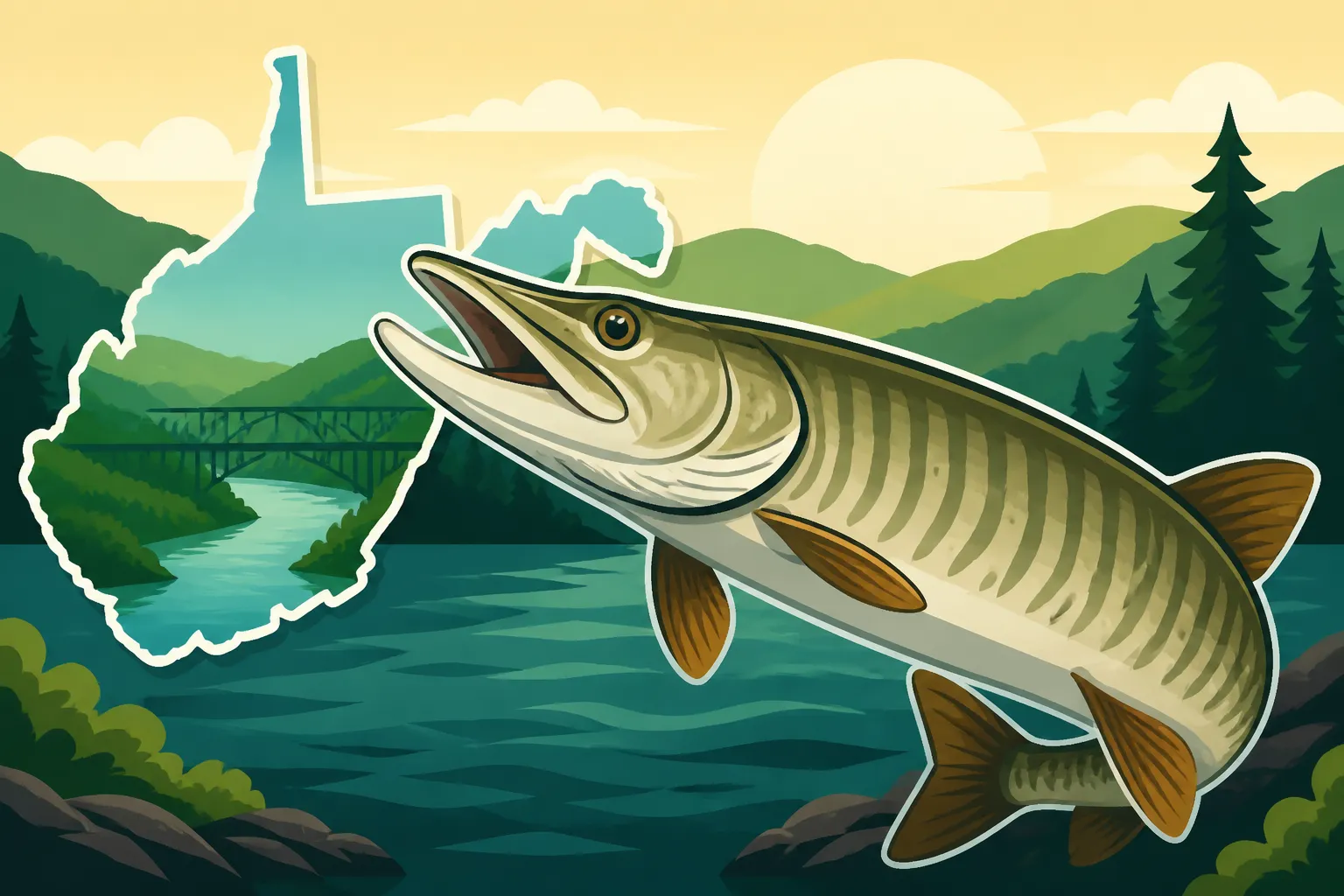
There's a special kind of awe that comes from tangling with a West Virginia muskie, often called the "fish of 10,000 casts." These magnificent predators command respect, and for many anglers, catching one is a lifelong quest. But beyond the thrill of the fight, there's a natural curiosity about these creatures: just how long do muskie live in our beautiful Mountain State waters? This guide dives deep into the fascinating longevity of West Virginia's muskie, exploring their life cycle, the many factors that influence their years, and what it means for conservation and the future of this iconic fish.
The Journey of a West Virginia Muskie: From Fry to Elder
The life of a muskie in West Virginia is a challenging and often solitary journey. From the moment they hatch, these fish are engaged in a relentless pursuit of growth and survival. Understanding their life cycle helps us appreciate just how incredible it is for a muskie to reach a truly old age.
Early Life and Growth
Muskie begin their lives as tiny fry, emerging from eggs typically laid in shallow, vegetated areas of rivers and lakes during the spring. These delicate creatures are immediately faced with a world full of dangers, from hungry panfish to larger predators. Their initial growth is surprisingly rapid, as they feed on zooplankton and then quickly switch to a diet of small fish. This early period is critical; a muskie needs to grow fast to avoid becoming prey itself. It's a race against time, where size equals survival. Within their first year, muskie can reach a foot or more in length, a testament to their predatory efficiency. This rapid growth spurt continues through their juvenile years, driven by a need to dominate their environment and consume large quantities of available forage. The more food, the faster they can put on size, and the better their chances of evading larger predators that might see them as a meal.
As they mature into young adults, typically around two to three years old, their growth rate might slow slightly but remains robust. They establish their own territories, often around submerged structure like logs, rock piles, or weed beds, becoming increasingly efficient ambush predators. These territories are fiercely defended, as they represent prime feeding grounds. A young muskie's diet expands to include larger baitfish, perch, suckers, and even smaller game fish. Their metabolism is high, and they require a significant amount of food to sustain their impressive growth. It's during these years that they begin to show the true characteristics of a muskie: elongated bodies, razor-sharp teeth, and an unmistakable predatory gleam in their eyes. This stage is a continuous cycle of hunting, eating, and growing, laying the foundation for their potential to become truly massive fish. You might be surprised at How big muskie get in West Virginia with consistent access to good forage.
Maturation and Reproductive Years
Sexual maturity for West Virginia muskie typically occurs between three and five years of age for males and four to seven years for females. This is when their focus shifts from purely individual growth to the perpetuation of their species. Spawning usually happens in early spring, often shortly after ice-out in cooler waters, when water temperatures reach a suitable range. Females release tens of thousands of eggs, which are then fertilized by males. The act of spawning is physically demanding, and the energy expenditure is immense, often leading to a temporary decline in the fish's overall condition afterward. The success of reproduction is highly dependent on environmental factors like stable water levels, suitable vegetation for egg deposition, and adequate water temperatures.
Once a muskie reaches maturity, it can continue to spawn annually for many years, contributing to the population. These prime reproductive years are also when muskie often reach their most formidable sizes. A mature muskie is a true apex predator in its aquatic environment, influencing the health and balance of the entire ecosystem. They are powerful, cunning, and have developed a profound understanding of their hunting grounds. The older they get, the more experienced and elusive they become, making them a prized catch for anglers. A muskie that has successfully navigated many spawning seasons and hunting seasons has demonstrated incredible resilience and adaptability. Understanding their habits during this phase is key to How to Catch Muskie in West Virginia, especially when targeting trophy fish.
Factors Influencing Muskie Lifespan in West Virginia
The lifespan of a muskie in West Virginia isn't a fixed number; it's a dynamic outcome shaped by a complex interplay of environmental conditions, food availability, and human interaction. While some muskie might only live a handful of years, truly old individuals can surpass two decades, making them some of the longest-lived freshwater game fish in the state.
Habitat Quality and Environmental Conditions
The health of a muskie's environment is paramount to its longevity. Muskie thrive in diverse habitats that offer a mix of deep pools, shallow vegetated areas for spawning and ambush, and plenty of cover. Clean, well-oxygenated water is non-negotiable for these fish. Rivers like the New River, Elk River, or the Tygart Valley River, with their varied flows and structures, provide excellent muskie habitat. Conversely, poor water quality, such as pollution from agricultural runoff or industrial discharge, can severely impact their health, growth rates, and ultimately, their lifespan. Things like changes in pH, increased turbidity, or low dissolved oxygen levels can stress muskie, making them more susceptible to disease and reducing their overall vitality.
Water temperature also plays a critical role. Muskie are cold-water fish, and while they can tolerate warmer summer temperatures for periods, prolonged exposure to excessively warm water, especially above their preferred range, can lead to stress, reduced feeding, and even mortality. This is particularly relevant in the shallower parts of lakes or rivers during heatwaves. Fluctuations in water levels, often due to heavy rains or drought, can also disrupt spawning success and impact the availability of suitable cover and forage. A stable, healthy ecosystem with consistent water quality and natural temperature regimes provides the best chance for a muskie to reach its maximum potential age. Anglers often find success understanding Where to Find Muskie in West Virginia by focusing on these prime habitat characteristics.
Food Availability and Predation
A muskie's growth and survival are directly tied to its ability to find and consume adequate food. As apex predators, they need a robust forage base of smaller fish. In West Virginia, this might include suckers, carp, shad, various panfish, and even other game fish species. A plentiful and diverse food supply allows muskie to grow quickly and maintain their health, making them more resilient to environmental stressors and diseases. When forage is scarce, muskie growth can be stunted, and they may struggle to maintain body condition, which weakens them and can shorten their lifespan. This connection between prey and predator is fundamental to their survival. Understanding What muskie eat in West Virginia rivers is key to effective angling and understanding their role in the ecosystem.
While adult muskie have few natural predators other than larger muskie or occasional eagles, young muskie face significant predatory threats from a wide array of fish and birds. This early life predation is a major factor in muskie mortality, with only a small percentage of hatched fry surviving to adulthood. Once they reach a certain size, usually over two feet, their dominant position in the food chain is largely secured. However, even large muskie can suffer from injuries sustained during hunting, disease, or extreme environmental events. The balance of predator and prey in their ecosystem is a delicate one, and any disruption can have ripple effects on the muskie population, including their overall lifespan.
Fishing Pressure and Catch-and-Release Practices
Human interaction, particularly through angling, has a significant impact on muskie populations and individual lifespans. Muskie are highly sought-after game fish, and while many anglers practice catch-and-release, the act of being caught and handled can still inflict stress and injury. Proper catch-and-release techniques are absolutely vital to ensuring that a muskie swims away healthy and can continue its life journey. Using appropriate gear, minimizing fight time, avoiding prolonged air exposure, and using large, rubberized landing nets are all crucial practices. Without proper handling, a muskie, even if released, might succumb to delayed mortality from stress or injury.
| Factor | Impact on Muskie Lifespan | Explanation |
|---|---|---|
| Water Quality | High: Longer lifespan; Low: Shorter lifespan | Clean, oxygenated water supports healthy growth and immune systems. Pollutants or low oxygen cause stress, disease, and premature death. |
| Forage Availability | High: Longer lifespan; Low: Shorter lifespan | Abundant baitfish ensures adequate nutrition for rapid growth and maintenance of body condition. Scarce food leads to stunted growth, weakness, and vulnerability. |
| Water Temperature | Ideal Range: Longer lifespan; Extreme: Shorter lifespan | Muskie thrive within a specific temperature range. Prolonged exposure to excessively warm or cold water causes stress, reduces feeding, and can be lethal. |
| Habitat Structure | Diverse: Longer lifespan; Monotonous: Shorter lifespan | Varied structure (weed beds, rock piles, submerged timber) provides ambush points, cover from elements, and spawning areas. Lack of structure limits hunting success and increases stress. |
| Fishing Pressure | Low: Longer lifespan; High: Shorter lifespan | High angling pressure, especially without proper catch-and-release, can lead to increased stress, injuries, and delayed mortality, even if fish are released. |
| Catch-and-Release | Proper: Longer lifespan; Improper: Shorter lifespan | Correct handling (large nets, minimal air time, quick release) minimizes stress and injury. Poor handling greatly increases post-release mortality. |
| Disease/Parasites | Low Incidence: Longer lifespan; High Incidence: Shorter lifespan | Healthy muskie populations in good environments are generally resilient. Outbreaks can quickly decimate populations and shorten individual lifespans, especially in stressed fish. |
| Genetic Factors | Strong: Longer lifespan; Weak: Shorter lifespan | Some muskie naturally have stronger genetics for growth, disease resistance, and overall longevity. This is an inherent, though less observable, factor. |
Regulations, such as minimum size limits and creel limits, are designed to protect muskie and allow them to grow to maturity and reproduce multiple times before being harvested. In West Virginia, the focus is often on allowing these fish to reach trophy size, which naturally means they must survive for a considerable number of years. Many anglers today are equipped with specialized tools available through retailers like Amazon, such as extra-long pliers and stout hook removers, specifically to aid in a quick and safe release of muskie. Learning Muskie catch and release survival tips is crucial for anyone targeting these magnificent fish.
Spotting an Old Muskie: Signs of Age
While you can't ask a muskie its age, there are certain clues that seasoned anglers and biologists look for to identify an older, more mature specimen. These signs speak to a life lived in the wild, full of hunts, challenges, and resilience.
Physical Characteristics
Older muskie often develop a distinct appearance that sets them apart from their younger counterparts. While growth rates can vary, a muskie that has lived for many years will naturally be larger, sometimes reaching incredible lengths and girths. You might notice a broader head, more developed jaws, and a deeper body profile compared to a slender, younger fish. Their coloring might also be more pronounced or, conversely, slightly faded and grizzled, reflecting years of adaptation to their environment. The patterns on their sides—whether spots or bars—can become more defined or, in some cases, less distinct with age and wear.
Beyond size, look for subtle cues of a life well-lived. Scarring from past encounters with prey, other muskie, or even boat props can accumulate over the years. Fins might show signs of wear and tear, especially the caudal (tail) fin, which works tirelessly for propulsion. The scales themselves might appear tougher, and the overall musculature of an old muskie is typically extremely powerful and dense. These are the fish that have survived countless winters and summers, outsmarted predators, and endured the rigors of spawning. Catching such a fish, often requiring heavy-duty tackle that can be found on platforms like Amazon, is a monumental achievement, a true testament to the fish's longevity and the angler's skill. This often ties into the pursuit of Muskie Growth Rate to Trophy Size.
Behavioral Patterns
Just like humans, muskie tend to develop certain behavioral patterns with age and experience. Older muskie are often far more elusive and cautious than younger fish. They're not just bigger; they're smarter. They've learned to avoid dangers, including anglers. This means they might be less likely to strike at an obvious lure presentation or may be more hesitant in clearer water. They often hold in deeper, more secure cover, only moving out to feed when conditions are perfectly in their favor. This wariness is a key survival mechanism that has allowed them to reach their advanced age.
Their feeding habits can also change. While younger muskie might be more opportunistic, an older muskie might become more selective, targeting larger, more energy-efficient meals, or feeding during specific times, such as low light conditions or under the cover of darkness. This is why Night Fishing for Muskie in West Virginia can be so effective for larger, more cautious fish. You might find an old muskie in a known "muskie hole" year after year, demonstrating a strong territorial loyalty. Observing these subtle behavioral shifts can be a powerful tool for anglers seeking to target the largest, oldest muskie in West Virginia's waters. These fish are truly veterans of the river, and their long lives are a testament to their incredible adaptability and cunning.
West Virginia's Commitment to Muskie Longevity
West Virginia takes its muskie population seriously, recognizing the value of these magnificent fish for ecological balance and recreational angling. Efforts are continuously made to support healthy muskie populations and ensure their long-term survival in our rivers and lakes.
Stocking Programs and Habitat Preservation
The West Virginia Division of Natural Resources (WVDNR) plays a crucial role in maintaining and enhancing muskie populations. This often involves strategic stocking programs, introducing hatchery-raised muskie into suitable waters to supplement natural reproduction or establish new populations where habitat permits. These stocked fish are carefully raised to give them the best possible start, aiming to increase their survival rates in the wild. The goal isn't just to add more fish, but to contribute to a sustainable, self-perpetuating population that can reach impressive sizes and ages.
Beyond stocking, significant emphasis is placed on habitat preservation and restoration. This includes initiatives to improve water quality, protect critical spawning areas, and maintain riparian buffers along riverbanks. Healthy riparian zones help stabilize banks, reduce erosion, and filter pollutants, all of which contribute to better water quality and more robust muskie habitat. Efforts to remove instream barriers or create diverse cover through strategic placement of submerged structures also enhance the environment for muskie, providing them with the necessary conditions to thrive and live long, productive lives. These conservation measures are essential for the longevity of individual fish and the entire species in West Virginia. Many resources, including specialized nets and tools for habitat work, are often sourced efficiently through platforms like Amazon.
Angler Education and Responsible Practices
Perhaps one of the most impactful ways to promote muskie longevity in West Virginia is through angler education and the widespread adoption of responsible fishing practices. As mentioned earlier, catch-and-release is standard practice for muskie anglers, and doing it correctly is paramount. The WVDNR provides guidelines and resources to help anglers understand the best techniques for handling and releasing these fragile predators. This includes using large, knotless nets to minimize scale and slime damage, keeping the fish in the water as much as possible, and using specialized tools for quick and safe hook removal.
Encouraging anglers to use appropriate tackle—rods, reels, and lines strong enough to land a muskie efficiently—also helps reduce fight times and, consequently, stress on the fish. Specialized muskie gear, often including heavy-duty rods, reels, and lures like those for Best Lures for Muskie Fishing in West Virginia, are readily available from various retailers, including prominent online stores like Amazon, and can make a huge difference in how quickly and safely a fish is brought to hand. By empowering anglers with knowledge and encouraging ethical practices, West Virginia aims to ensure that future generations can continue to appreciate these incredible fish and that individual muskie have the best chance to live out their full, impressive lifespans. It's a collective responsibility that truly makes a difference.
The Enduring Allure of West Virginia's Muskie
The muskie truly is a fish of mystique and legend in West Virginia. Its impressive size, predatory prowess, and often elusive nature make it one of the most revered freshwater game fish. The question of "how long do muskie live" speaks to a deeper appreciation for these creatures—a recognition that each one represents a story of survival against the odds.
A muskie that has lived for two decades in the rugged rivers and pristine lakes of West Virginia is a living testament to the health of our aquatic ecosystems. It has weathered countless seasons, outsmarted untold numbers of prey, and likely escaped the hooks of many determined anglers. These long-lived individuals are vital not just for their impressive size, but for their contribution to the gene pool and the overall experience of fishing in the Mountain State. Learning about their habits and longevity often means diving into resources like Muskie Fishing in West Virginia to deepen your understanding.
For the dedicated angler, the pursuit of an old, wise muskie is more than just about a catch; it's about connecting with nature, understanding the intricate balance of the wild, and appreciating the resilience of one of West Virginia's most iconic inhabitants. Each time a muskie is safely released, it's a vote for its future, a hope that it will continue its long journey, perhaps growing even larger and wiser, to challenge another angler on another day. The conservation efforts, combined with responsible angling, aim to ensure that muskie continue to live long and thrive in West Virginia, providing a thrilling challenge and a profound connection to the wild for generations to come. Best Muskie Gear for West Virginia Rivers will also ensure you're equipped for the challenge of safely landing and releasing these giants.
Disclaimer
This article is for general informational purposes only and does not constitute professional advice. Laws, prices and regulations vary by location and change over time. Consult a qualified professional for guidance on your specific situation.