How big smallmouth bass get on the New River
One of the most thrilling questions that lights up an angler's eyes when planning a trip to the New River is, "Just how big do those smallmouth bass get?" It's a natural curiosity, especially when you're targeting a species renowned for its fighting spirit in such an iconic river. This guide aims to pull back the curtain on the size expectations for smallmouth bass in the legendary New River, helping you understand what constitutes an average catch and what it takes to land a true trophy.
The New River's Reputation for Smallmouth Bass
The New River isn't just any waterway; it's one of the oldest rivers in North America, carving its way through ancient Appalachian terrain. This geological marvel has shaped a unique aquatic ecosystem that has, over countless millennia, fostered a truly exceptional smallmouth bass fishery. Anglers from all corners of the country dream of fishing its rocky ledges and powerful currents, not just for the stunning scenery, but for the hard-fighting smallmouth that call it home. It's a place where you quickly learn that every bend in the river holds potential for an unforgettable encounter, and the fish, well, they're built for battle.
Factors Influencing Smallmouth Growth in the New River
Several critical factors contribute to the impressive size and robust health of the New River's smallmouth population. First and foremost is the incredible forage base. This river is teeming with life, from crayfish of various sizes to abundant baitfish like darters, shiners, and sculpins. These high-protein food sources provide the fuel smallmouth need to grow rapidly and reach substantial sizes. Think of it like a buffet for bass – they have everything they need to thrive.
Beyond food, the river's structure plays a massive role. The New River is a labyrinth of ledges, boulders, deep pools, swift riffles, and current breaks. This varied habitat offers endless ambush points and protective cover, allowing smallmouth to feed efficiently and avoid predators. The continuous flow of well-oxygenated water also contributes to their overall vitality. When you combine plentiful food with ideal living conditions, you create a perfect recipe for big, healthy fish. You can learn more about Smallmouth Bass Habits on the New River to understand their preferences.
Understanding "Trophy" Smallmouth on This River
What constitutes a "trophy" smallmouth can vary wildly depending on where you're fishing. In some smaller streams, a 14-inch smallmouth might be considered a fish of a lifetime. On the New River, however, the bar is set considerably higher. While anglers regularly catch fish in the 12- to 16-inch range, a true trophy New River smallmouth generally starts at 18 inches and can extend well beyond. These are broad-shouldered, powerful fish that will test your tackle and your angling skills to their limits.
Hitting that 18-inch mark, or even venturing into the 20-inch club, means you've landed a fish that has survived many seasons in a challenging environment. These larger fish are often older, wiser, and incredibly strong due to the constant fight against the current. The thrill of landing such a fish is truly unparalleled, making the New River a premier destination for those seeking a personal best smallmouth. It's a river that truly has the potential for giants, and many anglers come specifically for that chance.
Average Size Expectations for New River Smallmouth
While the dream of a trophy smallmouth is always exciting, it's also important to have realistic expectations for a typical day on the New River. The reality is that not every cast will yield a monster, but even the "average" smallmouth here can be a truly fantastic fish, often exceeding what you might find in many other smallmouth fisheries. It's why so many anglers keep coming back – the quality of the average fish is just that good.
What to Expect on a Typical Outing
On a good day, you can expect to encounter numerous smallmouth in the 12 to 16-inch range. These fish are incredibly feisty, offering strong runs and aerial acrobatics that make every catch a memorable one. You'll often find yourself surprised by the sheer power these fish possess, even at these common sizes. They fight well above their weight class, a testament to living in such a dynamic river environment. It's not uncommon to catch several fish in this size bracket throughout the day, providing consistent action and plenty of excitement.
Sometimes, you'll land smaller fish, perhaps 8 to 11 inches, which are equally eager to hit a lure. These younger fish are a good sign of a healthy, reproducing population. The beauty of the New River is the sheer variety; you never quite know what size fish will hit next, keeping you on your toes. For specific guidelines on what you can keep, check out the West Virginia Black Bass Limits and the New River Slot Limit.
Seasonal Variations in Catch Size
The size of the smallmouth you typically encounter can fluctuate with the seasons, often due to their behavior patterns. In the cooler months of spring and fall, as water temperatures drop, smallmouth tend to become more aggressive feeders, often putting on weight in preparation for winter or after the spawn. During these times, targeting larger fish can be particularly effective as they are more likely to be actively hunting. This is also when they tend to congregate in deeper pools or along specific current breaks.
Summer fishing, while still excellent for numbers, might see a higher proportion of smaller, younger fish actively feeding in shallower, faster water. The larger, more mature smallmouth often retreat to deeper, cooler sections during the hottest parts of the day. Understanding these seasonal shifts can help you adjust your expectations and tactics to maximize your chances of finding bigger fish. For a comprehensive overview of when to go, read Best Time of Year to Fish in West Virginia.
Here’s a quick overview of what you might consider typical versus a true trophy on the New River:
| Category | Length (inches) | Weight (pounds) | Description | Fight Level |
|---|---|---|---|---|
| Average Catch | 12 – 16 | 1.0 – 2.5 | Common, robust, aggressive; excellent fight | High |
| Good Catch | 16 – 18 | 2.5 – 3.5 | Solid, strong fish; a memorable catch | Very High |
| Trophy | 18+ | 3.5+ | Rare, powerful, broad-shouldered; true bragging rights | Extreme |
Chasing True Giants: When and Where to Find Big Ones
Landing a truly enormous smallmouth on the New River is often the culmination of planning, patience, and precise technique. These are the fish that dominate their territory, wise to the ways of anglers, and require a bit more finesse and persistence to entice. It’s not just about luck; it’s about understanding their habits and habitats. If you’re serious about a trophy, you’ll need to put in the time and thought.
Prime Locations and Habitats for Larger Bass
Big smallmouth in the New River gravitate towards specific types of structure and current breaks. They are ambush predators, and they seek out areas where they can expend minimal energy while having easy access to passing forage. Look for deep pools with submerged rock ledges, large boulders that create significant current seams, or areas where tributaries flow into the main river, bringing in fresh food and cooler water. Inside bends with deeper water and woody debris can also be prime holding spots.
The key is to think like a big bass: where would you hide to surprise dinner without working too hard? These fish are often found near significant cover that offers protection from the current and predators, while also providing a good vantage point for feeding. Areas downstream of rapids and falls, where the water slows and deepens, are also classic big-fish haunts. Exploring these less-pressured areas, perhaps by kayak or drift boat, can significantly increase your odds. For ideas on where to go, consult a New River Gorge Fishing Guide.
Tackle and Techniques for Trophy Smallmouth
To tackle these larger smallmouth, you'll want to step up your gear a bit. While lighter setups can certainly catch fish, a medium-heavy spinning rod or a baitcasting setup offers the power and backbone needed to control a strong fish in swift current. Look for rods around 6'6" to 7'2" for good casting distance and leverage. You can find a wide array of quality Best Fishing Rods for West Virginia Rivers on platforms like Amazon that are well-suited for this kind of fishing.
As for lures, larger profile baits that imitate the New River's abundant crayfish and baitfish are often most effective. Consider bigger tube jigs, creature baits, football jigs with bulky trailers, or deep-diving crankbaits in natural colors like brown, green pumpkin, or dark blue. Topwater lures can also entice aggressive strikes from larger smallmouth during prime low-light conditions. Swimbaits and larger jerkbaits can also be highly effective. Don't be afraid to throw something bigger than you might normally – trophy smallmouth aren't afraid of a substantial meal. Best Baits for Smallmouth Bass on the New River goes into more detail.
When you're outfitting your tackle box, remember that durability is key when wrestling big fish from rocky structures. I often browse Amazon for heavy-duty snaps, swivels, and hooks to ensure my setup can withstand the strain.
Releasing Your Catch: Ensuring Future Giants
Catching a magnificent smallmouth bass, especially a trophy-sized one from the New River, is an incredible experience. But the excitement shouldn't end there. For the sustainability of this amazing fishery, and to ensure future generations of anglers can enjoy the same thrills, practicing proper catch and release is absolutely vital. Those big fish are often the prime breeders, carrying the genetics that produce more strong, healthy smallmouth.
Best Practices for Catch and Release
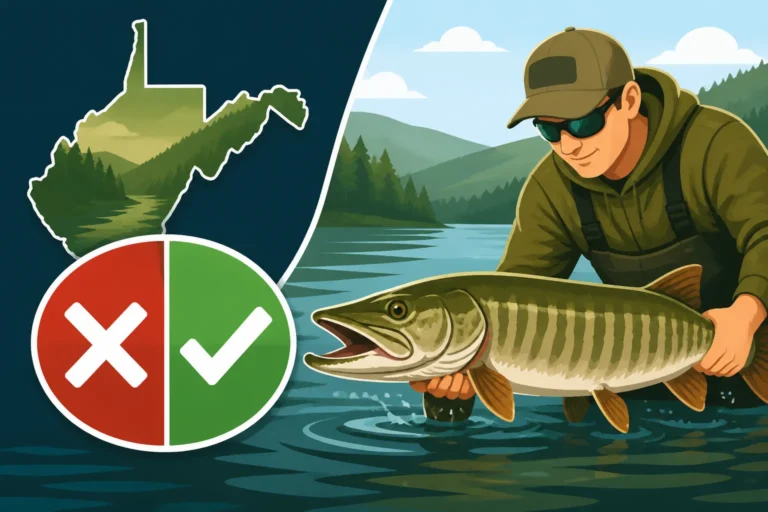
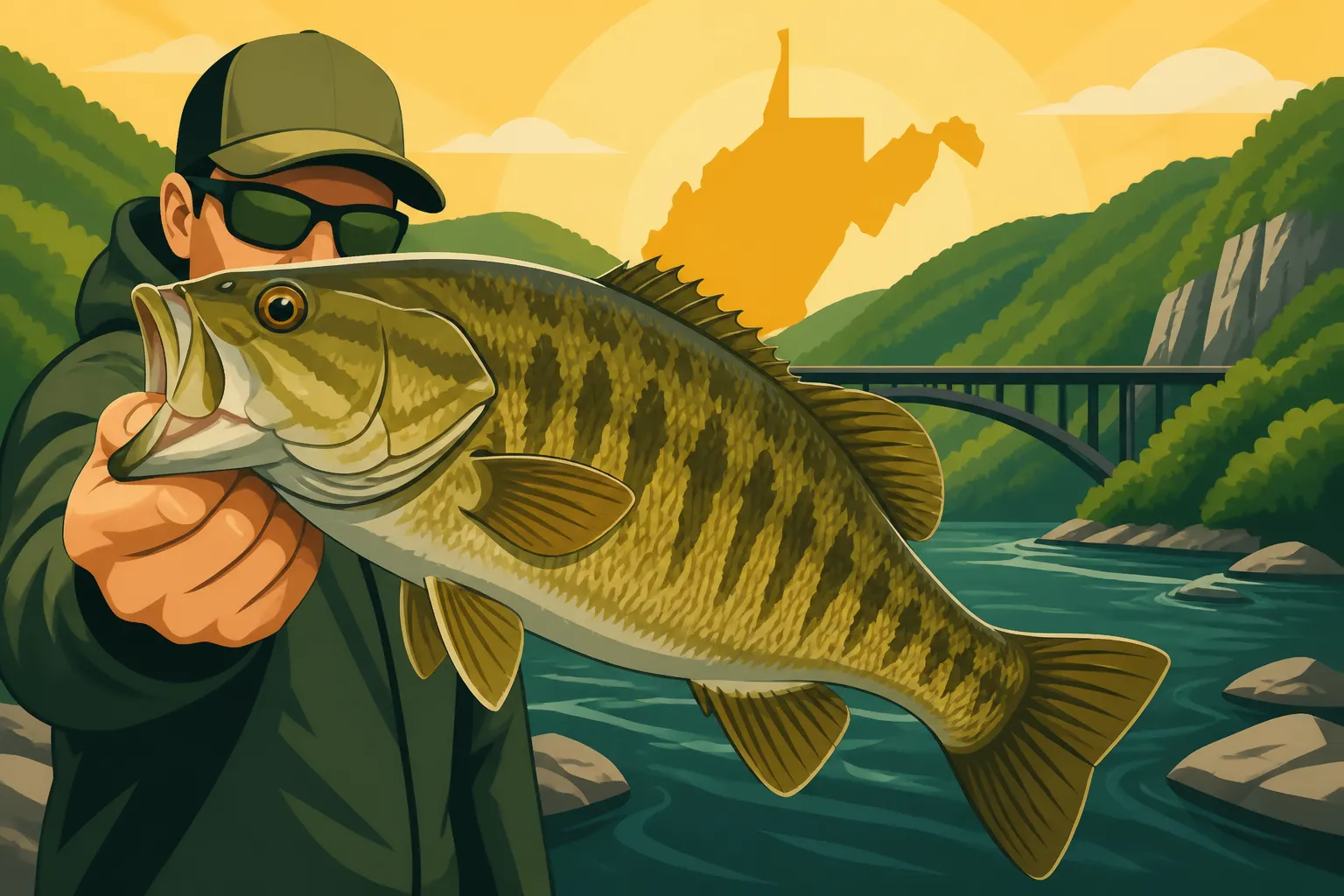
Releasing a fish properly starts the moment you hook it. Try to land the fish as quickly as possible, minimizing its fight time, which reduces stress and lactic acid buildup in its muscles. Once landed, keep the fish in the water as much as you can. If you need to take a photo, do so quickly, supporting the fish horizontally with two hands – one under the belly and one near the tail. Avoid holding fish vertically by the jaw, especially larger ones, as this can cause severe damage to their internal organs and jaw structure.
Use a knotless rubberized net, which is much gentler on the fish's slime coat and fins than traditional nylon nets. You can find excellent, fish-friendly landing nets on Amazon, which often feature rubber mesh to protect the fish. When removing the hook, use needle-nose pliers or a de-hooking tool to quickly and carefully extract it. If the fish is deeply hooked, it's often best to cut the line as close to the hook as possible rather than tearing the hook out, which can cause fatal injuries. Gently release the fish, allowing it to recover and swim away on its own power. Sometimes, a big smallmouth might need a moment to regain its bearings, so hold it gently upright in the current until it kicks off. Check out Best landing net mesh for catch and release for more details.
The Role of Anglers in Protecting the Fishery
Every angler plays a crucial role in maintaining the health and vibrancy of the New River smallmouth fishery. By adhering to catch and release principles for larger fish, especially those 18 inches and over, we help protect the breeding stock and ensure that the genetics for large, healthy smallmouth continue to thrive. While it's tempting to keep a trophy, the greatest trophy is often knowing you've contributed to the future of the river.
Beyond practicing catch and release, respecting the river itself is paramount. This means packing out all trash, avoiding littering, and minimizing your impact on the delicate riverbanks. Consider using barbless hooks, which make hook removal easier and less stressful for the fish. Educating fellow anglers on proper handling techniques also helps spread awareness and foster a culture of conservation. The New River is a truly special place, offering some of the Best Fishing Rivers in West Virginia, and it's up to all of us to protect it.
Disclaimer
This article is for general informational purposes only and does not constitute professional advice. Laws, prices and regulations vary by location and change over time. Consult a qualified professional for guidance on your specific situation.