Are Golden Rainbow Trout Genetically Modified?
Golden Rainbow Trout origins, physical characteristics, and West Virginia stocking programs explained without genetic modification.
Know what’s on the line.
Gamefish and panfish profiles — identification, behavior, feeding habits, and species-specific strategies for every catch.

Golden Rainbow Trout origins, physical characteristics, and West Virginia stocking programs explained without genetic modification.
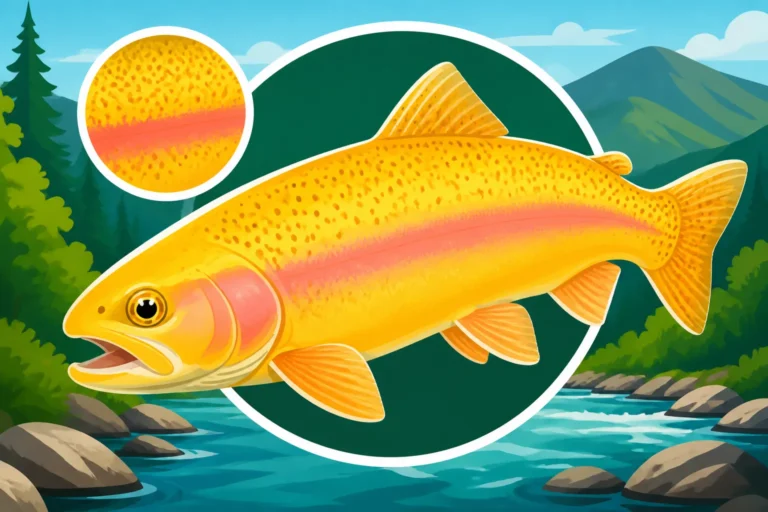
West Virginia golden rainbow trout feature luminous yellow to orange-gold bodies with olive-green backs and faint spots.
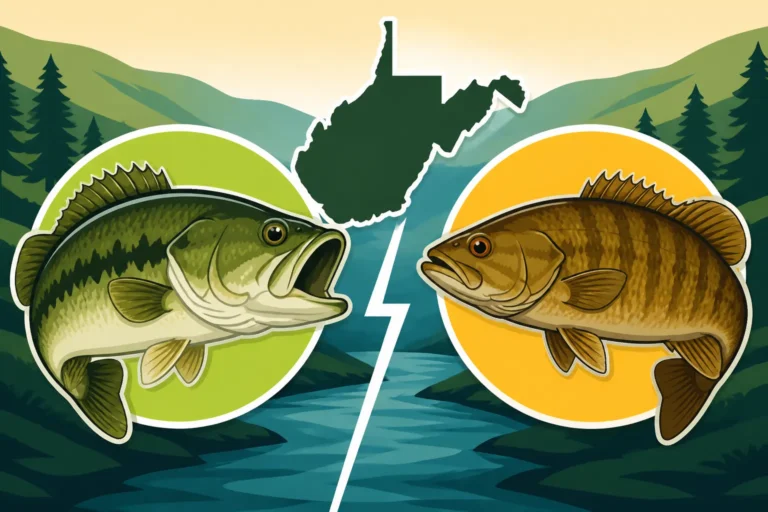
Visual differences in upper jaw length and dorsal fin separation help anglers identify largemouth and smallmouth bass.
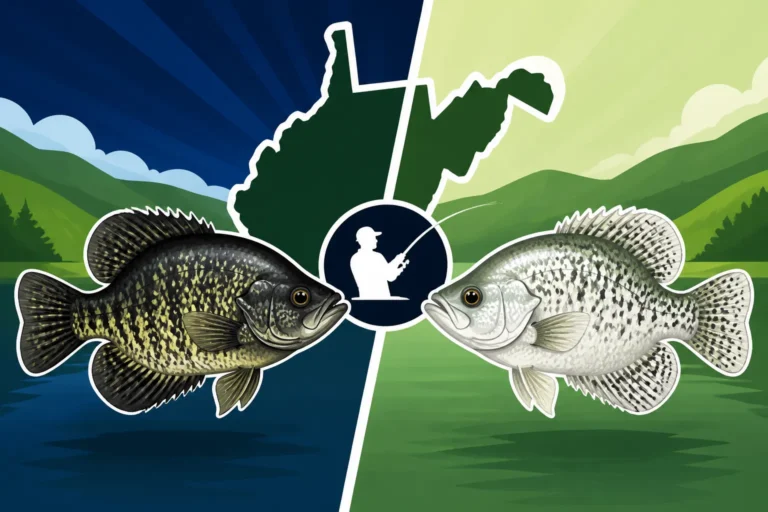
Visual cues and physical differences help West Virginia anglers identify black and white crappie catches from Summersville Lake.

West Virginia brown trout and rainbow trout identification features, including spotting patterns, body shapes, and fin characteristics.
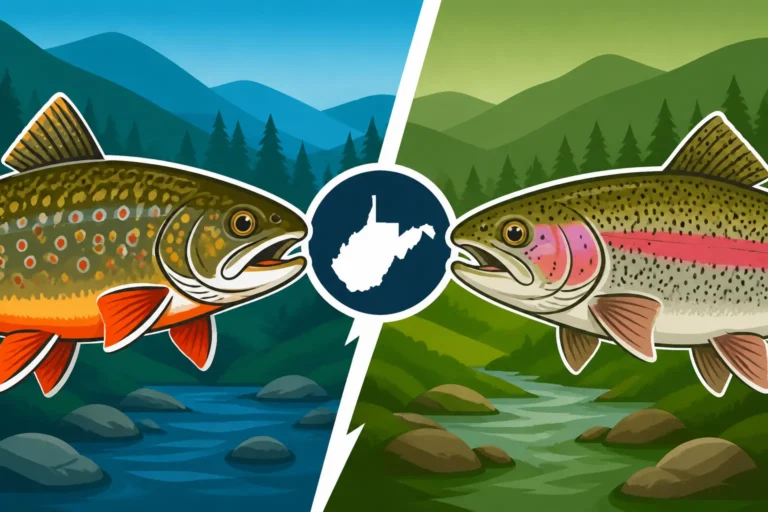
Brook trout identification features like worm-like vermiculations and vibrant fin markings help anglers distinguish them from rainbow trout.
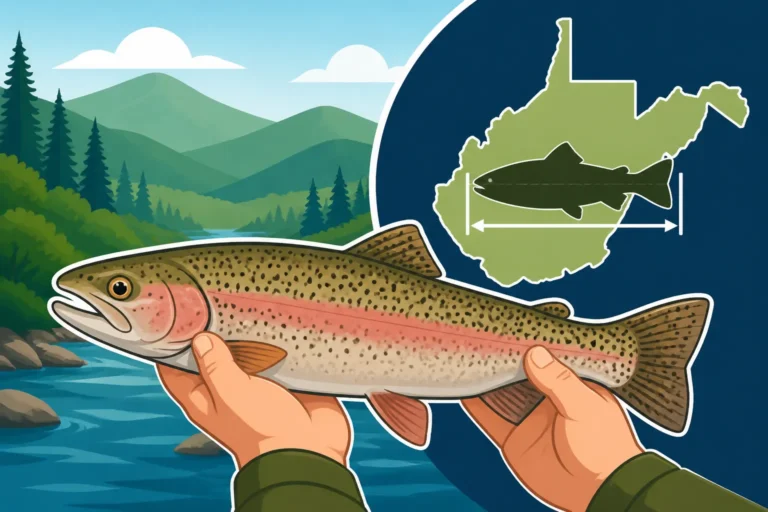
Stocked rainbow trout in West Virginia average ten to fourteen inches long and weigh up to one and a half pounds.

New River smallmouth bass size expectations, including average catches from twelve to sixteen inches and eighteen inch trophies.

West Virginia muskie growth factors and trophy sizes explained, detailing how these predators reach forty and fifty inches.

The West Virginia state record muskie weighing over 49 pounds was caught by Blake Gordon in 1997 on the Little Kanawha River.