Common carp size and habits in West Virginia rivers
Common carp in West Virginia rivers feature heavy scales, barbels, and an omnivorous diet of insect larvae, plants, and small fish.
Know what’s on the line.
Gamefish and panfish profiles — identification, behavior, feeding habits, and species-specific strategies for every catch.
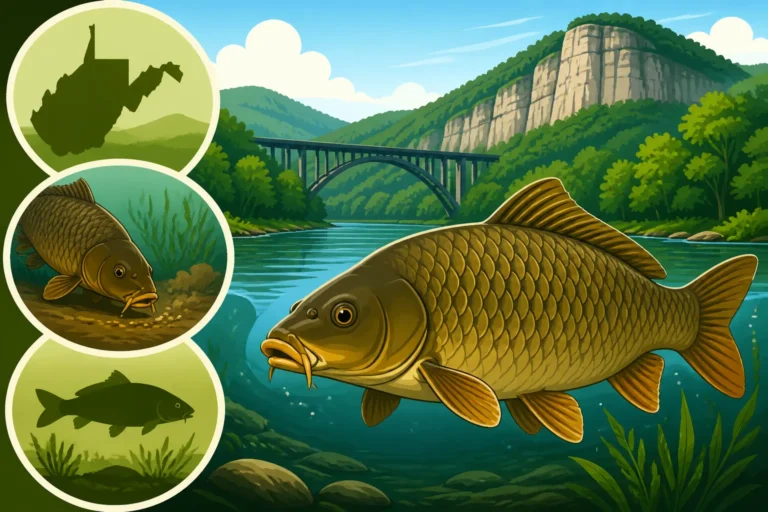
Common carp in West Virginia rivers feature heavy scales, barbels, and an omnivorous diet of insect larvae, plants, and small fish.
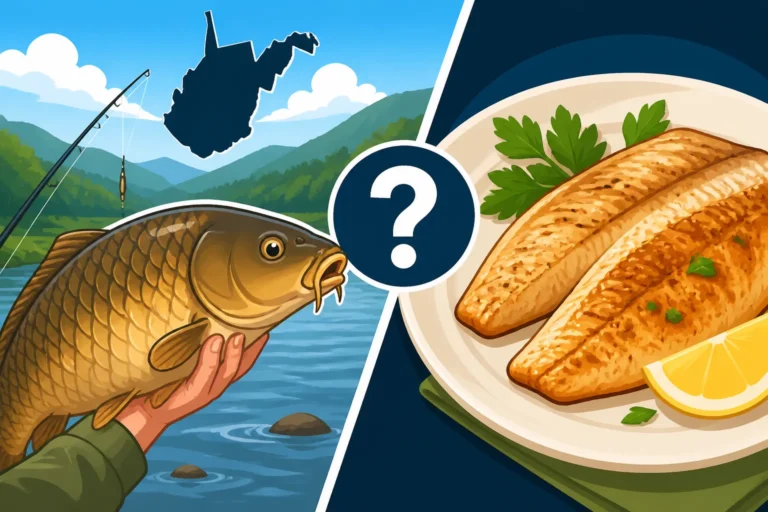
West Virginia river carp provide edible protein when anglers choose clean water from the New River and prepare them properly.
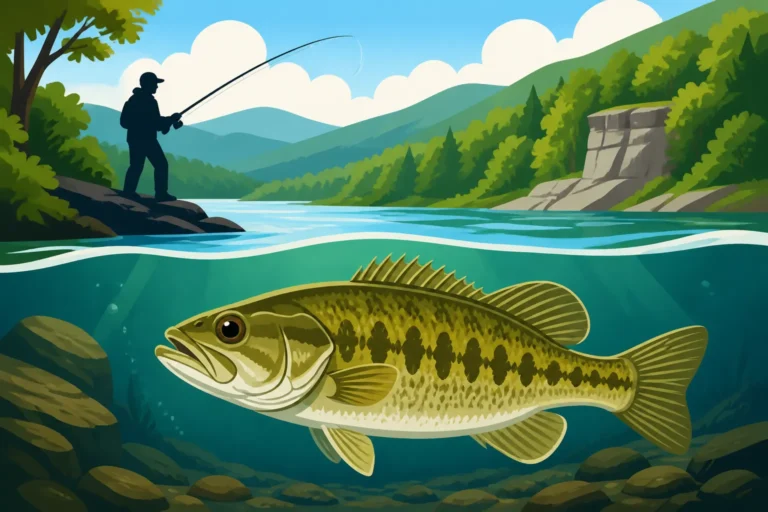
Spotted bass identification features, sandpaper tongue patches, and specific West Virginia river habitats help anglers find this distinct species.
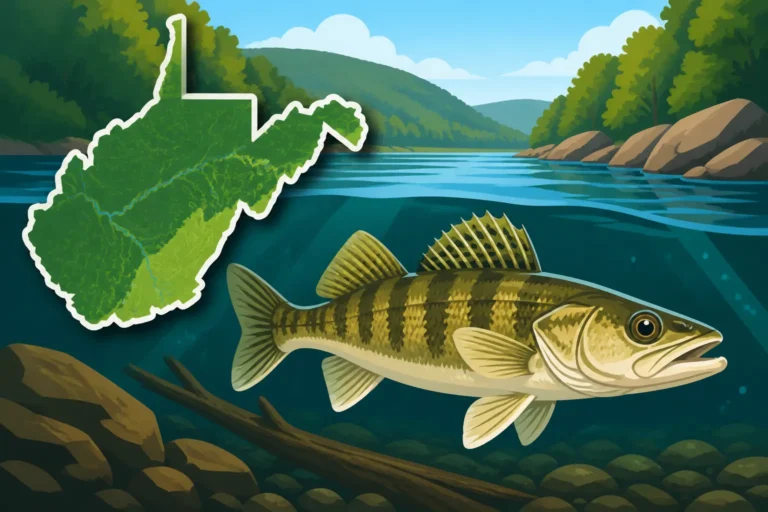
West Virginia sauger habitats, seasonal location changes, and the Ohio River hotbed locations are explained for anglers.
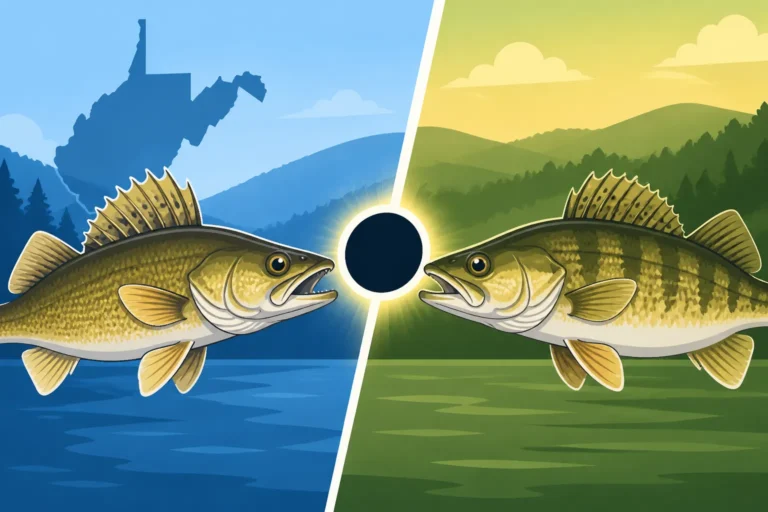
Sauger identification features and river habitats compared to walleye characteristics help anglers correctly separate both fish species.
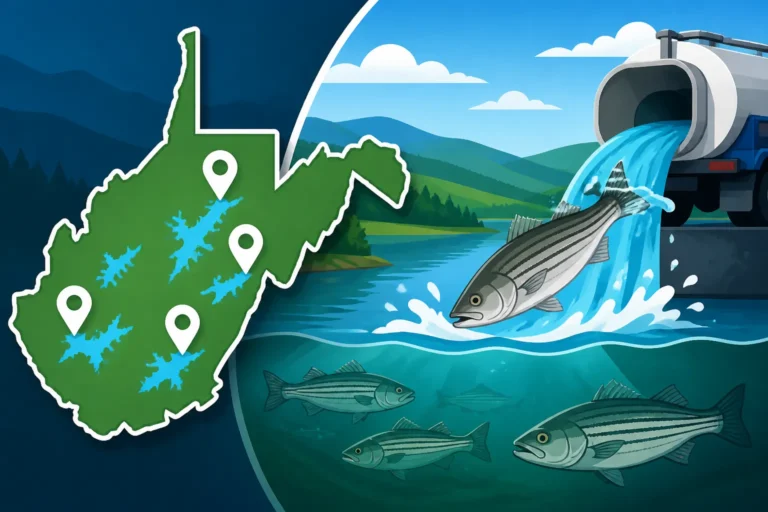
West Virginia lakes receiving hybrid striped bass stockings from the Division of Natural Resources and how to find them.
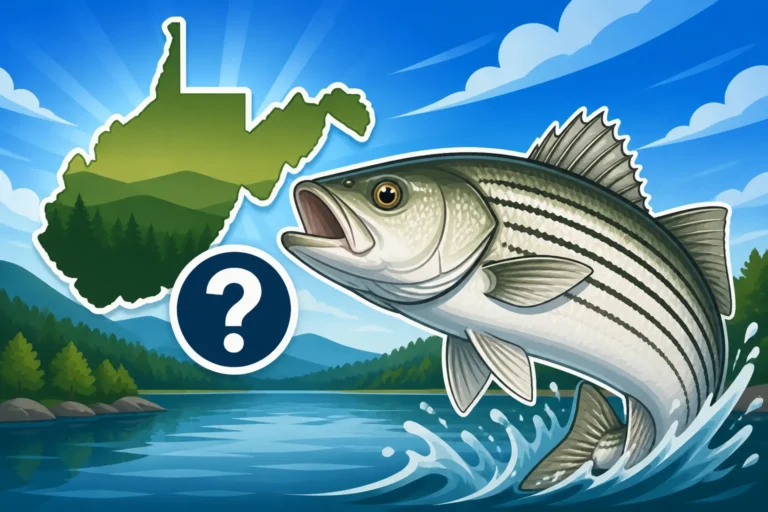
Striped bass hybrids in West Virginia lakes, specifically Summersville Lake and Sutton Lake, provide thrilling angling opportunities.
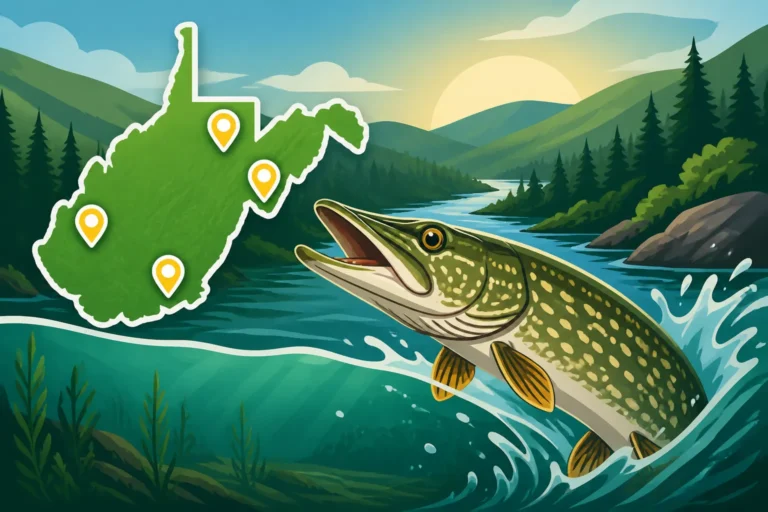
Northern pike populations in West Virginia, explaining environmental factors causing rarity and rare sightings across state waters.
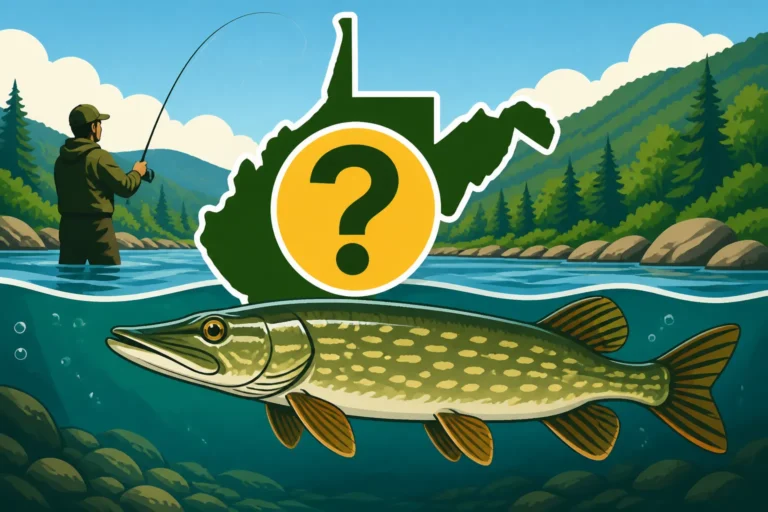
Northern Pike populations do not exist in West Virginia rivers, where anglers often confuse them with native muskellunge.
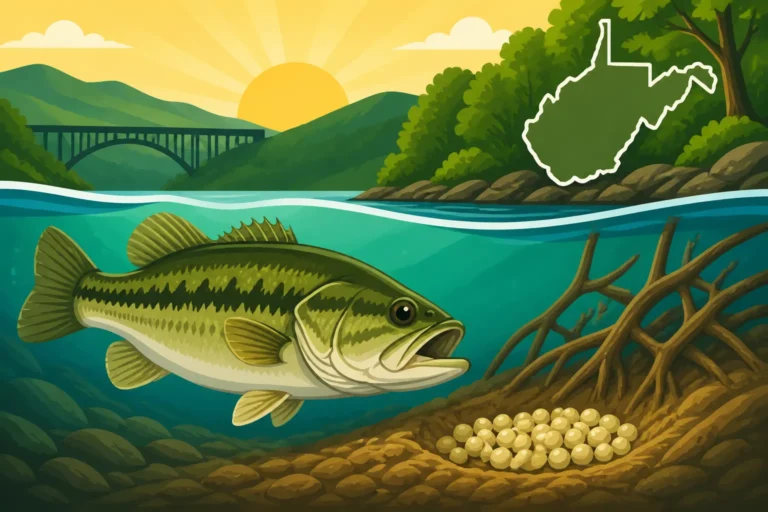
Largemouth bass spawning behavior in West Virginia lakes occurs when water temperatures consistently reach sixty to seventy degrees.