Flathead Catfish in the Ohio River
Oh, the flathead catfish! There's something truly legendary about these whiskered giants, especially when you're talking about stalking them in the mighty Ohio River. Many anglers dream of hooking into one of these powerful fish, but the sheer size and raw strength of the Ohio can make it feel like an impossible challenge. This guide is here to unravel the mysteries of these elusive monsters, sharing everything you need to know about where they live, what they eat, and how to successfully land a true trophy flathead in West Virginia's storied waters.
Understanding the Flathead Catfish in the Ohio River Ecosystem
The Ohio River is a powerhouse, a vast waterway that carves a significant border for West Virginia, and it's absolutely teeming with life. Among its most impressive inhabitants is the flathead catfish, a species that thrives in this unique environment. To consistently catch these incredible fish, you first need to understand them – their biology, their habits, and how they interact with their riverine home. They're not like your average channel cat; flatheads are predators through and through, and their lifestyle reflects that.
Life Cycle and Growth Rate
Flathead catfish are built for longevity and growth. In the Ohio River, with its abundant food sources and varied habitat, they can reach truly impressive sizes and ages. A flathead's life begins in the warmer months, typically late spring to early summer, when water temperatures climb into the 70s. The male flathead is a dedicated parent, building and guarding the nest where the eggs are laid, often in hollow logs, undercut banks, or rocky crevices. This protective behavior is crucial for the survival of their young in a dynamic river system.
Once hatched, the fry are self-sufficient, but their journey to adulthood is a long one. Flatheads grow relatively slowly compared to some other fish species, but they grow big. A fish that's just a few pounds might be several years old, and those truly massive, state-record contenders can be decades old. This slow growth is why conservation and careful handling are so important. Every large flathead you encounter has survived countless floods, harsh winters, and predatory threats, making them a true testament to resilience. Understanding this lifecycle helps you appreciate the fish you're targeting and reinforces the importance of responsible angling. If you're curious about How big flathead catfish get in the Ohio River, it's truly astounding.
Preferred Habitats and Structure
Unlike channel catfish, which are often found in open water or muddier bottoms, flatheads are ambush predators that prefer structure. Think about it: a big, powerful fish needs a place to hide, to lie in wait for unsuspecting prey, and to escape the relentless current of a river like the Ohio. On the Ohio River, this means seeking out submerged timber, fallen trees, log jams, old bridge pilings, rock piles, and deep scour holes. Any obstruction that breaks the current and provides a dark, concealed lair is prime flathead territory. They are particularly drawn to areas with a current break, where they can expend less energy while still having access to food drifting by.
These fish are masters of their environment, using the river's contours and man-made structures to their advantage. Below dams, where the river carves out deep holes and creates powerful eddies, are notorious flathead hotspots. Tributary mouths, where smaller streams join the Ohio, can also be productive, as they often deposit sediment and structure, attracting baitfish. Understanding these preferences is key to locating them. You won't typically find trophy flatheads hanging out in the middle of a wide, featureless channel; they'll be tucked away, waiting patiently for their next meal.
Diet and Feeding Behavior
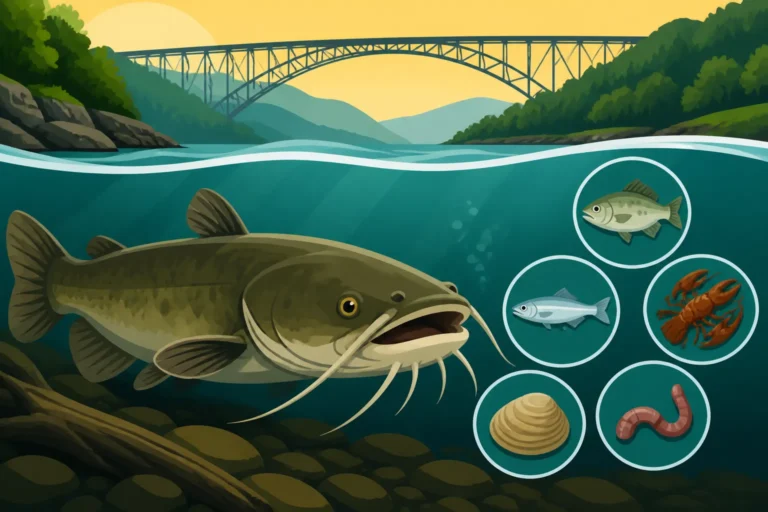
Flathead catfish are almost exclusively piscivorous, meaning they eat other fish. While young flatheads might start with insects and crustaceans, once they get to a decent size, it's all about live bait. They are opportunistic predators, ambushing whatever small fish comes too close to their lair. This could be shad, carp, suckers, bluegill, or even smaller catfish. They have a massive mouth designed to engulf prey whole, and their preference for live, struggling bait is a crucial detail for any angler hoping to catch them.
Their feeding behavior is largely nocturnal or crepuscular (dawn and dusk). While you can certainly catch them during the day, especially if they're particularly hungry or the conditions are right (like after a good rain that stirs up the river), their most active feeding times are typically under the cover of darkness. They use their sensitive barbels (whiskers) to detect vibrations and scents in the murky water, guiding them to their prey. This predatory nature and preference for live bait mean that understanding the baitfish present in the Ohio River and how to present them effectively is paramount to your success. If you're curious to learn more, we've got a detailed guide on What flathead catfish eat.
Prime Locations and Best Times for Flathead Fishing on the Ohio River
Fishing the Ohio River for flatheads isn't just about dropping a line in anywhere. It's a vast and complex system, and knowing where and when these behemoths are most likely to bite can drastically increase your chances of success. It's like a giant puzzle, and each piece, from the river's structure to the time of day, plays a vital role.
Identifying Key River Sections and Features
The Ohio River flows past numerous towns and cities in West Virginia, offering a diverse range of fishing opportunities. Certain sections, however, are more productive for flatheads due to their geological features and man-made structures. Locks and dams are perhaps the most famous flathead magnets. The turbulent water below these structures scours out deep holes, creates eddies, and provides constant current and oxygen, all of which flatheads love. The submerged concrete, rock rip-rap, and debris around these structures offer ideal ambush points. Remember, fish don't just hang out there; they hold in specific spots that offer a current break and access to food.
Beyond dams, look for major river bends where the outside curve is typically deeper and often features undercut banks. These undercuts are perfect for flatheads to hide during the day. Confluence areas, where significant tributaries like the Kanawha or Muskingum rivers meet the Ohio, are also fantastic. These spots often bring in new food sources, create current seams, and deposit additional structure. Old industrial areas might have abandoned barge docks, sunken barges, or remnants of old piers – all potential flathead lairs. Scouting these areas with a good fish finder is invaluable. You're not looking for fish suspended in open water; you're looking for deep, dark holes and heavy cover. For a broader overview, check out our Ohio River Fishing Guide for West Virginia Anglers.
Seasonal Patterns and Activity Peaks
Flathead catfish activity fluctuates significantly with the seasons. They are cold-blooded, so their metabolism and activity levels are directly tied to water temperature.
- Spring (Pre-spawn): As the water warms in late spring, flatheads become incredibly active, feeding heavily to build up energy for the upcoming spawn. This is a prime time for trophy hunting. They'll start moving out of their deeper wintering holes and into areas with more current and food.
- Summer (Spawn and Post-spawn): The spawn typically occurs from late May through July, depending on water temps. During the actual spawning process, males can be very protective and less interested in feeding. However, post-spawn, they become ravenous again, making summer nights particularly productive. Warmer water generally means higher activity.
- Fall: As water temperatures begin to cool, flatheads enter another strong feeding period, gorging themselves in preparation for winter. This can be another excellent time to catch large fish, often in similar deep-water, structured areas they'll use for winter.
- Winter: Flatheads become much less active in cold water, often retreating to deep holes, sometimes in large groups, where they become semi-dormant. Catching them in winter is challenging but not impossible, usually requiring very slow presentations right on their noses.
The hottest summer nights are legendary for flathead fishing, but don't overlook those transition periods in spring and fall. These seasonal shifts dictate where the fish will be and how aggressively they'll feed.
Night Fishing for Flatheads on the Ohio
If you're serious about targeting trophy flatheads on the Ohio River, embracing the night is almost a prerequisite. As mentioned, flatheads are largely nocturnal predators. When the sun dips below the horizon, and the river quiets down, these big cats come out of their daytime lairs to hunt. The cover of darkness provides them with an advantage over their prey, and they'll often move into shallower areas, flats, or current seams they wouldn't frequent during the day.
Night fishing presents its own set of challenges, from navigation to visibility, but the rewards can be immense. You'll need reliable boat lights, headlamps, and a clear understanding of the river's hazards. Safety is paramount. But there's a certain magic to being on the Ohio under a blanket of stars, listening to the sounds of the river, waiting for that tell-tale thump of a massive flathead. For specifics on how to set up for success after dark, a guide on Best bait for flathead catfish at night would be invaluable, as presenting your bait correctly is crucial when you can't see it.
Essential Gear for Ohio River Flathead Catfishing
Flathead catfish are not subtle. When a big one hits, it hits hard, and the fight that ensues is a test of both angler and equipment. Skimping on your gear when targeting these powerful fish on a river as strong as the Ohio is a recipe for disappointment. You need tackle that can withstand immense pressure and abuse, allowing you to turn a fish that might weigh as much as you do.
Rods, Reels, and Line Selection
Choosing the right rod and reel is foundational to flathead success. You're looking for brute strength, not finesse.
- Rods: Opt for heavy to extra-heavy power baitcasting rods, typically 7 to 9 feet in length. The extra length helps with casting heavier baits, absorbing powerful runs, and keeping your line clear of snags near the boat. A moderate-fast action is often preferred, providing enough backbone to muscle a big fish out of cover while still offering some give to prevent hooks from tearing out. Look for rods specifically designed for catfishing, often with strong Fuji guides and durable handles.
- Reels: A robust baitcasting reel with a strong drag system is non-negotiable. Lever drag or star drag reels in the 5000 to 7000 size class (or equivalent in other numbering systems) are ideal. Key features include a high line capacity for long runs, smooth drag washers that won't seize up under pressure, and a sturdy frame that won't flex. Brands known for their heavy-duty conventional reels are popular choices.
- Line: Monofilament or braided line can both be effective, but many serious flathead anglers lean towards braid for its incredible strength-to-diameter ratio and lack of stretch. This zero stretch allows for instant hooksets and better feel for subtle bites or when fishing heavy current.
- Braided Line: 65 to 100 lb test is common. While it sounds heavy, the Ohio River current, snags, and the sheer power of big flatheads demand it. Remember, braid cuts easily on sharp edges, so a robust leader is essential.
- Monofilament: If using mono, you'll want at least 30 to 50 lb test. It has more stretch, which can be forgiving, but it also means less direct feel and harder hooksets. A high-quality abrasion-resistant mono is critical.
A good fishing rod is an investment, but a worthwhile one when battling a fish that could easily spool lesser tackle. You can find excellent options for rods and reels on platforms like Amazon, where you can compare specifications and read reviews from other serious anglers who target big catfish.
Rigging for Success: Terminal Tackle
Terminal tackle is where the business happens, and it needs to be as tough as your rod and reel. Flathead rigs are generally simple but incredibly strong.
- Hooks: Circle hooks are the gold standard for flathead catfishing, especially when using live bait. Sizes typically range from 7/0 to 10/0, depending on the size of your bait. Circle hooks are designed to hook the fish in the corner of the mouth, leading to fewer gut-hooked fish and higher survival rates for catch-and-release. Ensure they are heavy-gauge, sharp, and durable.
- Leaders: A heavy-duty monofilament or fluorocarbon leader (60-100 lb test) is crucial, especially if you're using braided mainline. This leader material offers abrasion resistance against rocks, logs, and the flathead's rough mouth. Length can vary, but 18-36 inches is a good starting point. Connect your mainline to your leader with a strong knot, like a Double Uni or Albright knot, or a heavy-duty swivel.
- Swivels: High-quality barrel or ball-bearing swivels (rated 100 lb or higher) are essential to prevent line twist, especially when using live bait that spins in the current. They also serve as a critical connection point between your mainline, sinker, and leader.
- Sinkers: You'll need substantial weight to hold your bait in the Ohio River's current. Pyramid, no-roll, or flat bank sinkers are popular, ranging from 3 to 10 ounces, or even more in very strong currents. A sinker slide is often used to allow the fish to take the bait without feeling immediate resistance. For a detailed guide on setup, refer to Best rig for bottom fishing catfish on the Ohio River.
Essential Accessories and Safety Gear
Beyond the core tackle, a few key accessories and safety items are non-negotiable for serious flathead fishing on the Ohio.
- Landing Net: A large, sturdy landing net is absolutely essential for bringing in big flatheads safely. Forget your trout net; you need a muskie-sized net with a wide hoop and deep, knotless rubberized mesh to protect the fish. You can find excellent, durable nets on Amazon designed for large game fish. A good quality net is not just for landing; it's also crucial for containing the fish while you remove the hook and prepare for release or photography. Check out Best Landing Net for Muskie for ideas on what kind of net you'll need for similarly large fish.
- Gloves: Heavy-duty gloves (like rubber-coated work gloves) protect your hands from the flathead's sandpaper-like teeth and pectoral/dorsal spines.
- Pliers/Hook Removers: Long-nosed pliers or specialized hook removers are necessary for safely extracting hooks from these powerful fish, minimizing stress on the fish and danger to you. Best Pliers for Unhooking Catfish will give you specific recommendations.
- First-Aid Kit: Always carry a well-stocked first-aid kit on your boat. Accidents happen, especially when handling sharp hooks and big, thrashing fish in the dark.
- Navigation & Lighting: If fishing at night, reliable navigation lights, a powerful spotlight, and headlamps with fresh batteries are critical. A GPS unit or chartplotter is highly recommended for safe navigation on the vast Ohio River.
- Life Jackets: Every person on board must have a properly fitting life jacket, and it's always a good idea to wear it, especially on a major river with commercial traffic and strong currents.
- Heavy Cooler: For baitfish and for keeping any harvest cool.
Proven Techniques for Catching Flathead Catfish
Flathead fishing is often a game of patience and precision. These fish are powerful but can be finicky. The right technique, combined with persistence, is what separates the occasional catch from consistent success.
Live Bait Strategies: Why Fresh is Best
The cornerstone of flathead fishing is live bait. Flatheads are predators, and they prefer their meals fresh, alive, and kicking. This isn't a species you're going to consistently fool with stink baits or cut baits (though smaller channel catfish will hit those).
- Bait Selection: Your best bet is to use baitfish that are native to the Ohio River and that flatheads naturally prey upon. Shad, bluegill, suckers, small carp, and even legal-sized smaller panfish are all excellent choices. The size of your bait should match the size of the flathead you're targeting – generally, larger baits for larger fish. A 4-8 inch baitfish is a common starting point, but don't be afraid to go bigger, even up to a pound for true giants.
- Keeping Bait Alive: This is critical. Invest in a good bait tank or livewell with an aerator. The livelier your bait, the more scent and vibration it puts out, attracting flatheads from their hiding spots. Dying or sluggish bait rarely gets picked up by a discerning flathead.
- Hooking the Bait: Hook your live bait in a way that allows it to swim naturally and stay alive for as long as possible. Common methods include hooking through the back just in front of the dorsal fin (avoiding the spine), or through the lips. Experiment to see what works best with your chosen bait and current conditions. The goal is to present a struggling, easy target. For more specific bait ideas, a look at Best bait for flathead catfish at night or even Best bait for channel catfish in summer (for comparison) can spark ideas.
Anchoring, Drifting, and Positioning Your Boat
How you present your bait is almost as important as the bait itself. The Ohio River's currents and numerous obstructions demand strategic boat positioning.
- Anchoring: This is the most common technique for flathead fishing in areas with heavy current or specific structure. You want to anchor upstream of your target area and let your baits drift naturally into the flathead's strike zone. Use at least two heavy anchors (one off the bow, one off the stern) to secure your boat firmly and prevent swinging, which can tangle lines and move your bait out of the strike zone. The goal is to keep your bait directly in the feeding lane, often a deep hole or right against a log jam. Always carry enough anchor rope – sometimes 100 feet or more per anchor is needed for safety and holding power in strong currents.
- Drifting: In some sections of the Ohio, especially open stretches or where structure is more spread out, controlled drifting can be effective. This involves using the current to move your boat and baits over productive water. A drift sock (or sea anchor) can be invaluable for slowing down your drift speed and keeping your boat oriented correctly. This method allows you to cover more water but requires constant attention to your lines and river conditions.
- Strategic Placement: The key with both methods is to put your bait where a flathead is likely to be. This means getting it right on the bottom, often right next to or slightly upstream of heavy cover. Flatheads are not going to chase a bait far out of their lair. They are ambush predators who wait for the food to come to them.
Reading the River: Current, Depth, and Debris
The Ohio River is a living entity, constantly changing. Learning to "read the river" is a skill that will elevate your flathead game.
- Current: Current speed and direction are critical. Flatheads will always position themselves out of the main current but near a feeding lane. Look for eddy lines, current seams behind obstacles, and slack water pockets. A flathead won't expend energy fighting a strong current if it doesn't have to, but it wants to be close enough to snatch a meal as it passes.
- Depth: Flatheads often hold in deeper water, especially during the day and in colder months. Pay attention to sudden changes in depth, scour holes, and drop-offs. Your fish finder is your best friend here, but also study hydrographic maps (like those found on Navionics or local charts).
- Debris: The Ohio River carries a lot of debris, especially after heavy rains. Logs, branches, and trash can get hung up on your line, making it difficult to detect bites and potentially breaking off fish. While flatheads love debris as cover, you need to find the balance between fishing near it and avoiding constant snags. Sometimes, positioning your bait just outside the densest part of a log jam can be more productive, giving the fish enough room to strike without immediately burying itself. Adapting to these conditions is a hallmark of experienced river anglers.
Conservation and Best Practices for Flathead Catfish
Catching a trophy flathead is an incredible experience, but it also comes with a responsibility to the resource. These long-lived fish are valuable assets to the Ohio River ecosystem, and ensuring their future requires careful handling and adherence to regulations.
Catch and Release for Trophy Flatheads
The biggest flatheads in the Ohio River have survived for many years, often decades. They are the prime spawners, contributing significantly to the health of the population. Therefore, releasing these trophy-sized fish is a widely practiced and highly recommended conservation strategy among serious flathead anglers.
- Minimize Fight Time: While thrilling, a prolonged fight can exhaust a large fish, especially in warm water. Use appropriate heavy tackle to bring the fish in as efficiently as possible.
- Keep the Fish in Water: Whenever possible, unhook the fish while it's still in the water, or at least keep it submerged as much as possible. This minimizes stress and damage to its delicate gills and internal organs.
- Wet Hands: If you must handle the fish, wet your hands thoroughly beforehand. Dry hands can remove the fish's protective slime coat, making it susceptible to disease.
- Support the Fish's Weight: Never hold a large flathead vertically by the lower jaw. This can cause severe internal damage to its spine and organs due to its heavy weight. Instead, support its entire body horizontally with one hand under the belly and the other gripping the lower jaw. Use a large net or cradle to help with this.
- Quick Photography: If you want a photo, prepare your camera beforehand, take a few quick shots, and get the fish back in the water promptly. Time out of water should be minimal.
Handling Big Fish Safely
Handling a large flathead can be intimidating due to their size, power, and spines. Safety for both you and the fish is paramount.
- Beware of Spines: Flatheads have sharp spines on their dorsal (back) and pectoral (side) fins. These can inflict painful wounds, so be mindful of where your hands are. Wearing sturdy gloves is highly recommended.
- Use the Right Tools: As mentioned, long-nosed pliers or de-hookers are crucial for hook removal. A large net is your best friend for subduing and controlling the fish boat-side.
- Control the Head: Once netted, try to control the fish's head, which is where most of the danger (and the hook) is. Use a firm grip on the lower jaw if necessary, but remember to support the body weight.
- Know Your Limits: If a fish is too large or too feisty to handle safely alone, don't be afraid to call for help from a fishing partner. A team effort is often best for managing truly massive specimens.
West Virginia Regulations Specific to Catfish on the Ohio River
Fishing regulations are put in place to protect the fishery and ensure sustainable populations for future generations. It is your responsibility as an angler to know and follow the current rules. The Ohio River can have unique regulations due to its shared border status, so always double-check the specific rules for the West Virginia side of the Ohio.
- Size and Bag Limits: West Virginia's fishing regulations include specific size and bag limits for catfish, which can vary by species (flathead vs. channel) and by water body. For the Ohio River, there might be aggregate limits or specific rules different from inland waters.
- Tackle Restrictions: While generally open to various methods, always be aware of any tackle restrictions, such as the number of rods allowed or specific bait limitations.
- Boundary Water Rules: The Ohio River is a boundary water, meaning regulations might be different depending on which state's side of the river you are on. Always check if a West Virginia license covers you in all parts of the river you intend to fish, and be aware of any reciprocal agreements with neighboring states like Ohio or Kentucky.
- Licensing: Of course, you'll need a valid West Virginia fishing license to fish the Ohio River. Make sure you have the correct type (resident or nonresident) and any necessary stamps. You can find comprehensive information on West Virginia Fishing Regulations Explained and West Virginia Bag and Possession Limits by Species.
Ignorance of the law is never an excuse, so carry a copy of the current regulations or have them easily accessible on your phone.
Overcoming Common Challenges
Fishing for flatheads on the Ohio River isn't always smooth sailing. It's a challenging environment, and successful anglers are those who can adapt and overcome the inevitable hurdles.
Dealing with Snags and Obstructions
The very structures that attract flatheads are also their greatest defense and your biggest headache. Snags are a constant battle when fishing for these bottom-dwelling, cover-loving fish.
- Pre-emptive Measures: Use strong line and leaders to begin with. When deploying your bait, try to position it just outside the heaviest cover, rather than directly in it. Sometimes a slight adjustment in anchor position or casting angle can make all the difference.
- The Flathead's Dive: When a flathead hits, its first instinct is often to dive back into the heaviest cover it can find. This is where your heavy rod and strong drag come into play. Apply immediate and heavy pressure to try and turn the fish's head away from the snags as soon as it bites. Don't let it get a head start.
- Retrieving Snagged Rigs: If you do get snagged, resist the urge to just pull as hard as you can. Sometimes, a different angle of pull, walking your boat around the snag, or carefully bumping the line can free your rig. If all else fails, a heavy line with a break-away leader setup (where a weaker leader connects your sinker to your main leader) can save your entire rig, allowing you to lose only the sinker if it gets hopelessly stuck. Losing tackle is part of the game, but minimizing it helps.
Adapting to Changing River Conditions
The Ohio River is incredibly dynamic. Water levels, current speed, clarity, and temperature can change dramatically in a short period, often influenced by rainfall and dam operations.
- Water Levels and Flow: After heavy rains, the river can rise quickly, increasing current speed and often decreasing clarity. Flatheads might move to shallower, calmer water closer to the banks during high water, or tuck into even tighter cover. Conversely, during low water, they might concentrate in deeper holes. Keep an eye on river gauges and dam release schedules (often available online) to anticipate these changes.
- Clarity: Flatheads are primarily sight feeders when possible, but also rely heavily on scent and vibration in murky water. In very clear water, they might be spookier and less likely to bite during the day. In turbid water, your fresh, lively bait is even more critical as it helps the fish locate it.
- Temperature Swings: Rapid temperature drops (like those following a cold front) can shut down flathead activity. They become lethargic and less inclined to feed. Conversely, stable, warming trends tend to increase their activity. How barometric pressure affects West Virginia bass fishing is a related topic that can give you insights into how weather influences fish behavior in general.
Being flexible and willing to move and adjust your approach based on these changing conditions is crucial. What worked yesterday might not work today.
The Patience Game: Waiting for the Bite
Flathead fishing is not for the faint of heart or the easily bored. These fish are apex predators, and they don't necessarily feed all the time. Sometimes, you might sit for hours without a bite, especially when targeting trophy fish.
- Persistence Pays Off: The key to consistent flathead success is persistence. Don't give up after an hour or two. Often, the bite might only last for a short window during the night, and if you're not there, you'll miss it.
- Comfort is Key: Since you'll be spending long hours, often in the dark, make sure you're comfortable. Good boat seats, warm clothes if needed, plenty of snacks and drinks, and good company can make the waiting much more enjoyable.
- Trust Your Setup: Once you've found a good spot, and you're confident in your bait and rig, trust it. Avoid constantly checking your bait or moving it unless you have a strong reason to believe something is wrong. Let your live bait do its job of attracting fish.
- Stay Alert: Even during long lulls, stay alert. A flathead bite can sometimes be a subtle tug, especially if it's playing with the bait, but often it's a powerful, unmistakable pull that will almost rip the rod from your hand. Be ready to react immediately and set the hook.
Flathead catfishing on the Ohio River is a journey, not a destination. It challenges you, teaches you patience, and rewards you with the chance to battle one of the river's most magnificent creatures. Tight lines, and may your next Ohio River adventure be filled with trophy flatheads!
Disclaimer
This article is for general informational purposes only and does not constitute professional advice. Laws, prices and regulations vary by location and change over time. Consult a qualified professional for guidance on your specific situation.