Best lakes for trophy crappie in West Virginia
There's nothing quite like the thrill of feeling that solid thunk on your line, knowing you've hooked into a true slab crappie. For many anglers in West Virginia, finding those elusive, oversized panfish can feel like a lifelong quest, often leading to frustrations with smaller catches. This comprehensive guide is dedicated to helping you pinpoint the best lakes in the Mountain State where you have a real shot at landing a trophy crappie, along with the strategies to make it happen.
Understanding What Makes a "Trophy" Crappie in West Virginia
Before we dive into specific locations, let's get on the same page about what "trophy" means when we're talking about crappie here in West Virginia. It's more than just a number; it's a feeling, a memory, and often, a fish that stands out significantly from the average catch.
Defining a Trophy Crappie
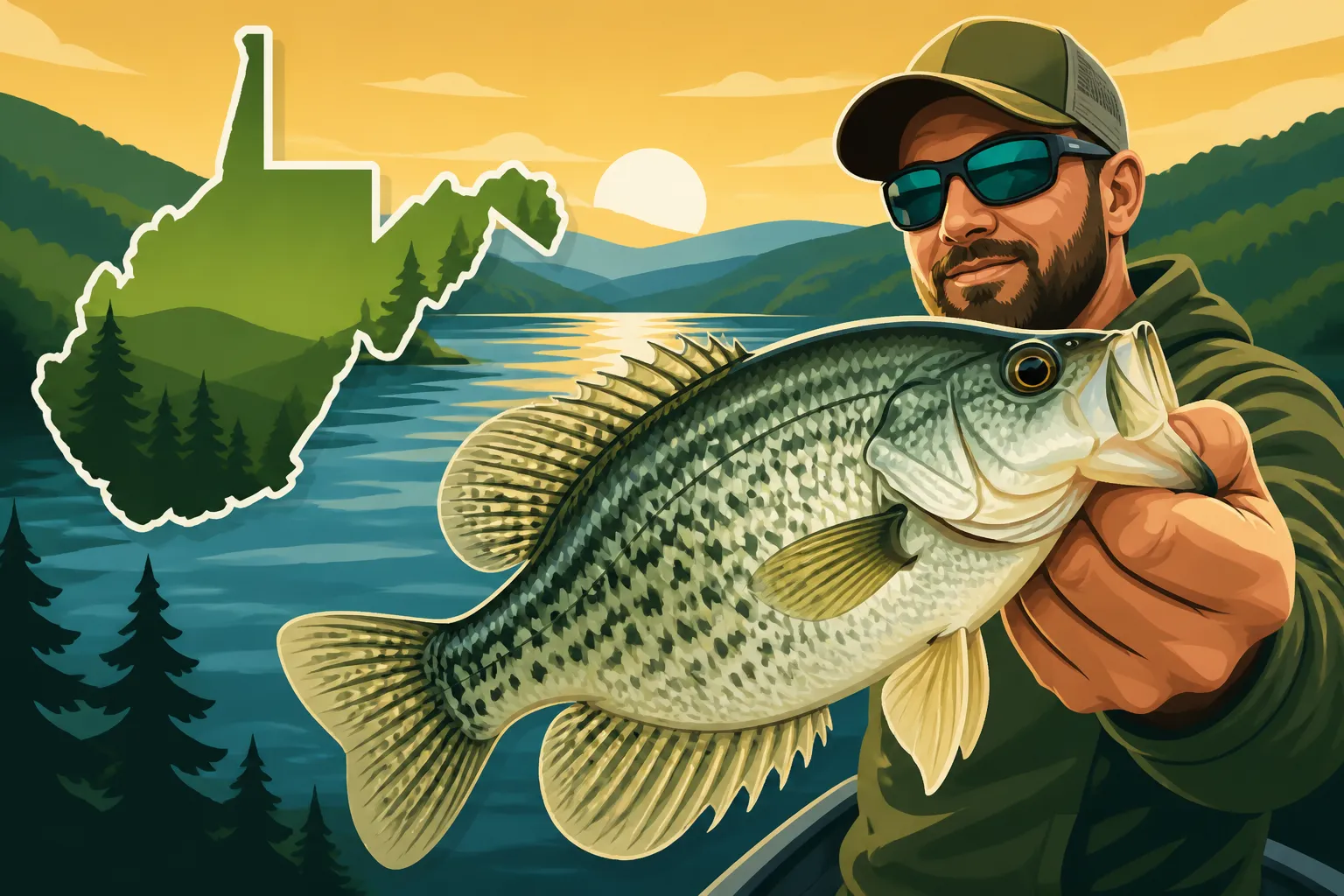
When most folks think of crappie, they picture a fish that might be 8 to 10 inches long – perfect for a tasty meal. But a trophy crappie? That's a different beast altogether. While West Virginia has its state records that truly represent the pinnacle, for the everyday angler, a crappie entering the 13-inch range and pushing 1.5 to 2 pounds is often considered a true "slab" or trophy. These are the fish that make your heart pound a little faster and demand a picture before they go back or into the cooler.
Both black crappie and white crappie call West Virginia waters home, and while they share many similarities, there are subtle differences in their appearance and habits. Generally, black crappie tend to be a bit thicker and rounder for their length, while white crappie can be longer and more slender. Knowing the difference can sometimes help you target specific areas, though often they'll be found in similar habitats. For a deeper dive, check out our guide on Black Crappie vs White Crappie Identification. State records for crappie typically hover around the 4-pound mark, but consistently catching fish half that size means you're doing something right in the trophy hunt.
Factors Influencing Crappie Size
Why do some lakes produce monster crappie while others seem to only offer up smaller fry? It comes down to a few critical factors that create the perfect storm for big slabs. First, habitat is crucial. Crappie love structure – submerged timber, brush piles, rock piles, ledges, and deep creek channels. These provide cover from predators, ambush points for forage, and comfort zones in varying water temperatures. Lakes with abundant and diverse deep-water structure are goldmines for big crappie.
Secondly, food availability is paramount. Trophy crappie don't get big by eating tiny bugs. They need a steady diet of baitfish like shad, shiners, or even small bluegill. Lakes with healthy baitfish populations often correlate directly with larger crappie. Water quality and overall lake health also play a huge role. Clean water with good oxygen levels is essential for fish growth and a thriving ecosystem. Lastly, angler pressure can impact average size. Lakes that are heavily fished might see more smaller fish kept, leaving fewer to grow to trophy potential. However, smart catch-and-release practices can help maintain healthy populations of larger fish.
Top West Virginia Lakes for Trophy Crappie
West Virginia is blessed with numerous lakes, but a select few consistently rise to the top for producing larger crappie. These are the destinations where dedicated crappie anglers focus their efforts, often returning with stories of truly memorable catches.
Bluestone Lake: A Giant's Playground
When you talk about trophy crappie in West Virginia, Bluestone Lake near Hinton almost always comes up in conversation. This massive reservoir on the New River is known for its excellent fishing, and crappie are certainly a highlight. The sheer size and depth of Bluestone Lake, combined with its abundant submerged timber and channel swings, create an ideal environment for crappie to grow large. Anglers often report crappie here measuring well over a foot, with 15-inchers not uncommon, especially during peak seasons.
The prime time to target crappie at Bluestone is typically in the pre-spawn and spawn periods, which can stretch from late March through May depending on water temperatures. During this time, crappie move into shallower coves and around brushy banks, making them more accessible. However, truly large crappie often hold to deeper structure year-round. Look for deep creek channels, old roadbeds, and vast standing timber fields. Many anglers find success by spider rigging multiple rods with small jigs or live minnows, slowly trolling over these structures. Utilizing a good fish finder is almost a necessity here to locate the schools of crappie holding tight to structure. For a complete overview of this fishing destination, check out our Bluestone Lake Fishing Guide.
Burnsville Lake: Consistent and Productive
Nestled in Braxton County, Burnsville Lake is another fantastic crappie destination that regularly yields impressive catches. While it might not have the same expansive feel as Bluestone, Burnsville offers incredibly consistent crappie fishing, with many anglers reporting high numbers of quality fish. The lake is known for its extensive areas of submerged brush piles, timber, and stump fields, which are exactly what crappie love for cover and feeding.
Similar to Bluestone, the spring months are fantastic for crappie at Burnsville, as fish move into the shallower, warmer waters to spawn. However, don't overlook the potential for big crappie in deeper water during the colder months. Winter crappie fishing can be outstanding, as fish congregate in large schools around deep creek channels and river bends. Vertical jigging with small spoons or soft plastic jigs over submerged structure is a popular and effective method here. Anglers often experiment with jig colors, but chartreuse, white, and black/chartreuse combinations are perennial favorites. You can find a wide variety of these specialized crappie jigs on platforms like Amazon, often bundled in useful assortments. Our guide on Jigging for Crappie in West Virginia Lakes provides even more detail on this technique.
Stonecoal Lake: Hidden Gem for Big Slabs
For those willing to explore a bit off the beaten path, Stonecoal Lake in Lewis County often rewards anglers with some truly exceptional crappie. This lake is somewhat smaller than Bluestone or Burnsville, but it consistently produces large crappie, sometimes surprising anglers with how big the fish get. Its clear waters and diverse underwater topography, including deep points, ledges, and some excellent brush pile habitat, contribute to its trophy potential.
Stonecoal can be a bit more challenging due to its clearer water, which often means crappie can be warier of presentations. Therefore, lighter lines, more subtle baits, and a stealthy approach are often key. Early morning and late evening bites can be particularly productive. Look for crappie relating to structure along main lake points, especially those with access to deeper water. During the spawn, they'll move into shallower coves, but throughout the rest of the year, those deep brush piles and submerged trees are the tickets to big fish. Many experienced anglers dedicate time to mapping out and marking these productive structures on their sonar. Investing in a good portable fish finder, available on sites like Amazon, can really pay dividends on lakes like Stonecoal where precision is key.
Key Techniques for Targeting Trophy Crappie
Catching a truly massive crappie isn't always about luck. It often comes down to understanding crappie behavior, knowing where to find them, and presenting your bait effectively. These strategies can significantly increase your odds of connecting with those West Virginia slabs.
Locating Deep Structure
Trophy crappie, especially outside of the brief spawning window, love deep structure. This is where they feel safe, where baitfish congregate, and where they can find stable water temperatures. Think about brush piles that have been sunk by local anglers, natural standing timber, submerged rock piles, sudden ledges that drop off into deep water, and the winding routes of old creek channels. These are the highways and hangouts for big crappie.
This is where modern electronics become your best friend. A quality fish finder with side imaging or down imaging can literally show you entire schools of crappie hugging the contours of a brush pile or suspended over a deep channel. Learn to interpret those images; often, the bigger fish will be holding just outside the densest cover, or slightly deeper than the main school. Don't just scan the surface; actively look for schools of baitfish, as crappie are never far from their food source. Many top-tier Best Fish Finders for West Virginia Lakes can be found online, and they are well worth the investment for serious crappie hunters. Once you locate these spots, mark them on your GPS for future trips. This helps build a library of productive areas. For specific tips, our article on How to locate crappie in West Virginia reservoirs offers more in-depth advice.
Baits and Presentations for Big Crappie
When it comes to baits, bigger crappie often prefer a slightly larger meal. While small 1/16 oz jigs are effective for numbers, a 1/8 oz or even 1/4 oz jig can sometimes entice a larger fish. Soft plastic jigs in shad, minnow, or grub profiles are extremely popular. Colors like chartreuse, white, black/chartreuse, and pink are often deadly, but always be prepared to experiment based on water clarity and light conditions. For the ultimate natural presentation, live minnows are hard to beat. Rigged on a plain hook under a slip bobber or slow-trolled, minnows can be irresistible to trophy crappie.
Slow trolling, often called "spider rigging," is a highly effective technique for covering water and finding active fish, especially over submerged timber or along ledges. This involves setting out multiple rods with jigs or minnows at varying depths and slowly moving through known crappie areas. Another excellent presentation is vertical jigging. Once you've located a school on your electronics, position your boat directly over them and drop a jig or spoon straight down. Gently lift and drop, keeping the bait in the strike zone. Sometimes a subtle tremble is all it takes. For targeting crappie at specific depths, our guide on Best jig weight for crappie at Burnsville Lake provides useful insights.
Best Times and Conditions
Timing is crucial when chasing trophy crappie. The pre-spawn period, when water temperatures climb into the 50s Fahrenheit, is arguably the best time. Crappie are actively feeding, bulking up before the rigors of spawning, and are often concentrated in predictable areas. As water temperatures hit the low to mid-60s, the spawn is in full swing, and crappie can be found in shallower water near cover. While easy to catch, these fish can sometimes be smaller.
Post-spawn, crappie often retreat to deeper, main-lake structures to recover. Summer can be challenging, as crappie often suspend in open water or hold to very deep, thermocline-related structures. Fall sees a resurgence in activity as water temperatures cool, and crappie feed heavily in preparation for winter. Winter crappie fishing can be phenomenal, especially on mild, sunny days, as fish school tightly in deep water and become easier targets with vertical presentations. Keep an eye on water temperature; it's the biggest driver of crappie behavior. For more seasonal advice, read our article on Best time to fish for crappie in spring.
Conservation and Responsible Angling
Catching trophy crappie is immensely satisfying, but it also comes with a responsibility to help ensure these incredible fish continue to thrive for future generations of anglers. Practicing ethical angling habits is just as important as knowing where to find the fish.
Catch and Release for Future Trophies
While crappie are delicious table fare, selectively harvesting smaller fish and releasing the larger ones can significantly impact the trophy potential of a lake. Consider adopting a "catch and release" mentality for those truly exceptional slabs. A fish that's 14 inches or more has likely contributed many times over to the lake's population. By carefully releasing it, you're allowing it to spawn again and grow even larger, potentially becoming another angler's dream catch down the road.
When practicing catch and release, handle the fish as little as possible. Wet your hands before touching them to protect their protective slime coat. Use a wide, rubberized landing net if possible, as it's gentler on their scales and fins than traditional nylon nets. If the fish is hooked deep, cut the line as close to the hook as you can rather than trying to rip it out. Always revive a tired fish by holding it gently in the water, facing into the current, until it swims away under its own power. These simple steps increase the fish's survival chances dramatically.
Understanding Regulations
West Virginia has specific fishing regulations in place to manage fish populations and ensure sustainable fishing. These regulations often include daily creel limits (the maximum number of fish you can keep per day) and possession limits (the maximum number of fish you can have on hand). For crappie, there might also be minimum size limits on certain bodies of water to protect younger fish and allow them to reach reproductive maturity.
It's absolutely critical to familiarize yourself with the current West Virginia fishing regulations before you head out. These rules can change from year to year, and sometimes even differ between specific lakes or rivers. You can typically find a full summary on the West Virginia Division of Natural Resources (WVDNR) website, or by picking up a printed copy wherever fishing licenses are sold. Always consult the latest WVDNR Fishing Regulations Summary for the most up-to-date information. Ignoring these regulations, even unintentionally, can lead to fines and penalties. Our guide on West Virginia Bag and Possession Limits by Species is a good starting point for general information, but always verify with the official WVDNR document.
Crappie Lake Comparison Chart
To help you visualize the characteristics of these top trophy crappie lakes in West Virginia, here's a quick comparison:
| Lake Name | Location (County) | Primary Crappie Species | Key Habitat Features | Best Time for Trophy Crappie | Primary Angling Techniques | Notes |
|---|---|---|---|---|---|---|
| Bluestone Lake | Summers | Black & White | Deep timber, creek channels, ledges | Pre-spawn, Fall | Spider rigging, jigging with minnows | Large, deep reservoir; can be challenging |
| Burnsville Lake | Braxton | Black & White | Brush piles, stump fields, river bends | Spring, Winter | Vertical jigging, slow trolling jigs | Consistent numbers of quality crappie |
| Stonecoal Lake | Lewis | Black & White | Deep points, ledges, brush piles | Spring, Fall | Finesse jigging, live minnows, stealth | Clearer water; rewards patient anglers |
Each of these lakes offers a unique experience, but all share the potential for that unforgettable trophy crappie. Prepare your gear, study the maps, and most importantly, get out there and enjoy the pursuit!
Disclaimer
This article is for general informational purposes only and does not constitute professional advice. Laws, prices and regulations vary by location and change over time. Consult a qualified professional for guidance on your specific situation.