Best Techniques for Ice Fishing Panfish
There’s nothing quite like the crisp, quiet solitude of a West Virginia winter, especially when you’re out on the ice, hoping for a tug on your line. But let's be honest, standing on a frozen lake with a tiny hole, shivering fingers, and no bites can be incredibly frustrating. This guide is all about cutting through that chill and helping you master the art of ice fishing for panfish in our beautiful Mountain State.
Understanding West Virginia Ice Conditions for Panfish
Ice fishing in West Virginia isn't like hitting the giant frozen lakes of the Midwest or Canada. Our winters can be a bit more unpredictable, meaning ice safety and finding reliable spots are even more critical. It takes a keen eye and a good understanding of local conditions to make sure your trip is both fruitful and safe.
The Dynamics of Mountain State Ice
West Virginia's topography means we have a mix of higher elevation lakes and reservoirs that freeze more consistently, and lower elevation waters that might only offer safe ice during prolonged cold snaps. You might find great ice on Spruce Knob Lake or Summit Lake when larger bodies of water like Cheat Lake are still sketchy in spots. It's a constant game of checking reports, observing temperatures, and understanding how different water bodies react to the cold. Rivers, especially, are almost never safe for ice fishing due to currents. The excitement of seeing a frozen lake can quickly turn to anxiety if you don't know what you're stepping on, and nobody wants to take an unexpected plunge.
The quality of the ice itself also varies. "Black ice," which forms slowly and without much snow, is usually the strongest. But a thick layer of snow can insulate the ice below, slowing its growth or even creating slush layers. You might encounter layered ice from freeze-thaw cycles, which can be weaker than it appears. Always keep an eye out for springs or inlets, which can create dangerously thin spots, even on otherwise solid ice. This dynamic nature is part of the challenge, but also part of the reward when you find those perfect, safe conditions.
Prime Season and Local Hotspots
The prime ice fishing season in West Virginia typically runs from late December through February, though it can extend into March in higher elevations during particularly cold years. You'll want to target smaller, shallower lakes and ponds first, as they freeze solid much quicker. Places like Spruce Knob Lake, Summit Lake, and Trout Pond are often mentioned as reliable early season spots. For those who can access it, some coves on Cheat Lake can also offer good hard water, but always exercise extreme caution and verify local conditions.
It's absolutely vital to remember that "safe ice" is a moving target. What was safe yesterday might not be today if temperatures rose or a heavy snowfall hit. Checking local bait shops, online forums, and talking to experienced locals are your best bets for current conditions. Never rely on last week's report, and certainly don't assume ice is safe just because someone else is out there. They might be taking risks you're not comfortable with, or they simply have more experience reading ice. For more specific location ideas, you can check out guides like Best Ice Fishing Lakes in West Virginia to narrow down your options.
Essential Gear for West Virginia Ice Fishing Panfish
Going into ice fishing underprepared is a recipe for a miserable day. It’s cold, you’re often stationary, and you need specialized tools to even get started. Investing in the right gear isn't just about comfort; it's about safety and effectiveness, ensuring you actually enjoy your time out there and, hopefully, catch some fish.
The Foundation: Augers, Rods, and Shelters
First things first, you need a way to make a hole in the ice. Augers come in manual, cordless electric, and gas-powered options. For panfish, you don't need a huge hole, so an 8-inch auger is usually perfect. Manual augers are lightweight and quiet, great for smaller lakes or if you're on a budget. Electric augers, like those from brands such as ION or Strikemaster (often found on Amazon), are becoming incredibly popular for their convenience and quiet operation, allowing you to drill multiple holes without spooking fish or breaking a sweat. Gas augers are powerful but heavier and noisier. When considering your options, a good guide to read might be Best Ice Auger for West Virginia Lakes.
Next up, your fishing setup. Ice fishing rods are much shorter than traditional rods, typically ranging from 24 to 36 inches. This short length allows you to fish comfortably inside a shelter or standing over a hole. Pair it with a small spinning reel spooled with light monofilament or fluorocarbon line (2-4 lb test is ideal for panfish). The lighter line is crucial for detecting those subtle panfish bites and allows your tiny jigs to sink naturally. Having a couple of different rod setups allows you to quickly switch between techniques or baits without re-tying, which is a huge advantage when the fish are finicky.
Finally, consider a shelter. While not strictly "essential" for a quick trip on a mild day, a portable ice fishing shelter makes a world of difference for comfort and extended stays. These can be simple windbreaks or fully enclosed, insulated shanties with built-in seats. Brands like Eskimo and Clam are popular, and you can often find a good selection on Amazon. A shelter keeps you out of the wind, helps retain body heat, and makes for a much more enjoyable experience, especially if you plan to spend several hours on the ice. Some even come with built-in heaters, turning a frigid outing into a cozy fishing expedition.
Lures, Baits, and Electronics for Panfish
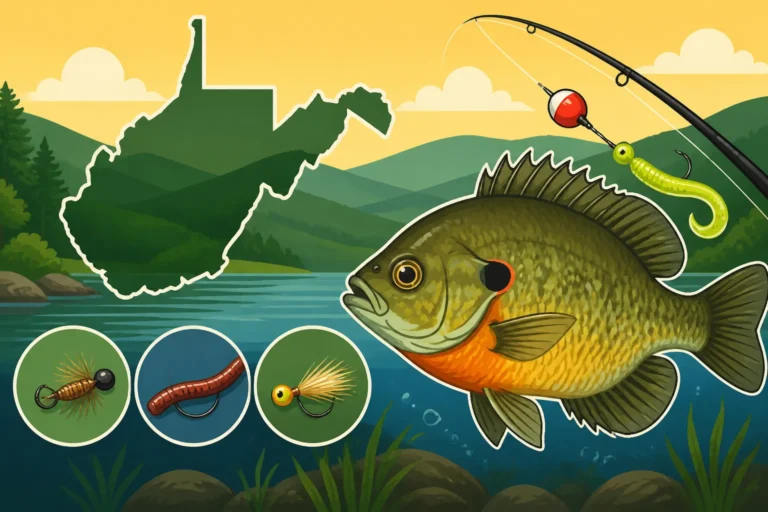
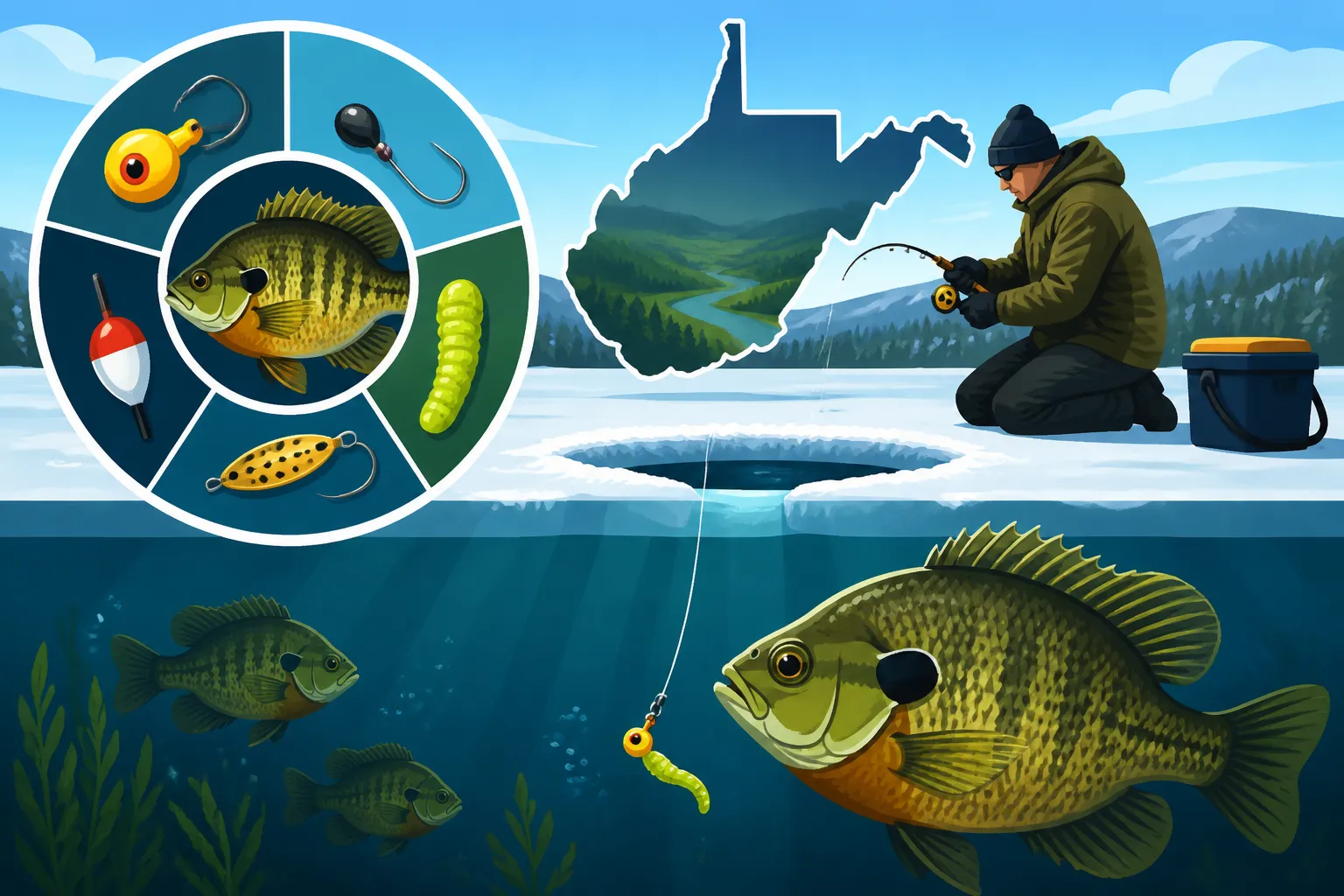
Panfish have small mouths and are often finicky, so tiny lures and the right bait are key. For crappie, bluegill, and perch, you'll want a selection of small jigs, spoons, and soft plastics. Micro jigs, often called "tungsten jigs" due to their heavy-for-their-size material, are excellent because they sink fast and present a compact profile. Colors can make a huge difference, so carry a variety – chartreuse, glow-in-the-dark, pink, and natural patterns are always good starting points. You might even find some useful tips in a specific guide like Best panfish jig colors for winter. Pair these jigs with live bait like wax worms, mealworms, or small minnows. A single wax worm on a tungsten jig is often irresistible to bluegill.
Electronics, while not mandatory, can drastically improve your success. A portable fish finder (often called a "flasher") allows you to see the depth, the bottom, your lure, and most importantly, the fish below. This takes all the guesswork out of presentation; you can actively see how fish react to your lure and adjust accordingly. Watching a fish rise to meet your jig on the flasher screen is incredibly exciting and educational. Brands like Vexilar and Marcum are industry leaders, offering robust and reliable units. They might seem like an investment, but they pay dividends in increased catches and a deeper understanding of fish behavior under the ice.
Beyond the core gear, don't forget the small but mighty accessories: an ice scoop to keep your holes clear of slush, a bucket for sitting and holding fish, a pair of ice cleats or "spikes" for traction on slippery ice, and most importantly, ice picks worn around your neck. These safety devices can be a literal lifesaver if you happen to break through the ice. Staying warm with layers of clothing, waterproof boots, and good gloves is also non-negotiable for a comfortable and safe trip.
Top Techniques for Targeting Panfish Through the Ice
Ice fishing for panfish isn't just about dropping a line in a hole and waiting. It's a nuanced dance of presentation, patience, and sometimes, a bit of persistence. Understanding how to present your bait and work the water column can be the difference between a full bucket and an empty one.
Mastering the Jigging Motion
Jigging is the quintessential ice fishing technique, and it's incredibly effective for panfish. The basic idea is to impart action to your small jig or spoon, mimicking an injured baitfish or insect. Start by lowering your lure to the desired depth (often just above where you see fish on your flasher, or near the bottom). Then, perform a series of subtle lifts and drops, ranging from tiny shivers of the rod tip to short, sharp snaps. The key word here is "subtle" – panfish usually prefer a delicate presentation.
After each jigging motion, pause. This pause is absolutely critical, as fish often strike on the fall or when the bait is completely still. Sometimes, the fish will hit on the upward stroke, too, so pay close attention. Experiment with different rhythms and magnitudes of jigging. Some days they want a super aggressive flutter, other days a tiny tremor is all it takes. For crappie, a slow, methodical rise and fall can be deadly, while perch might respond to more active thumps on the bottom. Remember, you're trying to entice a bite, not scare them away.
Deadsticking and Bait Presentation
While active jigging is great, sometimes the panfish are incredibly lethargic and prefer a more passive presentation, which is where "deadsticking" comes in. This technique involves suspending a bait (typically a small jig tipped with a wax worm, minnow, or piece of Berkley PowerBait) at a specific depth, often using a second rod set up near your jigging hole. The bait is left virtually motionless, allowing the subtle movements of the live bait or the scent to draw fish in.
The beauty of deadsticking is that it gives hesitant fish a chance to inspect the bait without any perceived threat from angler movement. You can use a tip-up for deadsticking, which signals a bite by flagging up, or simply use a very light action rod with a sensitive tip that will dip at the slightest nibble. Combining deadsticking with active jigging is a fantastic strategy. The jigging can draw fish into the area, and if they're not committing, they might pick up the deadsticked bait. For insights into what specific species prefer, you might want to read about Bluegill Habits in West Virginia Ponds or Jigging for Crappie in West Virginia Lakes.
Understanding the Panfish Bite
Panfish bites can be incredibly subtle, especially when the water is cold and their metabolism is slow. It's not always a hard "thump" like a bass. Sometimes it's just a slight twitch of the rod tip, a momentary slackening of the line, or a feeling of added weight when you lift. This is why a sensitive rod is crucial. Many ice anglers use spring bobbers or highly flexible rod tips to magnify these subtle takes.
If you're using a flasher, you'll often see the fish approach your lure, and then your lure's signal might disappear or get "eaten" by the fish's signal. This visual cue is often the first sign of a bite, even before you feel it on the rod. It's a game of constant vigilance and concentration. Once you detect a bite, a quick, upward hookset is usually all it takes to embed the small hook. Don't go for a giant sweeping motion, as you'll often pull the tiny jig right out of their mouth. Remember, practice makes perfect when it comes to feeling those light bites, so don't get discouraged if you miss a few at first!
Finding the Best Panfish Spots on West Virginia Ice
You can have the best gear and techniques in the world, but if you’re fishing in a barren spot, you won't catch anything. Locating panfish under the ice is paramount, and it requires understanding their winter behavior and how they relate to underwater structure. It's a bit like a treasure hunt, but with better odds if you know where to look.
Decoding Panfish Winter Behavior
During winter, panfish, like most fish, become less active and tend to congregate in specific areas to conserve energy and find stable food sources. They don't roam as much as they do in open water. Crappie, for instance, often suspend in schools over deeper water or near drop-offs, especially around submerged brush piles or standing timber. They're looking for areas that offer a bit of thermal stability and cover.
Bluegill, on the other hand, might stick closer to the bottom, often found in basins, along weed lines that still have some green growth, or near humps and points in shallower depths. Yellow perch are often bottom-oriented and will roam in schools, frequently found on flats or along the edges of drop-offs, especially if there's some gravel or sand. Understanding these general tendencies is your first step. It's why species-specific knowledge, like Black Crappie vs White Crappie Identification and Yellow Perch in West Virginia Lakes, can be so helpful.
Employing Strategic Hole Drilling
Once you have a general idea of where the fish might be, it’s time to drill holes – and lots of them! Don't just drill one hole and sit there all day if you're not getting bites. This is where your auger truly shines. Start by drilling a series of holes in a grid pattern or along a suspected structure, like a contour line or a point. Focus on varying depths – start shallow and work your way deeper, or vice versa, until you hit fish.
Use your fish finder in each hole for a quick scan. If you don't see fish or get a bite within 10-15 minutes, move to the next hole. This "run and gun" approach is often the most effective way to locate active schools of panfish. Remember that panfish will often move, even under the ice, so staying mobile is key. Don't be afraid to leave a "dead" hole and come back to it later; sometimes a school will cycle through. It’s also wise to spread out your holes if you’re fishing with a buddy, covering more water and increasing your chances of finding that productive zone.
Reading Structure and Submerged Cover
Just like in open water, structure and cover are magnets for panfish under the ice. Submerged brush piles, old timber, rock piles, sudden depth changes (drop-offs), and healthy weed beds are all prime locations. If you have lake maps with contour lines, study them before you go out. Look for sharp breaks, deep points, or old creek channels. Your fish finder will be invaluable for confirming these features once you're on the ice.
When you locate structure, focus your efforts around its edges. Fish will often hold tight to the cover, so dropping your lure right into it can be effective, but be prepared for snags. For crappie, suspended schools often hover just above brush piles. For bluegill, a healthy weed bed in 8-15 feet of water can hold a ton of fish. Don't overlook subtle features either; even a slight hump or depression on an otherwise flat bottom can attract panfish. Many of these features might not be visible from the surface, highlighting the importance of electronics and pre-trip map study.
Safety First: Staying Safe on West Virginia Ice
The allure of ice fishing is undeniable, but the dangers are very real. Cold water shock and hypothermia are no joke. Prioritizing safety is not just good advice; it's absolutely essential for anyone venturing onto West Virginia's frozen lakes and ponds. No fish is worth risking your life over.
Knowing Your Ice
The golden rule of ice fishing is: "No ice is 100% safe." You need to assume that there might be weak spots, even on seemingly solid ice. The most critical factor is ice thickness. Generally, the West Virginia Division of Natural Resources (WVDNR) and other safety organizations recommend a minimum of 4 inches of clear, solid ice for individual foot travel. For larger groups, or if you plan to bring a snowmobile or ATV, much more ice is needed. A reliable guide on this topic is How thick ice needs to be to fish safely in West Virginia.
However, thickness isn't the only factor. The type of ice matters. Clear, black ice formed from a consistent freeze is much stronger than cloudy, milky, or "rotten" ice that has undergone freeze-thaw cycles or has been weakened by slush and snow. Always carry a spud bar or an auger to test the ice as you go, especially when moving to a new area. Listen for cracking sounds – a loud crack often means the ice is settling and strong, but a continuous groaning or shushing sound can indicate weakness. Never venture out alone, and always inform someone of your plans and expected return time.
Essential Safety Gear and Practices
Beyond just knowing about ice, you need the right safety equipment and practices. First and foremost, wear ice picks around your neck. These are two short, pointed handles connected by a cord. If you fall through, you can use them to gain purchase on the ice and pull yourself out. They are simple, inexpensive, and incredibly effective. Many anglers often overlook them, but they could save your life.
Secondly, dress in layers. Multiple layers of clothing allow you to adjust to changing temperatures and activity levels. A waterproof and windproof outer shell is crucial. Always wear a PFD (Personal Flotation Device) or a floatation suit, especially if you're venturing onto questionable ice or are unfamiliar with the water body. A PFD can keep your head above water and conserve critical body heat if you do break through. A rope (at least 50 feet long) with a weighted bag on the end can be thrown to someone who has fallen in, providing a lifeline.
Other crucial safety practices include avoiding dark-colored areas of ice, which might indicate thinner ice or open water. Stay away from areas near inlets, outlets, and dam structures, as currents can prevent solid ice formation. If you hear loud cracks or feel the ice flexing, spread out, lay flat to distribute your weight, and slowly crawl back the way you came. Never panic, as panic can lead to mistakes. Ice fishing is a fantastic winter activity, but only when approached with respect for the inherent dangers and a commitment to safety.
Common Challenges and Troubleshooting for Ice Anglers
Even with the best preparation, ice fishing throws curveballs. The weather changes, the fish disappear, and your gear decides to act up. It's all part of the experience, but knowing how to troubleshoot common issues can turn a frustrating day into a successful one.
Dealing with Finicky Panfish Bites
One of the most common complaints is the "finicky bite" – fish showing up on the flasher but refusing to hit your lure. This is incredibly frustrating, especially when you know the fish are right there! The first thing to adjust is your presentation. Try making your jigging motion even more subtle, almost imperceptible. Sometimes, a tiny tremble or just letting the bait sit completely still is the trick. Panfish are often wary, and too much action can spook them.
Next, change your lure size and color. Downsizing to an even smaller jig, perhaps a 1/32 or 1/64 ounce, can make a huge difference. Experiment with different colors – if they're ignoring chartreuse, try a glow-in-the-dark or a natural minnow pattern. Ensure your bait is fresh; live bait like wax worms can lose their appeal if they're cold and sluggish. Adding a little scent, like a Berkley Gulp! Alive! PowerBait, can also trigger bites from reluctant fish. Consider switching to a different bait type entirely if one isn't working. For more details on specific strategies, Best Techniques for Panfish in West Virginia might offer additional perspectives beyond just ice fishing.
Finally, adjust your depth. Even if fish are showing at a certain depth, they might be more willing to strike if your lure is slightly above or below them. Sometimes, holding the lure perfectly still just inches above a fish will provoke an aggressive "strike." If all else fails, move. The fish might simply not be in a feeding mood in that spot, and moving to a new area or a different depth might put you on more active fish. Remember, patience combined with calculated adjustments is key.
Battling the Elements: Cold and Freezing Holes
West Virginia winters can be beautiful, but they can also be brutal. Extreme cold and wind can quickly turn a fun day into a miserable one. One of the biggest nuisances is holes freezing over. Even if you're consistently fishing, a thin layer of ice will quickly form. Keep an ice scoop handy and clear your hole regularly. For prolonged stays, a small portable heater inside a shelter can keep the ice around your hole from freezing solid, as well as keeping you toasty.
Proper layering is your best defense against the cold. Start with a moisture-wicking base layer, add insulating mid-layers (fleece or down), and top it off with a waterproof and windproof outer shell. Don't forget insulated, waterproof boots, warm socks (wool is excellent), a good hat that covers your ears, and insulated gloves or mittens. Hand warmers and foot warmers are also small wonders that can provide hours of relief. Having a warm drink in a thermos can also do wonders for your morale and internal temperature.
If the wind picks up, position your shelter (even a windbreak) to block the brunt of it. This will make a massive difference in your comfort. Remember that being cold zaps your energy and makes you more susceptible to hypothermia. Always prioritize your warmth and comfort. If you find yourself shivering uncontrollably, or your fingers and toes are losing feeling, it's time to pack up and head in. There's no shame in calling it a day when the conditions become unsafe or unbearable.
Gear Malfunctions and Quick Fixes
Even the best gear can sometimes let you down. Reel handles can freeze, line can get stiff, and knots can come undone in the cold. The most common issue is line memory and stiffness in extremely cold temperatures. Using a line designed for cold weather, like a specialized ice fishing monofilament or fluorocarbon, can help. If your line is coiling off the reel, stretch it out carefully before you start fishing.
Reels can also get sluggish. A little bit of low-temperature reel grease or oil can help, but generally, keeping your reel inside your shelter or close to your body heat when not in use can prevent it from freezing up. Always check your knots regularly. Cold fingers and stiff line can make tying reliable knots difficult, and you don't want to lose a fish (or a favorite lure) to a faulty knot. Practice tying knots with gloves on at home if you plan to fish in truly frigid conditions.
Another common issue is your flasher battery dying prematurely in the cold. Keep a spare battery if possible, and store your main battery in an insulated bag or close to your body heat to extend its life. Make sure all connections are clean and secure, as moisture and cold can affect conductivity. A little bit of proactive maintenance and knowing how to quickly troubleshoot these minor issues will keep you fishing longer and more effectively. Always carry a small multi-tool and a spool of extra line. West Virginia's unpredictable winter fishing conditions demand that you be prepared for anything!
Disclaimer
Fishing regulations and safety guidelines can change. Always consult the latest West Virginia Division of Natural Resources (WVDNR) official regulations and local conditions before heading out on the ice. This guide is for informational purposes only and does not supersede official directives.