Euro Nymphing West Virginia Trout Streams
Trying to nymph for trout in West Virginia's wild and wonderful streams can sometimes feel like you're fighting the current more than the fish. The strong flows, the complex bottom structures, and those often-spooky mountain trout make traditional indicator nymphing a real challenge, leaving many anglers frustrated by missed strikes and tangled lines. This comprehensive guide is here to introduce you to Euro nymphing, a highly effective and precise technique that will help you connect with more trout in our beautiful, yet demanding, West Virginia waters.
What Exactly is Euro Nymphing?
Euro nymphing, also known by names like Czech nymphing, Polish nymphing, or contact nymphing, is a specialized fly fishing technique that originated in Europe's competitive angling circuits. It's designed to give anglers maximum control over their flies and direct contact with the fish, especially in faster-moving, complex river environments that are so common here in West Virginia. Forget the bobber; this method is all about feeling the take.
The Core Principles and Why It Works Here
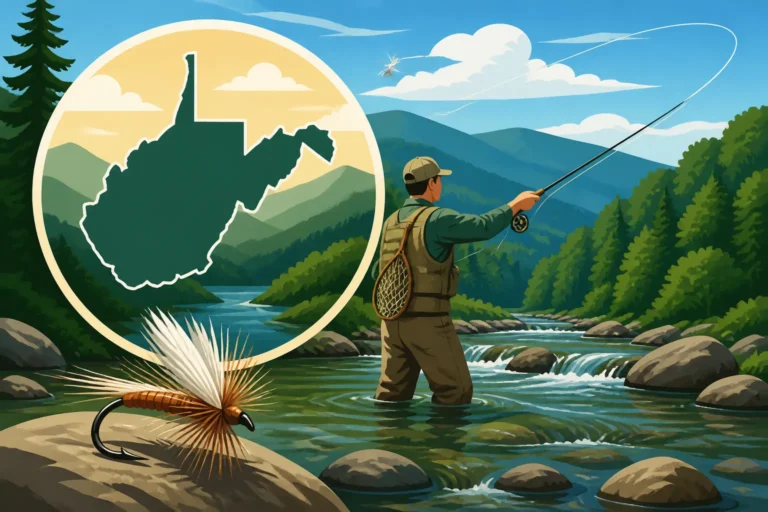
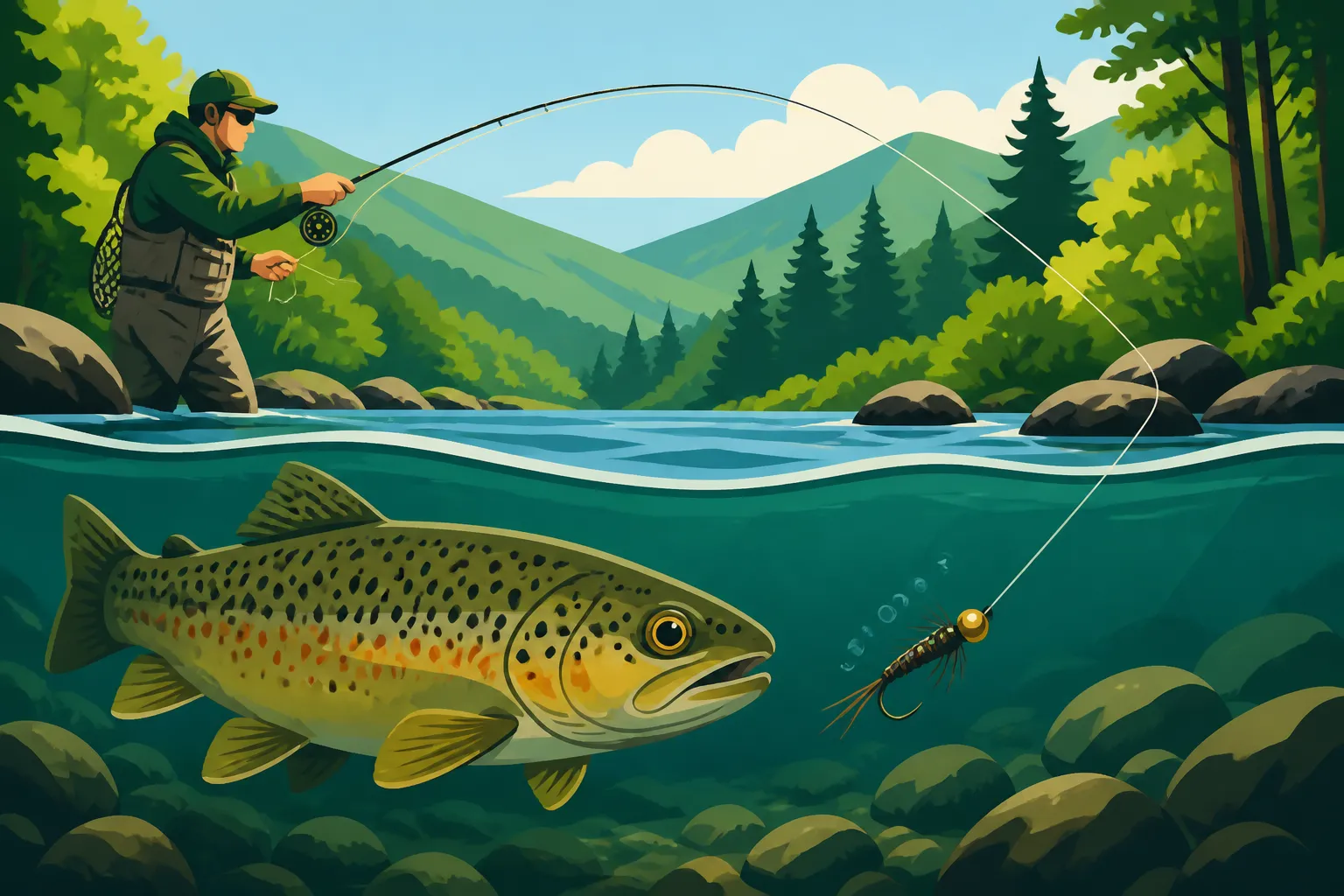
At its heart, Euro nymphing is about achieving a drag-free drift with a very tight line, allowing your nymphs to sink quickly and stay in the strike zone longer. The setup typically involves a longer, lighter rod, a specialized leader, and heavier, often weighted, nymph patterns. You're holding your rod high, keeping as much line as possible off the water to eliminate drag from conflicting currents, and using the subtle feel through your line to detect strikes. This direct connection is crucial because West Virginia's trout streams, from the rugged freestones to the powerful tailwaters, are often characterized by swift, broken water and intricate current seams. Traditional setups struggle to present flies naturally in these conditions, leading to unnatural drifts and missed opportunities. With Euro nymphing, you become an extension of your fly, guiding it through the micro-currents with precision.
One of the greatest advantages of Euro nymphing in our local waters is its efficiency. When you're fishing a stream like the Elk River Trout Fishing, where trout often hold in pockets and riffles, the ability to rapidly present your flies to multiple spots without repositioning an indicator is a game-changer. You're constantly covering new water, making it incredibly productive. The immediate feedback you get from the tight line means you react instantly to the slightest bump or hesitation, converting more subtle "takes" into landed fish. This direct feedback is especially important when targeting native brook trout in those small, pristine high-elevation streams where every fish counts and aggressive takes are rare.
Key Differences from Traditional Nymphing
The most obvious difference between Euro nymphing and traditional indicator nymphing is, of course, the absence of an indicator (bobber). Traditional nymphing relies on a visible float to signal a strike and help manage your drift. While effective in many situations, indicators can create drag, reduce sensitivity, and be hard to see in choppy water or at a distance. Euro nymphing, on the other hand, puts you directly in touch with your flies through a specialized leader system that incorporates a highly visible "sighter" section. This sighter is often a bright, bi-colored piece of monofilament or fluorocarbon that acts as a visual cue, but the primary strike detection comes from feeling the subtle tugs or hesitations through your rod tip.
Beyond the indicator, the entire approach shifts. With traditional nymphing, you might cast upstream and let your flies drift downstream past you, mending your line to control drag. Euro nymphing is often more of a "short-game" approach, where you position yourself close to the likely holding water and make short, accurate casts directly upstream or slightly quartering upstream. You then follow your flies downstream with the rod tip, keeping that tight line and feeling for any anomaly. This close-quarters combat allows for incredibly precise drifts in turbulent water, where a traditional setup would be quickly pulled out of the strike zone. It's a much more active, hands-on style of fishing, demanding constant attention and quick reflexes, but the rewards in terms of hook-ups are undeniable.
Essential Gear for Euro Nymphing in West Virginia
To truly excel at Euro nymphing, having the right specialized gear makes a world of difference. While you can certainly start with modified traditional setups, investing in purpose-built equipment will dramatically improve your sensitivity, casting accuracy, and overall success on West Virginia's varied trout streams. This isn't just about fancy rods; it's about a balanced system designed for maximum contact and efficiency.
Rods, Reels, and Lines Designed for Sensitivity
When it comes to Euro nymphing rods, length and sensitivity are paramount. You'll typically want a rod that's longer than your standard trout rod, often in the 10 to 11.5-foot range, and with a very light line weight, usually a 2 or 3-weight. This extra length helps keep more line off the water, extending your reach and minimizing drag, which is crucial when you're working a complex pocket water section on a river like the Cranberry River Fly Fishing. The tip section of a good Euro nymphing rod is incredibly soft and flexible, allowing it to load easily with just the weight of your nymphs and absorb the shock of a strike without breaking your fine tippet. However, the butt section retains enough backbone to fight larger fish effectively. Brands like Orvis, Echo, and Redington offer excellent rods specifically designed for this technique, and you can often find good deals on Amazon for entry-level models.
The reel for Euro nymphing is often less about its drag system and more about balancing the long rod. A lightweight reel that perfectly balances your rod will reduce fatigue over a long day of holding your arm high. The line itself is also quite different. Instead of a traditional weight-forward fly line, many Euro nymphing setups use a very thin, level monofilament "nymphing line" or simply a thin running line. This keeps the entire system lightweight and allows for minimal sag between your rod tip and the sighter, further enhancing sensitivity. Some anglers even just use a few feet of regular fly line backing tied directly to their specialized leader. The key is to have the lightest, most sensitive connection possible from your hand to your flies, allowing you to feel every bump, tic, and subtle take.
Leaders, Tippets, and Sighters: Your Connection to the Fish
The leader system is the true heart of a Euro nymphing setup. It's a meticulously constructed, multi-part system designed to transmit the slightest contact directly to your rod hand. A typical Euro nymphing leader starts with a stout butt section, often 10-20 feet long, which then tapers down to a sighter. The sighter is a high-visibility section, usually 12-24 inches of bi-colored monofilament (e.g., black and white, or pink and chartreuse), tied in alternating segments. This visual cue helps you track your drift and spot subtle hesitations that indicate a strike, even if you don't feel it directly. You can find pre-made sighters or tie your own using specialized tippet material available from brands like Rio or Umpqua.
Below the sighter, you'll attach your tippet ring, a tiny metal ring that acts as a connection point, allowing you to easily change out your tippet without cutting into your sighter. From the tippet ring, you'll run a length of fine tippet, often 3X to 6X, depending on the conditions and target species. Many anglers use a multi-nymph rig, attaching their heaviest nymph to a tag end off the tippet ring, and then a lighter tippet from the heaviest nymph to a lighter nymph at the bottom. The length of this tippet section is critical – too short, and your flies won't sink naturally; too long, and you lose sensitivity. Finding the sweet spot (often 3-6 feet) is part of the art. Choosing the right tippet strength is also crucial when fishing those larger Muskie Fishing in West Virginia or trophy trout waters where a delicate presentation is needed but landing a big fish demands strength.
Specialized Nymph Patterns for Mountain State Trout
Euro nymphing patterns are generally designed to be heavy and slim, allowing them to sink quickly through strong currents and reach the bottom where trout often feed. Unlike many traditional nymphs that focus on mimicking insect stages, Euro nymphs prioritize weight and hydrodynamics. Tungsten beads are almost universally preferred over brass because they offer significantly more weight for their size, getting your flies down fast. Patterns like the Perdigon, Squirmy Wormy, and various jig-style nymphs are incredibly popular. These flies are often tied on jig hooks, which help them ride point-up, reducing snags on the rocky bottoms of streams like Shavers Fork.
When fishing West Virginia streams, it's wise to have a selection of patterns that mimic common aquatic insects. Caddis larvae, stoneflies, and mayfly nymphs are always a good bet. Consider having a range of sizes and bead colors (gold, silver, black, copper) to adapt to different light conditions and water clarity. For specific local insights, checking out articles like Fly Patterns for West Virginia Trout Streams can provide excellent recommendations. Don't be afraid to experiment with brighter "attractor" patterns, especially in stained water or during high flows, as these can often trigger aggressive strikes even if they don't perfectly imitate a natural insect. Always carry a variety; what works one day might be ignored the next, making continuous adjustment a vital part of the Euro nymphing strategy.
Mastering the Euro Nymphing Techniques
Euro nymphing is not just about the gear; it's a technique-driven approach that requires practice and a keen understanding of how water moves and where fish hold. It's an active form of fishing, demanding constant attention and precise control. Once you get the hang of it, you'll wonder how you ever fished without it.
The Tight-Line Presentation: Reading the Water
The core of successful Euro nymphing lies in maintaining a perfectly tight line and a drag-free drift. This means keeping your rod tip high, pointed slightly upstream of your flies, and moving it at the exact speed of the current where your flies are drifting. The goal is to minimize the amount of line on the water, thus eliminating drag from conflicting surface currents. When you cast, it's usually a short, precise flick, placing your nymphs just upstream of your target zone. As they sink, you follow them with your rod tip, creating a direct, taut connection. This high-sticking approach allows you to "feel" the bottom as your tungsten-heavy nymphs bounce along, giving you immediate feedback on structure and depths.
Reading the water becomes an even more critical skill with this method. Instead of casting blindly, you're constantly searching for those subtle current seams, eddies, and pockets where trout are likely to hold, conserving energy and waiting for food. Look for changes in water speed, submerged rocks, fallen logs, and deeper slots. When fishing a series of pockets, you might make a dozen short, targeted drifts, quickly covering the water before moving on. The beauty of this technique is its surgical precision, allowing you to present your flies exactly where you believe a trout is feeding, without disturbing the water with an indicator. This active engagement with the river flow is what makes Euro nymphing so effective in the diverse environments you'll find in the Best Fishing Rivers in West Virginia.
Detecting Strikes and Setting the Hook
Detecting a strike in Euro nymphing is a subtle art that blends visual cues with tactile feedback. Since you don't have an indicator, you're looking for any unnatural movement in your sighter. This could be a slight twitch, a momentary pause, a subtle sideways movement, or even just a straightening of the sighter as a fish grabs the fly. Simultaneously, you're trying to feel for any slight bump, tick, or added weight transmitted directly through your tight line to your rod hand. It takes practice to distinguish a fish taking your fly from a nymph simply bouncing off a rock, but with experience, it becomes second nature. Some days, the visual cues are clearer; other days, it's all about feel.
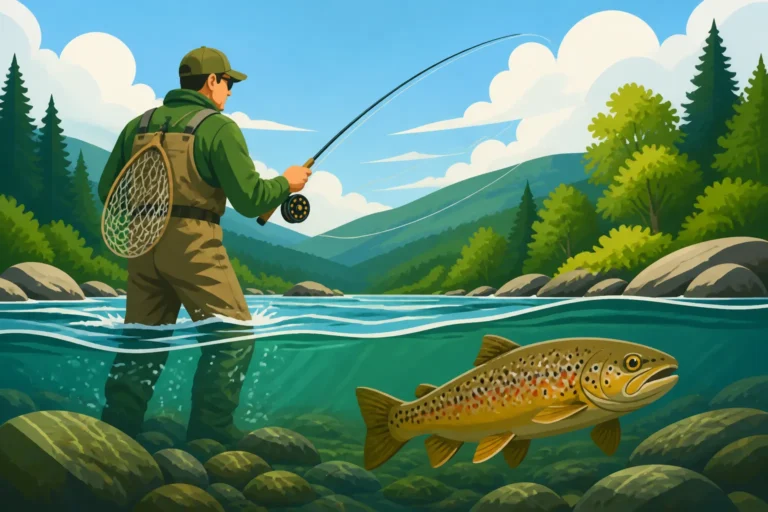
When you suspect a strike, the hook set should be swift and decisive. It's usually a quick, upward flick of the wrist, not a huge sweep. Because you're already in such direct contact with the fly, only a minimal movement is needed to embed the hook. A common mistake for beginners is to wait too long or to set the hook too softly, thinking it's just a rock. When in doubt, set the hook! You'll hook a few rocks, sure, but you'll also connect with many more fish you would have otherwise missed. The fine tippets used in Euro nymphing necessitate a gentle but firm fight once a fish is hooked, using the supple rod tip to absorb runs and head shakes, particularly when you're targeting those larger Brown Trout Habits in West Virginia Streams.
Navigating Challenging Currents and Structure
West Virginia's rivers and streams are beautiful but often present formidable challenges with their complex currents and abundant submerged structure. Euro nymphing is uniquely suited to these conditions because of its inherent ability to maintain a drag-free drift in highly turbulent water. The long rod helps you reach across conflicting current seams, lifting your line over boils and eddies, ensuring that only your flies are subject to the underwater currents where the fish live. This high-sticking technique prevents your line from being pulled in different directions, which would otherwise create unnatural drag on your nymphs. Learning to strategically position your body and use the rod to guide your line is paramount here.
Furthermore, the heavy, slim flies on jig hooks used in Euro nymphing are designed to minimize snags. The jig hook orientation means the hook point rides upward, making it less likely to catch on bottom rocks and debris. However, snags are still inevitable, especially when fishing productive but gnarly sections of rivers with abundant logs and rocks. This is where a strategic approach to your drift and an understanding of the riverbed come into play. Learning Wading Techniques for West Virginia Trout Streams is essential, as good positioning can often prevent snags before they happen. If you do get snagged, a sharp downstream pull with the rod tip often frees the flies. It's a dance between aggressive presentation to get to the fish and careful navigation to avoid losing too much tackle.
Best West Virginia Streams for Euro Nymphing
West Virginia offers a fantastic array of waters that lend themselves beautifully to Euro nymphing. From the iconic rivers known for their robust trout populations to the hidden high-mountain creeks holding native gems, this technique can unlock incredible fishing opportunities across the state.
Productive Freestone Rivers and Tailwaters
West Virginia boasts several excellent freestone rivers and tailwaters that are prime candidates for Euro nymphing. The Elk River, particularly its catch-and-release section, is a fantastic example. Here, the varied flows, deep runs, and riffles provide ample structure for trout, and the tight-line technique allows you to systematically pick apart these sections. Other notable freestone rivers include the Williams River and the Cranberry River, both renowned for their beautiful scenery and challenging, rewarding fishing. These rivers often have a mix of wild and stocked trout, and Euro nymphing is effective for both. The ability to quickly adjust your depth and presentation in varying current speeds makes it incredibly versatile in these environments.
Tailwaters, rivers flowing from the base of dams, offer another fantastic Euro nymphing opportunity. The Tygart River tailwater, for instance, can provide consistent flows and cold water, creating ideal trout habitat. These waters often feature predictable current patterns and deeper pools that can be effectively probed with heavy nymphs. Learning How to Fish a Tailwater in West Virginia will be invaluable here, as the water releases can drastically change conditions. The consistency of flow and temperature in tailwaters often means larger fish, and the tight-line method gives you the sensitivity needed to detect their often subtle takes in deep water. Always be mindful of safety, as tailwaters can have sudden changes in water levels due to dam operations.
Targeting Native Brook Trout in High-Elevation Waters
For many anglers, the allure of West Virginia's high-elevation streams lies in the opportunity to catch native brook trout, the state fish. These pristine waters, often found deep within the Monongahela National Forest, are typically smaller, shallower, and have more complex pocket water. Euro nymphing shines here because it allows for stealthy, precise presentations in tight quarters without the splash and disturbance of an indicator. The goal is to drop your small, weighted nymphs into plunge pools, behind boulders, and into any promising seam of current, feeling for the quick strike of an opportunistic brook trout.
Streams like the upper reaches of the Cheat River, Shavers Fork, or specific small tributaries offer these unique experiences. When targeting Shavers Fork Brook Trout Fishing or similar waters, you'll want to use lighter tippets (5X or 6X) and smaller, more natural-looking nymph patterns, such as tiny Perdigons or simple pheasant tail jigs. The technique of keeping your rod tip high and following your flies becomes even more critical in these cramped environments, allowing you to quickly move from one small pocket to the next. It’s a rewarding challenge, and the ability to present a fly without much splash or effort is a significant advantage in these often-spooky native trout havens.
Adapting to Stocked Waters and Holdover Trout
West Virginia's stocking program ensures plenty of trout fishing opportunities, and Euro nymphing is incredibly effective on these waters, too. Whether you're hitting a recently stocked stream like those found on the West Virginia trout stocking schedule for January or targeting holdover trout that have adapted to wilder conditions, the direct contact method gives you an edge. Freshly stocked trout are often aggressive and will hit almost anything, but Euro nymphing allows for rapid coverage of water, letting you find the most active fish quickly. You can often start with slightly larger, brighter patterns.
For holdover trout, particularly in some of the state's designated West Virginia special regulation trout streams, the fish become much warier and behave more like wild trout. Here, the precision and subtle presentation of Euro nymphing become invaluable. You'll want to scale down your tippet, use more natural-looking flies, and focus on precise drifts through likely holding lies. The ability to detect those light, hesitant takes from educated holdovers is where Euro nymphing truly shines. You'll find that once these fish have spent some time in the wild, they become much more discerning, making the tight-line technique essential for consistent success. This method will significantly increase your chances of connecting with fish that have seen every other angler's tricks.
Common Challenges and Troubleshooting
Even with the best gear and a solid understanding of the technique, Euro nymphing can present its own set of challenges. Knowing how to troubleshoot common issues can save a lot of frustration and keep you focused on catching fish.
Dealing with Wind and Obstructions
Wind is often the bane of any fly angler's existence, and Euro nymphing is no exception, especially with those long rods. A strong headwind or crosswind can make it difficult to achieve accurate casts and maintain a tight, drag-free line. In these conditions, try to use the wind to your advantage where possible, casting with it, or finding sheltered areas of the river. If a direct headwind is unavoidable, shorten your casts, focus on a more compact casting stroke, and use a heavier nymph on point to punch through the wind. A heavier point fly will help your entire rig turn over more effectively and get down quickly. You might also consider slightly increasing the weight of your leader to minimize wind knot formation.
Obstructions, whether low-hanging branches, dense rhododendron thickets along the bank, or submerged logs, are also a constant battle in West Virginia's rugged streams. These make casting difficult and increase the likelihood of snags. When faced with these, adjust your casting angle, use sidearm casts, or even bow-and-arrow casts to get your flies into tight spots. Sometimes, the best approach is to simply get in the water and wade into a better position, if safe to do so. This is where good Wading Boots for Rocky Streams become crucial. Always be aware of your surroundings, both above and below the water, to avoid unnecessary tangles and lost flies.
When to Switch Techniques or Adjust Your Rig
No single fishing technique works 100% of the time, and Euro nymphing is no different. There will be days, or even specific stretches of water, where it's simply not the most effective approach. For instance, if the water is very shallow and slow, or if fish are visibly rising to dry flies, trying to force a heavy nymph rig might not be productive. This is when it's smart to have a backup plan. You might switch to a traditional dry-dropper rig, where a buoyant dry fly acts as an indicator, or even go to a full Fly Fishing for Trout in West Virginia setup with dry flies if fish are actively feeding on the surface.
Knowing when to adjust your Euro nymphing rig is also key. If you're consistently snagging on the bottom, your flies might be too heavy, or your leader too short. If you're not feeling any contact with the bottom, your flies might be too light, or your leader too long, preventing them from getting into the strike zone. You might also need to change the distance between your flies or swap out your sighter length based on water depth or clarity. If fish are striking but not hooking up, try smaller patterns or even a different color, which you can easily purchase from places like Amazon. The beauty of fly fishing, and Euro nymphing in particular, is the constant process of observation, adjustment, and learning from the water.
Let's look at a quick table to summarize some common adjustments:
| Problem | Possible Cause | Solution |
|---|---|---|
| Too many snags | Flies too heavy / Leader too short | Use lighter nymphs, lengthen tippet, or lift rod tip higher during drift. |
| Not getting deep enough | Flies too light / Leader too long | Use heavier tungsten nymphs, shorten tippet, or add another nymph to the rig. |
| Missing subtle strikes | Sighter not clear / Not feeling "taps" | Shorten distance to sighter, use a more visible sighter, focus on feeling slight pressure changes. |
| Difficulty casting in wind | Long rod/light line affected by gusts | Shorten casts, use heavier point fly, use compact casting stroke, fish sheltered areas. |
| No bites on current patterns | Fish picky / Wrong fly choice | Change nymph size, color, or pattern. Try attractor patterns or smaller, more natural imitations. |
| Fish only rising | Surface activity ignored by nymphs | Switch to a dry fly or dry-dropper rig, observe hatch. |
| Tippet breaks during hookset/fight | Tippet too light / Hookset too aggressive | Use stronger tippet (e.g., 5X instead of 6X), soften hookset, fight fish with rod tip to absorb shock. |
Ethical Angling and Conservation Practices
As anglers, we have a responsibility to protect the precious resources that West Virginia's trout streams provide. Euro nymphing, by its very nature, is often a catch-and-release focused technique, especially in waters designated as such or when targeting wild and native trout. Using barbless hooks is highly recommended, as they greatly minimize harm to the fish, allowing for quick and easy releases. If you can't find barbless hooks, you can easily pinch down the barb on a standard hook with a pair of pliers.
When handling trout, always wet your hands before touching the fish to protect their delicate slime coat. Avoid squeezing or laying fish on dry surfaces. Minimize the time the fish is out of the water, especially in warmer conditions. A good quality, rubber-mesh Landing Net for Trout can help land and handle fish gently. For delicate species like Brook Trout: West Virginia's Native and State Fish, extra care is warranted. Always be aware of and adhere to local regulations, including specific West Virginia Catch and Release Rules for Trout or bait restrictions. By practicing good stewardship, we ensure these beautiful trout streams remain vibrant for generations to come.
Disclaimer
Please remember that fishing regulations, conditions, and recommended techniques can change. Always consult the official West Virginia Division of Natural Resources (WVDNR) website or the current fishing regulations guide before heading out. Safety should always be your top priority when on the water.