Best Techniques for Fall Muskie Fishing
There’s nothing quite like the crisp autumn air on a West Virginia river, but for muskie anglers, it also brings a unique challenge: these elusive fish change their patterns dramatically as temperatures drop. Trying to chase down a true "fish of a thousand casts" when the seasons are shifting can be incredibly frustrating if you're still using summer tactics. This guide will walk you through the very best techniques for fall muskie fishing, helping you adapt your approach and increase your chances of landing that trophy of a lifetime in the Mountain State.
Why Fall is Prime Time for West Virginia Muskie
As the vibrant greens of summer give way to the fiery reds and oranges of autumn, a transformation happens beneath the surface of West Virginia's rivers and lakes. This period, often overlooked by those who pack away their gear with the last warm days, is actually one of the most productive times for muskie fishing. The changing seasons trigger specific behaviors in these apex predators, making them more active and often more aggressive than at any other point in the year.
The Autumnal Feeding Frenzy
Muskie, much like many other cold-blooded predators, are acutely aware of the impending winter. This awareness sparks an intense need to pack on calories, leading to what anglers affectionately call the "fall feeding frenzy." As water temperatures begin to drop, muskie instinctively know that their metabolism will slow down dramatically once winter truly sets in. To sustain themselves through the lean months, they go on a concerted hunt for forage, often targeting larger baitfish. This means they are more willing to expend energy chasing down substantial meals, presenting incredible opportunities for anglers.
During this period, you'll find muskie actively patrolling larger areas, moving from their deeper summer haunts into shallower, food-rich zones, or concentrating around structures that hold schools of bait. Understanding this urge to feed heavily is crucial; it means muskie are less finicky and more likely to strike a well-presented lure. Your presentation still needs to be on point, but the fish are genuinely looking for a meal, not just a reaction strike, which can make all the difference in a successful outing. This is when patience and persistence truly pay off.
Cooling Waters and Muskie Behavior
The gradual cooling of the water is the primary catalyst for these behavioral shifts. In the heat of summer, muskie can be lethargic, often holding in deeper, cooler oxygenated water or tight to heavy cover, making them challenging to locate and entice. However, as fall progresses and water temperatures dip from the 70s into the 60s, and eventually the 50s, muskie become far more active. Their metabolic rates are still high enough to chase and digest food efficiently, but the water isn't so warm that they're stressed.
Initially, in early fall, muskie might still be found near weed lines or submerged timber, but as the water cools further, they often transition to rocky points, steep breaks, and deeper current seams in rivers. In lakes, they'll patrol open water relating to bait balls, or hug contour lines and channel edges. This transition means anglers need to adapt their search patterns, focusing on areas where cooler water currents might concentrate bait or where muskie can easily ambush prey moving between different depths. Knowing these temperature-driven movements can significantly cut down on your searching time and put your lure in front of more active fish.
Top Muskie Waters to Target in Fall
West Virginia boasts some truly fantastic muskie fishing, and come fall, certain waterways really shine. These aren't just random spots; they're places where muskie naturally thrive, and where the autumn conditions create ideal hunting grounds for these impressive predators. If you're planning a fall muskie trip, these are the locations you absolutely need to consider, each offering a unique challenge and rewarding experience. For a deeper dive into the overall muskie potential across the state, consider reading our comprehensive guide on Muskie Fishing in West Virginia.
River Systems: New River, Kanawha, and Little Kanawha
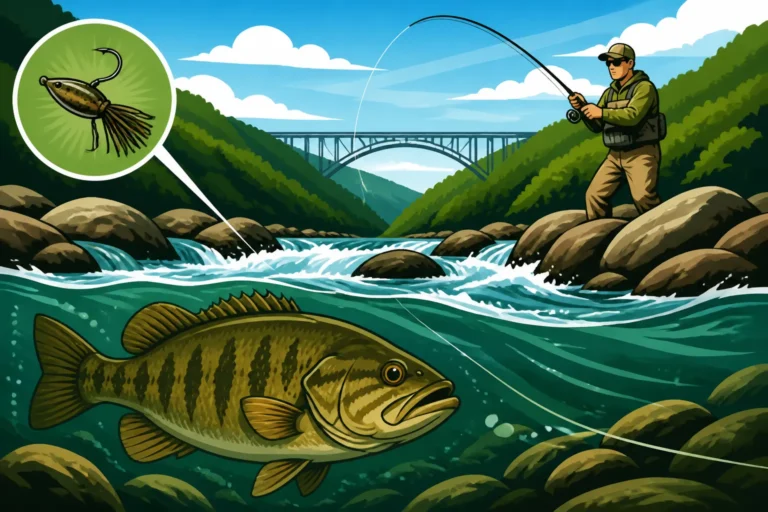
West Virginia's river systems are legendary for their muskie populations, and fall makes them even more productive. The New River, in particular, is a global powerhouse for muskie. As temperatures cool, muskie on the New River often move from scattered summer territories to concentrate in areas with strong current breaks, deeper pools, and around large rock formations or submerged timber. Targeting the eddies downstream of rapids or large boulders, as well as the transition zones where fast water meets slower water, can be incredibly effective. The New River’s expansive nature means there are endless spots to explore, from the upper sections near Hinton down through the famous New River Gorge National Park.
The Kanawha River is another fantastic fall option. Being a larger, slower-moving river with several locks and dams, muskie here often relate to those structures. The turbulence and deeper water associated with dam tailraces can be magnets for baitfish, which in turn attract hungry muskie. Look for muskie to stage along deep river bends, current seams, and around prominent points or log jams. The Little Kanawha River, a tributary of the Ohio River, might be smaller but shouldn't be underestimated. Its shallower, winding nature in some sections means muskie are often concentrated in deeper holes, around fallen trees, and near channel swings. Fall rains can sometimes increase flow, stirring up bait and making muskie more aggressive, so don't shy away from these rivers after a good shower.
Reservoir Hotspots: Stonewall Jackson and Burnsville Lakes
While rivers get a lot of attention, West Virginia's reservoirs offer equally exciting, and sometimes more accessible, fall muskie action. Stonewall Jackson Lake is consistently ranked as one of the best muskie lakes in the state, known for its healthy population and potential for true giants. In fall, muskie here will often patrol vast flats adjacent to deep channels, concentrating on points, submerged islands, and large creek arm entries. As baitfish move into shallower coves to feed, muskie will follow, making these areas prime targets. It’s also a clearer lake, so precise presentations and understanding muskie habits are key.
Burnsville Lake is another excellent reservoir for fall muskie. This lake, characterized by its deep, clear waters and abundant timber, sees muskie transitioning from suspended summer patterns to relating more to structure as the water cools. Look for muskie to ambush baitfish schools along deep weed edges, submerged timber lines, and steep rock walls. Trolling larger baits along main lake points and creek channels can be extremely effective here, especially when trying to cover water. Remember, these lakes hold big fish, so make sure your gear is up to the task – check out our guide on Muskie Growth Rate to Trophy Size to understand what you're up against!
| Water Body | Typical Fall Muskie Locations | Primary Forage | Best Lure Types for Fall | Notes |
|---|---|---|---|---|
| New River | Current breaks, deep pools, large rock formations, timber | Smallmouth bass, suckers | Bucktails, glide baits, jerkbaits | Legendary for trophy potential, strong currents |
| Kanawha River | Dam tailraces, deep bends, current seams, log jams | Shad, suckers, panfish | Large crankbaits, soft plastics | Navigable river, structures are key |
| Little Kanawha River | Deeper holes, fallen trees, channel swings | Panfish, suckers | Bucktails, small swimbaits | More intimate setting, good for smaller boats |
| Stonewall Jackson Lake | Flats, points, submerged islands, creek arm entries | Shad, perch, panfish | Trolled crankbaits, large soft plastics | Clear water, big muskie, excellent structure |
| Burnsville Lake | Deep weed edges, submerged timber, steep rock walls | Shad, crappie, bluegill | Glide baits, large bucktails, trolling | Deep, clear, lots of standing timber |
Essential Gear for Fall Muskie Tactics
Getting geared up for fall muskie fishing isn't just about having any tackle; it's about having the right tackle. These fish are powerful, and the lures you'll be throwing are substantial. Skimping on quality here can lead to heartbreak—lost fish, broken rods, or even injury. Think of your gear as an extension of your body; it needs to be robust, reliable, and perfectly suited to the task at hand. When you're dealing with a fish that can easily hit 40-50 inches, every component of your setup needs to be top-notch. For a more comprehensive look at all the gear, check out Best Muskie Gear for West Virginia Rivers.
Rods, Reels, and Line Selection
For fall muskie, you'll want heavy-duty equipment. Rods should typically be between 7'6" and 9' in length, with a heavy or extra-heavy power rating and a fast action tip. This combination allows for long casts with heavy lures, provides the backbone needed to drive large hooks into a muskie's bony mouth, and offers the leverage required to control a powerful fish. Brands like St. Croix, G. Loomis, or Shimano offer excellent muskie-specific rods, though you can find solid options on platforms like Amazon. Having multiple rods rigged with different lure types can save valuable time on the water.
Your reel needs to be equally robust. Low-profile baitcasting reels designed for muskie or saltwater use, with a strong drag system and a high line capacity, are essential. A gear ratio around 5.1:1 to 6.4:1 is versatile enough for most fall presentations, offering a good balance of power for retrieving big baits and speed for burning bucktails. Look for reels with strong, smooth gears to handle the immense pressure. As for line, braided line is the only way to go. Opt for 80-100 pound test braided line. Its no-stretch property provides excellent sensitivity for detecting subtle strikes and immense strength for fighting big fish. Always pair your braid with a heavy fluorocarbon or wire leader, typically 100-150 pound test, to prevent bite-offs from muskie's razor-sharp teeth. This leader also acts as an abrasion protector against rocks and timber. You can learn more about specific lines in Best Line Weight for Muskie Fishing.
Landing Nets and Release Tools
This might be the most critical piece of equipment you carry, yet it's often an afterthought. A proper muskie landing net is non-negotiable for the safety of both the fish and the angler. You need a large, deep, rubberized net—not the standard bass or walleye net. The hoop should be at least 30-40 inches wide, and the handle should be stout and extendable. The rubberized mesh protects the muskie's delicate slime coat, fins, and scales, reducing injury and improving survival rates. A robust net, like those from Frabill or Ego S2, makes the landing process much smoother and safer, especially when you're dealing with a thrashing, toothy predator. Check out our guide on Best Landing Net for Muskie for specific recommendations.
Beyond the net, a set of essential release tools is paramount. Muskie have rows of needle-sharp teeth that make handling them directly a dangerous proposition. Long-nosed pliers (11-13 inches) are vital for removing hooks. Jaw spreaders can be helpful to keep the mouth open while you work on difficult hooks, though use them sparingly and carefully to avoid jaw damage. A bolt cutter is also a smart addition for situations where a hook is deeply lodged, allowing you to cut the hook and leave the shank in the fish, which is often less harmful than tearing it out. Always have these tools easily accessible, as every second counts in a successful release.
Mastering Fall Muskie Lure Presentations
Fall muskie fishing is all about presenting the right lure at the right time and in the right manner. The muskie's feeding habits shift as water temperatures change, so your lure selection and retrieve style need to adapt accordingly. Whether you're targeting aggressive, high-energy fish in early fall or lethargic giants in late autumn, having a diverse tackle box and knowing how to work each bait is key to success. This is where your investment in quality lures truly pays off.
Bucktails and Inline Spinners: The Fall Staples
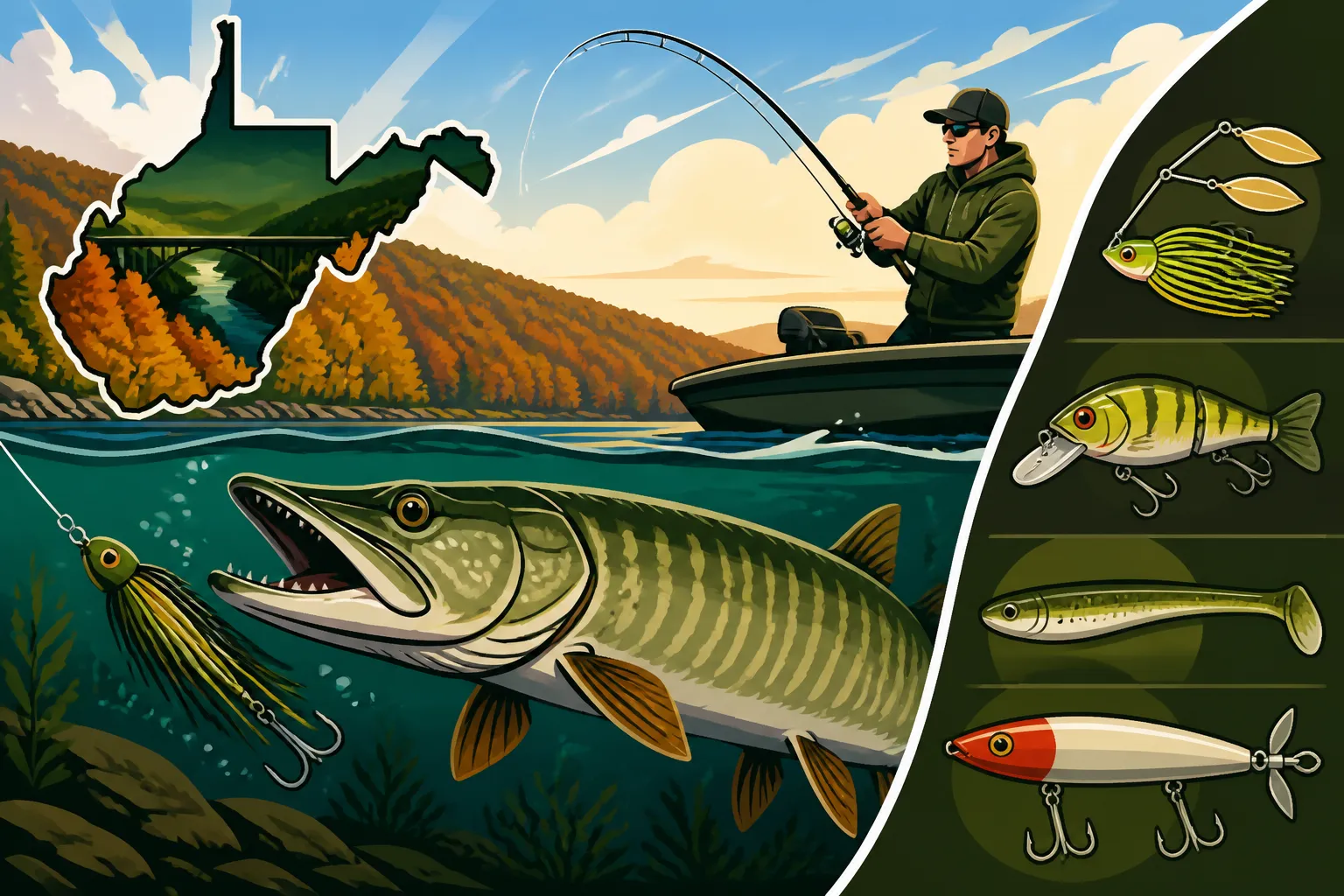
When it comes to fall muskie, bucktails and inline spinners are often the first baits out of the box, and for good reason. Early to mid-fall, when water temperatures are still in the mid-50s to low 60s, muskie are often chasing bait at higher speeds. Large bucktails, especially those with tandem blades like double 8s or double 10s (e.g., from Musky Mayhem Tackle or Cowgirl), create tremendous flash and vibration, mimicking a fleeing baitfish perfectly. A fast, steady retrieve, often called "burning" a bucktail, is highly effective for triggering aggressive strikes. The key is to keep that retrieve consistent, letting the blades churn and flash.
As the water cools further into late fall, you might need to slow your retrieve, but bucktails still produce. Consider single-bladed bucktails or those with smaller blades that still offer flash but can be worked a bit slower. Inline spinners, similar to bucktails but often with a single large blade, also create a lot of commotion and are excellent search baits. The flash and vibration from these lures can draw muskie out of cover, and their ability to be fished at various depths by adjusting weight and retrieve speed makes them incredibly versatile. Experiment with different colors, but natural baitfish patterns or high-contrast colors like black and orange often shine in fall.
Gliders, Jerkbaits, and Soft Plastics for Colder Conditions
As fall progresses and water temperatures dip into the low 50s and even 40s, muskie often become less willing to chase fast-moving baits over long distances. This is when lures with a slower, more erratic action come into their own. Glide baits, like the Salmo Slider or Waterwolf, are fantastic for this. These baits are worked with a series of short twitches and pauses, causing them to "glide" from side to side underwater, imitating an injured or disoriented baitfish. The pause after each glide is critical, as muskie often strike during this vulnerable moment.
Jerkbaits, both suspending and diving models (like those from Rapala or Livingston Lures), are another powerful cold-water weapon. These baits are designed to be retrieved with a jerking motion, creating a darting action followed by a pause. Suspending jerkbaits are particularly effective as they can be held in the strike zone for extended periods, enticing even the most reluctant muskie. For an in-depth look at specific lures, our guide on Best Lures for Muskie Fishing in West Virginia offers detailed insights. Finally, large soft plastics, such as those from Bondy Bait Company or Medussa, rigged on heavy jig heads, can be deadly when slowly dragged or jigged along deep structure. Their natural movement and ability to be fished painfully slow make them ideal for colder, less active muskie. These baits imitate larger forage like suckers or even small bass. Many of these excellent lure options can be found and ordered easily through Amazon, getting them to you quickly for your next trip.
Trolling for Deep Water Beasts
While casting is exciting and often the preferred method for many anglers, trolling can be an incredibly effective strategy for fall muskie, especially on larger reservoirs like Stonewall Jackson Lake or Burnsville Lake, or wide river sections like the Kanawha. Trolling allows you to cover vast amounts of water and present large baits at precise depths for extended periods, which is often key to contacting deeper-holding muskie. As baitfish move into deeper main lake basins or river channels, muskie follow, and trolling allows you to put your lures right in their face.
Utilize large, deep-diving crankbaits that can reach depths of 15-30 feet or more, depending on the specific water you're fishing. Brands like Bagley, Buchertail, or Livingston offer excellent trolling baits. Pay close attention to your electronics to identify bait balls, submerged structure, and contour lines, then position your boat to run your lures through these productive zones. Vary your trolling speed, from a slow crawl to a brisk pace, and incorporate turns or surges to impart an erratic action to your lures, often triggering strikes. Having multiple rods out with different lure colors and depths can help you dial in what the muskie are keying on that day. Understanding Best Trolling Speed for Muskie can significantly impact your success.
Strategic Considerations for Autumn Angling
Beyond choosing the right lures and gear, fall muskie fishing demands a strategic mindset. These are intelligent, wary fish, and successful anglers understand that every detail, from how they read the water to how they release their catch, plays a role. Autumn brings its own set of challenges and opportunities, and being prepared for them will significantly increase your chances of success. It's about thinking like a muskie, anticipating their movements, and being ready when the moment of truth arrives.
Reading Water and Locating Ambush Points
Muskie are ambush predators, and in the fall, their ambush points become even more defined as they relate to specific baitfish concentrations and changes in water temperature. In rivers, learning to read current seams, eddies behind large boulders or log jams, and the deeper outside bends of river channels is paramount. These spots offer muskie both a place to conserve energy and a prime location to intercept baitfish being swept downstream. On the New River, for instance, targeting the slack water just downstream of a strong current break can be deadly.
In reservoirs, focus on main lake points, steep drop-offs, submerged humps, and the mouths of larger creek arms where baitfish might be congregating before moving into deeper water. Watch for bird activity, which can indicate baitfish schools, and use your electronics to pinpoint thermoclines or schools of shad. Don't overlook secondary points or saddles between islands, which can act as highways for muskie transitioning between feeding grounds. The key is to think about where baitfish would naturally be and where a muskie would most efficiently expend energy to catch them. For detailed information on specific muskie hangouts, refer to Where to Find Muskie in West Virginia.
Weather Patterns and Their Impact on Muskie
Fall weather in West Virginia can be notoriously fickle, and these fluctuations have a profound impact on muskie behavior. Cold fronts, for example, often bring high-pressure systems and clear skies, which can make muskie lethargic and push them deeper or into denser cover. In these conditions, a slower, more subtle presentation with jerkbaits or soft plastics, fished painstakingly slow, might be more effective.
Conversely, stable periods of overcast skies, light rain, or low-pressure systems can trigger intense feeding activity, especially leading up to a front. These are prime times for burning bucktails and covering water aggressively. Pay attention to water clarity too; heavy fall rains can muddy up rivers, requiring larger, noisier lures or those with strong vibration to help muskie locate them by lateral line. Always keep an eye on the forecast and be prepared to adjust your tactics based on what Mother Nature throws at you. Remember that even though it’s fall, high water conditions from heavy rain can still be a factor, so understanding Best Techniques for High Water Conditions could prove useful.
Muskie Safety and Responsible Release
Landing a muskie is an exhilarating experience, but the true mark of a responsible angler is a successful, safe release. Muskie are a prized, slow-growing species, and their conservation relies heavily on proper catch and release practices. Once you've landed a muskie, minimize its time out of the water. Have your camera ready, snap a quick photo (preferably with the fish in the net and water), and get to work on unhooking it. Keep the fish in the net or gently cradle it in the water whenever possible.
Use your long-nosed pliers and bolt cutters to quickly remove hooks. If a hook is deeply embedded, cut the hook rather than tearing it out. Avoid putting your fingers in the gills or eye sockets. If you must handle the fish, use a firm grip behind the head and support the belly. For boatside releases, especially for larger fish, learning how to effectively execute the "figure eight" at the side of the boat can sometimes entice a reluctant muskie to strike. Once the hooks are out, hold the fish gently in the water, head first, allowing water to flow over its gills until it regains its strength and swims away on its own power. Never simply toss a muskie back; always ensure it's fully revived. This practice ensures these magnificent creatures continue to thrive in West Virginia's waters for future generations of anglers.
Disclaimer
Fishing conditions and regulations in West Virginia can change. Always consult the latest West Virginia Division of Natural Resources fishing regulations before heading out on the water. This article is for informational purposes only and does not supersede official regulations.