Best striper fishing spots in West Virginia
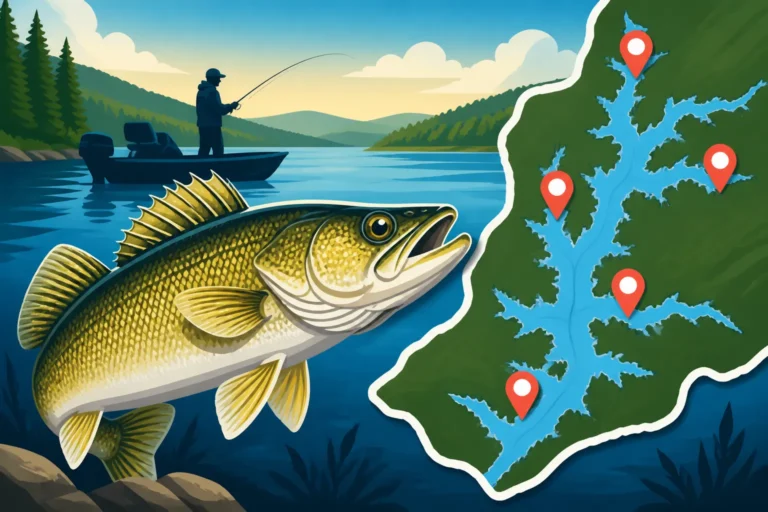
Figuring out where to find the elusive striped bass in West Virginia can feel like searching for a needle in a haystack for many anglers. It's not like our coastal neighbors where stripers are a given; here in the Mountain State, we're talking about landlocked hybrid striped bass, which present their own unique challenges and rewards. This comprehensive guide will pull back the curtain on the best spots, offering insider tips and detailed insights to help you land these hard-fighting fish and make your next West Virginia fishing adventure a memorable one.
The Allure of Hybrid Striped Bass in West Virginia
Before we dive into the "where," let's talk about the "why." Hybrid striped bass, often simply called "stripers" by local anglers, are a cross between striped bass and white bass. These fish are renowned for their incredible fighting power, making them a true thrill to catch. They grow large, hit hard, and once hooked, they pull like a freight train, offering an adrenaline rush that few other freshwater species can match. What makes them particularly special in West Virginia is their limited, but highly productive, presence in select reservoirs. These aren't native fish to our mountain streams, but they've found a home and thrive in the deep, open waters of a few of our larger lakes, thanks to the state's strategic stocking efforts. Understanding their habits, including where and when they are stocked, is crucial for success. You can learn more about these stocking efforts in our detailed guide on Striped Bass Hybrid Stocking in West Virginia.
Finding these specific honey holes requires a bit of research and local knowledge, which is exactly what we're aiming to provide. Many anglers spend years chasing trout or bass in our rivers, only to realize the overlooked potential of these powerful hybrids.
Identifying Hybrid Striped Bass
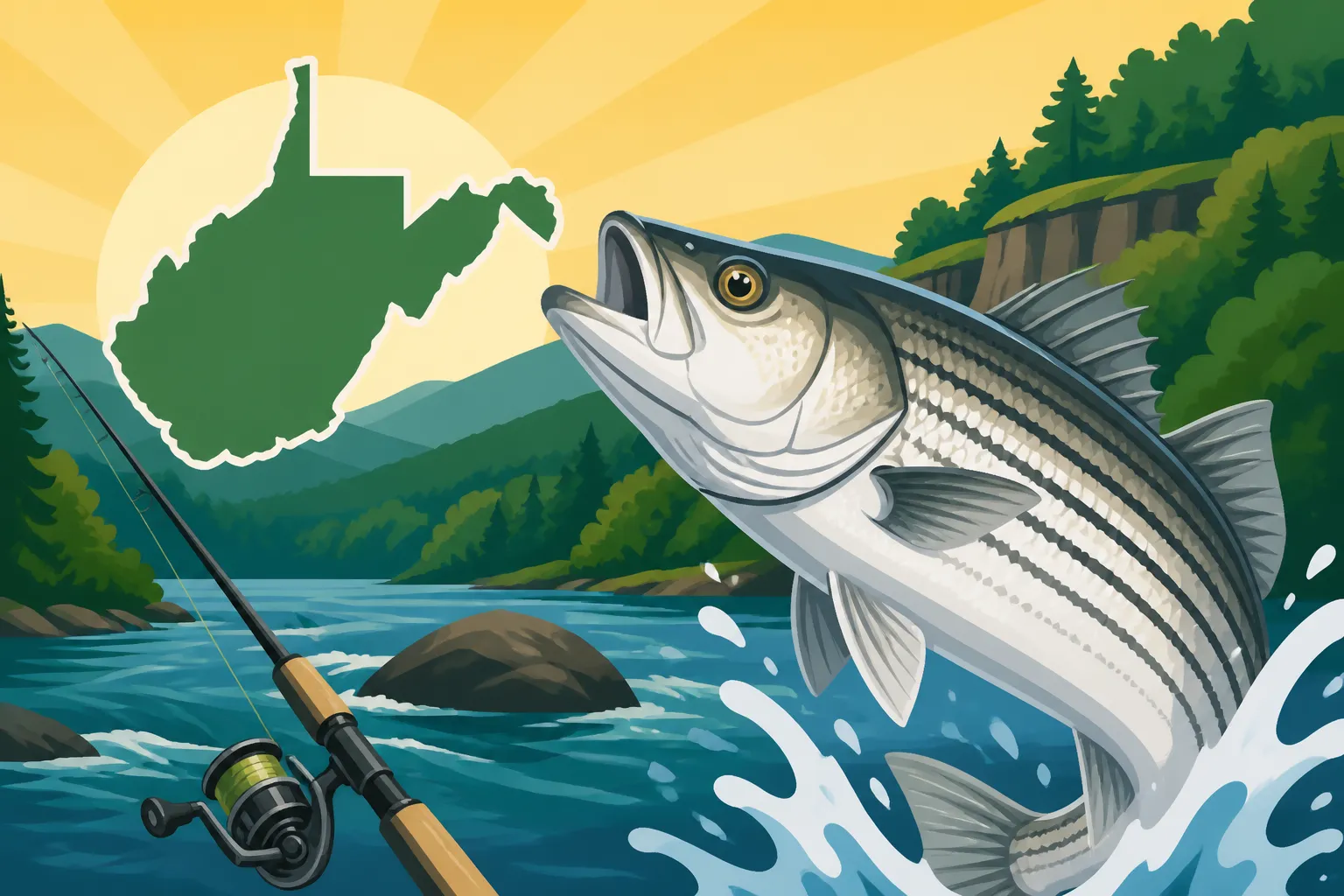
It’s important to distinguish hybrid striped bass from their close relatives, the white bass, which often share the same waters. Hybrids typically have broken or disjointed lateral stripes, especially below the lateral line, whereas white bass have solid, unbroken stripes. Hybrids also tend to be much larger and bulkier than white bass, with a more pronounced arch in their back. Knowing the difference can help you adhere to specific creel limits and also give you a better idea of the size of the fight you’re in for!
The Thrill of the Fight
Catching a hybrid striper isn't just about the size; it's about the pure, unadulterated power. When these fish hit your lure or bait, it’s rarely a subtle tap. It's often a jarring strike that makes your rod double over instantly. Then, the real battle begins: long, powerful runs, head shakes, and an unwavering refusal to give up. This makes them a prime target for anglers who enjoy a serious challenge, and it's why dedicated striper enthusiasts travel to these specific West Virginia lakes. It’s a testament to the hardiness and aggressive nature of these fish that they provide such an exhilarating experience every single time.
Summersville Lake: West Virginia's Premier Striper Destination
When West Virginia anglers talk about "striper fishing," Summersville Lake is almost always the first place that comes to mind. This massive, deep, and clear reservoir, nestled in Nicholas County, is by far the most consistent and productive spot for hybrid striped bass in the state. Its unique characteristics — vast open water, deep channels, and abundant forage — create an ideal habitat for these hard-fighting hybrids to grow to impressive sizes. If you're serious about targeting trophy-class stripers, Summersville should be at the top of your list.
Why Summersville Lake Excels for Stripers
Summersville Lake's appeal for hybrid stripers lies in several key factors. First, its sheer size, covering over 2,700 acres at summer pool, provides ample space for large schools of baitfish, primarily gizzard shad and alewife, to thrive. These baitfish are the primary food source for stripers, allowing them to grow quickly and reach sizes upwards of 15 pounds, with some even pushing the 20-pound mark. The lake's clear water, often with visibility of 10-15 feet, also plays a role, making stripers more active during low light conditions and requiring stealthier approaches during the day.
Secondly, the lake's topography is a striper angler's dream. Summersville features deep main lake channels, submerged timber, rocky points, and dramatic cliffs. These structural elements provide perfect ambush points and congregating areas for stripers as they chase schools of bait. During the summer months, stripers often suspend in the thermocline, making them tricky to locate without good electronics. But in cooler months, they can be found shallower, chasing bait into coves and along points. You can find more detailed information on fishing this incredible body of water in our comprehensive Summersville Lake Fishing Guide.
Top Tactics for Summersville Stripers
- Trolling: This is arguably the most popular and effective method for covering water and locating active schools of stripers. Large diving crankbaits, like Rapala Down Deep Husky Jerks or Berkley Flicker Shads, trolled at speeds of 2-4 mph, are incredibly productive. Pay close attention to your fish finder; look for bait balls and arches representing stripers suspended at various depths. Trolling near main lake points, over submerged humps, and along channel edges can yield excellent results. Varying your lure depth with lead core line or downriggers is often necessary to reach suspended fish.
- Live Bait: For many, nothing beats live bait for big stripers. Gizzard shad, alewife, or even large shiners are prime choices. Free-lining live bait behind the boat or under a balloon near active schools or known striper haunts can be deadly. Drifting with live bait near the dam or in deeper parts of the lake is also a proven tactic, especially in warmer months when fish might be deeper. If you're keen on finding local knowledge, sometimes booking a guided trip through services like FishingBooker can provide invaluable insights into current conditions and successful live bait strategies.
- Artificial Lures: When stripers are actively chasing on the surface, topwater plugs like Heddon Super Spooks or Yo-Zuri Sashimis can create explosive strikes. For subsurface action, consider throwing swimbaits, large spoons, or heavy jigs. When fish are deeper, vertically jigging heavy spoons like a Hopkins Shorty or a P-Line Laser Minnow can entice strikes from suspended fish. The key is to match the hatch – observe what baitfish are present and choose lures that mimic their size and color.
Sutton Lake: A Hidden Gem for Hybrid Stripers
While Summersville often gets the spotlight, Sutton Lake in Braxton County is another fantastic fishery for hybrid striped bass in West Virginia. Though generally smaller in average size than Summersville's giants, Sutton Lake consistently produces good numbers of quality stripers, offering a slightly different experience and often less fishing pressure. This sprawling 1,520-acre reservoir with its many arms and coves provides excellent opportunities for anglers willing to explore.
Sutton Lake's Striped Bass Environment
Sutton Lake is characterized by its deep, clear water, similar to Summersville, but with a more winding and riverine feel in its upper reaches. It has numerous submerged timber areas, rocky banks, and a good population of gizzard shad, which form the backbone of the striper diet. The lake’s diverse structure, including steep drop-offs and expansive flats, allows for various fishing techniques throughout the year. The fact that it's often overlooked by those solely focused on Summersville makes it a fantastic option for a more peaceful, yet still productive, striper hunt. You can get more specifics on this excellent fishery in our Sutton Lake Fishing guide.
Effective Techniques for Sutton Lake Hybrids
- Trolling Divers and Crankbaits: Just like Summersville, trolling is highly effective here. Utilize deep-diving crankbaits and lipped stickbaits to cover expansive areas. Look for concentrations of baitfish on your fish finder, particularly in the main lake basin and around prominent points and humps. Early mornings and late evenings often bring stripers shallower, sometimes even to the surface, but during the day, expect to find them suspended in deeper water.
- Casting and Retrieving: When stripers are actively schooling or busting bait on the surface, casting jigs, swimbaits, or topwater plugs into the feeding frenzy can be incredibly exciting. Keep a versatile rod ready for quick casts when you see surface activity. Soft plastic swimbaits rigged on heavy jig heads (like a 3/4 oz to 1 oz head) can be particularly effective when fish are holding around submerged structure or along channel edges.
- Downrigging and Planer Boards: For precise depth control, especially during the summer, downriggers are invaluable for presenting lures or live bait directly into the thermocline where stripers are holding. Planer boards can help you spread your lines out and cover a wider trolling path, which is particularly useful in Sutton's broader sections. Considering how to maximize your time on the water, booking a local expert through a platform like FishingBooker could provide a substantial advantage, as they often have specialized equipment like downriggers and knowledge of real-time fish movements.
Bluestone Lake: Southern West Virginia's Striper Potential
Moving down to southern West Virginia, Bluestone Lake offers another exciting, albeit sometimes more challenging, opportunity for hybrid striped bass. Located near Hinton, this 2,040-acre Army Corps of Engineers reservoir on the New River is a fantastic destination for a variety of species, and its striper fishery is certainly worth exploring. While perhaps not producing the sheer trophy sizes of Summersville consistently, Bluestone offers consistent action with strong, hard-fighting hybrids that provide a ton of fun.
Bluestone Lake's Environment and Striper Habits
Bluestone Lake is quite different from Summersville and Sutton, being a river-run reservoir fed by the New River. This means it often has more current, especially after heavy rains or significant water releases from the upstream dams. The lake's water clarity can vary more, often having a slight stain, which can influence lure choices and presentation. It features numerous rocky banks, submerged timber, and deep channels inherited from the New River's original course. Stripers here thrive on gizzard shad and other baitfish that move through the system. For a full breakdown of this fishery, check out our Bluestone Lake Fishing Guide.
Best Approaches for Bluestone Stripers
- Drifting Live Bait: Given the riverine nature of Bluestone, drifting with live bait (such as shad or large shiners) is a very effective strategy. Use a Carolina rig or a three-way swivel rig to keep your bait near the bottom or at a suspended depth as you drift over main lake channels, humps, or deep points. Pay attention to current breaks and eddies, as these can concentrate baitfish and, consequently, stripers.
- Jigging and Spooning: Vertically jigging heavy spoons (like a 1 oz or 1.5 oz Kastmaster or a War Eagle Jigging Spoon) or large bucktail jigs is excellent when you mark schools of stripers on your electronics. This technique is particularly potent near the dam or in deeper holes where fish congregate. Drop your lure directly to the fish, lift sharply, and let it fall on a controlled slack line. The strike often comes on the fall.
- Casting into Current Breaks: Focus on areas where the current creates eddies or slack water, such as behind islands, large rock formations, or prominent points. These are natural ambush points for stripers waiting for bait to be swept by. Casting large swimbaits, lipless crankbaits, or even spinnerbaits into these zones can trigger aggressive strikes. It’s a great way to explore the lake, and if you're looking to efficiently scout these unique spots, a charter found on FishingBooker can be an excellent resource, as guides know exactly how the current affects fish location.
Essential Gear and Techniques for West Virginia Striper Fishing
Regardless of which lake you choose to pursue these incredible fighters, having the right gear and understanding general striper behavior will significantly increase your success. Hybrid striped bass are powerful, and undergunning yourself will lead to heartbreak. This section will cover some fundamental aspects to help you prepare for your West Virginia striper adventure.
Rods, Reels, and Line
You'll want a medium-heavy to heavy action spinning or baitcasting rod, typically 7 to 8 feet long, capable of handling lures in the 1/2 oz to 2 oz range. These longer rods provide better casting distance and leverage for fighting big fish. Pair this with a robust reel (size 3000-5000 for spinning, or a 300 series for baitcasting) spooled with 15-20 lb monofilament or fluorocarbon, or even better, 30-50 lb braided line with a 15-25 lb fluorocarbon leader. Braid offers superior sensitivity and strength, while the fluorocarbon leader provides stealth in clear water and abrasion resistance against rocks or the fish's rough mouth. For more general guidance on setting up your fishing rig, consider our article on Best Gear for West Virginia Trout Fishing, though remember that striper fishing requires heavier tackle.
Electronics are Your Best Friend
A good fish finder, especially one with side-imaging or down-imaging capabilities, is almost indispensable for striper fishing in West Virginia. These fish are often suspended in open water or associated with subtle underwater structures that are invisible from the surface. Look for large arches or schools of baitfish, often with larger, individual fish marks nearby or underneath. Understanding how to interpret your sonar will dramatically reduce your search time and put you on fish faster. Many anglers find great utility in Best Fish Finders for West Virginia Lakes.
Best Time of Year and Day
Hybrid stripers can be caught year-round in West Virginia, but certain seasons offer peak opportunities. Spring (March-May) and Fall (September-November) are often considered the prime times, as stripers are more active in shallower water and feeding aggressively. During these periods, you can often find them chasing bait near the surface, especially during low-light hours (dawn and dusk). Summer fishing can be productive but requires targeting deeper, cooler water, often suspending in the thermocline. Winter can be challenging but offers opportunities for big fish in deeper holes if you're willing to brave the cold for ice fishing. For more insights on seasonal opportunities, check out Best Time of Year to Fish in West Virginia and West Virginia Fishing Seasons by Month.
Boats and Access
Access to these lakes is typically via public boat ramps, which are well-maintained. Given the size of Summersville, Sutton, and Bluestone, a proper fishing boat is highly recommended for effectively covering water and safely navigating these reservoirs. Jon boats or V-hull boats are common choices, though larger bass boats or multi-species boats offer more comfort and capability. Kayaks can be used, particularly in calmer conditions or for targeting specific coves, but be mindful of the expansive open water and potential for rough conditions. Our guide on Best Boats for West Virginia Rivers and Lakes can help you choose the right vessel.
Table: West Virginia Hybrid Striper Lakes Overview
| Lake Name | Primary Location | Size (Acres) | Average Striper Size | Best Season(s) | Key Tactics | Unique Feature |
|---|---|---|---|---|---|---|
| Summersville Lake | Nicholas County | ~2,700 | 5-15 lbs (trophy potential) | Spring, Fall, Summer | Trolling, Live Bait, Jigging | Deep, clear water, dramatic cliffs |
| Sutton Lake | Braxton County | ~1,520 | 3-8 lbs | Spring, Fall, Summer | Trolling, Casting, Downrigging | Winding arms, less pressure |
| Bluestone Lake | Summers County | ~2,040 | 3-10 lbs | Spring, Fall, Summer | Drifting Live Bait, Jigging, Casting | River-run reservoir, varied clarity |
Remember, no matter where you fish, always be sure to check the latest West Virginia fishing regulations for specific creel limits and size restrictions, as these can change. Tight lines, and we hope you find your next trophy striper!
Disclaimer
The information provided in this guide is for general informational purposes only. Fishing conditions, regulations, and access points can change frequently. Always consult the official West Virginia Division of Natural Resources (WVDNR) website or their current fishing regulations summary for the most up-to-date and accurate information before planning any fishing trip. Adhere to all local, state, and federal laws and practice responsible angling.