Buckhannon River fishing spots
Finding reliable information on the best fishing spots along the Buckhannon River can feel like searching for a hidden treasure, especially if you're not a local. It’s easy to get overwhelmed trying to figure out where to cast your line for the best chances of success. This guide aims to clear up that confusion, offering an in-depth look at productive sections of the Buckhannon River, the species you can expect to encounter, and practical tips for a successful outing.
Understanding the Buckhannon River Fishery
The Buckhannon River, flowing through central West Virginia, is a true gem for anglers, offering a diverse fishery that appeals to various tastes. Originating in the mountains of Randolph County, it winds its way north through Upshur County before joining the Tygart Valley River to form the West Fork River. This relatively small river is known for its beautiful scenery, a mix of riffles, runs, and deeper pools, and a surprisingly robust fish population. Many anglers who fish the Buckhannon come for the challenge of its smallmouth bass, but it's also a heavily stocked trout stream in its upper reaches.
The River's Character and Flow
The character of the Buckhannon River changes significantly from its headwaters to its lower sections. Upstream, closer to the city of Buckhannon, the river tends to be narrower and shallower, characterized by faster riffles and rocky bottoms. This section is often more wadeable, especially during lower flows, making it ideal for fly fishing or light tackle. As it moves downstream, the river gradually widens and deepens, with more significant pools and slower currents, particularly below dams or larger obstructions. This transition offers different habitats, attracting a wider range of species and demanding varied fishing techniques. Understanding these flow dynamics is crucial for planning your trip; after heavy rains, the river can rise quickly and become muddy, while dry spells can reduce it to a trickle in some areas, concentrating fish in deeper pools.
Seasonal Fishing Opportunities
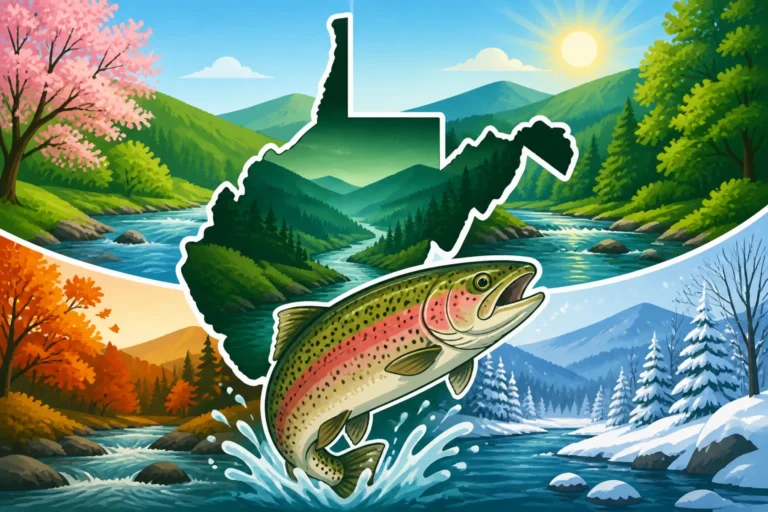
The fishing experience on the Buckhannon River shifts dramatically with the seasons, presenting unique opportunities and challenges. Spring is arguably the most popular time, especially with the influx of stocked trout. The West Virginia DNR actively stocks rainbow and sometimes brown trout in designated sections, turning these areas into angler magnets. You can check the latest West Virginia Trout Stocking Hotline and Schedule to plan your spring visits. As the water warms, usually by late spring into summer, the smallmouth bass fishing really heats up. They become more active, feeding aggressively in the current. Fall offers a beautiful backdrop for fishing, with often stable water levels and active fish as they prepare for winter. Even winter can provide opportunities for the dedicated angler, especially for holdover trout in deeper pools or elusive smallmouth in slower sections, though ice fishing is less common directly on the moving river. Being aware of West Virginia Fishing Seasons by Month can help you maximize your success.
Top Fishing Spots Along the Buckhannon River
While the entire Buckhannon River offers potential, some sections are particularly well-known for their accessibility and consistent fishing action. From popular stocked areas to more secluded smallmouth havens, there's a spot for every type of angler.
Downtown Buckhannon and City Parks
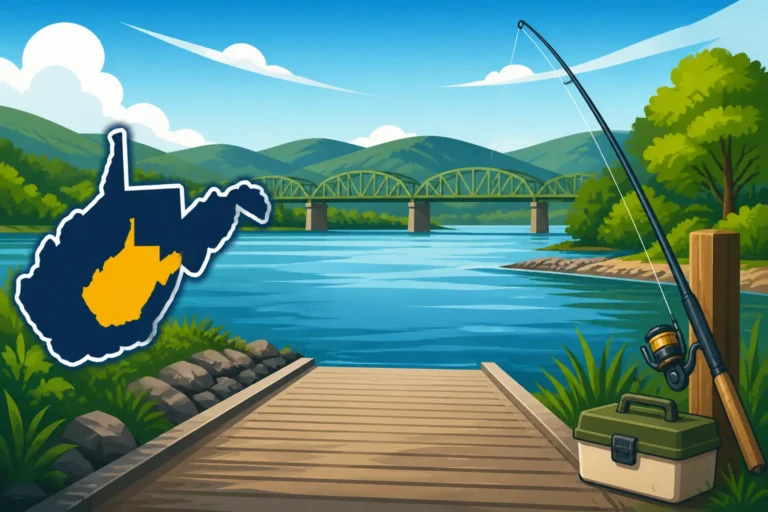
The sections of the Buckhannon River running directly through the city of Buckhannon are incredibly popular, largely due to their easy access and regular trout stockings. Places like the Riverwalk Park area and other city park accesses provide paved paths, ample parking, and often designated fishing platforms. These areas are fantastic for families or anglers looking for a convenient outing. The deep pools and slower currents within the city limits tend to hold trout well after stocking, and they also harbor resident populations of panfish and occasional smallmouth bass. Don't be surprised to see folks using everything from corn and PowerBait to small spinners and worms here. It's a great place to start, especially if you're new to the area or fishing with kids. Remember, even in city limits, the standard West Virginia Fishing Regulations Explained apply, so always double-check local rules.
Audra State Park and Surrounding Areas
A bit further upstream from the city, Audra State Park offers a more wild and scenic fishing experience. The river here flows over impressive rock formations, creating beautiful cascades, deep emerald pools, and swift riffles. This section is regularly stocked with trout, especially in the spring, making it a prime destination for fly anglers and spin fishermen alike. The mix of faster water and deeper pockets provides excellent habitat for both stocked trout and native fish. Access within the park is generally good, with trails paralleling the river, but some areas require a bit of hiking to reach the best spots. Beyond trout, you can find smallmouth bass in the deeper pools, especially during warmer months. The picturesque setting alone makes Audra a worthwhile visit, even if the fish aren't biting every minute. When planning a trip, consider contacting a local guide through platforms like FishingBooker for tailored advice on navigating the park's specific fishing challenges and hidden gems.
Mid-River Stretches: Alton and Hampton
Between the bustling city of Buckhannon and the wild beauty of Audra lies a fantastic mid-river stretch that includes areas around Alton and Hampton. These sections are often characterized by a more natural river environment, with a good mix of riffles, runs, and gravel bars. This is where smallmouth bass truly shine. The river here provides plenty of rocky cover, submerged logs, and current seams that smallmouth love. Public access can be a bit more limited in these areas, often requiring knowledge of smaller country roads or easements. However, the reward for exploring can be significant, with less fishing pressure and potentially larger fish. Wade fishing is very popular here during lower water, allowing anglers to cover more ground and target specific structures. You might also find rock bass, sunfish, and even occasional larger predatory fish moving through. Exploring these less-pressured areas can be truly rewarding, and local knowledge can be invaluable; a guide found through FishingBooker might reveal some of these lesser-known, productive stretches.
Downstream Towards the Tygart Valley River Confluence
As the Buckhannon River approaches its confluence with the Tygart Valley River, its character continues to evolve. The river tends to be wider and deeper here, with slower, more expansive pools that can hold a variety of species. While smallmouth bass are still present, you might also start to encounter more muskie, walleye, and larger catfish moving up from the bigger rivers. This section is often better suited for boat or kayak fishing due to its width and depth. However, there are still bank fishing opportunities, especially around bridge crossings or public access points. Fishing here requires a bit more versatility in your approach, as you might be targeting different species in the same outing. For specific species limits in this transitional zone, it's always wise to consult West Virginia Bag and Possession Limits by Species.
Target Species and Effective Techniques
The Buckhannon River supports a healthy population of various fish, but trout and smallmouth bass are undoubtedly the most sought-after. Understanding their habits and the best ways to target them is key to a successful day on the water.
Trout Fishing Strategies
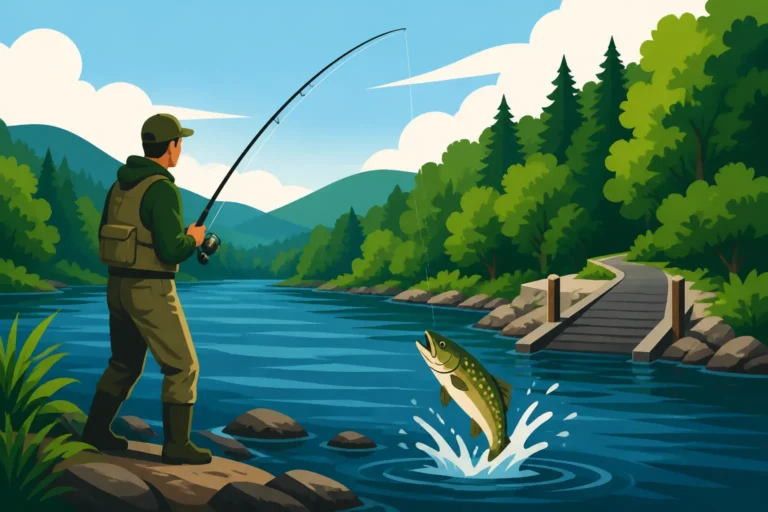
Trout fishing on the Buckhannon River primarily revolves around the stocked rainbow and brown trout. These fish are often found in areas with good current, deeper pools, and oxygenated water. In the immediate aftermath of stocking, trout can be quite aggressive and will hit a wide variety of offerings. Small inline spinners (like Panther Martins or Mepps), artificial worms (such as PowerBait or Gulp! Worms), or even live bait like worms or corn can be highly effective.
For the fly angler, the Buckhannon presents excellent opportunities. In the stocked sections, traditional nymph patterns like Pheasant Tails, Hare's Ears, and Wooly Buggers are consistent producers. During hatches, dry flies mimicking caddis, mayflies, or stoneflies can lead to exciting surface action. Early morning and late evening often yield the best dry fly opportunities. Further upstream in wilder sections, if you venture into tributaries with native brook trout, tiny dries and nymphs are the ticket. For a deeper dive into methods, consider guides on Fly Fishing for Trout in West Virginia or Spring Trout Fishing Techniques for West Virginia Streams.
Smallmouth Bass Tactics
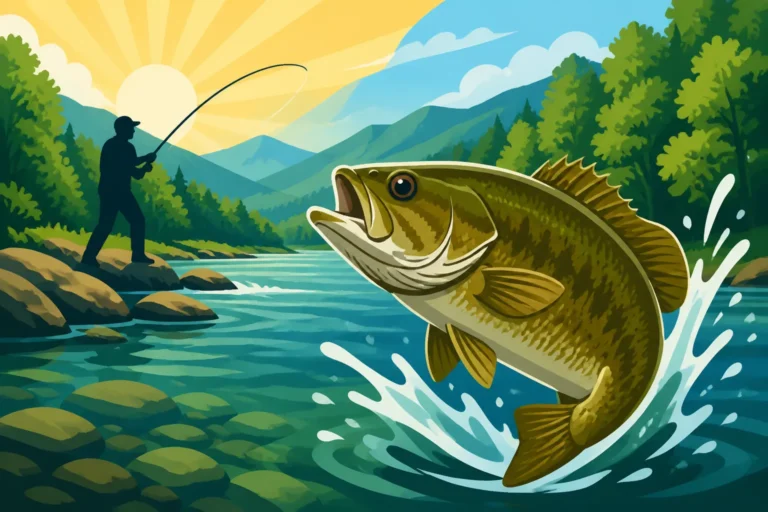
Smallmouth bass are the true fighting fish of the Buckhannon, known for their aggressive strikes and aerial acrobatics. They thrive in the river's rocky, current-heavy sections. Target them around current breaks, eddies, submerged logs, rock piles, and undercut banks. Smallmouth are opportunistic feeders and will strike a variety of lures.
Popular Lures and Baits:
- Jigs: Dark-colored jigs (black, brown, green pumpkin) with crayfish or creature trailers are deadly when fished along the bottom, mimicking crayfish, a primary food source for river smallmouth.
- Crankbaits: Small, shallow-diving crankbaits in natural crawfish or baitfish patterns can be excellent for covering water and triggering reaction strikes.
- Spinners and Spinnerbaits: Inline spinners or smaller spinnerbaits are effective, especially in clearer water, mimicking baitfish.
- Soft Plastics: Tubes, grubs, and finesse worms rigged on jig heads or as Ned Rigs can be incredibly productive, especially when the bite is tough or in clear, low water.
- Topwater Lures: Poppers, walk-the-dog baits, and prop baits can provide explosive strikes during low light conditions or cloudy days in summer.
For a more comprehensive understanding of targeting these feisty fish, refer to How to Catch Smallmouth Bass in West Virginia Rivers. When it comes to finding the biggest smallmouth, it often pays to enlist the help of a professional guide, many of whom are listed on platforms like FishingBooker and specialize in these specific river systems.
Other Species to Target
Beyond trout and smallmouth, the Buckhannon River offers opportunities for other species. Panfish, like bluegill and rock bass, are abundant in slower sections and can provide consistent action, especially for younger anglers. They readily take small worms, crickets, or tiny spinners and jigs. In the lower sections, closer to the confluence, there's a chance to hook into catfish (channel and flathead) in deeper pools and slow-moving currents, particularly at night using cut bait or stink baits. Occasionally, a muskie or walleye might migrate into the lower Buckhannon, though they are not the primary target species here compared to other Best Fishing Rivers in West Virginia.
Navigating Access and Regulations on the Buckhannon
Fishing on the Buckhannon River requires a basic understanding of access points and, crucially, adherence to West Virginia's fishing regulations. Being prepared ensures a legal and enjoyable day on the water.
Public Access Points and Considerations
The Buckhannon River offers a mix of public and private access. Within the city of Buckhannon, public parks and the Riverwalk provide excellent, well-maintained access. Audra State Park also offers designated parking and trails. However, once you venture outside these developed areas, public access might require a bit more navigation. Some bridge crossings offer informal access, but always be mindful of private property. Look for signage indicating public access points or check local maps. For those looking to explore more remote sections, using a kayak or canoe can be an excellent way to access otherwise unreachable stretches. You can find more insights on this by looking into Best Kayak Fishing Spots in West Virginia.
Here's a quick reference table for common access types:
| Access Point Type | Pros | Cons | Best For |
|---|---|---|---|
| City Parks/Riverwalk | Easy parking, paved paths, amenities | Crowded, can be heavily fished after stocking | Families, beginners, convenience |
| Audra State Park | Scenic, trails, good trout numbers | Can require hiking, crowded on weekends | Trout, scenic beauty, moderate adventure |
| Bridge Crossings | Often provide river access | Can be informal, parking limited, private land adjacent | Wade fishing, exploring new stretches |
| Kayak/Canoe Launches | Access to remote water, less pressure | Requires boat, shuttle, or launch points | Smallmouth, exploration, solitude |
Always remember to leave no trace, pack out all your trash, and be respectful of the natural environment and private landowners.
Essential Licenses and Regulations
No matter where you choose to fish on the Buckhannon River, a valid West Virginia fishing license is absolutely mandatory for most individuals 15 years and older. Before heading out, make sure you understand the requirements by consulting a resource like the West Virginia Fishing License Guide for 2026. In addition to a general fishing license, if you plan on targeting trout, a West Virginia Trout Stamp is also required, even if you intend to catch and release. This separate stamp helps fund the state's robust trout stocking program.
Beyond licenses, it's crucial to be aware of the specific regulations for the Buckhannon River. While many areas follow general statewide rules, some sections might have special regulations regarding catch limits, size limits, or even tackle restrictions, especially in designated trout waters or specific conservation areas. Always check the current West Virginia Fishing Regulations Summary, available from the DNR, to ensure you are compliant. These regulations are in place to protect the fishery and ensure sustainable angling opportunities for everyone. Ignorance of the law is not an excuse, and violating regulations can lead to fines and penalties.
Respecting Private Property
West Virginia's rivers often flow through a mosaic of public and private lands. While you generally have the right to float navigable waters, accessing the river from private land without permission is trespassing. Always look for designated public access points, or if you wish to fish from a particular bank, seek permission from the landowner first. Being a courteous and responsible angler goes a long way in maintaining good relationships between landowners and the fishing community. If you're unsure about a particular spot, err on the side of caution and find a clearly marked public access point. This ensures you're fishing legally and respectfully.
Disclaimer
The information provided in this guide is for general informational purposes only and is subject to change. Fishing regulations, stocking schedules, and river conditions can vary. Always consult the official West Virginia Division of Natural Resources (WVDNR) website or their current fishing regulations manual before planning your trip to ensure you have the most up-to-date and accurate information. Your safety is paramount; be aware of river currents, weather conditions, and wear appropriate safety gear.