Best Trout Streams in West Virginia
Finding that perfect trout stream in West Virginia can sometimes feel like searching for a hidden treasure map. With so many winding rivers, cascading creeks, and pristine mountain runs tucked away in our beautiful state, it's easy to get overwhelmed trying to figure out where to cast your line for the best trout fishing experience. This comprehensive guide is designed to cut through the confusion and lead you straight to some of the Mountain State's most rewarding trout waters, whether you're seeking a secluded wild brook trout haven or a heavily stocked river teeming with rainbows.
Understanding West Virginia's Diverse Trout Ecosystem
West Virginia is truly a trout angler's paradise, boasting a remarkable variety of waters that cater to every type of trout fishing preference. From the high-gradient freestone streams that tumble through our national forests to the larger, slower-moving tailwaters below dams, the opportunities are endless. But before we dive into specific locations, it’s helpful to understand the different types of trout fisheries you’ll encounter here. This insight will help you choose a stream that aligns perfectly with your fishing goals and preferred techniques.
Wild Trout vs. Stocked Trout Fisheries
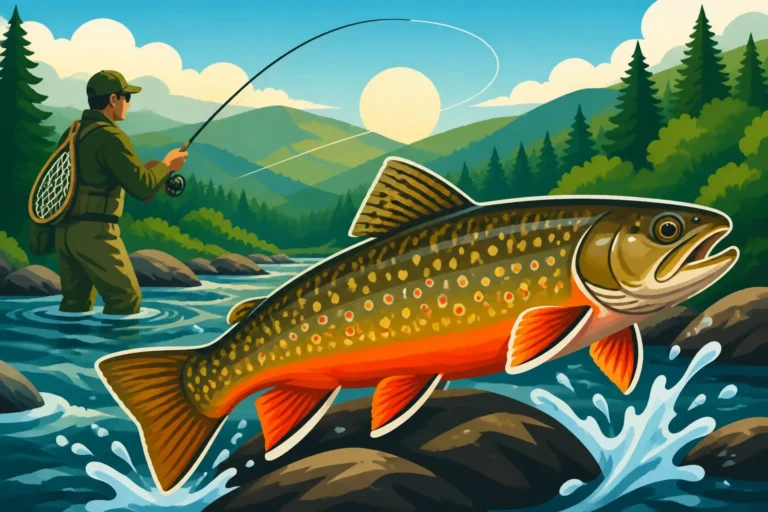
The distinction between wild and stocked trout waters is fundamental to fishing in West Virginia. Wild trout streams are home to self-sustaining populations, typically native brook trout, but also wild rainbow and brown trout in certain areas. These fish are often smaller, but they're incredibly feisty and represent a true challenge. Catching a wild brook trout, with its vibrant colors, from a remote mountain stream is an experience many anglers cherish above all else. These streams are usually found in higher elevations and protected wilderness areas, demanding a bit more effort to reach.
On the other hand, stocked trout fisheries are exactly what they sound like: waters where the West Virginia Division of Natural Resources (WVDNR) regularly releases hatchery-reared trout. These fish are often larger, more numerous, and generally easier to catch, making them perfect for beginners, families, or anyone looking for consistent action. Rainbow trout are the most commonly stocked species, but you'll also find brown trout and the iconic Golden Rainbow Trout, especially during special events like the Gold Rush. You'll find a detailed breakdown of these species in our guide to Trout Species Identification Guide for West Virginia.
The Role of Our Mountains and Forests
Much of West Virginia's best trout fishing is intertwined with its rugged topography and extensive forest lands, particularly the Monongahela National Forest. This vast expanse of mountains, valleys, and pristine watersheds provides the ideal habitat for trout. The dense canopy keeps water temperatures cool, even in summer, and the natural stream beds offer plenty of cover and food sources. These forested regions are where you’ll find many of our high-elevation wild trout streams, often requiring some hiking to access.
The cool, clean water flowing out of these mountains is what sustains our wild trout populations and makes stocking viable in other areas. The geology also plays a role, with freestone streams offering classic riffle-and-pool trout habitat, while limestone-influenced waters can provide incredibly rich insect life, leading to larger, healthier fish. Understanding this connection to the land is key to appreciating the unique trout fishing opportunities West Virginia offers.
Iconic Wild Trout Streams for the Purist
For many seasoned anglers, nothing quite compares to the thrill of pursuing wild trout in their natural habitat. West Virginia offers some fantastic opportunities to do just that, with streams that demand respect, skill, and a willingness to explore. These waters are where you'll find the stunning native brook trout, along with self-sustaining populations of wild rainbows and browns that have learned to survive and thrive in our wild mountains.
Shavers Fork of the Cheat River
When you talk about wild trout in West Virginia, Shavers Fork immediately comes to mind. Located in the Monongahela National Forest, this stream is a true gem, particularly known for its native brook trout. It’s a classic freestone stream, characterized by its rocky bottom, clear, cold water, and a mix of riffles, runs, and deep pools. The upper reaches of Shavers Fork are designated as fly-fishing-only, catch-and-release waters, which helps protect its delicate wild population.
Angling here is an experience in solitude and natural beauty. You'll often find yourself surrounded by dense forest, with the only sounds being the rushing water and birdsong. This stream truly tests your stalking and casting skills, as the wild brookies are wary and require a delicate presentation. While the fish might not be massive, their vibrant colors and fierce strikes are incredibly rewarding. For more detailed information, be sure to check out our Shavers Fork Brook Trout Fishing guide.
The Cranberry River Wilderness Area
Another legendary destination for wild trout is the Cranberry River, especially the sections within the Cranberry Wilderness Area. This river offers a diverse trout fishery, including both wild and stocked populations, but it’s the wild sections that draw the most dedicated anglers. The Cranberry is particularly famous for its wild brown and rainbow trout, which can grow to impressive sizes due to the rich aquatic insect life.
Accessing the wilderness sections often involves a bit of a hike, but the reward is a pristine fishing experience. The river's varied structure, from boulder-strewn runs to deep, quiet pools, provides ample holding water for trout. Like Shavers Fork, parts of the Cranberry are managed under special regulations, including fly-fishing-only and catch-and-release, to preserve its unique character. If you're looking for a challenge and the chance to hook a truly wild, large trout, the Cranberry should be high on your list. Our Cranberry River Fly Fishing article delves deeper into this magnificent waterway.
Top Stocked Trout Waters for Consistent Action
Not every fishing trip needs to be an arduous trek into the wilderness. Sometimes, you just want to bend a rod, feel the tug of a fish, and enjoy a day on the water without too much fuss. West Virginia's stocked trout waters are perfect for these occasions, offering reliable action and a chance to catch some beautiful hatchery-reared fish, often including the dazzling Golden Rainbow Trout. The WVDNR does an incredible job stocking these waters, making trout fishing accessible to everyone. You can always check the West Virginia Trout Stocking Hotline and Schedule to plan your trip around recent releases.
Elk River Tailwater
The Elk River below Sutton Dam is arguably one of West Virginia's premier stocked trout fisheries, often mentioned in the same breath as some of the country's best tailwaters. This section benefits from cold, oxygenated water released from the dam, creating ideal conditions for trout to not just survive but thrive. The WVDNR regularly stocks this stretch with rainbow and brown trout, and they grow quite large due to abundant food sources.
The Elk River tailwater offers diverse fishing opportunities, from wading the riffles to drifting through deeper runs in a boat or kayak. It's a fantastic place for fly fishing, spin fishing, and even bait fishing, depending on the regulations of specific sections. The accessibility and consistent stocking make it a hugely popular spot, especially in spring and fall. For those looking to plan a trip, our Elk River Trout Fishing guide offers in-depth details on this fantastic fishery.
Williams River
Flowing through the Monongahela National Forest, the Williams River is another immensely popular and heavily stocked trout stream. It's known for its clear, cold water and picturesque mountain scenery, offering a classic Appalachian trout fishing experience. The Williams receives frequent stockings of rainbow and brown trout throughout the spring and fall, providing excellent opportunities for anglers of all skill levels.
What makes the Williams particularly appealing is its accessibility. While some sections are quite remote, there are many spots easily reached by road, making it a great choice for a day trip. You can wade, bank fish, or even use a small float craft in certain areas. It's a lively river, with plenty of riffles and pools that hold fish, making it a truly enjoyable place to spend a day pursuing trout.
Special Regulation Streams for Unique Experiences
West Virginia has several streams or sections of streams designated with "special regulations." These rules are often implemented to protect wild trout populations, enhance the fishing experience, or create unique opportunities for anglers. These can include fly-fishing-only sections, catch-and-release mandates, or specific bait restrictions. Understanding and respecting these regulations is crucial for enjoying these unique fisheries and contributing to their sustainability. Our general guide to West Virginia Fishing Regulations Explained can provide a broader context, but it's vital to check specific rules for each special regulation water.
Catch-and-Release Only Waters
Many of West Virginia's most cherished wild trout streams, and even some heavily stocked ones, feature catch-and-release only sections. This management strategy ensures that fish can grow to larger sizes and maintain healthy populations by minimizing harvest pressure. Waters like the upper reaches of Shavers Fork, parts of the Cranberry River, and specific sections of other mountain streams fall under this category.
Fishing these waters provides a different kind of satisfaction. The focus shifts from filling a creel to the challenge of fooling and safely releasing the fish. This approach often leads to higher fish densities and the chance to encounter larger, more experienced trout. It's a fantastic way to hone your skills and truly connect with the natural environment, knowing you're helping preserve the resource for future generations.
Fly-Fishing Only Designations
Another common special regulation is the "fly-fishing only" designation. These areas are specifically managed for anglers who prefer to use fly tackle, often with restrictions on the types of flies allowed (e.g., artificial flies and lures only, no bait). These areas tend to attract a dedicated community of fly anglers and often offer a more serene fishing experience due to the reduced pressure from other fishing methods.
The Elk River tailwater, for example, has fly-fishing-only sections that are incredibly productive. These areas demand a certain level of skill in casting and presentation, but they reward anglers with excellent chances at quality fish. If you've been considering getting into fly fishing, seeking out a designated fly-fishing-only stream is a perfect way to immerse yourself in the art and tradition of the sport.
Hidden Gems and Remote Mountain Runs
While the well-known streams offer fantastic fishing, there's a special allure to discovering a less-frequented spot. West Virginia is crisscrossed with countless smaller creeks and headwater streams, many of which hold feisty populations of native brook trout. These hidden gems often require a bit more effort to reach, involving hiking, bushwhacking, or consulting detailed maps, but the reward is often solitude and pristine angling.
High-Elevation Tributaries of Major Rivers
Many of the larger, more popular trout rivers in West Virginia have numerous smaller tributaries that flow down from the mountains. These smaller streams, often no more than a few feet wide, are the true nurseries of wild brook trout. They are characterized by their steep gradients, rhododendron tunnels, and abundance of small plunge pools and pockets. Fishing these waters is a quintessential Appalachian experience, requiring a light rod, stealth, and a willingness to cast into tight spaces.
Finding these streams often involves studying topographical maps, looking for blue lines that snake down mountainsides within national forests or state wildlife management areas. Access might be via old logging roads or unmarked trails. The fish here are typically small, but they are incredibly beautiful and aggressive. It's a great way to escape the crowds and experience trout fishing in its purest form.
Monongahela National Forest's Undiscovered Waters
The Monongahela National Forest, covering over 920,000 acres, is a treasure trove of potential trout streams. Beyond the famous Cranberry and Shavers Fork, there are countless un-named or lesser-known creeks that flow through its vast wilderness. Many of these hold native brook trout populations that have rarely, if ever, seen a fly or lure. Exploring these waters requires a spirit of adventure and a good sense of navigation.
You might stumble upon a creek that holds trout around every bend, or you might hike for miles to find just a few willing fish. That's part of the adventure! Carrying a reliable GPS or map and compass is essential, as is being prepared for changing weather conditions. A local guide or outfitter, perhaps found through a service like FishingBooker, might be able to offer insights into some of these harder-to-find locations, ensuring a safer and more productive trip into the backcountry.
Planning Your West Virginia Trout Adventure
A successful trout fishing trip in West Virginia goes beyond just knowing where to go; it also involves understanding the seasonal nuances, adhering to regulations, and being prepared for the conditions. Our state's dynamic weather and diverse waters mean that what works one day might not work the next. A little planning can go a long way in ensuring a memorable and rewarding experience.
Best Time of Year for Trout Fishing
While trout can be caught year-round in West Virginia, certain seasons offer optimal conditions. Spring, from March through May, is arguably the most popular time, especially for stocked waters. The WVDNR's heavy stocking schedule kicks into high gear, and trout are generally very active as water temperatures rise from their winter lows. Our Spring Trout Fishing Techniques for West Virginia Streams guide offers more specific strategies for this prime season.
Fall (September to November) is another fantastic time, particularly for wild trout and larger brown trout. The cooler water temperatures make trout more aggressive, and the vibrant autumn foliage creates a stunning backdrop. Summer can be challenging, especially in lower elevation streams where water temperatures can become too warm for trout. However, high-elevation wild trout streams remain viable, and tailwaters below dams (like the Elk) can offer cold water refuge. Winter offers unique opportunities for the brave, especially on tailwaters or during mild spells, but success rates often drop.
Navigating Regulations and Licensing
Before you even think about casting a line, ensure you're fully compliant with West Virginia's fishing regulations and have the appropriate licenses. Every angler aged 15 and older needs a valid West Virginia fishing license, and if you plan on fishing for trout, you'll also need a West Virginia Trout Stamp. These are separate purchases, and it's easy to overlook the trout stamp, but wardens are vigilant. You can easily purchase your license and stamp online through the WVDNR website, or at authorized license agents across the state. For details on age requirements and purchasing, refer to our West Virginia Fishing License Age Requirements and Where and How to Buy a West Virginia Fishing License articles.
Beyond the basic license and stamp, it's critical to be aware of species-specific regulations, daily creel limits, and possession limits. These can vary not only by species but also by specific bodies of water. For instance, some sections of rivers might be catch-and-release only, while others might have slot limits or specific bait restrictions. Always carry a copy of the current West Virginia Fishing Regulations Summary (available online or from license agents) and consult it frequently. Ignorance of the law is not an excuse for violations, and penalties for fishing without a license or violating regulations can be steep, as outlined in our Fishing Without a License in West Virginia: Penalties guide.
Gear Essentials for West Virginia Trout Fishing
Having the right gear can make all the difference in your West Virginia trout fishing experience. Whether you're a fly angler or prefer spinning tackle, being properly equipped for the specific type of stream and trout you're pursuing will increase your enjoyment and success. There's no single "perfect" setup, as conditions and preferences vary widely, but some essentials are universally beneficial.
Rods, Reels, and Line for Various Waters
For fly fishing, a 3-weight or 4-weight rod, around 7.5 to 9 feet long, is a versatile choice for most West Virginia trout streams. A lighter rod (2-3wt) is excellent for small, brushy mountain streams where delicate presentations are key for wild brook trout. For larger tailwaters like the Elk River, a 5-weight might be more appropriate, especially if you're throwing bigger streamers or dealing with windy conditions. Pair your rod with a matching reel and a weight-forward floating line. Don't forget an appropriate leader and tippet, usually 4x-6x, depending on water clarity and fish wariness. You can find more specific recommendations in our Best Fly Rods for West Virginia Trout Streams guide.
If spin fishing is more your style, an ultralight to light action spinning rod, 5 to 6.5 feet long, is ideal. This setup allows for precise casts with small lures and baits, and provides a thrilling fight with even modest-sized trout. Pair it with a small spinning reel spooled with 4-6 lb test monofilament or fluorocarbon line. Many anglers also use braided line with a fluorocarbon leader for added sensitivity and strength.
Tackle Box Must-Haves
Regardless of your chosen method, a few items are absolutely essential for any West Virginia trout trip:
- Lures/Flies: For spin anglers, small inline spinners (Mepps, Panther Martin, Rooster Tail), small spoons (Phoebe, Kastmaster), and trout magnets are consistently effective. For fly anglers, a selection of nymphs (Pheasant Tail, Hare's Ear, Prince Nymph), dry flies (Elk Hair Caddis, Adams, Parachute Adams), and a few small streamers (Woolly Bugger) will cover most situations.
- Bait: If bait fishing is allowed, power bait (especially in bright colors), corn, and live worms are traditional favorites for stocked trout. Always check regulations to ensure bait is permitted in your chosen stream.
- Waders and Boots: West Virginia's streams often require wading to access the best spots. Good quality breathable waders and sturdy wading boots with felt or rubber soles (felt offers better grip on slippery rocks, but check if felt is prohibited in certain areas due to invasive species concerns) are invaluable. Our Best Waders for West Virginia Trout Streams article has detailed recommendations.
- Landing Net: A small, soft-mesh landing net is crucial for safely landing and releasing trout, minimizing stress and injury to the fish. Look for nets with rubberized or knotless mesh.
- Pliers/Hemostats: Essential for quickly and safely removing hooks, especially when practicing catch-and-release.
- Clippers/Nippers: For trimming line and tippet.
- Sunscreen and Insect Repellent: Protect yourself from the elements.
- Water and Snacks: Staying hydrated and energized is key, especially during long days on the water.
- First-Aid Kit: A small kit for minor cuts, scrapes, or emergencies.
- Map/GPS: Especially important for exploring remote areas.
Consider booking a guided trip through a service like FishingBooker if you're new to the area or want to learn specific techniques. Many local guides come equipped with top-tier gear and invaluable local knowledge.
Conservation and Ethical Angling
As anglers, we have a profound responsibility to protect and preserve West Virginia's trout resources. The beauty and abundance of our streams are not infinite, and our actions on the water have a direct impact on the health of the fishery and the surrounding ecosystem. Practicing responsible angling is not just about following the rules; it's about a deeper respect for the natural world.
Catch and Release Best Practices
For many wild and special regulation streams, catch and release is not just a rule, but a philosophy. Even on stocked waters where harvest is permitted, practicing catch and release for a portion of your catch helps sustain the fishery. Here are some best practices:
- Minimize handling: Keep the fish in the water as much as possible. Avoid dragging it onto rocks or dry land.
- Wet your hands: Always wet your hands before touching a fish to protect its delicate slime coat, which acts as a barrier against disease.
- Use barbless hooks: Pinching down the barb on your hooks makes removal much easier and less damaging to the fish.
- Handle gently: Support the fish horizontally, especially larger ones. Avoid squeezing or holding them by the gills.
- Quick hook removal: Use pliers or hemostats to remove the hook quickly. If a fish is deeply hooked, it's often best to cut the line as close to the hook as possible.
- Revive properly: Hold the fish gently in the current, facing upstream, until it can swim away on its own. Don't simply toss it back; ensure it's fully revived. More information can be found in our West Virginia Catch and Release Rules for Trout guide.
Leave No Trace Principles
The "Leave No Trace" principles are vital for preserving the pristine nature of West Virginia's trout streams. This means packing out everything you pack in, including all trash, fishing line scraps, and even organic waste like fruit peels. Avoid disturbing stream banks or vegetation unnecessarily. If you're building a fire (where permitted), ensure it's completely extinguished before you leave.
Respect private property and always ask permission before accessing streams that cross private land. Be mindful of other anglers and users of the outdoors. By leaving our streams cleaner than we found them, we ensure that these beautiful places remain intact and vibrant for future generations of anglers to enjoy. It's a small effort that makes a huge difference.
Disclaimer
The information provided in this guide is for general informational purposes only and is subject to change. Fishing regulations, stocking schedules, and access points can vary and be updated by the West Virginia Division of Natural Resources. Always consult the official WVDNR regulations summary before heading out on the water. Local conditions, such as water levels and weather, can also significantly impact fishing safety and success. Fish responsibly and safely.