Handicap-accessible fishing piers in West Virginia
Finding truly accessible fishing spots can feel like a real challenge for many anglers, especially if you or a loved one use a wheelchair, have limited mobility, or just need a little extra help getting around. It’s frustrating to scout out a promising lake or riverbank only to find uneven terrain, steep inclines, or no dedicated accessible facilities. This guide is here to alleviate that stress by highlighting some of the best handicap-accessible fishing piers and locations across West Virginia, ensuring everyone can enjoy the peace and thrill of fishing.
Understanding Handicap-Accessible Fishing in West Virginia
When we talk about "handicap-accessible" in the context of fishing, it's about much more than just a flat path. It's about designing a space that welcomes everyone, regardless of physical ability, allowing them to participate safely and comfortably in the joys of angling. West Virginia, through the efforts of its Division of Natural Resources (DNR) and various state parks, has made significant strides in providing these vital opportunities.
What "Accessible" Truly Means on the Water
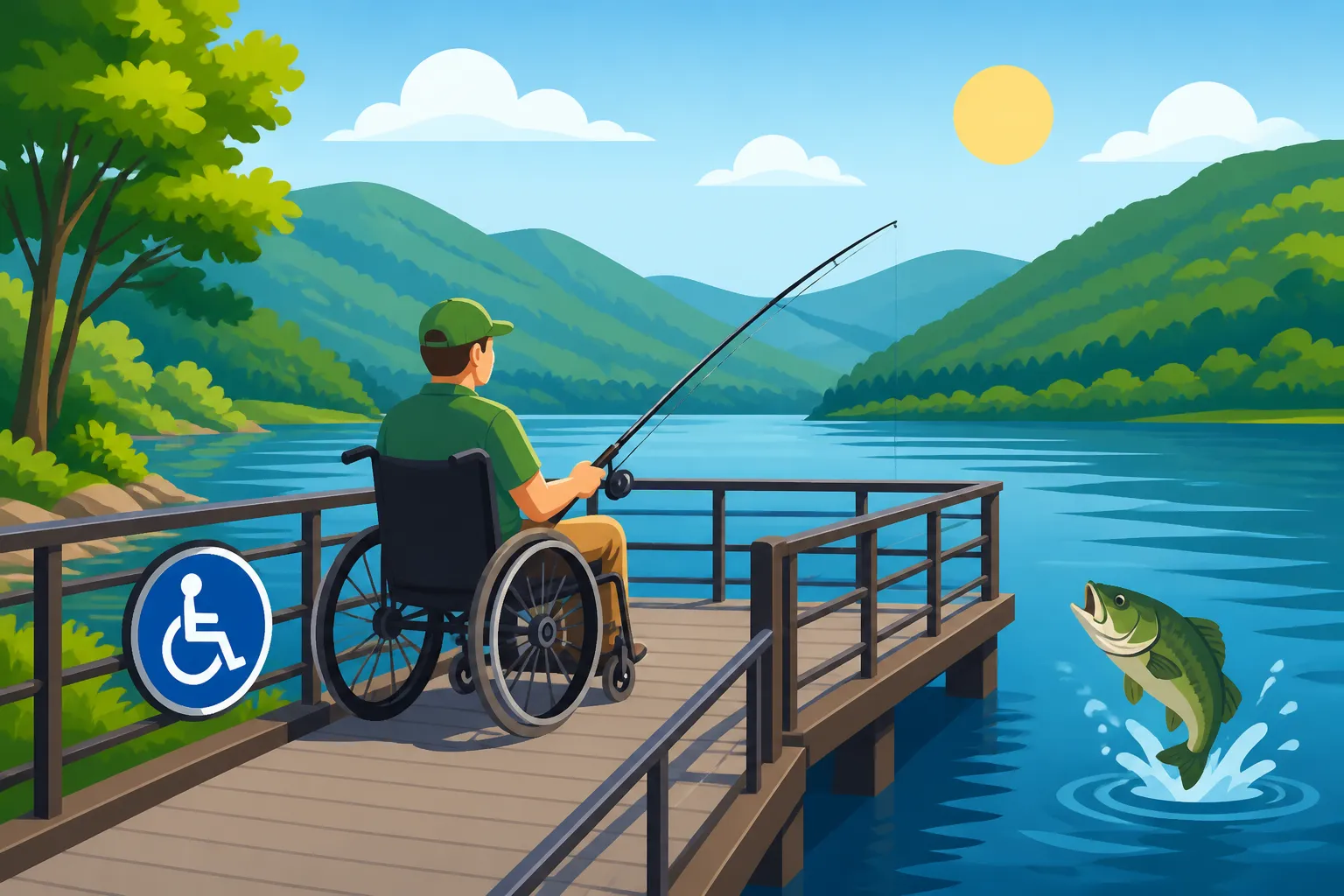
For a fishing pier or area to be genuinely accessible, it needs to meet a few key criteria that go beyond just basic ramps. Think about the entire experience from arrival to casting. Is the parking lot paved and close to the access point? Are there dedicated accessible parking spaces? From there, is the path to the pier smooth, stable, and wide enough for a wheelchair or walker? Are there any unexpected inclines or obstacles? Once you reach the pier itself, a truly accessible design often includes features like wide pier sections for easy maneuvering, sturdy railings that are low enough in certain spots to allow someone seated to easily cast and reel, and sometimes even built-in benches for resting. It’s about creating an environment where an angler can focus on the fish, not on navigating obstacles.
Why Accessibility Matters So Much for Anglers
The importance of these accessible features cannot be overstated. For many, fishing isn't just a hobby; it's a profound connection to nature, a stress reliever, and a chance to make memories with family and friends. When physical barriers prevent someone from enjoying this, it's not just an inconvenience; it can be deeply disheartening. Accessible piers break down these barriers, fostering independence and a sense of belonging. Imagine being able to roll right onto a pier, set up your gear, and cast your line without needing constant assistance or worrying about navigating difficult terrain. This level of autonomy greatly enhances the enjoyment and fulfillment of the fishing experience, making it possible for individuals of all abilities to partake in a cherished pastime. The efforts to create these spaces reflect a growing understanding that outdoor recreation should be for everyone.
West Virginia DNR's Commitment to Accessible Fishing
The West Virginia Division of Natural Resources (DNR) has been actively working to improve and expand accessible fishing opportunities across the state. They recognize that a diverse angler base strengthens the fishing community as a whole. Many of the state's popular fishing lakes and ponds, particularly those within state parks and wildlife management areas, now feature modern, accessible fishing piers. The DNR often follows ADA guidelines in their design, ensuring that these facilities are built to a high standard. You can often find information about specific accessible features on the DNR's website or by calling individual park offices. This proactive approach means more and more locations are being upgraded, allowing for greater inclusion for all anglers, from those new to the sport to seasoned veterans.
Key Features of Truly Accessible Fishing Piers
A great accessible fishing pier isn't just about having a ramp; it's a thoughtful design that anticipates the needs of anglers with varying mobility challenges. From the surface you roll or walk on to the height of the railings, every detail contributes to a seamless and enjoyable experience.
Designing for Easy Access and Maneuverability
The journey to the fishing spot should be as smooth as the water on a calm morning. This starts with the pathway leading to the pier itself. Accessible piers typically boast smooth, non-slip surfaces, often paved or made of composite decking, free from cracks, roots, or steep grades. The path should be wide enough, usually at least 36 inches, to comfortably accommodate wheelchairs and mobility scooters. At the pier, ample turning space is crucial – imagine needing to reposition a wheelchair or move around a fishing buddy. Wide pier sections, often with generous T-shaped or L-shaped ends, allow for easy movement and give everyone enough elbow room to cast without feeling cramped. You’ll also often find thoughtful additions like accessible benches or even small shelters to escape the sun or a light drizzle.
Essential Pier Elements for Anglers with Disabilities
Once you're on the pier, the design elements really shine. One of the most important features is the railing system. While safety railings are essential, truly accessible piers will have sections where the railing height is lowered, or even gaps built into the railing, allowing someone seated in a wheelchair to easily cast their line over the water without obstruction. This simple feature makes a huge difference, removing the awkwardness of trying to fish through a high rail. Additionally, the edges of these piers often include kick plates or curbs to prevent items from rolling off into the water, a small but significant detail. Some modern piers even integrate features like accessible bait/tackle tables, making it easier to rig up without having to bend excessively or balance items precariously.
Proximity to Amenities for a Stress-Free Day
Accessibility extends beyond the pier itself to the surrounding facilities. What good is a perfect pier if the closest restroom is a mile away down an inaccessible path? Look for locations that offer accessible parking right near the pier entrance, reducing the distance traveled. Accessible restrooms that are clean and well-maintained are also a must. Some top-tier accessible spots might even feature picnic tables designed for wheelchair access, allowing for a comfortable lunch break right by the water. These amenities transform a mere fishing spot into a full-day recreational destination, allowing anglers to spend more time enjoying their passion and less time worrying about basic needs. Before heading out, especially if you're traveling a distance, it's always a good idea to check the specific park or lake’s website or give them a call to confirm the current condition of their facilities. Sometimes, conditions can change, or temporary closures might be in effect.
Top Handicap-Accessible Fishing Piers in West Virginia
West Virginia is blessed with an abundance of natural beauty, and thankfully, many spots have been enhanced with accessible features, making them welcoming to all anglers. Here are some standout locations that offer great fishing opportunities along with the necessary accessibility.
Central West Virginia Accessible Hotspots
- Audra State Park (Barbour County): Nestled along the Middle Fork River, Audra State Park is renowned for its scenic beauty and offers a fantastic accessible fishing pier. The path to the pier is generally flat and well-maintained. Anglers here can target various species including trout, which are regularly stocked, and smallmouth bass. The park environment itself is incredibly serene, making it a peaceful outing. It’s a great spot to bring the family, as the accessible features make it easy for everyone to enjoy the river. Before you head out, it’s always a good idea to check the park's specific information on their website or call to confirm current conditions and stocking schedules. For guides who might know specific accessible fishing techniques or less-known accessible spots, platforms like FishingBooker can sometimes help connect you with local experts.
- Kanawha State Forest (Kanawha County): Just a stone's throw from Charleston, Kanawha State Forest is a fantastic local resource. It features accessible fishing piers on some of its smaller ponds. These ponds are typically stocked with trout during the season, offering a high chance of success for anglers. The easy access from parking to the piers means less struggle and more fishing time. The forest also boasts accessible trails, so if you want to pair your fishing trip with a little nature sightseeing, it's a wonderful choice. These local ponds are often ideal for younger anglers too, as the fishing can be quite consistent. You’ll want to review the current West Virginia Fishing Regulations Explained before you go, as rules can vary by water body.
- Coopers Rock State Forest (Monongalia County): While known for its stunning overlooks, Coopers Rock also offers accessible fishing at its pond. This location provides a tranquil setting and is often stocked, particularly for put-and-take trout fishing. The accessible pier ensures that anglers can comfortably enjoy the serene atmosphere and catch some fish. It’s particularly beautiful during the fall foliage season, adding an extra layer of enjoyment to your trip. Remember that even for a stocked pond, having your West Virginia Fishing License Guide for 2026 in order is critical.
Northern and Eastern Panhandle Accessible Destinations
- Sleepy Creek WMA (Berkeley County): In the Eastern Panhandle, Sleepy Creek Lake offers a designated accessible fishing pier. This larger lake is home to a variety of fish including largemouth bass, channel catfish, and panfish. The pier provides a stable platform with railings designed for ease of use. It's a popular spot for local anglers, and the accessibility ensures that more people can enjoy this fantastic fishery. Because it's a larger lake, it offers more diverse fishing opportunities throughout the year. For those interested in more specific fishing tips for different species, checking out resources like "Best Techniques for Panfish in West Virginia" could be helpful.
- Tygart Lake State Park (Taylor County): Tygart Lake is a significant body of water in north-central West Virginia, and its state park offers accessible fishing opportunities. While exact pier locations can vary, the park is committed to providing accessible recreation. Anglers here can target walleye, bass, and crappie. The vastness of Tygart Lake means there's a lot of water to explore, and the accessible points ensure that at least a portion of this experience is available to all. If you're looking for an extensive guide on a variety of West Virginia lakes, take a look at our Best Fishing Lakes in West Virginia article.
Southern West Virginia Accessible Fishing Options
- Pinnacle Rock State Park (Mercer County): Down in the southern part of the state, Pinnacle Rock State Park offers accessible fishing at its lake. This smaller, picturesque lake is regularly stocked with trout, providing excellent fishing during the stocking season. The accessible pier allows anglers to easily cast into the waters and enjoy the beautiful backdrop of the park. It’s a serene location, perfect for a peaceful day of fishing.
- Little Beaver State Park (Raleigh County): Near Beckley, Little Beaver State Park is another excellent choice with an accessible fishing pier. The lake here is well-known for its trout stockings, and also holds good populations of bass and panfish. The pier is typically well-maintained, offering a comfortable and safe environment for anglers of all abilities. The park is often a hub of activity, especially during the warmer months, yet the pier provides a quiet retreat. To understand the different types of permits and licenses, including those for seniors, you might want to read West Virginia Senior Fishing License Rules by Birth Year.
Here’s a quick overview of some of these accessible spots:
| Location | County | Primary Fish Species | Key Accessible Features | Notes |
|---|---|---|---|---|
| Audra State Park | Barbour | Trout, Smallmouth Bass | Flat path to pier, low railings in sections | Scenic river setting, regular trout stockings |
| Kanawha State Forest | Kanawha | Trout, Panfish | Paved paths, accessible piers on ponds, close parking | Convenient to Charleston, ideal for beginners |
| Coopers Rock State Forest | Monongalia | Trout, Panfish | Accessible pier on pond, serene environment | Stunning forest views, especially in fall |
| Sleepy Creek WMA | Berkeley | Largemouth Bass, Catfish, Panfish | Designated accessible pier, ample casting space | Larger lake, diverse species, Eastern Panhandle |
| Pinnacle Rock State Park | Mercer | Trout, Panfish | Accessible pier on lake, beautiful natural backdrop | Picturesque, regularly stocked, Southern WV |
| Little Beaver State Park | Raleigh | Trout, Bass, Panfish | Accessible pier, well-maintained facilities | Near Beckley, popular for trout, family-friendly |
Remember that conditions can change, and it’s always a good idea to confirm accessibility details directly with the park or WMA office before your visit. While not every detail might be available on general booking sites, sometimes services like FishingBooker can help you find local guides who are familiar with accessible points on larger bodies of water, even if they don't exclusively serve accessible piers.
Planning Your Accessible Fishing Trip
A little preparation goes a long way, especially when planning a fishing trip where accessibility is a key factor. Thinking ahead about details from pre-trip checks to specialized gear can significantly enhance your experience.
Essential Pre-Trip Checks for Accessible Locations
Before you load up the car and head out, taking a few moments for some quick checks can save you a lot of frustration. First and foremost, always confirm the current status of the accessible features at your chosen destination. While a park might be listed as having an accessible pier, sometimes facilities undergo maintenance, or environmental factors (like high water) could temporarily affect access. A quick phone call to the park office or checking the official West Virginia DNR website is your best bet. Look for specific details regarding parking, restrooms, and the pier itself. You might also want to check the West Virginia Fishing Season Dates and Closures to ensure your target species are in season and the waters are open. If you’re considering a specific guided experience, it’s worth noting that services like FishingBooker often list guides who can tailor trips to individual needs, and you can inquire directly about their experience with accessible fishing setups or locations.
Maximizing Comfort with Specialized Gear and Adaptations
Beyond your standard rod and reel, incorporating some specialized gear can truly elevate an accessible fishing experience. Consider a comfortable, portable fishing chair with armrests, or if you're in a wheelchair, ensure you have easy access to your tackle and bait. Many adaptive anglers find extendable landing nets incredibly useful, as they minimize the need to reach far over the water. Rod holders that attach to wheelchairs or pier railings can allow for hands-free fishing, making it easier to manage bait, tackle, or simply relax between bites. A small, wheeled cooler can also be a huge help for transporting drinks and snacks, especially if the accessible parking is still a bit of a walk from the pier. Don't forget the essentials like sunscreen, a hat, and appropriate clothing for the weather – comfort in all aspects is key to a great day outdoors. For tips on general gear, our guide on Best Tackle Box Setup for West Virginia Anglers can provide some useful insights.
Tips for a Smooth and Enjoyable Day on the Water
To ensure your accessible fishing trip is as smooth and enjoyable as possible, keep these tips in mind. Plan your visit for off-peak hours if possible; fewer people mean more space and easier maneuvering on the pier. Pack everything you need, but avoid overpacking – you don't want to struggle with too much gear. Bringing a friend or family member along, even if you’re perfectly independent, can add to the enjoyment and provide an extra set of hands if needed. Also, be mindful of the fishing regulations for the specific water body you’re visiting; these can sometimes differ. Understanding your West Virginia Fishing Regulations Explained is crucial for a legal and worry-free experience. Most importantly, embrace the moment. Fishing is about relaxation and connection with nature, and with these accessible options, everyone can share in that wonderful experience.
Disclaimer
The information provided in this guide is for general informational purposes only and is subject to change. While efforts have been made to ensure accuracy, accessible features and conditions at specific locations can vary and may be updated without prior notice. Always confirm current accessibility, regulations, and facility status directly with the West Virginia Division of Natural Resources or the specific park/location before planning your trip. Fishing inherently involves risks, and adherence to all safety guidelines and regulations is the responsibility of the individual.