Best topwater lure for dawn bass fishing
There’s nothing quite like the stillness of a West Virginia morning, when the mist is still hanging low over the water and the air is cool and crisp. It’s a magical time, but for many anglers, it's also a time of intense anticipation for one thing: a bass exploding on a topwater lure. If you've ever struggled to pick the right lure to maximize those exciting dawn strikes, this guide is here to help you navigate the options and choose the best topwater lures to bring those feisty smallmouth and largemouth bass to the surface as the sun peeks over the mountains.
Why Dawn Patrol for Bass? Understanding the Magic Hour
Fishing at dawn isn't just about escaping the midday heat or enjoying the quiet solitude of nature, though those are certainly huge perks. For bass anglers, the hour around sunrise, often called the "magic hour," presents prime conditions for some of the most exhilarating fishing experiences you can have, especially with topwater presentations.
The Science Behind the Surface Action
As the first slivers of light begin to pierce the pre-dawn gloom, a transformation occurs in our West Virginia waters that directly impacts bass behavior. The low light conditions are a critical factor. Bass, particularly largemouth and smallmouth, are ambush predators with excellent low-light vision. They feel more confident hunting close to the surface, knowing that their silhouette is less visible to prey, and their own vulnerability to larger predators (like eagles or ospreys) is reduced. This is a prime advantage for them.
Furthermore, water temperatures often reach their coolest point just before dawn. As the sun begins to rise, the water slowly starts to warm, which can stimulate baitfish activity. Minnows, shad, and other small forage fish become more active, moving closer to the surface to feed on insects or plankton. This increased activity attracts hungry bass, creating a perfect storm for topwater action. When you combine the reduced light, cooler water, and active baitfish, you’ve got a recipe for bass that are looking up and actively feeding near the surface, making them highly susceptible to a well-presented topwater lure.
The Thrill of the Topwater Strike at Daybreak
Let's be honest, there's a unique adrenaline rush that comes with a topwater strike that few other fishing techniques can match. It's a visual and auditory spectacle that gets your heart pounding. You're watching your lure, carefully working it across the glassy surface, and then boom! The water explodes, often with a force that can startle you even when you're expecting it. That sudden, violent disruption of the water, the splash, and the subsequent tug of a powerful bass on your line is truly addictive.
During the calm of dawn, with minimal wind and often mirror-like water, these strikes are even more dramatic and memorable. The peaceful quiet is shattered by an aggressive bass, making for an unforgettable moment. It's a testament to the raw power and predatory instinct of these fish. Whether you're fishing a quiet cove on Summersville Lake Bass Fishing or casting into the eddies of the Best Fishing Rivers in West Virginia, that first morning strike is a core memory in the making for any angler. This pure, unadulterated excitement is why so many of us are willing to set our alarms for those ungodly hours, pulling on our waders or launching our boats in the dark.
Top Contenders for West Virginia's Dawn Topwater Action
When it comes to choosing the best topwater lure for dawn bass fishing in West Virginia, you've got a fantastic array of options, each designed to elicit a different kind of reaction from the bass. The key is understanding what each lure does and when it truly shines.
Poppers and Chuggers: Making Some Noise
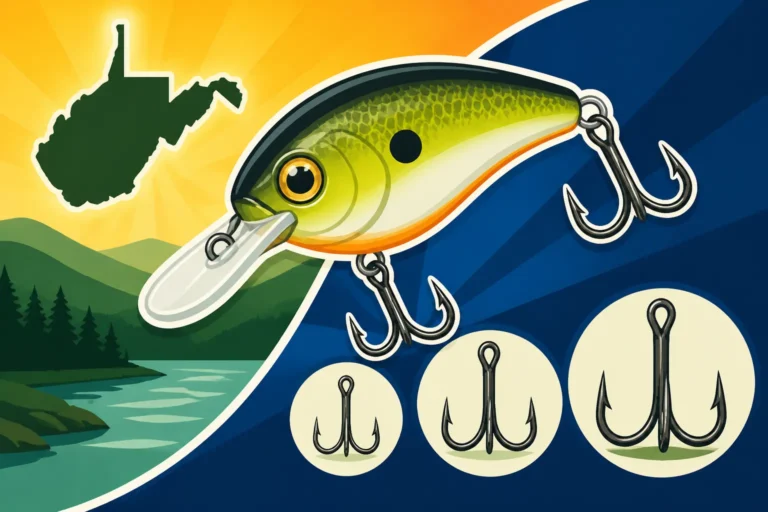
Poppers and chuggers are arguably the most iconic topwater lures, instantly recognizable by their cupped faces. These lures are designed to create a disturbance on the surface, mimicking a struggling baitfish, a frog, or even a large insect that has fallen into the water. When you twitch your rod, the cupped face "pops" or "chugs," displacing water, creating splashes, and emitting a distinct gurgling sound. This action is incredibly effective at drawing bass out of cover or up from deeper water, especially in low light when the bass are relying heavily on sound and vibration to locate their prey.
These lures are fantastic choices for still, calm mornings when the water is like glass. Think about those quiet, sheltered coves on Cheat Lake or the slow-moving backwaters of the Kanawha River. Their aggressive surface disturbance can be just the ticket to provoke a strike from a territorial largemouth guarding its space or an opportunistic smallmouth looking for an easy meal. Work them with a "pop-pause" retrieve – a sharp twitch, then let the ripples dissipate before another twitch. Vary your retrieve speed and pause duration until you find what the bass are reacting to. For a wide selection of these classic topwater options, many anglers find great success browsing online retailers like Amazon or checking out local inventory at Bass Pro Shops.
Walk-the-Dog Lures: The Subtle Dance
If poppers are the loud, attention-grabbing partygoers, walk-the-dog lures are the smooth, confident dancers. These cigar-shaped or pencil-shaped lures have no built-in action; their magic comes entirely from the angler's retrieve. By rhythmically twitching the rod tip while reeling in slack, you can make the lure "walk" side-to-side across the surface in an incredibly lifelike zig-zag pattern. This action perfectly imitates a wounded baitfish struggling on the surface, sending out subtle ripples and flashes that can be irresistible to bass.
Walk-the-dog lures truly excel when bass are a bit more finicky, or when you're fishing clear water and need a more natural presentation. They are phenomenal for open water, over submerged grass beds, or along sparse cover where bass might be cruising. On places like the open flats of Stonewall Jackson Lake Bass Fishing Coves or the wider, slower sections of the New River, a walk-the-dog lure can draw vicious strikes. The key is to find your rhythm and keep the lure moving, but not too fast. A popular technique involves a steady, almost mesmerizing cadence that makes the lure glide effortlessly. Different sizes and profiles can imitate various baitfish, from smaller minnows to larger shad. These lures are a staple in many anglers' Best Tackle for West Virginia Smallmouth Bass boxes.
Prop Baits and Buzzbaits: Drawing a Reaction
For those times when you need to make even more of a commotion, prop baits and buzzbaits step up to the plate. Prop baits typically feature small propellers on one or both ends of a torpedo-shaped body. When retrieved, these propellers churn the water, creating a fizzing sound and significant surface disturbance. They offer a unique blend of flash, vibration, and sound that can be deadly effective, particularly in slightly choppier water or when bass are particularly aggressive.
Buzzbaits, on the other hand, are designed for one thing: constant, noisy agitation. They feature a large, angled propeller blade (or blades) on a wire frame that spins violently, creating a loud "buzzing" or "squeaking" noise and a huge surface wake as it's reeled in. These are absolute search baits, excellent for covering a lot of water quickly and drawing reaction strikes from active bass. They shine in stained water, around heavy cover like lily pads or fallen timber, and often after a rain when the water might be a bit murky and bass are more reactive. Imagine casting a buzzbait along the flooded timber of Bluestone Lake Fishing Guide or through the weed edges of Plum Orchard Lake early in the morning – the sound and commotion are often all it takes to trigger an explosive strike. Don't be afraid to experiment with different blade configurations and colors; sometimes a little extra flash or a distinct "squeak" is what makes all the difference.
Mastering the Retrieve and Presentation at Dawn
Having the right lure is only half the battle; knowing how to present it effectively, especially in the nuanced conditions of dawn, is where true skill comes into play. Bass can be picky, and subtle adjustments to your retrieve can turn a slow morning into a memorable one.
Reading the Water and Adjusting Your Approach
Before you even make your first cast, take a moment to "read" the water. Is it perfectly still and clear, or is there a slight ripple and some stain from recent rain? Are there obvious signs of baitfish activity – flicking on the surface, or small schools moving? This information should guide your initial lure choice and retrieve. On calm, clear mornings, a walk-the-dog lure or a subtle popper might be best. If there's a chop on the water or the visibility is low, a noisy chugger, prop bait, or buzzbait might be needed to grab attention.
Remember to be stealthy at dawn. Bass are often shallower and more exposed. Keep your shadow off the water, minimize noise, and make long, accurate casts to avoid spooking fish. When targeting specific cover like a log, a dock, or an eddy, try to land your lure softly just past the target and work it back into the strike zone. Don't be afraid to vary your retrieve. One cast might be slow and methodical, the next faster and more erratic. Sometimes, a long pause after a "pop" or "walk" is what convinces a wary bass to commit. Other times, a constant, aggressive retrieve with a buzzbait is exactly what they want. West Virginia Fishing Seasons by Month can influence bass behavior, so always consider the time of year.
Gear Essentials for a Successful Dawn Mission
Using the right gear for topwater fishing can make a huge difference in your success rate and your ability to handle those explosive strikes. You'll want a rod with enough backbone to cast these typically larger, air-resistant lures, but also a relatively moderate tip to allow for good lure manipulation and to prevent tearing the hooks out of a bass's mouth during a violent strike. A medium-heavy to heavy power rod, usually around 6'6" to 7'6" in length, is a common choice for bass topwater. Many anglers find baitcasting setups ideal for heavy topwater, offering better casting control and power than spinning gear. For specific recommendations, check out guides like Best Fishing Rods for West Virginia Rivers or Best Spinning Rods for Smallmouth Bass.
| Lure Type | Key Action / Sound | Ideal Conditions | Retrieve Style Examples |
|---|---|---|---|
| Popper/Chugger | "Pop," "Spit," "Gurgle" | Calm, clear water; specific cover | Twitch-pause, sharp pops |
| Walk-the-Dog | Side-to-side glide | Calm to light chop; open water | Steady rod twitches, consistent rhythm |
| Prop Bait | Buzzing, sputtering | Light chop, moderate clarity | Straight retrieve, stop-and-go |
| Buzzbait | Loud "buzz," churning wake | Stained water, heavy cover | Fast, steady retrieve; barely sub-surface |
For line, braided line is a popular choice for topwater because it floats, has no stretch for solid hooksets, and is incredibly strong. You might use a short fluorocarbon or monofilament leader if you're concerned about visibility in super clear water. Always make sure your hooks are razor-sharp. Dull hooks lead to missed fish, especially with how quickly a bass can strike and spit a topwater lure. You can find quality topwater lures and appropriate fishing lines at sporting goods stores like Bass Pro Shops or online through retailers like Amazon. It's also worth looking into Best Baitcasting Reels for Muskie Fishing if you're considering gear that can handle the sheer force of big topwater strikes, as some of that robustness translates well to aggressive bass.
Common Mistakes and How to Avoid Them
Even experienced anglers can fall into traps when fishing topwater at dawn. Learning from these common missteps can drastically improve your hook-up ratio and overall success.
Rushing the Strike and Missing Fish
This is, hands down, the most common mistake in topwater fishing. The visual explosion of a bass crashing your lure is incredibly exciting, almost instinctually prompting you to set the hook immediately. But if you set the hook too soon, before the fish has fully engulfed the lure, you'll often pull the bait right out of its mouth. It’s a frustrating experience that happens to the best of us!
To avoid this, remember the mantra: "Wait until you feel the fish." After the splash, give the bass a half-second to fully take the lure and turn away. You'll feel the weight of the fish on your line, and then you can deliver a strong, sweeping hookset. It feels counter-intuitive to wait when your brain is screaming "SET THE HOOK!", but practicing this patience will dramatically increase the number of bass you bring to the boat or bank.
Ignoring Water Conditions and Lure Selection
It's easy to get comfortable with one or two "go-to" topwater lures, but a truly successful angler understands that different conditions call for different tools. Using a subtle walk-the-dog lure in choppy, stained water where bass can't see or hear it effectively will lead to a lot of wasted casts. Conversely, throwing a noisy buzzbait on a perfectly calm, clear morning might spook wary bass.
Pay attention to what the water is telling you. Is it windy? Is it cloudy? How clear is the water? Are there active schools of baitfish? If your initial choice isn't producing, don't be afraid to change. Switch from a popper to a walk-the-dog, or from a buzzbait to a prop bait. Even changing the color of your lure can sometimes make a difference. The more observant and adaptable you are, the more success you'll find. Sometimes, knowing Best Time of Day to Catch Walleye in West Virginia helps inform how different species react to dawn conditions, even if you're targeting bass.
Not Exploring Different Retrieve Speeds
Just as important as choosing the right lure is presenting it at the right speed and cadence. Bass can be incredibly particular about how they want a topwater lure presented. On some mornings, they might want a fast, aggressive retrieve that mimics a fleeing baitfish. On others, a slow, deliberate "walk" or a long pause after a "pop" is what coaxes them into striking.
Don't assume one retrieve style will work all day or every day. Start with a varied retrieve. Try a few fast pops, then a long pause. Next cast, try a steady "walk." Pay attention to when you get bites – was it during a pause? As the lure started moving again? Was it during a particularly fast segment? Let the fish tell you what they prefer. A slight change in your retrieve speed or the length of your pauses can be the key to unlocking consistent topwater action at dawn. And don't forget to ensure your Best Kayak for Lake Fishing in West Virginia allows you to adjust your position easily to hit different angles and retrieve lines.
Ultimately, dawn topwater fishing in West Virginia is an experience like no other. With the right lure, a keen eye on water conditions, and a patient, adaptable retrieve, you'll be well on your way to experiencing those exhilarating surface strikes that make getting up before the sun so incredibly worth it.
Disclaimer
This article is for general informational purposes only and does not constitute professional advice. Laws, prices and regulations vary by location and change over time. Consult a qualified professional for guidance on your specific situation.