Best crawfish imitation lure for river bass
One of the most thrilling challenges in West Virginia bass fishing is figuring out how to consistently trick those wary river smallmouth. They're intelligent, strong, and often incredibly finicky, but there's one forage item they simply can't resist: crawfish. If you've ever struggled to get bites on a river, it's probably because you weren't "matching the hatch" with a convincing crawfish imitation. This guide is all about equipping you with the knowledge to pick, rig, and present the absolute best crawfish imitation lures, transforming those tough days into memorable catches.
Why Crawfish Are a Smallmouth Bass's Favorite Meal
If you've spent any time wading or boating West Virginia's rivers, you've likely seen them scuttling across the bottom – those hard-shelled, armored delicacies we call crawfish, or crayfish if you prefer. For river smallmouth bass, these crustaceans aren't just a snack; they're a dietary staple, often representing the largest portion of their caloric intake. Understanding why they're so vital to a bass's diet helps us understand how to effectively mimic them.
Abundance in Riverine Habitats
West Virginia's rivers are teeming with crawfish. They thrive in the rocky, gravelly bottoms, under submerged logs, and among the countless boulders and ledges that define our best smallmouth waters. This means they are constantly available food source for bass. Unlike sporadic insect hatches or seasonal baitfish migrations, crawfish are a year-round buffet. Smallmouth bass, being opportunistic predators, are always on the lookout for an easy meal, and a scuttling crawfish fits the bill perfectly. They've evolved to recognize the shape, movement, and even the scent of a crawfish as pure sustenance, making it a natural target. You'll often find bass nestled in the same rocky structures where crawfish hide, ready to ambush.
Seasonal Importance and Vulnerability
While crawfish are always present, there are times of the year when they become even more crucial to a smallmouth's diet. During their molting cycles, crawfish shed their hard exoskeletons to grow. This leaves them soft-shelled and incredibly vulnerable, an easy target for hungry bass. Imagine a candy bar with the wrapper already off – that's what a soft-shelled crawfish is to a smallmouth! This typically happens in spring and fall, but can occur throughout the warmer months, making specific periods exceptionally productive for crawfish imitations. Beyond molting, crawfish are active bottom-dwellers, constantly foraging and moving, which presents frequent opportunities for bass to intercept them. During low light conditions or after heavy rains, crawfish might venture out more, increasing their visibility and vulnerability. This intimate connection between the predator and its primary prey is why a good crawfish imitation can be absolutely deadly. Understanding Smallmouth Bass Habits on the New River can further inform your approach.
Key Characteristics of an Effective Crawfish Lure
Not all lures designed to imitate crawfish are created equal. The most successful ones share several key characteristics that fool even the most discerning river smallmouth. Paying attention to these details can make a significant difference in your catch rates.
Realistic Color and Profile
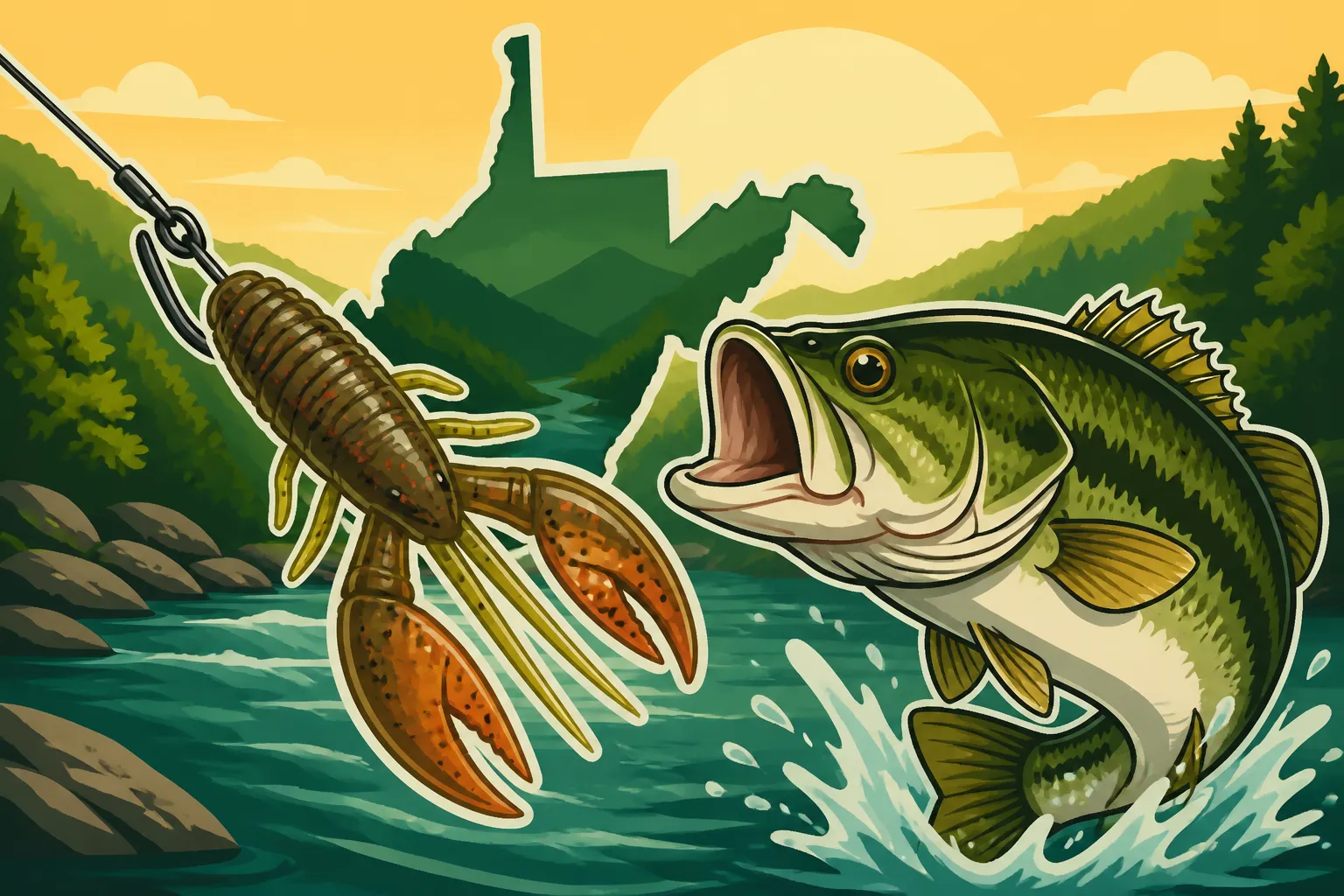
Color is paramount when mimicking crawfish. While crawfish can vary in hue depending on water clarity, substrate, and species, generally they range from dark browns, olives, and greens to rusty reds and oranges, especially after a molt. Therefore, lures in green pumpkin, natural browns, watermelon, black and blue, and even some variations with a touch of orange or red flake, tend to be highly effective. The profile of the lure is just as important. A good crawfish imitation will have prominent claws that stand up or move realistically in the water, a segmented body, and antennae. It needs to look like a meal, not just a blob. The goal is to replicate the broad, flat body and raised claws that signify a defensive posture or an attempt to flee. This often means choosing lures that are wider rather than thin, with plenty of appendages for natural movement.
Action, Scent, and Size Considerations
The way a lure moves in the water is critical. Crawfish don't swim gracefully; they scuttle along the bottom, dart backward in quick bursts, and sometimes raise their claws defensively. Your lure should be able to replicate these actions. Jigs with trailers, creature baits, and even some crankbaits are designed to mimic this erratic, bottom-hugging movement. Soft plastic claws that flap and wiggle with minimal retrieve motion are excellent.
Beyond sight and motion, scent can be a game-changer, especially in murky water or for cautious bass. Many modern soft plastics are infused with attractants. Brands like Berkley PowerBait MaxScent are specifically designed to disperse scent, drawing fish in and encouraging them to hold on longer, giving you more time to set the hook.
Finally, size matters. While crawfish vary in size, you generally want to match the predominant forage size in the river you're fishing. A 3-inch to 4-inch imitation is often a good starting point for most West Virginia rivers, but don't be afraid to go a bit larger for trophy bass, especially on rivers like the New River where large specimens abound. Conversely, sometimes smaller 2-inch imitations are perfect when bass are keying on juvenile crawfish or in highly pressured waters. What lures imitate the crawfish smallmouth eat goes into even more detail on this topic.
Top Crawfish Imitation Lure Categories
When it comes to fooling river bass with a crawfish imitation, anglers have a fantastic arsenal of lure types at their disposal. Each category offers unique advantages, and understanding when and how to use them will elevate your success significantly.
Jigs with Craw Trailers
Jigs are arguably the quintessential crawfish imitation. They excel at hugging the bottom, working through rocky terrain, and delivering a lifelike presentation. The versatility of jigs makes them a must-have in any river angler's tackle box.
Football Jigs and Stand-Up Jigs
Football jigs get their name from their oval-shaped heads, which allow them to rock and wobble over rocks and gravel without snagging as much as a round head. This design is perfect for imitating a crawfish rummaging along the bottom. Pair a 3/8 oz to 1/2 oz football jig with a soft plastic craw trailer in green pumpkin or brown, and you've got a deadly combination. The trailer's claws will stand up and wave enticingly as the jig sits on the bottom, mimicking a defensive craw. Bass Pro Shops carries a wide selection of these jigs, often in multi-packs with various colors.
Stand-up jigs, as the name suggests, are designed with a flat head that allows the jig to sit upright on the riverbed, presenting the craw trailer's claws directly to the bass. This "claws-up" posture is exactly what a defensive crawfish does, making it incredibly tempting for a lurking smallmouth. These are fantastic for a slow, dragging retrieve, allowing the lure to pause and present an irresistible target.
Brush Jigs and Flipping Jigs
For areas with more cover, like submerged wood, thick weed beds, or dense rock piles, brush jigs and flipping jigs become invaluable. Brush jigs feature a weed guard that helps them navigate through snags, allowing you to present your crawfish imitation directly into prime ambush points where bass hide. Flipping jigs are typically heavier and more compact, designed for punching through thick cover and quickly getting to the bottom. For both, choosing a soft plastic craw trailer that matches the jig's skirt color, or offers a contrasting accent, will create a fuller, more lifelike profile. A black and blue jig with a matching trailer can be exceptionally effective in low light or stained water conditions.
Soft Plastic Craws and Creature Baits
Soft plastics offer unparalleled realism and subtle action, making them incredible crawfish imitations. They can be rigged in countless ways, adapting to different depths, currents, and bass moods.
Texas Rigged Craws
The Texas rig is a classic for a reason: it's incredibly weedless, allowing you to fish plastic craws and creature baits through heavy cover without snagging. Simply thread a soft plastic craw onto a worm hook, burying the hook point back into the plastic, and add a bullet weight in front. This setup allows the craw to mimic a natural bottom-dweller, scuttling or hopping. Brands like Zoom's Super Chunk or Berkley's PowerBait MaxScent Creature Hawg in craw patterns are excellent choices. A subtle drag-and-pause retrieve, punctuated by short hops, will make these lures irresistible. This is often a go-to for fishing around downed trees or thick brush along the riverbanks.
Carolina Rig and Shaky Head
The Carolina rig is a phenomenal search tool for deeper water or covering vast flats. It involves a main line, a heavy sinker, a bead (to protect the knot and create sound), a swivel, a leader, and then your soft plastic craw. The weight drags the bottom, while the unweighted craw floats or slowly undulates behind, looking like a fleeing crawfish. This is fantastic for detecting subtle bites and covering ground. The Shaky Head, on the other hand, is all about finesse. A small jig head with an upright hook is paired with a soft plastic, allowing it to "shake" and quiver on the bottom with minimal rod movement. This subtle action is perfect for pressured fish or when bass are lethargic. Look for finesse craws or small creature baits that have excellent inherent action in their appendages. Best Tackle for West Virginia Smallmouth Bass can give you more insights into rigging these options.
Diving Crankbaits
While jigs and soft plastics excel at mimicking crawfish on the bottom, diving crankbaits shine when bass are actively chasing or when you need to cover water quickly and provoke reaction strikes.
Squarebill Crankbaits
Squarebill crankbaits are designed for shallow to medium depths (typically 2-8 feet) and are absolute workhorses in rocky rivers. Their distinctive square lip allows them to deflect off rocks and timber without snagging, creating an erratic, fleeing action that drives bass wild. Imagine a crawfish darting away from a predator, banging into rocks along the way – that's the action a squarebill creates. Colors like "rootbeer," "chili craw," or natural browns and green pumpkins are ideal. Retrieve them with an aggressive, stop-and-go motion, allowing them to bang off cover. This deflection is key to triggering strikes. Many anglers will cycle through various squarebill sizes until they find one that matches the local crawfish and river depth.
Medium Diving Crankbaits
For slightly deeper stretches of the river, or when the bass are holding off ledges and drop-offs, a medium diving crankbait with a crawfish pattern can be incredibly effective. These baits dive deeper, allowing you to grind the lip into the bottom in 8-15 feet of water. The constant contact with the riverbed stirs up sediment, further mimicking a crawfish. Brands like Strike King's KVD series or Rapala's DT series often feature excellent craw patterns. A steady retrieve with occasional pauses or twitches can be deadly. Remember, the goal is to make it look like a vulnerable meal attempting to escape. You can find a huge selection of these at online retailers like Amazon, making it easy to experiment with different sizes and colors.
Rigging and Presenting Your Crawfish Lures Effectively
Having the best crawfish imitation lure in your tackle box is only half the battle. Knowing how to rig it correctly and present it convincingly in West Virginia's varied river conditions is what truly separates successful anglers from those who go home empty-handed. River fishing for bass is often about precision and understanding the dynamics of current and structure.
Mastering the Retrieve in Current
River current is both a blessing and a curse. It brings food, oxygen, and structure, but it also makes precise lure presentation a challenge. When fishing crawfish imitations, your retrieve needs to account for the flow.
Upstream Presentations
Fishing upstream and retrieving your lure downstream with the current allows for a very natural drift. This is particularly effective for jigs and Texas-rigged soft plastics. Cast your lure slightly upstream of where you expect bass to be holding (e.g., behind a boulder or in an eddy), and allow it to sink to the bottom. As it drifts downstream, maintain just enough tension to feel the bottom and detect bites, letting the current do most of the work. Small hops or drags with your rod tip will mimic a crawfish being dislodged or trying to escape. This allows the lure to enter a bass's strike zone from an unexpected angle, often resulting in aggressive takes.
Downstream and Cross-Current Tactics
Sometimes, fishing directly downstream and slowly reeling your lure against the current can be effective, especially with crankbaits. The resistance of the water gives the lure a more aggressive wobble and allows it to deflect off bottom structure with more force. For jigs and soft plastics, casting cross-current and allowing your lure to swing downstream, while maintaining bottom contact, can cover a wider area and present the lure to bass holding in different current seams. The key is to always feel the bottom and visualize what your lure is doing. Think about how a real crawfish would react in that current – it wouldn't just sit there; it would be actively trying to hold position or move. Remember, How to Catch Smallmouth Bass in West Virginia Rivers provides a broader overview of river tactics.
Targeting Key Structure and Cover
Crawfish don't just hang out anywhere; they gravitate towards specific types of river structure for food and protection. Bass know this and will often position themselves in these same areas, ready to ambush.
Rocks, Ledges, and Boulders
West Virginia rivers are renowned for their rocky bottom. Crawfish thrive in these environments, and so do smallmouth. When presenting crawfish imitations, focus on targeting the downstream side of large boulders, rock piles, and ledges. These areas provide current breaks where both crawfish and bass can rest and feed without expending too much energy. A jig hopped over these obstacles, or a squarebill crankbait banging off them, can be incredibly productive. Don't overlook smaller rock formations and gravel patches either; crawfish are everywhere! How to read New River smallmouth structure can help you identify these hotspots more effectively.
Wood and Other Cover
While rocks are dominant, submerged wood, log jams, and even bridge pilings can also hold significant numbers of crawfish and, consequently, bass. These areas offer additional ambush points and cover from strong currents. Texas-rigged soft plastic craws are ideal for working through woody cover due to their weedless nature. Pitching or flipping your lure into these tight spots and letting it sink, then slowly working it out, can often draw out big bass that are tucked away in the shadows. Always be prepared for an immediate strike when your lure hits the water near such cover.
By combining the right crawfish imitation with a thoughtful presentation tailored to the river's current and structure, you'll significantly increase your chances of landing some fantastic West Virginia river bass.
| Lure Type | Best Use Case | Retrieve Style | Advantages |
|---|---|---|---|
| Jigs (Football/Stand-Up) | Rocky bottoms, deep pools, slow current | Slow drag, hop, pause | Realistic bottom presentation, good snag resistance, vertical appeal |
| Jigs (Brush/Flipping) | Heavy cover (wood, thick rock piles), punching cover | Pitch, flip, drag through cover, slow hop | Excellent weedlessness, gets into tight spots, compact profile for big bass |
| Soft Plastic Craws/Creatures | Versatile, varying depths, finesse situations | Texas rig: drag/hop; Carolina rig: slow sweep; Shaky head: subtle quiver | Highly realistic, scent infused options, weedless rigging, subtle action |
| Squarebill Crankbaits | Shallow to medium water (2-8 ft), rocky banks | Erratic retrieve, deflection off cover, stop-and-go | Excellent reaction strikes, covers water quickly, good for active fish |
| Medium Diving Crankbaits | Deeper ledges, drops, covering flats (8-15 ft) | Steady retrieve, occasional pauses, bottom grinding | Reaches deeper zones, triggers reaction bites, effective in open water |
Conclusion: Matching the Hatch with Confidence
Successfully targeting river smallmouth bass in West Virginia often boils down to one crucial understanding: they love crawfish. By arming yourself with the knowledge of which lures best imitate these succulent crustaceans, and more importantly, how to present them effectively, you're setting yourself up for incredible days on the water. Don't be afraid to experiment with different colors, sizes, and retrieve styles, as river conditions and bass moods can change throughout the day.
Whether you're slowly crawling a green pumpkin jig along a rocky ledge, twitching a Texas-rigged creature bait through submerged timber, or deflecting a squarebill off shallow boulders, remember you're speaking the smallmouth's language. Keep an eye on the water, pay attention to where you find those real crawfish, and let that guide your lure selection and presentation. With a little practice and a lot of patience, you'll be consistently catching those feisty river bass that make West Virginia fishing so legendary.
Disclaimer
This article is for general informational purposes only and does not constitute professional advice. Laws, prices and regulations vary by location and change over time. Consult a qualified professional for guidance on your specific situation.