Best dry bag size for a full day kayak trip
There’s nothing quite like launching your kayak onto a glassy West Virginia lake at dawn or navigating the gentle currents of a mountain river, paddle in hand, anticipation for that first bite building. But anyone who’s spent a full day out on the water knows the dread that creeps in when the sky darkens unexpectedly, or a forgotten lunch turns to a soggy mess. Keeping your essential gear dry, safe, and organized on a full-day kayak fishing trip in our beautiful state is paramount, and it often boils down to choosing the right dry bag. This guide will walk you through everything you need to know to select the perfect dry bag size, ensuring your valuables stay protected from splashes, rain, and even an accidental dunk, making your West Virginia fishing adventures stress-free.
The Unique Demands of a Full-Day West Virginia Kayak Fishing Trip
Before we even talk about dry bag sizes, let's get real about what a "full day" actually entails when you're kayak fishing in West Virginia. It's not just a quick paddle out and back; it's an immersive experience that often spans hours from dawn till dusk, sometimes even pushing into twilight. This means you're carrying a lot more than just your phone and keys. You're preparing for changing weather, hunger, thirst, and potential minor mishaps.
Imagine you’re planning to hit the New River for smallmouth bass. You're going to put in early, maybe around Fayette Station, and plan to be on the water for eight to ten hours, paddling downstream and fishing various eddies and riffles. The morning might be chilly, but by midday, the sun will be beating down. Then, out of nowhere, an afternoon pop-up shower rolls through, a common occurrence in our mountains. What do you absolutely need to keep dry and accessible throughout that long day? It’s more than you might initially think, and understanding these needs is the first step to choosing the right dry bag capacity.
You’re not just taking snacks; you’re taking a proper lunch, maybe some extra protein bars. You’re not just carrying a water bottle; you might have a larger hydration bladder or multiple bottles to last the distance. Crucial safety items like a first-aid kit, a whistle, or even a headlamp for an unexpected late return all need to stay dry. And let’s not forget your actual fishing essentials beyond what’s attached to your rod. Extra spools of line, a small backup tackle box with your favorite Best Baits for Smallmouth Bass on the New River, or even a pair of gloves for handling those toothy muskie you might encounter on the Little Kanawha River – these items demand protection. The diverse conditions and long hours mean a thoughtful approach to gear storage is essential for both comfort and safety.
What's Really Going Into That Dry Bag? Your Essential Gear Checklist
When you're packing for a full day of kayak fishing, it's easy to just grab things and toss them in. But with a dry bag, intentionality is key. The size you need directly correlates with what you deem essential enough to protect from water. Let’s break down the typical categories of gear you’ll want to consider for your waterproof stash.
Critical Electronics and Documents
These are the absolute non-negotiables that must stay dry. Think about the headache of a waterlogged phone or a ruined fishing license.
- Smartphone and Portable Charger: Your lifeline, camera, and navigation tool all in one. Even if your phone is "water-resistant," prolonged exposure or submersion is a different story. A portable charger ensures you don't run out of juice mid-day.
- Keys and Wallet: Can you imagine finishing a fantastic day on Summersville Lake only to find your car key fob is fried, or your cash and ID are pulp? These items are small but irreplaceable.
- Fishing License: While many of us keep a digital copy on our phones, having a backup printed copy or knowing its exact location in a dry spot is crucial, especially if your phone dies. Remember, you might need to show proof, so it’s always wise to ensure it’s protected. Check out Printing or Carrying a Digital Fishing License in West Virginia for more details on this.
- Camera Gear (if applicable): If you're bringing a dedicated camera (beyond your phone) to capture those trophy catches or scenic views of the New River Gorge Fishing Guide, it definitely needs a dry home.
Personal Comfort and Safety Items
West Virginia weather can be unpredictable. A sunny morning can turn into a chilly, rainy afternoon in the blink of an eye. Being prepared makes all the difference between a miserable trip and a memorable one.
- Rain Jacket and Light Outer Layer: Even if the forecast looks clear, a lightweight rain jacket is a game-changer. A fleece or synthetic mid-layer is also smart for those cooler mornings or evenings on the water, especially on higher elevation streams like those you find in the Monongahela National Forest.
- Hat and Sunscreen: Protection from the sun is vital. A wide-brimmed hat and good sunscreen prevent painful sunburns that can quickly cut your trip short.
- Small First-Aid Kit: Minor cuts, scrapes, or hook pokes are part of fishing. A compact kit with bandages, antiseptic wipes, pain relievers, and any personal medications should always be dry and accessible.
- Headlamp/Flashlight: If you're planning to stay out past sunset, or even if you just misjudge your return time, a headlamp is essential for safe navigation and packing up your gear in the dark.
Food and Hydration
A full day of paddling and casting burns calories. Staying fueled and hydrated is key to maintaining energy and focus.
- Lunch and Snacks: Sandwiches, wraps, energy bars, fruit – whatever keeps you going. Nobody wants soggy bread or wet granola.
- Extra Water Bottle/Hydration Pack: Beyond what you might have in your kayak's easy-access holders, having a backup supply of water, or a sports drink, in your dry bag is a smart move.
Understanding Dry Bag Capacities: Liters and Practicality
Dry bags are typically measured in liters, which indicates their internal volume. Understanding what these numbers mean in real-world terms is crucial for making the right choice for your full-day kayak trip. Don’t get overwhelmed by the options; we’re going to simplify it for you.
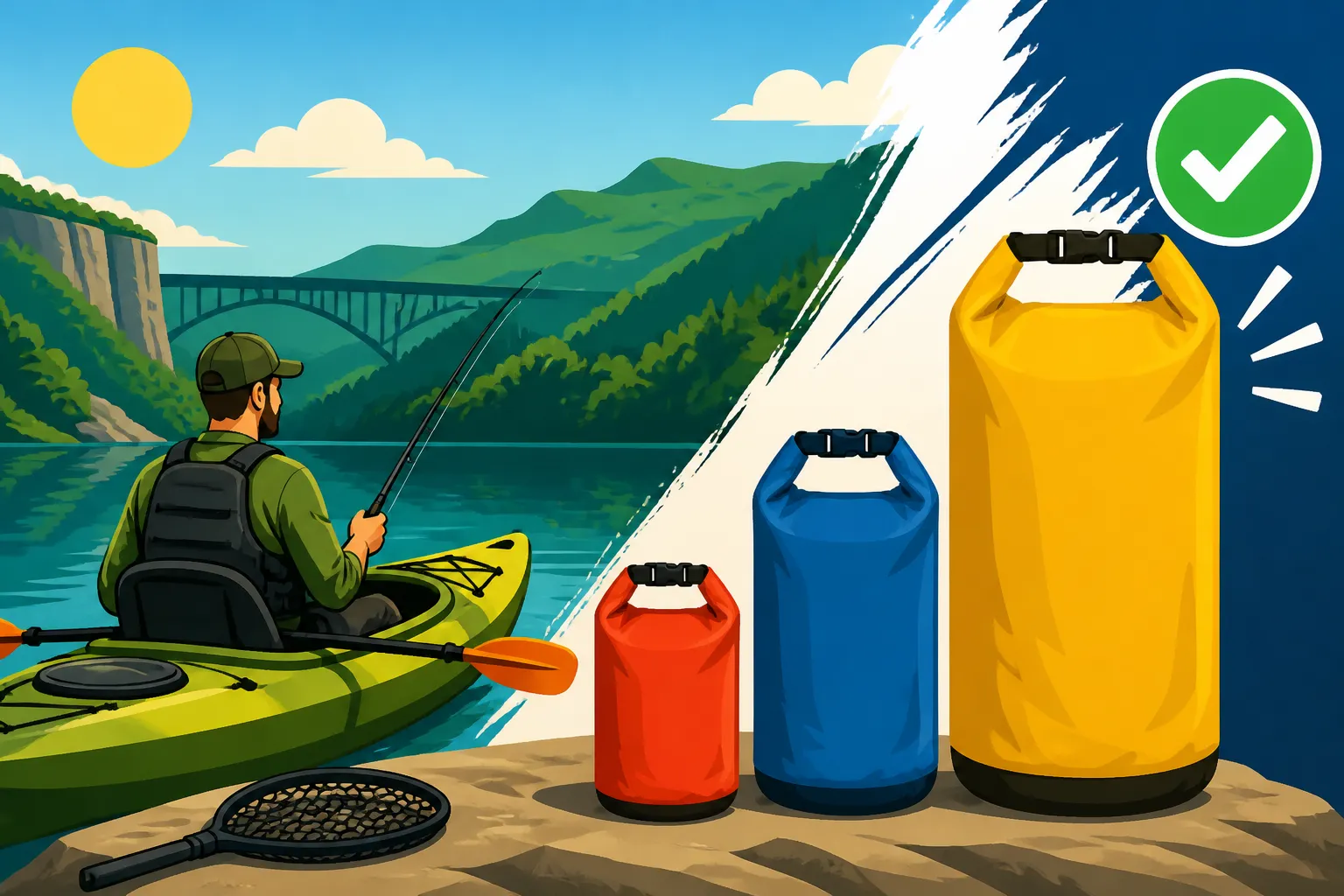
The Low-Volume Essentials: 5 to 10 Liters
These smaller bags are perfect for the absolute bare minimum that must stay dry and can't risk being lost. Think of them as your personal waterproof pocket.
- What fits: A smartphone, keys, wallet, fishing license, a small snack, maybe a slim headlamp. Essentially, items that would fit in a small purse or fanny pack.
- Best for: Anglers whose kayaks have ample integrated dry storage for bulkier items, or those who are truly minimalist and just need to protect their most vital personal effects. They are also excellent as secondary dry bags within a larger one, helping organize small, critical items.
- Considerations: While super portable, these bags fill up fast. You won't be fitting any extra layers or a substantial lunch in here. You can often find compact models suitable for these needs at retailers like Amazon, often in multi-packs, making them a great value.
The Sweet Spot for a Full Day: 15 to 25 Liters
For most West Virginia kayak anglers embarking on a full-day trip, this range is the ideal balance of capacity and portability. It offers enough space for your essentials plus those critical comfort and safety items.
- What fits: All the items from the 5-10L category, plus a lightweight rain jacket, a thin fleece or extra shirt, a decent-sized lunch and a few snacks, a medium-sized first-aid kit, and a compact camera. You might even squeeze in a small, soft-sided tackle pouch or a small pair of binoculars.
- Best for: The vast majority of full-day kayak fishing trips on rivers like the South Branch Potomac or larger lakes like Stonewall Jackson. This size allows you to be well-prepared for varying conditions without having an overly bulky bag that gets in the way of paddling or accessing other gear. Many popular outdoor brands, widely available at Bass Pro Shops and other sporting goods stores, offer excellent options in this size range, with features like shoulder straps for easy portage.
- Considerations: This size can fit comfortably in the stern hatch of many sit-inside kayaks or be secured in the tank well of a sit-on-top without being cumbersome. It's truly the workhorse size for single-person, full-day excursions.
The Generous Helper: 30 to 40 Liters
If you tend to over-pack (and let’s be honest, who doesn’t sometimes?), are fishing in cooler weather, or need to carry items for two, a larger dry bag might be your preference.
- What fits: All the items from the 15-25L range, plus bulkier outer layers (like a heavier fleece or insulated vest), a larger food supply, a bigger tackle organizer, or even a small pair of wading boots if you plan on some wade-fishing breaks. If you're bringing a drone or a DSLR camera with extra lenses, this size will accommodate them. It’s also useful if you plan on bringing a small, soft-sided cooler for drinks.
- Best for: Colder weather fishing, when more layers are needed. Also great if your kayak has limited inherent dry storage, forcing more items into your dry bag. This size can also double as a gear bag for short overnight camping trips, if you ever decide to combine your passion for fishing with a night under the stars.
- Considerations: While more spacious, a 30-40L dry bag can start to feel bulky on smaller kayaks, potentially shifting your center of gravity or getting in the way. Make sure you have a secure spot to lash it down. It’s a fantastic option if you're venturing out in variable weather, say for fall muskie fishing on the Cheat River, where you really need to layer up.
Here's a quick comparison table to help visualize the different capacities:
| Dry Bag Size | Typical Contents for WV Kayak Trip | Best For | Key Considerations |
|---|---|---|---|
| 5-10 Liters | Smartphone, keys, wallet, fishing license, small first-aid kit, energy bar | Minimalist angler, critical electronics only, very small kayaks | Limited to bare essentials, no room for clothing layers or bulky food. |
| 15-25 Liters | All above + rain jacket, light extra layer, substantial lunch/snacks, small tackle pouch, compact camera, water bottle | Most full-day kayak fishing trips, general preparedness | Excellent balance of capacity and portability, fits most needs for a solo angler. |
| 30-40 Liters | All above + bulkier layers, larger food/drink supply, larger tackle box, more camera gear, small wading boots | Colder weather, less kayak storage, shared bag, longer excursions | Can be bulky; ensure secure attachment on your kayak; good for extended trips or more gear-heavy anglers. |
| 40+ Liters | Multi-day camping gear, sleeping bag, change of clothes, larger cooking supplies | Not typically needed for a single full day; more for overnight/expedition | Overkill for a day trip; will likely hinder paddling and maneuverability. |
Beyond Size: Features and Construction for West Virginia Waters
Choosing the right size is half the battle, but the actual construction and features of the dry bag matter immensely, especially when you're dealing with the rugged beauty and sometimes unpredictable conditions of West Virginia.
Roll-Top vs. Zippered Closures
The closure system is your primary line of defense against water.
- Roll-Top Dry Bags: These are the most common and generally most reliable. You typically roll the top edge down three or more times and then secure it with a buckle. This creates a tight, waterproof seal.
- Pros: Highly waterproof, very durable, often more affordable, simple to use. Many models available from brands found at Bass Pro Shops utilize this classic design.
- Cons: Accessing items at the bottom of the bag can be a bit of a hassle as you have to unroll and then re-roll it. Not ideal for frequently accessed items.
- Zippered Dry Bags: These feature heavy-duty, waterproof zippers (like T-Zip or similar designs) that create a submersible seal.
- Pros: Much easier and quicker access to contents. You can open it like a regular bag.
- Cons: Significantly more expensive due to the specialized zipper technology. The zippers require more maintenance (lubrication) to ensure they remain waterproof and functional. Failure of the zipper means a compromised seal.
For a full-day kayak fishing trip, a good quality roll-top dry bag is often the most practical and cost-effective choice. If you frequently need quick access to a specific item, consider using a smaller, secondary dry pouch for that item, perhaps with a clear window for visibility, and keeping it near the top of your main roll-top bag.
Material Matters: Durability and Weight
The material determines how well your dry bag stands up to abrasions, punctures, and the general wear and tear of outdoor life.
- PVC (Polyvinyl Chloride) Coated Fabric: This is a very common and cost-effective material.
- Pros: Extremely durable, highly waterproof, often more rigid, good puncture resistance. Great for throwing into the bottom of a jon boat or strapping to a kayak where it might get scraped.
- Cons: Can be heavier and less pliable in very cold weather. Less environmentally friendly in its production.
- Urethane-Coated Nylon or Polyester: These materials offer a balance of performance.
- Pros: Lighter weight, more flexible, often more compactible when empty. Good abrasion resistance.
- Cons: Potentially less robust against sharp punctures than heavy-duty PVC, though high-denier versions are very tough.
- TPU (Thermoplastic Polyurethane): A newer, often premium material.
- Pros: Excellent abrasion resistance, superior cold-weather flexibility, often more environmentally friendly than PVC.
- Cons: Tends to be the most expensive option.
For West Virginia, where you might be dragging your kayak over rocky put-ins or navigating around submerged timber, a durable PVC or high-denier coated nylon dry bag will offer the best peace of mind. You don't want to worry about a small snag compromising your gear.
Handy External Features
Look for these additions that can enhance usability on the water:
- D-Rings or Lash Points: Absolutely essential for securing your dry bag to your kayak. A loose dry bag is a lost dry bag in a capsize. Make sure your chosen bag has plenty of robust attachment points.
- Shoulder Strap or Backpack Straps: If you need to portage your kayak around rapids or carry your gear to a remote fishing spot, comfortable straps make a huge difference. Imagine having to carry your Best Kayak for the New River plus your gear bag for a short portage; straps are invaluable.
- Clear Windows: Some dry bags feature a clear panel, allowing you to see what’s inside without having to fully open the bag. This can be handy for quickly locating your phone or a specific lure.
- External Pockets: While generally not waterproof, external mesh or zippered pockets can be useful for holding items that you don't mind getting wet but need quick access to, like a used soft plastic bait or an empty snack wrapper.
Smart Packing: Maximizing Space and Accessibility in Your Dry Bag
Simply having the right size dry bag isn't enough; how you pack it can make or break your day. A well-packed dry bag is efficient, keeps your gear protected, and allows for easy access to what you need when you need it.
The Art of Layering: Prioritizing Access
Think about the order in which you’ll need your items throughout the day.
- Top Layer (Quick Access): Items you'll need frequently or immediately. This includes your phone (if you keep it here), sunglasses, sunscreen, a hat, a small snack, and your rain jacket. If that sudden shower hits on the Greenbrier River, you want your rain gear instantly.
- Middle Layer (Mid-Day Needs): Your main lunch, an extra layer of clothing, your first-aid kit, and perhaps your tackle pouch. These are things you'll likely pull out during a mid-day break.
- Bottom Layer (Last Resort/Not Often Needed): Spare socks, personal medications, critical but rarely used items, or heavier items that help stabilize the bag. If you’re planning to do some Wading Techniques for West Virginia Trout Streams, spare dry socks are a lifesaver, but you probably won’t need them until you're already out of the water.
Compression is Your Friend
Once you've loaded your dry bag, don't just buckle it and go. Roll the top down several times, then apply pressure to the bag to force out as much air as possible before fully buckling it shut. This creates a more compact package that takes up less space in your kayak and can even make it more buoyant if it somehow ends up in the water. Many dry bags found on Amazon or Bass Pro Shops are designed with materials that compress nicely.
Inner Organization: Pouch It Up
Even in a dry bag, a jumbled mess can be frustrating. Use smaller, non-waterproof stuff sacks, clear zippered pouches, or even heavy-duty Ziploc bags inside your dry bag to compartmentalize your gear.
- Electronics Pouch: Keep all your phone, charger, and small camera bits together in one dedicated bag.
- First-Aid Pouch: Separate from everything else for quick identification in an emergency.
- Snack Sack: Keeps your food from getting crushed or mixing with other items.
- Clothing Pouch: Keeps your spare clothes neatly folded and easily identifiable.
This strategy helps you find exactly what you're looking for without having to unpack the entire dry bag every time you need something. It’s particularly helpful when you're fumbling around in low light or on choppy water.
Protecting Fragile Items
While dry bags are great for keeping things dry, they don't offer much in the way of padding. If you're carrying fragile items like a camera lens or delicate fishing electronics, wrap them in a soft towel, a spare shirt, or use a padded insert designed for camera gear before placing them in your dry bag.
What Stays Out of the Dry Bag (Usually)
Not everything needs to go into the main dry bag. Some items are better off kept elsewhere:
- Fishing Rods: Obviously, your Best Fishing Rods for West Virginia Rivers won't go in your dry bag! They ride securely on your kayak.
- Paddles: Self-explanatory.
- Dedicated Water Bottles: If they have a good seal and are in a secure holder on your kayak, they don’t need to be in the dry bag.
- Hard-Case Tackle Boxes: Many modern tackle boxes are quite water-resistant. If yours is, and it's securely stowed in a tank well or hatch, it might not need dry bag space.
- Life Jacket: Your Best Life Jacket for River Kayak Fishing is always on you or immediately accessible, not stowed away! It's a key piece of West Virginia Boating Laws for Anglers.
- Items that can easily float away but don't need to be dry: Secure these with a leash! Think small landing nets or fishing pliers that you use constantly.
By carefully considering your gear, understanding dry bag capacities, and employing smart packing strategies, you'll be well-equipped for any full-day kayak fishing adventure across West Virginia's magnificent waters. A little planning goes a long way in keeping your day on the water enjoyable, safe, and most importantly, dry!
Disclaimer
This article is for general informational purposes only and does not constitute professional advice. Laws, prices and regulations vary by location and change over time. Consult a qualified professional for guidance on your specific situation.