Best drift boat length for the New River
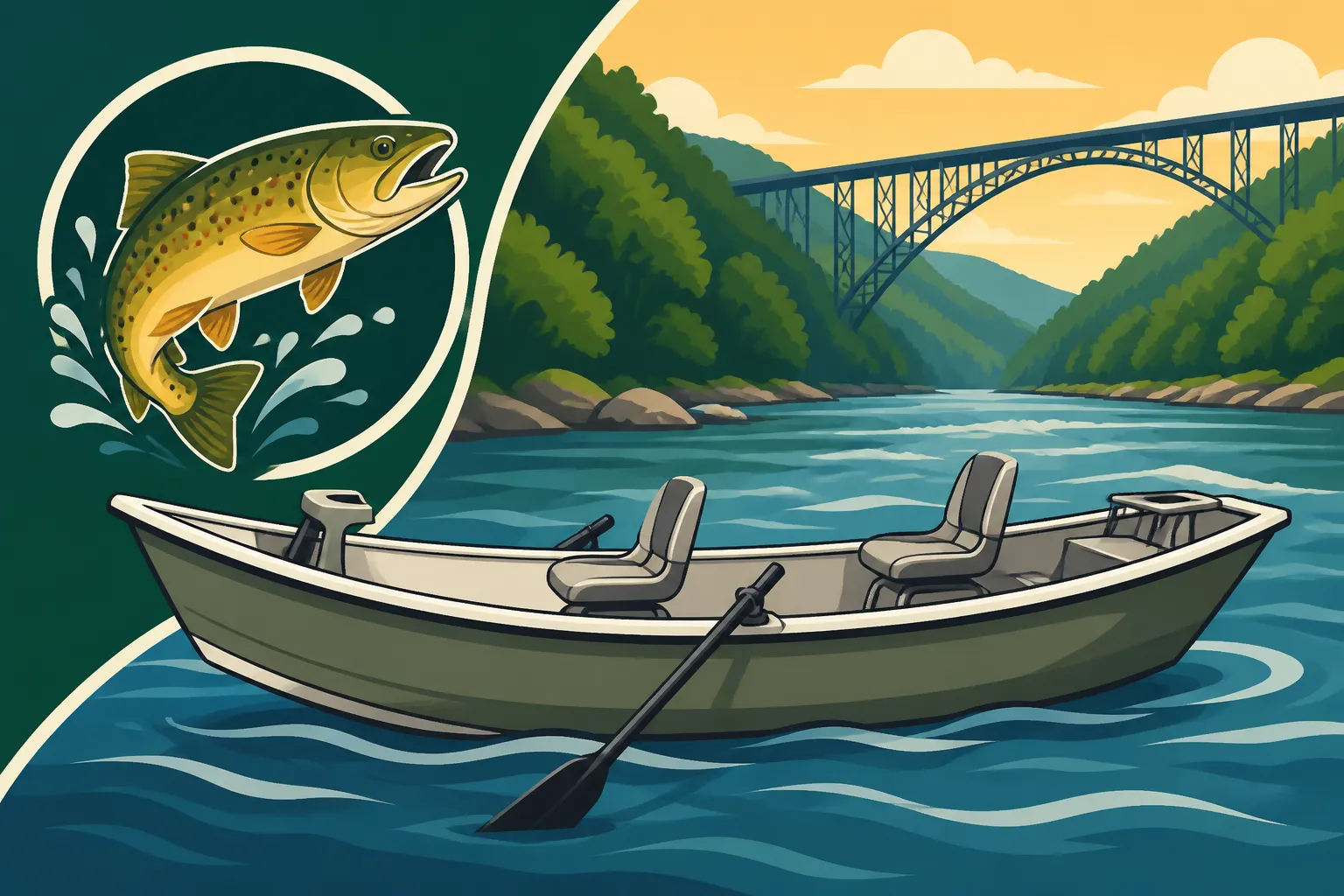
One of the biggest head-scratchers for anglers dreaming of tackling West Virginia's legendary New River is figuring out the perfect drift boat. It's not just about getting a boat; it's about getting the right boat that can handle everything from calm stretches to challenging rapids while still giving you the space and stability you need for a successful day on the water. This comprehensive guide will help you navigate the nuances of drift boat length, ensuring you make an informed choice that enhances your New River fishing adventures.
The New River's Unique Character: Why Length Matters Here
The New River isn't just any river; it's an ancient, powerful, and incredibly diverse waterway that demands respect and the right equipment. From its relatively gentle upper sections to the roaring rapids of the New River Gorge, its character shifts dramatically. This variability is precisely why the length of your drift boat isn't a minor detail, but a critical factor influencing safety, maneuverability, and overall enjoyment. You're not just floating; you're actively engaging with a dynamic environment, and your boat needs to be an extension of your intentions.
Navigating Shallowness and Rapids
Anyone who's spent time on the New River knows it has its fair share of shallow riffles, especially during lower water flows, interspersed with formidable rapids. A boat that's too long can become a cumbersome beast in these skinny water sections, grounding out more easily or struggling to pivot around exposed rocks. Imagine trying to navigate a tight, rocky channel when your boat feels like a stretched-out noodle, constantly catching on submerged ledges. On the flip side, rapids demand a boat that tracks well and offers a degree of stability without being so long that it becomes difficult to turn quickly when you need to avoid a hydraulic or a massive boulder. It's a delicate balance, and the wrong length can turn a thrilling ride into a harrowing experience. The river's ever-changing depth and current speed mean your boat needs to adapt, and length plays a huge role in that adaptability.
Managing Current and Obstacles
The New River's current can range from a gentle drift to powerful, swift-moving water, especially after heavy rains or through constricted areas. A shorter boat, while incredibly nimble, can sometimes feel like it's being tossed around more by strong currents, making it harder to hold a line or make precise drifts. Conversely, a much longer boat, while potentially more stable in a straight line, can become a handful to steer in tight spots or when you need to make sudden corrections to avoid fallen trees, rock gardens, or submerged hazards. The eddies and currents are often complex, pulling in different directions. Your drift boat's length directly impacts how much "bite" the water has on the hull, affecting your ability to slow down, speed up, or reposition quickly to present a fly or lure to a promising seam. This management of current and obstacles is paramount for both successful fishing and safe navigation, especially when you're focusing on productive spots like those detailed in a New River Gorge Fishing Guide.
Understanding Drift Boat Length Categories and Their New River Suitability
When you start looking at drift boats, you'll quickly notice they come in a range of lengths, typically from about 14 feet up to 20 feet or more. Each category has its own strengths and weaknesses, and understanding these can help you pinpoint the ideal fit for your New River adventures. There's no single "best" length for everyone, because your personal fishing style, the number of people you typically bring, and the specific sections of the river you plan to fish all factor into the equation.
Shorter Boats (14-16 Feet) for Agility
Shorter drift boats, generally in the 14 to 16-foot range, are the undisputed champions of agility. These boats are incredibly responsive, making them a joy to maneuver in technical, rock-strewn rapids or through narrow channels. If you're often fishing smaller, more intimate sections of the New River, or if you prefer solo trips or with just one other angler, a shorter boat offers unparalleled control. They tend to be lighter, which can be a huge advantage when dragging them over shallow spots or trying to launch and retrieve in less-than-ideal access points. Think of them as the sports cars of the drift boat world – quick, responsive, and fun to drive. However, this agility comes with trade-offs. They typically have less storage space, which means packing light is a must. In larger, more open water or bigger rapids, they can feel a bit less stable, and more susceptible to being pushed around by strong winds or powerful currents. For dedicated New River Smallmouth Bass Fishing where precise casts and quick repositioning are key, a shorter boat might be your go-to.
Mid-Range Boats (17-18 Feet) for Balance
The 17 to 18-foot drift boats are often considered the sweet spot for many anglers, especially those looking for a versatile vessel capable of handling the New River's diverse conditions. These boats strike an excellent balance between maneuverability and stability. They're still nimble enough to navigate most rapids without feeling sluggish, but they offer increased stability in rough water and more internal space for gear and passengers compared to their shorter counterparts. If you frequently fish with two or three people, or you like to carry a good amount of tackle, a cooler, and perhaps some camping gear for longer trips, this length provides the necessary capacity without becoming overly cumbersome. This category is often the workhorse for guides who need a reliable boat that performs well across a broad spectrum of river conditions and client needs. You'll find these boats are a common sight, offering a comfortable ride and sufficient casting platforms for multiple anglers. When researching Best Boats for West Virginia Rivers and Lakes, you'll likely see this length range highlighted for its versatility.
Longer Boats (19+ Feet) and Their Limitations
At the other end of the spectrum are the longer drift boats, those measuring 19 feet or more. These boats are built for maximum stability, capacity, and often, comfort. In very large, open rivers or for multi-day expeditions where you need to carry a substantial amount of gear, camping equipment, and several passengers, a longer boat truly shines. They track incredibly well in a straight line and offer a remarkably smooth ride in choppy water, making them ideal for covering long distances with minimal effort.
However, the New River's specific characteristics often impose significant limitations on these longer vessels. Their sheer size can make them much harder to maneuver in tight rapids, shallow sections, or around the countless rock gardens that characterize many parts of the river. Launching and retrieving can become a logistical challenge, as they require more space and deeper water at boat ramps. Imagine trying to pivot a 20-foot boat quickly to avoid a sudden obstacle in a swift current – it demands a lot more effort and anticipation. They are also heavier, requiring more robust trailers and vehicles to haul. While they offer superior comfort and space, the added length can detract from the agile, responsive feel that many anglers value when navigating the New River's technical fishing water.
Practical Considerations for Choosing Your New River Drift Boat Length
Beyond just how a boat performs on the water, there are a host of practical considerations that should heavily influence your decision on drift boat length for the New River. These factors touch on everything from your personal fishing habits to the logistics of owning and transporting such a vessel. Ignoring these can lead to buyer's remorse, or worse, an unsafe or frustrating experience on the water.
Your Fishing Style and Passenger Needs
How you fish and who you fish with are paramount in determining the ideal boat length. Are you primarily a solo angler who enjoys the peace and quiet of the river, perhaps focused on Fly Fishing for Trout in West Virginia in the smaller tributaries or less crowded sections of the New? A shorter, more agile boat might be perfect for you, allowing you to access remote areas and maneuver with ease. Do you frequently bring your spouse, a couple of fishing buddies, or your kids? Then you'll need more deck space, seating, and storage. A mid-range boat typically offers comfortable seating for three people (two anglers and a rower) and enough room for their gear. If you're envisioning guided trips with clients or regularly taking out a larger group, a longer boat might seem appealing for its capacity, but remember the New River's specific challenges. Consider the dynamics of casting from the boat – shorter boats can feel cramped with multiple anglers actively fishing, while mid-range options provide enough separation to avoid tangled lines and elbows.
Launch and Take-Out Access Challenges
The New River, particularly within the Gorge, has a mix of established boat ramps and more primitive, challenging access points. Many of the most desirable fishing sections might require navigating steep, uneven, or rocky put-ins and take-outs. A shorter, lighter drift boat will inherently be easier to manage in these situations. You can more easily back a smaller trailer down a tight path or even muscle a lighter boat off a trailer by hand if necessary. With a longer, heavier boat, you become far more dependent on well-maintained, spacious ramps and a robust tow vehicle. Imagine arriving at a prime spot only to find the access is too steep or the turnaround too tight for your oversized rig. It's a frustrating scenario many anglers face. Always scout your planned launch and take-out points in advance, or consult with local experts to understand the practicalities of getting your chosen boat in and out of the water.
Storage, Hauling, and Budget Realities
Let's be honest, a drift boat is a significant investment, and its length directly impacts other costs and logistics. A longer boat requires more storage space, whether that's in your garage, driveway, or a paid storage facility. It also means a larger, heavier trailer, which translates to a more powerful (and likely more fuel-thirsty) tow vehicle. Consider the entire package: the boat, the trailer, and the vehicle capable of safely hauling it, especially over mountainous West Virginia roads. Maintenance, insurance, and even accessories like a proper Best Boat Cover for Winter Storage will often scale with boat size. If you're a DIY enthusiast who likes to work on your gear, a smaller boat might be easier to manage in your workspace. Conversely, if budget is a primary concern, a shorter boat will almost always have a lower initial purchase price and lower ongoing costs. You can often find great deals on accessories and maintenance items through retailers like Amazon or for larger components at outdoor specialists like Bass Pro Shops.
Balancing Stability, Maneuverability, and Capacity
Ultimately, choosing the best drift boat length for the New River boils down to finding the sweet spot where stability, maneuverability, and capacity align with your specific needs. It's a three-legged stool, and if one leg is too short or too long, your experience will be off-balance. The New River’s diverse nature means that different sections might favor one aspect over another, making the "perfect" choice a highly personal one.
Stability in Rough Water
The New River can serve up some genuinely rough water, especially in the rapids of the Gorge or during periods of high flow. When you're in the middle of a big wave train, stability isn't just about comfort; it's about safety. Longer, wider boats generally offer greater inherent stability, providing a more confident and less jarring ride through whitewater. This larger footprint helps them ride over waves rather than punching through them, reducing the chance of taking on water or throwing anglers off balance. For anglers who prioritize a smooth, secure ride and perhaps aren't as concerned with tight, technical maneuvers, the added stability of a longer boat can be a significant advantage. This stability also translates to a more comfortable fishing platform, reducing fatigue over a long day. You'll want to ensure you have proper Life Jacket Requirements for West Virginia Boaters covered, regardless of your boat's stability.
Maneuverability for Technical Sections
While stability is crucial, the New River also throws plenty of curveballs in the form of technical sections where precise boat control is paramount. Think about tight turns, eddy lines, rock gardens, and needing to quickly shift position to present a fly. This is where maneuverability becomes king. Shorter boats, with their reduced swing weight and smaller wetted surface area, can pivot on a dime. They are easier to pull into small eddies, navigate around tricky obstacles, and hold a precise drift in complex currents. If your fishing style involves lots of short, targeted drifts and quick adjustments, or if you plan to explore many of the more intricate, less accessible sections of the river, a highly maneuverable, shorter boat will be your best friend. This responsiveness also contributes to a more engaging and active rowing experience, which many drift boat enthusiasts cherish.
Capacity for Gear and Companions
Finally, consider the capacity your drift boat needs to offer. It's not just about how many people can sit in the boat, but also how much gear you can comfortably and safely store. A typical day trip might involve fishing rods (several, if you're like me!), tackle boxes, a cooler with lunch and drinks, dry bags for extra layers, a first-aid kit, and perhaps even a camera. If you plan on multi-day trips, that list expands dramatically to include tents, sleeping bags, cooking gear, and more.
| Drift Boat Length Range | Primary Advantage on New River | Key Consideration | Ideal for |
|---|---|---|---|
| 14-16 Feet | Exceptional agility in rapids | Limited capacity, less stable in big water | Solo or two anglers, technical sections, tight access |
| 17-18 Feet | Balanced stability and maneuverability | Good all-around performance, moderate capacity | Two to three anglers, diverse river conditions, overnight trips |
| 19+ Feet | Maximum stability and storage capacity | Challenging to maneuver in tight spots, difficult access | Multiple passengers, long floats, large gear hauls on more open rivers |
A boat that's too small will force you to leave essential gear behind or create a cramped, cluttered fishing environment, which can be both annoying and unsafe. On the other hand, a boat that's excessively long for your typical load might be overkill, making it harder to handle without utilizing its full capacity. The 17-18 foot range often hits a sweet spot here, offering ample dry storage and comfortable seating for a standard fishing party without feeling like you're piloting a barge. When considering the Best Tackle Box Setup for West Virginia Anglers, you'll want to ensure it fits comfortably within your boat's storage. Remember that proper weight distribution is crucial for safety and performance, regardless of your boat's length.
Disclaimer
This article is for general informational purposes only and does not constitute professional advice. Laws, prices and regulations vary by location and change over time. Consult a qualified professional for guidance on your specific situation.