Best Cooler for a Fishing Boat
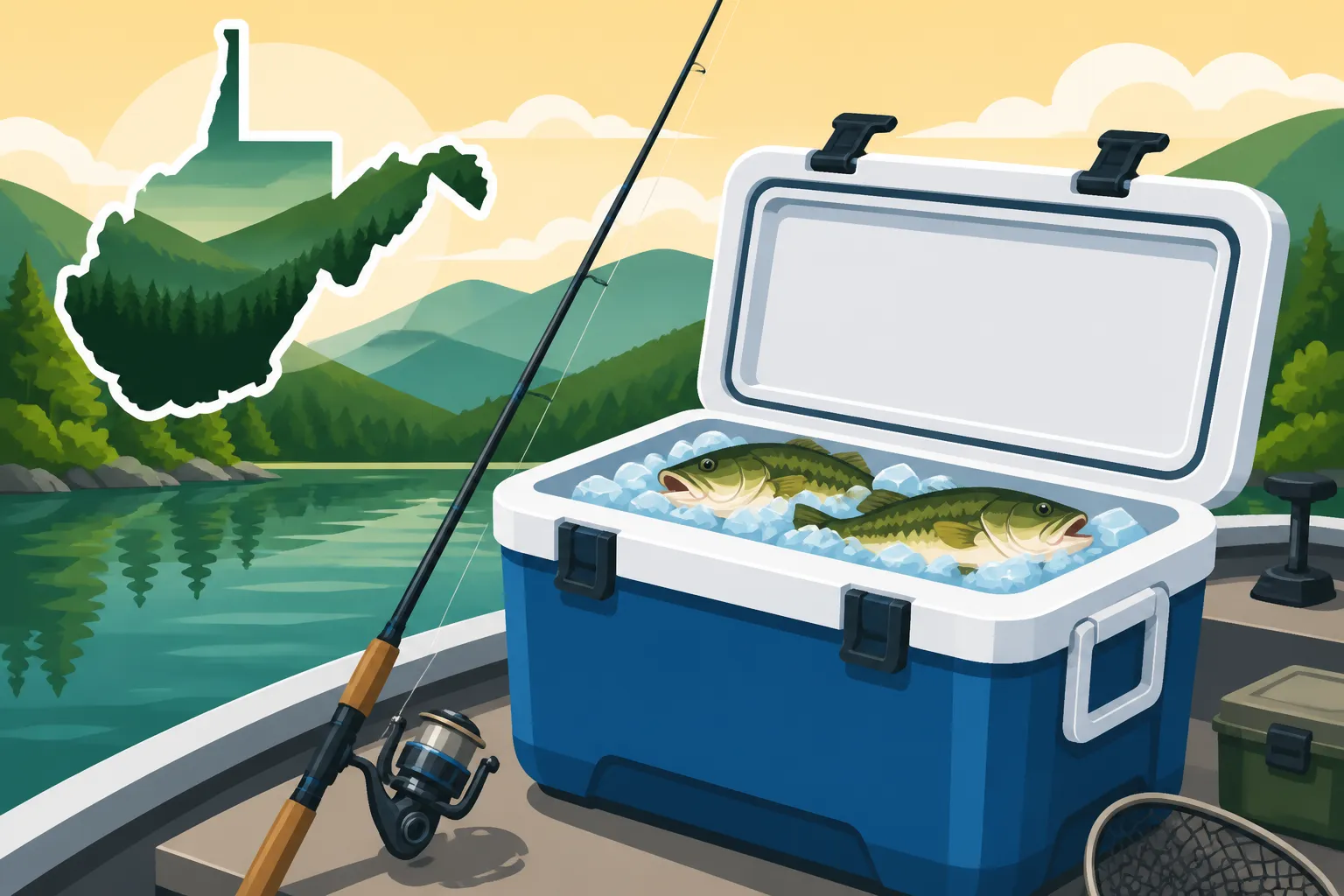
Oh, the humble cooler! It might not be the flashiest piece of gear on your fishing boat, but let me tell you, a good one can make or break a day out on West Virginia's waters. There's nothing worse than reeling in a beautiful smallmouth from the New River, only to find your ice has melted into a lukewarm puddle, or your snacks are swimming in tepid water. Or maybe you're out on Summersville Lake, hoping for some walleye, and your sandwiches turn soggy before lunchtime. It's a real frustration, and it takes away from the pure joy of being out there. This guide is all about helping you navigate the world of fishing boat coolers, ensuring your catch stays fresh, your drinks stay cold, and your adventures on West Virginia's lakes and rivers are as comfortable as possible.
Why a Good Cooler is Non-Negotiable for West Virginia Anglers
When you're out on the water, whether you're navigating the strong currents of the Kanawha River or enjoying the calmer stretches of a state park lake, your cooler is doing double duty. It's not just a box; it's a vital piece of your fishing ecosystem. We've all been there – a cooler that leaks, fails to keep ice, or simply isn't robust enough for the demands of a day trip or an extended weekend adventure. In West Virginia, where the weather can shift from a crisp morning to a blazing afternoon, a reliable cooler isn't just a luxury, it's a necessity.
Beyond Keeping Your Catch Fresh
While preserving your hard-earned catch is, of course, a primary function of any good fishing cooler, its role extends far beyond that. Think about your provisions: cold drinks, sandwiches, snacks, maybe even some specific bait you need to keep chilled. A well-insulated cooler ensures that your hydration stays frosty on a hot summer day while pursuing How to Catch Smallmouth Bass in West Virginia Rivers, and your lunch doesn't become questionable by midday. It protects your supplies from the elements, too. A sturdy cooler provides a dry, secure place for items that shouldn't get wet, and some even double as a comfortable extra seat on your boat, which can be invaluable on smaller vessels where space is at a premium. It's about maintaining comfort and safety throughout your trip.
The Battle Against the Mountain State Heat
West Virginia summers can be absolutely gorgeous, but they can also bring intense heat and humidity, especially in the river valleys. A cheap, poorly insulated cooler simply won't stand a chance against these conditions, especially if you're out for a full day of fishing. Imagine starting your day with a full cooler of ice, only to find it's mostly water by lunchtime, leaving your prized trout or walleye exposed to rising temperatures. This isn't just an inconvenience; it can impact the quality and safety of your fish. The demands on a cooler in July on the Ohio River are vastly different from a cool spring morning on the Cranberry River, but a good cooler should be able to handle both. Investing in a quality cooler means less worry about ice, more focus on fishing, and a guarantee that your beverages and bounty remain perfectly chilled, no matter how long the sun beats down.
Key Factors When Choosing a Fishing Boat Cooler
Choosing the right cooler for your fishing boat isn't about grabbing the first one you see. It involves a bit of thought, considering how and where you fish in West Virginia. Just like you wouldn't use a muskie rod to catch panfish, you shouldn't use a tiny picnic cooler for a multi-day trip on the Greenbrier River. There are specific characteristics that define a truly great fishing boat cooler, and understanding them will help you make the best choice for your needs.
Size and Capacity: More Than Just Gallons
The size and capacity of your cooler are probably the first things you'll consider, and for good reason. It needs to fit comfortably on your boat without impeding movement, yet be large enough to hold everything you need. Think about the typical duration of your fishing trips. Are you usually out for a few hours, a full day, or overnight? For shorter trips, a smaller, more portable cooler might be sufficient. But if you're planning longer excursions, perhaps to chase big catfish on the Ohio River or spend a weekend camping and fishing, you'll need something considerably larger.
Consider not just the volume in quarts or gallons, but also the internal dimensions. Can it accommodate a trophy-sized Muskie Fishing in West Virginia without bending its tail? Will it hold enough drinks for everyone on board, plus your bait and catch? It’s a balancing act. Too small, and you're making multiple trips or compromising on what you bring. Too large, and it becomes unwieldy, takes up too much valuable deck space, and is harder to move when full. Think about the types of fish you typically target and their average sizes. A cooler that's perfect for a limit of trout might be completely inadequate for a legal muskie.
Insulation Performance: The Heart of the Cooler
This is where the rubber meets the road. A cooler's ability to retain ice is its most critical feature, especially when the mercury climbs during those peak Best Time of Year to Fish in West Virginia months. Superior insulation means thicker walls, usually filled with pressure-injected polyurethane foam. This is what separates the casual picnic cooler from a serious fishing cooler. Look for brands known for their ice retention capabilities; these often use construction methods that minimize heat transfer, keeping the cold in and the heat out for days, not just hours.
Beyond the foam, consider the gasket around the lid. A freezer-grade gasket creates an airtight seal, preventing cold air from escaping and warm air from entering. Latches also play a role here; robust, easy-to-operate latches ensure the lid stays securely shut and the seal remains tight, even when bouncing over waves or trailering your boat. A cooler with excellent insulation means you can use less ice, which translates to more space for your catch and provisions, and less money spent on bags of ice throughout your trip.
Durability and Construction: Built for the Bumps and Brews
Fishing boats, especially those on rivers like the New River Gorge, can be rough environments. Gear gets dropped, coolers get slid around, and they're constantly exposed to sun, water, and fish slime. You need a cooler that can take a beating and keep on chilling. This is where construction materials and techniques come into play.
- Rotomolded construction (rotational molding) is the gold standard for high-end coolers. This process creates a single, seamless piece of plastic for the cooler body and lid, making them incredibly strong, impact-resistant, and virtually indestructible. These coolers are designed to withstand years of abuse, from being dropped off tailgates to serving as a casting platform.
- Heavy-duty hinges are another often-overlooked feature. Cheap plastic hinges are usually the first thing to break. Look for integrated, full-length hinges or heavy-duty stainless steel hinge pins that can handle repeated opening and closing under duress.
- Rugged latches are also key. While simple bungee latches are common, more serious coolers feature T-handle rubber latches or cam-action latches that pull the lid down tight and are built to last. A cooler that can endure the demands of West Virginia fishing trips is an investment that pays off in reliability and peace of mind.
Portability and Features: Making Life Easier on the Water
While durability and insulation are crucial, a good fishing cooler also needs to be practical to use on a boat. Think about how you'll get it to and from your vehicle, load it onto your boat, and move it around once you're on the water.
- Handles: Comfortable, strong handles are essential. Rope handles with rubber grips are common on larger coolers, making them easier to carry with two people. Smaller coolers might have molded-in handles or sturdy swing-up handles.
- Non-slip feet: On a wet boat deck, a cooler sliding around can be a real hazard. Rubber non-slip feet or pads keep your cooler securely in place, even in choppy water or during quick maneuvers.
- Drainage: A large, easy-to-use drain plug is a blessing. It allows you to quickly empty meltwater without having to tip the entire cooler, which can be impossible when it's full and heavy. Some coolers even feature a garden hose attachment for easy cleaning and drainage.
- Lid features: Some cooler lids come with integrated rulers for measuring your catch, cup holders, or even textured surfaces that make them ideal for standing or sitting. These thoughtful additions can really enhance your on-the-water experience. When you're browsing coolers, whether at your local Bass Pro Shops or online through Amazon, pay close attention to these small but significant details. They often determine the overall user-friendliness of the cooler in a real-world fishing scenario.
Types of Coolers for Different West Virginia Fishing Scenarios
Just like there are different types of boats for different fishing adventures in West Virginia, there are also various cooler designs tailored to specific needs. Understanding the pros and cons of each type will help you match your cooler to your particular fishing style and the kind of waters you frequent. From the rugged mountain rivers to the expansive lakes, each environment might call for a slightly different approach.
Rotomolded Coolers: The Gold Standard for Serious Anglers
When you hear people talk about high-performance fishing coolers, they're almost certainly referring to rotomolded coolers. These are the heavyweights, literally and figuratively, of the cooler world. Their construction process makes them incredibly durable and provides exceptional insulation, often boasting ice retention for several days, or even a week, under ideal conditions.
- Pros: Unmatched durability, superior ice retention, often come with premium features like freezer-grade gaskets, heavy-duty latches, and non-slip feet. Many are bear-resistant certified, meaning they can withstand quite a bit of abuse. They can often double as a sturdy casting platform or seat, which is a huge plus on a smaller Best Boats for West Virginia Rivers and Lakes setup. If you're planning multi-day trips or need to keep a large catch fresh for an extended period, these are your best bet.
- Cons: They are generally the most expensive option. Their robust construction also makes them heavier and bulkier than other types, even when empty, which can be a consideration if you're frequently moving your cooler or have limited space on a smaller craft like a kayak. Best Kayaks for West Virginia Fishing anglers might find them a bit cumbersome unless they have a very stable, large fishing kayak. However, for serious anglers who demand the best and prioritize reliability, the investment in a rotomolded cooler is often well worth it.
Hard-Sided Coolers: Versatility and Value
Traditional hard-sided coolers, often made with blow-molded or injection-molded plastic, offer a great balance of performance, durability, and affordability for many West Virginia anglers. While they may not match the extreme ice retention of rotomolded models, many modern designs still offer excellent insulation for day trips and weekend excursions.
- Pros: Generally lighter and less expensive than rotomolded coolers, making them a popular choice for anglers who need good performance without breaking the bank. They come in a vast array of sizes and features, making it easy to find one that fits your boat and budget. Many offer respectable ice retention, often keeping things cold for 24-48 hours. They're excellent for everyday use, family outings, and shorter fishing trips where extreme ice retention isn't the absolute top priority. You'll find a wide selection of these at retailers like Bass Pro Shops.
- Cons: Typically not as durable as rotomolded coolers, with plastic hinges and latches that can be prone to breaking over time. Insulation might not be as thick or as efficient, meaning shorter ice retention, especially in hot conditions. However, for the average angler enjoying a day on Summersville Lake Fishing Guide or targeting trout in a local stream, a good quality hard-sided cooler provides plenty of functionality and value.
Soft-Sided Coolers and Cooler Bags: Lightweight and Convenient
For those who prioritize portability and convenience, especially on smaller boats, kayaks, or short bank-fishing trips, soft-sided coolers and insulated bags are fantastic options. While they won't hold ice for days on end, their lightweight design and flexibility make them incredibly practical.
- Pros: Extremely lightweight and easy to carry, often with shoulder straps or comfortable handles. They are more flexible, allowing them to fit into tight spaces on a crowded boat or kayak. Many models are surprisingly tough, made from puncture-resistant fabrics and featuring good zippers. They are perfect for carrying drinks, snacks, and a limited catch for a few hours. Some can even be folded or compressed for easy storage when not in use. For quick trips or when space is extremely limited, such as on a float down the Greenbrier River, a high-quality soft-sided cooler can be indispensable. Amazon offers a huge variety of these.
- Cons: Ice retention is significantly less than hard-sided or rotomolded coolers, usually only lasting for a day or less. They are not as durable or protective against crushing, meaning you can't stand or sit on them. Cleaning can also be more challenging than with a smooth plastic interior. They're generally not suitable for large fish or extended trips where serious ice retention is required, but for packing a lunch and a few drinks for a morning of Fly Fishing for Trout in West Virginia, they're ideal.
| Cooler Type | Primary Use Case | Ice Retention (General) | Durability | Portability | Typical Cost Range |
|---|---|---|---|---|---|
| Rotomolded | Serious anglers, multi-day trips, large catch | 3-7+ days | Excellent | Low | Higher |
| Hard-Sided | Day trips, weekenders, general boating | 1-3 days | Good | Medium | Medium |
| Soft-Sided/Bag | Short trips, kayaks, bank fishing, lunch/drinks | 6-24 hours | Fair to Good | High | Lower |
Features That Make a Difference for Anglers
Beyond the basic type and insulation, some specific features can really elevate a cooler from just a box to an indispensable piece of fishing gear. These are the details that show a cooler was designed with the angler in mind, addressing common frustrations and enhancing the overall experience on the water.
Drainage Systems and Cleanliness
You've just had an epic day catching a limit of West Virginia Walleye Daily and Possession Limits on Tygart Lake, and your cooler is full of fish and meltwater. Now comes the chore of cleaning. A well-designed drainage system makes this task infinitely easier.
- Large-diameter drain plugs: Look for drain plugs that are large enough to allow for fast draining, even if there are some ice chunks or small debris inside. Small, fiddly plugs can be a real pain.
- Recessed drains: A drain plug that is slightly recessed helps protect it from accidental bumps or snags on the boat deck, reducing the chance of breakage or leaks.
- Angled bottom interiors: Some premium coolers are designed with a slight internal angle towards the drain plug, ensuring that every last drop of water flows out without you having to tilt the cooler excessively. This is a game-changer when you're cleaning up after a long day.
- Antimicrobial liners: Nobody wants a smelly cooler. Some coolers feature antimicrobial liners that resist mold, mildew, and bacterial growth, keeping your cooler fresher and easier to clean. When you're dealing with fish, bait, and a wet environment, this is a huge plus for hygiene and preventing lingering odors.
Tie-Down Points and Non-Slip Feet
Safety and stability are paramount on any fishing boat, especially when you're navigating choppy waters or making quick turns on a river like the New River. A cooler that slides around can be dangerous, not only potentially falling overboard but also tripping someone.
- Integrated tie-down points: Many fishing-specific coolers include molded-in or reinforced slots that allow you to securely strap the cooler to your boat. This prevents it from shifting during transit or while on the water. Using a good set of cam straps or bungee cords through these points can ensure your cooler stays put, even in rough conditions. This is particularly important for larger, heavier rotomolded coolers that could cause significant damage if they came loose.
- Non-slip rubber feet: As mentioned before, these are crucial. They provide grip on wet, slick boat decks, ensuring your cooler stays exactly where you placed it. Some designs even allow you to remove these feet for certain applications, but for most boat fishing, you'll want them firmly attached. They absorb some shock and vibration, too, helping to protect your cooler's contents.
Integrated Accessories: From Cup Holders to Cutting Boards
Some coolers come with clever integrated features that add convenience and maximize space on your boat. These thoughtful additions can turn a basic cooler into a multi-functional hub.
- Lid-mounted rulers: A ruler molded directly into the lid is incredibly useful for quickly measuring your catch to ensure it meets West Virginia Fishing Regulations Explained before you decide to keep or release it. No more fumbling for a separate measuring tape!
- Built-in cup holders: Simple, but effective. These provide a stable spot for drinks, preventing spills on your boat deck. They're great for holding a morning coffee or an afternoon cold drink.
- Accessory slots and attachments: Some coolers feature integrated slots or ports that allow you to attach various accessories, such as rod holders, cup holders, or even bait trays. This modularity can be really beneficial for customizing your setup.
- Cutting board lids: Certain coolers offer lids designed to double as a cutting board, which is fantastic for preparing bait or even filleting smaller fish on the spot, though you'll want to be mindful of cleanliness if you're also using it for food or drinks. These types of versatile features mean less clutter on your boat and more efficient use of your gear.
Cooler Care and Maintenance for Longevity
Investing in a good fishing cooler for your West Virginia adventures is just the first step. To ensure it performs at its best for years to come and always keeps your catch and provisions fresh, proper care and maintenance are essential. A little effort goes a long way in maximizing its lifespan and preventing those dreaded smells or lingering fish odors.
Pre-Chilling for Peak Performance
This is one of the most overlooked, yet most effective, ways to boost your cooler's ice retention. Think about it: if you load ice into a warm cooler, a significant portion of that ice will immediately melt just bringing the cooler's internal temperature down.
- The night before: The best practice is to pre-chill your cooler the night before your trip. Simply add a bag or two of sacrificial ice, or some frozen water bottles, and close the lid. Let it sit overnight. This brings the cooler's walls and insulation down to temperature.
- Frozen packs or jugs: For even better results, consider freezing plastic jugs of water or using reusable ice packs. These don't melt into a watery mess and can be refrozen for endless use.
- Minimize air exposure: Once pre-chilled, try to keep the lid closed as much as possible. Every time you open it, warm air rushes in, forcing your ice to work harder. By starting with a cold cooler, your main ice supply will last significantly longer, giving you more peace of mind whether you're out chasing Muskie Growth Rate to Trophy Size or just enjoying a quiet afternoon.
Cleaning and Storage Best Practices
After a successful day of fishing, your cooler is likely to be a bit messy. Proper cleaning is key to preventing odors, mold, and mildew, and ensuring your cooler is ready for its next outing.
- Immediate rinse: As soon as you get home, empty any remaining ice, water, and fish guts. Give the cooler a good rinse with a garden hose, paying attention to the drain plug area.
- Soap and water wash: Use warm, soapy water (dish soap works fine) and a sponge or brush to thoroughly scrub the interior and exterior. For stubborn stains or smells, a solution of baking soda and water or a mild bleach solution (one part bleach to ten parts water) can work wonders. Be sure to scrub the gasket and latches too.
- Air dry completely: This is crucial. After washing, prop the lid open and allow the cooler to air dry completely, preferably in the sun, before closing it or storing it. Trapping moisture inside a closed cooler is an invitation for mold and mildew to grow, leading to unpleasant odors that are very difficult to get rid of.
- Proper storage: Store your cooler with the lid slightly ajar to allow for air circulation. This prevents stale air from building up and keeps the interior fresh. Store it in a cool, dry place, away from direct sunlight, which can degrade plastics over time. Following these simple steps will keep your cooler in top shape, ready for countless future adventures on West Virginia's beautiful waterways.
Integrating Your Cooler into Your West Virginia Fishing Setup
A great cooler is only truly great if it integrates seamlessly into your overall fishing setup. It's not just about what cooler you choose, but how you use it and where you place it on your boat. Thoughtful integration can improve safety, efficiency, and overall enjoyment of your time on West Virginia's lakes and rivers.
Placement and Accessibility on Your Boat
The layout of your boat will dictate the best placement for your cooler. Space is often at a premium, especially on smaller craft.
- Stability first: Always prioritize stability. A full cooler can be surprisingly heavy, and its weight can affect your boat's balance. Place it in a location where it won't shift easily, ideally against a bulkhead or in a dedicated cooler space. Using the aforementioned tie-down points is crucial here to prevent it from becoming a projectile in rough water.
- Accessibility: You'll want to be able to access your drinks, snacks, and especially your fish without performing gymnastics. Consider a spot that's out of the way of casting lines but still within easy reach. For instance, on many center console boats, coolers often sit forward of the console or under the leaning post. On a smaller jon boat, it might be tucked against a seat or transom. If you're using a cooler as an extra seat, make sure it's in a location where sitting won't obstruct critical boat operations. Think about how many people will be on board and how often the cooler will need to be opened.
- Sun exposure: While a good cooler can handle the sun, prolonged direct exposure will still challenge its ice retention. If possible, place your cooler in a shaded area or use a boat cover or Bimini top to shield it from the harshest rays. For more on optimizing your vessel, check out Best Boats for West Virginia Rivers and Lakes.
Packing Strategies for Optimal Ice Retention
How you pack your cooler is almost as important as the cooler itself when it comes to keeping things cold. There are smart ways to arrange your contents to maximize ice life and efficiency.
- Ice choice: Block ice melts slower than cubed ice, so if you can find it, use a layer of block ice on the bottom. Then, layer your items with cubed ice filling in the gaps. Frozen water bottles or gel packs are also excellent, as they don't create watery mess.
- Layering: Place items you'll access less frequently (like extra bait or ingredients for dinner) at the bottom, covered by ice. Items you'll need often (drinks, snacks) should be near the top. This minimizes how long the lid needs to be open when you grab something.
- Fill it up: A full cooler performs better than a partially empty one, as there's less air space for heat to transfer into. If you have extra space, fill it with additional ice, crumpled newspaper, or even towels to reduce air pockets.
- Drain sparingly: While a drain plug is convenient, don't drain the meltwater too often if you're trying to maximize ice retention. Cold water helps to insulate the remaining ice. Only drain when the water level is high enough to submerge your items or when you're preparing to add more ice. Understanding these packing nuances, combined with a quality cooler, will ensure your provisions and West Virginia Bag and Possession Limits by Species stay perfectly chilled throughout your angling adventures.
Disclaimer
This article is for general informational purposes only and does not constitute professional advice. Laws, prices and regulations vary by location and change over time. Consult a qualified professional for guidance on your specific situation.