What baitfish West Virginia walleye key on
Ever spent hours on a West Virginia lake, casting everything in your tackle box for walleye, only to come up empty? It's a frustrating experience many of us know well, and often, the key to unlocking those elusive bites lies in truly understanding what those finicky walleye are actually hunting for. This comprehensive guide dives deep into the primary baitfish that West Virginia walleye key on throughout the year, helping you predict their movements and choose the perfect presentation to entice them.
Why Understanding Walleye Forage is Your Secret Weapon
Let's face it, walleye have a reputation for being elusive, and that's not entirely unfounded. They're predators, yes, but they're also highly opportunistic and incredibly sensitive to changes in their environment, especially when it comes to their food source. If you're not offering them something that closely resembles what they're naturally preying on, your chances of success plummet. This isn't just about throwing a shiny lure in the water; it's about thinking like a walleye and understanding their entire ecosystem.
The Hunter's Mindset: Why Walleye are Picky Eaters
Walleye aren't just swimming around randomly; their entire existence revolves around finding and consuming food efficiently. They have excellent low-light vision, which gives them an advantage over many baitfish, especially during dawn, dusk, and overcast days. But even with superior vision, they're not going to expend precious energy chasing down something that doesn't look or act like a meal. This is why presentation, color, size, and action of your lure become paramount. If a walleye is primarily feeding on small, silvery shiners, a large, brightly colored crankbait might get a look, but it's less likely to trigger that instinctive strike than something that perfectly imitates their natural forage. It's about triggering that predatory instinct, and familiarity plays a huge role.
Fueling the Feed: How Baitfish Drive Walleye Location
Think of it this way: baitfish are the grocery store for walleye. Wherever the baitfish are, the walleye won't be far behind. Understanding the habits and locations of these smaller fish is critical to finding the walleye themselves. Are the baitfish schooled up in open water over deep flats? Then that's where you should be looking. Are they hugging submerged cover near a drop-off? That's your target zone. Factors like water temperature, oxygen levels, currents, and light penetration all influence where baitfish congregate, and consequently, where walleye will set up their ambush points. By monitoring these environmental cues and knowing which baitfish thrive in which conditions, you can significantly narrow down your search and put your offerings right in front of hungry walleye.
The Primary Menu: Key Baitfish Species Walleye Devour in West Virginia
West Virginia's lakes and larger rivers offer a diverse buffet for walleye, but a few key species tend to dominate their diet. Knowing these mainstays is crucial for selecting the right artificial or natural baits. These are the fish that drive the migrations and feeding habits of our beloved walleye, from the deep clear waters of Summersville Lake to the expansive Tygart Lake. For more general information on these fish, check out our Walleye Fishing in West Virginia guide.
The Schooling Minnows: Alewives and Shad
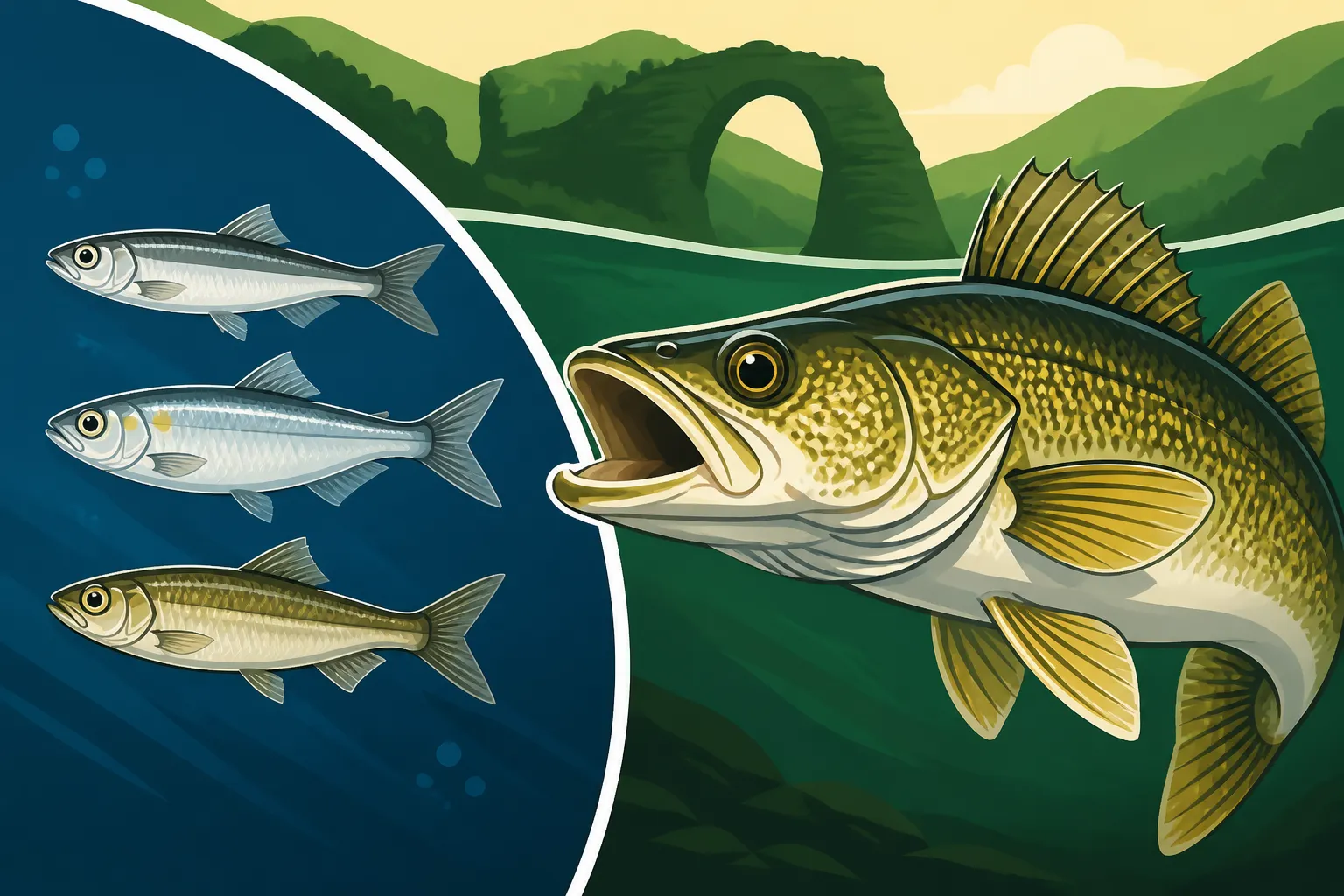
Alewives and gizzard shad are arguably two of the most important forage species for walleye in many West Virginia impoundments. These silvery, schooling fish are packed with protein and often suspend in open water, providing a constant food source.
- Alewives: Found in lakes like Summersville and Sutton Lake, alewives are a favorite meal for larger walleye. They are typically slender, silver-sided fish, often schooling in the mid-water column or near drop-offs. Walleye will often push schools of alewives against structure or into open water feeding frenzies, making them vulnerable. When walleye are keying on alewives, consider using slender crankbaits, jerkbaits, or even vertical jigs that mimic their profile and flash. Colors like chrome, silver, or blueback are often highly effective.
- Shad (Gizzard and Threadfin): Shad are ubiquitous in many West Virginia impoundments, including Bluestone Lake and the Ohio River. They form massive schools, and walleye will aggressively pursue them, especially during low light. Gizzard shad can grow quite large, so walleye will often target the smaller, more manageable juveniles. Threadfin shad are generally smaller. When walleye are on a shad bite, look for commotion on the surface or use your electronics to locate schools. Lipless crankbaits, swimbaits, and spinnerbaits in shad patterns (silver, grey, or white with dark backs) can be deadly.
The Bottom Dwellers: Shiners and Gobies
While schooling baitfish are important, walleye also spend a significant amount of time near the bottom, where other crucial forage resides. This is especially true in systems with diverse bottom structures.
- Emerald Shiners and Spotfin Shiners: These smaller minnows are common in many West Virginia waterways, including river systems and the shallower areas of lakes. They often relate to rocky bottoms, gravel flats, and vegetated areas. Walleye will cruise these zones, picking off shiners as they go. Imitating shiners often involves using small jigs tipped with live minnows or soft plastic minnow imitators. Colors that are natural and subtle, like browns, greens, and muted silvers, tend to work best. Fishing these close to the bottom, perhaps with a slow drag or hop, can be incredibly effective.
- Round Gobies (Ohio River): The Ohio River presents a unique situation with the presence of invasive round gobies. While not native, these small, bottom-dwelling fish have become a significant food source for walleye, as well as smallmouth bass and catfish, in the river. Gobies are characterized by their mottled brown camouflage and prominent pectoral fins, which they use to "perch" on the bottom. Walleye actively feed on gobies, particularly in rocky areas. When fishing the Ohio River, lures that imitate gobies, such as dark-colored tube jigs, Ned rigs, or small finesse jigs fished right on the bottom, are extremely productive. This is a classic example of how walleye adapt their diet to available forage.
The Trout Treat: Where Stocked Trout Come into Play
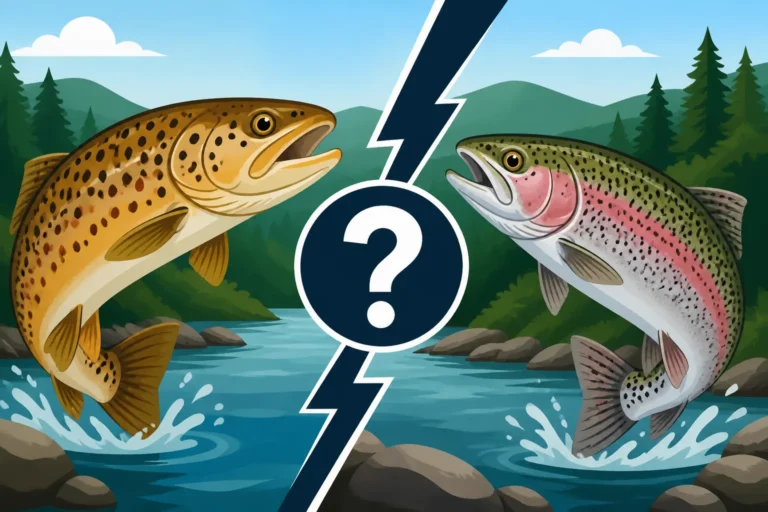
In certain West Virginia lakes and rivers that receive trout stockings, especially those with deeper, colder water, walleye can become opportunistic feeders on young, stocked trout. This isn't their primary forage everywhere, but it's a significant consideration in specific locations.
- Rainbow and Brown Trout: Lakes like Summersville Lake, which receive regular trout stockings, will occasionally see walleye keying on these new arrivals. The trout are often disoriented and easier targets for a predator like a walleye. This usually happens shortly after stockings or in areas where trout congregate. When walleye are feeding on trout, larger swimbaits, jerkbaits, or even larger spoons in trout-like patterns (greens, browns, oranges, and cream) can be effective. It’s less about a consistent diet and more about taking advantage of an easy meal. This behavior is more common for larger, more experienced walleye. If you're fishing a lake known for both walleye and trout, like Summersville, it's worth keeping this in mind.
Decoding the Seasons: How Baitfish Patterns Influence Walleye Behavior
Walleye are constantly on the move, and their location is almost always dictated by the availability and behavior of their preferred baitfish. Understanding these seasonal shifts is paramount to consistent success on the water. What walleye are eating and where they're eating it changes dramatically from spring thaw to winter ice. We talk more about this in our Best Time of Year to Fish in West Virginia article.
Spring Spawners and Post-Spawn Hunger
As water temperatures rise in early spring, baitfish begin to become more active, moving into shallower areas to spawn. Walleye, fresh off their own spawn, are often incredibly hungry and looking for easy meals.
- Pre-Spawn and Spawn: In late winter and early spring, walleye are primarily focused on their own spawning activities. As they prepare, they'll often feed heavily on whatever readily available baitfish are moving into shallower staging areas. Small minnows like shiners become very important then. As walleye complete their spawn, they are often lethargic but quickly develop a ravenous appetite. Many baitfish species, like shad and alewives, will also begin their spawning rituals as water warms, congregating in shallow coves, creek arms, and near submerged brush. Walleye will move into these areas to capitalize on the easy pickings. This is a great time to target them with shallow-running crankbaits, jig and minnow combos, or even suspending jerkbaits that imitate stressed baitfish. Focus on creek mouths and transition areas where baitfish are pushing in.
- Post-Spawn Recovery: After the initial burst of post-spawn feeding, walleye might move a bit deeper, but they'll still be following schools of baitfish. As the water continues to warm, these baitfish disperse more widely but will still be concentrated around structure and food sources. Walleye will often relate to points, humps, and submerged timber adjacent to these deeper baitfish schools. This transition period requires anglers to be adaptable, often shifting from shallow presentations to slightly deeper jigging or trolling tactics to stay on the fish. This is a good time to consult local stocking reports for species like shad, as their movements will often mirror walleye.
Summer Deep Water Foraging
When the heat of summer sets in, many baitfish move to deeper, cooler water, and the walleye follow suit. This means anglers need to adjust their tactics to target fish holding closer to the thermocline or in deeper main lake basins.
- Thermocline Concentration: In stratified lakes (those with distinct temperature layers), the thermocline becomes a critical zone. Oxygen levels are optimal, and baitfish often stack up along this band. Walleye will position themselves just above, in, or below the thermocline, ambushing baitfish schools. This is where your electronics become invaluable for marking bait and predators. Trolling deep-diving crankbaits or using vertical jigging spoons or blade baits are excellent strategies to reach these deeper fish. Look for areas where submerged channels, humps, or points intersect the thermocline.
- Night Feeding: While walleye are known for their low-light vision, summer heat can make daytime fishing tough. Many baitfish, especially shad and alewives, will move shallower at night to feed on plankton or escape deepwater predators. Walleye often follow, providing fantastic night fishing opportunities. Casting shallow-running crankbaits or even slow-rolling spinnerbaits around lighted docks or shallow flats can be incredibly productive. The baitfish are often more disoriented in the dark, making them easy targets. To effectively target them, our guide on Night Fishing Techniques for West Virginia Lakes can be a great resource.
Fall Feast and Winter Slow Down
As autumn brings cooler temperatures, baitfish undergo another shift, prompting a strong feeding bite from walleye. Winter, on the other hand, sees a general slowdown in activity but still offers opportunities.
- Fall Turnover and Feeding Frenzy: The fall turnover (when the water column mixes) and subsequent cooling temperatures trigger a massive feeding spree for walleye. Baitfish, driven by cooler water and shorter days, will often school up tightly in major lake basins or river channels, preparing for winter. Walleye will gorge themselves, actively chasing large schools of shad and alewives. This is prime time for trolling large crankbaits, casting big swimbaits, or jigging aggressively. Look for birds diving, or use your sonar to find huge bait balls. This is a period of "put on the feedbag" for walleye, and they'll be very aggressive. This aggressive feeding often lasts until the water temperatures drop significantly.
- Winter and Ice Fishing: In winter, as water temperatures drop to their lowest, baitfish become much more lethargic and often congregate in deep, stable areas like main lake basins or deep river holes. Walleye activity slows down considerably, but they still need to eat. In ice-covered lakes, walleye will suspend near baitfish schools or hug the bottom near subtle structure. Small jigs tipped with live minnows, blade baits, or small jigging spoons are very effective. The key is a slow, subtle presentation. Walleye might only strike if the bait is practically handed to them. For specific information on cold-weather tactics, you might find our Ice Fishing in West Virginia article helpful.
Matching the Hatch: Lures and Techniques to Mimic Walleye Baitfish
Now that we understand what West Virginia walleye are eating and when, the next step is choosing the right tackle to imitate that forage. The goal is to present something that looks, acts, and even feels like the real thing, convincing that walleye to strike. You can find a huge variety of these lures and other gear on Amazon, ensuring you're always stocked up.
Hard Baits for Active Predators
When walleye are actively chasing baitfish, hard baits are often your best bet. Their erratic action, vibrant colors, and ability to dive to specific depths make them invaluable.
- Crankbaits: These are workhorses for walleye fishing. Deep-diving crankbaits are perfect for trolling open water to cover vast areas and mimic suspended alewives or shad. Consider models that dive to the depth where baitfish are marked on your sonar. Shallow-running and suspending crankbaits are excellent for casting to points, flats, or rocky shorelines where baitfish gather. Colors like chrome/blue, silver/black, or firetiger (especially in stained water) are perennial favorites. Brands like Rapala and Berkley offer excellent options you can easily find on Amazon. Our guide on Trolling Techniques for West Virginia Lake Walleye dives deeper into how to use these effectively.
- Jerkbaits: With their erratic, darting action, jerkbaits excel at imitating injured or fleeing baitfish. These are particularly effective in cooler water when walleye might be less willing to chase a fast-moving crankbait. A "twitch, twitch, pause" retrieve can be deadly, allowing the lure to suspend enticingly in the walleye's strike zone. They come in various sizes and dive depths, so choose one that matches the size of the baitfish you're trying to imitate and the depth you're targeting. Again, natural baitfish patterns are usually the most effective.
- Lipless Crankbaits: These versatile lures, such as those from the Strike King Redeye Shad line, are fantastic for covering water, especially over submerged grass or shallow flats. Their loud rattles and vibrating action can call in walleye from a distance. A yo-yo retrieve (casting out, letting it sink, then ripping it up and letting it fall) effectively mimics dying baitfish. They are excellent for searching for active walleye when they are keying on schooling shad.
Soft Plastics and Jigs for Finesse
When walleye are more finicky, holding tight to structure, or in colder water, a slower, more subtle presentation with soft plastics and jigs can be the ticket.
- Jig and Minnow/Soft Plastic Combos: This is a classic walleye presentation for a reason. A lead head jig, tipped with a live minnow, can be irresistible. The jig provides weight and action, while the minnow offers natural scent and movement. When live bait isn't an option or you want to cover more water, soft plastic minnow imitators (like flukes or paddle tail swimbaits) or grub tails on a jig head are highly effective. For fishing the Ohio River, a dark tube jig or Ned rig can perfectly mimic gobies. Best Jigs for West Virginia Walleye provides more specific recommendations on jig types. Experiment with jig weights to find the right fall rate for the current or depth you're fishing.
- Blade Baits and Jigging Spoons: These heavy, flashy lures are superb for vertical jigging, especially over deep humps, along ledges, or through baitfish schools. Their rapid fall and vibrating action on the lift can trigger reaction strikes from walleye that are otherwise lethargic. Blade baits like the Heddon Sonar or various jigging spoons can be bought on Amazon and are fantastic for targeting suspended walleye in summer or deeper fish during winter. The key is a sharp snap of the rod, followed by a controlled fall, letting the lure flutter or vibrate enticingly.
Live Bait: When Nothing Else Works
Sometimes, despite all your best efforts with artificials, nothing beats the real thing. Live bait, expertly presented, can be the ultimate convincer for stubborn walleye.
- Minnows: Fathead minnows, shiners, or even small creek chubs are the quintessential walleye bait. They can be fished on a bare hook under a bobber, on a jig head, or on a Lindy rig (a slow-trolling rig) to present them naturally near the bottom. The natural movement and scent of a live minnow are often irresistible to a hungry walleye. Ensure your minnows are lively, as a dead or sluggish minnow is far less appealing.
- Nightcrawlers: While not a baitfish, nightcrawlers are another excellent live bait option for walleye, especially when presented on a worm harness behind a bottom bouncer. This method is incredibly effective for covering expansive flats or along breaklines, mimicking a large, vulnerable meal near the bottom. Walleye will often pick these up, and the scent trail can draw them in from a distance. This is a particularly popular technique in warmer water conditions.
By understanding the seasonal movements and primary forage of West Virginia walleye, you can elevate your fishing game significantly. It’s all about putting yourself in the walleye’s shoes (or fins!) and offering them exactly what they’re looking for.
Summary of Key Baitfish and Lure Imitations
To help you quickly reference the most common baitfish and the lures that mimic them, here’s a handy table. Remember, colors should generally match the natural forage – think silvers, whites, light browns, and greens.
| Common Baitfish Species | Typical Location/Behavior | Best Lure Imitations | Best Time of Year (General) |
|---|---|---|---|
| Alewives | Suspended in open water, mid-depths | Slender crankbaits, jerkbaits, vertical jigs, swimbaits | Spring, Summer, Fall |
| Shad (Gizzard, Threadfin) | Schooling, shallow to mid-depths, near structure | Lipless crankbaits, swimbaits, spinnerbaits, crankbaits | Spring, Summer, Fall |
| Shiners (Emerald, Spotfin) | Bottom-oriented, rocky/gravel flats | Small jigs (tipped with minnows or plastics), Ned rigs | Year-Round |
| Round Gobies (Ohio River) | Bottom-dwelling, rocky areas | Dark tube jigs, Ned rigs, finesse jigs | Year-Round |
| Young Stocked Trout | Suspended, near stocking points (specific lakes) | Larger swimbaits, jerkbaits, spoons in trout patterns | Post-stocking (specific areas) |
Remember, this table is a starting point. Walleye can be opportunistic, and sometimes they'll hit something completely unexpected! But by focusing on the primary baitfish, you'll be well on your way to more consistent success. For daily and possession limits on walleye, please review West Virginia Walleye Daily and Possession Limits.
Disclaimer
This article is for general informational purposes only and does not constitute professional advice. Laws, prices and regulations vary by location and change over time. Consult a qualified professional for guidance on your specific situation.