Life span of a brown trout in West Virginia streams
It's a common thought that drifts through an angler's mind as they release a beautiful brown trout back into a shimmering West Virginia stream: "How long will this fish live?" We invest so much into understanding these elusive, intelligent fish, and naturally, we want to know their fate. This guide will take a deep dive into the real-world lifespan of brown trout in West Virginia's diverse waterways, exploring the many elements that contribute to their survival and growth, and how anglers like us can play a role in their future.
Factors Influencing Brown Trout Lifespan in West Virginia Streams
The life of a brown trout in a West Virginia stream is a constant dance with environmental challenges and opportunities. Unlike a fish in a controlled hatchery environment, wild brown trout face a gauntlet of conditions that heavily dictate how long they can survive and thrive. It's not just about getting older; it's about making it through each season, each flood, each dry spell, and each encounter.
Water Quality and Habitat
The very foundation of a brown trout's existence is the water it lives in and the structure surrounding it. Clean, cold water is paramount, as brown trout, particularly larger ones, are sensitive to elevated water temperatures and low dissolved oxygen levels. Streams with ample cold-water inputs, such as spring feeds, are often sanctuaries for these fish, especially during the sweltering heat of summer. Without these thermal refuges, brown trout struggle, becoming stressed and more susceptible to disease.
Beyond temperature, water chemistry plays a critical role. Pollution from agricultural runoff, mining activities, or even poorly managed residential areas can introduce harmful chemicals, sediment, or excessive nutrients, disrupting the delicate balance of the aquatic ecosystem. Healthy brown trout streams typically boast clear water, stable pH levels, and a rich invertebrate community that provides a steady food source. A stream lacking these fundamental qualities will naturally host a less robust and shorter-lived population. If you're keen to understand more about the specific environmental needs, there are often fantastic field guides available on Amazon that delve into stream ecology.
Habitat structure is another non-negotiable component. Brown trout are masters of camouflage and leverage their surroundings for both ambush predation and protection. This means deep pools, undercut banks, fallen trees (logjams), and large boulders are absolutely vital. These structures provide cover from predators, both avian and terrestrial, and offer crucial resting and feeding lies out of the main current. A stream that has been "cleaned up" or channelized, stripping it of its natural complexity, removes these essential hiding places, leaving trout exposed and vulnerable, inevitably leading to shorter lifespans. They simply can't survive long without places to retreat to when danger lurks.
Predation and Competition
Life in the wild is tough, and brown trout are both predators and prey. In their early life stages, small brown trout are fair game for a multitude of creatures, including larger fish (even other trout), birds like kingfishers and herons, and various mammals. As they grow, their list of predators might shrink, but they still face threats from otters, mink, and even some raptors. The abundance of these predators in a given area will certainly influence how many trout survive to older ages.
Competition also plays a significant role. West Virginia streams often host multiple fish species, and while many coexist, there can be direct competition for food and prime habitat. Stocked trout, while providing angling opportunities, can sometimes put pressure on wild brown trout populations, especially in terms of food resources and preferred holding lies, potentially impacting the wild fish's growth rates and overall health. When resources are stretched thin, individuals may grow slower, be less healthy, and thus, live shorter lives. Understanding these intricate relationships is key to appreciating the resilience of a wild brown. Trout Species Identification Guide for West Virginia can help you distinguish between the different trout you might encounter.
Then there's the competition with other brown trout. In some of the more productive streams, older, larger brown trout will establish territories, often the most advantageous spots, leaving younger or smaller fish to less desirable areas. This natural hierarchy means that not all brown trout have an equal chance at longevity, with the dominant fish often monopolizing resources, thereby increasing their chances of growing larger and living longer. It's a natural selection process constantly at play.
Disease and Parasites
Just like any living creature, brown trout are susceptible to various diseases and parasites that can drastically cut short their lives. Stress, often caused by poor water quality, high temperatures, low oxygen, or overcrowding, can weaken a fish's immune system, making it more vulnerable. Common ailments might include bacterial infections, fungal growths, or parasitic infestations. These issues can spread quickly, especially in dense populations or during periods of environmental stress.
Wild trout typically develop a certain level of natural resistance to common local pathogens. However, the introduction of non-native diseases (sometimes unintentionally through stocking practices or movement of fish) can be devastating to a population that has no inherent immunity. This is why strict biosecurity protocols are so important for hatcheries and when transferring fish. A single outbreak can decimate an entire year class of trout, impacting the overall average lifespan for that stream.
Anglers also have a role to play in preventing the spread of diseases. Always clean your gear – waders, boots, nets, and boats – thoroughly between different waterways. This simple act can prevent the transfer of microscopic pathogens or invasive species that could harm vulnerable brown trout populations. It's a small effort with a huge impact on the long-term health and lifespan of these incredible fish. West Virginia Fishing Regulations Explained often includes important details about preventing the spread of aquatic invasives.
Angling Pressure and Catch-and-Release Practices
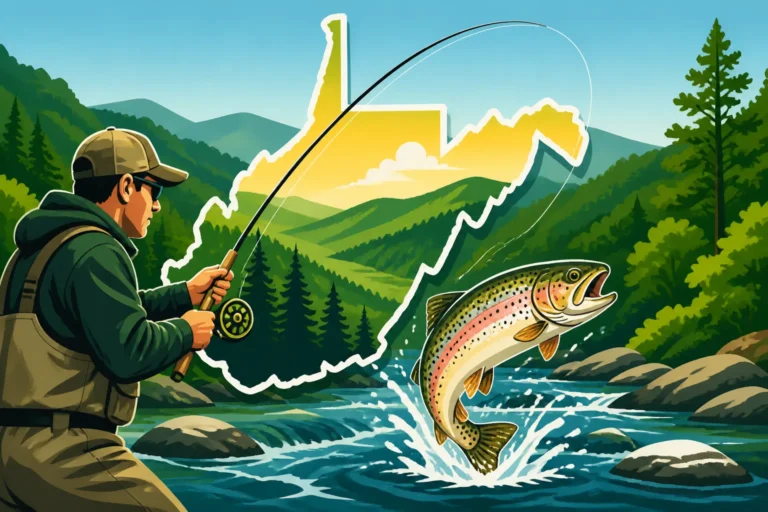
Let's be honest, we anglers are part of the equation too. While catching a beautiful brown trout is a thrill, the act of being caught can, unfortunately, shorten a fish's life, even if we release it. The stress of the fight, being handled, and exposure to air can all take a toll. This is why responsible catch-and-release practices are not just good etiquette but a vital conservation tool, especially in streams managed for wild or trophy trout.
The type of tackle used also matters. Lures with multiple treble hooks can cause more damage than single hooks, and bait fishing, particularly with natural baits, often leads to deep hooking, where the fish swallows the hook. Deep-hooked fish have a significantly lower survival rate compared to those hooked in the lip or jaw. Using appropriate gear, barbless hooks, and minimizing handling time are critical for ensuring a fish swims away healthy enough to continue its life. If you're looking for quality barbless hooks or specific tools like a hook remover, Amazon offers a wide selection that can help you be a more responsible angler.
Even with the best intentions, high angling pressure on a particular stretch of stream can increase the cumulative stress on a brown trout population. A fish caught multiple times within a season might suffer from repeated stress, leading to reduced growth or increased susceptibility to disease. This is where regulations like "catch-and-release only" or gear restrictions in certain waters come into play, specifically designed to protect older, larger trout and ensure their long-term survival. West Virginia Catch and Release Rules for Trout provides essential guidelines for these practices.
Typical Lifespan vs. Trophy Fish in West Virginia
When we talk about the lifespan of a brown trout, it's important to understand that there's a significant difference between the average fish and those rare giants that make our jaws drop. West Virginia's streams offer a spectrum, from productive waters where fish grow quickly but might not live extremely long, to more challenging, pristine environments where growth is slower but longevity can be greater.
Average Age in Stocked vs. Wild Populations
The average lifespan of a brown trout varies dramatically depending on whether it's a stocked fish or a wild, stream-born individual. Hatchery-raised brown trout, especially those stocked for immediate harvest, often have a very short lifespan once introduced into a stream, sometimes only weeks or months. They are typically raised in a protected environment, fed regularly, and don't develop the same instincts for evasion and foraging as wild fish. While some stocked trout do survive and adapt, becoming "holdovers," many quickly succumb to predation, angling pressure, or the sheer difficulty of finding food in a natural environment.
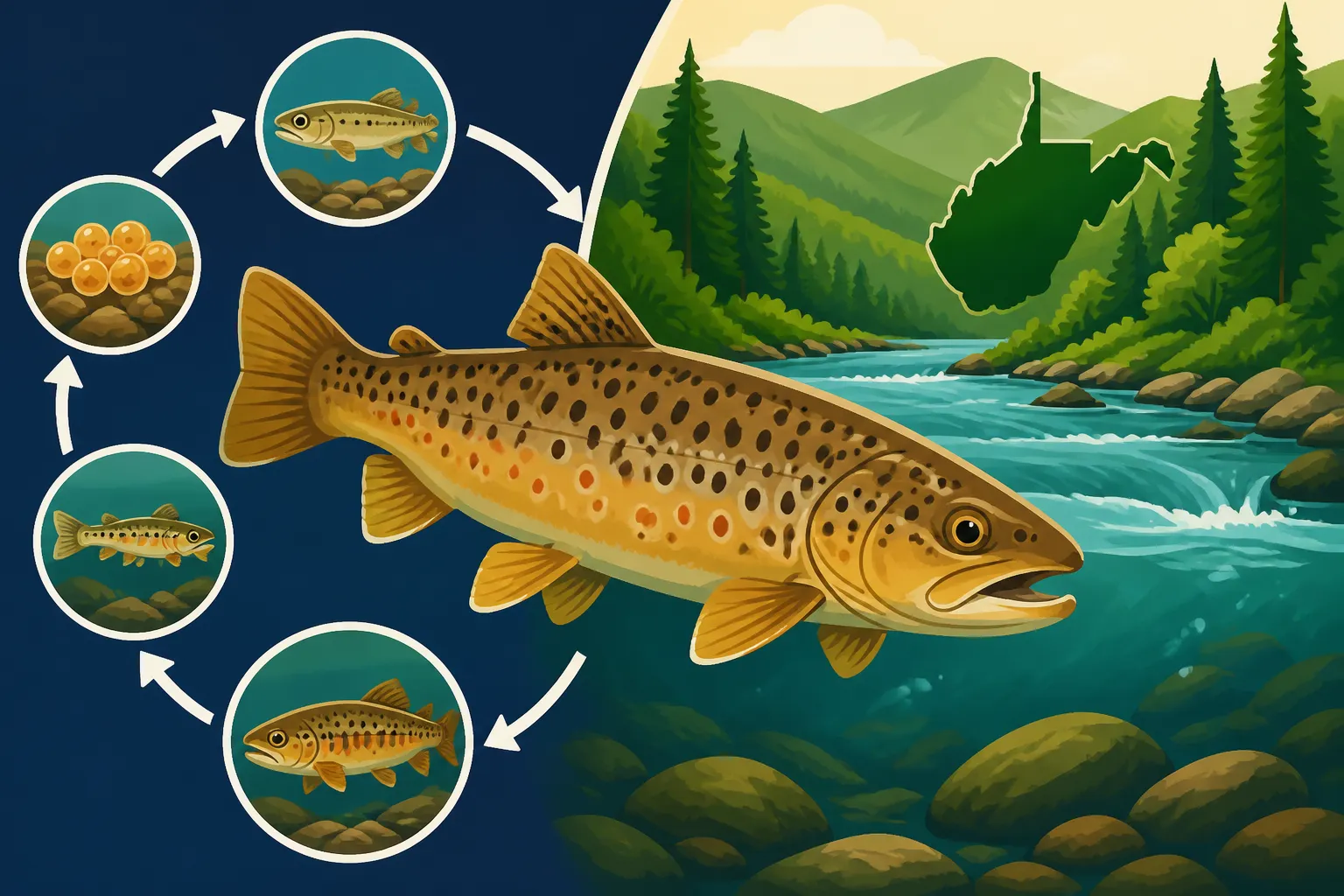
Wild brown trout, born and raised in the stream, are a different story. These fish are products of natural selection; only the most resilient, wary, and adaptable individuals survive to adulthood. In a healthy West Virginia stream with good habitat and food, a wild brown trout might typically live for 3 to 5 years. This is a general average, and many factors can push it higher or lower. These fish are masters of their environment, understanding currents, cover, and feeding lanes in a way that stocked fish often don't. Their early life struggles build a foundation for longer survival. Brown Trout Habits in West Virginia Streams delves deeper into how these fish survive and thrive.
It's also worth noting that growth rates vary. In richer, more fertile streams with abundant food sources, brown trout might grow faster but not necessarily live longer if angling pressure or other environmental factors are high. Conversely, in colder, less nutrient-rich mountain streams, growth might be slower, but if conditions are stable and pressure is low, these fish can still reach respectable ages and sizes, just at a slower pace.
The Making of a "Big Brown"
So, what allows a brown trout to become truly massive – a "big brown" in West Virginia? It comes down to a perfect storm of genetics, environment, and sheer luck. First, the fish needs to possess the genetic predisposition for larger size and longer life. Then, it needs to be in a stream that provides consistently excellent conditions: cold, clean water with abundant oxygen, a stable and diverse food supply (including smaller fish, which become a primary food source for truly large browns), and exceptional cover from predators and anglers alike.
These trophy fish often inhabit specific sections of rivers or larger streams where food is concentrated, such as below dams or in areas with consistent invertebrate hatches and baitfish populations. They also need to be incredibly wary and learn to avoid anglers. A brown trout that lives for 6, 8, or even 10+ years in West Virginia is a truly exceptional survivor, having navigated countless threats. These are the fish that become local legends, testaments to the richness of the stream and their own incredible resilience. They’re the kings and queens of their domain, ruling their territories with cunning and strength.
Consider the table below for a quick comparison of factors:
| Factor | Average Wild Brown Trout (3-5 years) | Trophy Brown Trout (6+ years) |
|---|---|---|
| Habitat Quality | Good; adequate cover, reasonable water quality | Excellent; abundant deep pools, complex cover, stable temps |
| Food Availability | Consistent invertebrate diet, some small baitfish | Abundant, including larger baitfish, mice, amphibians |
| Angling Pressure | Moderate to high; frequently caught and released | Low to moderate; extremely wary, rarely caught |
| Growth Rate | Moderate; reaches respectable size by year 3-4 | Often slower initially, then accelerates with piscivory |
| Genetic Predisposition | Average | Strong; inherent potential for large size and longevity |
| Predation Avoidance | Good; uses available cover effectively | Exceptional; masters of concealment and evasion |
West Virginia's Unique Brown Trout Habitats
West Virginia offers several unique habitats where brown trout find the conditions they need to not just survive, but potentially thrive for many years. These aren't necessarily the biggest rivers, but often overlooked or specially managed stretches of water. For instance, tailwater fisheries below large dams, like parts of the Elk River, provide consistent cold water year-round, which is crucial for brown trout. The stable temperatures and often rich food bases in these sections allow trout to grow at a more predictable rate and potentially achieve older ages, especially in designated catch-and-release areas. The Elk River Trout Fishing is a prime example of such a habitat.
Then there are the high-gradient mountain streams, often tucked away in the Monongahela National Forest. While these streams might not produce record-breaking fish due to lower nutrient levels, their pristine, wild character, cold temperatures, and limited access create sanctuaries where brown trout can live out their full natural lifespans without excessive human interference. These fish might not be enormous, but they are hardy, beautiful, and representative of true wild longevity. They're a testament to nature's ability to persist when left undisturbed.
Lastly, some larger river systems with significant cold-water tributaries or deep, canyon-like sections can harbor substantial brown trout. These areas provide the necessary thermal refuge during warm months and the expansive habitat for larger individuals to roam and find ample food. The blend of smaller feeder streams offering spawning grounds and the larger mainstem providing adult habitat is a crucial dynamic for fostering long-lived brown trout. Exploring these different types of waters is part of the adventure of Trout Fishing in West Virginia.
Conservation and Managing for Longevity
As anglers and stewards of the environment, we have a significant role to play in ensuring that brown trout in West Virginia streams can reach their full potential, both in size and lifespan. Conservation isn't just about stocking fish; it's about protecting the entire ecosystem that supports them.
Habitat Protection and Restoration Efforts
The most impactful way to support long-lived brown trout is through habitat protection and restoration. This includes initiatives to improve water quality, reduce sedimentation, and enhance stream structure. Projects that stabilize eroding banks by planting native vegetation, introduce large woody debris (like fallen trees), or create deeper pools and riffles directly benefit trout by providing better cover, spawning areas, and food production. These efforts help create the stable, resilient environments where brown trout can truly flourish.
Groups working on stream cleanups, advocating for smarter land use practices, and monitoring water quality are heroes in this effort. Without their dedication, many of West Virginia's precious trout streams would be far less hospitable. Supporting these organizations, whether through volunteering or donations, is a tangible way to contribute to the longevity of brown trout populations. It's about thinking beyond the fish itself and considering the entire home it needs to survive.
Furthermore, protecting riparian zones – the land immediately adjacent to a stream – is incredibly important. Healthy riparian buffers filter runoff, stabilize banks, provide shade to keep water temperatures cool, and contribute organic matter to the stream, fueling the food chain. When these areas are degraded, the stream suffers, and so do the trout. Educating landowners and communities about the importance of healthy stream banks is a critical part of long-term conservation.
Fishing Regulations and Their Role
West Virginia has a range of fishing regulations specifically designed to manage trout populations and, implicitly, to influence their lifespan. These regulations can include size limits, daily creel limits, and special regulation waters (e.g., fly-fishing-only, artificial-lures-only, or catch-and-release-only sections). Each of these tools aims to strike a balance between providing angling opportunities and protecting the resource, especially larger, older fish.
Size limits, for example, ensure that smaller, younger fish have a chance to grow and reproduce before being harvested. Catch-and-release regulations in certain areas are particularly effective for fostering trophy fisheries, as they maximize the survival of caught fish, allowing them to continue growing and contributing to the population's genetics. West Virginia Trout Season and Stocking Rules provides all the details on these regulations. These rules are not arbitrary; they are carefully crafted based on biological data to promote healthy, sustainable fisheries.
It's crucial for every angler to not only know but also understand and respect these regulations. They are our collective agreement on how we manage this shared resource. Ignoring them not only risks penalties but undermines the very efforts to preserve and enhance the fishing opportunities we all enjoy. When you see a "special regulation water" sign, know that it's there for a good reason – to help these fish live longer, healthier lives.
Angler Ethics and Best Practices
Beyond formal regulations, our individual ethics as anglers profoundly impact the lifespan of the fish we encounter. Practicing responsible catch and release is perhaps the most direct way we can positively influence a brown trout's longevity. This means minimizing fight time by using appropriate tackle, keeping the fish in the water as much as possible, using a knotless rubber net (like those widely available on Amazon) to protect their delicate slime coat, and handling them gently with wet hands.
Avoiding unnecessary air exposure is critical, especially in warmer water. Even a few seconds out of water can be very stressful for a trout. If you must take a photo, do it quickly with the fish low to the water. Also, knowing how to properly revive a tired fish, holding it gently in the current until it can swim strongly on its own, is a skill every trout angler should master. Best Gear for West Virginia Trout Fishing discusses many of the tools that aid in responsible handling.
Choosing appropriate tackle also falls under angler ethics. Using barbless hooks makes hook removal much easier and less damaging. Avoiding live bait in designated artificial-lure-only waters is another example of respecting the spirit of the regulations designed to protect fish from deep hooking. Ultimately, our actions on the stream reflect our commitment to conservation and directly affect how many brown trout live long enough to become those prized, wise old fish we dream of catching.
Identifying Age and Health in Brown Trout
While you can't ask a brown trout its age, there are several visual cues and indicators that can give you a pretty good idea of its general health and whether it's a younger, vibrant fish or an old, battle-hardened veteran of the stream. Learning to spot these signs enhances your connection to the fish and helps you appreciate their journey.
Visual Cues of Older Fish
When you land a brown trout, take a moment to observe it (while keeping it wet, of course!). Older, larger brown trout often develop distinct characteristics. Their bodies tend to be thicker and more robust, especially around the shoulders, indicating years of feeding and growth. The coloration can also be a clue. While browns are masters of camouflage, older fish in certain streams might display deeper, richer hues, sometimes with more pronounced spots and halos. The intensity of their jaw kype (the hook on the lower jaw of males, particularly during spawning season) is also more pronounced in older, sexually mature males.
Beyond size and color, look at the fins. Younger, recently stocked fish often have pristine, almost perfect fins. Wild, older brown trout, however, often show signs of wear and tear. Their fins might be slightly frayed, ragged, or even missing small pieces from battles with other fish, scrapes against rocks, or encounters with predators. These "tattered" fins are badges of honor, indicating a life lived in the wild. A truly old brown trout might also have a slightly more defined, almost "wise" look to its head, perhaps a bit broader and more rugged than a juvenile.
Consider the stream where you caught it. A brown trout caught in a small, remote mountain creek that measures 16-18 inches is likely an older fish, as growth rates in such waters are slower. The same size fish from a highly productive, fertile tailwater might be younger due to faster growth. Context is key, but generally, the bigger and more rugged a wild brown trout appears, the more years it has likely spent navigating the challenges of its watery home.
Signs of Stress or Disease
Being able to recognize signs of stress or disease is important, both for the individual fish and for understanding the overall health of the stream. A healthy brown trout will generally be vibrant, firm to the touch (again, with wet hands!), and show strong, deliberate movements. Its gills should be a bright, healthy red, and its eyes clear and alert. When you release a healthy fish, it should swim off quickly and strongly, disappearing into the depths.
Signs of a stressed or diseased fish include lethargy, difficulty swimming, or unusual discoloration. The fish might have visible lesions, white or fuzzy patches (fungus), or external parasites clinging to its body or fins. Its gills might appear pale or heavily mottled, indicating poor oxygen uptake or gill disease. Fins might be severely eroded or show signs of infection beyond normal wear. If a fish swims away slowly or struggles to right itself after release, it's a sign of significant stress, and its chances of long-term survival are diminished.
If you observe many fish in a particular stream showing signs of illness or distress, it could be indicative of a broader environmental problem like poor water quality, overcrowding, or an emerging disease outbreak. While there's often little an individual angler can do in the moment for widespread issues, reporting such observations to the West Virginia Division of Natural Resources (WVDNR) can help them monitor the situation and potentially intervene. Your keen eye can contribute to the long-term health of the fishery.
The Importance of Careful Handling
Every interaction we have with a brown trout, especially an older one, can either contribute to its longevity or inadvertently shorten it. This is why careful handling is paramount. As we've touched on, keeping the fish in the water as much as possible is the golden rule. If you must lift it for a quick photo, support its full weight horizontally, especially under the belly and near the tail. Never hold a fish vertically by the jaw or tail, as this can cause internal damage to its spine and organs.
Wet hands are non-negotiable. Dry hands strip away the fish's protective slime coat, leaving it vulnerable to fungal and bacterial infections. Use a proper landing net with rubberized, knotless mesh; these nets are gentle on fins and slime and are readily available from retailers like Amazon. Avoid squeezing the fish, especially around the belly, as this can damage internal organs, particularly in spawning females.
When removing the hook, use a good pair of hemostats or long-nosed pliers to quickly and gently back out the hook. If the fish is deeply hooked and the hook cannot be removed without causing further damage, it is often best to simply cut the line as close to the hook as possible. The hook will often rust out or be expelled by the fish over time. By adopting these careful handling practices, we maximize the chances that the brown trout we release will live to fight another day, continuing its journey through West Virginia's beautiful streams.
Disclaimer
This article is for general informational purposes only and does not constitute professional advice. Laws, prices and regulations vary by location and change over time. Consult a qualified professional for guidance on your specific situation.