What a redbreast sunfish is
Many anglers, especially those focused on landing a trophy bass or a feisty muskie, often overlook the smaller, yet incredibly rewarding world of panfish. But if you've ever spent a quiet afternoon by a clear West Virginia stream, watching colorful fish dart around rocks and logs, you might have caught a glimpse of a true gem: the redbreast sunfish. Often mistaken for other sunfish species, the redbreast offers a unique challenge and a whole lot of fun on light tackle. This guide is dedicated to shining a light on this spirited little fish, helping you understand its distinct characteristics, where to find it in our beautiful Mountain State, and how to enjoy the thrill of catching them.
What Exactly Is a Redbreast Sunfish? Unpacking Their Unique Traits
The redbreast sunfish, or Lepomis auritus, is a freshwater fish that truly stands out in the panfish crowd, even if it's sometimes confused with its cousins like bluegill or rock bass. It's not just another "sunfish"; it has some very distinctive features that make it a joy to identify and target.
Distinctive Features and Identification
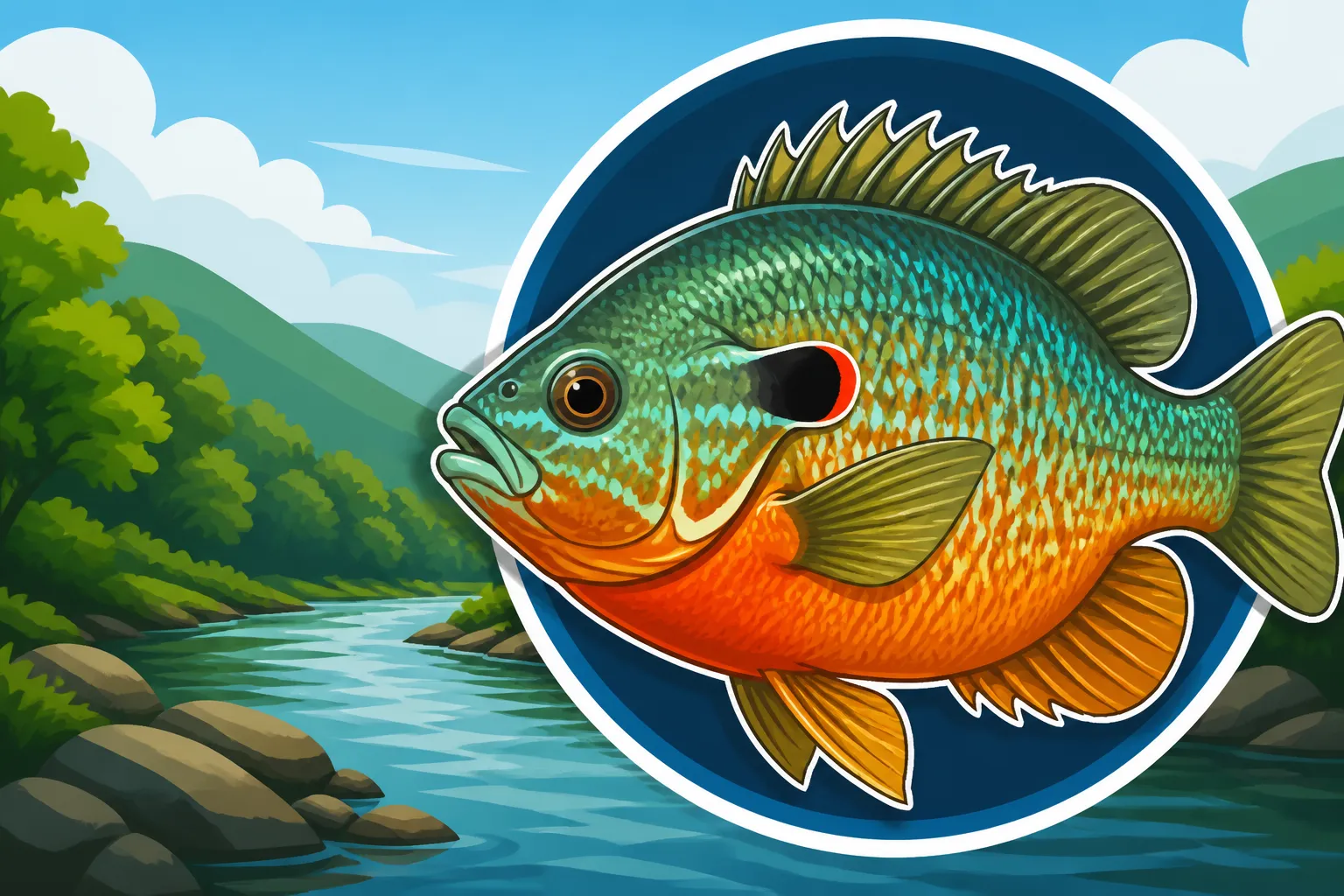
The most prominent identifying characteristic of the redbreast sunfish is right there in its name: a stunning, often vibrant red or orange breast and belly. This coloration can vary, of course, depending on the water clarity, the fish's diet, and especially during spawning season when males display their most brilliant hues. Beyond the chest, their upper bodies are typically an olive green or bronze, fading into yellowish-orange sides. You'll often notice striking blue-green streaks and spots on their head and gill covers, adding to their vibrant appearance.
Another key feature that sets them apart is their elongated opercular flap – that's the "ear flap" behind their eye. While many sunfish have one, the redbreast's is notably long and narrow, almost finger-like, and typically entirely black or dark. This long, dark opercular flap, combined with their fiery belly, is usually the quickest way to confirm you've got a redbreast on your line. They generally have a somewhat streamlined body shape compared to the rounder bluegill, allowing them to navigate currents with ease.
Size, Fight, and Lifespan
While the redbreast sunfish isn't going to break any weight records for West Virginia's largest fish species, they are surprisingly stout for their size. Most redbreasts you'll encounter will be in the 6-to-8-inch range, but they can occasionally reach lengths of 10 to 12 inches, especially in prime habitats with abundant food. What they lack in sheer size, they more than make up for in fight! Pound for pound, a redbreast sunfish on ultra-light tackle can feel like a much larger fish, pulling hard and making exciting runs. Their aggressive nature means they often strike with gusto, providing a thrilling tug at the end of your line. These fish are generally hardy and can live for several years, contributing to stable populations in their preferred waters.
Common Names and Misconceptions
Throughout West Virginia and beyond, the redbreast sunfish might go by a few other names, such as "river sunfish," "yellowbelly," or even just generically "bream" or "panfish." This can sometimes lead to confusion with other species. For instance, some might mistake them for pumpkinseed sunfish due to their bright colors, but the pumpkinseed usually has a more spotted pattern and a shorter, broader opercular flap with a red spot on the tip. Validating these frustrations around identification is crucial, as knowing what you're catching helps you understand its habitat and behavior better. When you know it's a redbreast, you're better equipped to anticipate where its friends might be hiding!
Where Do Redbreast Sunfish Thrive in West Virginia? Habitat and Distribution
Understanding the preferred habitat of the redbreast sunfish is key to finding them consistently. Unlike some of their sunfish relatives that can thrive in stagnant ponds, redbreasts have a distinct preference for flowing water.
Preferred Aquatic Environments
Redbreast sunfish are primarily river and stream dwellers. They absolutely love clear, clean waters with a moderate current. You'll typically find them congregated around areas with plenty of submerged cover and structure, which provides both shelter from predators and ambush points for their prey. Think about places where the current creates natural eddies or slack water – these are prime redbreast hangouts.
Look for them around:
- Submerged Rocks and Boulders: These provide current breaks and hiding spots.
- Log Jams and Fallen Trees: Excellent cover, often with deeper pockets around them.
- Undercut Banks: Where the river current has eroded the bank, creating a cavernous hiding place.
- Weed Beds and Aquatic Vegetation: While not as prevalent in fast currents, patches of weeds offer cover and food sources.
- Deep Pools with Structure: Especially where a faster riffle transitions into a deeper, slower pool.
They thrive in environments where water quality is good, often indicating a healthy aquatic ecosystem. If you find redbreasts, it's a good sign that the water is clean and vibrant.
Key West Virginia Waterways
In West Virginia, redbreast sunfish are most commonly found in the larger river systems and their significant tributaries, particularly those that maintain good water quality and flow. You'll have excellent chances of encountering them in:
- The New River: This ancient river system, especially in the New River Gorge Fishing Guide area, is a fantastic place for redbreasts. The abundance of rocky structure, varied current, and clear water provides ideal conditions.
- The Potomac River and its South Branch: The eastern panhandle's rivers, like the South Branch Potomac Smallmouth Fishing areas, are also home to thriving populations. Their rocky bottoms and consistent flow make them perfect.
- The Kanawha River: While larger, the Kanawha and its tributaries can hold good numbers of redbreasts, particularly in clearer sections away from heavy industrial areas.
- Other Tributaries: Many of the larger creeks and smaller rivers that feed into these major systems will also have robust redbreast populations.
When scouting for a new fishing spot, look for these types of waters. If you're wading, remember to always prioritize safety and check local regulations. For a broader overview of places to cast a line, check out Best Fishing Rivers in West Virginia.
Gear Up and Go: How to Successfully Catch Redbreast Sunfish
One of the most appealing aspects of fishing for redbreast sunfish is that you don't need a boatload of expensive, specialized gear. They are aggressive biters and can be caught on a variety of simple, yet effective, setups. This makes them an absolutely perfect target for beginners, families, or seasoned anglers looking for a relaxing day and consistent action.
Simple and Effective Gear Choices
You don't need a heavy-duty bass rod to tangle with a redbreast. In fact, lighter is better to truly appreciate their feisty fight.
- Ultra-Light Spinning Gear: This is arguably the most fun way to target redbreasts. A rod in the 5 to 6-foot range with a fast or moderate action, paired with a small spinning reel spooled with 2 to 4-pound test monofilament or fluorocarbon line, is ideal. The light line allows for natural presentation of small baits and lures, and the sensitive rod tip will let you feel even the subtlest bites. You can find some fantastic, affordable ultra-light combos on sites like Amazon that are perfect for this.
- Fly Fishing: For fly anglers, redbreasts are an absolute blast. A 2 to 4-weight fly rod is perfect, allowing even a modest 8-inch fish to put a good bend in the rod. A floating line is usually all you need.
- Cane Pole or Basic Rod & Reel: For the ultimate simplicity, a traditional cane pole with a length of line, a bobber, and a hook is incredibly effective. It's how many of us started fishing, and it still works wonders for active panfish. For families, this can be a great, low-cost way to get everyone involved.
Baits, Lures, and Flies They Can't Resist
Redbreast sunfish are not particularly picky eaters, which is another reason they're so much fun to catch. They're opportunistic predators that will strike at a wide array of offerings.
-
Natural Baits:
- Worms: A classic for a reason. Small pieces of nightcrawler or red wigglers are irresistible. Thread a small piece onto a tiny hook (size 8 or 10 is usually good).
- Crickets/Grasshoppers: Especially effective during warmer months. These insects are natural prey items and a live cricket under a bobber can be deadly.
- Small Minnows: If you're targeting slightly larger redbreasts, a tiny live minnow can be very effective, though smaller redbreasts might have trouble getting it in their mouths.
- Corn/Bread: While not strictly natural, these can sometimes work in pressured areas or for a quick bite, but live bait is usually superior. Always check local regulations regarding bait use.
-
Artificial Lures:
- Tiny Spinners: Inline spinners like a Rooster Tail or Panther Martin in sizes 0 or 1 are incredibly effective. Their flash and vibration mimic small baitfish or insects.
- Micro Jigs: Small hair jigs or plastic-bodied jigs (1/32 to 1/16 oz) in colors like white, black, or chartreuse can be fished under a bobber or slowly retrieved. You can find a huge variety of these on Amazon for very reasonable prices.
- Small Crankbaits: Shallow-diving crankbaits designed for panfish or trout, usually 1 to 1.5 inches long, can elicit aggressive strikes.
-
Flies:
- Poppers: Foam or cork poppers in small sizes (10-14) are incredibly exciting to fish, as you get to see the fish explode on the surface.
- Nymphs: Small weighted nymphs like Hare's Ear, Pheasant Tail, or Prince Nymphs drifted along the bottom or under an indicator can be very productive, especially when the fish are less active.
- Wet Flies: Traditional wet flies mimicking drowned insects can also be very effective.
- Small Streamers: Tiny wooly buggers or similar patterns can imitate small baitfish or leeches.
Effective Techniques for Angling Success
Redbreast sunfish are often found holding in similar areas as smallmouth bass – along current breaks, behind rocks, and near submerged cover.
- Wading: For river and stream fishing, wading is a fantastic way to access prime redbreast habitat. Move slowly and quietly, casting to pockets of calm water behind obstacles or along undercut banks. Be sure to use appropriate Best Waders for West Virginia Trout Streams for comfort and safety.
- Bank Fishing: Many river and stream access points allow for productive bank fishing. Look for deeper pools near shore or areas with overhanging vegetation.
- Kayak Fishing: A kayak allows you to quietly navigate streams and rivers, reaching spots that might be inaccessible from the bank. If you're considering a paddle-powered vessel, you might want to read up on Best Kayaks for West Virginia Fishing.
- Presentation: Whether you're using bait, a lure, or a fly, focus on a natural presentation. For bait, a small split shot a few inches above the hook might be all you need. For lures, a slow, steady retrieve with occasional twitches is often best. When fly fishing, drifts should be natural, mimicking an insect floating downstream.
Always remember that fishing regulations can change, so it's a good idea to consult the West Virginia Fishing Regulations Explained before heading out.
More Than Just a "Panfish": The Value of Targeting Redbreast Sunfish
While they might not grace the cover of national fishing magazines as often as bass or trout, redbreast sunfish offer an immense amount of value and enjoyment to anglers of all skill levels. They truly embody the spirit of accessible, rewarding fishing.
A Powerful Fight on Light Tackle
For their size, redbreast sunfish are incredibly feisty. Hooking into a 9-inch redbreast on a 2-pound test line feels like you've snagged a much larger opponent. They pull hard, dart back and forth, and often make short, powerful runs. This makes them an ideal species for refining your casting and fish-fighting skills without the frustration of hours of no bites. The sheer fun factor is off the charts, offering constant action that can keep even impatient anglers engaged.
Excellent Table Fare
Beyond their fighting spirit, redbreast sunfish are delicious! Like most panfish, their white, flaky meat is sweet and tender. They are perfect for a classic pan-fry. A simple dredge in cornmeal or seasoned flour and a quick fry in hot oil is all it takes to turn these beauties into a fantastic meal. If you plan to keep a few for dinner, ensure you're aware of West Virginia Bag and Possession Limits by Species for panfish, though sunfish limits are generally quite generous. Cleaning them is relatively straightforward, and while it takes a few more fish to make a meal compared to a large bass, the effort is well worth it.
A Family-Friendly Fishing Opportunity
If you're looking to introduce a child or a new angler to the joys of fishing, the redbreast sunfish is an absolute perfect choice. Their aggressive nature means consistent bites, which is crucial for keeping young anglers engaged and excited. The simple gear requirements make it accessible, and the lack of complex techniques means anyone can have success. Plus, the vibrant colors of a redbreast are instantly captivating, turning a simple catch into a memorable experience. Don't forget to check if the kids need a license; often, there are age exemptions, but it's always good to confirm by looking at Do Kids Need a Fishing License in West Virginia?. Imagine the smile on a child's face as they reel in a brightly colored fish that fought hard – that's the magic of the redbreast sunfish. For a broader look at this category of fish, explore Panfish Fishing in West Virginia.
Indicator of Healthy Waters
Finally, the presence of thriving redbreast sunfish populations is often a good sign for the overall health of a river or stream. They tend to prefer cleaner, clearer waters, and their abundance can indicate a robust aquatic ecosystem. So, when you're targeting redbreasts, you're not just enjoying a great fishing experience; you're also often in a beautiful, healthy natural environment that's worth appreciating and protecting.
| Feature | Redbreast Sunfish | Bluegill | Rock Bass |
|---|---|---|---|
| Primary Habitat | Clear, flowing rivers & streams, rocky areas | Lakes, ponds, slow rivers, weed beds | Clear, rocky streams & rivers |
| Key Identification | Long, black opercular flap; red/orange belly | Short, dark opercular flap; dark spot on dorsal fin | Large red eye; mottled, blocky pattern |
| Average Size (WV) | 6-10 inches | 5-9 inches | 6-10 inches |
| Diet Preference | Insects, small crustaceans, small fish | Insects, zooplankton, aquatic vegetation | Crayfish, insects, small fish |
| Fight on Light Tackle | Strong, feisty, good runs | Consistent, circular fight | Aggressive, powerful initial pull |
| Table Fare | Excellent, flaky white meat | Excellent, sweet white meat | Good, firm white meat |
Disclaimer
This article is for general informational purposes only and does not constitute professional advice. Laws, prices and regulations vary by location and change over time. Consult a qualified professional for guidance on your specific situation.