The biggest fish species in West Virginia rivers
There's a special kind of thrill that comes with imagining, let alone hooking, a truly massive fish. For many anglers in West Virginia, the dream isn't just about catching a fish, but about reeling in one of the giants that lurk in our beautiful rivers. This guide is all about those colossal catches, the biggest fish species you can encounter in the Mountain State's flowing waters, and how you might just land one yourself.
What Defines a "Big" River Fish in West Virginia?
When we talk about "big" fish, it's not always a one-size-fits-all definition. A trophy brook trout, for instance, might only be 16 inches, but that's a massive specimen for its species. In the context of West Virginia's rivers, "big" generally refers to fish that can stretch well over two feet, often pushing into the double-digit weight class, and sometimes even breaking the state record books. It's about that heart-stopping moment when you realize you've hooked something truly substantial, something that could pull your rod tip into the water and test every ounce of your tackle and skill.
Size vs. Species Specifics: Not All Big Fish Are Created Equal
It’s easy to get caught up in pure numbers – length and weight – but the true appreciation for a "big" fish often comes down to its species. A 10-pound smallmouth bass is an absolute beast, a rare catch that tells tales. A 10-pound channel catfish, while still a great fish, is a more common occurrence in many of our river systems. Understanding these distinctions helps set realistic expectations and fuels the passion for targeting specific giants. For example, while a 25-inch trout is phenomenal, a 25-inch muskie is just getting started on its journey to true trophy status.
Sometimes, the frustration comes from hearing whispers of enormous fish but never quite seeing them yourself. It can feel like they're urban legends, but these behemoths are out there, hiding in plain sight in our very own rivers. Knowing what species actually grow to immense sizes in flowing water is the first step to turning those whispers into a bent rod and a memorable fight.
The Thrill of the Chase: Why We Seek Out the Giants
There's something deeply primal about the pursuit of large fish. It's not just about bragging rights, though those are certainly a bonus! It's about the challenge, the tactical battle between angler and apex predator. It requires patience, specialized gear, and a deep understanding of the fish's habits and habitat. The adrenaline rush when that big fish finally strikes, the sheer power it displays, and the ultimate triumph of bringing it to hand—even if just for a quick photo and release—is an experience that keeps us coming back. It’s a journey into the wild heart of our rivers, seeking out creatures that have survived and thrived for years, often decades. This pursuit often leads us to some of the most beautiful and wild stretches of water in the state.
The True Giants of West Virginia's Rivers
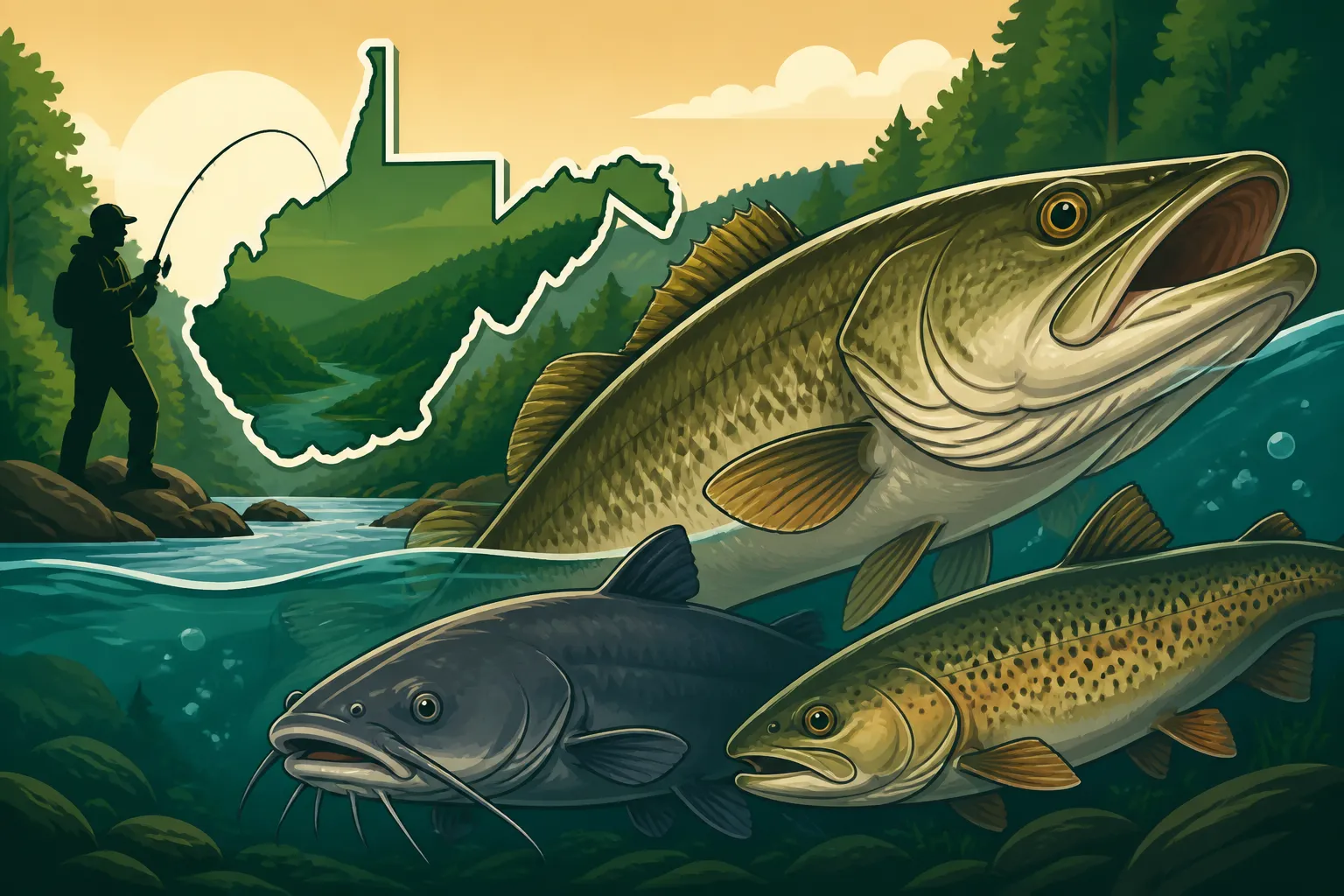
When you dream of a truly massive fish from a West Virginia river, a few species immediately come to mind. These are the heavy hitters, the ones that push the scales and stretch the tape measures, demanding respect and specialized tactics.
Muskie: The Apex Predator
Ah, the muskie. The "fish of 10,000 casts." This title alone should tell you something about their elusive nature and the dedication required to land one. But when you do connect with a muskie in a West Virginia river, you'll understand why they are so revered. These fish are pure muscle, often growing to lengths well over 40 inches, with some exceeding 50 inches and weights into the 30- and even 40-pound range. The West Virginia state record muskie weight and length is an impressive testament to the potential of these fish in our waters.
Muskies are ambush predators, often lurking in slow, deep pools, around submerged timber, or along weed lines in larger rivers like the New River, Kanawha, and Little Kanawha. They hit lures with an explosive force that can wrench the rod right out of an unprepared angler's hands. Their diet consists primarily of other fish, and they're not shy about devouring anything they can fit into their massive mouths. For specific techniques and where to find them, our guide on Muskie Fishing in West Virginia offers a deep dive. If you're serious about chasing these beasts, you'll need heavy-duty gear that can withstand brutal strikes and powerful runs. Many anglers find reliable muskie lures and robust fishing line on platforms like Amazon, ensuring they're equipped for the challenge. You'll often hear tales of How big muskie get in West Virginia and How long muskie live in West Virginia, proving these are truly old, wise river residents.
Catfish: The Bottom-Dwelling Behemoths
While muskies might be the glamour species for sheer aggression, catfish are the undisputed heavyweights of West Virginia's rivers when it comes to pure mass. Our rivers are home to several species, but the flathead and channel catfish are the ones that grow truly colossal. Flatheads, in particular, are river monsters, often exceeding 40 or even 50 pounds, with some truly gargantuan specimens pushing the state record well into the triple digits. The West Virginia state record flathead catfish weight is mind-boggling, a testament to the growth potential of these fish.
You'll find these brutes in the deeper, slower sections of the Ohio River, Kanawha River, and other large tributaries. They prefer live bait, like bluegills or suckers, fished on the bottom, often after dark. The fight from a large flathead is a powerful, stubborn tug-of-war, feeling like you've hooked a submerged log that suddenly decides to swim away. Channel catfish are also abundant and can reach impressive sizes, though generally not to the extreme of flatheads. They are more omnivorous and will hit a wider variety of baits, from stinkbaits to cut bait. Targeting these giants requires strong rods, heavy line, and sturdy hooks – items you can easily find on Amazon. If you're looking to tangle with these powerful bottom dwellers, our Catfish Fishing in West Virginia guide has all the details you need.
Walleye: The Elusive Trophy
Walleye are another highly prized river fish that can reach significant sizes in West Virginia. While they might not grow to the same colossal weights as muskie or flatheads, a big walleye, especially one caught in a river current, is a truly magnificent trophy. These fish typically range from 20 to 30 inches, with larger individuals pushing beyond that. A 10-pound river walleye is considered an absolute dream catch, and fish approaching or exceeding that mark are certainly possible in our bigger rivers.
They're most commonly found in the Ohio River and its major tributaries, as well as the New River. Walleye are known for their excellent table fare and their tricky, often subtle bite. They prefer cool, clear water and often hug the bottom, especially in current breaks, behind structure, or in deeper pools. Their fight is less explosive than a muskie's but often features powerful headshakes and deep runs. Targeting them often involves jigging, trolling, or casting crankbaits, techniques covered extensively in our Walleye Fishing in West Virginia guide. Landing a big river walleye requires finesse, patience, and often a bit of luck, but the reward is well worth the effort.
Carp: The Unsung Heavyweights
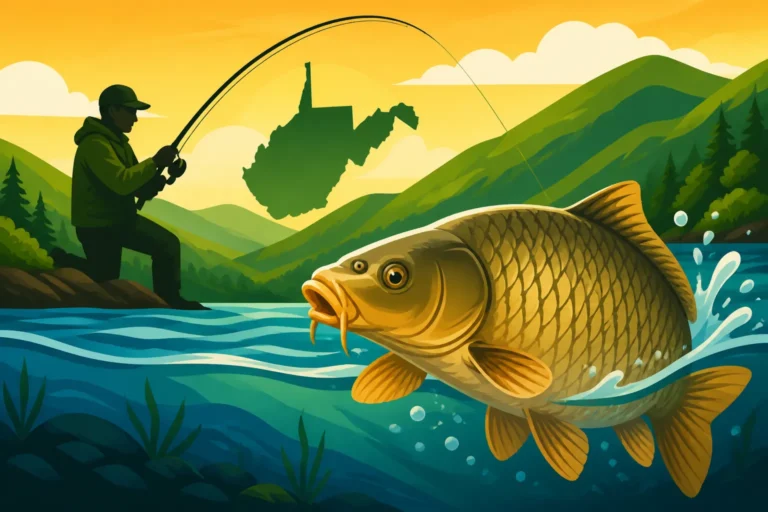
Often overlooked by many anglers in West Virginia, carp are undeniably one of the biggest fish species swimming in our rivers. Common carp, in particular, can grow to enormous sizes, regularly exceeding 20 pounds, with many fish breaking the 30-pound mark and state records pushing well over 40 pounds. While not native, they are prolific and offer an incredible fight, especially in river current.
You'll find carp almost everywhere in West Virginia's larger river systems and even many smaller ones. They are highly adaptable and thrive in a variety of conditions, often frequenting slower pools, eddies, and areas with muddy bottoms or abundant aquatic vegetation. Carp are bottom feeders, primarily consuming invertebrates, aquatic plants, and detritus. Anglers targeting them often use corn, dough balls, or specialized boilies. The fight from a big river carp is legendary – long, powerful runs that can strip line off your reel, testing your drag and stamina. They are true freshwater bulldozers. Don't discount them just because they're not considered "game fish" by everyone; they provide a thrilling battle. Learn more about targeting these often-underestimated giants in our Carp Fishing in West Virginia article.
Chasing the River Monsters: Techniques and Considerations
Successfully pursuing West Virginia's biggest river fish requires more than just showing up at the water's edge. It demands preparation, the right tools, and a deep respect for both the fish and the environment. It can be intimidating to switch from catching panfish to targeting something that could snap your rod, but with the right approach, it's an achievable goal.
Gear Up for the Big Ones: Rods, Reels, and Line
When you're targeting muskie, big catfish, or even heavy carp in strong river currents, your standard bass or trout gear just won't cut it. These fish are incredibly powerful and will expose any weakness in your tackle. You'll need rods with a heavy power rating and a fast action to handle heavy lures and powerful hook sets, yet still have enough backbone to put pressure on a running fish. Matching these rods with robust baitcasting reels that have strong drags and a high line capacity is crucial.
For line, braided superlines are almost a necessity due to their incredible strength and lack of stretch, which helps with feeling subtle bites and driving hooks home. A heavy fluorocarbon or wire leader is also essential for toothy critters like muskie to prevent bite-offs. Don't skimp on terminal tackle either; extra strong hooks, swivels, and snaps are paramount. Many anglers assemble their heavy-duty setups by exploring options for Best Fishing Rods for West Virginia Rivers and other specialized equipment readily available online, including on Amazon. Seriously, if you're going after muskie, investing in Best Muskie Gear for West Virginia Rivers is a must; it’s not an area to cut corners.
Understanding Their Habitat: Where to Find the Giants
Knowing where these big fish live is arguably more important than any other factor. Each species has preferred habitats within our diverse river systems. Muskies often favor large, slow pools with structure like downed trees or rocky outcrops, especially where baitfish congregate. Flathead catfish will hold in the deepest holes, beneath log jams, or around bridge pilings, especially near current breaks where they can ambush prey. Walleye tend to relate to current, often holding behind boulders, ledges, or along gravel bars where they can dart out to feed. Carp, being more ubiquitous, can be found in a wider range of river environments but frequently gather in large, sluggish pools with soft bottoms.
Understanding these preferences and learning to "read" the river for such features is key. This often involves studying maps, using sonar, and spending time on the water observing conditions. Our guide on the Best Fishing Rivers in West Virginia can give you a head start on some of the top locations known for producing big fish across various species. It can be disheartening to spend hours fishing unproductive water, but learning the subtle cues of river structure will drastically increase your odds.
Safety and Respect: Landing and Releasing Big Fish
Landing a truly enormous fish can be a challenge in itself, especially if you're fishing from a boat or wading. A large, rubberized landing net is indispensable for muskie and large walleye, protecting both the fish and the angler. For giant catfish, a heavy glove and knowing how to safely handle the fish by its jaw (if a flathead) or fin spines (with extreme caution for channel cats) is crucial. Don't try to horse a big fish to shore too quickly; let your tackle do its job and wear the fish out gradually.
More importantly, if you intend to release these magnificent creatures – and for many of West Virginia's largest game fish, like muskie, it's highly encouraged to help sustain populations – quick and careful handling is paramount. Minimize their time out of water, support their weight properly (especially horizontally), and use barbless hooks when possible to facilitate easy removal. Be mindful of exhausted fish; sometimes, they need a few minutes in the water, supported gently, to regain their strength before swimming off. Our article on Muskie catch and release survival tips provides excellent advice that applies to many large river fish, ensuring these giants can continue to grow and provide thrilling encounters for future anglers.
| Species | Average "Big" Size (Length) | Potential Trophy Size (Length/Weight) | Preferred River Habitat | Common Baits/Lures |
|---|---|---|---|---|
| Muskie | 36-45 inches | 45"+ / 20-40+ lbs | Deep pools, submerged timber, weed lines, current breaks | Large crankbaits, jerkbaits, bucktails, swimbaits |
| Flathead Catfish | 25-40 inches | 40"+ / 30-80+ lbs | Deep holes, log jams, bridge pilings, heavy cover | Live bait (bluegill, suckers), cut bait |
| Channel Catfish | 18-28 inches | 30"+ / 15-25 lbs | Slower pools, channels, woody debris | Stink bait, cut bait, worms, chicken liver |
| Walleye | 20-28 inches | 28"+ / 8-15 lbs | Current breaks, deep rocky areas, gravel bars | Jigs, crankbaits, live minnows, crawler harnesses |
| Common Carp | 25-35 inches | 35"+ / 20-40+ lbs | Slow pools, eddies, soft bottoms, aquatic vegetation | Corn, dough balls, boilies |
West Virginia's rivers are wild places, holding incredible potential for trophy fish. Whether you're chasing the toothy grin of a muskie, the brute force of a flathead catfish, the subtle strength of a walleye, or the tenacious fight of a carp, the Mountain State offers ample opportunity to connect with something truly magnificent. These are the fish that dominate their ecosystems, challenge our skills, and create lifelong memories. So grab your heavy tackle, learn their ways, and get ready for a battle—you just might land the biggest fish of your life.
Disclaimer
This article is for general informational purposes only and does not constitute professional advice. Laws, prices and regulations vary by location and change over time. Consult a qualified professional for guidance on your specific situation.