When smallmouth bass spawn in West Virginia
There's nothing quite like the thrill of chasing smallmouth bass in West Virginia's beautiful rivers and lakes, but sometimes it feels like they simply vanish, or they're just not biting like they were a week ago. If you've ever found yourself scratching your head, wondering why your usual go-to smallmouth spots suddenly went quiet, or how to best approach these feisty fighters during a critical time of year, understanding their spawning cycle is absolutely paramount. This guide is going to break down exactly when and why smallmouth bass spawn in the Mountain State, offering insights that will help you anticipate their behavior and adapt your fishing strategies for continued success.
The Rhythm of the Rivers: When Smallmouth Bass Spawn in West Virginia
Ah, the smallmouth bass spawn in West Virginia! It's one of those periods that every dedicated angler looks forward to, but also one that can feel a bit mysterious if you don't know what's going on beneath the surface. For these incredible bronze-backed fighters, spawning isn't a single event on a calendar date, but rather a process driven primarily by one crucial factor: water temperature. When that water hits just the right cozy warmth, it's game on for smallmouth reproduction across our state's incredible waterways.
Generally speaking, you can expect smallmouth bass to begin their spawning rituals in West Virginia from late April through early June. This window isn't rigid, of course, because West Virginia is a state of diverse elevations and water bodies. The lower, warmer rivers in the southern parts of the state might see activity begin earlier, perhaps even in mid-April during a mild spring, while higher elevation streams or larger, deeper lakes might not kick off until mid-May or even early June. The key is consistency in water temperature. Smallmouth typically look for water temperatures to stabilize somewhere in the mid-50s to low 60s Fahrenheit (around 13-17°C). They don't want a sudden cold snap to undo all their hard work, so they'll hold off until the warm weather feels like it's here to stay.
This temperature trigger is why those early spring warm-ups can be so deceptive. You might see a few days of 70-degree weather in March, and the water temperature might bump up to 50 degrees, but then a cold front rolls through, dropping it back into the 40s. The smallmouth feel this, and they'll pull back from the shallows, waiting for more stable conditions. They are incredibly sensitive to these environmental cues. Think of it like this: they're getting ready for a big party, but they want to make sure the venue is perfect before they commit to setting up. Once that ideal temperature range holds steady for several days, that's when you'll really start to see them moving into their spawning grounds.
Why Understanding the Smallmouth Spawn is Crucial for Anglers
Knowing when smallmouth bass spawn isn't just a fun fact; it's absolutely essential for any angler hoping to consistently find and catch these fish, and perhaps more importantly, to ensure the health of the fishery. Their behavior changes dramatically during this time, and respecting the spawn through informed choices can make a huge difference for future generations of bass.
First, during the pre-spawn and spawning phases, smallmouth bass often become more aggressive and territorial. They're either bulking up for the energy demands of spawning, or they're actively guarding their nests. This aggression can sometimes make them easier to catch, but it also means they're particularly vulnerable. A male smallmouth, diligently fanning and guarding a nest of eggs or fry, isn't thinking about eating for sustenance as much as it is about chasing away any perceived threat. Catching and removing a fish from its nest, even for a quick photo, can leave those eggs or young fry exposed to predators like sunfish, crayfish, or even other bass. This is why many experienced anglers choose to either avoid targeting spawning smallmouth directly or practice extreme caution and immediate release when fishing during this period.
Secondly, regulations often come into play during the spawn. While West Virginia typically has relatively generous seasons for black bass, it's always wise to consult the latest regulations, especially if fishing on special regulation waters. For instance, some areas might have specific slot limits or catch-and-release only periods during the spawn to protect the breeding population. A good example is the West Virginia Black Bass Limits and the New River Slot Limit, which anglers should always be aware of. Understanding the spawn timing allows you to anticipate these periods and plan your fishing trips accordingly, ensuring you're always fishing legally and ethically. It's not just about what you can do, but what you should do to be a responsible steward of our natural resources. Knowing the general timing also helps you understand why your favorite lure might suddenly stop working, as their priorities shift dramatically from feeding to reproduction.
The Phases of the Smallmouth Spawn and What They Mean for Your Lures
The smallmouth bass spawning cycle isn't a quick flick of a switch; it's a progression through distinct phases, each offering different opportunities and challenges for anglers. Adapting your approach to these phases can greatly improve your success.
| Spawning Phase | Typical Water Temp Range (F) | Smallmouth Behavior | Angler Considerations |
|---|---|---|---|
| Pre-Spawn | 48-58°F | Aggressive feeding, staging near spawning grounds, seeking warmer water. | Fish transition areas, focus on high-protein meals. Power fishing often effective. |
| Spawn | 55-65°F | Males build nests, guard eggs/fry. Females visit to lay eggs then retreat. | Males are highly territorial. Consider avoiding direct targeting to protect nests. |
| Post-Spawn | 60-70°F | Females recuperate in deeper water. Males may guard fry for a period, then feed heavily. | Fish nearby deeper structure for females. Males still aggressive near fry. Later, widespread feeding resumes. |
Pre-Spawn: The Feeding Frenzy
This is often one of the most exciting times to fish for smallmouth bass in West Virginia. As water temperatures climb into the upper 40s and low 50s, smallmouth start moving out of their wintering holes and into shallower areas to bulk up. They need a lot of energy for the upcoming spawning process, so they become incredibly active feeders. You'll find them concentrating in transition areas – where deep water meets shallower flats, along rocky points, or in creek mouths that funnel warmer water into main river channels. They're looking for crawfish, baitfish, and anything else they can get their mouths on.
During this stage, aggressive presentations work wonders. Crankbaits, jerkbaits, and spinnerbaits are fantastic choices, as are suspending lures that can hang in the water column when retrieved slowly. Many anglers find great success throwing tubes or creature baits on the bottom, mimicking crawfish scurrying along. A good pair of polarized sunglasses, easily found on Amazon, can help you spot these fish cruising the shallows or staging near structure. This is also a fantastic time to use a sensitive rod and reel combo because even though they're feeding aggressively, sometimes the bite can be subtle in cooler water. If you're wondering how to maximize your chances, checking out articles like How to Catch Smallmouth Bass in West Virginia Rivers can give you an edge.
The Spawn: Nests and Vulnerability
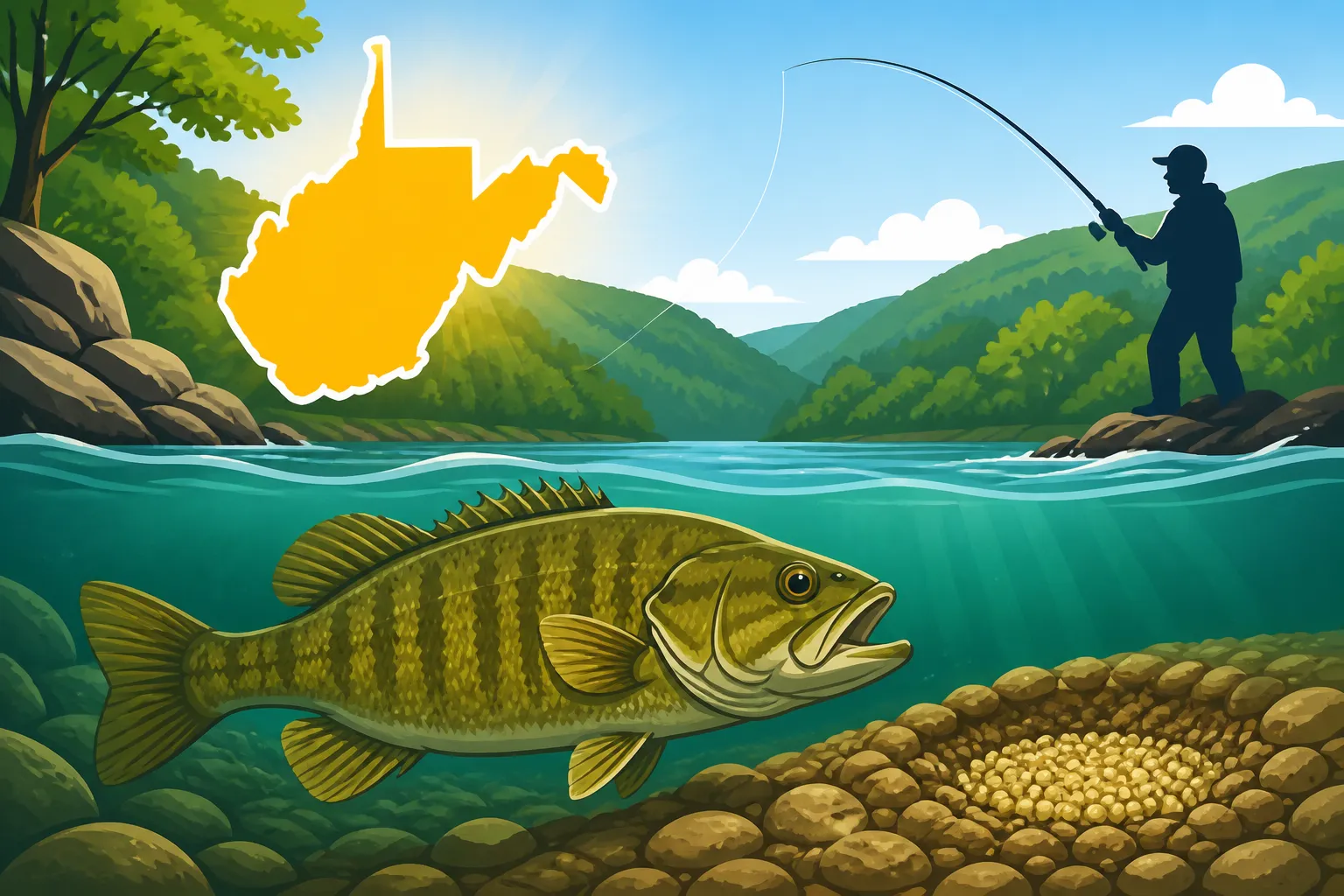
Once water temperatures consistently hit that 55-65°F range, the real magic begins. Male smallmouth bass will select suitable areas, often shallow flats with gravel or small rock bottoms, sheltered from heavy current, and begin fanning out circular nests (redds) with their tails. These nests are typically in 2-10 feet of water, though you might find them shallower or deeper depending on water clarity and cover. Females then move onto these nests to deposit their eggs, which the males fertilize and then meticulously guard until they hatch and the fry disperse. This guarding period can last anywhere from a few days to a couple of weeks, depending on water temperature. The warmer the water, the faster the eggs hatch and fry develop.
During the actual spawning, males are extremely protective. They'll strike at anything that comes near their nest, not necessarily out of hunger, but purely out of territorial instinct. This is where the ethical dilemma for anglers comes in. While they might be "easy" to catch off a nest, removing the male, even for a short time, leaves the eggs or fry exposed to predation. Many anglers choose to scale back their fishing pressure on visible beds or switch to targeting other species during this sensitive time. If you do find yourself catching a spawning male, handle it with extreme care, release it immediately, and try to keep it in the water as much as possible. A good rubberized landing net, available on Amazon, can minimize harm to the fish's protective slime coat.
Post-Spawn: Recovery and Resumed Feeding
After the eggs hatch and the fry disperse, the smallmouth enter their post-spawn phase. This is often a tricky time for anglers. The females, having expended massive amounts of energy laying eggs, are usually exhausted and retreat to deeper, cooler water to recuperate. They might be lethargic and less inclined to strike for a week or two. The males, having guarded the nest, might continue to guard the fry for a bit longer, showing some lingering aggression, but they too will eventually start to feed more consistently.
As the water continues to warm into the high 60s and 70s, both males and females will begin to feed heavily again to regain their strength. They'll often move to summer haunts, which could be current seams, rocky ledges, deep points, or submerged timber. They'll be looking for larger, more substantial meals. This is when topwater baits, swimbaits, and jigs become incredibly effective. Think about where they might be hiding to ambush prey. Articles like Smallmouth Bass Habits on the New River can provide further insights into their behavior after the spawn. Understanding this recovery period means you might need to change your locations from the shallow flats of the spawn to deeper breaks and current areas.
Factors Influencing Smallmouth Spawn Timing Across West Virginia
While water temperature is the primary driver, other factors can subtly influence when smallmouth bass spawn in specific West Virginia waters. Our state's varied geography means not all rivers and lakes are created equal when it comes to early spring warming trends.
River Systems vs. Lake Environments
West Virginia is famous for its incredible river fishing, particularly for smallmouth bass. Rivers like the New River, Greenbrier, and South Branch of the Potomac behave differently than larger impoundments or state park lakes. Rivers, especially shallower ones, tend to warm up faster in the spring due to less overall water volume and constant flow. This can mean an earlier spawn in river systems compared to deeper, larger lakes. Conversely, rivers are also more susceptible to rapid temperature drops from cold fronts or heavy rainfall, which can temporarily halt spawning activity.
Lakes, while warming more slowly, tend to maintain stable temperatures for longer. A large lake like Summersville Lake or Bluestone Lake might see smallmouth moving to deeper spawning flats that warm up more gradually but also hold their temperature better during minor cold snaps. In these lake environments, smallmouth might be more spread out, making them a bit harder to pinpoint during the pre-spawn stages. However, once they commit to a spawning flat, they tend to stay put. If you're interested in Best Fishing Lakes in West Virginia for smallmouth, it's good to consider their unique spawning dynamics.
Elevation and Latitude's Role
West Virginia's mountainous terrain means significant differences in elevation across the state. Rivers and streams at higher elevations, such as those found in the Monongahela National Forest, will naturally remain colder for longer into the spring compared to lower elevation rivers closer to the Ohio River or the Potomac. This means the smallmouth spawn in these higher, colder waters will typically occur later in the season. Anglers targeting smallmouth in the eastern panhandle might experience an earlier spawn than those fishing streams near Snowshoe Mountain.
Similarly, latitude plays a role, though less pronounced within West Virginia's relatively compact north-south span. Southern counties might experience slightly earlier warm-ups, subtly shifting the spawn timeline. It's a subtle effect, but combined with elevation, it means there's no single "spawn date" for the entire state. A smart angler keeps a close eye on local conditions, sometimes using a fish finder with a temperature gauge, or even a simple handheld thermometer, readily available through Amazon, to track water temps in their specific fishing spots. Knowing What water temperature smallmouth bass prefer for spawning is your most important piece of information.
Planning Your Smallmouth Bass Adventures Around the Spawn
Successfully fishing for smallmouth bass in West Virginia, especially around the spawning period, requires a blend of knowledge, patience, and ethical consideration. It’s about more than just tossing a lure; it’s about understanding the life cycle of these incredible fish and respecting their need to reproduce.
Adapting Your Lures and Tactics
As we discussed, different stages of the spawn call for different tactics. During the robust pre-spawn period, smallmouth are often eager to chase down a meal. Consider larger profile baits that mimic crawfish or shad, such as crankbaits, swimbaits, or jigs. Fishing these along current breaks, points, and sudden depth changes can be incredibly productive. Don't be afraid to experiment with brighter colors in stained water or more natural tones in clear conditions. Checking out resources like Best Baits for Smallmouth Bass on the New River can give you specific recommendations that often hold true across many West Virginia smallmouth waters.
Once smallmouth are actively on beds, your approach should shift. If you choose to fish around them, very subtle presentations like a weightless soft plastic, a Ned rig, or a small jig that can be fanned around the bed might entice a defensive strike. However, as mentioned, this is the time to prioritize the health of the fishery. After the spawn, as fish recuperate, slower presentations like shaky heads, wacky-rigged worms, or even slow-rolled spinnerbaits can be effective as they transition to deeper water. Later in the post-spawn, when they're fully recovered and feeding again, don't shy away from topwater action during dawn and dusk – think about articles like Best Topwater Lure for Dawn Smallmouth Fishing.
Embracing Ethical Angling and Conservation
The smallmouth bass fishery in West Virginia is a treasure, and preserving it for future generations is a responsibility we all share. During the spawn, ethical angling means making conscious choices. If you spot fish on beds, consider moving to another section of the river or lake where fish are in pre-spawn or post-spawn stages. If you do accidentally hook a fish guarding a nest, minimize its time out of water and release it as quickly and gently as possible.
Beyond individual choices, staying informed about West Virginia Fishing Regulations Explained and supporting local conservation efforts are vital. The West Virginia Division of Natural Resources (WVDNR) works hard to manage our fisheries, and by adhering to limits and seasons, we all contribute to a healthy ecosystem. Remember that a fishing license, which you can learn about in West Virginia Fishing License Guide for 2026, is not just a permit; it's an investment in the future of fishing in our state. By being mindful and adapting our strategies, we can continue to enjoy the incredible smallmouth bass fishing West Virginia has to offer for years to come.
Disclaimer
This article is for general informational purposes only and does not constitute professional advice. Laws, prices and regulations vary by location and change over time. Consult a qualified professional for guidance on your specific situation.