Trout Stamps and Trout Fishing Rules in West Virginia
Getting out on West Virginia's beautiful rivers and streams in pursuit of trout is an incredible experience, but it can quickly get confusing when you start looking at the regulations. It’s not just about having a general fishing license; there's a specific "trout stamp" that trips up many anglers, both residents and visitors, alongside a maze of special rules for different waters. This comprehensive guide is here to untangle all that, ensuring you understand exactly what you need to fish legally and responsibly for trout across the Mountain State.
Understanding the West Virginia Trout Stamp Requirement
So, you've got your regular West Virginia fishing license, right? That's a great start! But for many of us, especially those dreaming of pulling a shimmering rainbow or a feisty brook trout from a cool mountain stream, that's often not quite enough. The state has a dedicated system to fund its fantastic trout program, and that comes in the form of a trout stamp. It's a critical piece of the puzzle that ensures those healthy, vibrant fish keep finding their way into our waters.
Who Needs a Trout Stamp and Why
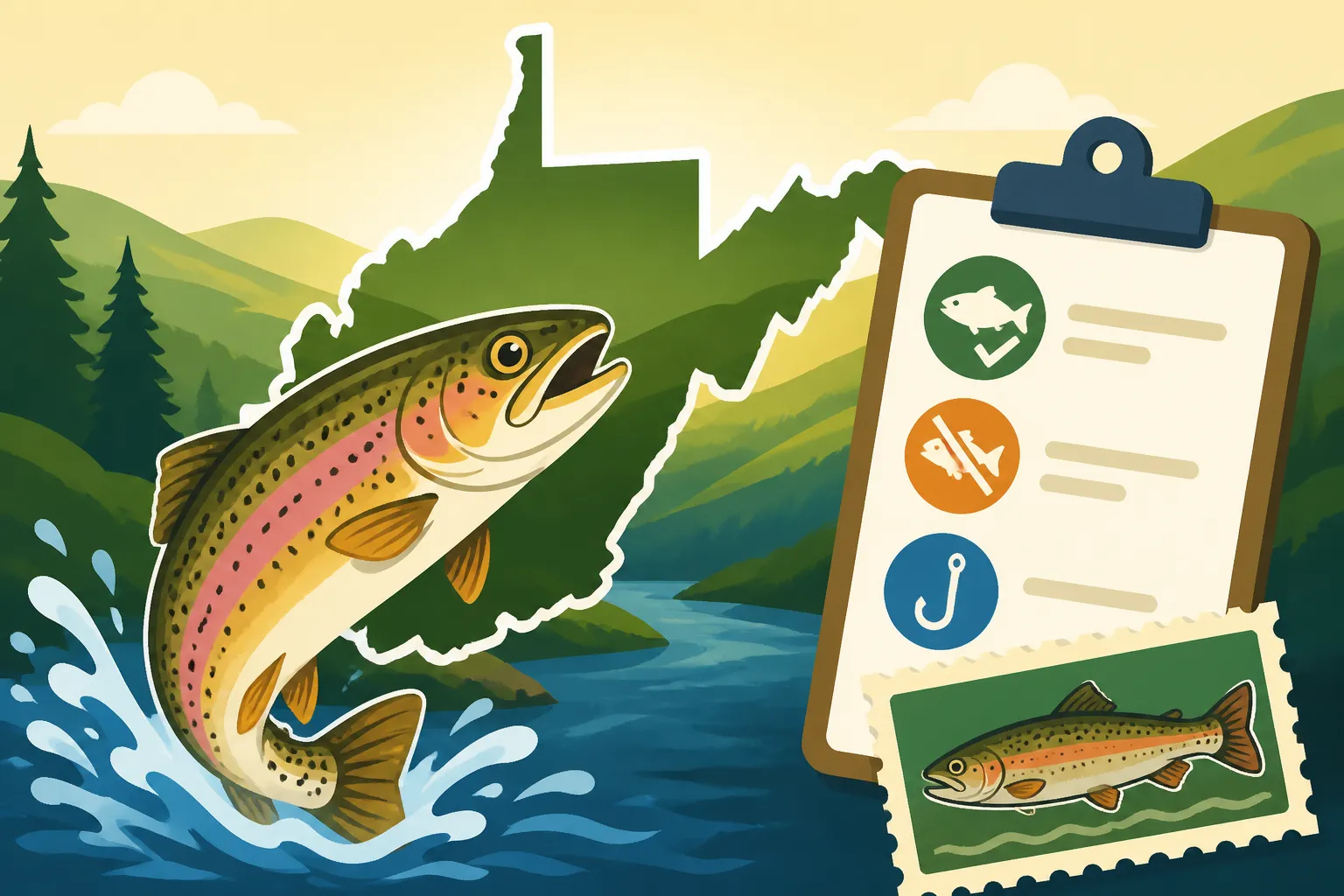
Let's cut right to it: if you're 15 years or older and plan to fish for trout, or even just be in possession of trout while fishing, in West Virginia's designated trout waters, you need a trout stamp. It's an additional endorsement that goes right alongside your base fishing license. Think of it like a specialized pass for a specific activity. The funds generated from the sale of these stamps are directly earmarked for the West Virginia Division of Natural Resources (WVDNR) trout management program. This includes everything from operating the state's trout hatcheries, purchasing fish food, stocking operations, habitat improvements, and even scientific research to ensure the health of our trout populations. It's a small investment that makes a huge difference in keeping our trout fisheries thriving.
However, there are a few important exceptions. Generally, children under 15 years of age are exempt from needing a fishing license and a trout stamp. This is fantastic for getting the younger generation hooked on fishing without the financial barrier. Additionally, certain disabled veterans and former Prisoners of War may be exempt from license and stamp requirements, which is a well-deserved benefit. It's always a good idea to confirm these specific exemptions with the latest regulations, but for the vast majority of adult anglers, that trout stamp is non-negotiable if you plan to target or possess trout. For more detailed information on age requirements, check out our guide on Do Kids Need a Fishing License in West Virginia?.
When and Where the Trout Stamp is Required
This is where some anglers get confused. It’s not just about catching a trout; it’s about where you’re fishing and what you're doing. The trout stamp is required when you are fishing in any water that has been designated as a "trout water" by the WVDNR. These are the streams, rivers, and lakes that are either stocked with trout or are known to hold wild trout populations. The designation means that the WVDNR actively manages these waters for trout, and therefore, the trout stamp revenue is vital for their upkeep.
Crucially, this requirement applies whether you intend to keep your catch or if you're a strict catch-and-release angler. Many beautiful, pristine mountain streams are managed as catch-and-release only, or fly-fishing-only, but the trout stamp is still a must. The act of fishing in these designated waters, regardless of your intent for the fish, triggers the requirement. This ensures that everyone who benefits from the state's trout program contributes to its funding. If you're accidentally fishing for smallmouth bass on a river that also happens to be a designated trout water, and you happen to hook a trout, you should ideally have that stamp to be fully compliant, especially if you possess the trout even momentarily. Ignorance of the designation won't excuse a violation. You'll find a lot of these specific waters outlined in our resource on Special Regulation Waters in West Virginia.
West Virginia Trout Stamp Cost and Purchase Options
The cost of a West Virginia trout stamp is quite reasonable, especially when you consider the quality of fishing it helps support. Like the general fishing license, there are different fees for residents and nonresidents. Residents typically enjoy a lower fee structure, which is common across most state wildlife agencies as a benefit for those who contribute to the state's tax base. Nonresidents pay a slightly higher fee, reflecting their use of a resource they don't directly fund through state taxes. The trout stamp is an annual endorsement, meaning once you buy it, it's good for the remainder of the license year, which typically runs from January 1st to December 31st.
Purchasing your trout stamp is straightforward these days. The most convenient option for many is to buy it online directly through the WVDNR's licensing system, WVhunt.com. This allows you to purchase it from the comfort of your home, print it out immediately, or carry a digital copy on your phone. Alternatively, you can always visit one of the many authorized license agents located throughout the state, which often include sporting goods stores, tackle shops, and even some general merchandise stores. These agents can issue your stamp on the spot. Some larger retailers, like those you might find on Amazon, also sell fishing-related accessories, but the official license and stamp must be acquired directly from the WVDNR or an authorized agent. For precise details on the fees, our guide on the West Virginia Trout Stamp Cost for Residents and Nonresidents offers a comprehensive breakdown.
General Trout Fishing Regulations in West Virginia
Beyond the essential trout stamp, there's a whole layer of regulations that govern how and when you can fish for trout in West Virginia. These rules are put in place to manage fish populations sustainably, ensure fair chase, and provide diverse angling opportunities. Ignoring them can lead to fines and a less enjoyable experience for everyone.
Daily Creel and Possession Limits
Understanding creel and possession limits is fundamental to legal trout fishing. The "daily creel limit" refers to the maximum number of fish of a particular species you can harvest and keep in a single day. For most general trout waters in West Virginia, the daily creel limit for trout is six fish. This means that from the time you start fishing until you finish for the day, you cannot have more than six trout in your possession that you've harvested from that day's outing. This limit helps spread the harvest among anglers and prevents overfishing.
The "possession limit" is slightly different, and it's something many folks confuse with the daily limit. The possession limit refers to the maximum number of fish you can have in your possession at any given time, whether they were caught today, yesterday, or a week ago. For trout in West Virginia, the possession limit is typically twice the daily creel limit, which would be 12 fish. This means if you've been fishing for two days and kept six trout each day, you can legally have 12 trout in your freezer or cooler at home. However, if you're out on the water, you cannot exceed your daily creel limit for that particular day, even if you have "room" in your overall possession limit from previous trips. Always check the current regulations, especially for specific bodies of water, as these limits can vary. Our guide on West Virginia Bag and Possession Limits by Species dives deeper into these rules for all fish.
Length Limits and Slot Limits
While many stocked trout waters in West Virginia don't have a minimum length limit – meaning you can keep a legal-sized fish regardless of its length, as long as you adhere to the creel limit – some special regulation waters do impose length limits. These are typically found in areas managed for trophy trout, wild trout, or catch-and-release fisheries. For example, a stream designated for "trophy trout" might have a minimum length of 14 or 16 inches, meaning any trout shorter than that must be immediately released. These larger fish are often less abundant and require more time to grow, so length limits help protect them and allow them to reach impressive sizes.
Even more specific are "slot limits," which dictate that fish within a certain size range must be released, while fish smaller or larger than that range can be kept. For instance, a slot limit might specify that all trout between 10 and 16 inches must be released, but you can keep fish under 10 inches or over 16 inches, up to the daily creel limit. Slot limits are often used to protect a specific age class of fish, particularly those in their prime spawning years, allowing them to reproduce and contribute to future generations. These rules are usually clearly posted at the access points for these special waters, and it’s always your responsibility to know them before you cast a line. Never assume the general statewide rule applies everywhere; specific signs and the WVDNR regulation booklet are your best friends.
Allowable Methods and Gear
West Virginia offers a variety of ways to fish for trout, but the acceptable methods can also vary depending on the specific water you're fishing. In most general trout waters, you're permitted to use standard rod and reel setups with a variety of baits, lures, and flies. This includes popular choices like worms, mealworms, corn, PowerBait, small spinners (think Rooster Tails or Panther Martins), and small spoons. Live bait is generally allowed, but it's crucial to ensure the bait itself is legal and, if it's a minnow, that it's from an approved source to prevent the spread of diseases or invasive species.
However, once you venture into "special regulation" areas, the rules can become much more restrictive. Many pristine streams or specific sections of larger rivers are designated "fly-fishing-only" or "artificial lures only." In these waters, live bait is strictly prohibited, and you might even be limited to single, barbless hooks. The intent behind these rules is often to minimize harm to released fish, as artificial lures and flies with single, barbless hooks tend to cause less damage than treble hooks or deeply swallowed bait. Always be sure to check the specific regulations for the particular body of water you plan to fish. You can find a fantastic selection of light action rods and reels on Amazon that are perfect for West Virginia trout, along with a wide array of lures and flies, but make sure the gear complies with local rules for where you're headed!
Understanding West Virginia's Trout Seasons and Stocking Program
West Virginia's trout fishing scene isn't just a spring affair anymore; thanks to a robust stocking program, you can find excellent trout fishing opportunities throughout much of the year. The WVDNR works tirelessly to ensure that anglers have plenty of chances to catch these beautiful fish, and understanding their stocking schedule and the types of trout they release can greatly improve your success.
The Trout Stocking Schedule and "Opening Day" Mentality
While some states have a very rigid "opening day" for trout season, West Virginia has largely moved away from that model for many of its waters, opting instead for a more extended, year-round stocking program. That said, there's still a palpable "opening day" mentality in the spring, when the first major stockings of the year begin. Many anglers still treat the traditional start of spring trout season (often the first Saturday in April) as a special day, flocking to their favorite streams. It's a fantastic tradition that brings communities together.
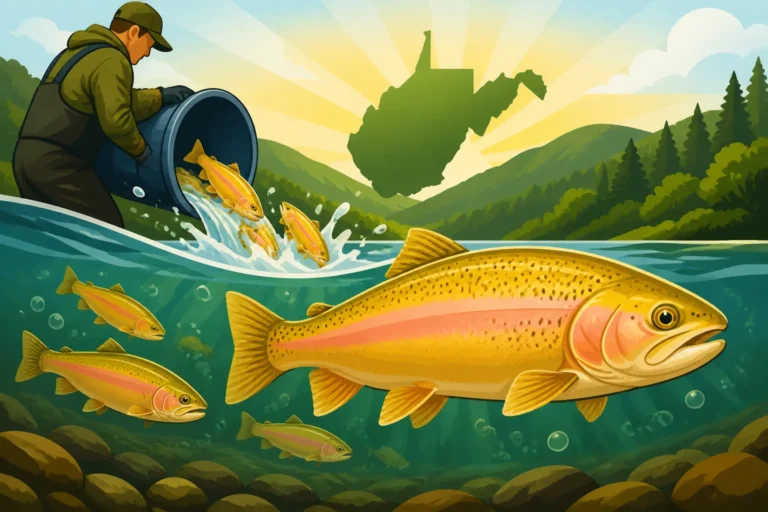
The WVDNR's commitment to stocking is truly impressive, with trout being released into hundreds of miles of streams and dozens of lakes across the state. They typically conduct multiple stockings throughout the spring, fall, and even during milder winter periods. The schedule is meticulously planned and released to the public, allowing anglers to know exactly when and where the fish will be delivered. This is a game-changer for planning your trips. You can access the most up-to-date schedule through the WVDNR website or by calling their trout stocking hotline. Our dedicated resource on the West Virginia Trout Stocking Hotline and Schedule provides all the details you need to stay informed. Keeping an eye on these schedules is crucial if you want to fish when the fresh fish are most active!
Types of Trout Stocked in West Virginia
The WVDNR stocks several species of trout to provide diverse angling experiences and adapt to various water conditions throughout the state. Each species has its own characteristics and preferences, making for a rich fishing environment.
- Rainbow Trout: These are by far the most commonly stocked trout in West Virginia. They're hardy, grow relatively quickly, and adapt well to hatchery life, making them ideal for put-and-take fisheries. Rainbows are known for their vibrant colors, often displaying a distinctive pink or red band along their sides. They're aggressive biters and provide exciting action for anglers using everything from PowerBait to spinners and flies.
- Brown Trout: While also stocked, brown trout tend to be a bit more elusive and wary than rainbows. They're often found in waters that offer more cover, such as undercut banks and submerged logs. Brown trout are known for their beautiful golden-brown coloring, often speckled with red and black spots, some with light halos. West Virginia also has some incredible wild brown trout populations in certain streams. They're often targeted by more experienced fly anglers due to their cunning nature and preference for natural insect hatches.
- Brook Trout: As West Virginia's native and state fish, brook trout hold a special place in the hearts of many anglers. These stunning fish are typically smaller, displaying intricate vermiculation patterns on their backs, red spots with blue halos, and white leading edges on their fins. Wild brook trout are found in the highest, coldest, and most pristine headwater streams, often requiring a bit of a hike to reach. The WVDNR also stocks a limited number of brook trout in certain waters, particularly during fall. Fishing for native brook trout often involves specific regulations to protect their fragile populations.
- Golden Rainbow Trout: These are perhaps the most unique and recognizable fish stocked in West Virginia. The golden rainbow trout is a genetic variation of the rainbow trout, specially bred to be bright, iridescent gold or orange. They're stocked in conjunction with special events, most notably the annual Gold Rush. Their dazzling color makes them a prized catch and an exciting target, especially for younger anglers. To learn more about these beautiful fish, dive into our article on Golden Rainbow Trout in West Virginia.
Major Stocking Events and Special Opportunities
Beyond the regular weekly stockings, West Virginia hosts a few marquee events and designates specific areas that offer unique trout fishing opportunities. These initiatives really set the state apart for trout enthusiasts.
The biggest and most anticipated event is undoubtedly the West Virginia Gold Rush. This annual spring event sees thousands of these brilliantly colored golden rainbow trout stocked into select waters across the state. It's a huge draw for families and anglers looking for a memorable experience and a chance to catch a truly unique fish. The WVDNR provides specific dates and locations for the Gold Rush, and it's always a good idea to arrive early if you want to be among the first to cast a line. Our guide to the West Virginia Gold Rush Golden Rainbow Trout Event Rules will give you all the details on participating in this exciting tradition.
In addition to the spring stockings, the WVDNR conducts significant fall and winter stockings as well. These stockings provide fantastic cold-weather fishing opportunities, especially in larger impoundments and lower-elevation streams that remain open. Fall stockings help extend the season, while winter stockings are perfect for those who enjoy a brisk day out, often with less competition on the water.
Lastly, West Virginia has designated Trophy Trout Sections in several streams. These areas are managed to produce larger-than-average trout, often through specific length limits or catch-and-release rules. They are typically stocked with larger fish or have conditions conducive to natural growth. These sections appeal to anglers seeking a challenge and the thrill of landing a truly impressive trout. Always consult the WVDNR regulations summary for locations and specific rules for these special areas, as they often differ significantly from general regulations.
Navigating West Virginia's Special Regulation Trout Waters
West Virginia is renowned for its diverse trout fishing, offering everything from heavily stocked "put-and-take" waters to pristine, wild brook trout streams and challenging fly-fishing-only sections. Understanding these special regulations is paramount, as they often dictate not only what you can keep but also what gear and methods you can employ. Ignoring them can lead to a ruined trip and legal trouble.
Designated Fly-Fishing-Only Streams
For many avid fly anglers, West Virginia's designated fly-fishing-only streams are a true gem. These waters are managed with a specific intent: to provide a high-quality, often more natural, fly-fishing experience. Famous examples include stretches of the Cranberry River, Shavers Fork of the Cheat River, and portions of the Elk River. What makes these waters special are the strict rules applied to them.
In fly-fishing-only areas, you are generally restricted to using artificial flies with a fly rod and reel. This means no spinning gear, no bait, and no artificial lures that aren't classified as flies. Furthermore, many of these sections require the use of single, barbless hooks. The rationale behind barbless hooks is to minimize harm to the fish, allowing for easier, quicker release and increasing their survival rate. The goal is often to create a self-sustaining fishery or to ensure that stocked fish can be caught multiple times, providing prolonged recreational value. These rules foster a different kind of angling, emphasizing presentation and skill over baiting. If you're planning a trip to one of these iconic waters, make sure your tackle box is stocked with appropriate flies – you can find a huge variety of fly patterns on Amazon, from nymphs to dry flies and streamers – and that your hooks are either barbless or have their barbs pinched down.
Catch-and-Release Only Areas
Beyond fly-fishing-only waters, some streams or sections are designated as "catch-and-release only." The intent here is clear: no harvest is permitted. Every fish caught in these waters must be immediately and carefully released back into the water. These areas are often established to protect fragile wild trout populations, particularly brook trout, or to create trophy fisheries where fish can grow to exceptional sizes without being removed from the system. They represent a significant conservation effort aimed at preserving the genetic integrity and abundance of certain fish stocks.
The regulations in catch-and-release zones typically align with the "no harvest" rule, and often include other restrictions like artificial lures or flies only, and sometimes single, barbless hooks. Anglers fishing these waters must be highly mindful of proper fish handling techniques. Wet hands are essential to protect the fish's slime coat, and minimizing air exposure is crucial. Quick, gentle unhooking and release are paramount to ensuring the fish's survival. The reward isn't a meal, but the satisfaction of fooling a wild or large trout and knowing it's there for another angler to enjoy. For more on how to properly handle fish you plan to release, check out our guide on West Virginia Catch and Release Rules for Trout.
Other Unique Trout Water Regulations
West Virginia's trout management is nuanced, and you'll encounter a few other specialized regulations designed to achieve specific goals:
- Delayed Harvest Waters: These are fantastic for extending the fishing season. In delayed harvest waters, a specific period, typically from fall through early summer, is designated as catch-and-release only, often with artificial lures or flies. During this time, the WVDNR stocks these waters, allowing fish to grow and providing extended opportunities. Then, usually around June 1st, the regulations revert to general creel and tackle limits, allowing anglers to harvest fish. This system offers the best of both worlds: a long period of high-quality catch-and-release fishing followed by a harvest opportunity.
- Trophy Trout Sections: As mentioned earlier, these sections are managed to grow larger trout. This is achieved through higher minimum length limits (e.g., 14-inch minimum) and sometimes reduced daily creel limits (e.g., 2 fish instead of 6). The goal is to allow more fish to survive to a larger size, offering anglers the chance to catch a truly memorable trout.
- Gear Restrictions: Beyond flies-only, some waters might have other specific gear restrictions, such as no treble hooks, or limitations on the type of natural bait. For instance, some waters might permit worms but prohibit minnows. These are all designed with conservation and specific fishery goals in mind.
It can feel like a lot to keep track of, but the WVDNR does an excellent job of detailing all these nuances in their annual regulation summary. Always consult the current year's Reading the West Virginia Fishing Regulations Summary before heading out to ensure you're compliant with any specific rules for your chosen destination.
Essential Gear and Best Practices for West Virginia Trout Fishing
Trout fishing in West Virginia is incredibly rewarding, but having the right gear and adopting best practices will make your experience much more enjoyable and successful. It’s not just about what you catch, but how you go about it, showing respect for the fish and the environment.
Recommended Rods, Reels, and Line
Choosing the right tackle can make a huge difference, whether you're tossing spinners in a stocked stream or presenting tiny dry flies on a pristine wild trout creek.
For spinning gear, which is popular for bait and lure fishing in most stocked waters, a light to ultralight action rod is generally ideal. A rod in the 5' to 6'6" range offers excellent feel and casting accuracy for small lures. Pair this with a small spinning reel (size 1000 or 2000) spooled with 4-6 pound test monofilament or fluorocarbon line. Monofilament offers good knot strength and shock absorption, while fluorocarbon is nearly invisible in the water, which can be a huge advantage in clear mountain streams where trout can be quite spooky. Stock up on essential trout baits like PowerBait or a variety of small spinners easily through Amazon for convenience before your trip.
For fly fishing, the typical setup for West Virginia trout streams involves a 3-weight to 5-weight fly rod. A 3-weight is perfect for smaller streams and delicate presentations to native brook trout, while a 4- or 5-weight offers more versatility for larger streams, throwing bigger flies, and handling potential wind. Pair your rod with a matching reel (which primarily holds the line) and a weight-forward floating fly line. A leader of 7.5 to 9 feet, tapering down to 4x, 5x, or even 6x tippet, will give you the finesse needed for most trout situations. You can find high-quality fly fishing gear, from full combos to specific lines and leaders, readily available on Amazon.
Baits, Lures, and Flies to Consider
The beauty of West Virginia trout fishing is the sheer variety of options for enticing a bite. Your choice will largely depend on the specific water and conditions, as well as the regulations in place.
- Live Bait: For many, nothing beats classic live bait. Worms (especially red wigglers or nightcrawlers) are a timeless choice, offering natural scent and movement. Mealworms and wax worms are also highly effective, particularly for recently stocked trout. In some waters, small minnows can be excellent, though always double-check if live minnows are permitted and if there are any restrictions on their origin to prevent the spread of diseases.
- Prepared Baits: These are often the go-to for stocked trout, especially in lakes and slower-moving sections of rivers. PowerBait in various colors (chartreuse, rainbow, pink) and forms (nuggets, dough) is incredibly popular and effective due to its scent and buoyant properties. Salmon eggs are another classic for trout, especially when fished in a drift.
- Lures: Small spinners like Rooster Tails, Panther Martins, and Mepps are deadly for trout. Their flashing blades and vibrating action mimic baitfish or insects, triggering strikes. Small spoons (e.g., Kastmasters, Little Cleos) also work well, especially in larger streams or lakes. The key is to use smaller sizes (1/16 oz to 1/8 oz) that match the size of baitfish or insects trout typically feed on.
- Flies: This is a vast category! For nymphs, common patterns include Pheasant Tails, Hare's Ears, Squirmy Worms, and Prince Nymphs, fished subsurface to imitate aquatic insects. Dry flies like Adams, Caddis, and Mayflies are used when trout are actively feeding on insects on the surface. Streamers such as Woolly Buggers or Clouser Minnows mimic baitfish and are excellent for targeting larger trout, especially brown trout. Knowing which hatches are occurring can make a huge difference in fly selection.
Ethical Angling and Conservation Tips
Beyond simply following the rules, being an ethical angler and practicing good conservation habits ensures that West Virginia's fishing resources remain healthy and accessible for generations to come.
- Catch and Release Best Practices: If you're releasing fish (and you should be, especially in special regulation or wild trout waters), handle them with extreme care. Keep the fish in the water as much as possible, use wet hands to protect their protective slime coat, and try to remove the hook quickly with forceps or pliers. Consider pinching down the barbs on your hooks to make hook removal easier and less stressful for the fish.
- Respect Private Property: Much of West Virginia's prime fishing water flows through private land. Always be aware of property lines and seek permission before trespassing. Accessing public waters often requires crossing private property, so knowing where public access points are located is vital.
- Leave No Trace: Pack out everything you pack in, and then some. This includes all trash, fishing line, and discarded bait containers. Do not litter, and avoid leaving any trace of your visit. This preserves the natural beauty of our wild places and keeps them clean for everyone.
- Know Your Regulations: As covered extensively here, the nuances of West Virginia Fishing Regulations Explained are numerous. It's your responsibility to know and abide by them. Ignorance is no excuse, and violating regulations can result in significant fines and the loss of your fishing privileges. A quick check of the WVDNR website or a copy of the regulation summary before each trip can prevent a lot of headaches.
Common Questions and Misconceptions about West Virginia Trout Rules
Even with all the information out there, certain questions and misunderstandings about trout fishing rules in West Virginia pop up time and time again. Let’s clear up some of the most frequent ones to help you fish with confidence.
Do Kids Need a Trout Stamp?
This is a really common and important question, especially for families introducing children to fishing. The good news is, generally speaking, no, children under the age of 15 do not need a West Virginia fishing license, nor do they need a trout stamp. This exemption is a wonderful initiative designed to encourage youth participation in outdoor activities and make fishing accessible without additional financial burdens.
However, it's vital to know the exact age cutoff. In West Virginia, the exemption applies to anglers who are under 15 years of age. Once a child turns 15, they are then required to purchase a general fishing license and, if they plan to fish for trout in designated trout waters, a trout stamp as well. Always confirm the current age requirements in the official regulations, as these can occasionally change. For a full breakdown of age requirements for licenses, check out our guide on Do Kids Need a Fishing License in West Virginia?. It's a fantastic policy that gets many young people hooked on fishing, which is great for the future of our sport!
Catching Trout While Fishing for Other Species
Imagine you're out on the New River, casting for smallmouth bass or walleye, and suddenly, you hook into a beautiful rainbow trout! It happens more often than you might think, especially in rivers where trout stocking overlaps with other species' habitats. The question then becomes: "Do I need a trout stamp if I wasn't even trying to catch trout?"
The answer generally depends on where you are fishing and what your intent is once you catch the trout. If you are fishing in a designated trout water, even if you're targeting other species, you are still considered to be fishing in a trout-managed area. Therefore, if you intend to keep the trout you catch, or even just momentarily possess it beyond immediate release, you are required to have a trout stamp. The rule is about being in a trout water and possessing a trout, not necessarily your primary target. If you quickly and gently release an incidentally caught trout without ever truly possessing it for keeping, you might be in a gray area, but to be completely safe and legal, especially if you think there's any chance of catching and wanting to keep a trout, it's always best to have that trout stamp if you're in a designated trout water.
If you're fishing in a waterbody that is not a designated trout water, and you happen to catch a stray trout (which is rare but not impossible), then the trout stamp typically wouldn't apply since you're not in a managed trout fishery. However, such instances are infrequent. The takeaway here is: if you're fishing a known trout stream or lake, even if you're throwing a big muskie plug, and there's a chance you might hook a trout, make sure you're properly licensed with the stamp.
How to Interpret Regulation Summaries
The West Virginia Fishing Regulations Summary can feel like a dense legal document, full of jargon and specific codes. Many anglers find it overwhelming, and frankly, that's a valid frustration! It's not always written in the most user-friendly language, but it is your ultimate authority for what is legal and what isn't.
My best advice for interpreting these summaries is to:
- Read the entire trout section thoroughly. Don't just skim. Look for keywords like "trout," "special regulations," "fly-fishing only," "catch and release," and specific stream names.
- Focus on your specific fishing location. The regulations are often broken down by county or by specific waterbody. Find the exact river, stream, or lake you plan to visit and pay close attention to any rules listed for it.
- Look for exceptions and provisos. Often, a general rule is stated, followed by "except for these waters…" or "provided that…". These exceptions are critical.
- Understand the definitions. The front of the booklet often defines terms like "daily creel limit," "possession limit," "artificial lure," and "fly." Knowing these definitions is key to understanding the rules.
- When in doubt, err on the side of caution. If a rule is unclear, choose the more conservative interpretation. Better safe than sorry when it comes to wildlife regulations.
- Don't rely solely on word-of-mouth. While your buddies might have good intentions, regulations change, and interpretations vary. Always cross-reference with the official document.
The WVDNR typically publishes a new summary annually, so make sure you're always consulting the most current version. You can find the PDF version easily online, and it's always wise to have a copy (digital or physical) with you when you're fishing. Take a look at our detailed guide on Reading the West Virginia Fishing Regulations Summary for more tips on navigating this essential document.
Consequences of Fishing Without a Trout Stamp
It might seem like a small detail, but fishing for trout in designated waters without the required trout stamp is a violation of state law, and the consequences can be much more severe than a simple slap on the wrist. Enforcement officers with the WVDNR take these regulations seriously because they directly impact the funding and sustainability of the state's valuable trout fisheries.
The penalties for fishing without a proper license or stamp in West Virginia can include:
- Significant Fines: You'll face monetary penalties, which can quickly add up and are often much higher than the cost of the stamp itself.
- Court Costs: In addition to the fine, you'll likely be responsible for court costs associated with the citation.
- Confiscation of Gear: In some cases, especially for repeat offenders or egregious violations, your fishing equipment (rods, reels, tackle) could be confiscated.
- Loss of Fishing Privileges: A conviction can result in the suspension or revocation of your fishing license, meaning you won't be allowed to fish in West Virginia for a specified period. This can also impact your ability to get licenses in other states due to reciprocity agreements.
These consequences are designed to deter illegal activity and underscore the importance of supporting conservation efforts. It's truly not worth the risk. For a deeper dive into the broader penalties for license violations, our article on Fishing Without a License in West Virginia: Penalties provides more context. A few extra dollars for a trout stamp is a small price to pay for peace of mind, a legal fishing experience, and the knowledge that you're contributing directly to the incredible trout resources West Virginia has to offer.
Disclaimer
The information provided in this guide is intended for general informational purposes only and is based on publicly available West Virginia fishing regulations. While we strive to be accurate and up-to-date, regulations can change. It is solely the reader's responsibility to consult the most current official West Virginia Division of Natural Resources (WVDNR) fishing regulations summary or contact the WVDNR directly before engaging in any fishing activities. This content should not be considered legal advice.