Where the West Virginia muskie record was caught
Every angler dreams of catching a fish that makes history, especially when it comes to a toothy titan like the muskie. For many, the ultimate quest isn't just a big fish, but the biggest fish in the state. If you've ever wondered where West Virginia's legendary state record muskie was pulled from, sparking questions about what makes certain waters so productive, you're in the right place. This guide will dive deep into the specific location of this monumental catch and explore what factors contribute to growing such incredible fish in the Mountain State.
The Legendary Catch: Unveiling West Virginia's State Record Muskie Location
There's something almost mythical about a state record fish. It's not just a testament to the angler's skill, but also to the health and vitality of a particular waterway. For muskie anglers in West Virginia, the question of "where" often feels like the ultimate secret. Rest assured, the location of West Virginia's state record muskie is a matter of public record, and understanding its story can shed light on where you might find your own personal best.
The Specific Waters and When It Happened
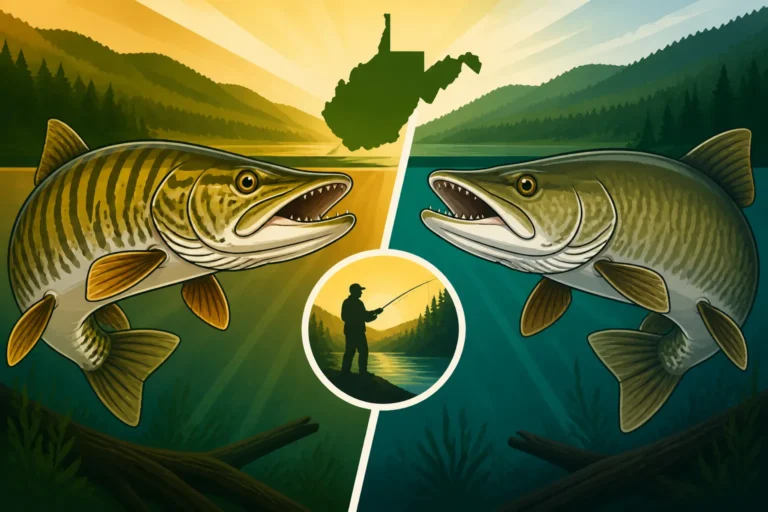
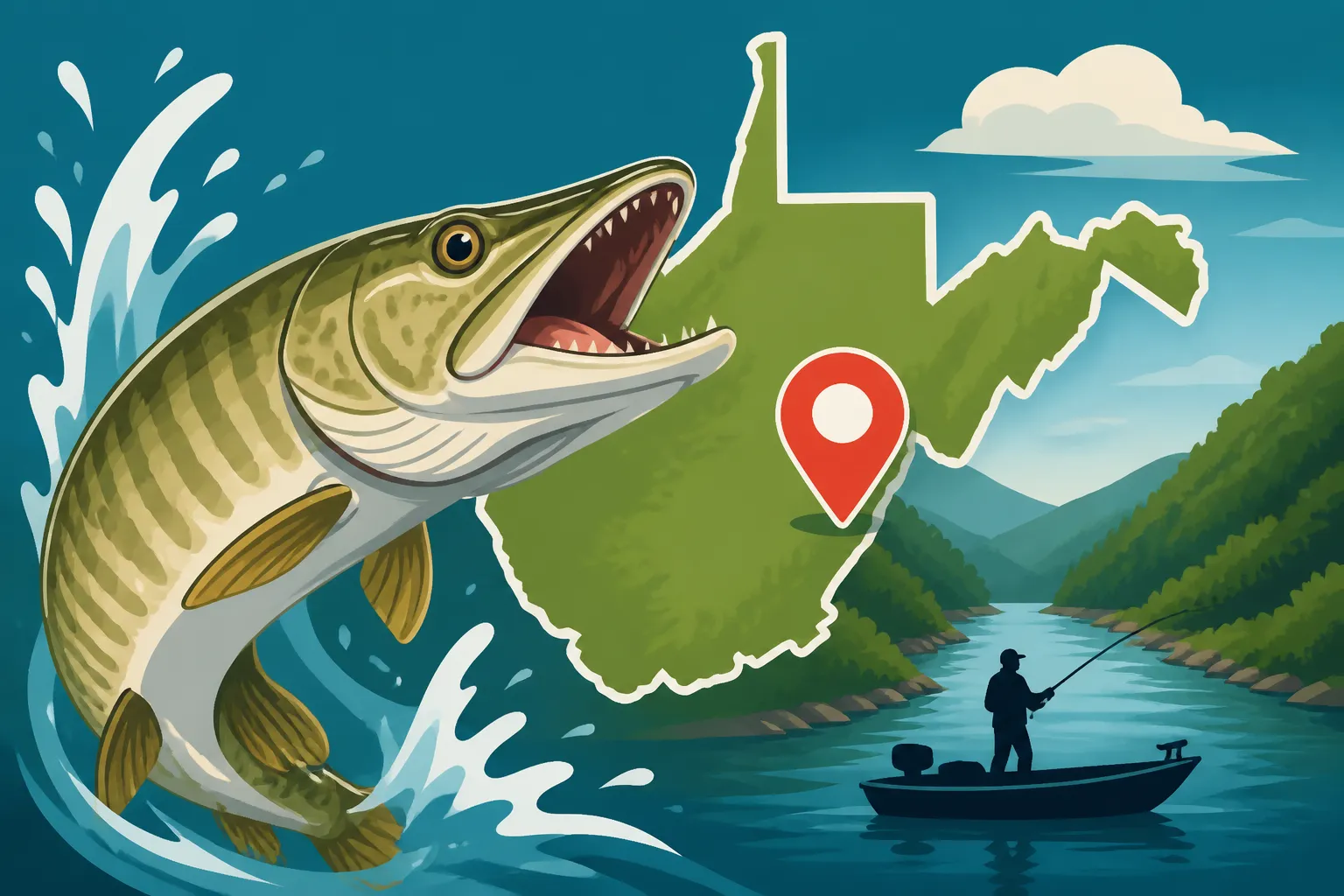
The West Virginia state record muskie, a true behemoth, was caught in the Little Kanawha River. This incredible catch wasn't just a fish; it was a testament to the potential hidden within West Virginia's diverse waterways. The angler, Blake Gordon, landed this monstrous muskie back in 1997, and its weight, over 49 pounds, has held strong ever since. It's a weight that commands respect and sets a high bar for any aspiring muskie hunter.
The Little Kanawha River, flowing through the western part of the state, has long been recognized for its muskie potential. This river is a fantastic example of a diverse ecosystem, offering everything a muskie needs to thrive: ample forage, varied structure, and suitable water conditions. Knowing this specific location, however, doesn't mean you can just drop a line and expect to hook a record. It points to a combination of factors that, at a specific point in time, converged to create the perfect environment for a fish of that magnitude. It's a piece of fishing history that continues to inspire.
What Made That Water Prime for a Monster Muskie?
So, what exactly made the Little Kanawha River such a fertile ground for a state record muskie, particularly during that era? It wasn't just luck; it was a combination of ecological factors and potentially optimal conditions.
First, the Little Kanawha River boasts a rich and varied forage base. Muskie are apex predators, and to grow to such immense sizes, they need an abundant supply of food. This river provides just that, with healthy populations of suckers, carp, various panfish, and even smaller bass. These prey species provide the caloric intake necessary for muskie to pack on pounds year after year. Think of it like a buffet for big, hungry fish.
Second, the river's structure and habitat are ideal. Muskie are ambush predators. They love to lie in wait near submerged timber, rock ledges, current seams, and deep holes. The Little Kanawha offers a myriad of these features, from slow-moving pools to faster riffles, giving muskie plenty of places to hide, ambush prey, and conserve energy. Access points along the river, like those detailed in a Little Kanawha River Muskie Fishing guide, highlight these productive areas. The river's varying depths and bottom compositions also play a crucial role, providing thermal refuge in different seasons.
Finally, while difficult to pinpoint for a specific historical catch, water quality and flow patterns are always critical. Healthy, well-oxygenated water is paramount for muskie survival and growth. Periods of stable water levels and favorable temperatures, allowing for consistent feeding and growth without undue stress, likely contributed to the development of such a robust fish. The longevity of muskie also means that specific fish had many years to grow and evade capture, a testament to its stealth and survival instincts.
Beyond the Record: Other Prime Muskie Waters in West Virginia
While the Little Kanawha River holds the state record, West Virginia is a muskie fishing paradise with many other incredible waters where you can target these elusive giants. Don't let the singular nature of a state record deter you from exploring the vast muskie opportunities across the Mountain State. The pursuit of muskie is a journey, and there are many paths to a trophy fish. If you're looking for more general information, our Muskie Fishing in West Virginia guide covers the broader spectrum of this exciting pursuit.
Rivers Known for Trophy Muskie Potential
Beyond the Little Kanawha, several other West Virginia rivers are renowned for their muskie populations and the potential for true trophy fish. Each river offers a unique fishing experience, but they all share common characteristics that make them excellent muskie habitat.
The New River stands out as a top contender, particularly for its sheer size and diverse habitat. Known for its smallmouth bass, it also harbors an impressive population of muskie. The New River's vast stretches of rocky ledges, deep pools, and strong current breaks provide ideal ambush points for muskie. Float fishing or navigating by jet boat are popular methods here. A guide on New River Muskie Fishing can provide more in-depth insights into this incredible fishery. Anglers often spend days exploring its complex waters, knowing that a muskie of a lifetime could be lurking around any bend.
The Elk River is another fantastic muskie fishery, particularly downstream from Sutton Lake. Its clear waters and abundance of baitfish make it a productive river for targeting muskie. The Elk River offers a mix of riffles, runs, and deep holes, providing varied habitats. Many anglers consider the Elk River one of the best places for consistent muskie action, even if the absolute largest fish might be slightly rarer than in the New River.
Then there's the Kanawha River, a large navigable waterway with strong currents and extensive backwaters. It offers excellent muskie habitat, especially around tributary mouths and submerged structures. While heavily trafficked, its size means there are always new spots to explore and big fish to find. These rivers, along with the Little Kanawha, form the backbone of West Virginia's river muskie fishing scene, each presenting its own challenges and rewards.
Lakes and Reservoirs with Muskie Populations
While rivers often get the spotlight for muskie in West Virginia, several lakes and reservoirs also hold healthy populations and offer unique fishing opportunities. These impoundments can be fantastic places to target muskie, especially for anglers who prefer boat fishing over river wading or floating.
Stonewall Jackson Lake is perhaps the most famous lake for muskie fishing in West Virginia. It's actively managed for muskie, with regular stockings and a reputation for producing good numbers of fish, including some very large ones. The lake's abundant submerged timber, deep channels, and varying depths provide excellent muskie habitat. Many anglers specifically target Stonewall Jackson for its muskie, and it's a great place to learn the ropes of lake muskie fishing. Stonewall Jackson Lake Fishing details more about this popular spot.
Burnsville Lake is another excellent reservoir known for its muskie. Like Stonewall Jackson, it offers plenty of structure and forage. Muskie here can often be found relating to main lake points, coves, and areas with submerged timber. It's a quieter lake than some, offering a more serene fishing experience while still providing a shot at a trophy muskie.
Sutton Lake also has a respectable muskie population, often overshadowed by its reputation for striped bass hybrids. However, patient and persistent muskie anglers can find success in its deeper waters and around its extensive shoreline structure.
These lakes offer a different approach to muskie fishing compared to rivers. They often require different tactics, such as extensive trolling or casting large baits to cover water, but the rewards can be equally significant. For more on where to find these fish, check out Where to Find Muskie in West Virginia.
| Body of Water | Type | Notable Characteristics | Muskie Potential |
|---|---|---|---|
| Little Kanawha River | River | State record holder, diverse forage, varied structure | Excellent |
| New River | River | Large, powerful, rocky ledges, deep pools, strong current | Excellent |
| Elk River | River | Clear waters, good forage, mix of riffles/runs/holes, consistent action | Very Good |
| Kanawha River | River | Large, navigable, strong currents, backwaters, tributary mouths | Good |
| Stonewall Jackson Lake | Lake | Managed fishery, abundant timber, deep channels, popular for trophy muskie | Excellent |
| Burnsville Lake | Lake | Good structure, quiet atmosphere, potential for large fish | Very Good |
| Sutton Lake | Lake | Deeper waters, extensive shoreline structure, overlooked muskie potential | Good |
The Hunt for Your Own Personal Best: Tips for Targeting Trophy Muskie
Catching a muskie, let alone a trophy, is no easy feat. These fish are famously known as "the fish of 10,000 casts" for a reason. They're intelligent, elusive, and require dedication. But with the right approach and gear, you can significantly increase your chances of success. It's about preparation, patience, and persistence. For a deeper dive into techniques, consider reading How to Catch Muskie in West Virginia.
Essential Gear and Tackle for West Virginia Muskie
When it comes to muskie fishing, you absolutely cannot skimp on gear. These fish are powerful, and weak links in your setup will be exposed quickly. You need heavy-duty equipment designed to handle aggressive strikes and powerful fights.
Rods: Look for stout, fast-action baitcasting rods in the 8 to 9-foot range. This length provides the leverage needed to cast large baits and control a hooked muskie. A rod with plenty of backbone is crucial. Many anglers find great deals on robust muskie rods online; a quick search on Amazon will reveal a plethora of options from brands like St. Croix or Ugly Stik, which are popular choices.
Reels: Pair your rod with a high-quality baitcasting reel designed for heavy line and big fish. Look for reels with strong drag systems and a good line capacity. Lower gear ratios are often preferred for retrieving large, high-resistance baits, while higher ratios can be useful for burning bucktails.
Line: Braided line is standard for muskie fishing due to its strength, low stretch, and abrasion resistance. Opt for 65-80 lb test. A heavy fluorocarbon or wire leader (100-150 lb test) is non-negotiable to prevent bite-offs from those razor-sharp teeth. Don't forget, these fish have jaws that can cut through lesser materials like butter. For specifics, Best Line Weight for Muskie Fishing offers more detail.
Lures: Muskie baits are typically large – think 6-inch to 12-inch or even larger. Bucktails, large crankbaits, jerkbaits, glide baits, and soft plastic swimbaits are all effective. Having a diverse selection in your tackle box is key, as muskie can be incredibly finicky. You might find a wider selection of unique muskie lures if you browse specialized fishing retailers or even Amazon for specific models that local shops might not carry. Experiment with different colors and retrieve speeds to see what the fish prefer on any given day. You can find more specific lure recommendations in Best Lures for Muskie Fishing in West Virginia.
Other Essentials: A long-handled, large-hoop landing net specifically designed for muskie (with rubberized mesh to protect the fish), long-nose pliers, and jaw spreaders are absolutely critical for safe handling and release. Don't even think about targeting muskie without these tools. You can assemble a comprehensive kit by looking at Best Muskie Gear for West Virginia Rivers. A good dry bag, perhaps a waterproof one from Amazon, is also vital for keeping your phone and other essentials safe from splashes and rain.
Understanding Muskie Behavior and Prime Fishing Times
Muskie behavior is heavily influenced by water temperature, forage availability, and seasonal patterns. Understanding these factors can dramatically improve your success rate.
Seasons: While muskie can be caught year-round, spring and fall are often considered the prime seasons. In spring, post-spawn muskie are often hungry and aggressive, found in shallower, warmer waters. As summer progresses, they tend to move deeper or into areas with more current and cover to escape rising water temperatures. Fall sees muskie feeding heavily in preparation for winter, making them very aggressive and responsive to large baits. This is often the time when the biggest muskie are caught. Best Time of Year to Fish in West Virginia can give you a general overview of fishing trends.
Water Temperature: Muskie are generally most active in water temperatures ranging from the mid-50s to low 70s Fahrenheit. In colder water, their metabolism slows, and they become more sluggish. In very warm water, they can become stressed and less active. Using a thermometer to monitor water temperatures can help you predict their activity levels and preferred locations.
Weather Conditions: Overcast days, periods of stable weather, and approaching fronts can often trigger muskie activity. Conversely, sharp cold fronts can shut them down. Pay attention to lunar phases as well; some anglers swear by specific moon phases for increased muskie activity. Many experienced anglers keep a detailed log of their catches and the associated weather conditions to identify patterns.
Time of Day: While muskie can strike at any time, dawn and dusk are often peak feeding periods. Low light conditions give them an advantage over their prey. However, a muskie can hit at high noon on a sunny day, especially if you present the right bait in the right place. Night fishing for muskie can also be very productive in some waters, as detailed in Night Fishing for Muskie in West Virginia.
Conservation and Catch-and-Release Practices
Muskie are a precious resource, and their populations are sustained through careful management and angler conservation efforts. Because they are slow-growing and long-lived, responsible angling practices are paramount. Muskie Growth Rate to Trophy Size explains why protecting these fish is so vital.
Catch and Release: The vast majority of muskie caught are released. This practice ensures these magnificent fish can continue to grow and reproduce, contributing to a healthy fishery for future generations. When you hook a muskie, minimize the fight time as much as possible to reduce stress on the fish.
Proper Handling: This is perhaps the most critical aspect of muskie conservation. Never handle a muskie by its gills or eyes. Use a large, knotless net to bring the fish alongside the boat. Use long-nose pliers or jaw spreaders to quickly and carefully remove hooks. If you plan to take a photo, do so quickly, supporting the fish horizontally with both hands, one under the head and one under the tail. Keep the fish in the water as much as possible, only lifting it out for a few seconds for a picture. Revive the fish gently alongside the boat, holding it upright until it can swim away strongly on its own.
Regulations: Always be familiar with and abide by West Virginia's muskie regulations, including minimum size limits and creel limits. These regulations are designed to protect the fishery and ensure its sustainability. Our guide on Muskie Regulations in West Virginia Waters can help you stay informed. Responsible angling is not just about catching fish; it's about protecting them.
The Role of West Virginia DNR in Muskie Management
The health and vitality of West Virginia's muskie fisheries don't just happen by accident. They are the result of dedicated efforts by the West Virginia Division of Natural Resources (WV DNR) and other conservation organizations. These efforts include stocking programs, habitat improvement, and carefully crafted regulations, all aimed at ensuring that future generations of anglers can experience the thrill of chasing these incredible fish. Understanding their work helps us appreciate the resources we have.
Stocking Programs and Habitat Improvement
The WV DNR plays a crucial role in maintaining and enhancing muskie populations throughout the state. Given the difficulty of natural reproduction for muskie in many areas, stocking programs are often essential to support viable fisheries. The DNR raises muskie in hatcheries and then releases them into designated rivers and lakes, supplementing wild populations and creating new fishing opportunities. These efforts are particularly important in establishing muskie in certain impoundments or boosting numbers in rivers where natural recruitment might be limited.
Beyond stocking, habitat improvement is another key component of muskie management. This can involve projects such as:
- Creating or enhancing spawning habitat: While muskellunge typically spawn in shallow, vegetated areas, habitat degradation can limit these critical zones. The DNR might work to restore wetlands or plant native vegetation to create ideal spawning grounds.
- Installing fish attractors: Submerged brush piles, rock reefs, or other structures can provide crucial cover and ambush points for muskie, as well as attract baitfish, effectively creating a thriving mini-ecosystem.
- Bank stabilization and erosion control: Protecting stream banks from erosion helps maintain water quality and prevent siltation, which can harm muskie habitat and forage.
- Removing obstructions: Clearing logjams or other blockages can open up new stretches of river for muskie movement and access to spawning or feeding areas.
These proactive measures ensure that muskie have healthy environments in which to live, grow, and reproduce, helping to create those conditions that can foster truly trophy-sized fish.
Regulations and Research
Effective regulations are the cornerstone of any successful fishery management plan, and muskie are no exception. The WV DNR carefully studies muskie populations, growth rates, and spawning success to develop rules that protect these slow-growing fish. These regulations typically include:
- Minimum Size Limits: Often, muskie have generous minimum size limits, meaning fish must reach a substantial length before they can be legally harvested. This allows fish to mature and spawn multiple times, contributing to the overall population before being removed. It also protects the larger, more genetically valuable broodstock.
- Creel Limits: Daily creel (or bag) limits are usually very low for muskie, often one fish per day. This further reduces harvest pressure and promotes a catch-and-release ethic.
- Closed Seasons: In some instances, specific seasons might be closed to protect muskie during critical periods like spawning.
The WV DNR conducts ongoing research to monitor muskie populations. This includes surveys to estimate population numbers, studies on growth rates and age structure, and genetic analysis to understand the health and diversity of the muskie within West Virginia waters. This scientific approach ensures that regulations are based on the best available data, adapting as conditions change to provide the most sustainable management practices possible. Anglers can often contribute to this research by reporting their catches or participating in angler surveys, forming a vital partnership in the stewardship of West Virginia's remarkable muskie fisheries.
Disclaimer
This article is for general informational purposes only and does not constitute professional advice. Laws, prices and regulations vary by location and change over time. Consult a qualified professional for guidance on your specific situation.