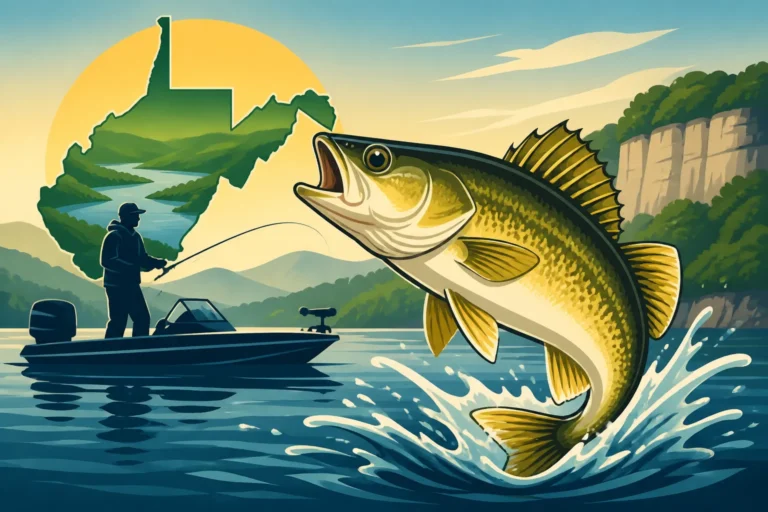
Kanawha Falls walleye fishing spot
Finding prime walleye fishing spots in West Virginia can sometimes feel like chasing a ghost, especially when you're hoping for that trophy bite in a unique, challenging environment. Many anglers get frustrated trying to pinpoint where these elusive fish gather and what techniques truly work. If you've ever dreamed of battling a feisty walleye in a truly iconic Mountain State location, then Kanawha Falls is a spot you absolutely need to explore. This guide will take you deep into the heart of this incredible fishery, offering practical advice and seasoned tips to help you unlock its walleye potential.
The Allure and Angling Realities of Kanawha Falls Walleye Fishing
Kanawha Falls isn't just a picturesque natural wonder; it's a dynamic ecosystem that creates a perfect storm for various fish species, particularly walleye. However, its beauty also hides some significant challenges for anglers. Understanding both the benefits and the hurdles is key to a successful outing.
Why Kanawha Falls Draws Walleye
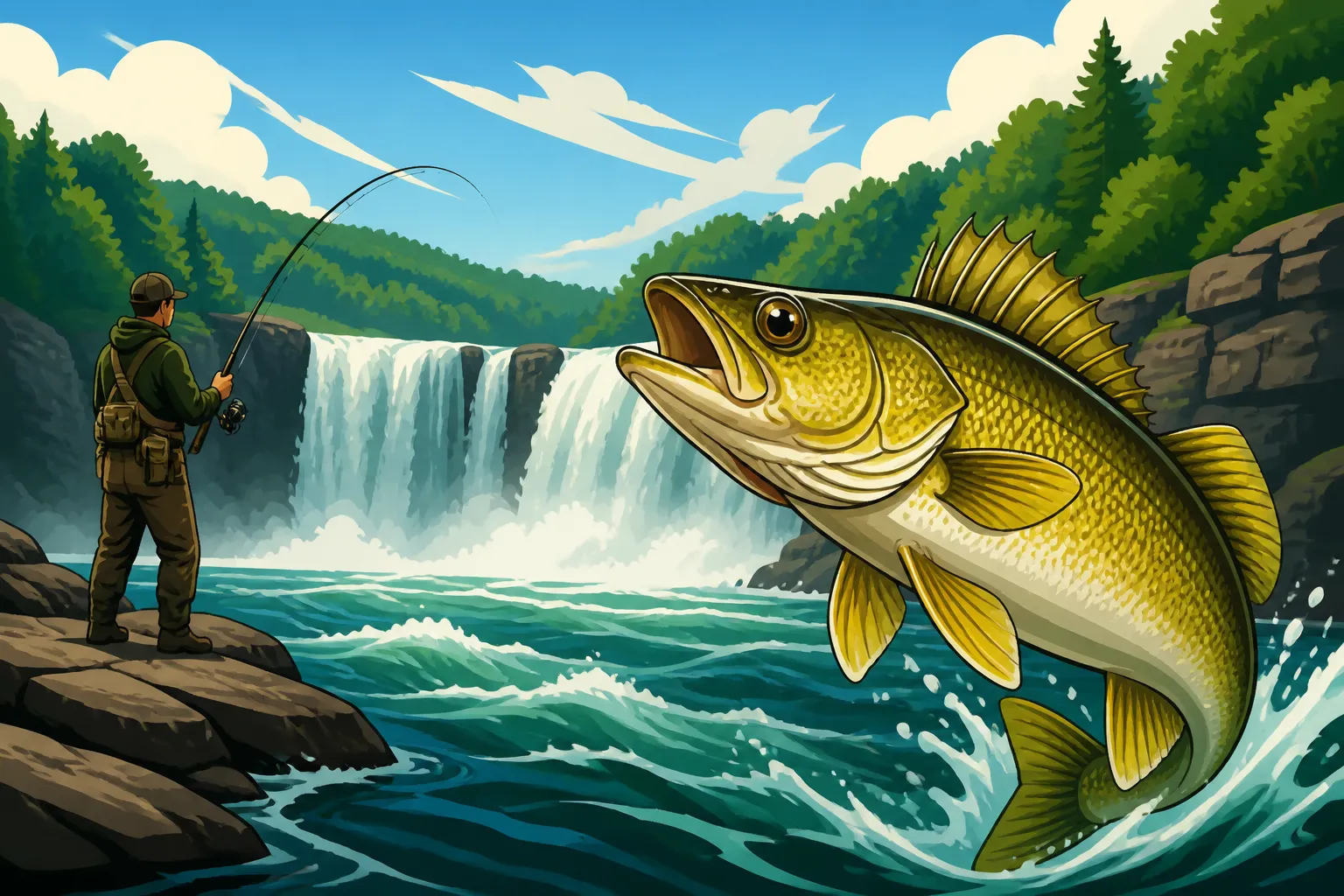
The sheer power and unique geography of Kanawha Falls act as a magnet for walleye. As the New and Gauley Rivers converge to form the Kanawha River, they create an incredible flow. The falls themselves, though not a massive drop, provide constant aeration, injecting oxygen into the water which fish, especially walleye, thrive on. This highly oxygenated water is often cooler than stagnant pools, creating ideal conditions.
More importantly, the turbulent water below the falls disorients and concentrates baitfish. Gizzard shad, various minnows, and other forage species struggle against the current, making them easy targets for predatory walleye. Think of it as a natural buffet line for hungry fish. Walleye, being opportunistic ambush predators, love to position themselves in current seams and eddies just out of the main flow, waiting for an easy meal to drift by. The rocky bottom and deep pools scoured by centuries of water flow also provide ample structure and hiding places for these cunning fish. This combination of oxygen, abundant food, and prime ambush points makes the area immediately below Kanawha Falls a verifiable walleye hotspot, drawing anglers eager to experience Walleye Fishing in West Virginia at its best.
Understanding the Kanawha River's Demands on Anglers
While the falls create an amazing fishery, they also present some serious demands on anglers. The most significant challenge is the extremely strong current. The Kanawha River, especially below the confluence and over the falls, moves a tremendous volume of water. This means you'll need heavier tackle, strong lines, and a keen understanding of how to read river currents. Drifting baits or lures effectively without getting swept away or snagged requires skill and patience.
Submerged rocks and debris are another constant threat. The powerful current constantly shifts and re-arranges the riverbed, creating countless snag points that can quickly relieve you of your expensive lures. Losing tackle is part of the game here, but being prepared with extra gear can soften the blow. Water levels can also fluctuate, influenced by upstream dam releases from Bluestone Dam on the New River or weather events, which can drastically change fishing conditions and access. Always check current river conditions before heading out. Safety, above all else, must be your priority. Operating a boat anywhere near the falls demands extreme caution, and approaching the immediate drop-off zone should be avoided entirely. This is a powerful, unforgiving environment, so respect its might.
Mastering Techniques and Selecting Baits for Kanawha Falls Walleye
Catching walleye at Kanawha Falls isn't about luck; it's about understanding their behavior in this unique environment and adapting your techniques accordingly. From lure choice to seasonal strategies, every detail counts. For general guidance, it's always good to review How to Catch Walleye in West Virginia.
Top Lures and Live Bait Choices
When you're dealing with the powerful currents and deep pockets of Kanawha Falls, your tackle choices become critical. You need presentations that can get down to the fish and stay there without getting immediately swept away or tangled.
- Jigging: This is arguably one of the most effective methods here. You'll need heavy jigs, often ranging from 1/2 ounce to over 1 ounce, depending on the current strength. Pair these with soft plastic grub tails or paddle tail swimbaits in colors like chartreuse, white, pearl, or natural baitfish patterns. The key is to present the jig vertically or with a controlled drift, bouncing it along the bottom. Walleye often hug the riverbed, especially in current breaks, and a jig hopping past them can trigger an aggressive strike. Look for seams where faster water meets slower water, or deep holes behind submerged structure.
- Crankbaits: Deep-diving crankbaits are excellent for covering water, especially if you're trolling or casting into larger pools. Models like Rapala Deep Husky Jerks, Berkley Flicker Shads, or Storm ThunderSticks, designed to reach depths of 10-20 feet or more, are good choices. Colors mimicking local baitfish (shad, perch) or brighter attractor colors like firetiger or hot orange can be effective. When casting, try to retrieve them so they occasionally tick off the bottom structure, which can entice a following walleye.
- Bottom Bouncing/Live Bait: For a more natural presentation, especially when fish are less aggressive, live bait rigs shine. A traditional Lindy Rig or a three-way swivel rig with an egg sinker or a heavy pencil lead can effectively present live minnows (shiners are excellent) or plump nightcrawlers. The weight allows you to maintain bottom contact in the current. Drift these rigs slowly through promising areas, letting the current do some of the work. Walleye often pick up live bait subtly, so pay close attention to any unusual slack or tap on your line. Remember, when rigging up your Best Tackle Box Setup for West Virginia Anglers, always include a good selection of these critical items.
Adapting Your Approach Through the Seasons
Walleye behavior at Kanawha Falls changes with the seasons, meaning your strategy needs to evolve too.
- Spring (February-April): This is prime time, particularly for pre-spawn and spawning walleye. As water temperatures rise, walleye will move to shallower, rocky areas, sometimes upstream of the immediate falls or in specific riffles, to stage for spawning. Jigs and slow-presented live bait are incredibly effective now. After spawning, they'll often drop back into deeper pools below the falls, recuperating and beginning to feed actively. Best Time of Day to Catch Walleye in West Virginia during spring often means early mornings and late evenings.
- Summer (May-August): As waters warm, walleye often retreat to deeper, cooler, more oxygenated sections of the river. Night fishing can become exceptionally productive, as walleye are naturally nocturnal feeders. Trolling deep-diving crankbaits or vertically jigging with heavy jigs in the deepest holes and channels becomes the go-to. Look for thermal breaks and current seams that offer respite from the heat and current.
- Fall (September-November): This is another fantastic period as walleye embark on a major feeding frenzy to bulk up for winter. They can be found in a wider range of depths, often moving onto shallower flats during low light and retreating to deeper breaks during the day. Casting crankbaits, jigs, and even larger swimbaits can provoke aggressive strikes. The West Virginia Fishing Season Dates and Closures will confirm that fall offers excellent opportunities for walleye.
- Winter (December-January): While fishing slows down, it doesn't stop. Walleye metabolism slows significantly, so presentations need to be very subtle and slow. Vertical jigging small spoons or slow-drifting live bait in the deepest, most stable pools below the falls can still produce fish. Look for sunny days when the water might warm slightly, or focus on periods of stable weather.
Before you go, make sure you're familiar with the West Virginia Walleye Daily and Possession Limits, which are crucial for responsible angling.
Navigating Access and Equipping Yourself for Success at Kanawha Falls
Getting to and fishing Kanawha Falls effectively requires careful planning, the right gear, and an unwavering commitment to safety.
Practical Access Points and Boating Safety
Accessing the immediate area around Kanawha Falls can be a bit tricky. While there's a Kanawha Falls Public Access Site on the Fayette County side, launching directly into the turbulent waters right below the falls is often not advisable due to the extreme currents and hazards. For those looking for an experienced hand to navigate these challenging waters, consider booking a trip through a service like FishingBooker, which can connect you with local guides who know the Kanawha like the back of their hand.
Most anglers opt to launch their boats further downstream at established public boat ramps and then motor cautiously upstream. Good options include:
- Montgomery Public Boat Launch: Located a few miles downstream in Montgomery, this is a well-maintained ramp that provides relatively easy access to the Kanawha River. From here, you can navigate upstream towards the falls.
- London Locks and Dam Public Access: Further downstream from Montgomery, this site offers another good launch point. Again, you'd motor upstream, but this location might be preferred if you also plan to fish other sections of the river.
When approaching the falls by boat, safety is paramount. The current is incredibly powerful, and submerged rocks pose significant hazards. Never get too close to the actual drop-off zone of the falls. Maintain a safe distance, anchor securely in stable water if possible, or use your trolling motor to hold position in strategic current breaks. Always wear your personal flotation device (PFD), and ensure all West Virginia Boating Laws for Anglers are strictly followed. It's not a place to take risks, no matter how tempting the fishing might seem. For an overview of river fishing in the region, consult the Best Fishing Rivers in West Virginia guide. Many anglers find success by tapping into local knowledge, and services like FishingBooker provide a great way to find seasoned guides familiar with the nuances of fishing the Kanawha Falls area.
Essential Gear for the Discerning Walleye Angler
To truly tackle the walleye at Kanawha Falls, you'll need gear that can withstand the abuse of heavy currents and powerful fish, yet still offer the sensitivity to detect subtle bites.
- Rods: Opt for medium-heavy to heavy power spinning or baitcasting rods, typically 6'6" to 7'6" in length. A fast or extra-fast action tip will give you the sensitivity to feel bites and the backbone to fight fish in current and set hooks firmly.
- Reels: Durable spinning reels in the 3000-4000 series or robust baitcasting reels with a smooth, reliable drag system are essential. You'll be putting these reels to the test.
- Line: Spool your reels with braided main line, 20-30 lb test, for its incredible strength, sensitivity, and lack of stretch. This is crucial for feeling those light walleye bites in deep, swift water. Always tie on a fluorocarbon leader (10-15 lb test, 3-6 feet long) for abrasion resistance against rocks and invisibility to the fish.
- Tackle: As mentioned, a variety of heavy jig heads, soft plastic grubs and paddle tails, deep-diving crankbaits, heavy bottom-bouncing weights, and strong hooks are non-negotiable. Don't skimp on quality, as a lost fish due to cheap tackle is a bitter pill to swallow.
- Safety Equipment: Beyond PFDs, always carry a first-aid kit, a throw cushion, a whistle, and ensure your boat's navigation lights and horn are functional. A sturdy anchor is also vital if you plan to hold position.
- Electronics: A good fish finder or depth sounder is incredibly valuable for locating deep channels, rock piles, and submerged structure where walleye will congregate. Even seasoned anglers appreciate the convenience and expertise offered by guides found on platforms like FishingBooker, ensuring a safer and more productive outing on complex waters. For more on this, check out Best Fish Finders for West Virginia Lakes.
- Boating: When it comes to Best Boats for West Virginia Rivers and Lakes, a sturdy jon boat or a versatile multi-species boat with a reliable motor is recommended for navigating the Kanawha River. Before heading out, checking local conditions is key, and sometimes getting insights from a professional guide booked via FishingBooker can make all the difference.
Equipped with the right knowledge and gear, Kanawha Falls offers a challenging but ultimately rewarding experience for those seeking West Virginia walleye.
| Season | Primary Technique | Recommended Lures/Baits | Key Considerations |
|---|---|---|---|
| Spring | Jigging, Slow Drifting | Heavy Jigs (chartreuse, white), Live Minnows, Nightcrawlers | Walleye staging for spawn; focus on rocky areas, current seams |
| Summer | Trolling, Vertical Jigging | Deep-Diving Crankbaits (natural, firetiger), Heavy Jigs | Walleye in deeper, cooler water; effective night fishing |
| Fall | Casting, Jigging | Crankbaits, Jigs, Swimbaits (shad/perch patterns) | Aggressive feeding patterns; wide range of depths |
| Winter | Slow Vertical Jigging, Drifting Live Bait | Small Spoons, Jigs (darker colors), Live Minnows | Very slow presentations in deepest pools; stable weather |
| Any (High Current) | Heavy Bottom Bouncing | Live Minnows, Nightcrawlers (Lindy Rigs, 3-way swivels) | Maintain bottom contact, fish behind structure |
Disclaimer
Always check the latest West Virginia fishing regulations, season dates, and license requirements before heading out on any fishing trip. Conditions can change rapidly, and being prepared is key to a safe and enjoyable experience.