White Bass Runs in West Virginia
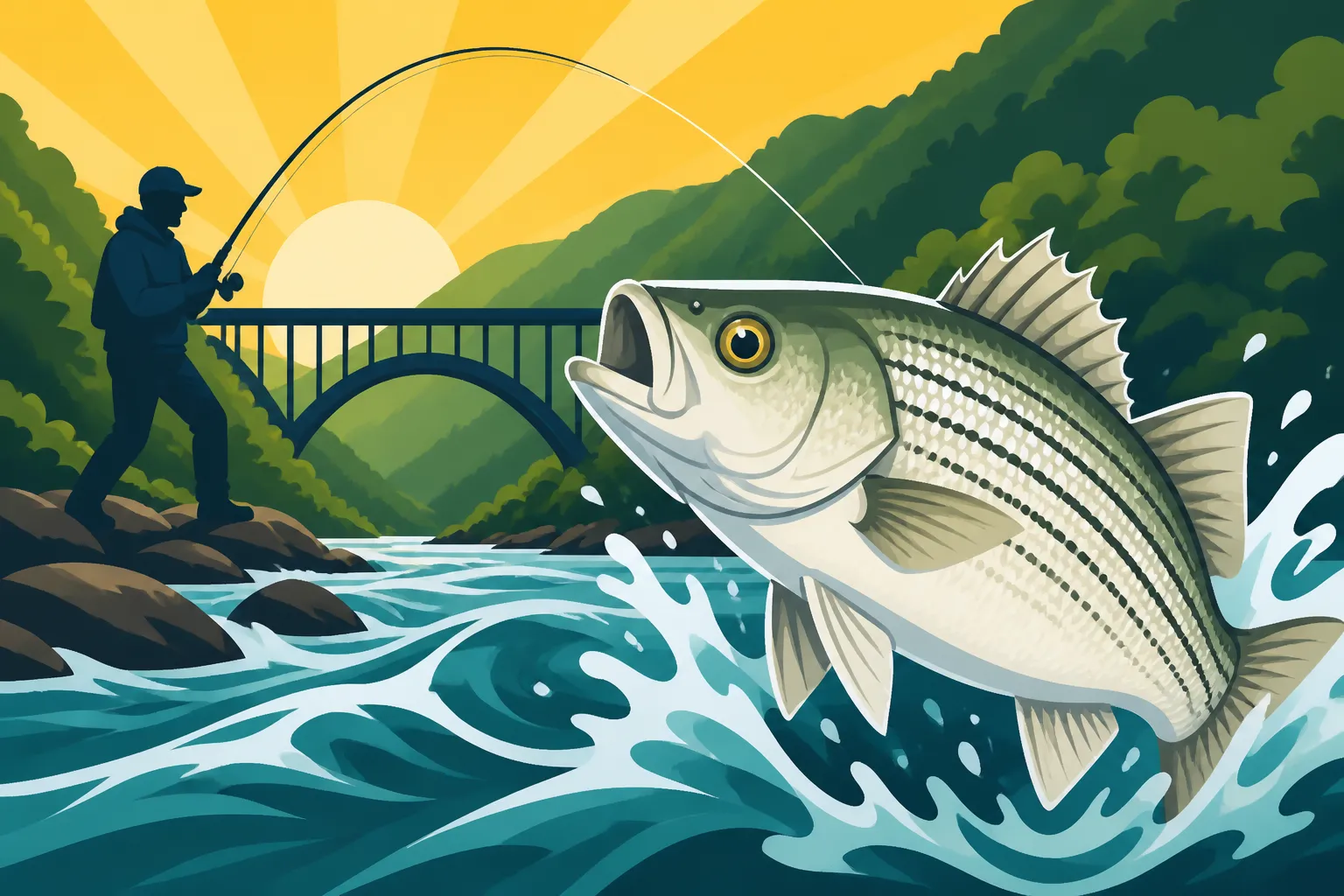
There's a special kind of electricity in the air when the white bass start to run in West Virginia. For many anglers, it’s a highly anticipated event, a frantic, exhilarating period where these silvery fighters gather in massive numbers, pushing up rivers to spawn. However, missing the peak of the run, or not knowing where to go, can be incredibly frustrating. This guide is all about helping you understand the magic of white bass runs, identify the prime locations, master the right techniques, and ultimately, put more of these feisty fish on your line here in the Mountain State.
Understanding the Phenomenon of White Bass Runs in West Virginia
If you’ve ever been lucky enough to witness a true white bass run, you know it’s an unforgettable experience. It's not just about catching fish; it's about being part of a natural spectacle. For those new to it, imagine miles of river teeming with actively feeding and spawning fish – it’s a truly unique opportunity that West Virginia offers.
What Exactly is a White Bass Run?
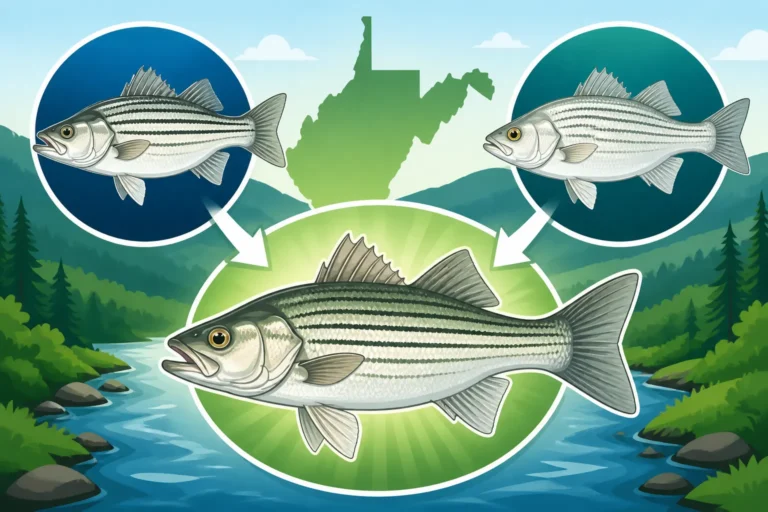
At its heart, a white bass run is a massive migration driven by the powerful instinct to spawn. White bass (Morone chrysops) are pelagic fish, meaning they typically inhabit open water in lakes and larger rivers. But when spring arrives, and the water temperatures begin to climb, something primal kicks in. They leave the deeper, open waters of reservoirs and large river pools, congregating in huge schools and pushing upstream into smaller tributaries, riffles, and shoals.
This isn't just a casual swim; it’s an energetic, often frantic journey. They're looking for moving water, often over gravel or rock bottoms, to deposit their eggs. During this migration, their feeding activity can be incredibly aggressive. They'll gorge themselves on baitfish that are also moving upstream, making them highly susceptible to a variety of lures and baits. It's truly a "run" in every sense of the word, a period of intense activity that can last for several weeks, though the peak window in any one spot might be much shorter. It's a fantastic chance to catch a lot of fish in a relatively short amount of time, a true blessing for anglers.
Why West Virginia is Prime for White Bass Runs
West Virginia, with its intricate network of rivers and reservoirs, provides ideal habitat for thriving white bass populations and spectacular runs. We don't have vast coastal plains; instead, we have mountainous terrain carved by ancient waterways. These rivers, like the Ohio and Kanawha, connect to larger reservoir systems that hold healthy populations of white bass year-round. When the spawning urge hits, these fish don't have to travel far to find suitable upstream habitat.
The state’s geography means that many smaller rivers and creeks feed into these larger systems, creating perfect spawning grounds. These tributaries often have the rocky or gravelly bottoms and moderate currents that white bass seek out for depositing their adhesive eggs. Furthermore, the prevalence of healthy baitfish populations—like shad and various minnows—provides an abundant food source for the hungry bass both before and during their spawning journey. This combination of robust populations in reservoirs, accessible spawning grounds in feeder rivers, and ample food makes West Virginia a prime destination for white bass anglers. You'll find good information about these productive waters in our Best Fishing Rivers in West Virginia guide.
The Ideal Conditions for a Successful Run
Timing is everything when it comes to white bass runs, and success often hinges on understanding the subtle cues that trigger their migration and intense feeding. The primary driver is water temperature. Generally, white bass begin their upstream migration when water temperatures consistently reach the low to mid-50s Fahrenheit (around 10-13°C), and spawning activity peaks when temperatures are in the mid-60s (around 18-20°C). A gradual warming trend, rather than sudden spikes or drops, usually means a stronger, more sustained run.
Beyond temperature, stable water flow is crucial. Heavy rains can blow out rivers, making the water muddy and high, which can disperse fish and make fishing difficult. Conversely, extremely low water can concentrate fish but also make access challenging and some areas too shallow for spawning. A consistent, moderate flow is ideal. Sunny, calm days often bring the fish higher in the water column and make them more active, but overcast days can also be productive. Understanding these conditions helps you predict when and where the best fishing will be, preventing wasted trips and maximizing your time on the water.
Identifying Key White Bass Run Locations in West Virginia
Knowing where to find white bass when they're running is half the battle. While they can pop up in unexpected places, certain rivers and their tributaries are consistently productive year after year. It's about understanding the big picture of West Virginia's waterways.
Major Rivers and Their Tributaries
When you think of white bass runs in West Virginia, your mind should immediately turn to the state’s largest river systems. The Ohio River is undoubtedly the monarch of white bass fishing here. Its vast expanse and numerous tributaries provide an endless network for these fish. White bass from the Ohio will push into many of its feeder creeks and rivers during the spring. Key areas to watch are the mouths of these tributaries and the first several miles upstream, particularly below any dams or riffle areas. Popular spots include the mouths of Fishing Creek, Middle Island Creek, and the Little Kanawha River, all of which can hold incredible numbers of fish. Our Ohio River Fishing Guide for West Virginia Anglers offers more detailed insights into this massive fishery.
Another powerhouse is the Kanawha River. This major waterway, especially its lower sections and its confluence with the Elk and Coal Rivers, experiences fantastic white bass runs. Fish from the main Kanawha push into the Elk River and other smaller streams, creating excellent opportunities for anglers. Access points, eddies, and shallower riffle areas often concentrate the fish. Public boat ramps and shore access points along these rivers become bustling hubs during the peak of the run. You can find more specific locations in our Kanawha River Fishing Spots article. Always remember to check local conditions, as water levels and clarity can dramatically affect where the fish are holding on any given day.
Lesser-Known Hotspots and Reservoirs
While the big rivers grab most of the headlines, don't overlook some of West Virginia's reservoirs and their smaller feeder streams. Many impoundments, though not traditional "rivers," still see significant white bass movements into their upper reaches and major tributaries during the spawn. Lakes like Bluestone Lake, Summersville Lake, and Tygart Lake all have healthy white bass populations. During the spring, these fish will migrate upstream into the rivers and larger creeks that feed these lakes. The upper sections of these impoundments, where the river currents become more noticeable, can be fantastic.
These spots often offer a slightly different fishing experience, sometimes with less current and more structure, but the principle remains the same: find the inflowing water where the fish are pushing to spawn. Access might be more limited to kayak or small boat anglers in some of these smaller tributaries, but the reward of less crowded water can be well worth the effort. Always check with local sources or bait shops for the most current information, as these smaller runs can be more localized and dependent on specific conditions. If you're into kayak fishing, our guide on Best Kayak Fishing Spots in West Virginia might inspire you to explore these unique opportunities.
Reading the Water: Spotting a Run in Progress
You can read all the reports and check all the water temperatures, but nothing beats being able to see a white bass run happening before your eyes. Knowing the visual cues can save you hours of fruitless casting. One of the most obvious signs is surface activity. Look for schools of baitfish being chased and busted on the surface. White bass are voracious predators, and when they're actively feeding, they'll often push schools of shad or minnows to the surface, creating visible boils, splashes, and frantic disturbances. This "feeding frenzy" can be short-lived but incredibly intense.
Another key indicator is the presence of birds, particularly gulls and terns, diving into the water. These birds are opportunists, and they quickly learn that where there's a feeding frenzy of fish, there's an easy meal. If you see flocks of birds aggressively working an area of the river, it's a strong sign that white bass (or other schooling predators) are actively feeding below. Finally, simply observing other anglers can be a giveaway. If you see a cluster of boats or shore anglers all casting into the same area, and especially if you see them regularly hooking up, you've likely found a productive section of the run. Look for eddies, current seams, and areas where the current breaks around structure, as these are natural holding points for migrating fish.
Essential Gear and Techniques for White Bass Anglers
You don't need a massive arsenal of specialized equipment to get in on the white bass action, but having the right tools for the job will definitely increase your success. These fish hit hard and fight well for their size, so a balanced setup is key.
Rods, Reels, and Line: Your Basic Setup
For white bass, light to medium-light spinning tackle is generally preferred. This setup allows for long, accurate casts of smaller lures and provides enough sensitivity to feel those subtle taps, yet enough backbone to handle a feisty fighter in current.
- Rods: A 6 to 7-foot spinning rod with a fast action is ideal. The fast action means the rod bends mostly in the tip, giving you excellent sensitivity for detecting strikes and the quick power to set the hook. A medium-light power is perfect, allowing you to cast small lures effectively while still having enough strength to control a lively fish. You don't need a heavy bass rod for these guys; finesse often wins the day.
- Reels: Pair your rod with a lightweight spinning reel in the 1000 to 2500 size range. Look for a smooth drag system, which is crucial for fighting spirited white bass without breaking your line. A good reel will handle repeated casting and retrieving without fatigue.
- Line: Most anglers opt for 6 to 8-pound test monofilament or fluorocarbon line. Monofilament is forgiving, offers good knot strength, and floats, which can be helpful for topwater presentations. Fluorocarbon is nearly invisible underwater, has less stretch, and sinks, making it great for jigging. Many anglers also use a braided main line (10-15 lb test) for its incredible sensitivity and casting distance, then tie on a 6-8 lb fluorocarbon leader. You can find excellent options for all these components on platforms like Amazon, often with helpful reviews from other anglers. For beginners, a good Best Rod and Reel Combo for Beginners can be a fantastic way to start.
Lures and Baits That White Bass Can't Resist
White bass are aggressive feeders, especially during the run, and they'll strike a wide variety of lures that imitate baitfish or small crustaceans. The key is often to match the hatch – use lures that are similar in size and color to the baitfish they are feeding on.
- Jigs: Small lead-head jigs (1/16 to 1/4 ounce) dressed with soft plastic bodies are probably the most consistent white bass producers. Grubs, tubes, and minnow-shaped plastics in white, chartreuse, pink, or pearl are highly effective. You can fish them with a straight retrieve, a lift-and-drop retrieve, or by bouncing them along the bottom.
- Inline Spinners: Brands like Rooster Tail, Mepps, and Panther Martin are classic white bass lures. Their flashy blades and vibrant dressing are irresistible. Sizes from 1/8 to 1/4 ounce are usually perfect. Simply cast them out and retrieve steadily, varying your speed until you find what the fish prefer.
- Small Crankbaits: Shallow-diving crankbaits that mimic minnows can be deadly, especially when fish are suspended or feeding just below the surface. Look for baits in chrome, silver, or shad patterns.
- Spoons: Casting spoons, particularly slender, flashy ones like Kastmasters or Little Cleos in 1/8 to 1/4 ounce, can also be very effective, especially for reaching fish schooled up in deeper pockets.
- Live Bait: If artificials aren't working, or you just prefer live bait, small minnows (shiners or fatheads) fished under a bobber or on a small jig head can be irresistible. Nightcrawlers or pieces of worms can also entice bites, particularly when the bite is slow. Many of these effective lures, especially various jig heads and soft plastic grub bodies, are readily available on Amazon, allowing you to stock up on different colors and sizes.
Effective Fishing Techniques for Riverine Runs
Fishing white bass in a river run requires a bit of strategy, as the current plays a significant role in how the fish position themselves and how your lure behaves.
- Fan Casting: This is a fundamental technique. Cast your lure in a fan pattern, starting upstream and working your way down, covering as much water as possible. White bass often school up in specific lanes or eddies, and fan casting helps you locate these concentrations.
- Retrieve Speed and Depth: Experimentation is key. Sometimes a fast, erratic retrieve triggers aggressive strikes, while other times a slower, more deliberate presentation is needed. Pay attention to how deep you're fishing. White bass can be anywhere from just below the surface to hugging the bottom, depending on the current and where the baitfish are. Adjust your lure weight or retrieve speed to target different depths.
- Drift Fishing: If you're in a boat or kayak, drifting downstream with the current while casting can be highly effective. This allows you to cover a lot of water and present your lure naturally. Use a trolling motor to control your speed or simply let the current carry you, making casts to promising structure or current breaks. This is a great technique for exploring longer stretches of river, and our How to Catch Smallmouth Bass in West Virginia Rivers guide has some transferable principles for river fishing.
- Vertical Jigging: When you locate a dense school of white bass, especially in deeper holes or eddies, vertical jigging can be incredibly productive. Position your boat directly over the fish (often visible on a fish finder) and drop a jig straight down, working it with short, sharp lifts and drops. This method keeps your lure in the strike zone longer.
Remember, white bass are often found in areas where the current creates a natural break or eddy. Look for the "sweet spot" where they can hold out of the main flow but dart out to ambush passing baitfish. These include the downstream side of rocks, submerged logs, wing dams, or even subtle current seams.
| Lure Type | Best Conditions | Retrieve Method | Target Depth | Notes |
|---|---|---|---|---|
| Small Jigs | All conditions, especially clear or slow current | Lift & drop, slow retrieve, bottom bouncing | Mid-water to bottom | Very versatile, try different soft plastic colors (white, chartreuse) |
| Inline Spinners | Moderate current, active fish | Steady retrieve, varied speed | Upper to mid-water | Flash and vibration are key, great search bait |
| Small Crankbaits | Fish feeding near surface, warmer water | Erratic retrieve, stop-and-go | Shallow to mid-water | Mimics baitfish perfectly, good around structure |
| Casting Spoons | Deeper holes, strong current, long casts needed | Jigging, erratic retrieve, vertical drops | Mid-water to bottom | Excellent for covering deep water quickly |
| Live Minnows | Tougher bite, finicky fish | Under bobber, on jig head, free-lining | All depths | Natural presentation, often works when nothing else will |
Timing Your Attack: When to Experience the Best Runs
Fishing for white bass during their annual runs isn't just about showing up with a rod and reel. It's about strategic timing, understanding the calendar, and paying close attention to the daily rhythms and ever-changing weather patterns of West Virginia.
The Calendar Window: Peak Months for White Bass
The white bass runs in West Virginia are predominantly a springtime phenomenon. This is when the spawning instinct is strongest, and the largest concentrations of fish will be found migrating upstream. You can generally expect the action to kick off in late March, really intensify through April, and often continue strongly into early May. The exact timing can shift by a week or two each year, depending entirely on how quickly the water warms up. A colder, longer winter might delay the peak by a bit, while an early warm spell can bring it on sooner.
While the spring run is the main event, don't write off other times of the year entirely. Sometimes, anglers can find smaller, less intense aggregations of white bass in the fall, particularly in larger reservoirs, when cooler temperatures trigger a feeding spree. However, these fall gatherings are generally not the dramatic, river-filling "runs" that characterize the spring spawn. For the true white bass run experience, focus your efforts on the spring months. Our Best Fishing Seasons by Month guide provides a broader overview of seasonal fishing opportunities in the state.
Daily Rhythms: Best Times of Day to Fish
Just like many other fish species, white bass tend to be more active during certain times of the day, particularly during their runs. Dawn and dusk are often prime times. As the sun rises and sets, the light levels change, and many baitfish become more active, which in turn stimulates white bass to feed. These low-light periods can often produce explosive topwater action or consistent bites on shallow-running lures.
However, the beauty of a strong white bass run is that they can often be caught throughout the entire day, especially if the weather is overcast or a major "feeding frenzy" erupts. When a school pushes bait to the surface, it can happen at any hour. If you're on the water and witness birds diving or fish busting the surface, drop everything and cast into the action – those windows can be fleeting but incredibly productive. On very bright, sunny days, the fish might hold a bit deeper or closer to cover, making mid-day fishing a bit more challenging but certainly not impossible.
Weather and Water Conditions: Being a Savvy Angler
Being a savvy angler means more than just having the right lures; it means understanding how environmental factors impact fish behavior. Water temperature, as mentioned, is the primary trigger. Keep an eye on local river gauges and weather forecasts. A few consecutive warm, sunny days after a cold snap can often ignite a dormant run.
Water clarity and level are also critical. Ideally, you want clear to slightly stained water. Heavily muddy water, often a result of heavy rains, can shut down the bite by making it difficult for white bass to see and ambush prey. High, swift water can also scatter fish and make them harder to locate and present lures effectively. Conversely, very low and clear water might make the fish more skittish and require a more stealthy approach or finer tackle. Always check the river conditions before heading out, perhaps by calling a local bait shop or checking online river data. An unexpected cold front can also put the fish down, making them less aggressive for a day or two. Being adaptable to these changing conditions is what separates consistent anglers from occasional ones.
Conservation and Responsible Angling Practices
While white bass runs can offer incredible catch rates, it's vital to remember our responsibility as anglers. Enjoying the bounty of these runs also means protecting them for future generations. Responsible angling practices ensure the sustainability of this fantastic fishery.
Understanding Bag and Possession Limits
West Virginia, like all states, has specific regulations governing white bass. These regulations are in place to manage fish populations and prevent overfishing, especially during concentrated spawning periods like the runs. It is absolutely crucial to know and adhere to the current bag and possession limits for white bass in the waters you are fishing. These limits can vary by species and sometimes even by specific bodies of water.
The general daily creel limit for white bass in West Virginia is generous, allowing anglers to keep a good number of fish. However, this isn't an invitation to keep every fish you catch. Always check the most up-to-date regulations before you head out. You can find this information in the official West Virginia Fishing Regulations Summary, often available as a PDF online or at licensed vendors. Our West Virginia Fishing Regulations Explained and West Virginia Bag and Possession Limits by Species articles can help you navigate these rules. Ignorance of the law is never an excuse, and violating these limits can result in significant fines and penalties.
Catch and Release vs. Keeping Your Catch
White bass are excellent table fare – their firm, white, flaky meat is delicious, especially when fresh. For many, harvesting some white bass during a run is a traditional and enjoyable part of the experience. They reproduce quickly and in large numbers, meaning that a responsible harvest often has little impact on the overall population.
However, even with a species as prolific as white bass, mindful harvesting is key. If you plan to keep fish, only take what you will genuinely eat and share. Don't fill your cooler just for the sake of it. If you're practicing catch and release, handle the fish carefully. Wet your hands before touching them to protect their protective slime coat, and try to minimize their time out of the water. Use barbless hooks or de-barb your hooks to make release easier and less damaging. For those truly prolific days, consider releasing the larger, healthier females to ensure they can spawn successfully.
Minimizing Impact: Being a Good Steward
Beyond regulations, being a good steward of West Virginia's natural resources involves a broader ethical approach. This includes:
- Leave No Trace: Pack out everything you pack in. This means all your trash, including fishing line, bait containers, and food wrappers. Even biodegradable items should be packed out, as they take time to decompose and detract from the natural beauty of our waterways.
- Respect Private Property: Always be aware of property lines and access rules. If you're unsure, assume it's private and seek permission before entering. Respect posted signs and don't block access points or driveways.
- Wade Responsibly: If you're wading, be mindful of disturbing spawning beds, particularly in shallower areas. Also, be aware of the possibility of spreading aquatic invasive species from one water body to another. Clean your waders and boots thoroughly between trips.
- Practice Safe Boating: If you're fishing from a boat, be considerate of other anglers, both in boats and on shore. Maintain a safe distance, especially when running your motor, and be aware of any no-wake zones. Always have the required safety equipment on board, including life jackets for everyone. Our Life Jacket Requirements for West Virginia Boaters guide is an essential read for anyone hitting the water.
By following these principles, we can all contribute to healthy fisheries and enjoyable experiences for everyone who loves to fish in West Virginia.
Tips for Maximizing Your White Bass Run Success
You've got the gear, you know the spots, and you understand the timing. Now, let's talk about those extra little details and mindset shifts that can truly make or break your white bass run experience.
Scouting and Preparation
Success on the water often begins long before you even leave your driveway. Pre-trip research is invaluable. Start by checking online fishing forums, local bait shop websites, or social media groups dedicated to West Virginia fishing. Anglers are often eager to share general reports on whether the runs have started and which areas are producing. However, take specific "hotspot" claims with a grain of salt, as these can quickly become crowded or outdated.
Consult local knowledge whenever possible. Pop into a local bait and tackle shop near your chosen fishing destination. These folks live and breathe local fishing, and they can offer incredibly current insights into water conditions, what lures are working, and even specific stretches of river that are active. They might tell you if a particular creek is blown out or if the bite is better early morning. Finally, always check weather and water conditions right before you go. Is the river rising or falling? Is the water clear or muddy? Will there be high winds? These factors directly impact where fish will hold and how they'll bite. Our article on Reading the West Virginia Fishing Regulations Summary is a good preparation step to make sure you're compliant.
Adaptability is Key
The biggest mistake an angler can make during a white bass run is getting stuck in a rut. What worked yesterday might not work today, and what works at dawn might not work at noon. Adaptability is your superpower.
- Change Lures and Colors: If you're not getting bites on your favorite chartreuse grub, switch to a white jig, then a chrome spinner, then a silver crankbait. Sometimes, a subtle change in color or profile can make all the difference. Keep a variety of lures readily accessible.
- Vary Retrieve Speeds and Depths: Are you reeling too fast or too slow? Are you fishing too high or too deep? Experiment! Try a fast, erratic retrieve for a few casts, then slow it down and bounce your lure along the bottom. Watch your line for subtle taps if you're jigging.
- Move if Necessary: If an area isn't producing after a reasonable amount of time, don't be afraid to pick up and move. White bass runs are about finding concentrated schools of fish. If they're not there, they're somewhere else. Even moving 50 or 100 yards can put you on a whole new school. Sometimes the fish will push further upstream, or drop back into deeper holes, depending on pressure and conditions. Stay mobile, stay flexible.
Safety First on the Water
White bass runs often happen in moving water, which inherently comes with certain risks. Your safety, and the safety of those fishing with you, should always be your top priority.
- Wading Safety: If you're wading in a river, always wear appropriate wading boots with good grip. A wading staff can be an invaluable tool for maintaining balance, especially in swift or unknown currents. Know your limits – never wade into water that is too deep or too fast for your comfort and skill level. Be aware of slippery rocks, sudden drop-offs, and submerged obstacles.
- Boating Safety: If you're fishing from a boat or kayak, ensure all required safety equipment is on board, including readily accessible personal flotation devices (PFDs) for everyone. Always wear your PFD, especially if you're in a smaller craft or navigating tricky currents. Let someone know where you're going and when you expect to return. Be mindful of changing weather, especially sudden thunderstorms common in West Virginia. Understanding West Virginia Boating Laws for Anglers is crucial.
- Know Your Location: Have a way to navigate, whether it's a GPS device, a map, or a fully charged phone with a mapping app. Understand how to get help if you need it. Carry a small first-aid kit, water, and snacks.
By being prepared, adaptable, and safety-conscious, you're not just increasing your chances of a successful and memorable white bass fishing trip; you're also ensuring that you'll be able to enjoy the exhilarating experience of a West Virginia white bass run for years to come.
Disclaimer
This article is for general informational purposes only and does not constitute professional advice. Laws, prices and regulations vary by location and change over time. Consult a qualified professional for guidance on your specific situation.